https://https://au.trip.com/toplist/tripbest/recommend/taiyuan/best-things-to-do/100001412124


Best Things to Do

Top 50 Best Things to Do in Taiyuan [2025]

Show All Photos
Jinci Museum
4.8
/5
14464 reviews
8.6
From AU$ 17.27

Based on 119 reviews
Taiyuan Ancient County/Jinci Temple | 20.3 km from downtown
Phone +864006088608
Address: In Jinci Park, Jinyuan District, Taiyuan City, Shanxi Province
Recommended sightseeing time: 2–4 hours

Achieved a 2-year streak on the annual lists
Highlights:
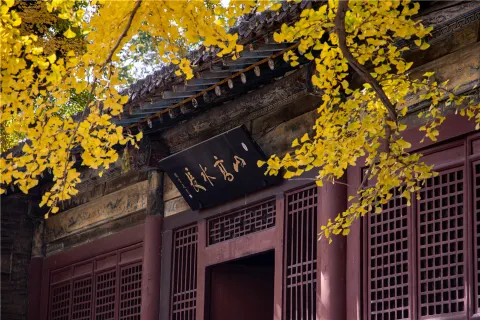
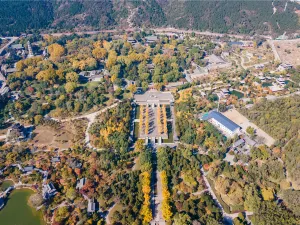
Growing Buddhist Relics Tower overlooking Jinci's panorama
Jinci's Three Treasures showcase ancient architectural charm

Saved by 150 users11301 positive reviews
Verified user reviews


An unexpected bonus was meeting many cats at the zoo, which added a lot of fun. Some of them were so thin and bony; it broke my heart. I hope the zoo can have compassion and give these little creatures, who are struggling to survive the winter, more care. We are willing to support any crowdfunding efforts needed. Thank you.
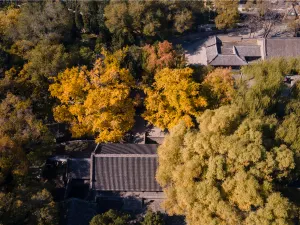
This is a must-see spot in Taiyuan. I went in early November, and the autumn colors were absolutely stunning. You can take your time to appreciate the scenery, explore at your own pace, and even visit the park outside. You could easily dedicate a whole day to it; half a day would be too rushed.

Show All Photos
Shanxi Museum
4.8
/5
2938 reviews
7.7

Based on 98 reviews
Shanxi Museum/Taiyuan New Town Wuyue Plaza | 1.6 km from downtown
Phone +8603518789555
Address: No. 13, North Section of Binhe West Road, Wanbailin District, Taiyuan City
Recommended sightseeing time: 2–3 hours
Featured in 2026 Asia 100 - Family-friendly Attractions
Highlights:
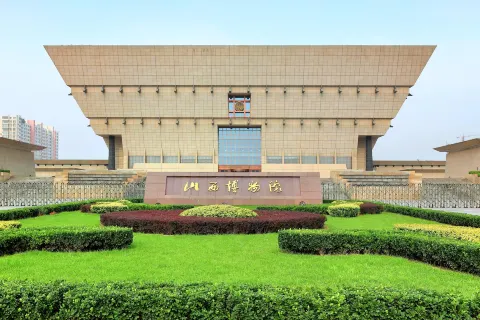
Ancient culture & iconic architecture
Ancient artifacts & unique appearance
Saved by 116 users2010 positive reviews
Verified user reviews



The Shanxi Museum is a concentrated essence of Shanxi Province, a province rich in cultural relics. From bronze artifacts to theatrical treasures, every step is a historical highlight.
Shanxi Museum Visitor Guide
The Shanxi Museum is a concentrated essence of Shanxi Province, a province rich in cultural relics. From bronze artifacts to theatrical treasures, every step is a historical highlight. Below is a detailed visitor guide to help you better plan your trip:
I. Basic Information
Address: No. 13, North Section of Binhe West Road, Taiyuan City, Shanxi Province
Opening Hours:
Tuesday to Friday: 09:00-17:00 (Last entry at 16:00)
Saturday and Sunday: 09:00-18:00 (Extended opening hours on summer weekends)
Closed on Mondays (except public holidays)
Ticket Information: Free admission, advance reservation required
II. Reservation Method
Reservation Platform: Individuals and groups can make reservations up to 3 days in advance (including the day of visit) through the "Visit Services" menu on the official WeChat account of "Shanxi Museum". Visits are free of charge on Saturdays and Sundays from 4:00 PM to 6:00 PM.
Reservation Restrictions: Each reservation can accommodate a maximum of 3 people, and each ID card is limited to one reservation per day. Please keep your reservation voucher safe.
III. Recommended Tour Route
The Shanxi Museum has four floors, with its permanent exhibition themed "The Soul of Jin," divided into 14 exhibition halls. The following is a recommended route for your reference:
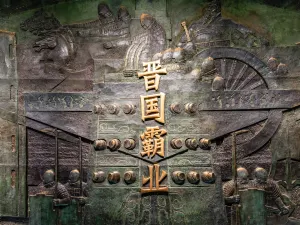
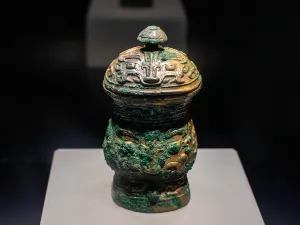
Second Floor: Cradle of Civilization, Traces of the Xia and Shang Dynasties, The Hegemony of the Jin State. Here you can admire Neolithic painted pottery and jade artifacts, experiencing the wisdom of Shanxi's earliest inhabitants. The museum's treasures, such as the Bird-shaped Zun and the Jin Gong Pan, are also on display here.
The Shanxi Museum is a concentrated essence of Shanxi's rich cultural heritage, from bronze artifacts to theatrical treasures—every step is a historical revelation. Here is a detailed visitor guide to help you better plan your trip:
I. Basic Information
Address: No. 13, North Section of Binhe West Road, Taiyuan City, Shanxi Province
Opening Hours:
Tuesday to Friday: 09:00-17:00 (Last entry at 16:00)
Saturday and Sunday: 09:00-18:00 (Extended opening hours on summer weekends)
Closed on Mondays (except public holidays)
Ticket Information: Free admission, advance reservation required
Reservation Method
Reservation Platform: Individuals and groups can make reservations up to 3 days in advance (including the day of the visit) through the "Visit Services" menu on the official WeChat account of "Shanxi Museum".
Reservation Restrictions: Each reservation can only accommodate a maximum of 3 people, and each ID card can only be used for one reservation per day. Please keep your reservation voucher safe.
Recommended Visit Route: The Shanxi Museum has 4 floors. The permanent exhibition, themed "The Soul of Jin," is divided into 14 exhibition halls. Here is a recommended itinerary for your reference:
Second Floor: Cradle of Civilization, Traces of the Xia and Shang Dynasties, Hegemony of the Jin State. Here you can admire Neolithic painted pottery and jade artifacts, experiencing the wisdom of Shanxi's earliest inhabitants. The Bird-shaped Zun and the Jin Gong Pan, among other national treasures, are also on display here.
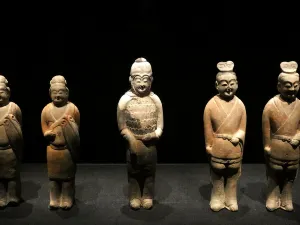
Third Floor: Melting Pot of Ethnic Groups, Buddhist Legacy (Buddhist Statues), Hometown of Opera, Shanxi Merchants of the Ming and Qing Dynasties. This floor displays Northern Dynasties murals, Hu (non-Han) pottery figurines, showcasing the fusion of diverse cultures; there's also a model of an ancient opera stage and opera figurines from the Dong Ming Tomb, a delight for opera enthusiasts.
Fourth Floor: Magnificent Architecture (Ancient Buildings), Elite of Mountains and Rivers (Ancient Jade), Calligraphy and Painting (Ancient Paintings and Calligraphy), A World of Ancient Coins, and Artistic Treasures of Porcelain (Ancient Porcelain). This floor gathers exquisite ancient architecture, jade artifacts, calligraphy and paintings, coins, and porcelain—a must-see.
The Shanxi Museum houses over 500,000 artifacts, including bronzes, porcelain, stone carvings, Buddhist statues, murals, and calligraphy and paintings. The Jin Marquis Bird-shaped Zun is its most prized possession.
The Shanxi Museum is a paradise for family trips and is listed as one of China's 100 best family-friendly attractions by 2025.

Show All Photos

Taiyuan Botanical Garden
4.7
/5
4021 reviews
7.7
From AU$ 6.48
Taiyuan Ancient County/Jinci Temple | 15.6 km from downtown
Phone +8603516995666
Address: Jinyuan District of Taiyuan City
Recommended sightseeing time: 2–3 hours
Featured in 2026 China 100 - Family-friendly Attractions
Highlights:
Cherry & lotus seasonal events
Baobabs & rare plants nearby
Saved by 145 users3710 positive reviews
Verified user reviews


It's alright. The Taiyuan Botanical Garden is quite well-built and large. You need to take a shuttle bus, and parking is convenient. The lights are even more beautiful at night.
Early winter was the perfect time to visit; the temperature was just right, and there wasn't an unbearable temperature difference between indoors and outdoors. I was very satisfied! The orchids were fantastic, and the cacti were large and adorable. I loved them.
No.
4
Show All Photos
Mengshan Grand Buddha
4.5
/5
926 reviews
6.9
From AU$ 23.31
Based on 61 reviews
13.4 km from downtown
Phone +8603516862502
Address: Luocheng Temple Village, Jinyuan District, Taiyuan City
Recommended sightseeing time: 2–4 hours
Highlights:
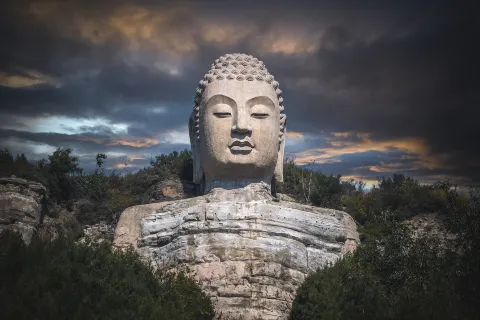
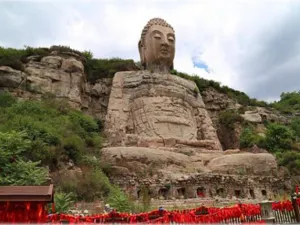
The Bei Qi Cliff Buddha Statue is 46m tall
Hike along the ancient path to the foot of the Buddha statue
638 positive reviewsRecently viewed by 1,000+ people
Verified user reviews


Everyone knows about the Leshan Giant Buddha, but what about the Mengshan Giant Buddha? Actually, in terms of age, the Mengshan Giant Buddha is 162 years older! In terms of height, the Mengshan Giant Buddha is only second, slightly shorter than the Leshan Giant Buddha! Getting to the Mengshan Giant Buddha isn't very convenient. Public transportation is available, but during the off-season, services are infrequent. Taking a taxi is recommended; taxi prices in Taiyuan are quite reasonable! The climb itself is of moderate length and difficulty. If you want an easier climb, you can take a shuttle bus. Along the way, you'll pass Kaihua Temple, the Iron Buddha Hall, and other smaller attractions. Looking up at the Buddha at its base is breathtaking; it's definitely worth a visit!
This attraction is fantastic! The greenery is beautiful, and the design is perfect. There are different Buddha statues to take photos with along the way, and the main Buddha statue is truly breathtaking. Veterans and other people with special privileges can enter for free.
No.
5
Show All Photos
The Coal Museum of China
4.4
/5
2366 reviews
6.8
From AU$ 12.95
Based on 12 reviews
Shanxi Museum/Taiyuan New Town Wuyue Plaza | 2.4 km from downtown
Phone +8603516180108
Address: No. 2 Yingze West Street, Wanbailin District, Taiyuan City
Recommended sightseeing time: 2–3 hours
Highlights:
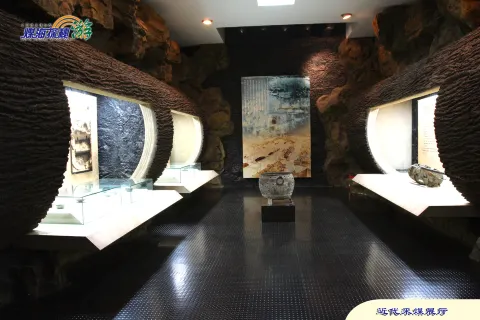
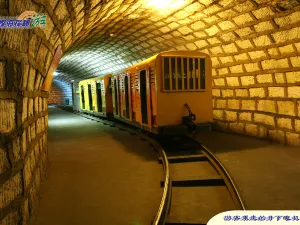
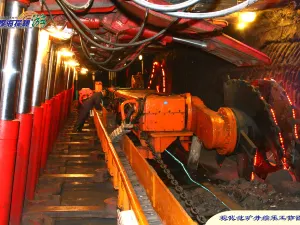
4D cinema & underground mine experience
Global coal resources exhibit
1523 positive reviewsRecently viewed by 1,000+ people
Verified user reviews


There is a manual explanation, the fee is 50, you can see the exhibition on the ground and go underground to visit the mining process, the cost-effectiveness is high, you can learn about coal mines, it is worth recommending! ! ! ! !
Shanxi, a major coal-producing province, has a dedicated museum, which is great, but it feels a bit underwhelming. The museum looks like it's preparing for a commercial trade show, making it bustling. The entrance has been pushed to the side, which I found a bit strange.
After entering, I asked for a tour guide, and the professionalism was quite good. The guide was good. There's also an elevator that goes down to the mines, and the exhibits on coal mining from ancient times to the present day are quite good. It fully satisfied my curiosity. The exhibition halls offer detailed information on coal types, and there are also coal-based artifacts that I found quite novel. Overall, I feel like there's room for further exploration of coal. After the tour of the coal process, the museum transitioned to a special topic on Shanxi murals, which felt like a crossover and a bit overwhelming.
No.
6
Show All Photos
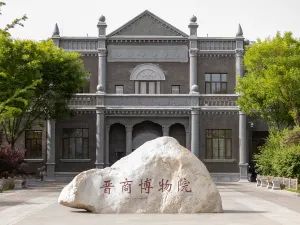
Taiyuan Shanxi Merchants Museum
4.8
/5
339 reviews
6.8
Liu Xiang/Bell Tower Street | 1.3 km from downtown
Phone +8603515223262
Address: 山西省太原市杏花岭区府东街101号
Recommended sightseeing time: 2–3 hours
Highlights:
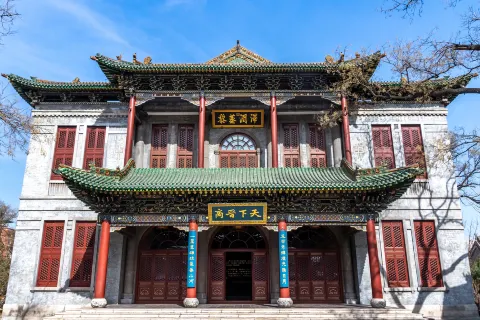
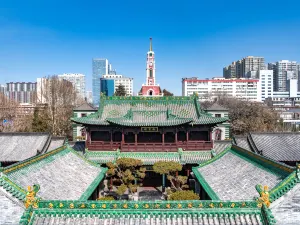
Old bank site & history
Shanxi's rich merchant culture
324 positive reviewsRecently viewed by 1,000+ people
Verified user reviews


The guide was approachable and explained things very thoroughly. I learned a lot, making it a fantastic travel experience! The guide talked for a long time! I think it was excellent value for money.
I thought it would be a small museum, so the entrance fee was 40 yuan. But once inside, I was pleasantly surprised. It's very large, and the exhibits are incredibly diverse, including sections on revolutionary history, tea culture, various artifacts, and architecture from different dynasties—all well worth seeing. Especially now, in late autumn/early winter, the colors of the plants are breathtaking. Highly recommended!
No.
7
Show All Photos
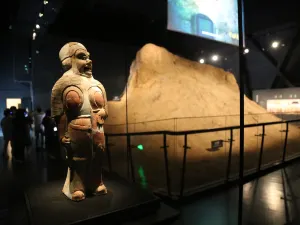
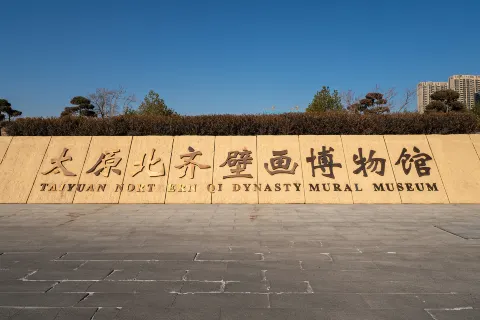
Taiyuan Northern Qi Dynasty Mural Museum
4.8
/5
343 reviews
6.7
Taiyuan Railway Station | 7.2 km from downtown
Phone +864006088608
Address: 山西省太原市迎泽区南十方街与东峰路交汇处往西150米
Recommended sightseeing time: 1–2 hours
Highlights:
North Qi tomb murals' essence
Unique murals of Xu Xianxiu
326 positive reviewsRecently viewed by 1,000+ people
Verified user reviews



The Northern Qi Dynasty murals, with their fluid lines and vibrant colors, vividly depict the social landscape and diverse cultural integration of over 1,400 years ago. They are hailed as "a visual epic spanning a thousand years" and "an artistic dialogue across time and space."
⏰Opening Hours: 9:00 AM - 5:00 PM, closed on Mondays.
🎫Admission: Currently free, but requires a one-day advance reservation at the Taiyuan Northern Qi Dynasty Mural Museum (GZH).
Guided Tours: DP group purchases are available for ¥110 per person, at 10:00 AM and 2:00 PM.
🚌Transportation: Buses 308, 804, and the Y7 tourist bus are available. A one-kilometer walk is required (runs are infrequent).
🅿️Parking: Limited parking is available, so park on the street.
The Taiyuan Northern Qi Mural Museum is a very good place, with murals from various dynasties. I took my children to visit it, and they not only saw cultural relics but also learned about history. If you have time, you must go and see it, it is very shocking!
No.
8
Show All Photos
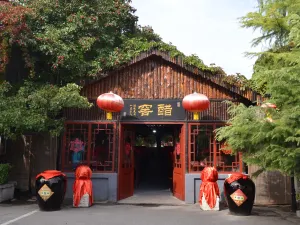
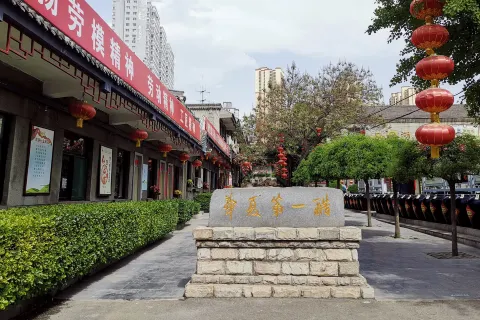
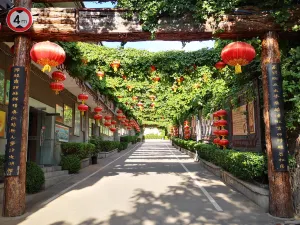
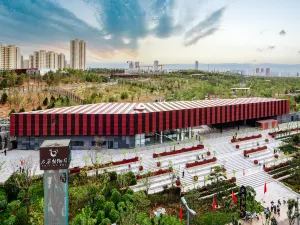
Donghu Vinegar Garden
4.8
/5
1041 reviews
6.4
Based on 9 reviews
Taiyuan Railway Station | 4.2 km from downtown
Phone +8603514424648
Address: 26 Ma Daopo, Taiyuan City
Recommended sightseeing time: 1–2 hours
Highlights:
Traditional vinegar brewing experience
Vinegar culture experience park
807 positive reviewsRecently viewed by 1,000+ people
Verified user reviews


The scenic area has a complete vinegar brewing process. The tour guide explains in detail. You can taste five or eight years old vinegar, buy vinegar and vinegar products, and the vinegar ice cream is delicious.
Donghu Vinegar Garden, a 4A scenic spot, is free to visit and has free explanations. It is really good. You can learn about the vinegar production process and the history of Donghu. It is beautiful to check in and take photos in the courtyard. The ice cream is delicious for 6 yuan, and you can try eight-year-old vinegar for free.
No.
9

Show All Photos
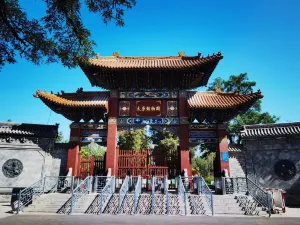
Taiyuan Zoo
4.2
/5
3391 reviews
6.3
From AU$ 2.16
Based on 34 reviews
Taiyuan Zoo/Taiyuan Forest Park | 5.5 km from downtown
Phone +8603513074953
Address: No. 2 Dongshan Road, Xinghualing District, Taiyuan City
Recommended sightseeing time: 2–3 hours
Highlights:
7 major park areas showcase a rich variety of animal species
See rare birds up close in the Aviary
2221 positive reviewsRecently viewed by 1,000+ people
Verified user reviews
This attraction is amazing! The natural scenery is stunning, with mountains and rivers mingling, and the air is fresh. The cultural landscape is also unique, with antique buildings and a historical charm that makes you linger.
Tickets are 10 yuan for adults and 5 yuan for children. It's a great weekend getaway for the kids. This was my first time there after the expansion. Parking is convenient in Parking Lot 1. Enter through the north gate and you can take a sightseeing bus or walk. Taiyuan's autumn weather is mild and pleasant, perfect for a trip to the zoo.
No.
10


Show All Photos
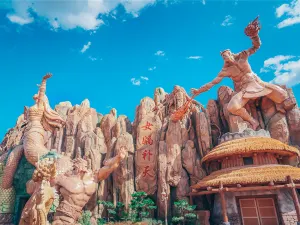
Taiyuan Fantawild Oriental Heritage
4.6
/5
2804 reviews
6.3
21.4 km from downtown
Phone +864001660006
Address: 山西省太原市阳曲县华强中路1号
Recommended sightseeing time: 1–1.5 days
Highlights:
Nuwa adventure & Dayu rafting
Immersive high-tech Eastern mythology
2541 positive reviewsRecently viewed by 1,000+ people
Verified user reviews

There were a lot of people today, but it didn't affect the experience. The queues for each project basically took half an hour. I've been here several times, and my children always want to come again.
There were so many people at Fantawild on May Day that you had to wait in line for about 120 minutes for any popular project, but the fireworks at night were so beautiful, and I also saw Phoenix 🐦🔥. In short, it is still the first choice for holiday travel! There are many people but the atmosphere is particularly good!
1
2
3





About
Payment methods
Our partners
Copyright © 2025 Trip.com Travel Singapore Pte. Ltd. All rights reserved
Site Operator: Trip.com Travel Singapore Pte. Ltd.
Site Operator: Trip.com Travel Singapore Pte. Ltd.