To the Sea! The beach as borderland and summer dream | National Museum
Exhibitions
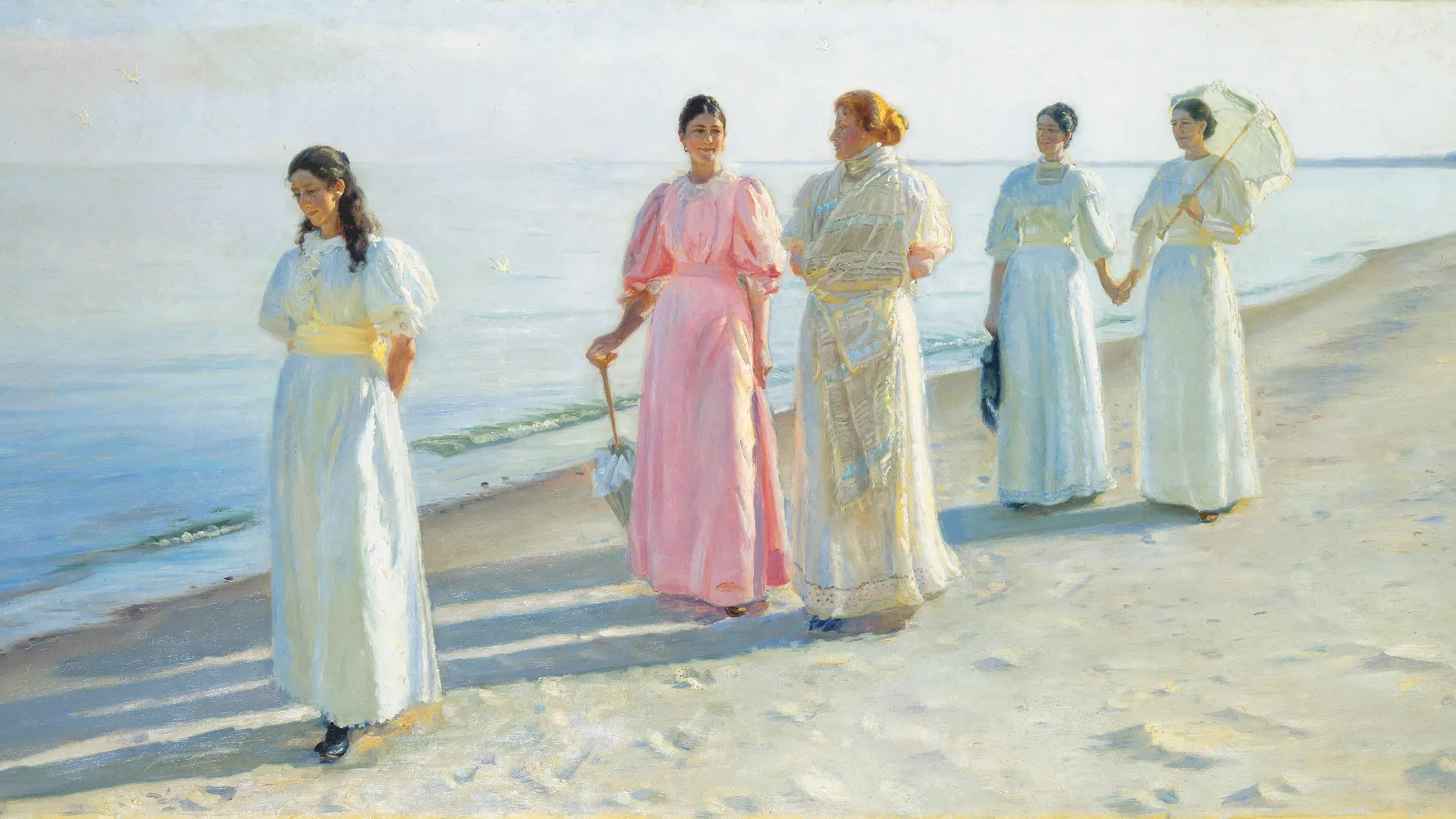
How did beaches become places for vacations, relaxation, and entertainment? This autumn, the Swedish National Museum will host an exhibition exploring the rise of coastal and seaside tourism from 1870 to the mid-20th century, and how artworks depicted this phenomenon. The exhibition will feature over 200 paintings, photographs, advertising posters, and historical swimsuit works by artists such as Claude Monet, Anders Zorn, Pader Severin-Kroyer, Sigrid Jelten, Georgia O'Keeffe, and Robert Capa, offering a glimpse into the joys of a beach day trip. By the late 19th century, numerous seaside resorts began to emerge along the coast. Swimming in the sea, spending time on the beach, and staying in newly built hotels became popular activities. These seaside resorts also attracted numerous artists, with Impressionist painters like Claude Monet depicting their coastal scenery and daily life. In France, Normandy was one of the regions where seaside tourism developed rapidly. Newly built railways also made transportation to the coastal beaches more convenient. Several artists in this exhibition captured the process of modern life and the increasing popularity of beaches as resort destinations. A similar scene unfolded in Skagen, Denmark. In the 1880s, an artist community formed there, and the long sandy beach quickly became a popular swimming spot. Skagen painters depicted seaside life and the traditional life of fishing villages. In their paintings, we often see the artists themselves, either creating art or strolling on the beach at dusk. The arduous and risky life of the fishing villages contrasted sharply with the holiday life of seaside tourists. The clash between modern seaside culture and the living conditions of local residents is a recurring theme in this exhibition. The paintings of Skagen artists played a significant role in Skagen's development into the tourist destination it is today. During the first decade of the 20th century, the art world saw a growing interest in depicting male nudes. With the flourishing of sports, physically strong, well-trained men became the ideal image. Bathing in the sea was also considered beneficial to both body and mind, and invigorating. In large-scale paintings, artists such as Jacques Ack, Eugène Jansson, and Edvard Munch depicted nude men bathing in the azure waters and bright sunshine. The final section of the exhibition showcases the continued focus on seaside life and beaches in the art world during the first half of the 20th century. American painters depicted the overcrowded beaches near New York, while artists on the west coast of Sweden transformed the scene of bathing on the beach into vibrant, colorful images full of life and joy. For Surrealists, the beach meant much more than just a boundary between sea and land. It became a transitional zone between wakefulness and dreams, consciousness and subconsciousness. The exhibition's ending echoes its opening: Normandy beaches. After the war, the landing beaches along the coast were vastly different from before, and are now global tourist destinations. This exhibition includes approximately 200 works, encompassing painting, photography, advertising posters, and other forms. In addition to the museum's own rich collection, it also features valuable loan works from museums such as the Metropolitan Museum of Art in New York, the Musée d'Orsay in Paris, and the National Gallery in London. This exhibition is part of the "RJ Art and Culture" research promotion project of the Riksbankens Jubileumsfond, which aims to make the humanities and social sciences more accessible to a wider public.