Are you interested in Tropical Palm Tree Paint Night?
245 people have participated in this
poll
Yes
No
50%
50%
×
已複製至剪貼簿
Type
Activity Categories
Trip.com Ticketing
All types
Concerts
Exhibitions
Conferences
Esport Events
Sports & Fitness
Celebration
Music Festivals
Arts
Cultural Experiences
Location
All locations
Spain
Madrid
Date
PopularityNew Arrivals
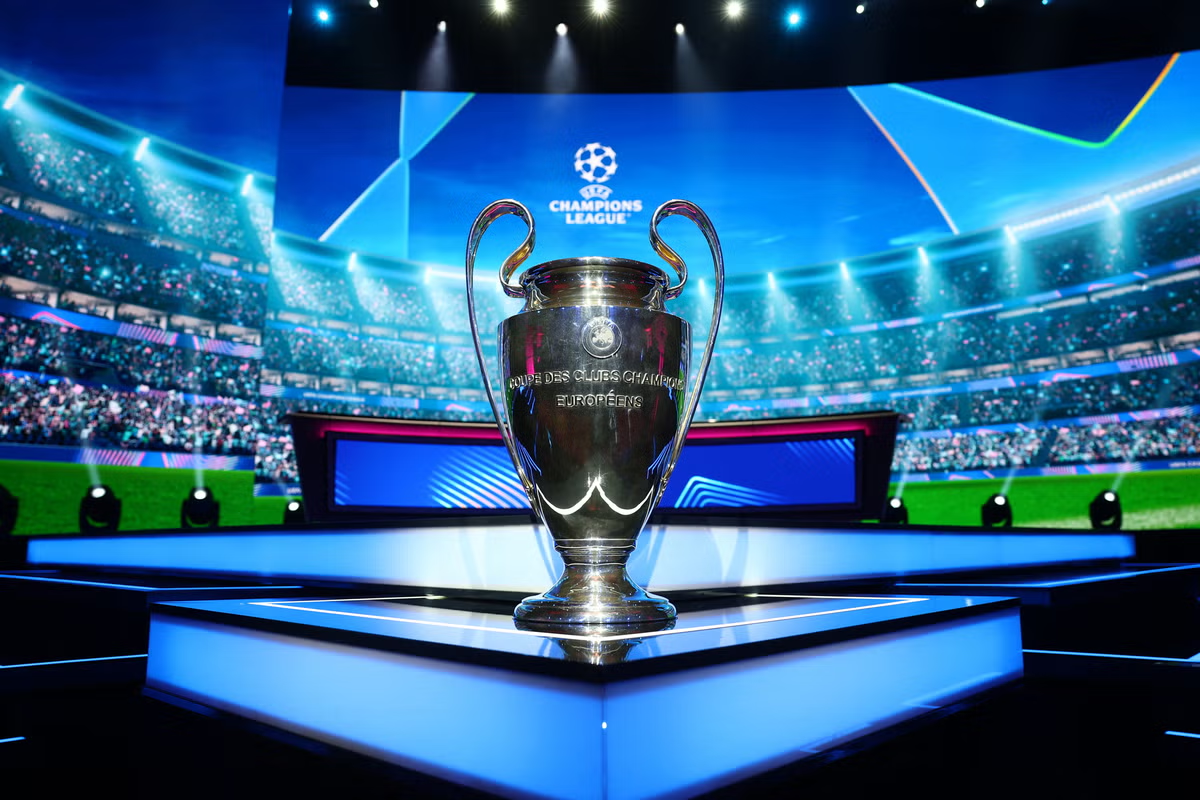
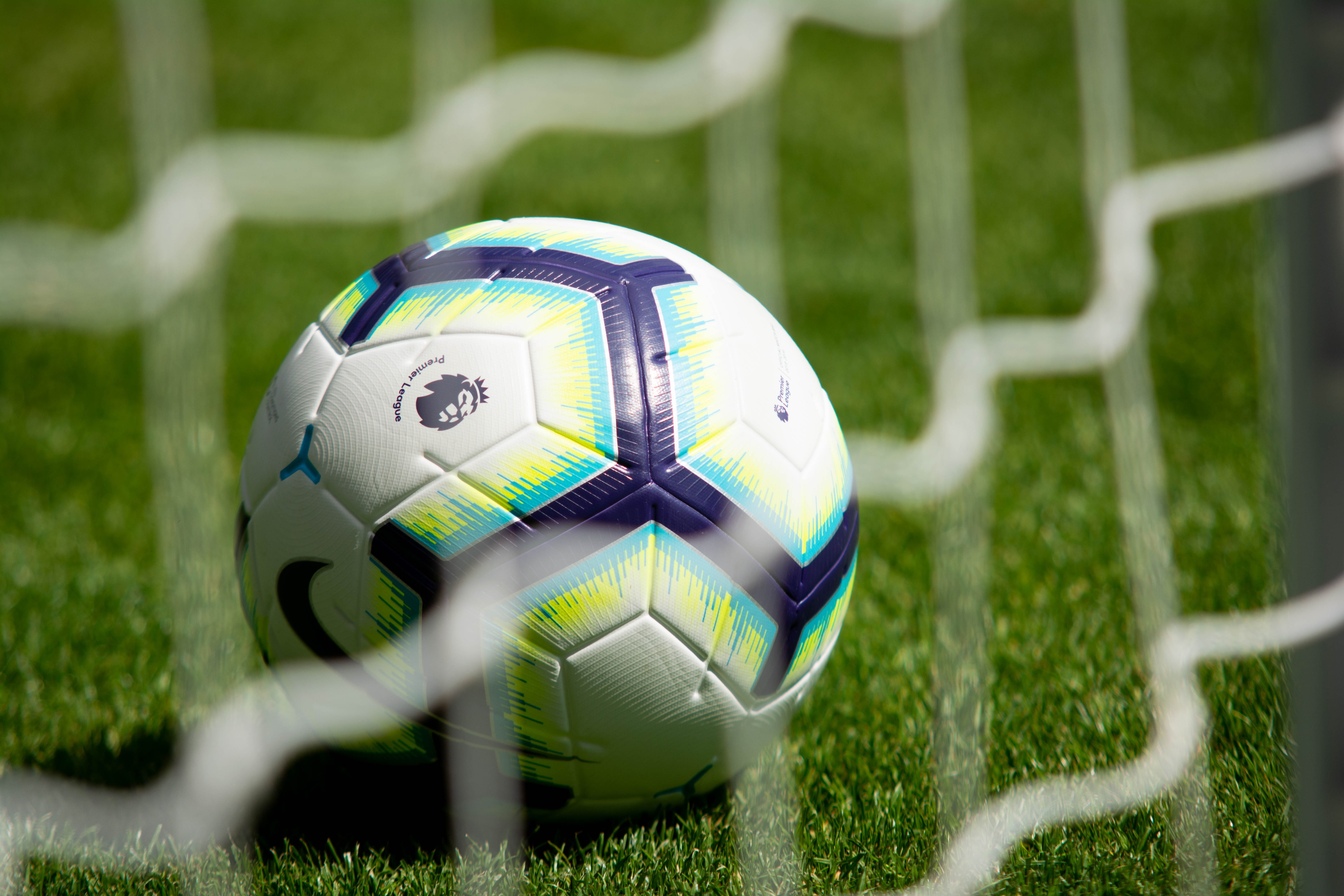
2027 UEFA Champions League final | Civitas Metropolitan Stadium, Madrid
Jun 5, 2027 (UTC+1)
Madrid
Sports & Fitness
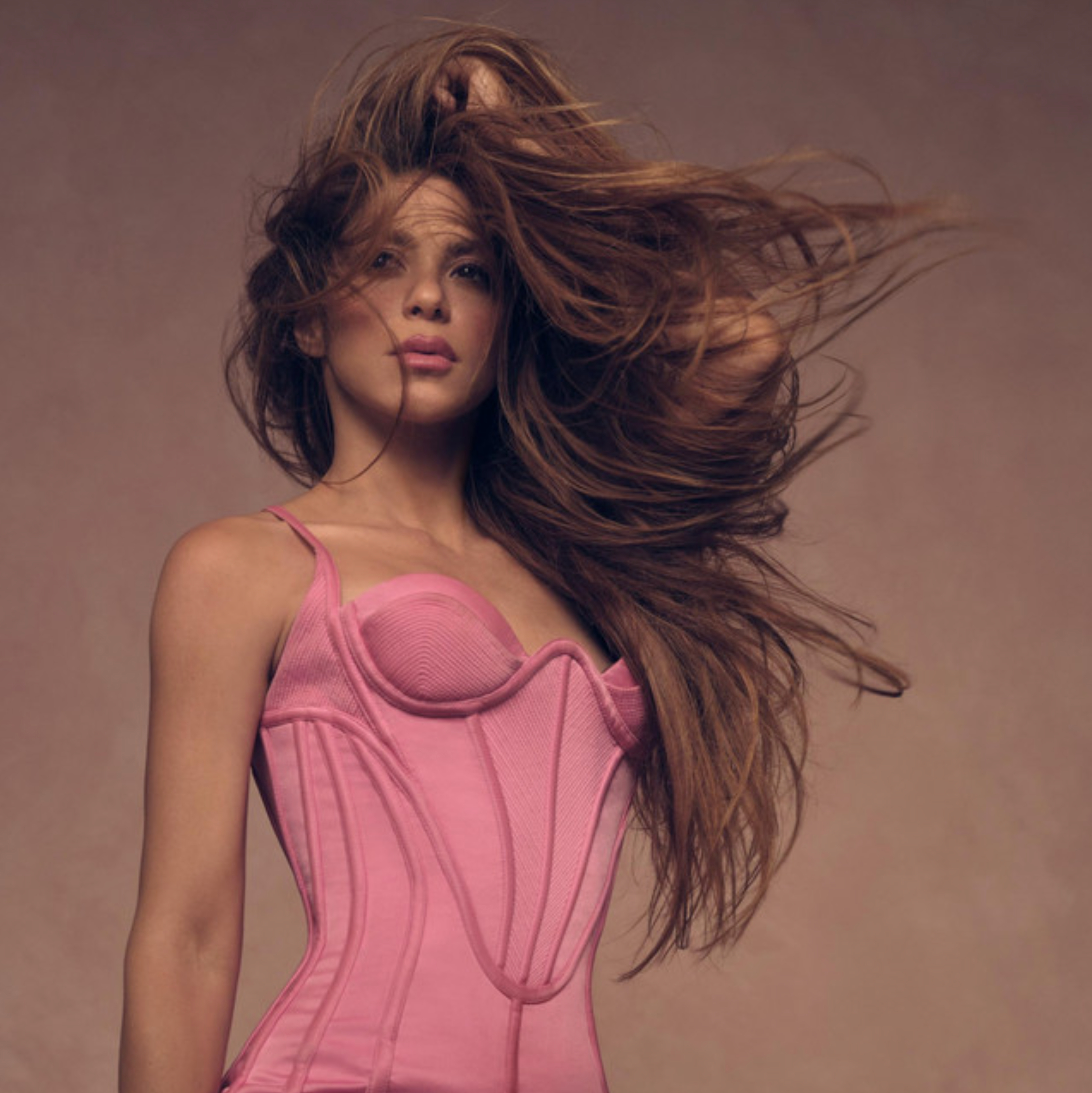
Madrid | Shakira <Las Mujeres Ya No Lloran> World Tour | Iberdrola Music
Sep 18–Oct 11, 2026 (UTC+1)
Madrid
Concerts
Hispanidad 2026 | Madrid
Oct 2–Oct 12, 2026 (UTC+1)
Madrid
Celebration
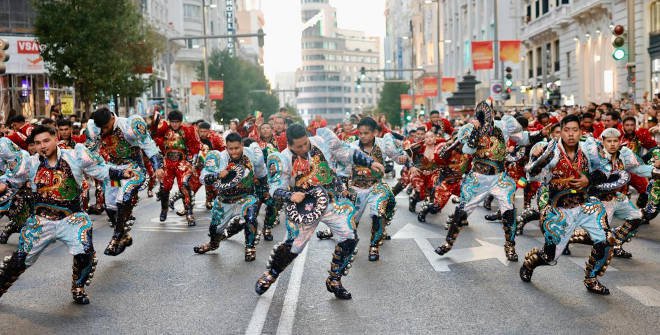
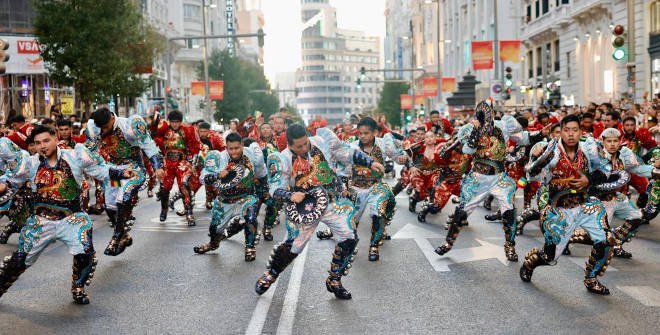
From October 2nd to 12th, Madrid hosted its sixth annual Hispanidad 2026, an event that establishes the city as a significant landmark for celebrating the Spanish language and diverse Spanish cultures. With over 600 million speakers worldwide, Hispanidad aims to promote this language and its multiculturalism. More than 150 cultural events were held in the capital and the Madrid Autonomous Community, encompassing music, literature, film, folklore, art, cultural heritage, and cuisine, culminating in the traditional Hispanidad parade. Sebastián Attra headlined a free concert on October 10th at Plaza de España, presenting a retrospective of works including "The Wanderer," "The Red Shoes," and "The Betrayer." Marta Sánchez joined her on October 11th to reflect on her 40-year career, showcasing a selection of her most iconic pieces, from early collaborations with Ol'é Ol'é to recent works.
Spanish National Day military parade | Madrid
Oct 12, 2026 (UTC+1)
Madrid
Celebration
Spanish National Day is a day when the Spanish people remember the country's history, recognize and appreciate achievements, and reaffirm their commitment to the country's future. It is a day that celebrates unity and fraternity and also showcases Spain's ties with the international community.
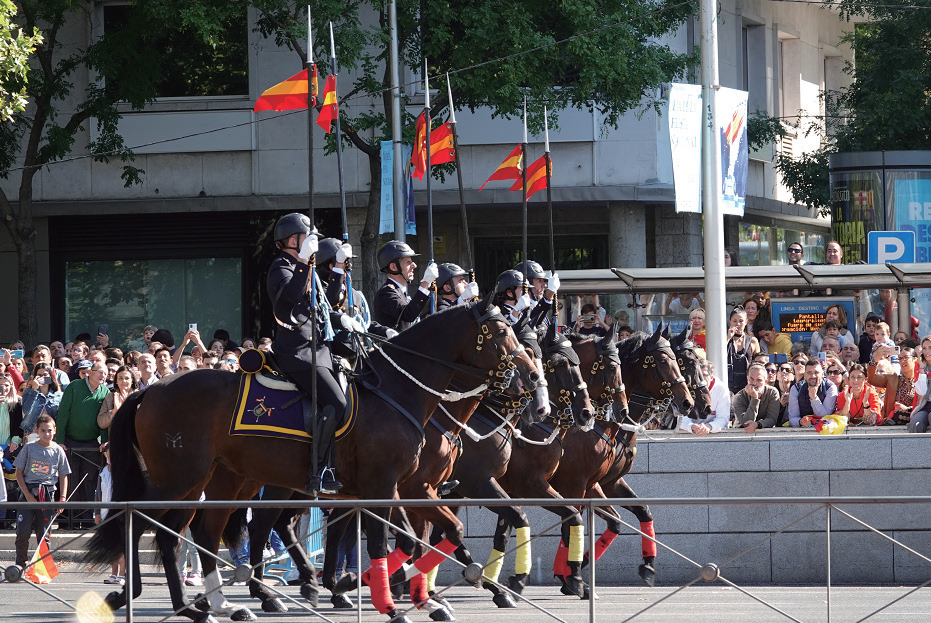
National Day is celebrated in many ways by the public and civil society. Celebrations traditionally include parades of the Spanish Armed Forces (military) and State Security Forces (law enforcement), usually held in Madrid, with the attendance of high-level institutions and political representatives. The parade expresses the commitment of the Armed Forces and the State Security Forces to society and their contribution to the international community. The parade takes place in a large square in the capital and in recent editions the Paseo de la Castellana has been designated as the parade route. The Armed Forces Parade is one of the most attended events in Spain, with thousands of citizens gathering along the parade route and on the parade stand to express their love for the Royal Family, the Armed Forces and the State Security Forces.
[26]The parade was held in a large square in the capital. In recent parades, the parade has been designated asCastellanaserves as the parade route.The Armed Forces Parade is one of the most attended events in Spain, with thousands of citizens gathering along the parade route and on the parade stand to express their love for the Royal Family, the Armed Forces and the National Security Forces.
Madrid Hispanidad | Madrid
Oct 2–Oct 12, 2026 (UTC+1)
Madrid
Celebration
From October 2nd to 12th, Madrid hosted the sixth annual Hispanic Culture Festival (Hispanidad 2026), an event that establishes the city as a significant landmark for celebrating the Spanish language and diverse Spanish cultures. With over 600 million speakers worldwide, the Hispanidad Festival aims to promote this language and its rich cultural diversity. More than 150 cultural events were held in the capital and the Madrid Autonomous Community, encompassing music, literature, film, folklore, art, cultural heritage, and cuisine, along with the traditional Hispanidad parade.
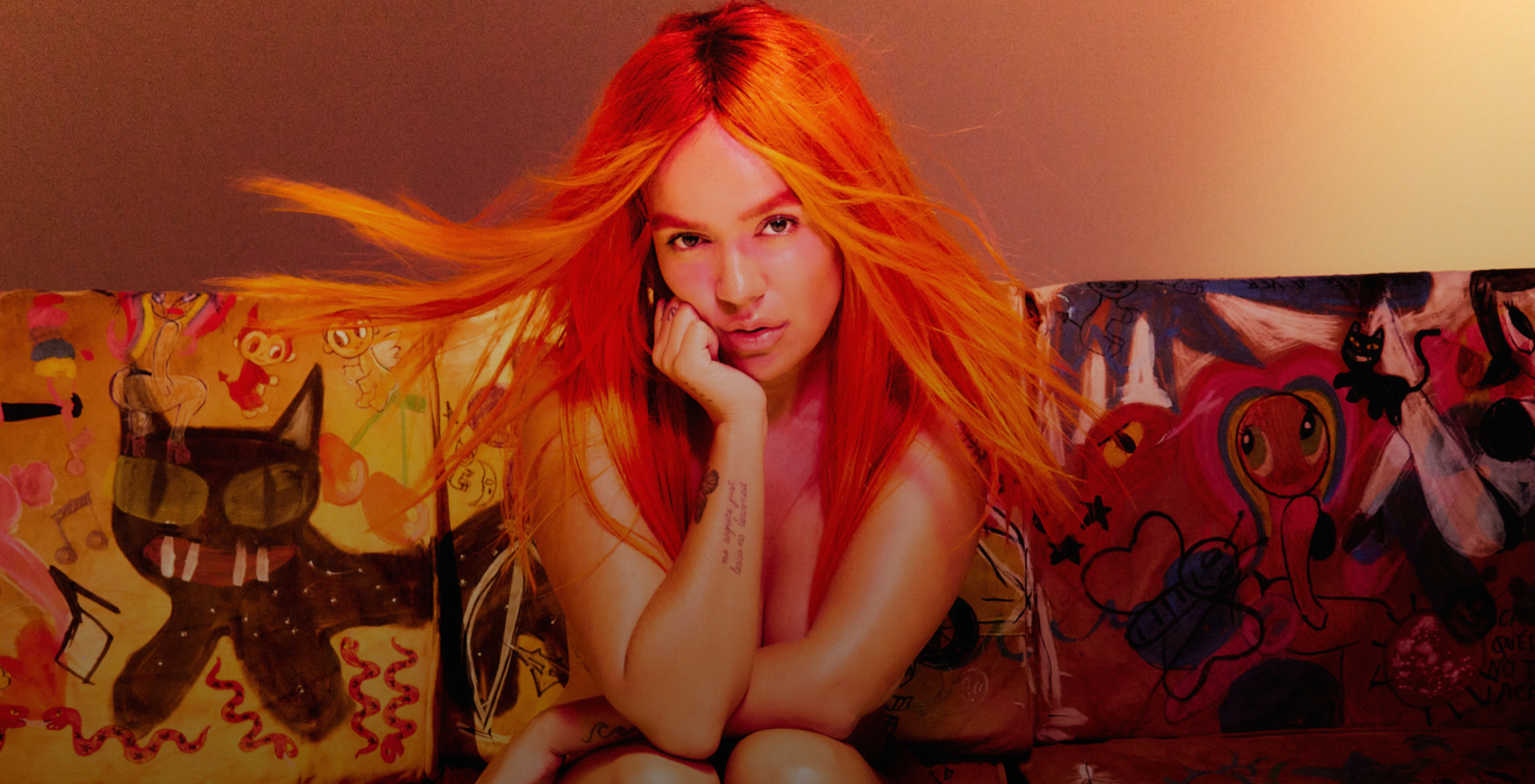
Karol G - Viajando Por El Mundo Tropitour Global Stadium Tour | Civitas Metropolitan Stadium, Madrid
Jun 24–Jun 27, 2027 (UTC+1)
Madrid
Concerts
Kenny Scharf | Thyssen-Bornemisza National Museum
Sep 29, 2026–Jan 17, 2027 (UTC+1)
Madrid
Exhibitions
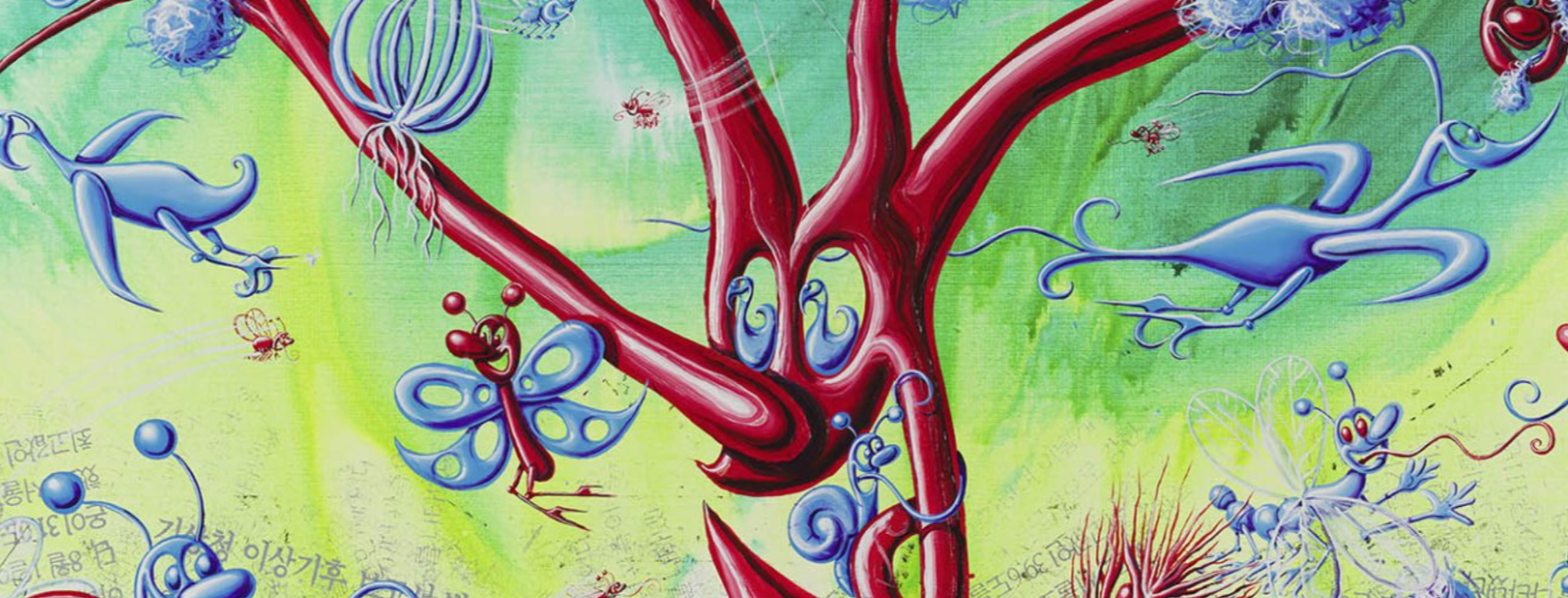
As part of its program dedicated to the Blanca and Borja Thyssen-Bornemisza Collection, the museum presents an exhibition of Kenny Scharf (Los Angeles, 1958), a prominent member of the East Village art movement in New York in the 1980s and a pioneer of contemporary urban art, alongside Jean-Michel Basquiat, Keith Hering, and his mentor, Andy Warhol.His work features constant references to popular culture and surrealism combined with fantastical anthropomorphic figures. His ecstatic compositions and dazzling color palette produce an immersive experience that is both intimate and innovative.Scharf's work in painting, sculpture, installations, murals, performance, and fashion reflects a commitment to creating dynamic art forms that question and deconstruct established artistic hierarchies, in line with the philosophy of Pop artists. However, his artistic relevance transcends this movement: he himself coined the term "Pop Surrealism" to describe his unique style.Scharf's participation in the 1985 Whitney Biennial marked the beginning of his international projection, a reputation that continues to grow to this day, with his work being part of the collections of prominent museums in the United States, Brazil, Germany, the Netherlands and Japan, among others.
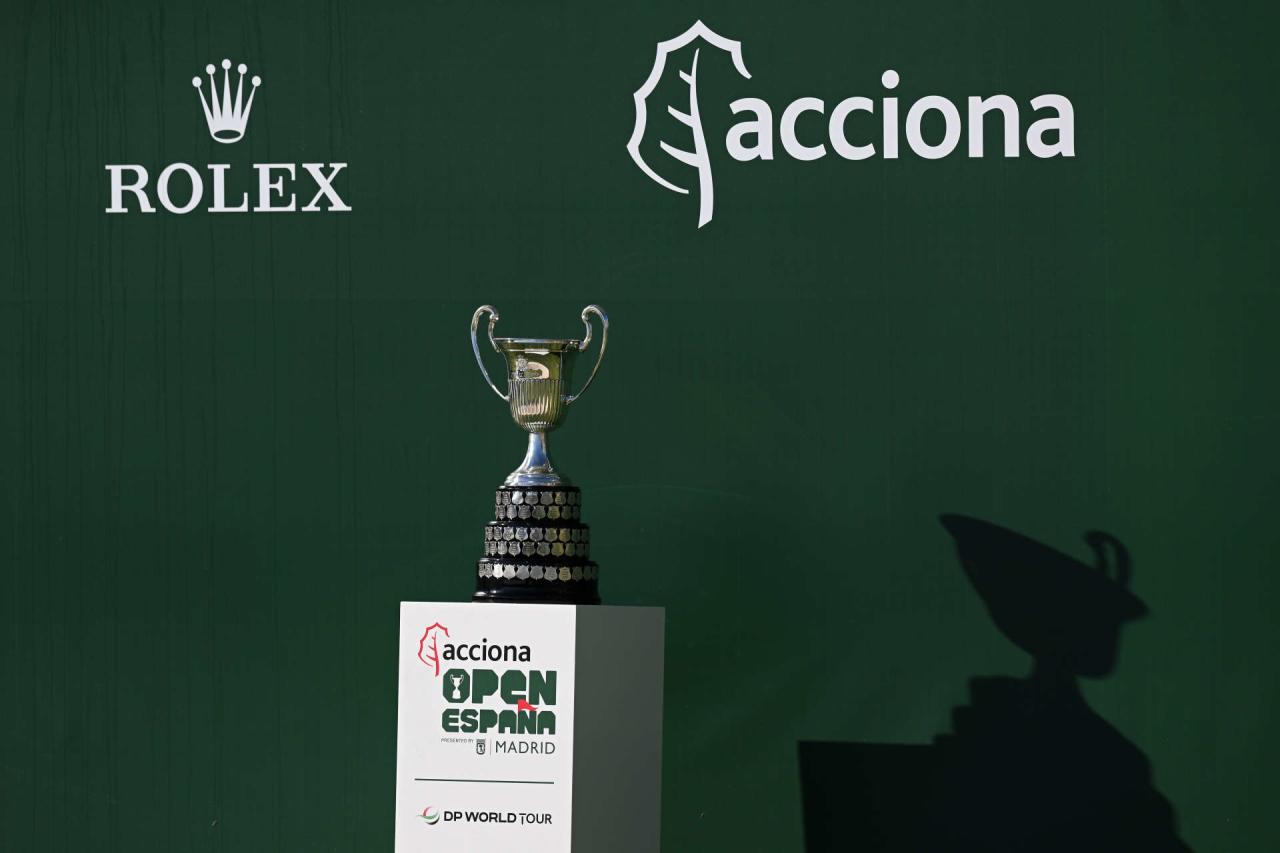
Open de España 2026 | Madrid
Oct 8–Oct 11, 2026 (UTC+1)
Madrid
Sports & Fitness
FIFA World Cup | 2030 FIFA World Cup Day 42 (Madrid) | Jul 19th | Madrid
Jul 19, 2030 (UTC+2)
Madrid
American FootballSports & Fitness
The highly anticipated 2030 FIFA World Cup is set to take place in multiple cities across South America, marking the first time the event will be held on the continent since 2014. The tournament will feature 32 of the top national teams from around the world, including powerhouse teams such as Brazil, Argentina, Germany, and Spain. With star players like Lionel Messi, Neymar Jr, and Cristiano Ronaldo expected to take the field, fans can expect an intense and exciting competition. The final match will be held at the iconic Maracanã Stadium in Rio de Janeiro, Brazil, which has a capacity of over 80,000 spectators. This will surely be an unforgettable event for both players and fans alike, as the world comes together to celebrate the beautiful game of football.
Information Source: fixturecalendar.com
Andrea Canepa | Museo Nacional Centro de Arte Reina Sofía
Jan 13, 2026–Jan 1, 2027 (UTC+1)
Madrid
Exhibitions
The work of Andrea Canepa (Lima, 1980) lies in a space of dialogue between art, sociology, history, and anthropology. From this territory, Canepa explores how systems of visual, spatial, and symbolic organization mold the ways of seeing and understanding the world. Through a multidisciplinary practice, she approaches these systems as case studies which, remote as they may seem in space or time, invite to reflect on the way we live in today's world.
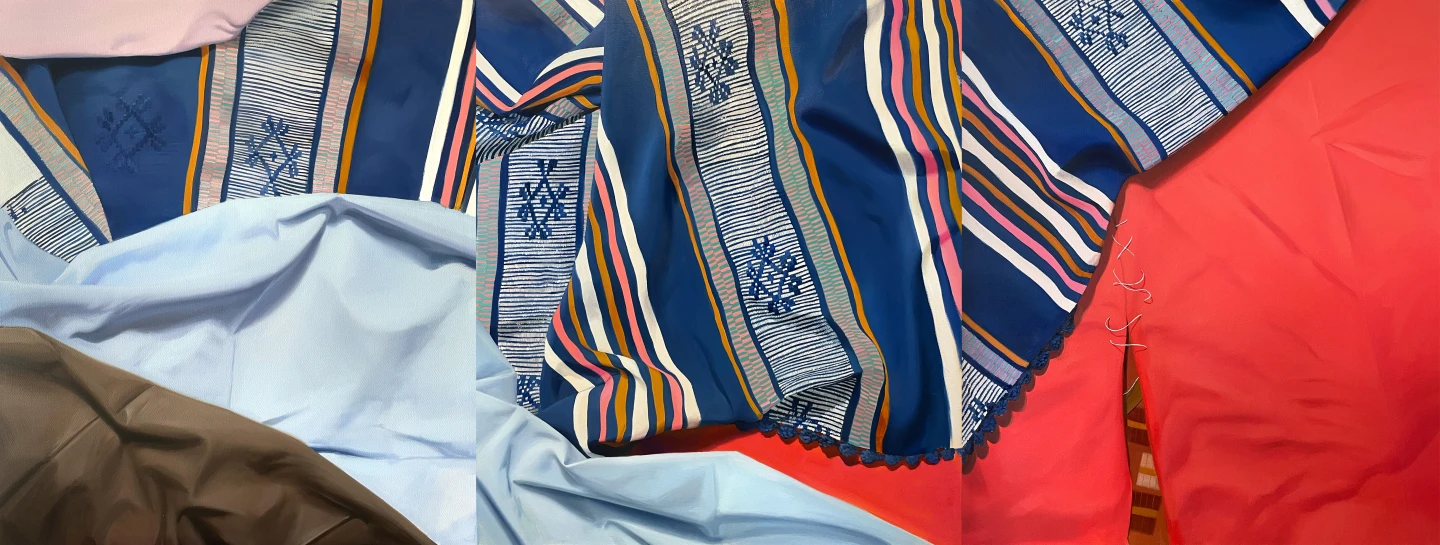
Andrea Canepa's proposal for the second intervention on the tarpaulin temporarily covering the Palacio de Cristal while it undergoes restoration is centered on the textile bundles of the pre-Columbian culture of Paracas and the ancestral ritual of enwrapping the dead. The act of covering up, together with the many meanings contained in these bundles, has fascinated Canepa since childhood. Those bodies carefully wrapped in numerous layers of exquisitely woven cloths, where each pattern is laden with symbolism, left a deep imprint on her imagination. The artist moreover stresses the importance of the process, with time, gesture, and the ritual of covering presented as a fundamental episode that gives it more weight than its apparently provisional character. The tarpaulin now covering the Palacio thus ceases to be a merely temporary surface to become an element full of sense, a veil that transforms waiting into a time of significance.
The tarpaulin shows images of bound and superimposed cloths. These are photographic reproductions enlarged on the basis of previously executed oil paintings. The capture of an instant through photography is thus combined with the reiterated gesture of painting, with its attentive observation and translation of what is perceived. Painting reality requires contemplating matter without questioning it, and this relaxed and almost meditative rhythm opens up a link to ritual. With this superimposition of temporalities and material media, Bundle generates a subtle sense of alienation. Beyond the immediate gaze, it reminds that reality is denser and more multifarious than the simple appearance people prefer to take refuge in.
Canepa transfers these ideas to the context of the Palacio de Cristal, a 19th-century building representing a modernity for which transparency was a supreme value. Designed to be seen and to display, the building is now undergoing a phase of transformation that demands it be covered up and hidden from view. By wrapping it symbolically in layers of cloth, the artist undermines this logic of absolute visibility and invites us to retrieve what modernity banished: the mysterious, the sacred, the sensuality of material, and the right to opacity.
Canepa's intervention also links the iron and glass architecture of the Palacio de Cristal with another of the great technical advances of its time: the optical artifacts precursory to the cinema. The building turns into a contemporary praxinoscope which transforms its glass panels into sequences covering and discovering textiles, generating a narrative cycle that is completed only by the movement of the visitor. In this back-and-forth motion between veiling and revealing, time ceases to be linear to become an experience: it stretches and folds over on itself, oscillating between presence and absence, between what is shown and what is held back.