Stewardship Session ~ Monarch Tagging , Seed Collecting & SEAd Bomb Making | Tiana Bayside Facility
Cultural Experiences
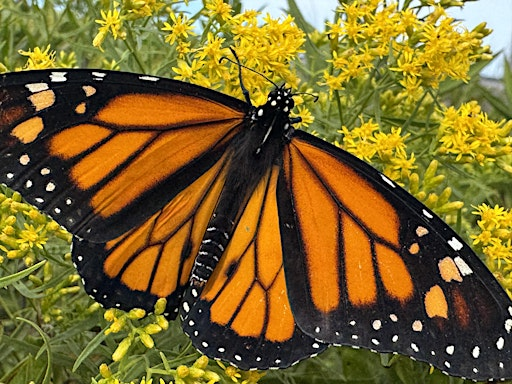
Monarch butterfly tag & release, seed collecting & SEAd Bomb making for coastal habitat restoration.
Back to the Bays Stewardship Session
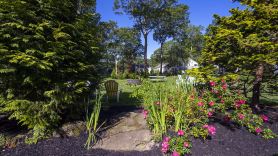
! Join us for an evening in the garden by the bay. We will be tagging and releasing monarch butterflies, seed collecting, and SEAd bomb making for coastal habitat restoration. We are tagging the butterflies as part of Monarch Watch's citizen science data collection and restoration efforts.
Monarch Watch Vision Statement:
In recognition of the rapid loss of habitats and resources needed by monarch butterflies in the United States, Canada, and Mexico, it is clear that the preservation of the monarch migration will require stewardship by the governments and private citizens of all three countries. We all must work together to create, conserve, and protect monarch habitats. Sustaining monarch habitats will have the effect of protecting vital pollinators and other wildlife.
Cornell Cooperative Extension of Suffolk County strives to host inclusive, accessible events that respectfully enables all individuals, including individuals with disabilities, to interact and engage fully. Our Association will make reasonable accommodations to enable all individuals to participate in our events. To request an accommodation or for inquiries about accessibility, please contact Carolyn Munaco at cjm427@cornell.edu
Information Source: CCE Marine Program's Back to the Bays Initiative | eventbrite