Share to

Pu'er
Lancang
2025Sea of Clouds Sightseeing in Pu'er|trip.com
Sea of Clouds Sightseeing in Pu'er
4.5

No. 1 of Activities in Lancang
Best time to visitJan-Feb, Nov-Dec(Open all year)
Introduction Sea of Clouds Sightseeing in Pu'er
IntroductionSome information may have been translated by Google Translate
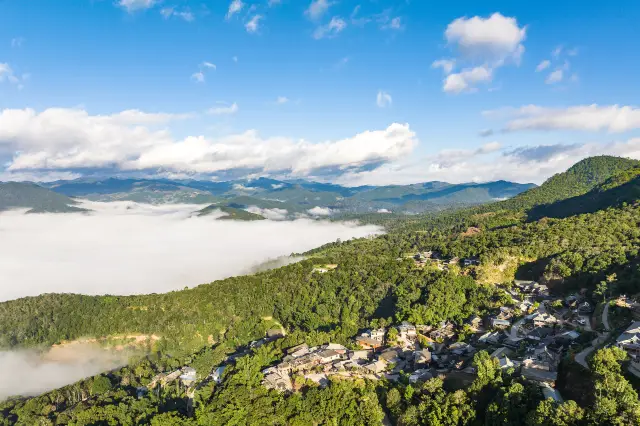
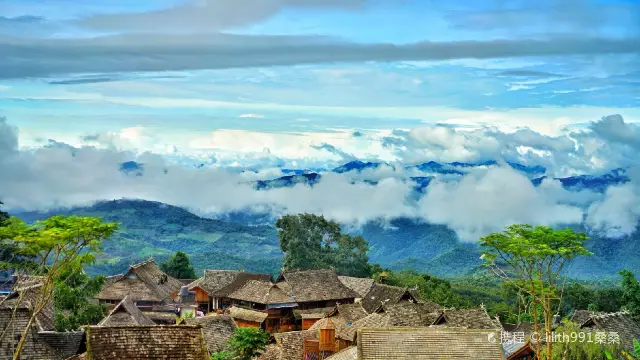
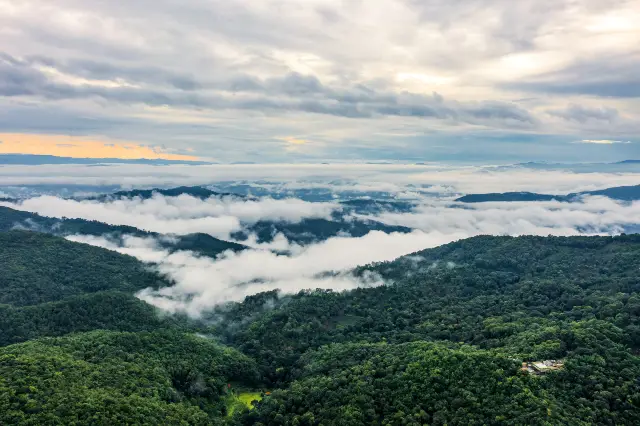
Pu 'er City is located in the southern Yunnan Province of China, located in the tropical plateau, the climate is changeable and the mountains are undulating, which provides unique conditions for the formation of the sea of clouds. The main peak of Pu 'er Mountain is the best location to enjoy the sea of clouds. Standing on the main peak, you can overlook the whole landscape of the sea of clouds of Pu 'er Mountain, with a wide vision and spectacular scenery. In addition, Jingmai Mountain is shrouded in clouds all the year round and is one of the six major tea mountains in China. In the early morning of autumn and winter season, climb the Jingmai Mountain landscape platform or pass, you can overlook the continuous sea of clouds, feel the unique charm of tea mountain and sea of clouds.
Trip Moments Sea of Clouds Sightseeing in Pu'er
Sea of Clouds Sightseeing in Pu'er Trip Moments
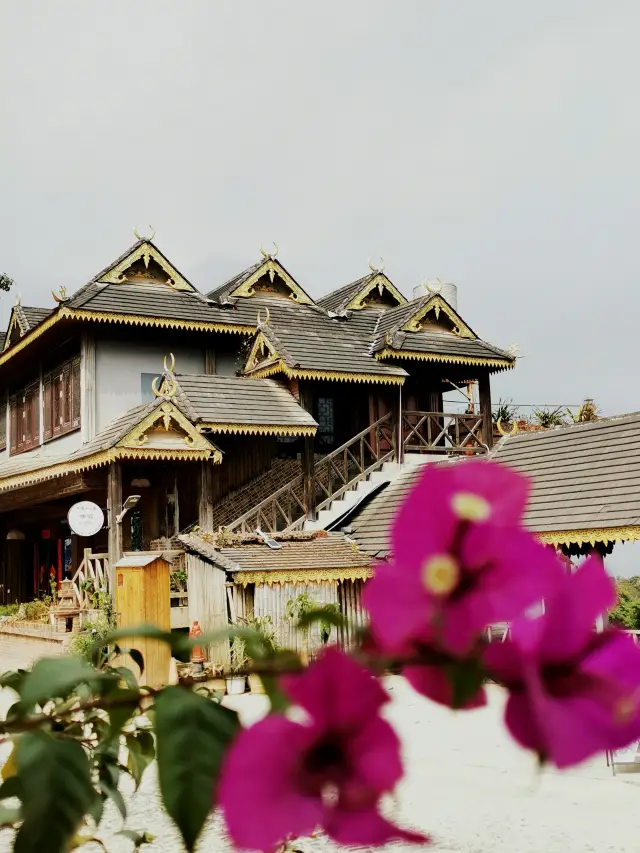
Jingmai Mountain | Mengben Dai Village
Jingmai Mountain | Mengben Dai Village ❥ Mengben is adjacent to Manggeng Village, and the village layout is similar. It is also a Dai settlement, with the village architecture descending from south to north. The temple in Mengben Village (Golden Pagoda Temple) is separate from the village center, and the village buildings are arranged around the village center. In fact, Mengben Village was established first, and Manggeng was later separated from Mengben. ❥ Mengben Village is composed of one social group, with attractions such as the Dai village, Golden Pagoda, Thousand-Handed Guanyin, Three Trees, and Jingmai Impressions. It is a tourist village in Jingmai Mountain, focusing on developing village Buddhist cultural tourism. In this original Dai village, every family grows tea, and every household makes tea. Tea is like the blood flowing in their veins here. ❥ On the road entering Mengben Village, there are three ancient banyan trees, which represent the story of three elders, the tea planting history of three ethnic groups, and the symbol of harmony and unity among the three ethnic groups. It is said that the Dai and Bulang ethnic groups had a conflict over an inconspicuous piece of land on the tea mountain, which even led to a fight. With the mediation of the Lahu ethnic group leader, they swore a blood oath to become sworn brothers and vowed to be united forever. To ensure that future generations remember this history, the three leaders planted three banyan trees as a testament to their eternal unity. This touching millennium-old story is still told today. ➠ Geographic location: Located in Jingmai Village, Huimin Township, Lancang Lahu Autonomous County, Pu'er, Yunnan.
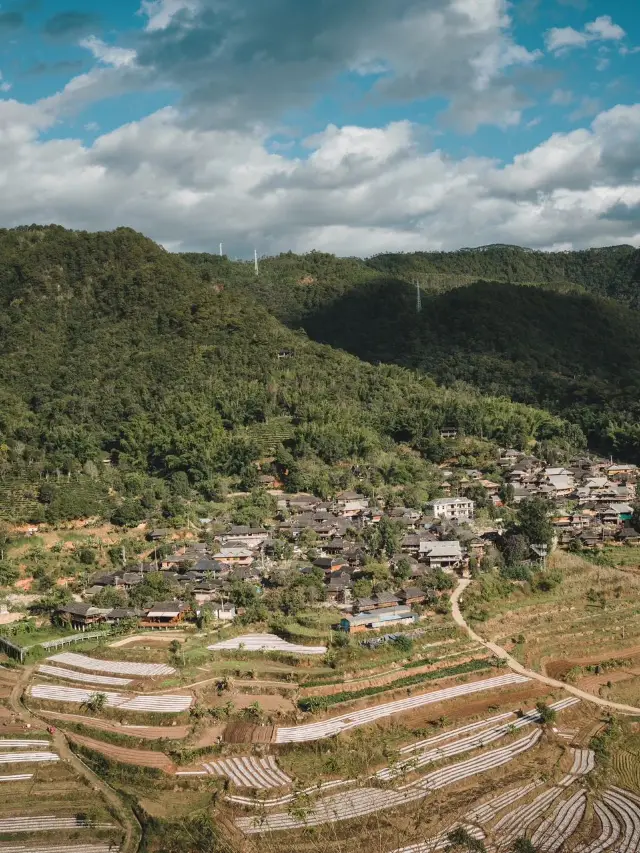
Puer Panda Adventure: A Unique Experience
Must-try panda-themed activities in Puer! This 4-day tour will take you to explore Puer and get up close with giant pandas. Don't miss out! / 🛣️Itinerary: Day 1: Xiaoaizi Coffee Estate - Puer National Park Rhino Ridge Scenic Area - Sun River Forest Park The aroma of coffee and the primeval forest blend together. Explore the natural secrets of Puer and experience the unique forest atmosphere. Day 2: Nakeli Tea Horse Station Feel the charm of the Ancient Tea Horse Road in Nakeli and savor the traces of history and the fragrance of tea. Day 3: Wengji Blang Village - Nuogan Ancient Village - Laodabao Village Explore the ancient Blang villages, experience the simplicity of Nuogan and the musical charm of Laodabao, and witness the collision and fusion of cultures. Day 4: Return to Wengji Blang Village - Visit the Tea Ancestor Temple Return to Wengji, trace the origin of tea, pay homage to the Tea Ancestor Temple, and feel the thousand-year-old tea culture heritage. 🛬Return End your wonderful trip to Puer and return home with fond memories. / Travel Essentials: 🎒Traveling to Puer in January? Don't forget to bring these items! 👕 **Clothing**: Puer is warm during the day and cool at night in January. We recommend bringing a light down jacket, long-sleeved T-shirts, and jeans for easy layering. 👟 **Shoes**: Puer is mountainous, so a pair of comfortable sneakers is a must. If you plan to hike, prepare waterproof and breathable outdoor shoes. 🎩 **Sun and Rain Protection**: Hats, sunglasses, and sunscreen to protect against UV rays; a folding umbrella or raincoat for unexpected showers. 📱 **Electronics**: Mobile phone and charger are essential. Bring a camera to capture the beautiful scenery, and don't forget a power bank to ensure sufficient battery. 💳 **Documents and Money**: ID card, cash, and bank card. Safety is the top priority when traveling, so keep these items safe. / Puer is a land of tea fragrance and picturesque scenery. Don't miss this magical land. Start your Puer adventure now!
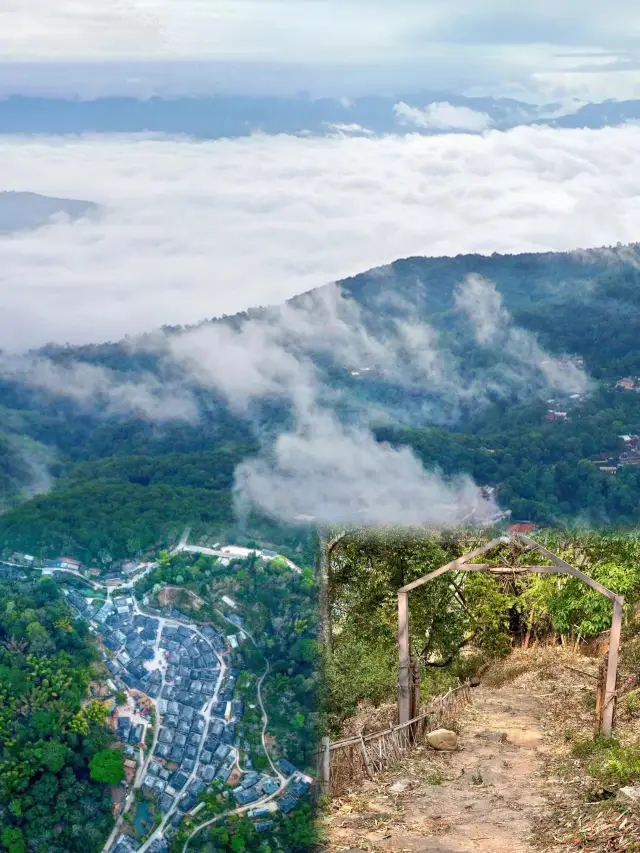
Ancient Tea Village Charm·Exploring Jingmai
Hidden in the world, Jingmai in Yunnan is known as the top niche attraction! It is the birthplace of Pu'er tea, the location for the fifth Aman hotel in China, and a melting pot of ethnic cultures in the southwest border. Located in Lancang Lahu Autonomous County, Pu'er City, Yunnan Province, it is far from the hustle and bustle, with only the interweaving fragrance of millennium-old tea and earth. Strolling here, one can deeply feel the unique cultural charm of the ancient minority villages. The ancient village is situated in Jingmai Mountain, Lancang County, Pu'er City, on the southwestern border of Yunnan. The itinerary can be flexibly adjusted, with options for a compact two-day tour or a leisurely experience over several days. In terms of transportation, the nearest airport is Lancang Jingmai Airport, but flights are limited; alternatively, one can choose Pu'er Simao Airport, about a four-hour drive; Xishuangbanna Gasa Airport is more convenient, three hours away by car. If time allows, it is recommended to visit Xishuangbanna first, then rent a car to Jingmai Mountain, delving into each village. The national highway along the way is in good condition, but be mindful of the road conditions after entering the mountainous area, especially the 20-kilometer gravel road section, where one should slow down to protect the tea mountain ecology. Recommended attractions include Wengji Ancient Village and Nuogang Ancient Village. Wengji Ancient Village is predominantly inhabited by the Blang people, along with other ethnic groups. Temples and residences are adjacent, with a strong commercial atmosphere. The enthusiastic residents will invite visitors to taste tea, and the unique shops make one feel the ancient village's breeze and slow-paced life. Nuogang Ancient Village is a Dai ethnic village with a light commercial atmosphere and simple and enthusiastic residents. Here one can taste local specialty teas, listen to residents tell cultural stories, and experience the original charm of the ancient village. The sea of clouds, sunrise, and sunset on Jingmai Mountain are all stunningly beautiful. If the weather is clear, it will surely amaze. When taking photos, it is recommended to choose early morning or evening when the light is soft, and the smoky villages are more evocative. For accommodation, one can choose to stay in the villages of Wengji or Jingmai Dazhai, or in Lancang County or Huimin Town, and drive up the mountain early in the morning. Tea Villa Hotel at the foot of Jingmai Mountain is recommended for its tranquil environment and attentive service. In the future, there will also be a cluster of high-end hotels like Aman around Huimin Town. Local cuisine is dominated by Dai and Blang flavors, with Dai dishes being sour and spicy, while Blang cuisine is more fragrant and spicy. Blang home cooking and Menghai barbecue on Jingmai Mountain are both cost-effective choices, with an average cost of about 50 yuan per person. After leaving Jingmai Mountain, one will surely reminisce about the experience, believing that they will set foot on this beautiful land many times in the future. This place will definitely make your trip worthwhile!
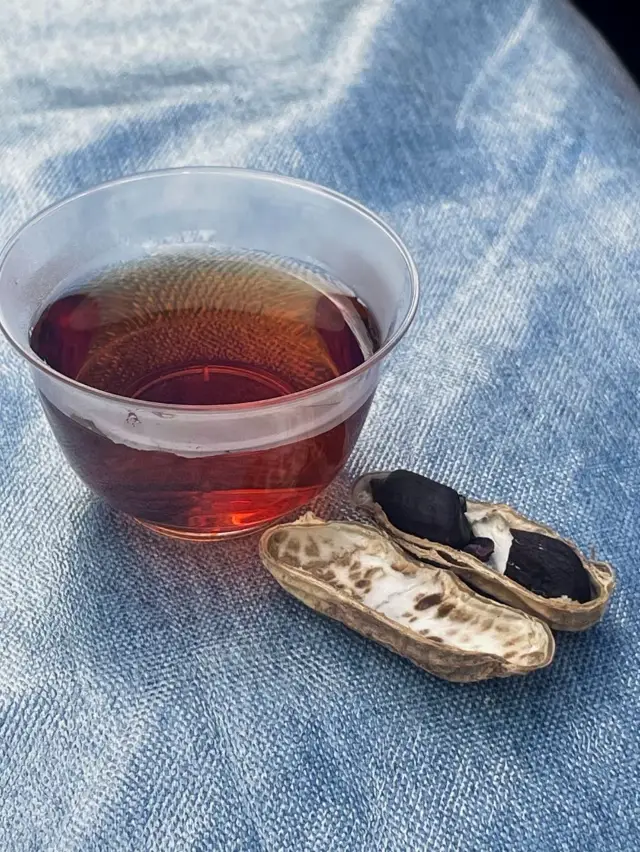
Jingmai Mountain | Jingmai Viewing Platform
❥ Inside the Jingmai Great Village, there is a viewing platform, which is a great place to watch the sea of clouds. There is a popular internet-famous coffee shop here, as well as a small square where a few villagers sell tea. They warmly invite you to drink tea, and it's okay not to buy. Unfortunately, the weather was not good at the time, and it was foggy, so I didn't see the sea of clouds. This place is suitable for drinking coffee, enjoying the scenery, chatting over tea, and taking photos for check-in. ➠Geographical location: Located in Jingmai Village, Huimin Township, Lancang Lahu Autonomous County, Pu'er, Yunnan.
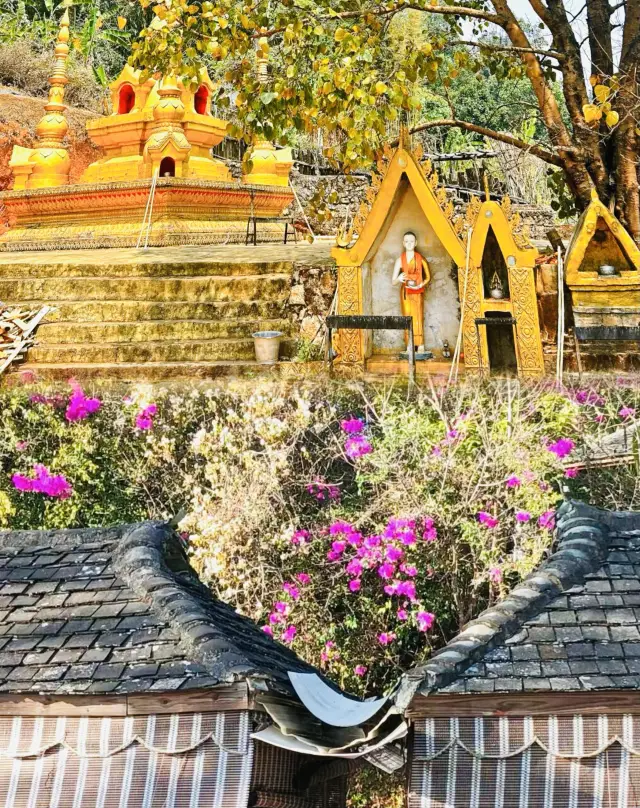
Nuogan Ancient Village | A Primitive Village Hidden in the Mountains
Nuogan Ancient Village is located in Huimin Town, Lancang Lahu Autonomous County, Pu'er City. It is a natural village dominated by the Dai people and has a history of more than 1,000 years. The ancient village is surrounded by thousands of acres of ancient tea gardens, and the villagers have been living on tea planting for generations. The ancient village dwellings are characterized by a unique wooden structure and stilted architecture. The houses are stacked in layers, generally divided into two floors, with the first floor for storing sundries and the second floor for living. This is also to adapt to the hot and rainy climate of the tropical rainforest. 🚩Address: Nuogan Ancient Village, Lancang County, Pu'er City, Yunnan Province 🎫Tickets: Free 🕒Opening hours: All day 🚗Transportation: Self-driving is recommended (RVs are not allowed), the road is bumpy and difficult to walk 🏞Attraction features ✔️An ancient Dai village, retaining traditional stilted buildings, full of strong ethnic customs. ✔️The village is surrounded by mountains, shaded by green trees, and gurgling streams, like a paradise. ✔️Every household has local Pu'er tea, and the villagers are hospitable, and you can taste Pu'er tea for free. ✅Must-visit: 🌟Nuogan Ancient Village No. 100 Restaurant 🌟Wengji Banyan Tree Tea House If you also want to get away from the hustle and bustle of the city and find a quiet place, then Jingmai Mountain is definitely a good choice. ❤️ 🌄The residents here still maintain a hardworking and simple way of life. They are tea farmers, and every family has its own ancient tea land. Here, they work at sunrise and rest at sunset, as if time has stopped, like the last home of the human soul. ⚠️Notes 1. Respect local customs and pay attention to dress appropriately when entering temples and other places. 2. The ancient village is relatively primitive, and there may be more mosquitoes and insects, so remember to bring mosquito repellent. 3. The temperature difference between morning and evening is large, please bring one or two thick clothes. 5. Try to avoid driving at night. To protect the local ancient trees, the whole journey from Huimin Town to the ancient village is a gravel road. The journey is bumpy, so please drive carefully.
4
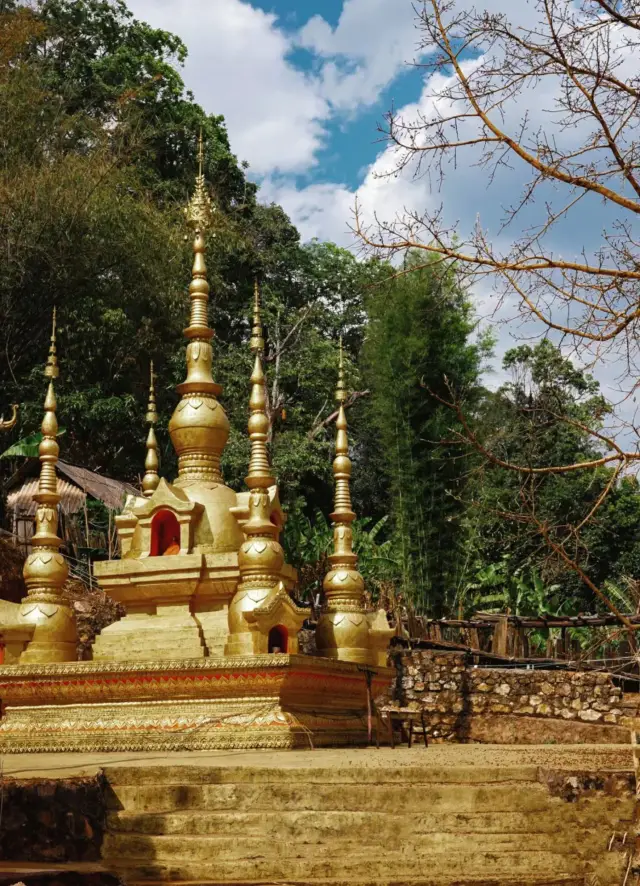
Hidden Peaceful Place | Yunnan Nuogan Ancient Village
| Yunnan Nuogan Ancient Village. If one day, your life is eroded by the hustle and bustle of the city. Would you be willing to seek the strength of the distant mountains? Experience the ecological culture of the ancient village. Take advantage of the fact that Nuogan, this unpopular ancient village, has not yet become popular, and feel its original charm. Travel Guide Nuogan Ancient Village Highlights: 1. The ancient village is currently free to visit, but with the successful application of Jingmai Mountain for World Heritage status, it may be turned into a paid scenic spot in the future, so be sure to visit as soon as possible. The current Nuogan and Wengji villages retain a good original ecology, without being overdeveloped, this simple feeling is precious. 2. The original and simple old village is located among the ancient tea gardens, and the village is surrounded by ancient tea gardens. Most families in the village make a living by planting tea. They have been planting tea for generations, simple and kind. 3. The architectural style of the houses is unique, mainly traditional earth-wood structures, with strong local characteristics. Among them, the traditional residences in the heart of the village are well preserved and are a good place for tourists to understand the local Dai culture. Climbing up to the viewing platform halfway up the mountain to overlook the entire village is very beautiful and photogenic. Perhaps only by flying a drone in Wengji can you see a good bird's eye view. In Nuogan, you can have a good view from the viewing platform or the temple in the village. Traffic conditions: The whole journey is very good, a short section of the highway was taken at the beginning, and the national highway is also OK after getting off the highway. After entering the gate of Jingmai Mountain, the road is paved with stones. Although it is a bit like a washboard, there are no pits on the road. After a long drive, your hands may feel a bit numb, but everything else is fine. Accommodation recommendation: Inside the ancient village, there are not many homestays and inns. Jingmai Dazhai and Wengji Ancient Village have more accommodation options. We chose to stay in Wengji, and the two villages are only a few kilometers apart by car. Food recommendation: In Nuogan Ancient Village, there are local restaurants opened by villagers, but we did not dine in the ancient village, so we cannot recommend specific restaurants. However, we drank local roasted milk tea in the ancient village, which is very mellow and rich. You must try it. You can also participate in roasting milk tea yourself, which is a great experience. Watching the sea of clouds: On the way up the mountain, you will see a viewing platform. We watched the sunrise over the sea of clouds here. The sunrise was at 8:00 that day, and we set off from the village at seven, and waited for half an hour when we arrived. Judging by the journey, it is almost half an hour ahead of departure from Nuogan. There are other places to watch the sea of clouds (Dajinta), according to the owner of the homestay, Dajinta can only see the sea of clouds, not the sunrise. We are not sure whether we can see it or not, because we did not go to Dajinta.
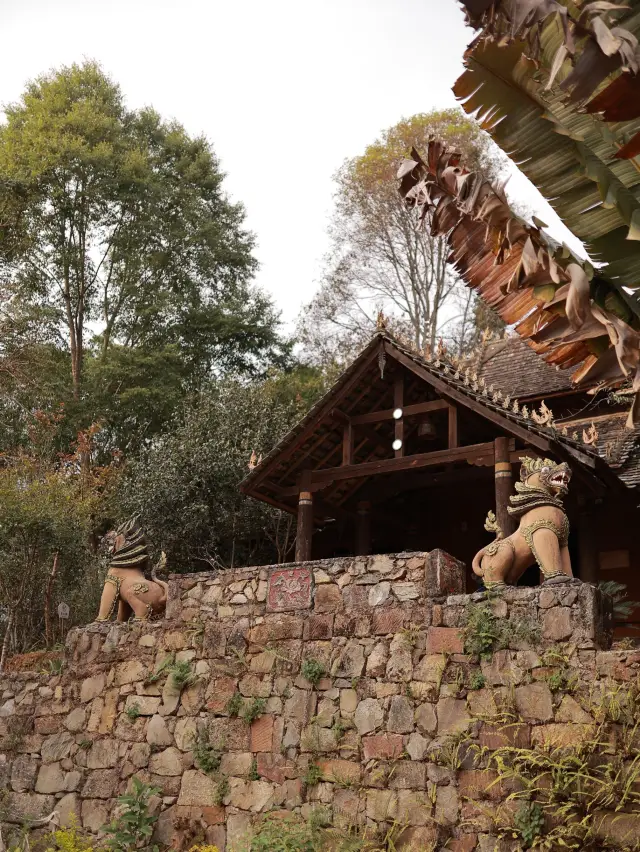
Jingmai Mountain | Wengji Ancient Village
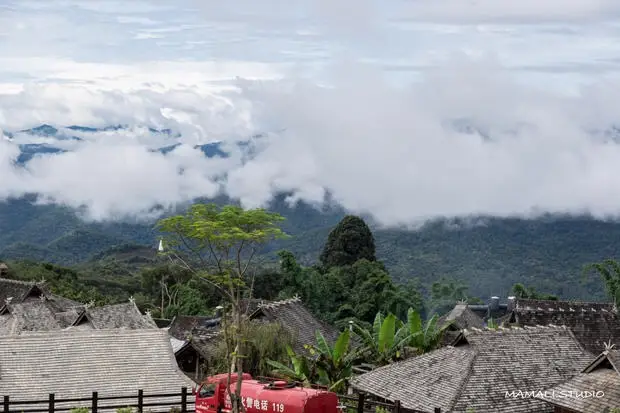
❥ Wengji Ancient Village, an ancient village of the Blang people, is regarded as a microcosm of the Blang ethnic group. It is celebrated as the 'Millennium Blang Ancient Village' because it has preserved the Blang's original ecological culture and historical heritage. The village boasts beautiful natural scenery and prominent ethnic cultural features. ❥ The Blang people are one of the earliest ancestors in China and one of the oldest indigenous residents in Yunnan history. Their ancestors, the ancient Pu people, were among the first in the world to discover and utilize wild tea leaves and were also among the first in Yunnan to cultivate and plant tea. Today, they still rely on tea planting and production for their livelihood and are known as 'ancient tea farmers'. ❥ Entering the village, it seems that every household has tea leaves in front of their doors. Tea is their main source of economic income. Besides drinking, it is also used for cooking and even as a common herbal medicine by locals. The roofs of the houses in the village are decorated with patterns of one bud and two leaves, representing the totem of the Blang people. Walking down from the ancient temple, there are many tea shops on both sides of the road. No matter which tea shop you go to, the owner will warmly invite you in for tea. The sign 'Free Tea Tasting' can be seen everywhere in the village, and almost every household has a tea pavilion to entertain tea merchants and tourists from all over. ❥ The architectural style of Wengji Ancient Village is not much different from that of Nuogan Ancient Village, with the same dry-column structure, mostly two-story buildings with the ground floor elevated. The sloping roofs are covered with traditional hanging tiles. However, because Wengji has developed tourism earlier, most of the ground floors of the houses are used as shops. The roads in the village are paved with stone slabs, extending in all directions. Although there are chickens and ducks around, it is cleaner and less dusty. The Blang people prefer bright colors, and their clothing and decorations are colorful and pleasing to the eye. ❥ The Blang people believe in Theravada Buddhism, and the ancient temples are places where Theravada Buddhism is taught. The temples, with their stone-built bases, wide eaves, and broad ridges, the city towers with black tiles and red walls, and the red stone Qilin facing angrily to both sides, serve as both a sanctuary for the residents and a meeting room for the clan. They believe that all things have spirits, such as the spirit of the mountains, trees, rivers, etc. Therefore, the Blang people have a rich variety of sacrificial activities. ❥ Wengji Ancient Village is located at the northern end of Jingmai Mountain, at an altitude of about 1350 meters. Situated on high ground, the village offers views of the sea of clouds and other villages such as Mangjing Upper Village, Mangjing Lower Village, and Manghong. When we arrived, it was the beginning of the temperature drop on Jingmai Mountain, and it was near evening. It didn't feel cold in the car, but once we reached the village, we realized how cold it was and the wind was strong, which made us give up our plan to have dinner in Wengji Ancient Village. We took a quick tour around the village and left in a hurry. Currently, the accommodations and dining on Jingmai Mountain are mainly concentrated in Wengji, with relatively complete facilities and not highly commercialized. ➠Geographic location: Located in Jingmai Village, Huimin Township, Lancang Lahu Autonomous County, Pu'er, Yunnan.
4
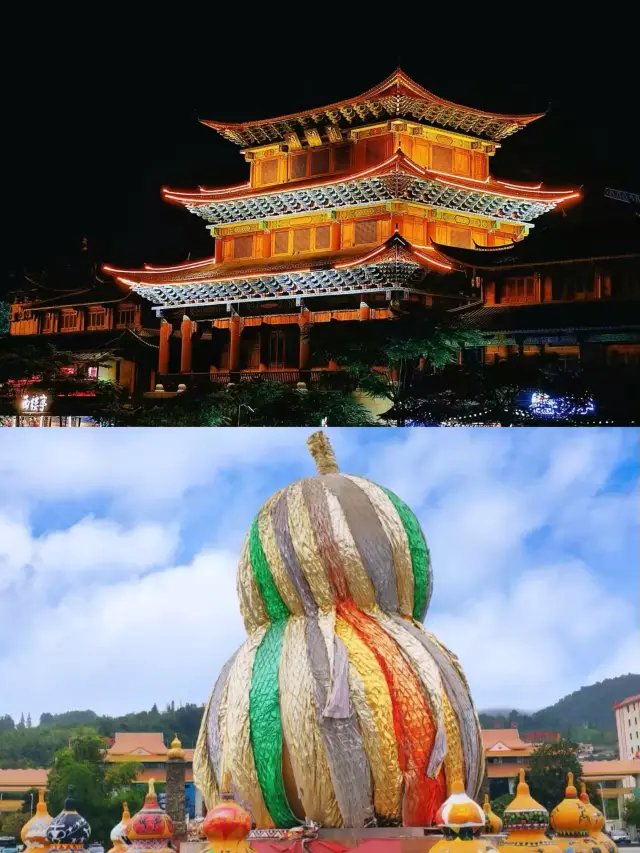
A Guide to Lancang, Compiled After 3 Visits.
Tired of the hustle and bustle of the city and yearning for a touch of warmth and tranquility this winter? Look no further than Lancang, a hidden gem nestled in Yunnan Province! Here, warm sunshine, rich ethnic customs, and a plethora of scenic spots and delicious food await your exploration. Follow this guide and embark on a winter journey to Lancang. 🌟Introduction Lancang, officially known as Lancang Lahu Autonomous County, is located in the southwest of Yunnan Province. It is the only Lahu autonomous county in China. With its picturesque landscapes, diverse ethnic culture, pleasant winter climate, abundant sunshine, and temperatures consistently between 10-25°C (50-77°F)🌞, it's the perfect escape from the cold and a great place to bask in the winter sun. 🗺️Itinerary • Day 1: Arrive in Lancang County Town → Jingmai Mountain Wengji Ancient Village ◦ Morning: Arrive in Lancang County Town, take a break, and soak in the laid-back atmosphere. ◦ Afternoon: Head to Jingmai Mountain Wengji Ancient Village and wander through the ancient Dai and Lahu stilt houses, feeling as if you've traveled back in time. ◦ Evening: Check in to a guesthouse in Wengji Ancient Village, savor local delicacies, and experience the nightlife of the ethnic minorities. • Day 2: Jingmai Mountain Nuogan Ancient Village → Mangjing Village ◦ Morning: Wake up early to witness the breathtaking sunrise and sea of clouds over Jingmai Mountain, and immerse yourself in the grandeur of nature. ◦ Late Morning: Visit Nuogan Ancient Village and take photos by the clear ponds and ancient trees. ◦ Afternoon: Stroll through Mangjing Village, learn about Bulang tea culture, and taste authentic Pu'er tea. ◦ Evening: Return to the county town, explore the night market, and sample various snacks. • Day 3: Lancang Laodabao → Departure ◦ Morning: Visit Laodabao, the birthplace of "Happy Lahu," enjoy Lahu song and dance performances, and experience their enthusiasm. ◦ Afternoon: Free time for souvenir shopping, then depart, concluding your pleasant journey. 📸Photo Spots • Jingmai Mountain Wengji Ancient Village: The big banyan tree at the entrance of the ancient village is a perfect photo spot. With the ancient village as the backdrop, you're guaranteed great shots. The temple within the village, with its unique architectural style, is another great spot. Dress in ethnic clothing for an even more atmospheric photo. • Nuogan Ancient Village: The pond in the village, reflecting the ancient houses and the blue sky and white clouds, offers stunning photo opportunities. Stroll along the stone-paved roads and capture scenes of daily life for a touch of local flavor. • Laodabao: Have a friend take photos of you singing and dancing with the Lahu people in the square to capture those joyful moments. The traditional Lahu dwellings also make for great photo backdrops. 🍜Must-Try Food • Chicken Lafun: A traditional Lahu dish, the chicken and rice are stewed until tender, fragrant, and melt-in-your-mouth delicious. A must-try! • Grilled Dried Beef: Charcoal-grilled dried beef, crispy on the outside and tender on the inside, exudes a rich aroma. Paired with a special dipping sauce, it's simply divine. • Spicy Ant Eggs Salad: A Lancang specialty, the spicy ant eggs have a tangy and refreshing taste and are rich in nutrients. Don't miss this unique delicacy. • Lancang Rice Noodles: A delicious broth with smooth rice noodles and a variety of toppings. A bowl of this for breakfast will energize your day. 🏠Accommodation • Jingmai Mountain Wengji Ancient Village Guesthouses: We recommend "Wengji Ancient Village Inn." The wooden rooms are full of ethnic charm. Open the window to enjoy the beautiful scenery of the ancient village, and fall asleep to the sound of insects at night. • Lancang County Town Hotels: "Lancang Grand Hotel" is conveniently located, well-equipped, and reasonably priced, making it easy to travel and shop. 🎈Travel Tips • Lancang enjoys plenty of sunshine in winter, but the temperature difference between day and night is significant, so remember to bring a warm coat. • The UV rays are strong on Jingmai Mountain, so take sun protection measures. Hats, sunglasses, and sunscreen are essential. • Some local dishes can be quite spicy. If you can't handle spice, let the restaurant know in advance. • Respect the customs of ethnic minorities. Ask for permission before taking photos in the ancient villages. Winter in Lancang is a blend of warmth and beauty, a fusion of nature and culture. Every moment here is filled with joy and memories. Pack your bags and embark on your winter adventure in Lancang. You're sure to fall in love with this charming town💖!
4
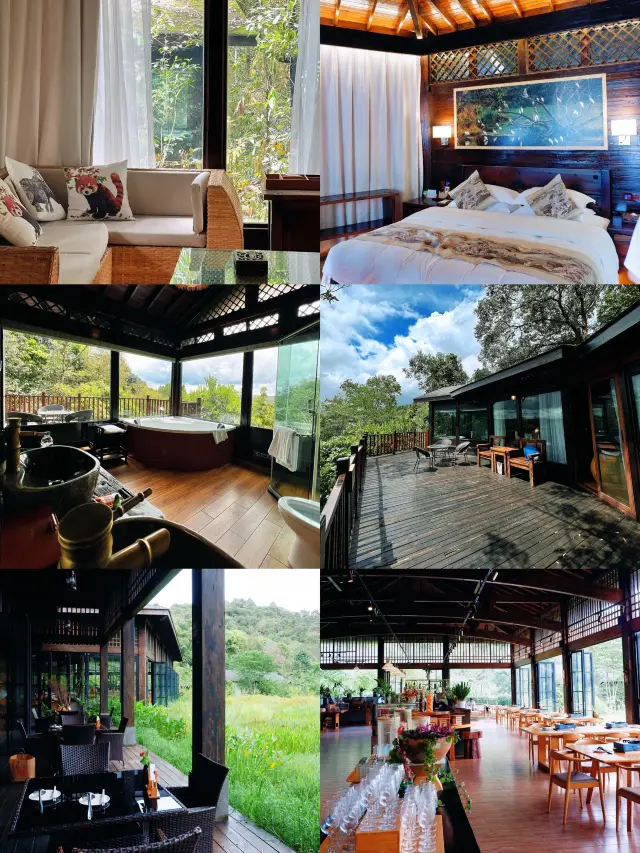
4-Day Pu'er Adventure | Must-See Detailed Guide
Calling all panda lovers! Save this 4-day Pu'er travel guide and follow in the footsteps of the pandas to discover a different kind of beauty and fun! / 🎉Recommended itinerary: Day 1: Nakeli Tea Horse Road Station ✨The curtain rises on a new journey at Nakeli Tea Horse Road Station, where we will savor its historical charm for a day. Day 2: Xiniuping Scenic Area, Pu'er National Park -> Laodabao Village Music Town, Lancang County -> Wengji Blang Village 🏞️Today is a full day. We will feel the charm of nature, experience the rhythm of music, and paint a vivid picture of Blang culture. Day 3: Jingmai Ancient Tea Garden -> Nuogan Ancient Village -> Jingmai Mountain Tea Forest Cultural Scenic Area 🍵Tea is the theme of the day. We will experience the vicissitudes of the ancient tea garden and the rich tea culture in the green mountains and rivers. Day 4: Jingmai Mountain 🚂Pack your bags, take one last look, and head home to end this wonderful trip to Pu'er. / Must-see attractions: 🐾Xiniuping Scenic Area, Pu'er National Park: A feast of animal resources and the unique charm of the monsoon evergreen broad-leaved forest will give you a different visual experience. 🍵Jingmai Mountain Tea Forest Cultural Scenic Area: Enjoy the elegance of tea in the ancient tea garden. This is a tea lover's paradise, where the fragrance of tea fills the air, mountains and rivers blend, and it feels like a fairyland. 🏞️Nuogan Ancient Village: The thousand-year-old Nuogan Village is located by the water and is picturesque. Entering it is like entering a paradise. 🏡Wengji Blang Village: A thousand-year-old Blang village, where you can learn about the customs of the Blang people and experience different scenery and folk customs. / 👕 Essentials: ☀️In Pu'er, the temperature difference is large, but it is still sunny, so don't forget to bring your sunglasses and sunscreen to protect your skin. Sweaters and coats should also be prepared to prevent the cold in the morning and evening. 🎒A travel bag, sneakers, and a hat are also essential, as Pu'er has many outdoor attractions that require hiking, so it's important to protect yourself. 📸The scenery here is beautiful, and both the natural scenery and ancient buildings are not to be missed. Therefore, be sure to carry a camera, spare batteries, and an SD card with you. A camera stand is even better. 🔖Finally, of course, documents. An ID card or passport is essential, and if you want to taste tea in a tea house in Pu'er, a credit card is also a must. / Pu'er is worth exploring and savoring. Let's feel its pride and mystery together! 😉If you like it, share it with your friends. 🥳
4
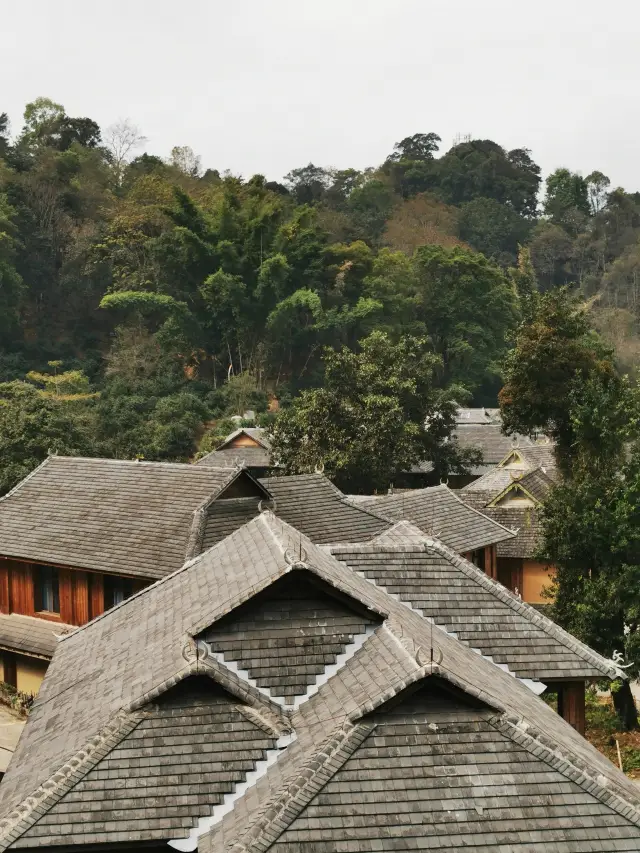
Mangjing Village | Mangjing Dai Village
❥ The first village you enter from the Pu'er direction into Jingmai Mountain is Mangjing, which is located on the northeast side of Jingmai Mountain and is a Dai ethnic village. The overall architecture of the village is in the Dai style, with the village layout on the north side of the ridge line adjacent to the mountain. The buildings are arranged from south to north, descending layer by layer, all with a heart-picking layout centered on the heart shape. ❥ Mangjing village is composed of the Mangjing community, and the center of the village is formed by the adjacent Sadi Temple, village heart, and Sadi Tomb. There are attractions such as Dai village, Sadi Temple, Sadi Well, Golden Water Pond, Ant Hill, Jingmai Fragrance Workshop, and Hand-in-Hand Fortune. This is a tourism-oriented village with a focus on cultural travel of Jingmai Fragrance Workshop. ➠Geographic location: Located in Jingmai Village, Huimin Township, Lancang Lahu Autonomous County, Pu'er, Yunnan.
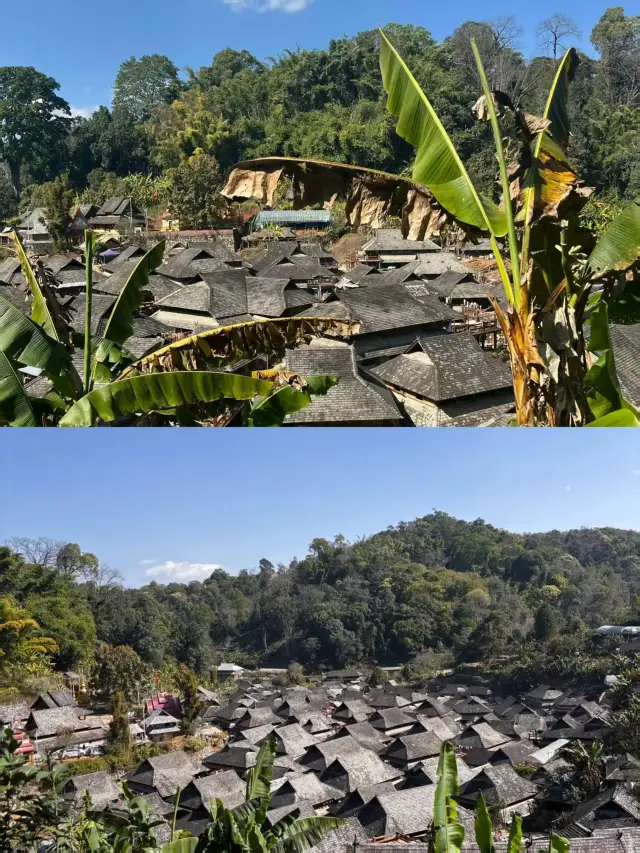
Finally conquered Jingmai Mountain!
🌿 This in-depth one-day tour of Jingmai Mountain will immerse you in the exploration of thousand-year-old tea forests, experience the unique charm of ancient villages, embrace the generous gifts of nature, and lose yourself in this idyllic world where the aroma of tea intertwines with ethnic culture.🍃 📍Jingmai Mountain, hidden in Lancang Lahu Autonomous County, Pu'er City, Yunnan Province, is one of the sacred birthplaces of tea trees in the world. It boasts ancient tea forests and a rich ethnic culture, like a hidden gem waiting to be unveiled. Today, follow my footsteps and explore this charming land together! 🌞Morning: Explore the ancient tea forest and embark on a wonderful journey filled with the fragrance of tea Starting from the foot of Jingmai Mountain, ascend the winding mountain roads, surrounded by lush greenery and the elegant aroma of tea, making even your breaths feel sweet. 🍵First Stop: Step into the ancient tea forest Upon arrival, the vast and lush ancient tea forest will come into view. As one of the birthplaces of tea trees in the world, most of the tea trees here are over a thousand years old. They stand as silent witnesses of time, quietly guarding this land. Pick a tea leaf and feel the precious gift of nature at your fingertips. 📸Photo Tip There is a thousand-year-old tea tree in the ancient tea forest, a prime spot for taking photos. It is highly recommended to wear brightly colored ethnic clothing to create stunning photos that will wow your friends! 🌞Late Morning: Visit Nuogan Ancient Village and savor the simple charm of the Bulang ethnic group 🏡Second Stop: Explore Nuogan Ancient Village From the ancient tea forest, it's about a 30-minute drive to the tranquil Nuogan Ancient Village. This is an extremely well-preserved Dai ancient village, where most of the buildings are made of wood, simple yet elegant. Stroll through the quiet alleys, and the stone-paved roads under your feet will tell stories of the past, as if you've traveled back in time to centuries ago. 📸Photo Tip The unique architectural style of Nuogan Ancient Village, with its wooden stilt houses and stone-paved roads, makes every corner a natural photo studio. Don't forget to interact with the warm and hospitable locals when taking photos to capture the essence of life and stories. 🌞Noon: Indulge in local specialties and embark on a feast for your taste buds 🍴Lunch Location: Nuogan Ancient Village After a morning of exploring, are you feeling hungry? Then enjoy an authentic meal at Nuogan Ancient Village! The roast chicken is highly recommended, with its crispy golden skin and tender, juicy meat. There's also fish cooked with sour bamboo shoots, with its unique sour and fragrant flavor that will instantly whet your appetite, leaving you wanting more with every bite. 🌞Afternoon: Explore Wengji Ancient Village and discover the rich heritage of Dai culture 🎭Third Stop: Visit Wengji Ancient Village After lunch, head to Wengji Ancient Village. This is a historic Bulang village where the residents still maintain their traditional way of life. Visit their homes, sit with them and enjoy tea, and experience the simple and pure attitude towards life amidst the lingering aroma of tea. 📸Photo Tip In Wengji Ancient Village, the unique clothing and distinctive architectural style of the Bulang people are excellent elements for taking photos. Interact with the locals and capture these warm moments with your camera. Each photo will become a cherished memory of your trip. 🌞Evening: Ascend the viewing platform, overlook the panoramic view of Jingmai Mountain, and conclude a wonderful day 🌄Fourth Stop: Stop at the viewing platform On the way back, be sure to stop at the viewing platform of Jingmai Mountain. Standing on the platform, you can enjoy a panoramic view of the magnificent scenery of Jingmai Mountain. The rolling mountains, scattered ancient villages, and lush tea forests are all breathtaking wonders of nature. 📸Photo Tip The viewing platform is undoubtedly the best place to capture the panoramic view of Jingmai Mountain. Remember to prepare your camera in advance, set the parameters, and capture these fleeting moments of beauty, preserving the beauty of Jingmai Mountain forever. 🌟Tips 1. Jingmai Mountain has a relatively high altitude, strong ultraviolet rays, and large temperature differences between day and night. Be sure to take sun protection measures and bring warm clothing. 2. Respect local customs, cultural practices, and lifestyles to ensure a harmonious and pleasant trip. 🌿A day trip to Jingmai Mountain is not just a visual feast, but also a profound spiritual experience. I hope this carefully compiled guide will be helpful to you, and I wish you a pleasant and unforgettable journey in Jingmai Mountain!🍃
4

In Pu'er, Yunnan!! A seriously underrated hidden village
When it comes to Yunnan, most people think of Kunming's spring-like weather, Dali's Cangshan Mountain, Erhai Lake, and romantic scenery, Lijiang and Shangri-La's mystery, and Xishuangbanna's ethnic customs. When I came to Jingmai Mountain, famous for its Pu'er tea, I found a dozen villages built on the mountain, with layers of clouds outlining the mountains and pines. Multiple ethnic groups live in this hidden tea-scented forest... Due to its remote location in Yunnan, it has not been promoted or disturbed for many years. The local residents have preserved their lifestyle and customs, and it has not been over-commercialized... It is seriously underrated. I suggest you save this post and tag your friends. Next time you go to Xishuangbanna, take a few days to visit here... Jingmai Mountain Villages I recommend driving. It's about 3 hours from Pu'er City and 3 hours from Xishuangbanna. There is a long winding gravel road, so drive safely. | Public transportation: Take a bus from Xishuangbanna Jinghong Bus Station to Lancang County Huimin Bus Station, then transfer to a rural bus to the entrance of Guzhai Village. | The village currently has enough facilities to meet travel needs, including inns, shops, restaurants, tea shops, and convenient parking.
More Recommendations
More Recommendations
Popular Types of Attractions in Lancang
Popular Restaurants in Lancang
施施饭庄 | 沙老奶牛肉米干 | 惠民德贤来饭店农家菜 | 澜沧腊龙云栖小筑客栈·餐厅 | AI NI NIU ROU HUO GUO ZI ZHU LA HU AN CHANG DIAN | Dicos (lancang) | LA HU E ZA GE CAN TING | 虾煌 | 拉祜小土锅餐馆 | GU FU KAO YU | 澜沧景迈柏联酒店·中餐厅 | 旺朝烧烤·特色小吃·休闲圣地 | 布朗家常饭店 | 携程度假农庄(澜沧老达保联营店)·餐厅 | 糯干小筑民宿·咖啡厅 | 望城楼 | XIAO CHENG GU SHI CAN BA YIN LE BA | 澜沧古茶(农场路店) | XIAO LIN MA ZHANG HUANG SHAN | 观云阁餐厅 | 麦乐基(普洱天隆商城店) | HUO TANG WEI DAO | 福建千里香馄饨王(建设路店) | 火塘铜锅鱼 | seven teas七杯茶连锁 | 康华饼屋(民族街店) | DA HU LU SHAN ZHUANG | 家在澜沧 | 万利宏蛋糕 | 澜沧景迈景玉山庄餐馆
Popular Destinations
Zihuatanejo de Azueta Travel | Zhao'an Travel | Kunshan Travel | Northeast Penang Island Travel | Caledon Travel | Toyako Travel | Sparks Travel | Nelson Travel | Leon Travel | Sulmona Travel | Gustavia Travel | Middletown Travel | Lake Forest Travel | Plymouth Travel | Landskrona Travel | Limestone County Travel | Tynemouth Travel | Arecibo Travel | Wilson County Travel | Puerto Natales Travel | Kent County Travel | Worthen with Shelve Travel | Xinyi Travel | Risaralda Travel | Ripon Travel | Alpine Travel | Yiyang Travel | Spencer County Travel | North Governorate Travel
Recommended attractions at popular destinations
Popular Attractions in Bangkok | Popular Attractions in Manila | Popular Attractions in Tokyo | Popular Attractions in Taipei | Popular Attractions in Hong Kong | Popular Attractions in Seoul | Popular Attractions in Kuala Lumpur | Popular Attractions in Los Angeles | Popular Attractions in Shanghai | Popular Attractions in New York | Popular Attractions in Shenzhen | Popular Attractions in Osaka | Popular Attractions in Singapore | Popular Attractions in London | Popular Attractions in Guangzhou | Popular Attractions in San Francisco | Popular Attractions in Beijing | Popular Attractions in Macau | Popular Attractions in Bali | Popular Attractions in Jakarta | Popular Attractions in Paris | Popular Attractions in Ho Chi Minh City | Popular Attractions in Istanbul | Popular Attractions in Phuket | Popular Attractions in Chicago | Popular Attractions in Seattle | Popular Attractions in Toronto | Popular Attractions in Orlando | Popular Attractions in Cebu | Popular Attractions in Chiang Mai
Popular Ranked Lists
Top 20 Luxury Hotels near Binh Son | Top 10 Luxury Hotels near Tomigusuku | Top 20 Best Things to Do in Semporna | Top 50 Best Things to Do in Rome | Top 50 Must-Visit Restaurants in Lisbon | Popular Premium Hotels in Shah Alam | Top 50 Must-Visit Restaurants in Shantou | Top 50 Must-Visit Restaurants in Vancouver | Top 10 Best Things to Do in Phnom Penh | Top 50 Must-Visit Restaurants in Taizhou | Top 50 Must-Visit Restaurants in Zhuhai | Top 50 Must-Visit Restaurants in Nanchang | Popular Premium Hotels in Thu Dau Mot | Top 50 Best Things to Do in Athens | Top 50 Must-Visit Restaurants in Shenzhen | Top 50 Best Things to Do in Budapest | Top 10 Best Things to Do in Okinawa | Top 50 Best Things to Do in Moscow | Top 50 Must-Visit Restaurants in Xiamen | Top 50 Must-Visit Restaurants in Pattaya | Popular Premium Hotels in Nakhon Pathom Province | Top 50 Luxury Hotels near Carmignano | Top 50 Best Things to Do in Kyoto | Popular Premium Hotels in West Yorkshire | Top 50 Must-Visit Restaurants in Guangzhou | Top 50 Best Things to Do in Venice | Top 50 Best Things to Do in Hanoi | Top 50 Must-Visit Restaurants in Qingdao | Top 50 Must-Visit Restaurants in New Delhi | Top 50 Luxury Hotels near Choshi
Popular Trip Moments
Beware of the cold winter! A guide to a mild winter in Xishuangbanna at 25°C. | Where should I stay if I want to take photos of people and scenery in Jingmai Mountain? | Who says Yunnan is only beautiful in summer? The winter of this warm sacred mountain is stunning beyond words! | A Secluded Haven in the Aroma of Pu'er Tea - Must-Stay New Hotel in Jingmai Mountain | Poetic Teahouse in Jingmai Mountain | Jingmai Mountain Travel Guide, World Heritage Ancient Tea Mountain Healing Journey | Jingmai Mountain Ancient Tea Forest Hotel | A Cultural Classroom on the Border | Reading the Epic of an Ethnic Group with Kids Under the Warm Sun | 7-Day Yuxi and Surrounding Areas Travel Guide That Left Me Speechless with Beauty | Winter is here, time to take off my thermal underwear! I'm having barbecue in Xishuangbanna at 25°C. | The Sacred Light of the Buddha Kingdom in the Ancient Tea Forest | Jingmai Mountain: A Forest Secret Infused with the Soul of Pu'er Tea! | Jingmai Mountain|A Place That Needs No Filters | A comprehensive guide to eating, lodging, and transportation in Jingmai Mountain! | Escape the fast pace of the city and come to Lancang to experience this tranquility! | More livable than Kunming, quieter than Dali! This is the best choice for retirement and vacation in Yunnan's most beautiful slow city | A Real-Life Stardew Valley Experience on Jingmai Mountain: Best Travel of the Year | Jingmai Mountain Winter Cherry Blossoms | Puer Must-Stay Tea Mountain Holiday Hotel | 48 Hours of Emptying Out at Jingmai Mountain | A Journey Through Jingmai Mountain: Strolling in the Millennia-Old Ancient Tea Forest | Taking my parents to Pu'er for a vacation, they praised me for choosing the right place this time | A few days ago I went there, really loved that place | Kunming College Students' Weekend Special Forces: Stay 24h in a Dai Ancient Village in Jingmai Mountain | National Day Kunming-Pu'er-Jingmai Mountain Independent Travel Guide | You can now enjoy freshly pounded ingredients in Beijing! Yunnan wild fruit sour soup hot pot – one bite and you'll feel the sourness all the way to Jingmai Mountain. | Jingmai Mountain Two-Day One-Night Healing Guide|Avoid Pitfalls + Nanny-Level Arrangements | Secret Ancient Village Travel Photography Guide | Sister trip from Jingmai to Xishuangbanna | Jingmai Mountain | Sunrise Viewing, Home-like B&B
More Things To Do in Lancang
Xishuangbanna private chartered 1-day tour [Quality fun + One group per booking + Driver-guide + Choose your own attractions] | one-day tour of Wengji Ancient Village + Nuogan Ancient Village + Jingmai Mountain [Pure Play Business Group of 4-8 People] | [Puer Departure] Nuogan Ancient Village + Jingmai Mountain Ancient Tea Garden + Wengji Ancient Village One-Day Tour | 8-Person Group | [Private car tour] Nuogan Ancient Village + Wengji Ancient Village + Jingmai Mountain one-day tour | Pure Play One private charter | Xishuangbanna Pu'er One-on-one Guided Tour with Personal Guide • Custom Private Tour [Full-time Guide • Local Guide]|Optional Chinese/English (3 days in advance)|Private Custom Tours | Mainland China 5G eSIM | Day Pass/Total Data Package | ChatGPT Available | 24-Hour Billing | 1-30 Days | QR Code | Mainland China | 5G/4G eSIM | Supports TikTok & ChatGPT (Partial Only) | Day Pass/Total Package | 24H Billing | 1–30 Days | QR code | Mainland China/Hong Kong/Macau 5G eSIM | Daily Package/Total Data Package | 24-Hour Billing | 1-30 Days | QR Code | Global (66 countries) | 4G/5G eSIM | Total Package | 1-7 days | 24H Billing | Real-Name Auth Required (Hong Kong & Taiwan) | QR code | Mainland China/Hong Kong/Macao/Taiwan | 5G eSIM | Day Pass/Total Package | 24H | 1-30 days | QR code | Mainland China · Hong Kong · Macau 5G eSIM | Full AI & TikTok Access | 1–30 Days / 365 Days | Instant QR | Asia 9 Destinations 5G eSIM | Japan, Thailand, Vietnam, Indonesia, Korea & More | 1–30 Days | Instant QR | China eSIM | 5G/4G | Daily package/Data package | High-speed data | Natural day | 1-30 days | QR code | Mainland China 5G eSIM | ChatGPT & TikTok | 1–30 Days / 365 Days | Instant QR | Asia 8 countries 5G/4G eSIM | DayPass/Total | 1-30 days | QR code | Asia & Oceania 4G/5G eSIM | Daily/Total Data Package | 1–30 Days | 24-Hour Billing | QR Code | Global 77 Countries 4G/5G eSIM | TikTok & ChatGPT Available | Day Pass/Total Data Package | 24-Hour Billing | 1-30 Days | QR Code | [5G SIM Card] China 5G Universal SIM Card Total 10GB/15GB/30GB/45GB High-speed 5G Unlimited Data (Pick up at Shanghai Pudong Airport) | China Mainland, Hong Kong&Macau eSIM | DayPass /Total | 500MB/day-total 30GB | 1-30 days | QR code | [Border Tour] Xishuangbanna Daluo National Gate + Dushuchenglin attraction one-day tour|Optional private charter service | China, Hong Kong, and Macau | 5G eSIM | Unlimited data | High-speed network | No need to remove the card | Natural day | QR code | 5G SIM Card: China 5G Universal SIM Card with 30GB/80GB of unlimited 5G data and a free Shanghai PASS (Pick up at Shanghai Pudong Airport) for unlimited travel in Shanghai | Menglian Trip Moments[Driver-guide-interpreter-photographer/Wedding photography & aerial photography/Travel itinerary customization] | Global (100 countries) 4G/5G eSIM | DayPass/Total | 500MB/day - 30GB Total Data | 1-30 days | 24-hour billing | QR code | China (Mainland and Macau) 5G/4G eSIM|China Unicom official product | [China, Hong Kong and Macau] 4G network | Unlimited traffic | Self-pickup at the airport | WiFi rental, high-speed traffic, shared by multiple people, ready to use at startup, 12H standby, 24H customer service | [China Mainland] eSIM | SIM to China | 8GB 8days 4G high speed | Yaliaojia Greater China Card | Mainland China/Hong Kong/Macau/Taiwan | Phone number included | App registration available|Receive SMS|365 days | No real-name required for inland use | Asia (12 countries) | 4G/5G eSIM | Total Package | 365-day validity | 24H Billing | Real-Name Verification Required for Hong Kong & Taiwan | QR code | [China] China Unicom Nihao | 5G SIM Card | Beijing/Shanghai/Guangzhou Airports | Local Calls + Internet Access + App Registration + SMS