

▲ The Iziko Bo-Kaap Museum neighborhood in Cape Town, South Africa, with its distinctive architectural style, vibrant local atmosphere, and profound cultural heritage, embodies the essence of South Africa's multicultural diversity, creating a place brimming with color and energy.
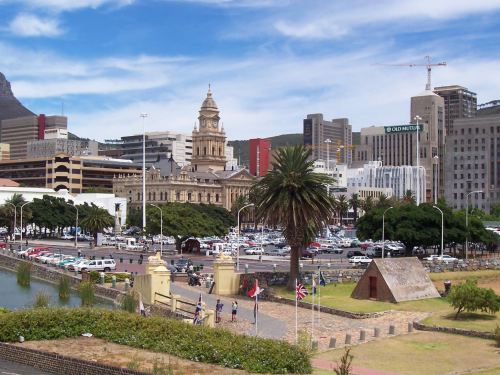
▲ The Castle of Good Hope is a Dutch colonial-era military fortress located in Cape Town, South Africa. Constructed by the Dutch East India Company, its construction began in 1666 and was completed in 1679, making it one of the oldest surviving European-style colonial buildings in South Africa. The fortress was built against the backdrop of tensions between England and the Netherlands in 1664, intended to replace the old mud-and-timber fort built in 1654, with only two double bastions of the original fort preserved. The castle features a pentagonal star shape, with higher walls on the landward side and bastions at each corner equipped with cannons to enhance defense. The main structure was built with stone, and the outer walls were painted yellow to reduce heat absorption from sunlight. Upon completion, the interior housed facilities such as a church, bakery, workshops, living quarters, and a prison. From 1678 onward, it served as the administrative and military center of Cape Town.

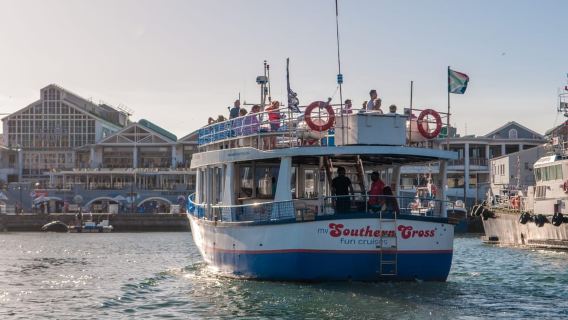
▲ The V&A Waterfront in Cape Town is the premier tourist hub of the city's inner harbor waterfront area. Nestled against Table Mountain and facing the ocean, it combines leisure shopping, dining, entertainment, and historical sightseeing into one vibrant destination. Renowned for its bustling harbor charm and multicultural experiences, it stands as one of Cape Town's most iconic landmarks.

▲ Kirstenbosch National Botanical Garden is located at the foot of Table Mountain in Cape Town, South Africa, covering an area of over 560 hectares. It is one of the world's most renowned botanical gardens, specializing in cultivating native South African plants, with the national flower Protea (King Protea) as its iconic species. The garden is divided into thematic zones based on plant ecological functions, including medicinal plant areas, forest plant areas, and herb gardens. Visitors can enjoy diverse vegetation views year-round, particularly the famous Fynbos shrub vegetation unique to the Cape region. The garden features specialty shops selling local flower seeds and gardening books, along with hiking trails and other visitor facilities.