




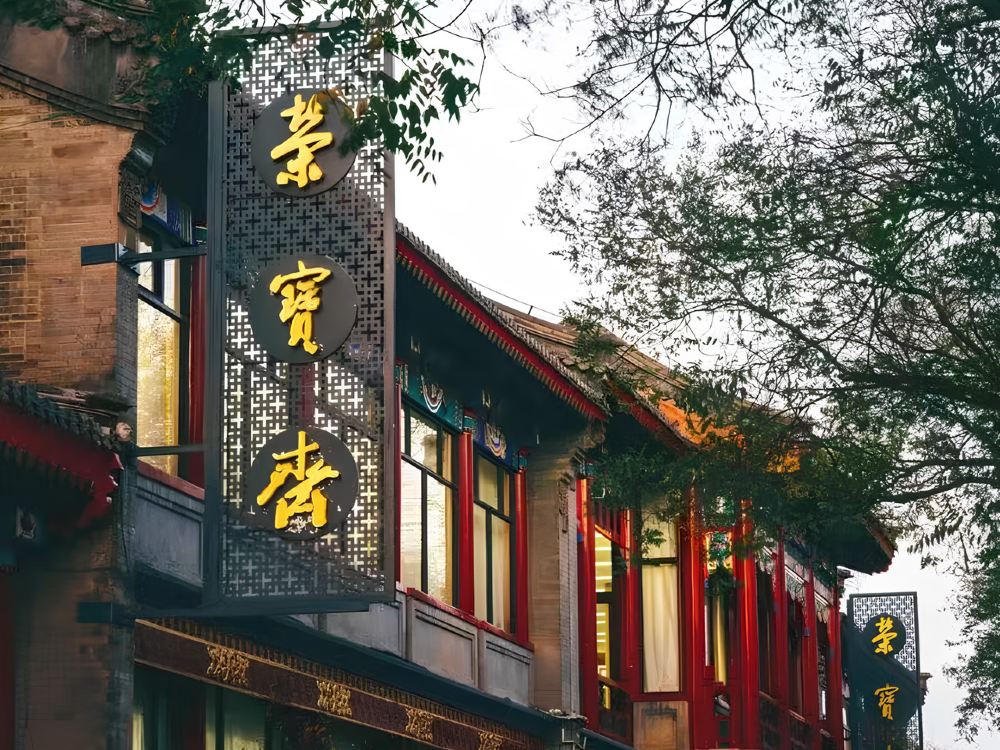
▲ ▲ Rongbaozhai is a historic cultural institution in Beijing with more than 300 years of history, founded in 1672 during the reign of the Kangxi Emperor of the Qing Dynasty. It is often known as the “Oriental Art Gallery.” Here, you can experience two national-level intangible cultural heritage crafts: watch how classical paintings are recreated through traditional woodblock printing using dozens of carved blocks, then try brushing ink and making a print yourself; or explore the traditional craft of Chinese painting mounting and restoration, where fragile rice paper artworks are carefully repaired and brought back to life.

▲ ▲ Qianmen Street, is one of Beijing's most vibrant historic pedestrian streets, Qianmen blends traditional architecture, century-old shops, street snacks, and a vintage sightseeing tram. It's the perfect place to feel the rhythm of old Beijing while enjoying the energy of modern city life.

▲ ▲ The Forbidden City is Beijing's most iconic imperial architectural complex and one of the largest and best-preserved ancient palace complexes in the world. Built in the 15th century, it served as the residence and political center of 24 emperors of the Ming and Qing dynasties. Its grand palace layout, strict axial symmetry, and rich colors and decorative details vividly reflect traditional Chinese ritual systems and architectural aesthetics. Today, as the Palace Museum, it preserves profound historical memories and allows visitors to experience the dignity and depth of Chinese civilization while walking through its halls.