





▲ ▼Kamakurakōkō-Mae Station Located in Kamakura, Kanagawa Prefecture, Japan, this station served as the inspiration for Ryonan High School in the anime "Slam Dunk." The nearby intersection is where the iconic scene of Hanamichi Sakuragi greeting Haruko Akagi was filmed. Standing at this crossroads with the ringing train bells, visitors can relive the passionate youth depicted in "Slam Dunk." Even after all these years, people still can't resist taking photos here as if commemorating their own youthful memories.
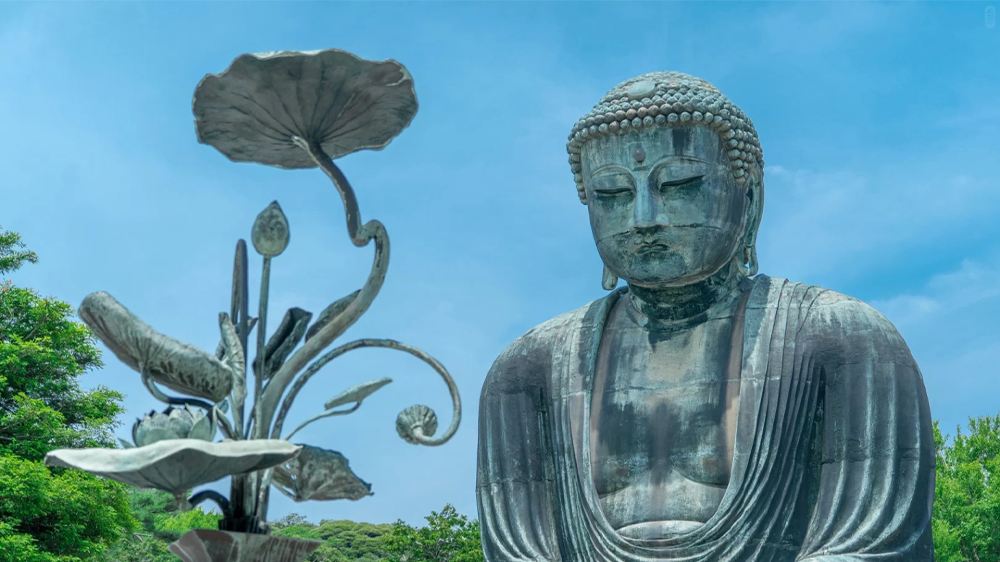
▲ ▼Kotoku-in The Kotoku-in, commonly known as the Great Buddha of Kamakura, is a bronze statue of Amida Buddha located in the Jodo sect temple Kotoku-in in the ancient city of Kamakura. It stands as a symbol of Kamakura, with a height of 11.3 m (13.35 m including the base) and weighs approx. 121 tons. Cast in 1252, the statue features a flat face, low ushnisha (cranial protuberance), and a slightly forward-leaning posture, reflecting the Song Dynasty Buddhist style popular during the Kamakura period. Designated as a Japanese National Treasure, this iconic statue is particularly valuable as it has largely retained its original form, unlike the Great Buddha of Todaiji in Nara which has undergone multiple restorations.

▲ ▼Enoshima Electric Railway Experience at Hase Station (Approximately 15-20 minutes walk from arrival point to Hase Station) The experience includes walking to Hase Station to board the Enoshima Electric Railway, with the fare already covered. The Enoshima Electric Railway is a streetcar connecting Fujisawa and Kamakura. Its route passes most of Kamakura's famous attractions while offering scenic views of the beautiful Shonan coastline. When it comes to Kamakura, the Enoshima Electric Railway is an iconic mode of transportation. The sight of these trains speeding by frequently appears in major Japanese films and anime. Beyond just admiring them from afar, you can personally enjoy the fun of riding the Enoshima Electric Railway.
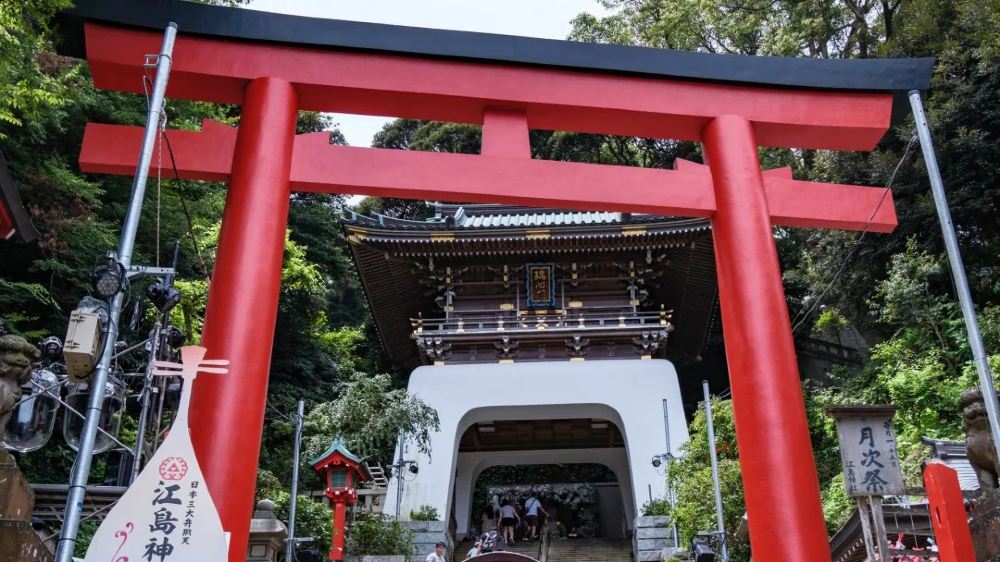
▲ ▼Enoshima The initial formation of Enoshima is said to have occurred in the 13th year of Emperor Kinmei's reign (552 AD), when sand began to emerge from the seabed and formed a sandy island after 21 days. However, a touching legend about the island's origin is recorded at Enryaku-ji Temple on Mount Hiei. Enoshima Shrine Enoshima Shrine was established in the 13th year of Emperor Kinmei's reign (552 AD), with its annual festival held in early April.
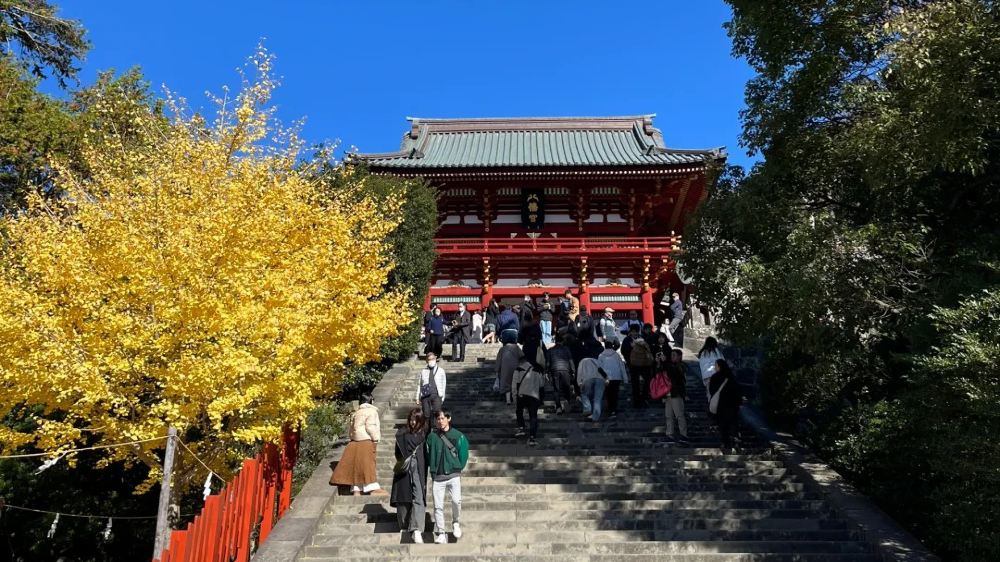
▲ ▼Tsurugaoka Hachimangu Tsurugaoka Hachimangu, formerly known as Kamakura Hachimangu, served as the central place of worship and guardian deity for samurai during the Kamakura Shogunate period (1192). It holds deep historical ties with the first shogun of Kamakura and is widely renowned in the Kanto region. Alongside Iwashimizu Hachimangu (Kyoto) and Usa Hachimangu (Oita Prefecture, Kyushu), it is collectively known as one of Japan's Three Great Hachimangu Shrines. The shrine grounds are expansive, with multiple areas designated as National Historic Sites. Additionally, it features abundant floral vegetation, making it a famous spot for cherry blossom and autumn foliage viewing. It has also been awarded one star in the Michelin Travel Guide.