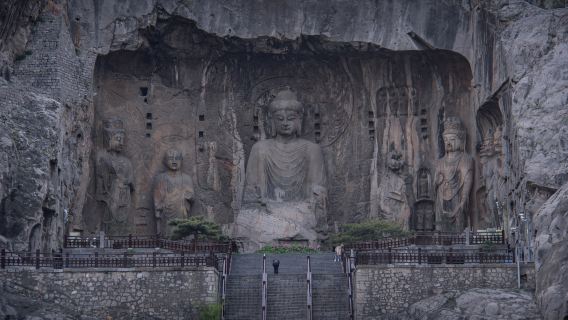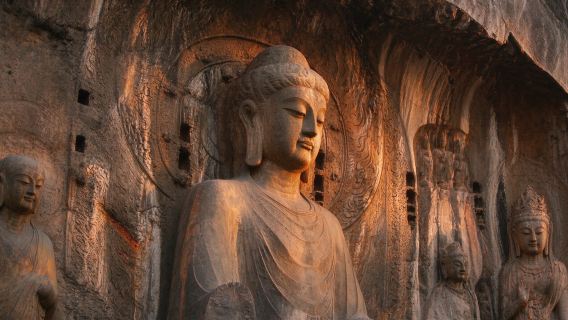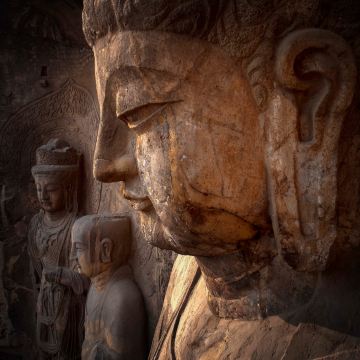
▲ The main Buddha of Fengxian Temple stands 17.14 m tall. Legend has it that it was carved based on Wu Zetian's appearance, with a compassionate, dignified face and a subtle smile. Known as the "Oriental Mona Lisa," it is the most iconic statue of the Longmen Grottoes.
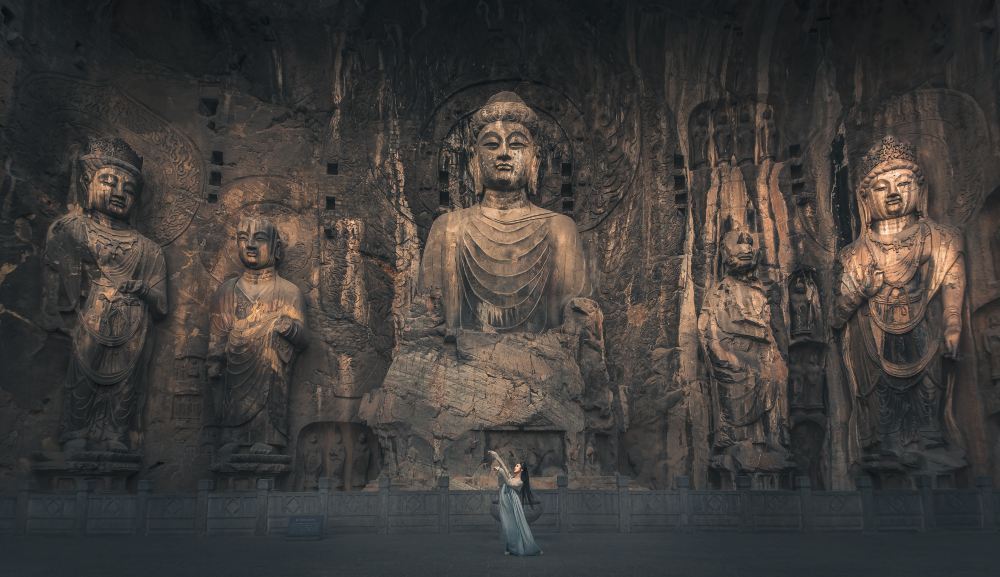
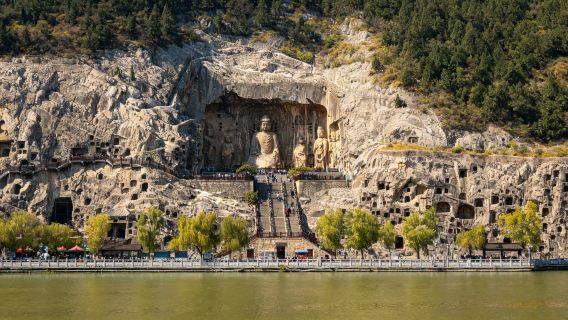
▲ The carving of the Longmen Grottoes began around the time Emperor Xiaowen of the Northern Wei dynasty moved the capital to Luoyang (493 AD) and continued through the Eastern Wei, Western Wei, Northern Qi, Sui, Tang, and Northern Song dynasties for more than 400 years. It preserves 2,345 niches and caves, over 100,000 statues, and more than 2,800 inscriptions and steles, and together with the Mogao Caves and the Yungang Grottoes, it is known as one of China's three great grottoes.
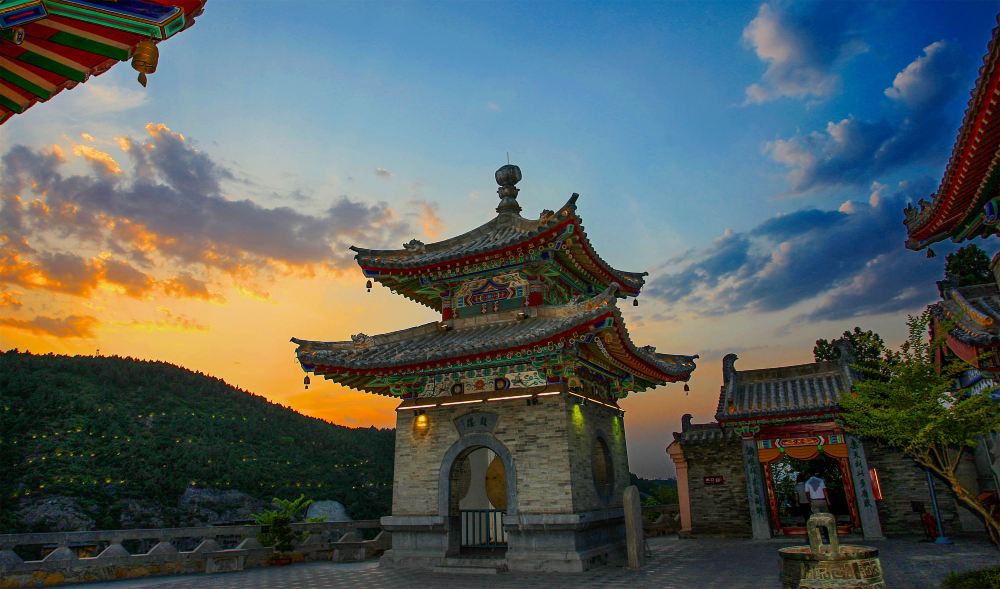
▲ Bai Juyi once said, "Among the scenic landscapes around Luoyang, Longmen ranks first." In his later years, he called himself the Hermit of Xiangshan, lived in seclusion at Xiangshan Temple, and was buried at Bai Garden after his death. From Emperor Yang of Sui ascending Longmen to Empress Wu Zetian holding a grand court assembly for officials at Fengxian Temple, Longmen is a microcosm of Luoyang's thousand-year cultural heritage.
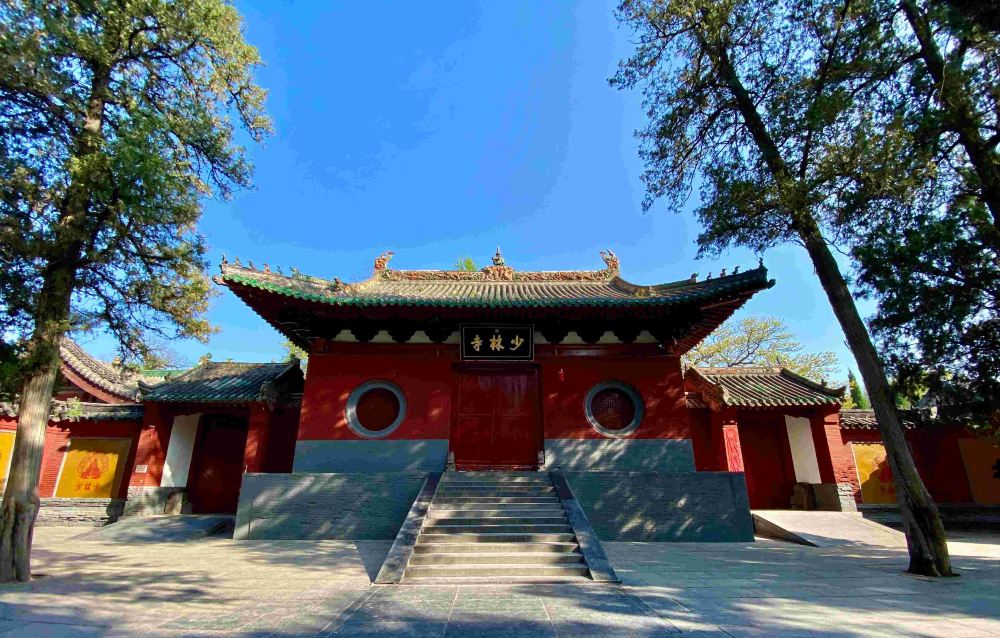
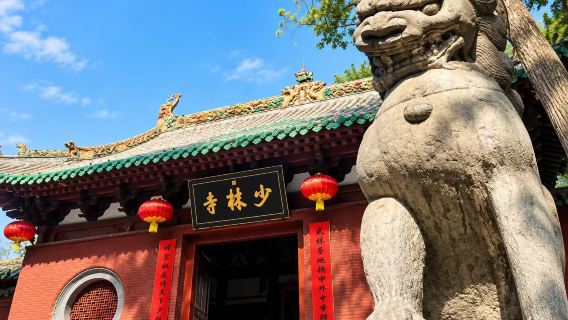
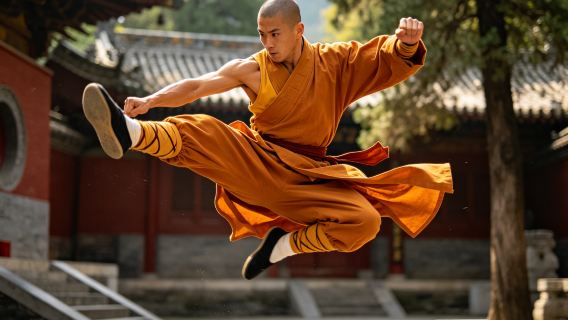
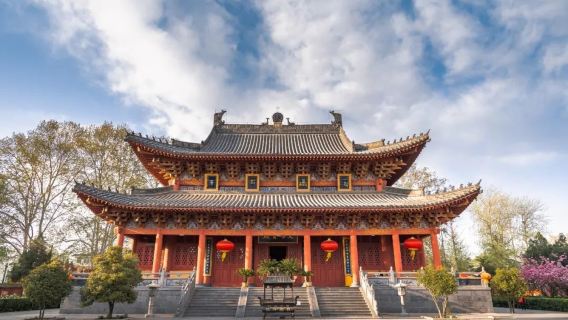
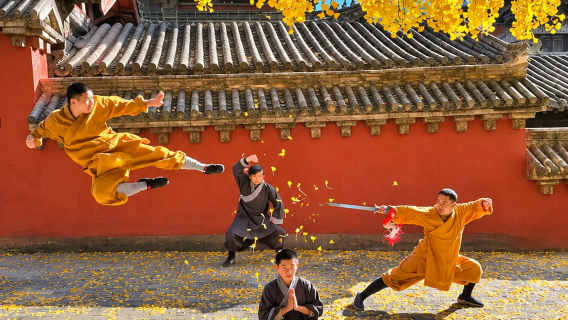
▲ Fifteen hundred years of incense offerings, seven courtyards rising tier upon tier to a height of 22 m—Zen is here, and so is the martial art.
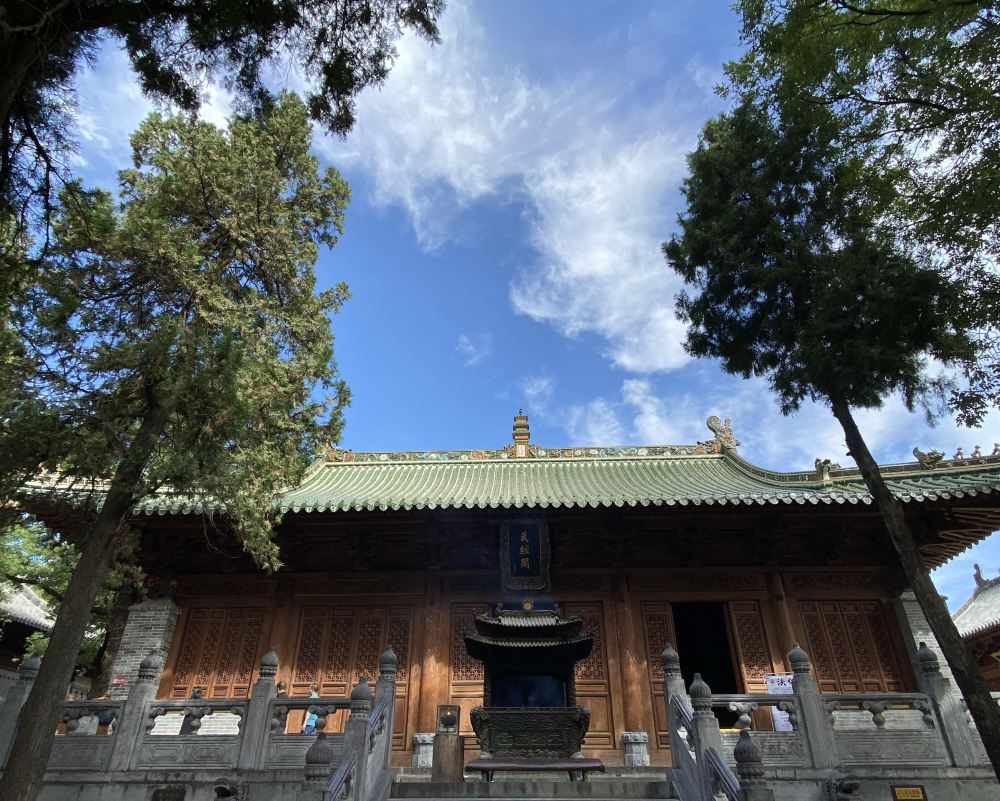
▲ Once filled with five thousand scrolls of sutras, now it relies on a large plaque and a reclining white jade Buddha to remember the page that was scorched by fire.
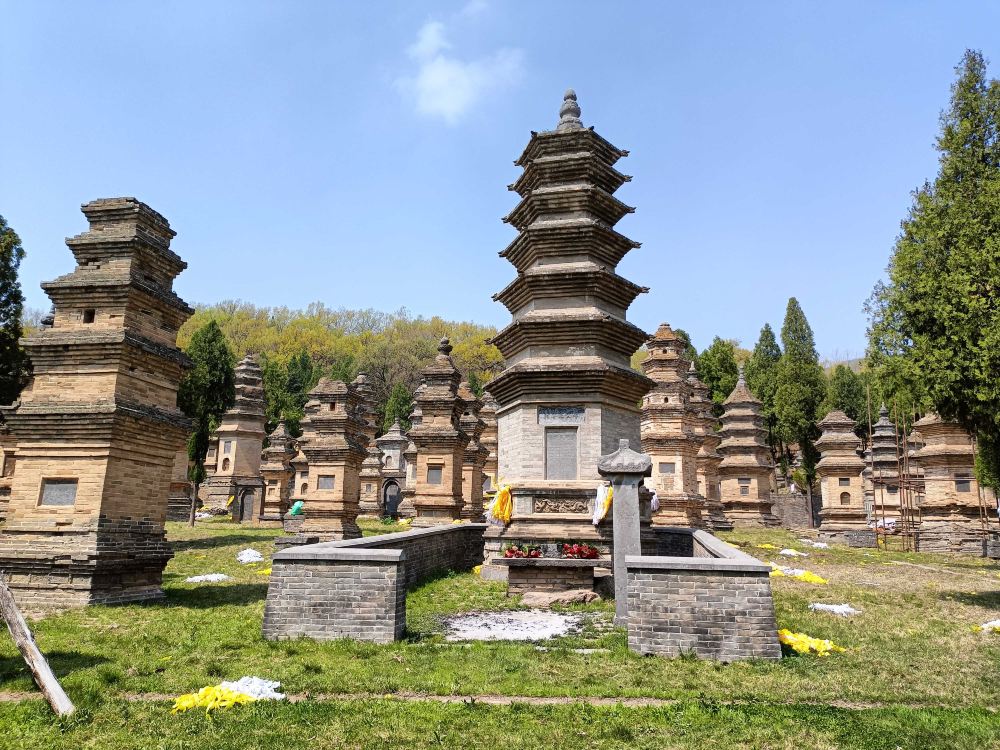
▲ Two hundred and twenty-eight tomb pagodas, erected from the Tang dynasty to the Qing dynasty, constitute a biography of Shaolin monks written in stone.