



▲ Kinkaku-ji not only symbolizes the history and culture of Kyoto, but is also one of Japan's representative tourist landmarks. The golden pavilion has three floors, each with a distinct architectural style: First layer: Shinden-zukuri (aristocratic residential style of the Heian period) Second layer: Buke-zukuri (samurai residential style) The third level: Zen Buddhist hall style The second and third floors are covered with gold leaf, shimmering in the sunlight and reflecting on Mirror Lake, creating the famous "Mirror Lake reflection," a beloved view for travelers to photograph.

▲ The typical Japanese stroll garden around Kinkaku-ji features: Mirror lake pond An Minze Longmen Waterfall Various pine trees, maple trees, and moss view Cherry blossoms in spring, lush greenery in summer, fall foliage, and winter snowscapes each have their unique charm, with Kinkaku-ji in the snow considered a representative scene of Kyoto.

▲ Nara Park is located in the center of Nara City, serving as a representative tourist attraction of Nara and a symbol of Japan's perfect harmony between history and nature. The vast park features lush green lawns and distinct seasonal scenery, where visitors can experience the unique tranquility and historical weight of this ancient capital. Surrounding Nara Park are multiple UNESCO World Heritage Sites, including Tōdai-ji, Kasuga Taisha, and Kōfuku-ji. While enjoying the natural landscapes, visitors can also immerse themselves in the charm of Japan's earliest Buddhist and Shinto cultures.

▲ Stroll through the ancient capital's scenery in Nara Park, where natural landscapes intertwine with historical architecture, and optionally visit the centuries-old Tōdai-ji at your own expense. Tōdai-ji is renowned for the Great Buddha Hall, one of the world's largest wooden ancient structures, which houses the famous Vairocana Buddha statue, boasting grand scale and profound historical significance. During your visit, you can also get up close with the freely roaming sika deer in Nara Park, experiencing the unique blend of history, culture, and natural charm that Nara offers.
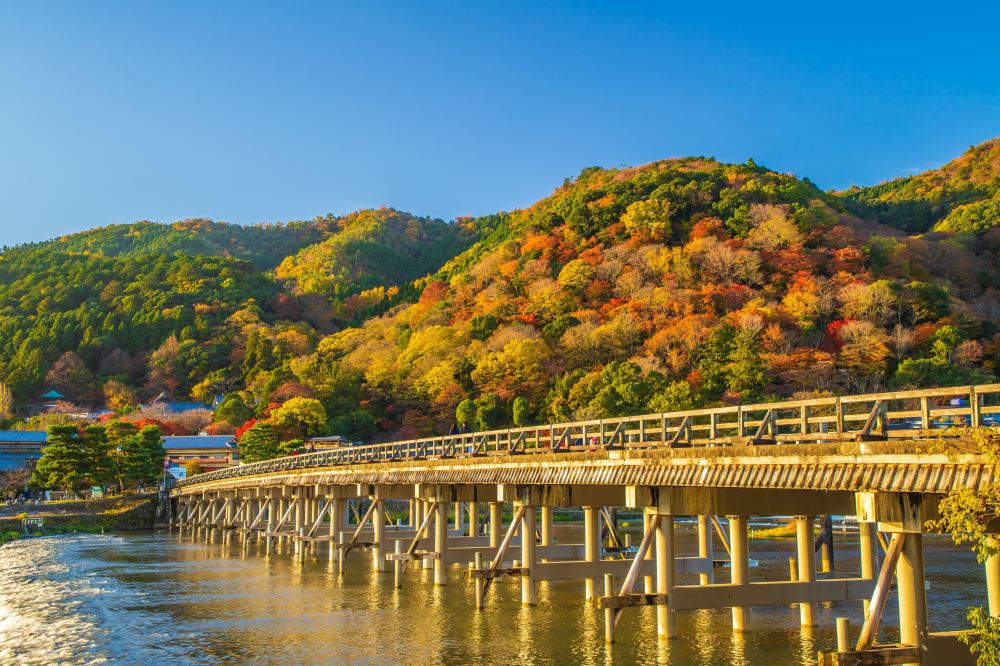
▲ Stroll across Kyoto Arashiyama's famous "Togetsukyō Bridge," this historic bridge spanning the Katsura River is one of Arashiyama's representative attractions. The bridge complements the green mountains and flowing water on both banks, showcasing different charms in each season: cherry blossoms in full bloom in spring, lush greenery in summer, vibrant foliage in fall, and serene snowscapes in winter. Standing on the bridge to admire Arashiyama's natural scenery and feel Kyoto's unique ancient capital atmosphere is a classic attraction not to be missed when visiting Arashiyama.
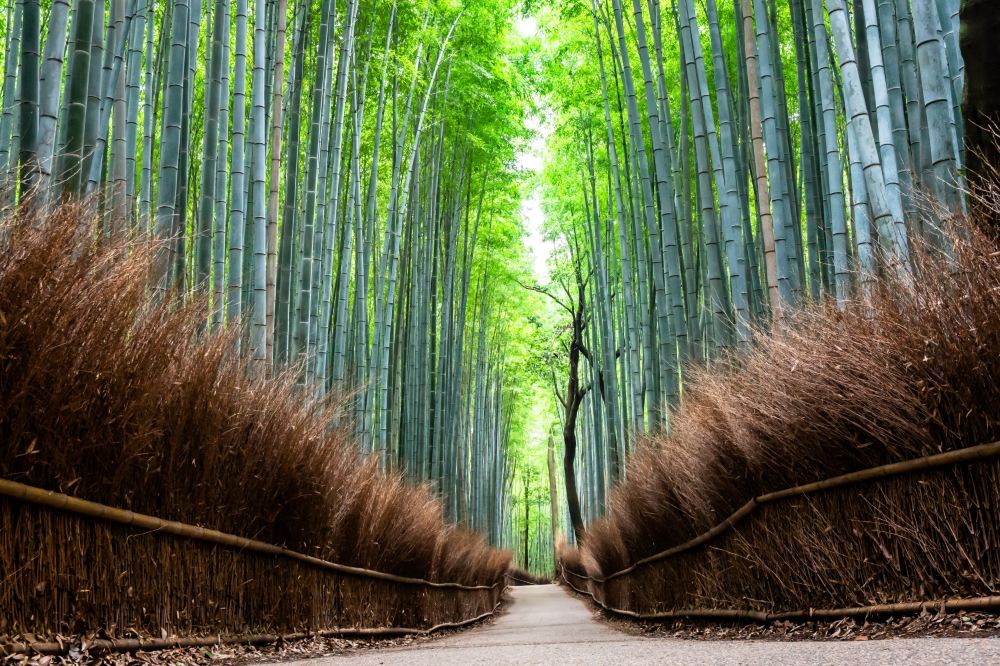
▲ Stroll along Kyoto Arashiyama's famous "bamboo grove path," where towering bamboo forests extend layer upon layer on both sides, with sunlight casting dappled shadows through the leaves, creating a serene and tranquil atmosphere. Walking slowly along the winding path, you can immerse yourself in the rich Japanese natural scenery, which is also one of Arashiyama's representative views. Whether it's the fresh greenery of spring and summer or the quiet beauty of fall and winter, each season offers its own unique charm, making it a classic must-visit spot in Kyoto.
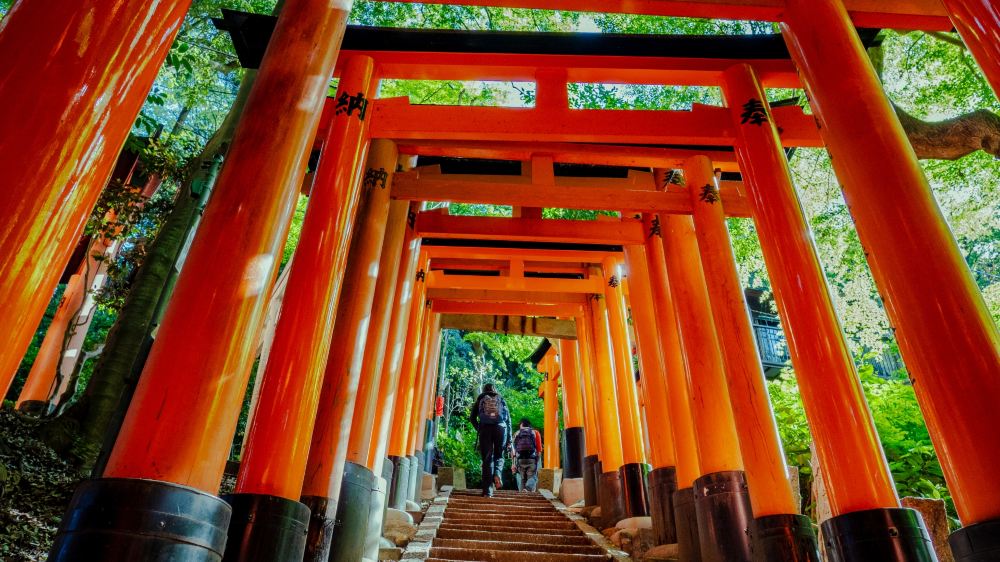
▲ Fushimi Inari Taisha is located in southern Kyoto and is one of the most representative and recognizable shrines in the city. It serves as the head shrine for approximately 30,000 Inari shrines across Japan. Dedicated to the deity of bountiful harvests, business prosperity, and career success, it is deeply cherished by both locals and travelers. The most breathtaking view is the 'thousand torii gates' stretching across Mount Inari. Rows of vibrant red gates form a tunnel-like path that winds up the mountain, creating a visually stunning scene and making it one of Kyoto's most iconic photo spots.

▲ The itinerary offers optional choices including ["Kobe beef" shabu-shabu], with Kobe beef being one of Japan's top three premium wagyu varieties. The photos shown on this page depict the ["Kobe beef" shabu-shabu]. Other options available are [no meal included], [Kyoto-style pork tofu cuisine], ["Kobe beef" sukiyaki], or [sukiyaki Kobe beef rice bowl], allowing selection based on personal preference.

▲ The restaurant is housed in a 120-year-old machiya

▲ Baggage notice When boarding, large luggage (such as Boston bags or suitcases) will be stored in the bus luggage compartment. Please note the following baggage regulations: Each passenger can carry only one piece of baggage. - The total dimensions (length + width + height) of the baggage cannot exceed 155 cm. - The baggage weight must be within a range that the passenger can handle independently. Baggage exceeding the above size or weight limits cannot be stored in the bus luggage compartment. Please confirm the size and weight of your luggage in advance to avoid affecting your itinerary.