




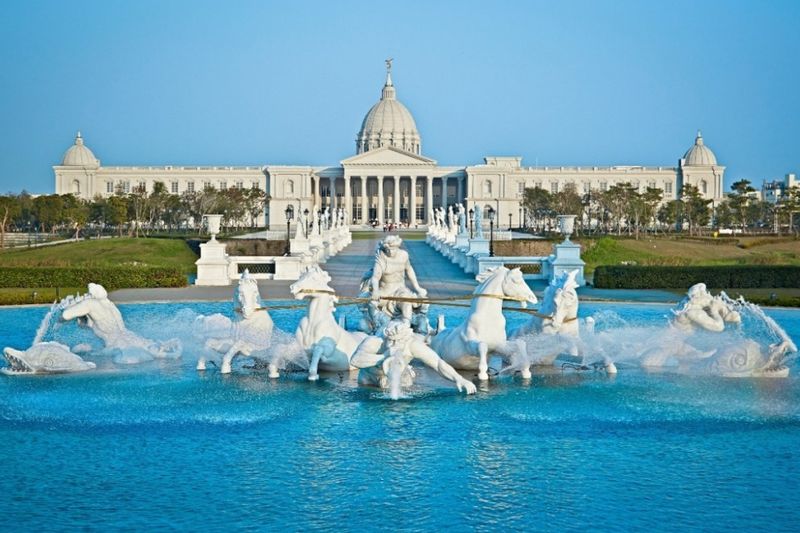

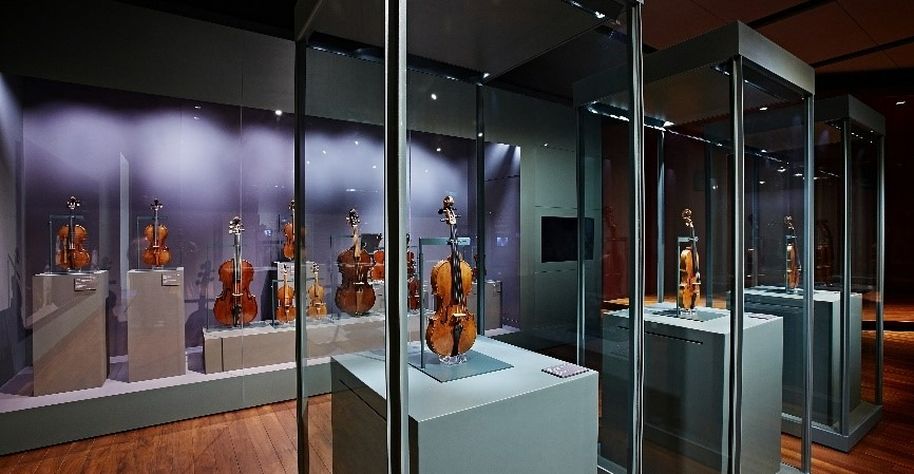


▲ Chimei Museum Chimei Museum is a comprehensive museum featuring diverse collections including Western art, musical instruments, weapons, and animal specimens. The exhibition halls include the Art Hall, Musical Instrument Hall, Armory Hall, Animal Hall, Rodin Hall, Sculpture Avenue, and Special Exhibition Hall, showcasing the wonders of civilization and the beauty of art. Outside the museum, scenic spots are designed with elements of Western mythology, aiming to create a shared space for the public and serve as a spiritual haven for visitors.

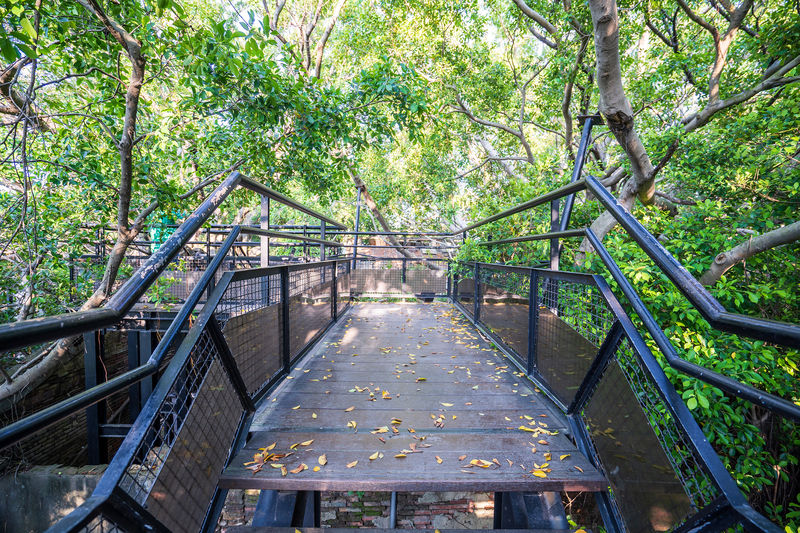
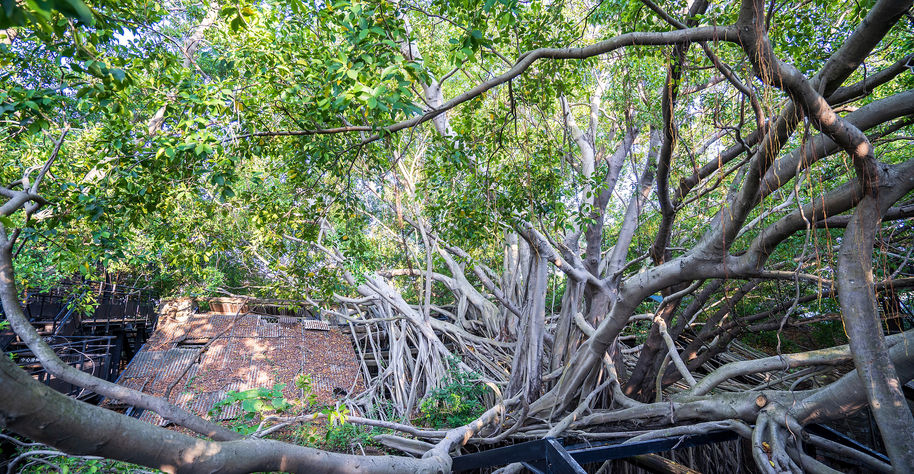
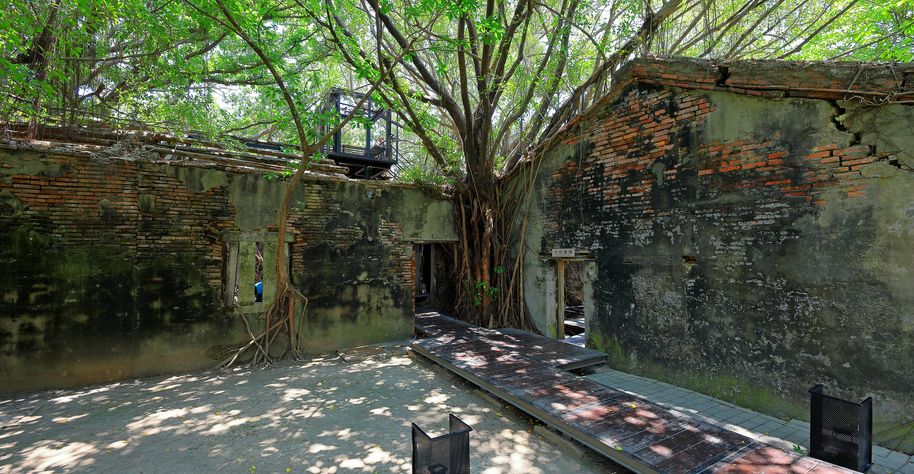
▲ [Anping Tree House] The tree house is located behind the Former Tait & Co. Merchant House and was originally its warehouse, built around the late 19th century during the early Japanese colonial period. It later served as a warehouse for the "Dai Nippon Salt Industry Co., Ltd." branch office, with its current scale resulting from Japanese expansions. After over a century of weathering, the warehouse walls became covered with the aerial roots of banyan trees. The towering banyan's dense canopy now acts as the warehouse's roof, giving Anping Tree House its unique appearance and mysterious atmosphere. This creates a rare symbiotic spectacle of tree and structure, reminiscent of the giant trees entwining "Ta Prohm Temple" at Angkor Wat. Today, well-planned wooden walkways allow visitors to explore between the tree houses and even ascend through the canopy, where squirrels and birds often play, showcasing thriving biodiversity. For a break, visitors can relax at the Tree House Café within the compound and enjoy...

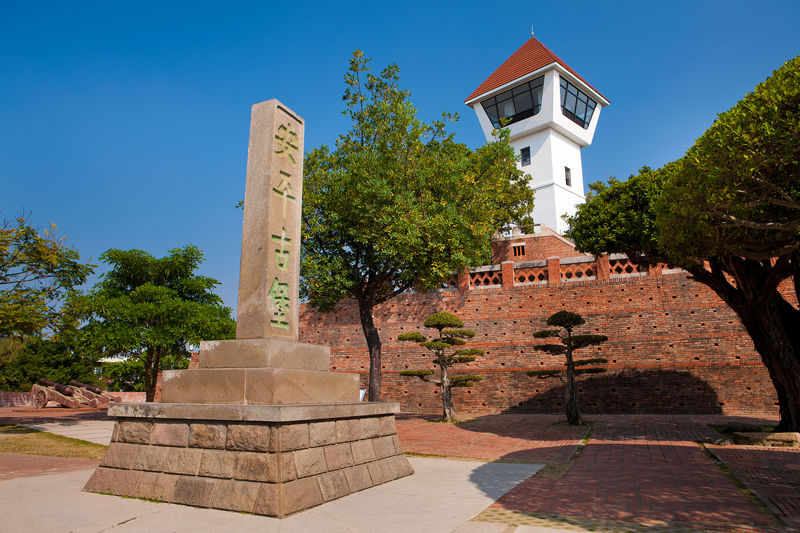
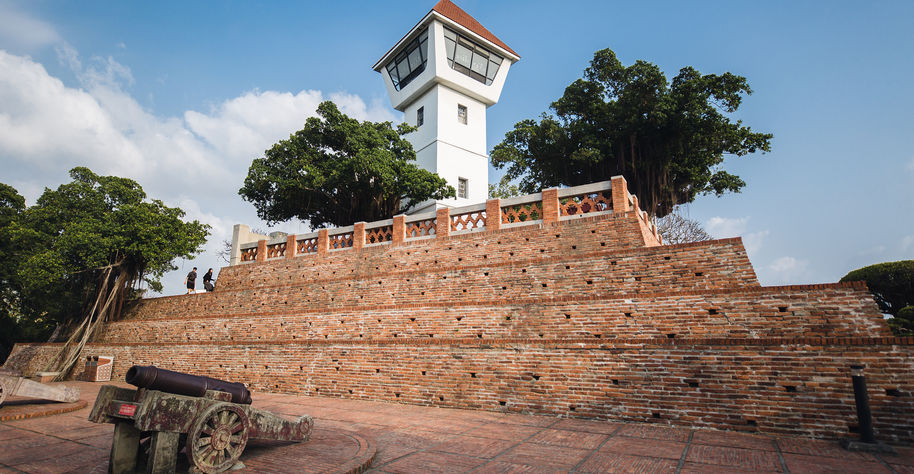
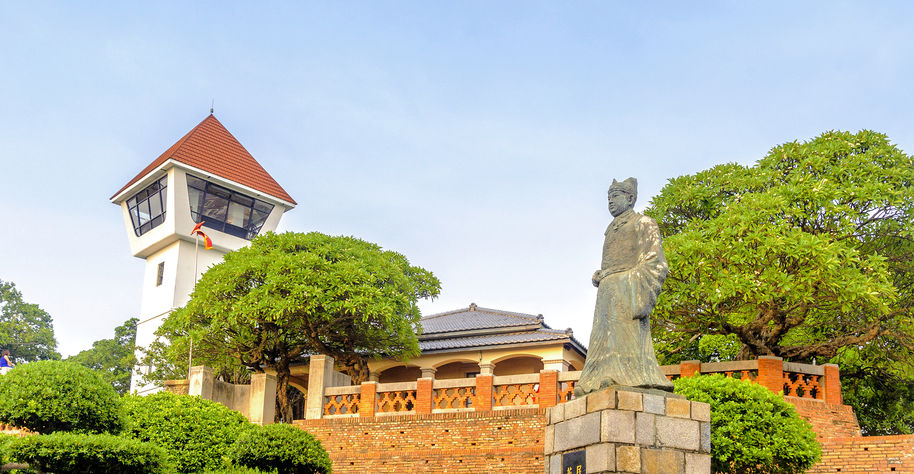
▲ [Anping Old Fort] The only remaining relics from the Dutch era are the brick walls of the southern outer city ramparts in front of the fort. Ancient banyan trees with sprawling roots stand as weathered witnesses to nearly 400 years of Taijiang's history. [Anping Old Street] Known as Taiwan's first street, Anping Old Street was established by the Dutch over 300 years ago. Today, the street is lined with diverse traditional shops, attracting both domestic and international visitors who come to explore its treasures. As you stroll along, look up at the old houses to spot guardian lion statues perched on rooftops or sword lions above doorways—these charming discoveries add to the joy of wandering through Anping Old Street.

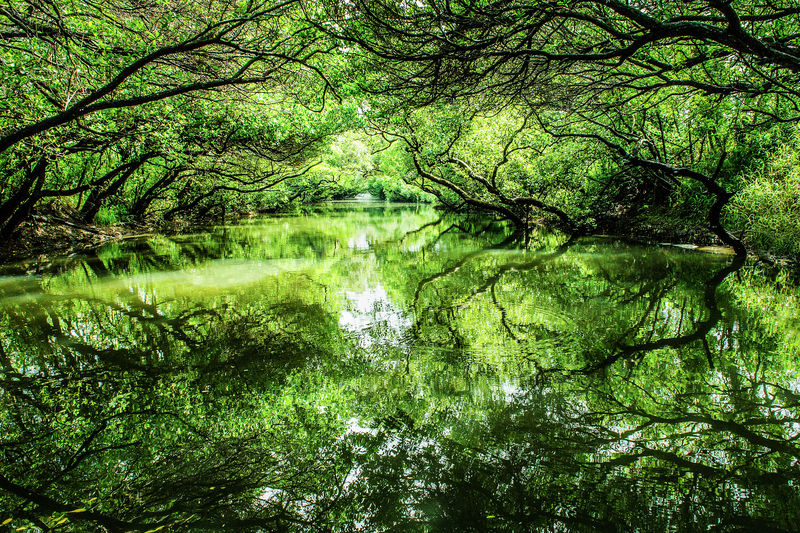
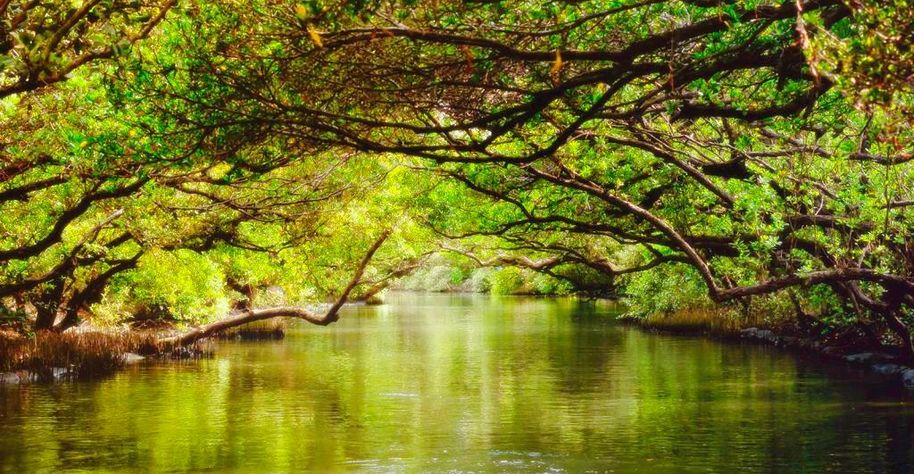
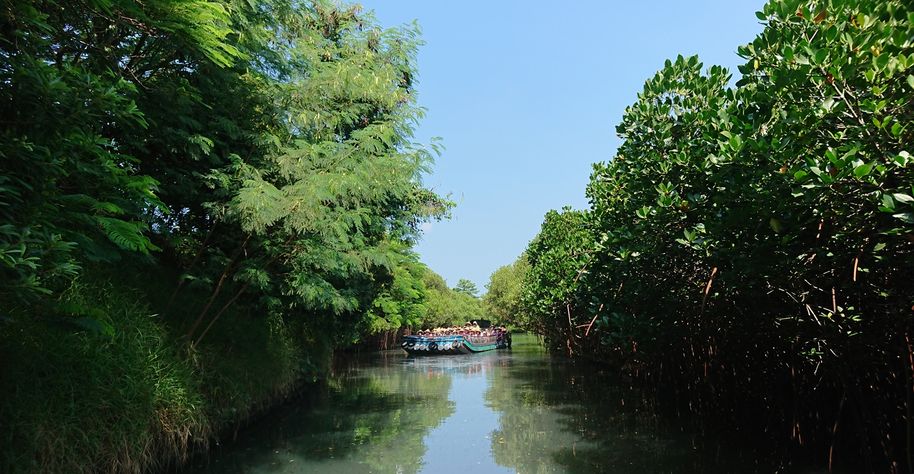
▲ [Tainan Sicao Green Tunnel] The Sicao Green Tunnel is a waterway flanked by native mangrove forests over 50 years old, naturally forming a tunnel-like scenery known as the "mini Amazon rainforest." It is also one of Taiwan's most famous aquatic green waterways. Along the tunnel, egrets, night herons, and other birds often fly low overhead. The mangrove conservation area near Sicao Dazhong Temple boasts lush forests with four mangrove species: Kandelia obovata, Rhizophora stylosa, Lumnitzera racemosa, and Avicennia marina. Onboard guides provide detailed explanations of the local ecosystem, and visitors can use telescopes to observe creatures like fiddler crabs and mudskippers beneath the mangroves. This makes it a popular destination for eco-tourism and a favorite spot for photographers capturing natural beauty.

▲ [Zhengtong Luerhmen Mazu Temple] Tainan is the birthplace of Taiwan, and its history begins with Luerhmen Island. The Zhengtong Luerhmen Mazu Temple in Tainan dates back to before the 16th century, built to enshrine the Luerhmen Mazu. It is the largest Mazu temple in Taiwan, housing a sacred statue of Luerhmen Mazu with over 800 years of history and the most extensive architectural scale. Today, the temple is designated as a municipal cultural heritage site, featuring the Tucheng Incense Festival. The temple complex includes a Fortune Money facility, a cultural relics museum, a cultural innovation hall, and a pilgrim lodge, seamlessly integrating culture, tourism, food and beverages, leisure, and charity. This makes the Zhengtong Luerhmen Mazu Temple a premier tourist destination and the most renowned temple in Tainan.

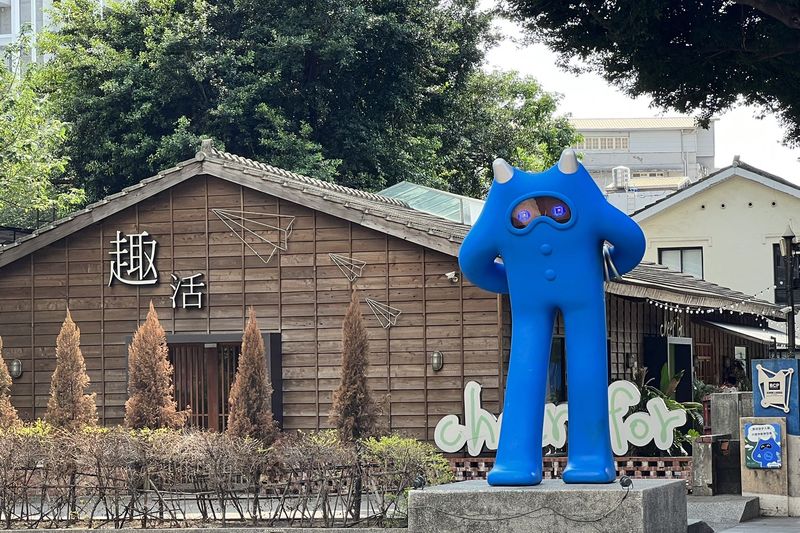
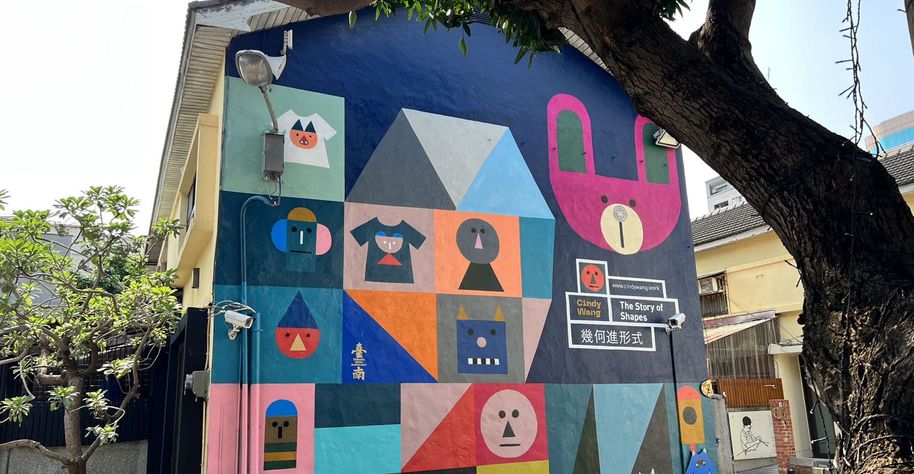
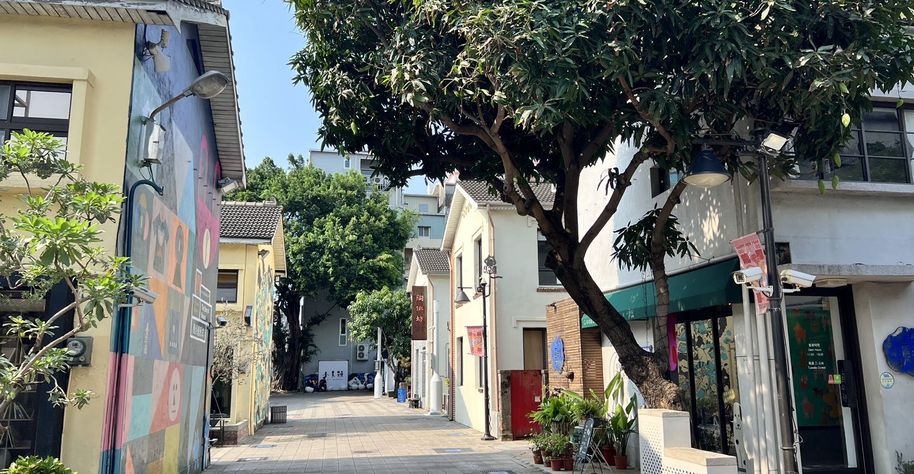
▲ [Blueprint Culture & Creative Park] After the disappearance of the original Blueprint mural on Hai'an Road, it has now evolved into a 3D version in the area formerly known as the old judicial dormitories. At night, the dazzling white lines radiate from the blue walls, complemented by the yellow-lit old trees nearby, making it a highlight of Tainan's nightscape. Facing Shin Kong Mitsukoshi Tainan Xintiandi, the Blueprint Culture & Creative Park has been a popular hotspot since its opening, always bustling with young crowds. The unique creative shops inside are each worth exploring, while the painted walls and art installations in the public areas serve as prime photo spots, captivating visitors and making it hard to leave.

▲ 1. Inclusions • Included: Transportation, insurance, professional driver/guide (Chinese/English/Korean) • Not included: Attraction admission tickets, personal expenses, other individual costs 2. Vehicle Type: Arranged based on group size: 9-seater vehicle, 20-seater minibus, 43-seater bus 3. Meeting Instructions • Please arrive 15 minutes before the departure time. No refunds will be issued for late arrivals or no-shows. • Pick-up location and time may be slightly adjusted due to traffic conditions. Ensure your phone or email is accessible to receive updates from customer support. Luggage & Personal Items • Each passenger may bring one 26-inch suitcase and one small carry-on that fits on their lap. • Large items such as wheelchairs and golf equipment cannot be accommodated.
▲ • For items not listed above that you wish to bring onboard, please contact customer support (if luggage size or quantity exceeds the train's capacity, the company reserves the right to refuse carriage without refund). • Minimum group size is 7 people. If the minimum is not met, you may request to reschedule the activity or receive a full refund. • If there are insufficient participants for the Korean guided tour, it will automatically be changed to an English or Chinese guided tour (subject to the tour language available on the day). — Important Notes — • Korean tour booking availability: Tuesdays and Fridays • Chinese/English tour booking availability: Tuesdays and Fridays • If Japanese or Korean guided tours have fewer than 15 participants, they will automatically be changed to English or Chinese guided tours (subject to the tour language available on the day).