


Escape the crowds and dive into Beijing's profound cultural heritage with this carefully crafted 4-hour journey through three of the city's most significant yet under-visited sites. This intimate tour combines spiritual exploration, historical discovery, and culinary delight, offering a unique perspective on China's religious and educational traditions. Perfect for travelers seeking meaningful cultural encounters beyond the typical tourist trail.
Tour Options
Budget-friendly option
You can take a taxi or subway line on your own to the meeting point and meet your guide there. This budget-friendly option includes:
- Meeting your guide at the Lama Temple Entrance
- Professional English-speaking guide
- All entrance fees to attractions
- After visiting all attractions, the tour will end with free dispersal; you can also ask your guide for hutong exploration tips and continue your visit on your own.
Premium (Private Transfer)
Enjoy seamless tour with door-to-door service:
- Guide and private driver meet you at your hotel lobby
- Round-trip transportation in a comfortable private vehicle
- Professional English-speaking guide throughout the tour
- All entrance fees to attractions
- Convenient drop-off at your hotel after tour completion

Begin your journey at one of China's most important Tibetan Buddhist monasteries, where imperial history meets spiritual practice. Originally constructed as an imperial palace in the 17th century, this architectural masterpiece was converted into a lamasery in 1744, blending Han Chinese and Tibetan design elements in stunning harmony.
Your guided exploration takes you through the temple's sacred halls, starting with the imposing main gate and progressing through the sequence of grand courtyards and pavilions. Marvel at the Hall of Heavenly Kings with its vibrant murals and statues, then discover the Hall of Harmony and Peace housing three magnificent 18-meter tall Buddha statues. The highlight awaits in the Hall of Infinite Happiness – a towering 26-meter sandalwood Buddha statue carved from a single tree trunk, an extraordinary feat of craftsmanship.
Your guide will illuminate the temple's fascinating history, explaining how this imperial residence transformed into a religious site, and share insights into Buddhist practices, iconography, and the significance of various ceremonies observed here.
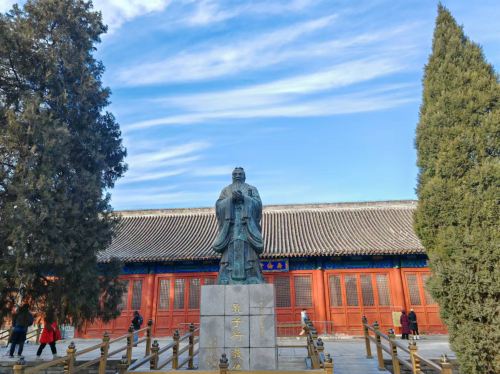
From Lama Temple, your guide leads you on a pleasant 5-minute stroll through a quiet traditional hutong, transporting you to a different cultural realm at Confucius Temple. Established in 1302, this serene complex served as the national center for honoring Confucius, China's great philosopher and educator whose teachings shaped Chinese society for over two millennia.
Wander through the expansive courtyard lined with 198 stone steles, each meticulously carved with the names of imperial examination graduates from the Yuan, Ming, and Qing dynasties – tangible evidence of China's ancient educational legacy. The grand Dacheng Hall stands at the heart of the complex, housing statues of Confucius and his most prominent disciples.
Here, your guide brings Confucius' teachings to life, explaining core principles of Confucian philosophy and their enduring impact on Chinese education, family structure, and governance. You'll also encounter ancient musical instruments used in traditional ceremonies and learn about the annual rituals that continue to honor Confucius to this day.
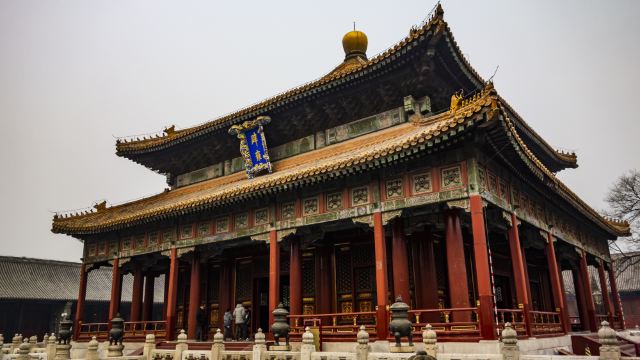
Adjacent to Confucius Temple, Guozijian offers a fascinating look into China's ancient higher education system. Serving as the country's highest educational institution for over 700 years, this complex educated generations of imperial officials and scholars, functioning as both a university and administrative center for national education.
Explore the elegant central axis featuring meticulously preserved pavilions and halls, each with distinct educational functions. Visit Jingyi Hall, where emperors occasionally delivered lectures to scholars, and examine the ancient stone drums dating back over 2,700 years, considered national treasures.
Your guide will explain the rigorous imperial examination system that determined access to government positions, the curriculum that prepared students for these tests, and the architectural symbolism embedded in the complex's design. This section of the tour reveals how education and governance intertwined in imperial China, providing context for understanding modern Chinese attitudes toward learning.