
Top picks for Delft Day tours
Discover 538 Day tours in Delft on Trip.com, updated March 10, 2026, with experiences lasting from 1 to 9 hours. Find the perfect adventure for your day!
From DKK 71.00 per person, with an average total of DKK 2,289.53. Choose the option that suits your plan.
With 700 verified reviews, Day tours Delft boast an average rating of 4.8.
This week's most popular Day tours: "Rotterdam, Delft and The Hague Small Group Tour from Amsterdam", with 377 reviews and a 4.7 rating.
Now on Trip.com: "Day Tour to Rotterdam, Delft and The Hague Small Group with Hotel Pick Up", a 8-hour adventure in Delft!
The next available day tour departs on March 11, 2026. Book now to secure your spot!
Delft Day tours usually take about 8 hours — perfect for a relaxed, immersive experience!
100% of Delft Day tours now offer English-speaking guides
March is the perfect time to visit Delft! Choose from Day tours available day tours, including seasonal favorites like Rotterdam, Delft and The Hague Small Group Tour from Amsterdam.
Your trip, worry-free! All day tours are run by licensed suppliers with verified reviews, and many include free cancellation before departure.
538 results for Delft Day tours
 Small VIP Group, Free Hotel Pick-Up Service in AmsterdamFree cancellationDuration: 8.5 hrsFromDKK 744.76
 91.5% of travelers recommendFree cancellationDuration: 510 mins4.7/5Very good· 377 reviewsFromDKK 945.66
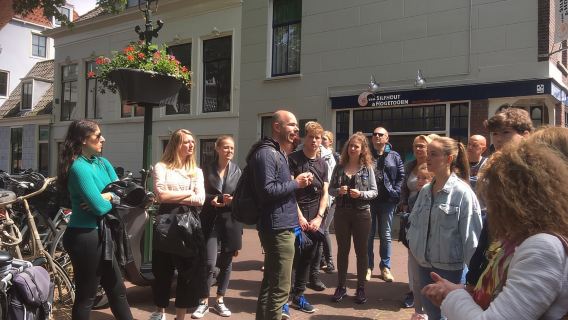 21 consecutive positive reviewsFree cancellationDuration: 1.5 hrs4.8/5Very good· 49 reviews5% offLimited-time saleFromDKK 141.99DKK 149.47
 153 travelers savedFree cancellationDuration: 7.5 hrs5.0/5Excellent· 16 reviews· 58 bookedFromDKK 707.42
![1-day tour to Keukenhof and Delft [Chinese or English-speaking group]](https://ak-d.tripcdn.com/images//0582j12000rqjzr99CB7E_C_568_320.jpg?_fr=wc) Tulip Viewing TourDuration: 7 hrsFromDKK 1,462.13
Tulip Viewing TourDuration: 7 hrsFromDKK 1,462.13 Discover the stunning Stadhuis and the Vermeer Centrum Delft in DelftFree cancellationDuration: 9 hrs5.0/5Excellent· 9 reviews5% offLimited-time saleFromDKK 4,721.3DKK 4,969.79
 Free cancellationDuration: 7–8 hrs4.9/5Excellent· 22 reviewsFromDKK 5,181.99
 Premium private charter, exclusive space, door-to-door service, effortless travelFree cancellationDuration: 9.5 hrsFromDKK 4,999.54
 Visit the famous Royal Delft ceramic factory located in DelftDuration: 5 hrsFromDKK 725.88
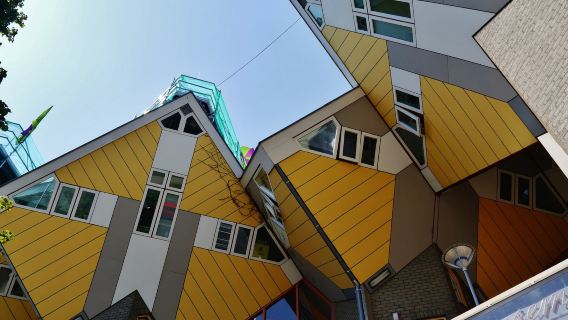 Premium private charter, exclusive space, door-to-door service, effortless travelFree cancellationDuration: 9 hrsFromDKK 4,996.74
 Hague + Madurodam Miniature City + Historic and Artisan City of Delft + Rotterdam's Symphony of Modern ArchitectureFree cancellationDuration: 3 hrsFromDKK 640.85
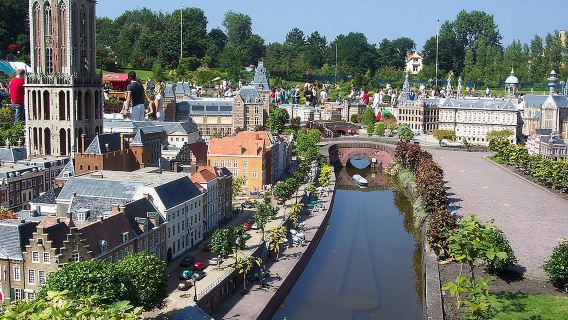 Premium private charter, exclusive space, door-to-door service, effortless travelFree cancellationDuration: 9 hrsFromDKK 4,839.02
 Admire the New Church, the burial place of members of the Dutch Royal FamilyFree cancellationDuration: 1.5 hrs4.3/5Good· 17 reviews5% offLimited-time saleFromDKK 71DKK 74.74
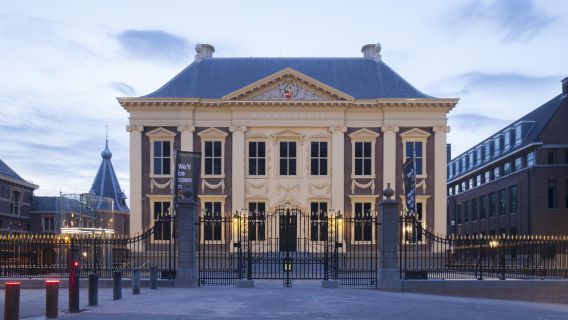 Premium private charter, exclusive space, door-to-door service, effortless travelFree cancellationDuration: 9.5 hrsFromDKK 5,286.99
 Premium private charter, exclusive space, door-to-door service, effortless travelFree cancellationDuration: 9.5 hrsFromDKK 5,032.2
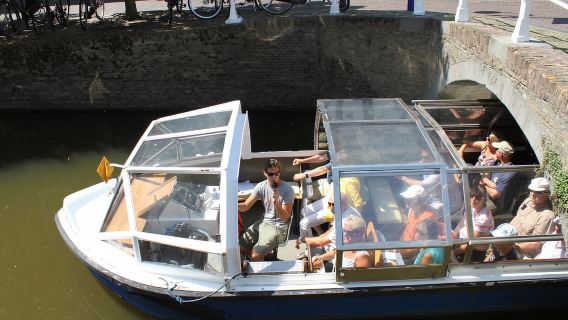 90.7% of travelers recommendFree cancellationDuration: 45 mins4.5/5Satisfied· 193 reviews5% offLimited-time saleFromDKK 95.85DKK 100.9
 Free cancellationBook now for todayDuration: 1–2 hrs5.0/5Excellent· 2 reviewsFromDKK 190.8
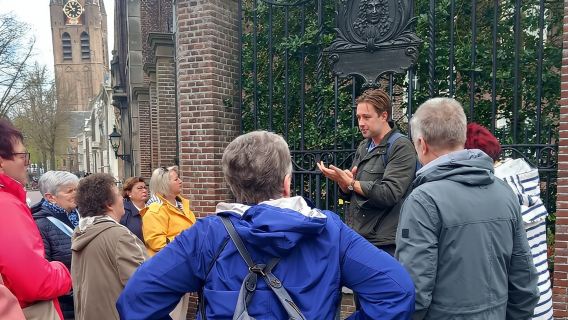 Free cancellationDuration: 270 minsFromDKK 2,950.34
 Free cancellationBook now for todayDuration: 3 hrs4.6/5Satisfied· 13 reviewsFromDKK 240.69
 Free cancellationDuration: 3 hrsFromDKK 257.25
Explore top experiences
See what other travellers love, based on ratings and bookings
Frequently asked questions about Delft Day tours
How many Day tours are available in Delft on Trip.com?
What are the best Day tours in Delft?
What are the top-rated Day tours in Delft?
What are the recommended itineraries in Delft?
How can I contact Trip.com customer support?
Can I change or cancel my booking?
How can I get discounted prices?
Trip.com Picks
Popular Products
Popular activities
More Popular Destinations
Reviews/Trip Moments


About







Site Operator: Trip.com Travel Singapore Pte. Ltd.