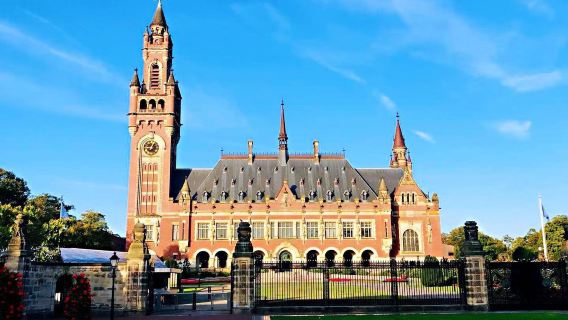
▲ • Construction Background: The First Hague Peace Conference in 1899 decided to establish the International Court of Arbitration. American industrialist Andrew Carnegie agreed to fund $1.5 million for the construction of the Peace Palace and the International Law Library. Construction began in 1907, and the Peace Palace was officially opened on August 28, 1913. • Design and Construction: The Neo-Renaissance style design by French architect Louis M. Cordonnier won the competition. To accommodate the budget, Cordonnier and his Dutch assistant Van der Steur adjusted the plan. Thomas Hayton Mawson was responsible for designing the open spaces within the Peace Palace grounds, reducing the quantity of fountains and sculptures.
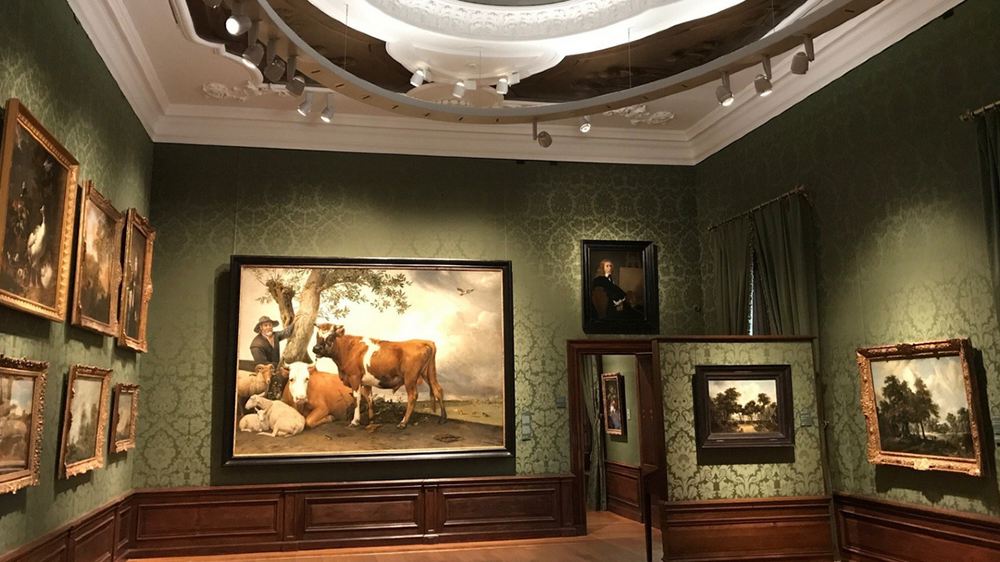
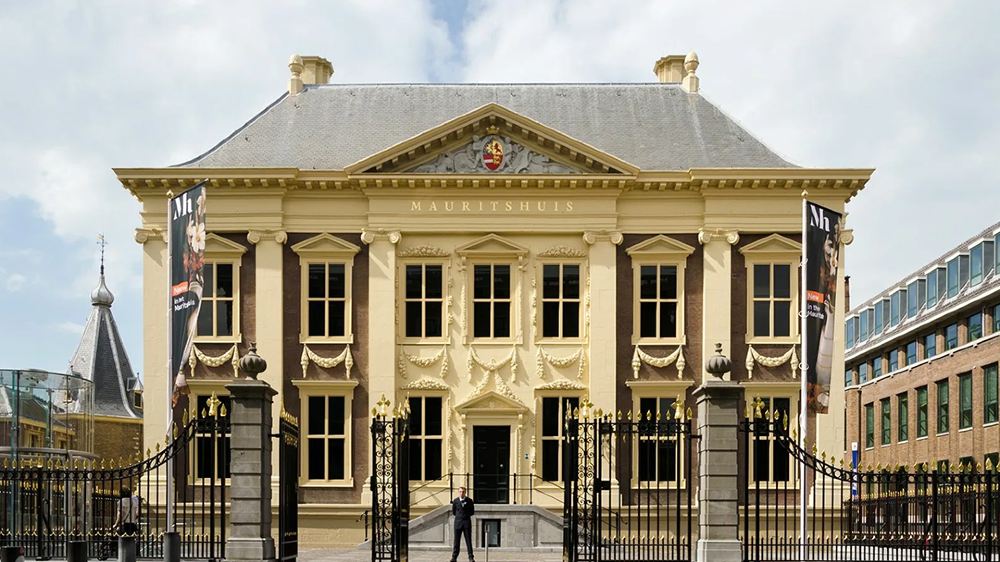
▲ Architectural Origins: Between 1636 and 1641, John Maurice, Prince of Nassau-Siegen and Governor of Dutch Brazil, commissioned the construction of this palace as his retirement residence. Transformation into an Art Gallery: After the death of Count Maurice, the house was donated to the municipal government. It officially became the Royal Gallery of Art in 1821 and opened to the public in 1822 following reconstruction after a fire. The building exemplifies Dutch Classical architecture, heavily influenced by Italian Renaissance style, featuring four symmetrical facades. It stands as one of the earliest examples of this architectural type in the Netherlands. The two-story structure, painted in a refined pale yellow, boasts high ceilings and is surrounded by water on three sides, perfectly embodying the Dutch architectural principles of "rationality and balance."