




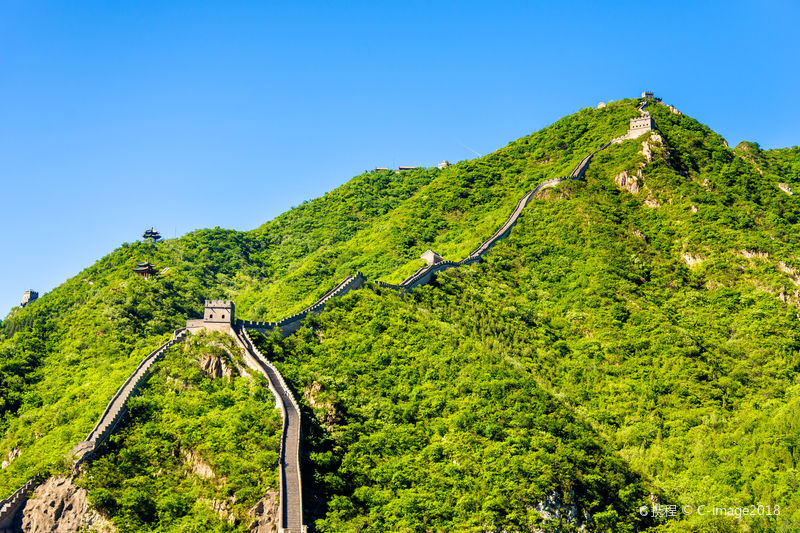
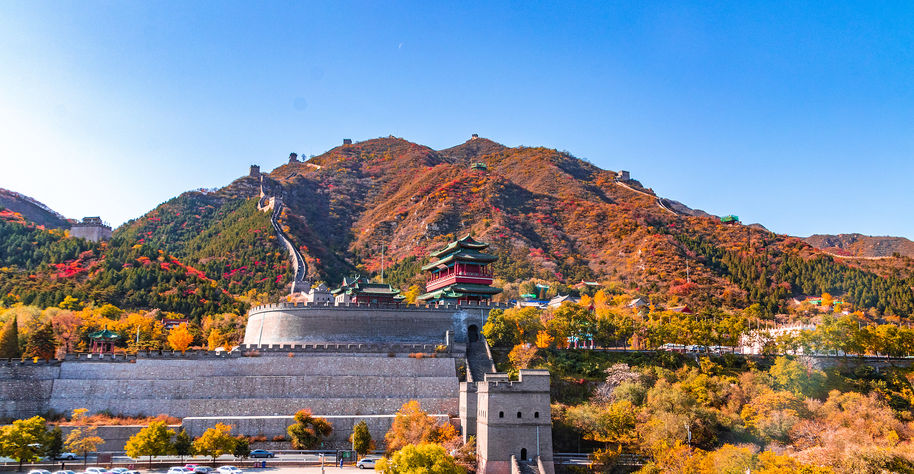

▲ Juyongguan Great Wall is located in Nankou Town, Changping District, Beijing, at the intersection of the Yanshan Mountains and Taihang Mountains, approximately 60 km from downtown Beijing. As a crucial pass of the Ming Great Wall, Juyongguan has been known as the "First Strategic Pass Under Heaven" since ancient times due to its strategically important location, controlling the vital passage connecting the North China Plain and the Inner Mongolia Plateau. The fortress was built in a valley flanked by steep mountains, forming a natural barrier that made it easy to defend but difficult to attack.

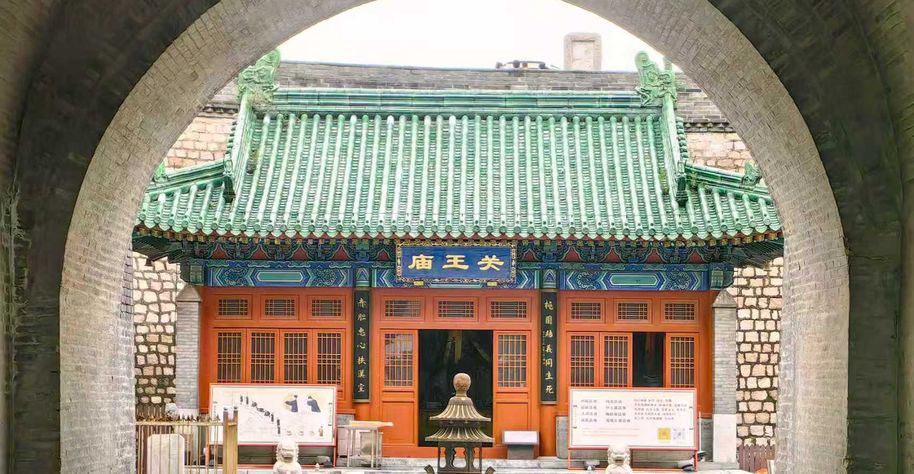
▲ The cultural influence of Juyongguan Great Wall transcends time and space. In ancient times, it served as a northern node on the Silk Road, facilitating trade exchanges between the Central Plains and the Western Regions: trip.biz activities were frequent, leaving behind traces of diverse cultures. Religiously, the vicinity of Juyongguan features the Cloud Platform stone carvings, with well-preserved Yuan Dynasty Buddhist reliefs showcasing the spread of Buddhism; Taoist temples like the Jade Emperor Peak once served as military sites.

▲ The architectural features of Juyongguan Great Wall highlight its defensive functions. The main fortress is divided into eastern and western sections: the eastern section utilizes steep mountain terrain, while the western section controls the plain entrance. The wall employs an "earth core with brick exterior" structure—rammed earth inside and brick cladding outside—enhancing earthquake and impact resistance. Watchtowers are spaced approx. 100m apart for mutual support, while arrow towers feature shooting ports and observation slits for archers or firearms. A semicircular barbican at the entrance lures enemies into ambush, and a crescent-shaped outer wall buffers attacks.

▲ As a UNESCO World Heritage Site, the Juyongguan Great Wall holds significant value in modern society. In 1987, the Great Wall was inscribed on the UNESCO World Heritage List, with Juyongguan as a core section attracting visitors from around the world. It welcomes over 2 million visitors annually, making it a top tourist destination in Beijing.