
▲ Friendly reminder: Dear guests, in 2026, both Zhaoling Museum and Zhao Mausoleum offer free admission tickets on Mondays. If there are any discounts on attraction tickets, please contact customer support in advance. After the itinerary, the price difference will be refunded according to the travel agency agreement price. Inclusions: Admission tickets to Zhao Mausoleum and Zhaoling Museum (first gate). No admission ticket is required for Yuanjia Village. Guide service is not included. Both Zhao Mausoleum and Zhaoling Museum offer audio guides at CNY 10 per person, which can be purchased voluntarily based on your needs.
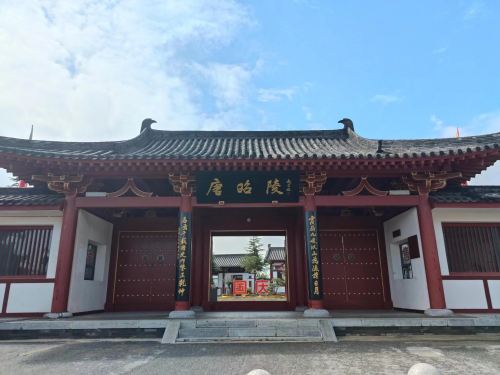
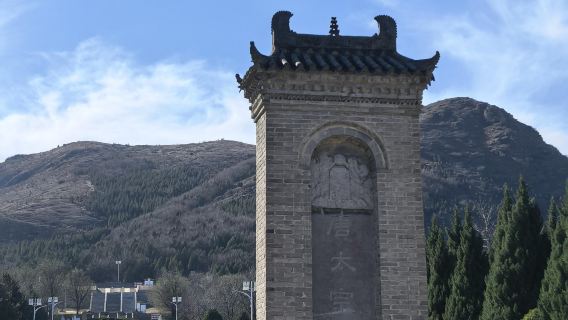
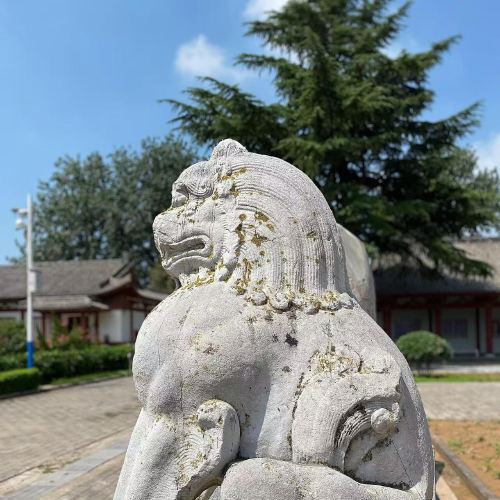
▲ The Zhaoling Museum is built around the Zhao Mausoleum, the tomb of Emperor Taizong of Tang (Li Shimin). As one of the most grand and well-preserved imperial mausoleums from ancient China, the Zhao Mausoleum serves not only as a crucial historical site for studying the Tang Dynasty, but also as a window for visitors to understand the flourishing Tang culture. The museum houses a vast collection of cultural relics, including stone carvings, pottery figurines, and gold and silver artifacts, vividly showcasing the social landscape and artistic achievements of the Tang Dynasty. Particularly noteworthy are the Six Steeds of Zhao Mausoleum, a set of stone reliefs renowned for their exquisite craftsmanship and historical significance, which have attracted considerable attention from history enthusiasts and art researchers alike.
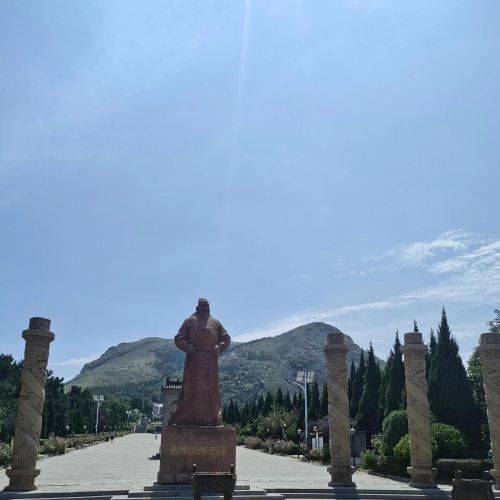

▲ The Zhao Mausoleum complex has a perimeter of 60 kilometers and covers an area of 200 square kilometers, with over 180 accompanying burial tombs. Known as the "World-Famous Mausoleum," it boasts the largest area and the most accompanying tombs among Chinese imperial mausoleums. With more than 180 accompanying burial tombs, it also stands as one of the most representative imperial mausoleums of the Tang Dynasty.
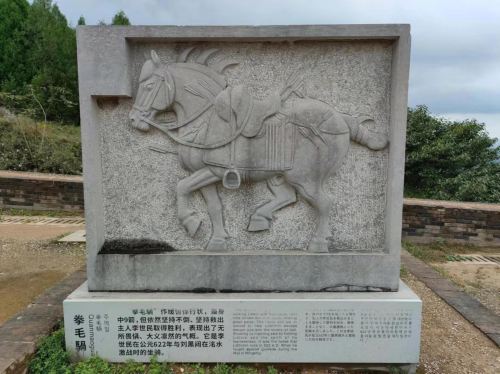
▲ The Six Steeds of Zhao Mausoleum are respectively White-hoofed Crow, Curly-maned Horse, Purple Lightning, Tèle Stallion, Green Shadow, and Shifa Red. These six warhorses accompanied Emperor Taizong of Tang in conquering the empire, each displaying remarkable bravery and heroic bearing. The six steeds currently seen on Zhao Mausoleum Mountain are replicas.
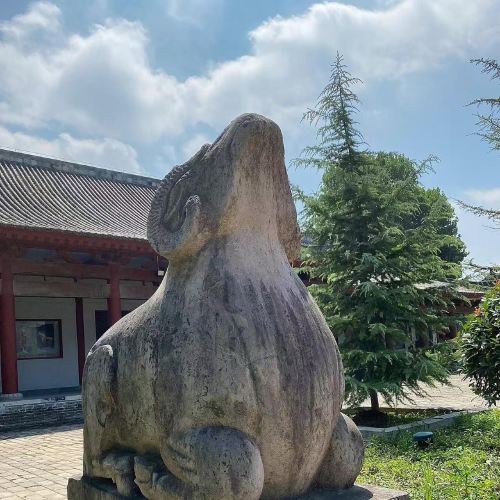

▲ Exquisite moments, standing tall and magnificent through millennia of weathering.
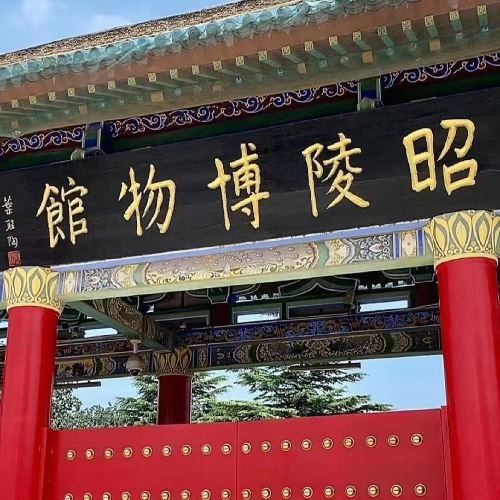

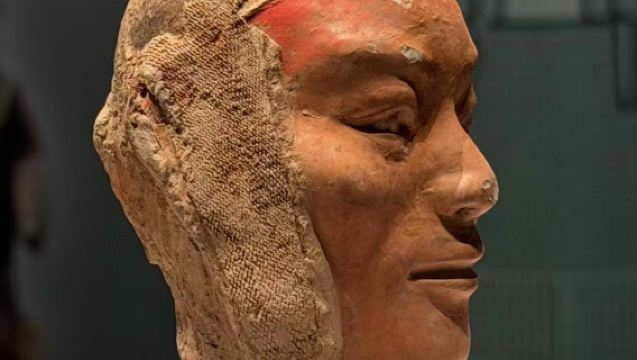
▲ Zhaoling Museum is built in front of the accompanying burial tomb of Li Ji (Xu Maogong), one of the Lingyan Pavilion meritorious officials, located 11 km north of the Zhao Mausoleum of Emperor Taizong of Tang. It is a national second-grade museum. The museum showcases cultural relics excavated from accompanying burial tombs of figures like Yuchi Jingde, Cheng Yaojin, Princess Changle, and Consort Wei. The Zhaoling Stele Forest, alongside Xi'an Stele Forest and Qufu Confucius Temple Stele Forest, is renowned as one of China's three great stele forests, housing famous early Tang steles by Ouyang Xun and Chu Suiliang, as well as precious epitaphs. It also displays treasures such as painted glazed pottery figurines, gilded civil official figurines, and Tang dynasty tomb murals, offering a vivid glimpse into the prosperous Zhenguan era.


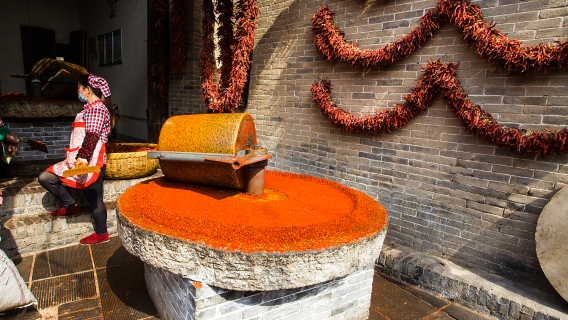
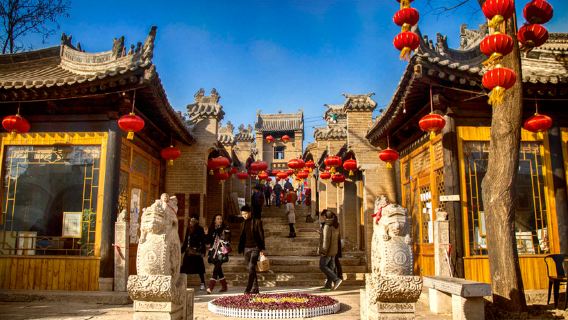
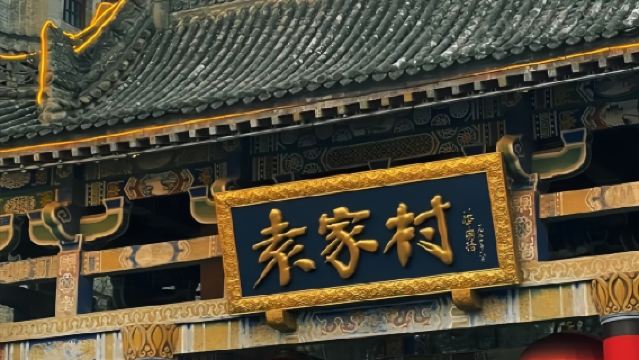
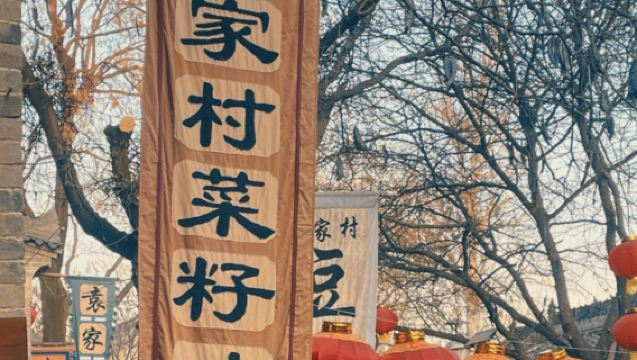
▲ Yuanjia village, where you can stroll through elegant ancient alleys lined with shops and workshops. Traditional oil presses, tofu makers, noodle houses, tea shops and vinegar breweries recreate the authentic atmosphere. Walking on cobblestones while admiring Ming and Qing dynasty architecture with Guanzhong characteristics, you'll see seniors carefully weaving cloth in textile workshops and workers diligently operating stone mills in noodle houses - a uniquely charming experience.


▲ Photo spot wall


▲ The gourd symbolizes "fortune and prosperity".