
Top picks for Burtonport
Search attractions or local attractions & tours
Attractions & Tours category
Top Picks
Book now for today
Book now for tomorrow
11192 results for Burtonport
Sort by
Recommended
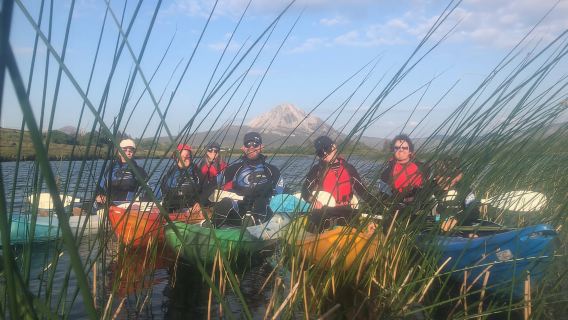 Learn all the skills needed to kayak confidently4.9/5Excellent· 9 reviews5% offLimited-time saleFrom€ 38.00€ 40
 Burtonport175.3m from downtown
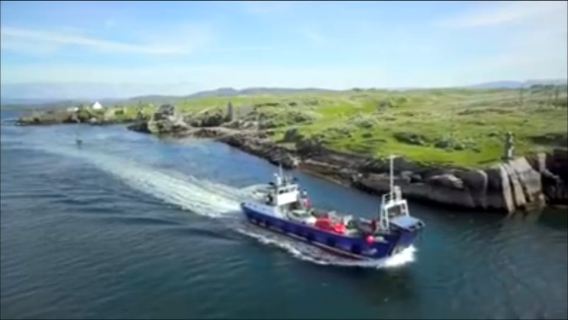 Discover the largest inhabited island off the coast of Donegal5.0/5Excellent· 1 review5% offLimited-time saleFrom€ 14.25€ 15
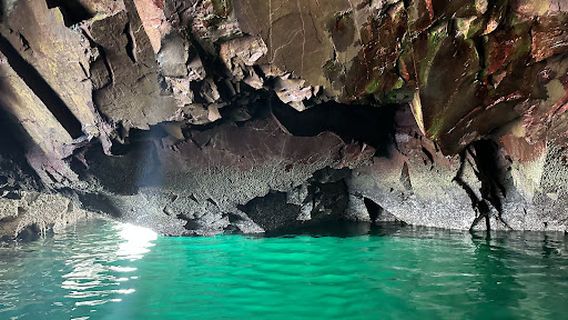 Burtonport190.1m from downtown
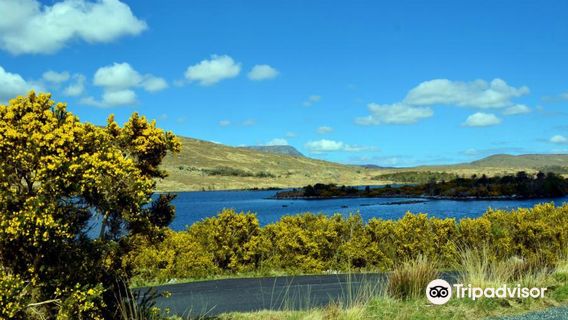 County Donegal
 Fast-selling Wi-Fi & SIM cardsBook now for today4.7/5Great· 3.8k reviews· 94K+ booked50% offLimited-time saleFrom€ 0.08€ 0.16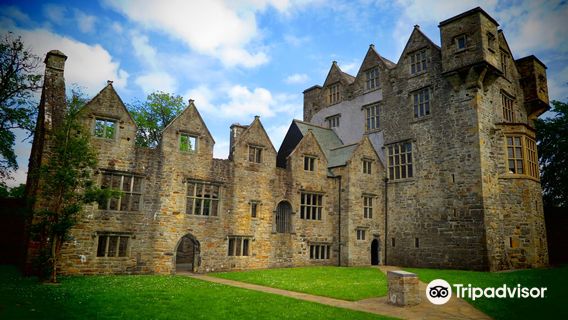
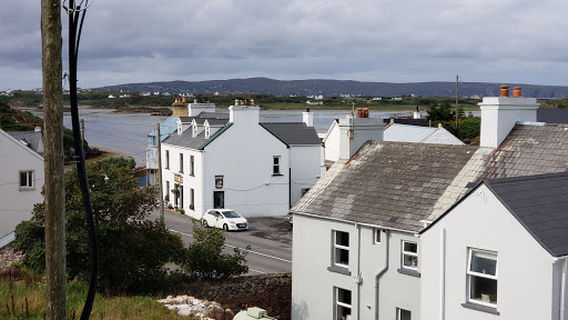 Burtonport172.7m from downtown
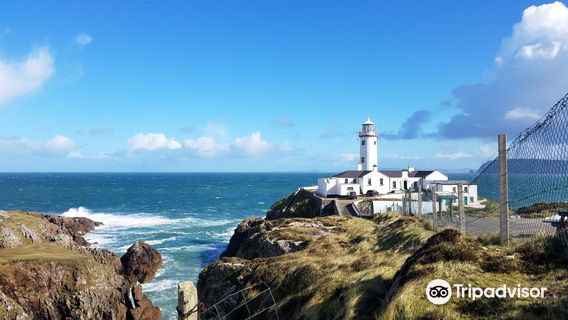 County Donegal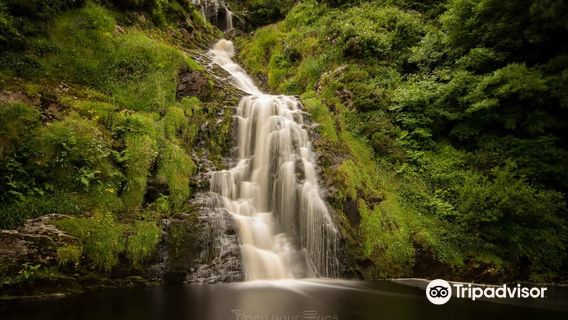
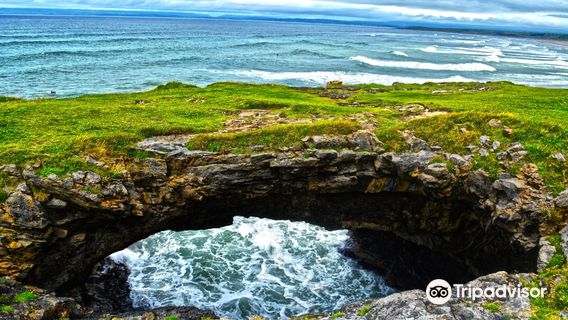 County Donegal


 Letterkenny
 Fast-selling Wi-Fi & SIM cardsBook now for today4.7/5Great· 2.4k reviews· 49K+ booked50% offLimited-time saleFrom€ 0.06€ 0.12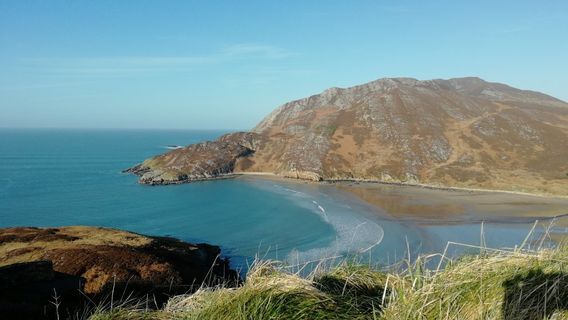
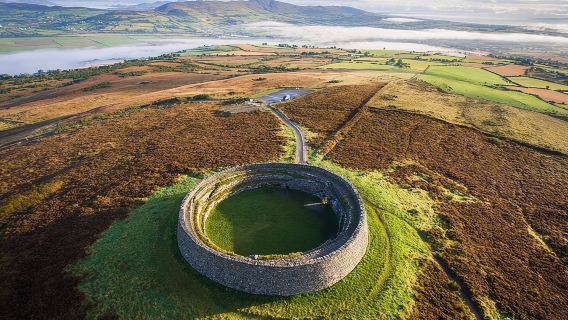
Fort Dunree
3.1 County Donegal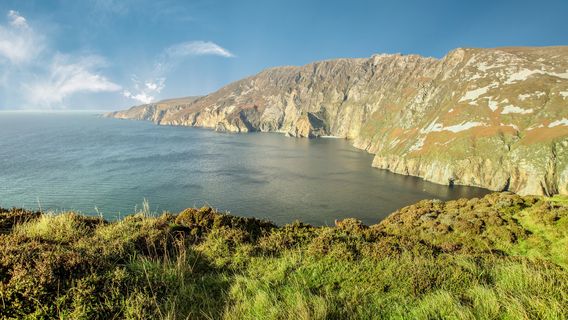
 Burtonport167.3m from downtown
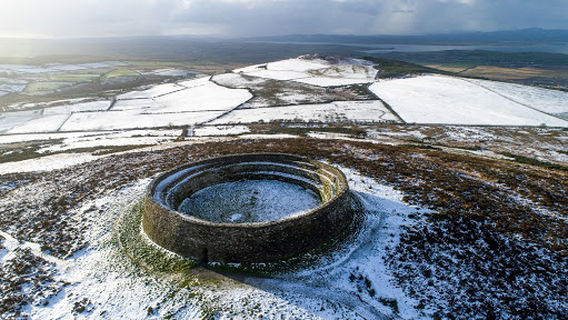 County Donegal

1
2
3
4
5
6
560
Explore top experiences
See what other travellers love, based on ratings and bookings
Frequently asked questions about Burtonport
How many are available in Burtonport on Trip.com?
What are the best in Burtonport?
What are the top-rated in Burtonport?
What are the recommended itineraries in Burtonport?
How can I contact Trip.com customer support?
Can I change or cancel my booking?
How can I get discounted prices?
Reviews/Trip Moments
★
★
★
★
★
Reviews: DAY TOUR: Highlights of Derry and Donegal
Guest User2025-06-23
Gorgeous brilliant wonderful place,friendly people,great Hotel Central . Cruise. Of the bay , Slieve Leigh incredible! I’m absolutely in love with Ireland 🇮🇪 My 12th holiday in your WONDERFUL COUNTRY ❤️★
★
★
★
★
Reviews: DONEGAL DAY TOUR: Coast and Castles
Guest User2024-07-20
Booked a private tour around Donegal in search of relatives. Joe Greene proved a highly informed guide through Donegal who went well out of the way in search of sites associated with family who immigrated in the 17th century. After family search spent a most pleasant day touring ancient ruins, Columbkille sites, and into Derry. Joe was totally open to all suggestions and did everything possible to make the day memorable. The car was new and very comfortable. If you value personal service and local knowledge, Chieftain Tours is perfect for you.★
★
★
★
★
Reviews: Donegal: Sunset Kayak Trip on Dunlewey Lake
Guest User2025-08-25
Had a great time. Joe was an excellent guide. Very informative and made sure even beginners were catered for.★
★
★
★
★
Reviews: Burtonport: Ferry Cruise to Arranmore Island
Guest User2025-07-13
c
Trip.com Picks
Popular Products
Popular Activities
More Popular Destinations
Semporna Bus TicketsSemporna Shopping DiscountsSattahip Sports & AdventureBoat Experiences in Mae WangMae Wang Travel ServicesMae Wang Bus TicketsMain Beach TransportationMain Beach Airport ServicesPetermann Island Walking ToursPetermann Island Airport Services
Edinburgh: Loch Ness, Glencoe & The HighlandsBorobudur Climb To The Top, Prambanan Temple, Yogyakarta Palace Small-Group Cu Chi Tunnels Tour: Morning or Afternoon | Depart from Ho Chi Minh CityThe Beatles: Music, Women, Drugs & 1960s barVancouver City Tour with Admission to Lookout TowerTaj Mahal skip the line luxury tour with guidePerth: Rottnest Island Flight Transfer with Return FerryDoha: Thrilling 4x4 Desert Safari, Inland Sea-All ActivitiesTusayan: Grand Canyon National Park Sunset Pink Jeep TourScenic Las Vegas / Pahrump Wine Tasting Tour and FoodThings to do in Bosnia and HerzegovinaThings to do in ZhuhaiThings to do in JilinThings to do in GoremeThings to do in HurghadaThings to do in Palma de MallorcaThings to do in SeogwipoThings to do in SapaThings to do in Hoa Lu DistrictThings to do in AtlantaThings to do in IndonesiaThings to do in GuilinThings to do in Da NangThings to do in DalatThings to do in Guangzhou


About
Payment methods


Our partners





Trip.com is part of Trip.com Group Limited, one of the world's leading providers of travel services.
Copyright © 2025 Trip.com Travel Singapore Pte. Ltd. All rights reserved
Site Operator: Trip.com Travel Singapore Pte. Ltd.
Site Operator: Trip.com Travel Singapore Pte. Ltd.