Jing'an

Things to do in Jing'an

Search attractions or local attractions & tours
Search

Explore top experiences

Top 10 attractions in Jing'an
View all Attractions
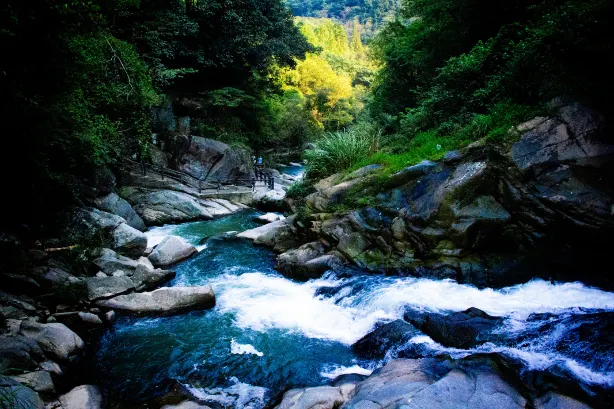
Sanzhualun National Forest Park

Sanzhualun National Forest Park

3.7
4.1/5
85 reviews

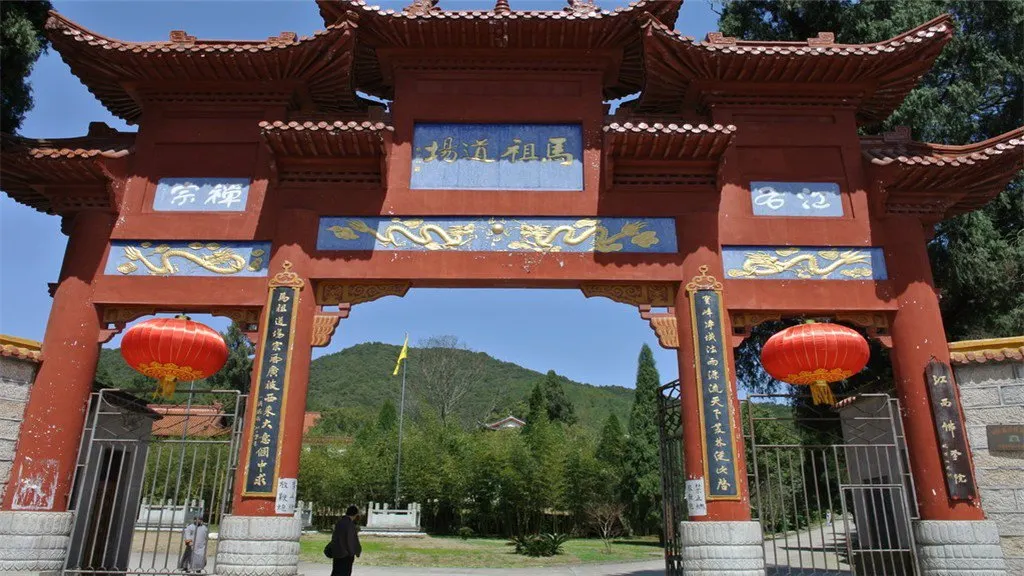
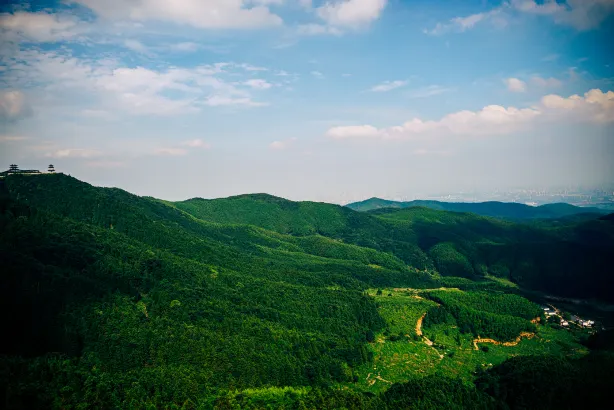
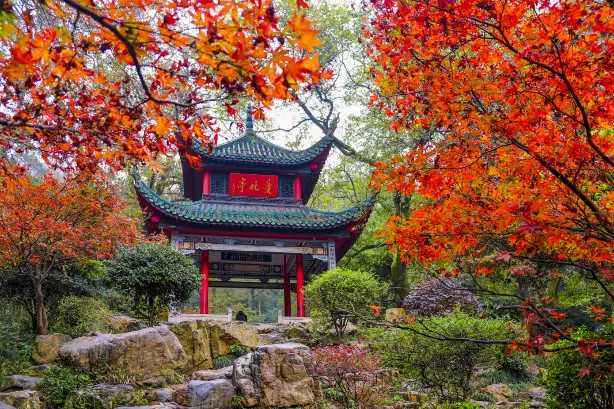
The total area of ​​the Attraction is 193 square kilometers, consisting of eight major Attraction including Beihe, Baofeng Temple, Panlong Lake, Luojiaping, Huxiao Gorge, Guanyin Rock, Baishui Cave, Jinluo Bay, and two independent scenic spots including Kuangzhong Garden and Leijia Ancient Village. The forest coverage rate of the Attraction is 95.7%, and it is known as the "green treasure house"; the negative oxygen ion content is as high as 100,000/cm³, the air is fresh, which is rare in the country, and is of great benefit to human health. It is also known as the "natural oxygen bar". There are 93 national scenic spots; 13 peaks over 1,500 meters, more than 100 peaks over 1,000 meters, and the peak Jiulingjian is 1,794 meters. The Attraction is full of mountains and ridges, vast forests, towering ancient trees, dense rocks, clear pools and waterfalls, and lakes and mountains. Zeng Gong, one of the Eight Great Masters of Tang and Song Dynasty, praised it as "although it is a county of thousands of families, it is in Tsinghua University". The natural scenery of Sanzhalun is not only famous for its mountains and rivers, but also has many cultural relics with a long history. There are hundreds of ancient sites, ancient buildings, revolutionary relics and cultural landscapes, such as Baofeng Ancient Temple and Mazu Pagoda Pavilion, where Mazu Daoyi, a Zen Buddhist master in the Tang Dynasty, passed away; the tomb of Kuang Zhong, an official in the Ming Dynasty; the residence of Liu Shengxu, a poet in the Tang Dynasty and Shu Baixiang, a female poet in the Qing Dynasty; the ancient theater in the Qing Dynasty; and the former site of the Soviet government. It makes people feel like entering a historical Grand View Garden and linger there.

Jing'an · 23.1km from downtown
Free attraction
Tengwang Pavilion Tourist Area
No. 2 of Night Attractions in Jiangxi

Tengwang Pavilion Tourist Area

8.7
4.5/5
30.3k reviews

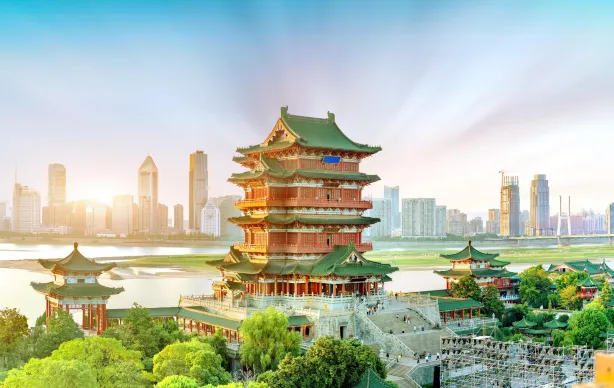
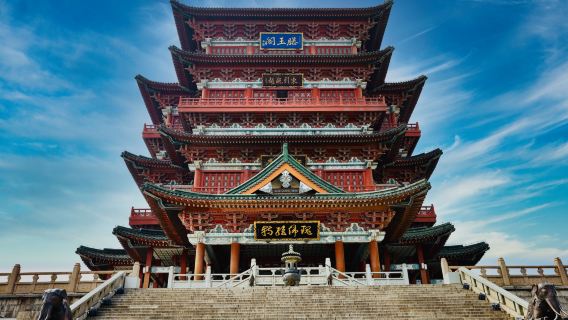
Tengwang Pavilion Tourist Area is located on the east bank of the Gan River in Nanchang, with the riverside Tengwang Pavilion as its centerpiece. Originally built in the fourth year of the Yonghui era of the Tang Dynasty by Li Yuanying, Prince of Teng and son of Emperor Gaozu of Tang, it gained eternal fame through Wang Bo's "Preface to Tengwang Pavilion." Alongside the Yellow Crane Tower and Yueyang Tower, it is hailed as one of the "Three Great Towers of Jiangnan." Historically destroyed and rebuilt nearly thirty times, the current structure is a Song-style replica completed in 1989, designed based on Liang Sicheng's reconstruction sketches. With its green tiles and layered eaves, it remains a landmark of Nanchang to this day. The main pavilion follows a "three visible, seven concealed" layout: appearing as a three-story structure with encircling corridors from the outside, while actually containing seven interior floors—nine levels including the two-tiered base symbolizing ancient city walls. Turquoise-roofed galleries extend north and south from the base's flanks, connecting at their ends to auxiliary pavilions named "River-taming" and "Greenery-embracing," forming a mountain-shaped silhouette with the main tower. Below, an artificial lake and the nine-bend wind-and-rain bridge add classical garden charm to the majestic architecture. Each floor of the pavilion offers something remarkable. The white marble relief "A timely wind delivers Tengwang Pavilion" in the first-floor preface hall depicts the legend of Wang Bo riding the wind to compose his famous preface. The second-floor mezzanine features the long scroll painting "Gallery of eminent figures," gathering Jiangxi's historical luminaries like Tao Yuanming, Ouyang Xiu, Wang Anshi, and Tang Xianzu in one artwork. The third-floor mural "Linchuan dream" recreates Tang Xianzu's staging of "The peony pavilion" here. The fourth-floor "Land of wonders" painting compresses Jiangxi's iconic landscapes—Mount Lu, Sanqing Mountain, Dragon-Tiger Mountain, and Poyang Lake—into a single masterpiece. The fifth floor is the highlight for panoramic views: its central hall displays a bronze tablet inscribed with Su Dongpo's calligraphic version of "Preface to Tengwang Pavilion," while the east hall exhibits a scale model of the pavilion. Strolling the veranda offers sweeping views of the Gan River and modern skyline across the water. The top floor bears the plaque "Ninth heaven," with its west hall housing an antique-style theater flanked by replica ancient instruments like chime bells and stone chimes. Above, spiral-arranged bracket sets adorn the caisson ceiling, and between the double eaves hangs Su Dongpo's gilded "Tengwang Pavilion" plaque. After descending from the main pavilion, take time to explore the garden area: the square in front of the pavilion, the grand Song-style archway, the antique street lined with calligraphy and antique shops, and the small Suzhou-style garden Fuchang Garden with its lake reflections and bridge views—perfect for slowing your pace. To experience the poetic scene of "a solitary wild duck flying with the sunset glow, while the autumn water blends with the vast sky," an evening ascent to the pavilion is ideal. The fifth-floor corridor offers an expansive view, making it a prime spot to admire the sunset over the Gan River.

Nanchang · 54.4km from Jing'an
Save £ 0.23From £ 5.50
The National Archaeological Site Park of Nanchang Han Dynasty Haihun Marquis
No. 4 of Family-friendly Attractions in Jiangxi

The National Archaeological Site Park of Nanchang Han Dynasty Haihun Marquis

8.1
4.7/5
5.7k reviews

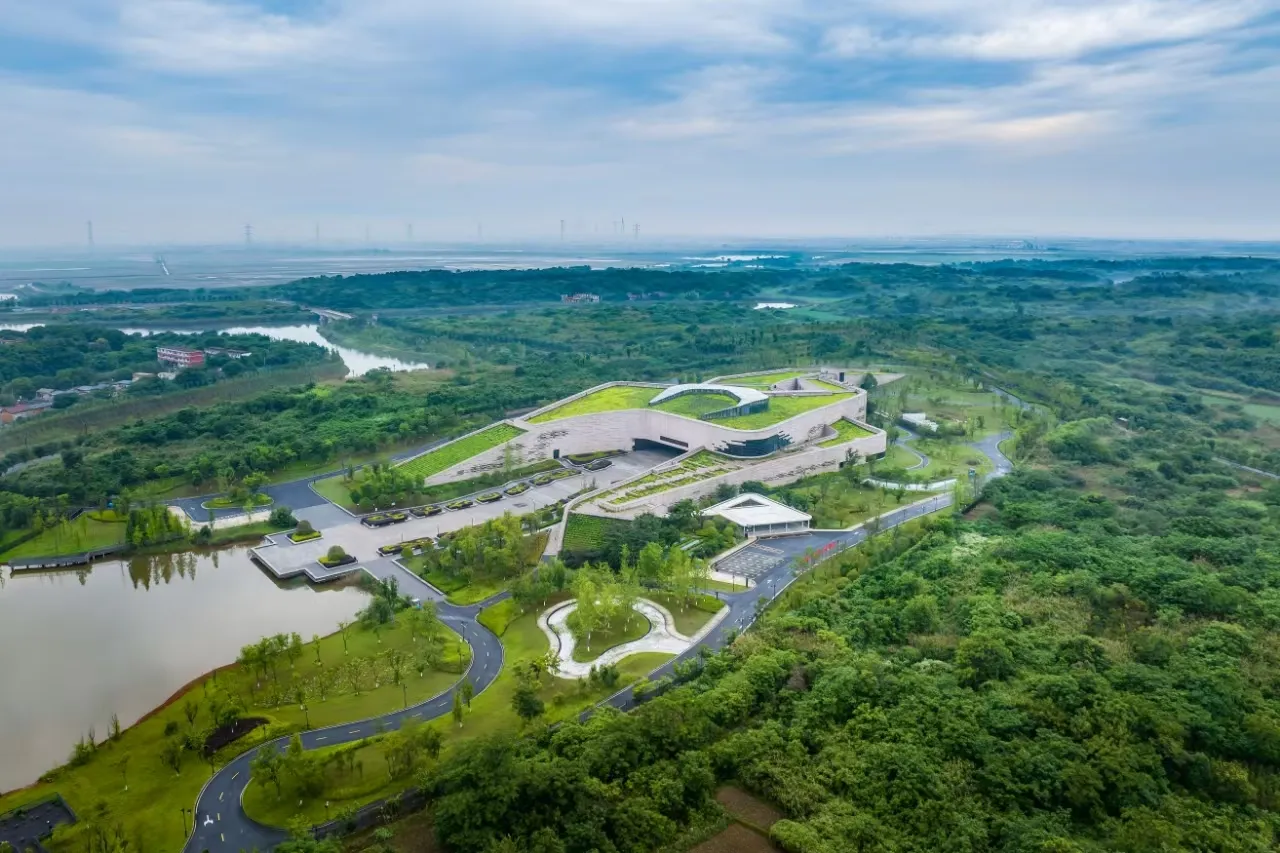
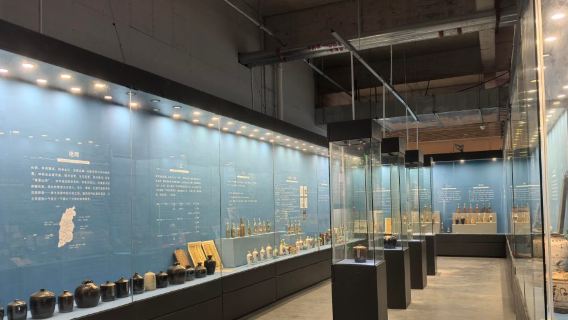
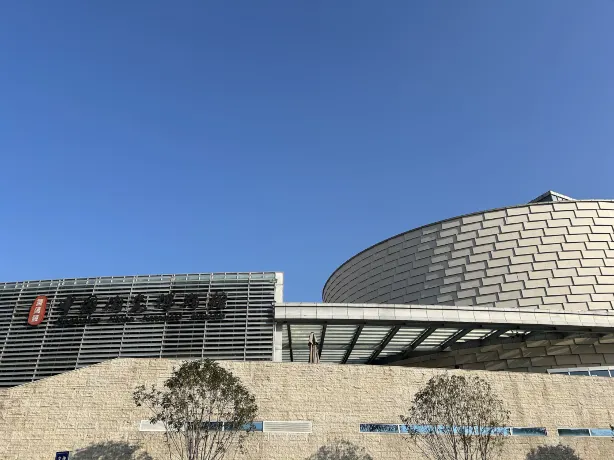
The National Archaeological Site Park of Nanchang Han Dynasty Haihun Marquis was developed based on the capital city ruins of Zijingcheng from the Western Han Dynasty Haihun Marquisate, the mausoleum of its first marquise Liu He, and the burial clusters to the west and south of the city. It represents the most well-preserved and structurally intact settlement ruins of a Han Dynasty marquise state capital discovered in China to date. Liu He, the tomb's occupant, was Emperor Wu's grandson who was deposed after merely 27 days on the throne, later becoming the Haihun marquise and moving south before being buried here. Since archaeological excavations began in 2011, over 10,000 artifacts including goldware, bronzes, jades, lacquerware, and bamboo slips have been unearthed, bringing this historically obscure "deposed Han emperor" back into public view with remarkable completeness. The park is divided into six functional zones: the ruins museum area, tomb exhibition area, Zijingcheng exhibition area, archaeological reserve area, entrance service area, and historical experience & ecological leisure area. The visitor center at the entrance adopts the shape of a jade bi disk—its white circular structure resembles a jade button when viewed from above, symbolizing "offering jade to heaven." The ruins museum takes its design inspiration from the dragon-shaped jade artifact unearthed from Liu He's tomb, appearing like a coiled dragon resting between mountains and waters. Permanent exhibitions such as "Golden Haihun," "Scholarly Haihun," and "Vermilion Lacquer Haihun" are housed here, alongside the interactive "Encountering Haihun" gallery. Among the over 1,000 displayed artifacts, gold items like cakes, horse-hoof ingots, unicorn-toe ingots, and plates are arranged in rows—their quantity and variety being exceptionally rare among excavated Han tombs. A complete set of bianzhong bells and bianqing stone chimes shares the stage with a bronze goose-fish lamp, whose curved neck holds a fish; rotating its dish adjusts brightness while smoke filters through water in the goose's belly without escaping, mirroring the ingenuity of the Changxin Palace lamp. A bronze lamp inscribed with "Nanchang" stands as a rare Han-dynasty physical testament to the city's name. Among the over 5,000 bamboo slips unearthed from the tomb of Liu He, the long-lost "Qi version of the Analects" was discovered after being missing for more than 1,800 years. The restoration achievements are showcased in the "Fragrance of Haichun" bamboo slips exhibition, where over a hundred newly restored original slips are displayed alongside Han Dynasty manuscripts like the "Book of Songs." Travelers who appreciate ancient texts and calligraphy will find it worth a closer look. The wooden back of the lacquered mirror depicting Confucius and his disciples features portraits and biographical accounts. While the original is still under restoration, the museum presents a full-scale replica with enlarged images to highlight details—another exhibit not to be missed. Beyond the museum, the Liu He Mausoleum at Guodun Mountain is another key attraction. The mausoleum complex features a trapezoidal layout, with the two main tombs of Liu He and his marquise wife sharing the same burial ground but in separate chambers at the central elevated platform. Surrounding them are auxiliary burial sites and remnants of ritual structures such as ancestral halls, resting chambers, garden walls, and gate towers. Outside the complex lies a rare chariot-and-horse burial pit seldom seen south of the Yangtze River. The Guodun Yuan ruins exhibition area built atop the mausoleum offers a panoramic view of the main tombs' wooden chamber structure from an encircling observation deck, while a 360-degree suspended screen recreates the mausoleum's construction process and Han Dynasty marquise funeral rites. The chariot pit preserves its original excavated state, with a restored quadriga carriage model showcasing the grandeur of Han nobility's travels. The park is planned around the grand heritage site, covering a vast area with its core visitable zones concentrated at the traveler center, ruins museum, and Liu He's tomb complex. The Zijingcheng city site is primarily preserved in its original state, so focus your visit on the museum and tomb area. As distances between zones are considerable, shuttle services are available—we recommend allocating half a day. The Han-style gate towers and golden imperial carriage at the entrance are popular photo spots. Throughout the park, Han cultural activities like costume parades and themed markets occasionally take place; keep an eye out while exploring the exhibitions.

Nanchang · 59.1km from Jing'an
From £ 6.87
Lushan Xihai Scenic Area
No. 5 of Fall Viewing Attractions in Jiujiang

Lushan Xihai Scenic Area

6.1
4.3/5
281 reviews

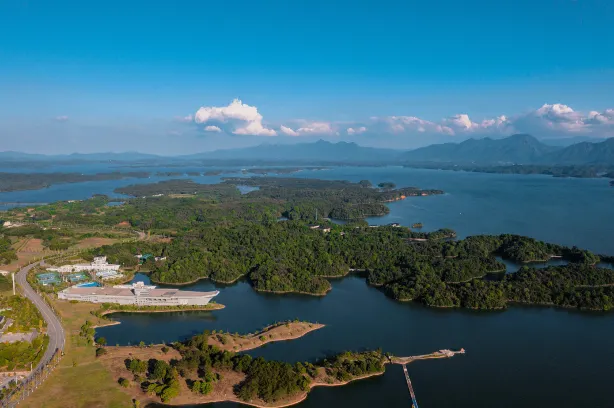
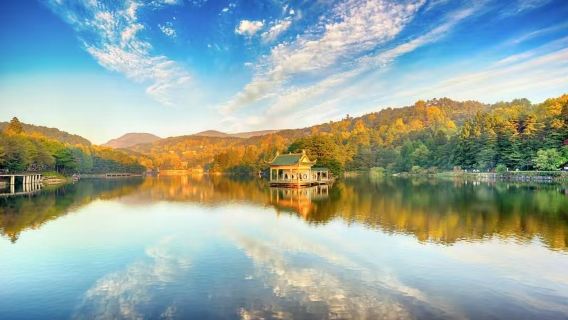
Lushan Xihai is located in Jiujiang City, Jiangxi Province, with a total planning area of 495 square kilometers, which is divided into two parts: Xihai Lake Area and Yunjushan Area. The transportation in the scenic spot is convenient, with Fuyin Expressway, Daguang Expressway, and Beijing-Kowloon Railway passing by, and the tourist expressway Yongwu Expressway runs along the lake, and it only takes 50 minutes to drive to Changbei Airport and Jiujiang Airport. Lushan West Sea tourism resources are rich and diverse. In addition to the Xihai Lake District and Yunju Mountain, there are thrilling Jiangjun Gorge 9D Glass Bridge and West Sea Rafting, the rich and dynamic West Sea Water World, the original ecological rich mine Xihai Hot Spring, the poetic and picturesque Flower Sea and Flower Valley on the lake, and the ecologically healthy Orchard picking and authentic farm food, etc. High-quality specialty food resources are an important feature of Lushan Xihai Scenic Area. The West Sea of Lushan Mountain is rich in seafood, and the processed fish products in the West Sea are delicious and healthy; Yunju Zen Tea has been famous since ancient times. Vegetables, tea mushrooms, bamboo shoots, etc., are countless. Xihai delicacies are exquisite and elegant, with unique flavors. They mainly feature natural fresh fish from the Xihai Lake area and green and pollution-free dishes from local farmhouses. The ingredients are natural, the taste is good, and the local characteristics are distinctive, which are very popular among tourists.

Yongxiu · 38.3km from Jing'an
From £ 4.48

Experiences you can't miss in Jing'an

Jing'an Today's weatherFoggy 7-17℃
Jing'an weather for the next 2 days11/26: 7-19℃, 11/27: 7-22℃

Free things to do in Jing'an
What travellers say about Jing'an

user-avatar
M49***543 May 2024
4.0
It is a small scenic spot. Although it is May Day, there are not many people. It is all uphill, and it takes 2-3 hours to reach the top. There are small bridges and small waterfalls along the way. The scenery is beautiful and the air is fresh. It is indeed a natural oxygen bar.

Sanzhualun National Forest Park

user-avatar
M29***5922 January 2026
5.0
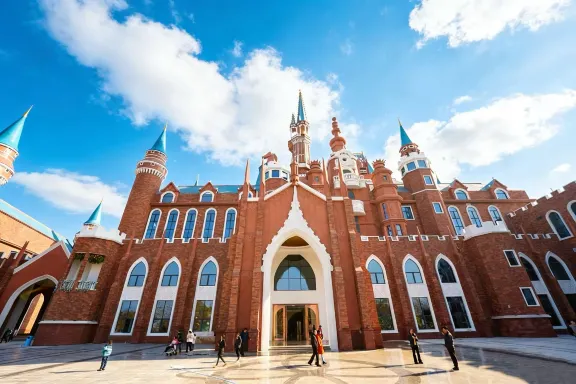
A paradise of screams and laughter! The parade was absolutely magical. The fragrance museum was a wonderful blend of history and scent, and the staff were incredibly welcoming; every corner was full of surprises. You could play from morning till night without getting bored; the level of happiness was off the charts, and I'll definitely come back!

Saint Dosia Fragrance Paradise
user-avatar
唐毓小宝7 April 2025
5.0
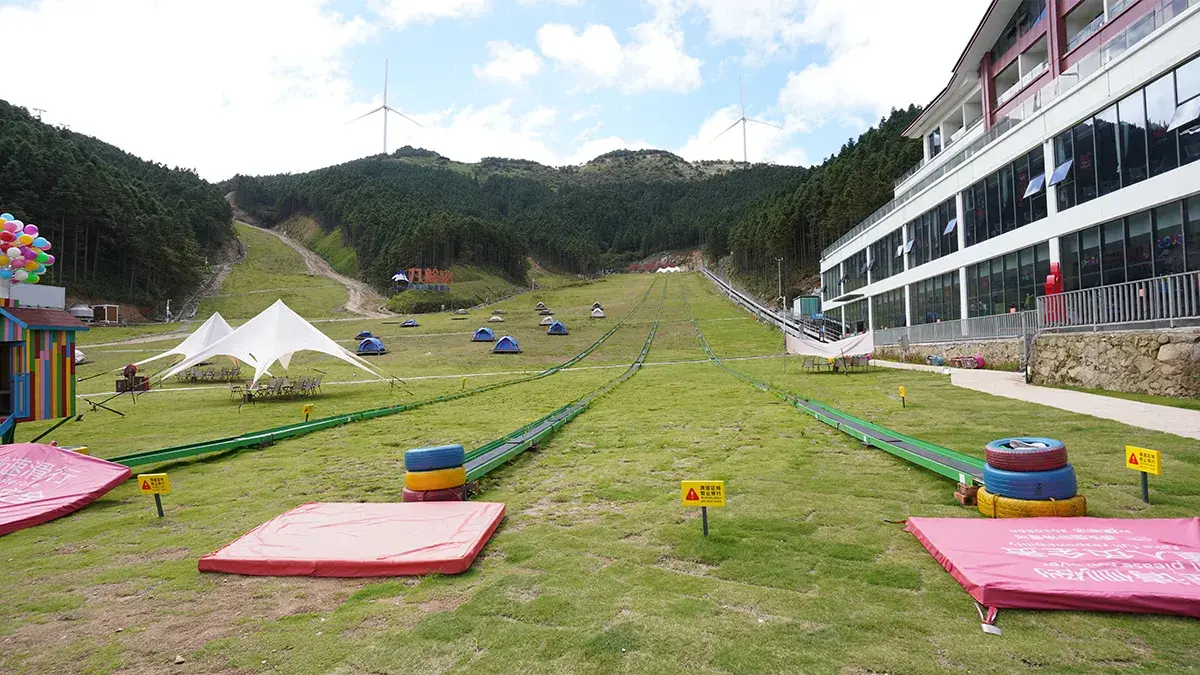
Jiangxi finally has a decent outdoor ski resort, although it is still under construction, with only practice slopes and beginner slopes. But everything will be fine. We arrived on almost the last day of the snow season, and the snow quality was out of the question, but the experience was good. The coaches are all good and patient, which is a good thing. For rookies like us who only ski once a year and close the board as soon as we open it, it is enough. The first lesson is always a recovery.

Jing'an International Ski Resort

user-avatar
D83***9911 October 2026
5.0
I found it online and drove there immediately the next day. The pre-sale guidance service needs improvement, and the ticket booths and parking at the entrance are very chaotic. I suggest setting up a QR code booth in advance to sell tickets. The scenery is excellent, with clear skies and a wide view, suitable for the elderly and children to climb. There is a car, so you can watch the sunrise and sunset.

Jiulingjian, a Secret Realm in the Clouds

user-avatar
xhjj7515 November 2026
4.0
The ancient town is quite large, consisting of three villages, and is well-suited for a road trip. The buildings within the villages blend old and new in a charmingly varied way. Hiring a guide is highly recommended to understand the stories behind the buildings.

Anyi Old Kwan

user-avatar
Anonymous user21 November 2026
5.0
Climbing the pavilion at night, the lighting effects were absolutely stunning! I climbed all the way to the top floor and explored each level, experiencing firsthand the feeling of the ancients gazing into the distance – it was wonderful. The only downside was that the top floor was covered by curtains; it mainly sold cultural and creative products, with no artifacts on display, so it wouldn't open unless you went in. The fourth and fifth floors were much better arranged; I hope they can be improved.

Tengwang Pavilion Tourist Area

user-avatar
爱游爱逛的小胖芳21 November 2026
5.0
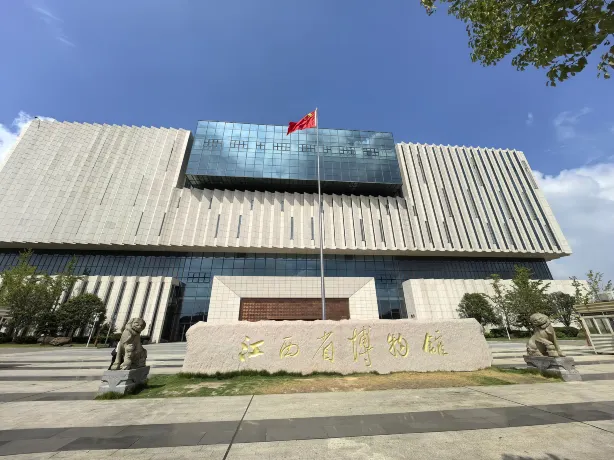
Meeting Ms. Mengwen was my lucky break! I wasn't initially interested in the Jiangxi Provincial Museum, but her explanations of bronzes and porcelain were truly impressive. Her profound knowledge was admirable – from the symbolic meanings and casting techniques of Shang Dynasty bronzes to the kiln origins and chronological characteristics of individual porcelain pieces, she spoke fluently and clearly, not just piling up jargon, but clearly outlining the historical logic and cultural context behind them. I thoroughly enjoyed listening to her. What was even more touching was her refined manners. Upon meeting, she provided headphones and alcohol wipes for disinfection and even gave me a small card with her stamp – thoughtful details that made for a fantastic experience. When discussing the origins of pottery and porcelain, she eloquently recounted the evolution from the simplicity of primitive pottery to the maturity of porcelain. You could genuinely feel her heartfelt passion for her work; it wasn't just about completing a task, but a sincere desire to share Jiangxi's treasures with more people. The pride of being from Jiangxi was palpable in her words, and it was incredibly infectious. Professional, gentle, and passionate—such a guide is truly rare. I highly recommend her to anyone visiting the Jiangxi Provincial Museum; you won't regret choosing her! Her explanation of the Marquis of Haihun is also wonderful, though I unfortunately missed it due to time constraints. However, she seems to have left a deeper and more lasting impression of Nanchang.

Jiangxi Provincial Museum

user-avatar
M29***7517 August 2026
5.0
Very good 👍 Fun

Stone Island Forest Water World

user-avatar
jacky_yin24 November 2026
4.0
The location is quite far, and the venue is large, so you need to take a shuttle bus. The gold inside is quite attractive, so I recommend listening to a guided tour to better understand this history. If you just rush through, you won't remember much except for the gold!

The National Archaeological Site Park of Nanchang Han Dynasty Haihun Marquis

user-avatar
阳光灿烂…………15 June 2026
5.0
Although it's a man-made scenic area created by a dam, it's absolutely worth the price. The water and sky blend seamlessly, islands are scattered like stars, and floating bridges and boats are very convenient. The weather was perfect when we went, and everything was just right.

Lushan Xihai Scenic Area

Trip Moments in Jing'an

Popular cities near Jing'an

Frequently asked questions

How can I contact Trip.com customer support?

Get help anytime, anywhere within 30 secondsContact customer support

Change and cancellation policies vary by attractions and tours. Please check the product details page for more information.

Ticket prices may vary between weekdays and weekends, as well as during peak and off-peak seasons. When booking with Trip.com, you can also use Trip Coins to get extra savings. For more tips on booking discounted tickets, please visit Trip.com for the latest information.