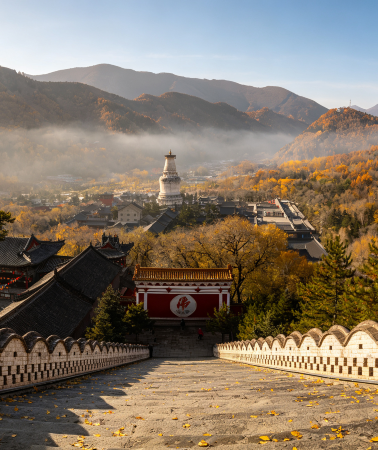
Taiyuan

Things to do in Taiyuan

Search attractions or local attractions & tours
Search

Explore top experiences

Top 10 attractions in Taiyuan

View all Attractions
Jinci Temple Museum
2026 Asia 100 - Family-friendly Attractions

Jinci Temple Museum

8.7
4.8/5
20.9k reviews
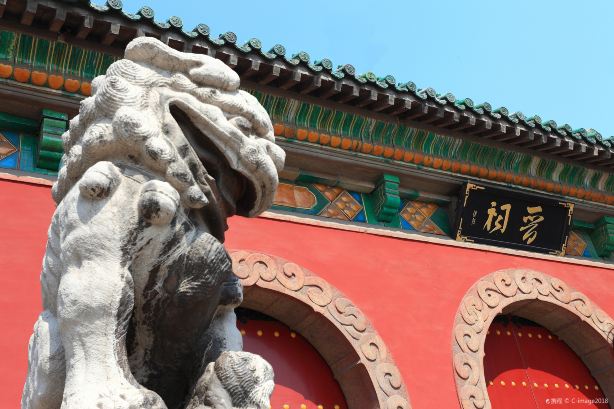
Jinci Temple Museum is located at the foot of Xuanweng Mountain by the banks of the Jin River. It is an ancestral temple built to commemorate Tang Shuyu, the founding feudal lord of the State of Jin, and is also one of the earlier surviving royal sacrificial gardens in China. There is a saying that "you have not truly visited Taiyuan until you have visited Jinci." The ancient buildings in the museum are arranged in sequence along the central axis, among which the Xian Hall, the Flying Bridge over the Fish Pond, and the Hall of the Holy Mother are known as the "three treasures," while the Zhou Cypress, the Never-Aging Spring, and the Song dynasty attendant statues are known as the "three wonders"—these are the core highlights of any visit. The "Three Treasures" are located on the central axis and can be visited together. Xian Hall is the place where sacrificial offerings are placed. The hall is surrounded by railings instead of walls, making it well-ventilated and bright, and its beam structure is simple and lightweight. The Flying Bridge Across Fish Pond is on the west side of Xian Hall. It is a cross-shaped ancient bridge built over a square pond, resembling a modern overpass in form, and this type of bridge structure is extremely rare among surviving ancient buildings. The west end of the bridge connects to Shengmu Hall, the oldest surviving building in the museum. Wooden carved dragons coil around the porch columns in front of the hall, making them relatively early surviving examples of wooden coiled dragons. The hall interior was built using the reduced-column method, creating a rather spacious interior. It houses dozens of Song Dynasty colored sculptures, with the main statue of Shengmu seated in the shrine and the remaining attendants arranged on both sides with varied expressions. One attendant statue is half joyful and half sorrowful, vividly lifelike and moving. With Shengmu Hall as the center, you can also seek out the "Three Wonders." The Zhou Cypress is located on the north side of Shengmu Hall. It is said to have been planted in the Western Zhou Dynasty, and its trunk leans south like a reclining dragon, full of ancient majesty. The Never-Aging Spring is located on the south side of Shengmu Hall and is the main source of the Jin River. The museum also houses the Stele of the Inscription and Preface to Jinci, composed and handwritten by Emperor Taizong of Tang, Li Shimin, whose running-script calligraphy is vigorous and forceful. In the southern part is the Shifang Fengsheng Zen Temple, said to have originally been the villa of the Tang Dynasty general Yuchi Gong. In the Futu Courtyard, the Sarira ShengSheng Pagoda can be climbed for a distant view. The Jinci temple fair has been passed down to the present day and has been included in the national-level intangible cultural heritage list. The Water Mirror Stage, an ancient theater stage in the museum, is an important venue for activities during the temple fair.Taiyuan · 20.3km from downtown
Shanxi Museum
2026 Asia 100 - Family-friendly Attractions

Shanxi Museum

8.1
4.8/5
3.5k reviews
"Five thousand years of history can be seen in Shanxi." Located on Binhe West Road in Taiyuan, the Shanxi Museum showcases the essence of Shanxi's cultural relics. The museum consists of a main building and four corner annexes, with the main building resembling both a dipper and a ding vessel, serving as the primary venue for travelers to view the collection. The main building has four floors. The first-floor lobby features a general service desk, while the second and third floors host thematic exhibitions on history and culture. The fourth floor showcases art-themed exhibitions, which together form the permanent displays of the Shanxi Museum. After entering the first-floor lobby, proceed to the second floor via the stairs to begin the historical journey themed "Soul of Jin." The cultural and historical thematic exhibition showcases the highlights of Shanxi's five-thousand-year civilization through numerous precious artifacts, ranging from ancient human relics to the rise and fall of Shanxi merchants during the Ming and Qing dynasties over five centuries. During your visit, several exquisite artifacts are not to be missed. The bird zun, a bronze ritual vessel from the Western Zhou period, was used in the ancestral temple sacrifices of the Jin marquis. The bird zun features an exquisitely crafted design with a phoenix as its main form. On the phoenix's back rests a small bird, serving as the handle for the vessel's lid. At the tail of the phoenix, an elephant is depicted, with its long trunk perfectly balancing the phoenix's two legs to form a stable tripod base. This artifact is a representative piece among the bronze collections in the museum. In addition, you can also admire: the Houma covenant texts, which are oath documents from the Spring and Autumn period used by the ministers of the Jin state; the lacquered wooden panel paintings, a painted screen from the Northern Wei dynasty depicting colorful stories from the "Biographies of Exemplary Women"; the white marble sarcophagus, a relic from the Sui dynasty, belonging to a tomb occupant who was a member of the Central Asian Yu people, with intricate carvings both inside and outside the sarcophagus, featuring figures with deep-set eyes, high noses, and black hair, characteristic of the Mediterranean Caucasian race. In the cultural thematic exhibition, you can also learn about the origins and development of Buddhism and traditional opera in Shanxi. The fourth floor of the main hall features an art thematic exhibition area. Among them, the "Timber and earth splendor" - ancient architectural art thematic exhibition showcases Shanxi's status as a province rich in cultural relics and ancient structures. "For above-ground relics, look to Shanxi" - Shanxi is renowned as the "treasure trove of ancient Chinese architecture," boasting over half of China's above-ground ancient structures with comprehensive categories, especially in the quantity of religious buildings. If you're a fan of ancient architecture, this is a must-visit. The Shanxi Museum also hosts temporary exhibitions periodically. At the first-floor lobby service desk, services such as hiring on-site guides (Chinese and English) and renting audio guides are available. The main building also houses a restaurant and a tea house for visitors.Taiyuan · 1.6km from downtown
Taiyuan Botanical Garden
No. 2 of Family-friendly Attractions in Shanxi

Taiyuan Botanical Garden

7.6
4.7/5
5.9k reviews
Overview of Taiyuan Botanical Garden The attraction is a landscaping project designated by the municipal party committee, was selected into the third batch of PPP demonstration projects by the Ministry of Finance, and won the Shanxi Province PPP Project Award for Improving the Living Environment. It is located at the foot of Taishan Attraction in Jinyuan District, starting from Fengyugou Mouth in the west, extending to Old Jinci Road in the east, from Fengyu Shahe in the north to Taigu Highway in the south, with a total area of approx. 2,730 mu and a total project investment of CNY 3.558 billion. The overall plan of the garden is divided into five functional areas: the entrance management area, the plant scientific classification area, the plant scientific application area, the plant evolution display area, and the scientific experiment area. The construction content includes five major building areas—the main entrance building, the exhibition conservatory, the potted plant museum, the waterfront restaurant, and the research center—as well as twenty-five specialized gardens. To date, more than 5,800 species of plants have been collected. The architectural design of the botanical garden project was completed by the internationally renowned design firms DMAA Architecture Design Co., Ltd. of Austria and Valentin Urban Planning and Landscape Design Office of Germany, and the landscape design was completed by the Beilin Landscape Planning and Design Institute of Beijing Forestry University. The attraction aims to protect species diversity, plant resources, and historical resources in Shanxi Province throughOwn responsibility, collectTaihang Mountains, Lüliang MountainsA comprehensive botanical garden in our province featuring temperate-zone plant resources dominated by distinctive plants, with introduced and domesticated new, superior, and specialty varieties suitable for the local area. It fully leverages its science education and educational functions, achieving an organic integration of beautiful garden landscapes, scientific substance, and distinctive local cultural resources. It is a comprehensive botanical garden integrating scientific research, science education, tourism, ecological leisure, and cultural tourism, adding to the city a great destination where residents can both systematically learn botanical science knowledge and enjoy leisure, entertainment, and vacation travel,At the same time, it connects with Jinci Temple, Tianlong Mountain Scenic Area, Taishan Longquan Temple Attraction, Mengshan Giant Buddha Attraction, Jinyang Lake Park, and Jinyang Ancient City Ruins Park to form a unique tourism brand for Taiyuan. In addition, its completion provides the necessary conditions for our city to consolidate its title as a "National Garden City" and to create an ecological garden city. At the same time, it has very important practical and strategic significance for improving the categories of parks in our city, promoting the rapid formation and development of the provincial capital's tourism area, improving the urban ecological environment, building a famous historical and cultural city, enhancing the city's quality, and constructing a city of green mountains and clear waters and a harmonious and livable city. Main entrance The main entrance building covers an area of 20,135 m² and incorporates the architectural style of Shanxi courtyard compounds. It is a comprehensive building integrating offices, the plant science popularization hall, the specimen hall, the lecture hall, the restaurant, and visitor reception. Visitors can stand on the cantilever of the main entrance to overlook the entire botanical garden, and in the distance, they can also gaze at the Taishan attraction, taking in the beautiful scenery at a glance. At the main entrance, there are also the Taiyuan Botanical Garden Plant Science Popularization Hall and the Insect Specimen Hall. The Taiyuan Botanical Garden Plant Science Popularization Hall covers an area of 4,300 square meters. All 118 educational science videos in the hall were independently directed and filmed by our garden. The exhibition is themed "Vivid Colors, Fragrant Life, Endless Vitality" and is divided into seven major thematic exhibition areas: Plant Evolution (exploring the origin of plants), Plant Mysteries (understanding plant structure), Plant Wisdom (discovering the wonders of plants), Plant Value (counting the contributions of plants), Plant Ecology (appreciating the influence of plants), Plant Culture (plants and traditional Chinese culture), and Shanxi's Botanical Beauty (distribution and conservation of plants in Shanxi). In the wonderful atmosphere of innovative integration between art and nature, light and shadow dance with flowers and leaves as visitors stroll through. The insect specimen museum displays more than 2,000 boxes (over 4,000) of rare insect and other arthropod specimens, and through the explanation of basic knowledge, it aims to help people understand nature, experience nature, and love nature, and enhance awareness of protecting insects, protecting plants, and protecting the environment. Insects are closely related to human life and are one of the most successfully evolved, diverse, and wonderfully fascinating groups of organisms on Earth. From colorful butterflies, flower-visiting honey-making bees, and loudly singing cicadas, to agile dragonflies and mantises wielding their "broadswords"; from marching ants in groups, to annoying mosquitoes, flies, cockroaches, and so on.The variety of insect species is unmatched by other animals. Insects are not only numerous in species, but the number of individuals within a single species is also astonishingly large. More than 1.1 million species of insects are known worldwide, and there may be several million more waiting to be discovered. Harmony between humanity and nature has become a consensus of human society in the present era. Only by living in harmony with the animals and plants of the natural world can humanity achieve sustainable development—this is the purpose and significance of our planning of the insect specimen science exhibition. Exhibition greenhouse The botanical garden conservatory complex consists of three individual conservatories—the Tropical Rainforest Hall, Taiyuan Botanical Garden - Succulent Plant Hall, and Rare Flowers Hall—as well as the conservatory energy center. All three exhibition conservatories are built with wooden dome structures with a span of 88 m. Their construction concept inherits the classical wooden structure construction theory of Shanxi on the basis of modern conservatory construction, representing a combination of the classical and the modern, and isBotanical gardenA simple tribute to this beloved land beneath our feet. The tropical rainforest conservatory covers an area of 5,521 m² and consists of the Tropical Rainforest Wonders Area, Tropical Rainforest Community Simulation Area, Flying Waterfall Viewing Area, Fun Botanical Garden, Palm Garden, and Tropical Aquatic Plant Garden; Taiyuan Botanical Garden - Succulent Plant Hall covers an area of 2,245 m² and collects and displays succulents from Africa, the Americas, and Australia; the Rare Plants and Four Seasons Flowers Exhibition Conservatory covers an area of 1,470 m² and mainly collects and displays tropical flowers, ferns, shade-loving plants, and more. For a long time, the exhibition greenhouses of botanical gardens have become charming places in the minds of visitors. The beautifully shaped large exhibition greenhouses, such as those at the Royal Botanic Gardens, Kew in the United KingdomPalm houseAlong with the Princess of Wales Conservatory, the grid-shell large-span hemispherical greenhouses at the Missouri Botanical Garden in the United States, the New York Botanical Garden conservatory, and the Longwood Gardens conservatory in Philadelphia, these structures are not only the diamonds in the crown of their botanical gardens but have also become landmarks of the architecture, culture, and civilization of their cities. To a certain extent, exhibition greenhouses can represent the level of cultural, scientific, and technological development of a city. Exhibition greenhouses originated during the European Renaissance. At that time, greenhouses served as cultivation and propagation bases for plant introduction, providing experimental materials and venues for scientific research, as well as places for cultivating flowers and plants for household use. With the improvement of economic and technological levels and humanity's understanding of nature, exhibition greenhouses have undergone significant transformations. Today's exhibition greenhouses are not only places for plant collection and display, scientific conservation and research, but also green spaces that integrate ecology and environment, science popularization and education, culture and art, and tourism and appreciation. Therefore, the exhibition greenhouse is a multi-level, multi-disciplinary, and multi-faceted field, whose construction and operation involve architecture, horticulture, ecology, aesthetics, and management, forming an indoor garden that is artificially controlled and displays plants growing in different regions and climatic conditions along with their living environments. Tropical rainforest hall The tropical rainforest hall covers an area of 5,521 m², relying on the existing mountain terrain on the north side and connecting to a water body on the south side. Through cliffs, precipices, gorges, caves, and flying waterfalls, it presents diverse landscape spaces. The mountain reaches a height of 12 m, with towering peaks and steep cliffs, while also featuring deep gorges, cascading waterfalls, and babbling streams. The overall layout combines openness and enclosure, creating a natural and varied topography. Bridges, plank roads, platforms, and stepping stones connect these nodal spaces. The exhibition hall is furnished with various typical tropical rainforest plants. The upper layer is dominated by tall trees whose crowns rise high above the other layers, standing out like a crane among chickens. The middle layer consists of small and medium-sized trees, interspersed with epiphytic and climbing plants that form hanging gardens. The lower layer contains ground cover and fern plants of varying density, while the large trees have gnarled and intertwined roots of diverse forms, making visitors feel as if they are walking through the beautiful and mysterious plant world of a tropical rainforest—sometimes striking and magnificent, sometimes elegant and peculiar, sometimes plain and tranquil, and always deeply evocative. The exhibition hall consists of six areas. Tropical rainforest wonder area The cliff and precipice terrain at the entrance leaves visitors entering the exhibition hall in awe, and stone carvings and rock paintings reflecting the regional culture of the rainforest can be seen everywhere on the cliff face. Following the direction of the cliff, the rumbling sound of water can be faintly heard in the distance, and the skywalk spanning the air comes into view, drawing visitors' footsteps irresistibly to explore. Visitors can also climb the steps to enter the 5 m high aerial viewing platform, where the beautiful scenery unfolds in full view. The plant arrangement in this area mainly focuses on presenting the typical landscape features of tropical rainforests, such as the eight major phenomena of tropical rainforests and the "five trees and six flowers" of Buddhist culture. Tropical rainforest community simulation area Clever use is made of the uneven terrain to display the typical views of Asian tropical rainforest, American tropical rainforest, and African tropical rainforest plant communities. Within the jungle, lush greenery abounds, with tall and dense tree crowns, and hanging gardens created by epiphytic plants can be seen everywhere, colorful and full of spring beauty. The root systems of various plants are also bizarre and distinctive, giving visitors an immersive tropical rainforest experience and feeling. Waterfall viewing area At the entrance, the waterfall is heard before it is seen, and after a winding path it suddenly comes into view before visitors. With the waterfall as the core view of the attraction, it has a drop of 9 m, cascading down in tiers and formed by stacked stone, with a pool of clear water below; the scene combines movement and stillness, blending plants with mountains and water. The viewing point for the waterfall is the viewing platform, from which visitors can gaze into the distance and let their imagination wander. On the ground level, a paved area is left in front of the waterfall as a space for visitors to stroll, enjoy the view, rest, and take photos. Tropical rainforest fruit tree area This area is located on the northwest side of the exhibition hall, where the mountain rises to a height of 12 m and streams flow gently. Various interesting rainforest fruits are planted according to the terrain, such as bananas, papayas, guavas, and jackfruit. Each fruit has different suitable growing conditions, but they generally share a preference for heat and intolerance of cold, so they grow in warm, humid places. In the tropical rainforest fruit tree area, this dazzling and unique phenomenon is displayed, opening up a rainforest world for visitors. Tropical rainforest style area This area is located at the western entrance, where the terrain is relatively flat. It features a concentrated planting of various tall and stately palm plants, graceful and upright in form. Beneath the palms, seasonal flowers are arranged in bright, vivid colors and are replaced periodically according to the season, creating a charming exotic landscape. Tropical aquatic botanical garden With the towering mountain as a backdrop, the water system of the entire mountain is designed to return to this water body. Travelers weave through the undulating tropical jungle, their eyes overwhelmed by the ever-changing scenery, until they arrive at the open water surface, calm and soothing, and stroll across the wooden bridge, connecting with the water and letting their spirits soar. Taiyuan Botanical Garden - Desert Plant House The Taiyuan Botanical Garden's Desert Plant House is a landscape greenhouse integrating species conservation, scientific research, and educational exhibition. The exhibition hall collects desert plants from Australia, Africa, Asia, and the Americas, showcasing the customs and cultures of different desert regions. Combining the existing terrain with a large-scale layout approach, the greenhouse is divided into regional exhibition zones based on the places of origin of cacti and succulents. American desert flora region The area covers approx. 600 m², making it the main exhibition area in this pavilion. The area features saguaros, golden barrel cacti with their all-over golden color, Ferocactus with eagle-claw-like spines, ponytail palms with bottle-shaped trunks, shaving brush trees with trunks resembling tortoise shells, and elegant yuccas as the backbone of the community, with other plants from the Agavaceae and Cactaceae families arranged in a balanced density, allowing visitors to truly experience the American desert scenery with a strong Native American flair. African desert flora region This area covers approx. 200 m² and focuses on showcasing representative desert plants native to the African desert and savanna desert zones. It features a community backbone of the silver-spined, commanding African milk barrel, the desert rose with its sturdy branches and fiery blooms, the awe-inspiring, intricately sculpted Aloe erinacea, and the solitary, leafless pencil cactus, complemented by a desert view of wind-eroded rocks and isolated walls of shifting sand,Among themDotting with other succulents such as aloes and sansevierias, it makes visitors feel as if they were in the vast and lonely African desert where eagles soar. Australian desert flora region This area covers 50 m² and features a community backbone of towering, majestic Queensland bottle trees shaped like giant bottles, elegant and handsome black ebony trees known as Australia's "Black Prince," and robust, formidable Australian Moore cycads, complemented by red soil and curved red rocks, along with other small and medium-sized desert plants arranged with a balanced density, showcasing a unique and charming Australian style. Premium desert plant display case Mainly, it shows that during the growth of desert plants, some species undergo abnormal variations in their form or epidermal color, primarily including variegation, cristation, and monstrose forms. Because the probability of occurrence is very low, they are generally difficult to see, so the mutated individuals appear particularly precious. On one side of the steps in the desert greenhouse, several groups of glass display cases are arranged, mainly used to display cristate golden barrel cactus, variegated golden barrel cactus, cristate African milk tree, and relatively rare premium desert plants such as the genus Lithops of the family Aizoaceae. The dry creek meanders and twists, narrowing from wide to narrow, passing through various exhibition areas to connect the entire desert plant hall before disappearing within the venue, symbolizing the longing for water in the desert and the long-standing historical culture. The echoing peak column in the middle of the venue uses driftwood to create a giant structure shaped like a bottle tree, serving as an extension of the entire venue's space, and the raised central section can display some folk culture specimens from various regions. Four seasons flower hall The greenhouse covers an area of 1,470 m² and incorporates the concept of a sunken garden, with pathways connecting three view levels—high, middle, and low—with a drop of 3 m, spiraling downward. The north entrance serves as the main viewing route, descending step by step through the second-floor viewing platform to reach the ground floor of the entire exhibition hall. The south side features an accessible pathway for people with special needs to reach the ground floor. For plants, tropical flowers, ferns, and shade-loving plants are used to create rich view layers. The varying-height retaining walls are a major feature of this exhibition hall, using materials such as stainless steel panels, stone, and plants to display rich facade effects. Greenhouse plant exhibition area This area covers 470 m² and features a concentrated display of rare plants, shade-loving plants, and ferns, with occasional accents of uniquely shaped, elegant landscape trees or rare plants. Carnivorous plant exhibition area Carnivorous plants use their own methods to make insects stay on their leaves and stems, then fall into their traps and be consumed. The exhibition area displays carnivorous plants through transparent glass display panels, which can both ensure the safety of visitors and allow visitors to observe the growth forms of carnivorous plants up close. Floral-themed attraction display area This area covers 235 m² and is built with walls and streams, using orchids as the main floral material to create a themed attraction. Here, visitors can admire different varieties of orchids and enjoy a feast of orchids. Throughout the year, different themed floral displays are presented here—flowers and scenery together, with flowers within the scenery and flowers blending into the scenery—making it a great spot for visitors to take photos. Premium flower exhibition area Display rare orchid varieties from around the world in a concentrated arrangement using racks, partitions, driftwood, and display cabinets. Examples include: Cattleya from the Americas, the "Queen of Orchids" Phalaenopsis from Southeast Asia, the "Rising Star of Orchids" Cymbidium from Korea, the "Greek Princess" Miltonia, and the "Elegant Dancer" Oncidium. Hanging plant exhibition area This area covers 50 m² and features various tropical orchids and other hanging foliage and flowering plants arranged in a concentrated display through various carriers. Three large-scale three-dimensional floral installations are arranged at varying heights, creating a delightful visual experience. Bonsai Hall One flower, one leaf, one bodhi; one pot, one landscape, one world. Bonsai originated in China, with a long history and a distant source. In the long river of human social history, during the primitive period, humans lived in groups in nature and depended on nature. With the development of human civilization, people living in cities, although residing in cities, still long for and deeply love every plant, every mountain, and every river of nature. This circular, streamlined building employs a technique that combines the solid and the ethereal, bridging the past and the present to showcase the long history, unique craftsmanship, innovative achievements, and cultural connotations of bonsai. Amid the tide of inheritance and innovation, it will remain true to its original aspiration and open a new chapter for Jin-style bonsai! The Bonsai Hall has two floors. Currently, the first floor displays scholar's rocks and landscape bonsai, while the second floor displays stump bonsai, succulents, and other plants. Screens, railings, tables, and other furniture are used to divide the space and display the bonsai and scholar's rocks, presenting the great art of Chinese bonsai through immersive scenes. Bonsai emphasizes the trinity of the scenery, the pot, and the stand. The three essential elements of bonsai complement one another and merge into a single whole, integrating multiple artistic elements to present the overall beauty and artistic beauty of the work. The artistic creations of bonsai craftsmen through the ages enable a small bonsai to reveal a vast world. The pot reveals the beauty of nature, and only through artistic conception can one appreciate the ingenuity of the craftsmanship. As the saying goes, bonsai and scholar's rocks are inseparable; many bonsai enthusiasts are also lovers of scholar's rocks. This is because stones are used when making root-over-rock bonsai and water-and-land bonsai, and if scholar's rocks can be used to complement them, the effect is even more striking. In addition, bonsai and scholar's rocks are both refined hobbies, and the two share much in common. Waterfront restaurant The waterfront restaurant has a building area of 2,822 m² and is built by the water. Its roof uses a traditional Chinese post-and-lintel timber structure, and the floor-to-ceiling glass offers a panoramic view of the botanical garden. Dining here is a feast for both the eyes and the palate. Research center The total area is approx. 54 mu. The research center has 7 individual buildings in total, namely the library and specimen museum, staff apartments, laboratory and office building, expert apartments, and garden waste treatment station. To facilitate plant resource introduction and domestication, ex situ conservation, and scientific research for researchers, the research center also features 300 mu of experimental fields. 25 specialized gardens In addition, there are 25 specialized gardens, including: the Plant Application Garden,Xuanqiu Garden, bamboo garden, APG taxonomy garden, rose garden, rare and endangered plant garden,Perennial flower garden, Lilac and Viburnum Garden, Taiyuan Botanical Garden - Chrysanthemum Garden, Taiyuan Botanical Garden - Rock Garden, Medicinal and Tea Garden,Pagoda, Taiyuan Botanical Garden - Arboretum, Ginkgo and Conifer Garden, Taiyuan Botanical Garden - Bonsai Garden, Taiyuan Botanical Garden - Sophora Garden, Climbing Plant Garden, Water Garden, Brownfield Restoration Demonstration Garden, Taiyuan Botanical Garden - Peach Blossom Garden, Cherry and Plum Garden, Taiyuan Botanical Garden - Crabapple Garden, Taiyuan Botanical Garden - Peony and Herbaceous Peony Garden, Willow and Linden Garden, Taiyuan Botanical Garden - Magnolia Garden. Throughout the year, the scenery is ever-changing. In spring, flowers bloom in abundance; in summer, lush greenery prevails; in fall, the entire garden turns golden; and in deep winter, pines and cypresses stand tall.Taiyuan · 15.5km from downtown
Donghu Vinegar Garden
No. 4 of Family-friendly Attractions in Shanxi

Donghu Vinegar Garden

7.3
4.9/5
1.3k reviews
Explore Donghu Vinegar Garden and discover the history of vinegar brewing in Shanxi. As a national AAAA-level tourist attraction, a national industrial tourism demonstration base, and a provincial research and practice education demonstration base for primary and secondary schools, Donghu Vinegar Garden covers a total construction area of approximately 16,667 square meters. Rooted in Shanxi's long-standing Yellow River farming culture, it preserves and innovates the history of the "Meiheju" vinegar workshop founded during the Hongwu period of the Ming Dynasty, the national intangible cultural heritage "Meiheju" aged vinegar brewing technique, and Shanxi's vinegar history and culture. Based on the ancient brewing process of "steaming, fermenting, smoking, filtering, and aging," it truly embodies "inheriting traditional craftsmanship and realizing a health-oriented philosophy." Since its opening in 2000, Donghu Vinegar Garden has launched distinctive "intangible cultural heritage" vinegar culture study tours, offered Shanxi aged vinegar DIY courses, added "intangible cultural heritage" vinegar-making experience programs, and developed traditional Shanxi vinegar-themed banquets. It has welcomed over 5 million visitors from home and abroad, with annual visits by minors exceeding 30,000, making it a highlight for promoting traditional Chinese agricultural culture and vinegar culture in China's condiment industry. The garden features twelve specialized exhibition halls including "Donghu Meiheju Development History Museum," "Vinegar Therapy Garden," "Vinegar Museum," "Vinegar Cellar," and "Craft Brewing Workshop," each displaying agricultural tools and vinegar-making equipment from different historical periods. Donghu Vinegar Garden showcases the unique charm of "National Intangible Cultural Heritage - Traditional Vinegar Brewing Techniques" to visitors from around the world through displays of ancient and modern utensils, vinegar product exhibitions, and hands-on experiences of intangible cultural heritage vinegar-making techniques. It opens a time tunnel for people to understand Shanxi's vinegar culture, deeply experience the intangible heritage vinegar-making process, and recognize the health benefits of Shanxi aged vinegar. Visitors can not only explore the profound history of Shanxi vinegar culture, breathe in the rich aroma of Donghu vinegar, enjoy a "Donghu vinegar sauna," and taste authentic Donghu aged vinegar, but also deeply engage with the national intangible cultural heritage of traditional vinegar brewing techniques. Visitors can also sample various vinegar-infused specialties like vinegar-soaked beans and vinegar snacks, as well as traditional Shanxi vinegar banquets, gaining a deeper understanding of Shanxi aged vinegar. Over its 20+ years of operation, Donghu Vinegar Garden has earned honors such as the "Certificate of Origin Registration," "National Silver Quality Award," and inclusion in China's "Intangible Cultural Heritage" protection list. It is highly revered by domestic and international biology experts as the "Living Fossil of Chinese Grain Vinegar Brewing" and the "Finest Vinegar in China." Praised by Europeans and Americans as the "Secret of China" and by Japanese merchants as the "Chinese Mystique," it has evolved into an immersive vinegar experience center integrating production, tourism, dining, and research, becoming a cultural landmark of Shanxi with distinct ethnic charm.Taiyuan · 4.2km from downtown
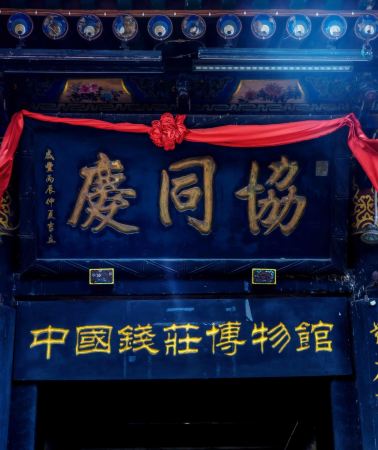
Taiyuan Shanxi Merchants Museum
No. 6 of Global Traveller-Picked Attractions in Taiyuan

Taiyuan Shanxi Merchants Museum

6.9
4.8/5
686 reviews
Taiyuan Shanxi Merchants Museum (former site of the Military Governor's Office) is located at 101 Fudong Street in Taiyuan, covering a total area of approximately 100,000 square meters with a building area of about 30,000 square meters and exhibition halls spanning roughly 18,000 square meters. Historical records indicate this site was originally the Temple of Duke Wen of Jin (Chong'er), later serving as Marshal Pan Mei's residence during the early Northern Song Dynasty, followed by provincial administrative offices. During the Jin Dynasty, it functioned as the Hedong Circuit headquarters, transformed into a provincial secretariat in the Yuan Dynasty, became the Shanxi Governor's Office in the Ming and Qing dynasties, and after the Xinhai Revolution...Shanxi Taiyuan Shanxi Merchants MuseumIt served as the Shanxi Provincial Government and Taiyuan Pacification Office. After the liberation of Taiyuan on April 24, 1949, it became the headquarters of the Taiyuan Military Control Commission. In September of the same year, following the establishment of the Shanxi Provincial Committee and Provincial People's Government, it became their office location. In the winter of 1989, the Provincial Committee relocated, and in September 2017, the Provincial People's Government moved out. The original site was then developed into the Taiyuan Shanxi Merchants Museum. In October 2019, the former Governor's Mansion was designated as part of the eighth batch of National Key Cultural Relics Protection Units by the State Council. On December 28, 2020, the Taiyuan Shanxi Merchants Museum officially opened to the public. The Taiyuan Shanxi Merchants Museum is a cultural and historical museum established on the site of the former Governor's Mansion, integrating ancient architecture, garden views, and exhibition spaces. Its permanent exhibition "The Global Shanxi Merchants" begins with the important directives from the Party Secretary during his inspection of Shanxi. Through five thematic sections—the profound foundations of the merchants' rise, their glorious dominance in domestic commerce, their miraculous financial networks spanning the world, the arduous journey of the Ten Thousand Mile Tea Road, and their patriotic spirit of benefiting society—the exhibition offers a comprehensive, multi-dimensional portrayal of Shanxi merchants during the Ming and Qing dynasties. It strives to convey historical depth, cultural richness, the value of artifacts, the authenticity of historical materials, and innovative presentation techniques.Taiyuan · 1.3km from downtown
Taiyuan Northern Qi Dynasty Mural Museum
No. 9 of Family-friendly Attractions in Shanxi

Taiyuan Northern Qi Dynasty Mural Museum

6.8
4.8/5
502 reviews
The Taiyuan Northern Qi Dynasty Mural Museum is a specialized site museum dedicated to the in-situ preservation and exhibition of tomb murals, centered around the Xu Xianxiu Tomb. Located in Yingze District, Taiyuan City, Shanxi Province, it covers a total area of 20,000 square meters, including a 3,830-square-meter exhibition hall and a 1,525-square-meter mural conservation research center. As a museum integrating history, art, and culture, it offers visitors a window to deeply explore ancient Chinese mural art and Northern Qi Dynasty culture. Currently, there are approximately 40 Northern Dynasty mural tombs nationwide, with about 20 relatively well-preserved. Most of these are Northern Qi Dynasty mural tombs. The ancient city of Jinyang in Taiyuan, Shanxi, known as a "fusion zone of Hu and Han cultures," houses a rich collection of Northern Qi mural tombs. The Taiyuan Northern Qi Dynasty Mural Museum not only features public exhibition halls but also includes a mural restoration research center. The exhibition halls are divided into three thematic spaces: "Splendor of the Secondary Capital," "A Glimpse Through Millennia," and "Elegance in Simplicity," focusing on Northern Qi murals to interpret the era's characteristics and Jinyang's pivotal role in cultural exchange and ethnic integration from the Northern Dynasties to the Sui and Tang periods. The mural restoration research center continues its preservation work at the Xu Xianxiu Tomb site, achieving remarkable results by effectively addressing various deterioration issues and stabilizing the murals in both the burial chamber and passageway. This serves as a valuable reference for in-situ mural tomb preservation both domestically and internationally. The Taiyuan Northern Qi Dynasty Mural Museum houses murals from the Lou Rui Tomb and Xu Xianxiu Tomb in Taiyuan, as well as murals from Jiuyuangang in Xinzhou and Shuiquanliang in Shuozhou. These numerous precious Northern Qi murals are renowned for their vibrant colors and vivid depictions, showcasing the social customs, religious beliefs, and artistic achievements of the Northern Qi period. Visitors can admire these artistic treasures up close in the exhibition halls, appreciating the exquisite craftsmanship and creative wisdom of ancient artisans. Beyond static displays, the museum employs modern technologies like multimedia presentations and virtual reality to digitally recreate historical scenes from the Northern Qi era, immersing visitors in the ancient society of a thousand years ago. Regularly held cultural lectures and thematic exhibitions also provide visitors with opportunities for in-depth learning and exchange. The Taiyuan Northern Qi Dynasty Mural Museum showcases exquisite murals that narrate the early formation of China's unified multi-ethnic civilization and the evolutionary process of agricultural and nomadic cultural integration. These murals serve as irreplaceable treasures for studying steppe history and culture, as well as exemplary models of East-West civilizational exchange. Whether you're an art enthusiast, history researcher, or visitors fascinated by ancient Chinese culture, you'll find a perfect journey here exploring mural artistry and experiencing cultural charm.Taiyuan · 7.1km from downtown

Experiences you can't miss in Taiyuan

Featured Culture & history in Taiyuan

View all Culture & history
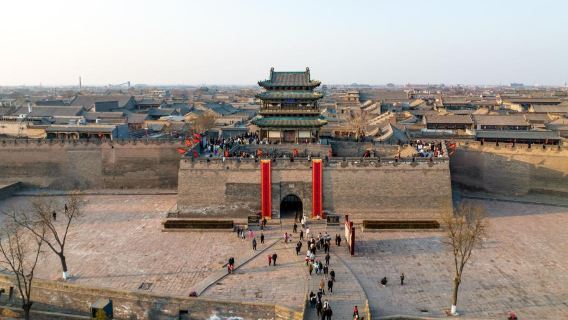
One-day tour to Pingyao Ancient City and Qiao Family Compound from Taiyuan (Jin merchant elegance · ancient city and compound tour)
󱌍
FromAED 150.07
Private tour | 1-day tour of Taiyuan (Jinci Temple Museum + Pingyao Ancient City) with independent private car door-to-door pickup
󱌍
FromAED 281.18
One-day private chartered car tour to Pingyao Ancient City, Qiao Family Compound and Shuanglin Temple in Taiyuan, Shanxi
󱌍
Duration: 3.8 hrs
English
Free cancellation
Instant confirmation
Book now for tomorrow
FromAED 427.97
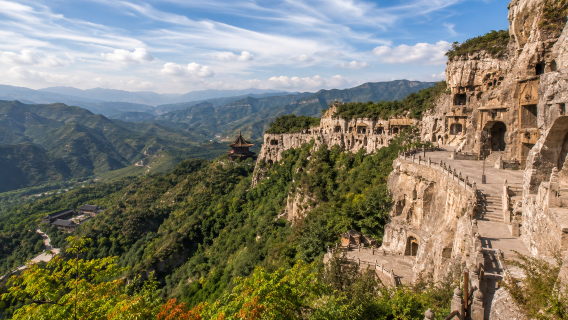
One-day private charter to Pingyao Ancient Town and Jinci Temple from Taiyuan
󱌍
Duration: 11 hrs
English
Free cancellation
Instant confirmation
FromAED 375.17
Taiyuan Botanical Garden + Jinci Museum + Shuangta Temple (Twin Pagoda Temple) + Liu Xiang 1-day tour with Chinese and English services
󱌍
5% off
Limited-time sale
FromAED 594.00AED 625.27

More things to do

Private Tours in Taiyuan

View More Private Tours in Taiyuan
Group Tours in Taiyuan

View More Group Tours in Taiyuan
Taiyuan Today's weatherClear -3-17℃
Taiyuan weather for the next 2 days11/6: -1-16℃, 11/7: 1-11℃

Free things to do in Taiyuan

What travellers say about Taiyuan

user-avatar
Anonymous user3 November 2026
5.0
Jinci Temple boasts a rich cultural heritage, truly a gem of Shanxi culture. The ancient cypress trees stand strong and vigorous, the Nanlao Spring flows gently, the Song Dynasty painted sculptures of maidens in the Holy Mother Hall are lifelike, and the Fish Pond Flying Bridge is exquisitely unique. Ancient architecture and gardens blend seamlessly, creating a tranquil environment. A guided tour is highly recommended to allow for a leisurely exploration and immersion in history. A must-see in Taiyuan, five-star recommendation!

Jinci Temple Museum

user-avatar
M34***4926 October 2026
5.0
This was my first visit to the Shanxi Museum, and I was incredibly lucky to have this elderly male guide! His voice was deep and pleasant, and his storytelling was engaging and never boring. I especially loved his method: he first laid out the historical context, then guided us through the artifacts in detail, a gradual and immersive approach that made it easy to connect with the exhibits. He meticulously explained several of the museum's most prized possessions, bringing the history of Shanxi, a land of mountains and rivers, to life. I thoroughly enjoyed the entire visit. It wasn't just rote memorization of facts; the experience was fantastic. I highly recommend having such a wonderful guide when visiting a museum!

Shanxi Museum

user-avatar
Anonymous user30 October 2026
5.0
Taiyuan Botanical Garden is definitely worth a visit. It's not just a simple park; it's a large ecological space that integrates nature exploration, photo opportunities, and relaxation. Whether you want to bring your kids to get close to nature or take beautiful landscape photos, this place has you covered. Photo enthusiasts should head to the starry sky elevator and the three greenhouses—wearing light-colored clothing will result in better photos. Families with children can visit the petting zoo, feed the swans, and enjoy a leisurely sightseeing bus tour. The best strategy is to enter the park at 3 PM to experience both the daytime and nighttime views in one go.

Taiyuan Botanical Garden

user-avatar
楚云霁月21 August 2026
4.0
The old town was rather deserted. The art exhibition was quite nice, though a bit over the top. But the park at the exit was absolutely gorgeous. Winding paths led to secluded spots, and unexpected beauty unfolded.

Taiyuan Ancient County

user-avatar
酷姐驾到28 September 2026
4.0
The vinegar-making experience presented so far is too simplistic and crude. I hope it can be further optimized to include more scientific knowledge and engaging elements. Could you explain how the fumigation method was discovered, the detailed principles behind each process, the corresponding chemical reactions, and the role of microorganisms? And how does this compare to industrial vinegar-making processes?

Donghu Vinegar Garden

user-avatar
davidsnow8 October 2026
5.0
Breathtaking view, amazing hike to the top, unreal experience and genuine atmosphere. Highly recommend

Mengshan Grand Buddha

user-avatar
Smile Ja26 October 2026
5.0
Love it.Tons of information about bronze wares and about Shanxi merchant guild.

Taiyuan Shanxi Merchants Museum

user-avatar
nfhqilan3 November 2026
5.0
I thought it was just a museum, but it turns out to be a museum built on a tomb site. The name is a bit illogical and misleading, almost making me give up on the trip. It's definitely worth a visit, but since it's on the original site, it would be more visually appealing if the murals were still displayed in the tomb passage. It's a bit of a shame that the tomb passage can only be viewed from a distance. The introductory video wasn't well-produced; the explanations weren't clearly marked, making it difficult to find the key points, and I was completely confused, so I had to give up. There weren't many artifacts.

Taiyuan Northern Qi Dynasty Mural Museum

user-avatar
U44***8025 October 2026
5.0
The guide was very enthusiastic and taught us a lot about coal. We even got to experience a mine firsthand, which made us appreciate the hardships of coal miners and their great dedication. The young guide also took many photos for us. Thank you for your patient explanation.

The Coal Museum of China

Trip Moments in Taiyuan

Popular cities near Taiyuan

Frequently asked questions

How can I contact Trip.com customer support?

Get help anytime, anywhere within 30 secondsContact customer support

Change and cancellation policies vary by attractions and tours. Please check the product details page for more information.

Ticket prices may vary between weekdays and weekends, as well as during peak and off-peak seasons. When booking with Trip.com, you can also use Trip Coins to get extra savings. For more tips on booking discounted tickets, please visit Trip.com for the latest information.