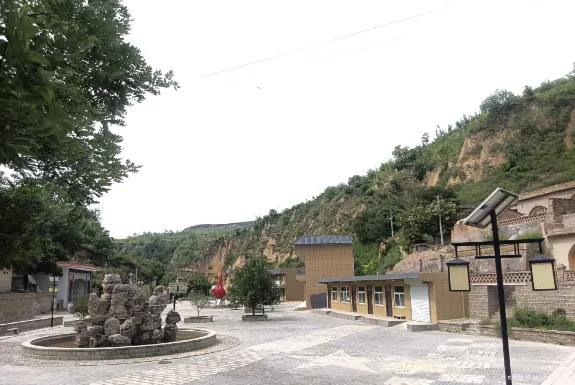
Wuqi

Things to do in Wuqi

Search attractions or local attractions & tours
Search

Explore top experiences

Top 10 attractions in Wuqi

View all Attractions
Emperor Qinshihuang's Mausoleum Site Museum
2026 Global 100 - Best Things to Do

Emperor Qinshihuang's Mausoleum Site Museum

10
4.7/5
150.8k reviews

Emperor Qinshihuang's Mausoleum Site Museum is a large site museum built on the site of the Terracotta Army pits, which are located approx. 1.5 km east of the mound of Emperor Qinshihuang's Mausoleum. In March 1974, farmers from Xiyang Village accidentally unearthed fragments of terracotta figures while digging a well, and archaeological exploration confirmed Pit 1; in 1976, Pits 2 and 3 were successively discovered to the north of Pit 1. This army, which had slumbered for over 2,000 years, was thus brought back to light, and the discovery of the Terracotta Army has been hailed as "one of the great discoveries in the history of 20th-century archaeology." Pit 1 is the main military formation among the three pits, stretching over 200 m from east to west, with an estimated 6,000 pottery figurines and horses buried inside. Standing at the edge and looking down, armored warrior figurines, war chariots, and pottery horses are arrayed eastward in battle formation. A closer look at each figure reveals different facial shapes, hairstyles, beards, and even hand gestures. The figurines were originally painted all over, but most of the paint has peeled off and discolored due to fire and long burial. Pit 2 is L-shaped, with crossbowmen, cavalry, and charioteers arranged in a mixed formation; the vividly expressive kneeling archer was unearthed here. Pit 3 is small in scale, and scholars believe the ceremonial guard figurines and war chariots unearthed there indicate it served as the command center—known in ancient times as a "military tent"—directing the formations in Pits 1 and 2. The bronze swords, pi halberds, spears, crossbow triggers, and large quantities of arrowheads unearthed from the pits—many still sharp after more than 2,000 years—demonstrate the sophistication of Qin dynasty metallurgy. The Emperor Qinshihuang's Mausoleum Site Museum and the Qin Shi Huang Mausoleum at the foot of Mount Li were originally one integrated whole. After Qin Shi Huang ascended the throne at the age of 13, he began constructing the mausoleum, conscripting hundreds of thousands of laborers over a period spanning more than 30 years; the terracotta army, which replaced human sacrifice with figurines, served as the underground guard for this imperial mausoleum. To avoid the crowds during your visit, you might want to see Pit 3 and Pit 2 first, and then take your time to experience the awe-inspiring scene of Pit 1 last. After viewing the terracotta pits, you can also take the attraction's shuttle bus to Lishan Garden, where Emperor Qinshihuang's mausoleum is located; the Acrobats Pit, the Civil Officials Pit, and the Bronze Chariots and Horses Museum are all within the garden. The two painted bronze chariots and horses, cast at half the scale of real chariots, are exquisitely crafted with brilliantly gleaming gold and silver fittings, and are well worth a special trip to see.

China · Xi'an
The Hukou Waterfall Scenic Area
No. 4 of Best Things to Do in Shanxi

The Hukou Waterfall Scenic Area

8.5
4.7/5
22.7k reviews

The Hukou Waterfall Scenic Area is located in the Jin-Shaan Grand Canyon in the middle reaches of the Yellow River and is the Shanxi-side section for viewing Hukou Waterfall. As the Yellow River rushes here, its surface suddenly narrows from several hundred meters wide to just a few dozen meters. The water, laden with silt, churns and pours down like water being poured into a giant kettle, which is how the name "Hukou" (Kettle Mouth) came to be. This is a rare yellow waterfall on the Yellow River, with muddy waves surging skyward and a roar like thunder, displaying magnificent momentum. The attraction is located on the east side of the waterfall, where the bank is relatively low, allowing visitors to look up and take in the full panorama of the Yellow River plunging downward. Below the waterfall, mist rises and fills the air, appearing like smoke or clouds from afar and creating the wondrous sight known as "smoke rising from the water"; on clear days, sunlight refracts through the mist to form a rainbow arching across the river, called "rainbow reaching the heavens." Within the attraction, Dragon Cave is a natural stone cave; following the stone steps down leads to a viewing platform close to the waterfall, where you can look up as the river pours down from above—an ideal spot to feel the force of the waterfall up close. Downstream from the waterfall, the Ten-Mile Dragon Trough is a deep channel formed by the river's long-term erosion of the riverbed; in the dry season, the trough floor is wide and flat, and ancients once used this terrain to haul boats along the bank, leaving behind the unique scene known as "sailing on dry land." Further downstream is Mengmen Mountain, where two huge rocks in the river split the Yellow River in two before the streams merge again; carved on the rock face are the four characters "Wo Zhen Kuang Liu" (Resting Here, Quelling the Raging Flow). The view of Hukou Waterfall is distinctive in each of the four seasons. Every year between April and May, peach blossoms bloom and the ice melts, coinciding with the "March peach blossom flood," when the abundant water volume makes the waterfall particularly spectacular. From September to November, the air is crisp in fall, and rainbows often appear in the mist, a phenomenon known as the "Hukou fall wind." Water volume is greater in spring and fall, and the sound of the water striking the rocks is like thunder, making these the best periods to admire the waterfall. The image of Hukou Waterfall once appeared on the CNY 50 banknote of the fourth series of the renminbi, making it a widely recognized classic symbol of Yellow River culture.

China · Ji County
Shapotou Scenic Area
No. 1 of Best Things to Do in Ningxia

Shapotou Scenic Area

8.3
4.8/5
39.1k reviews

The scenic spot is located 16 kilometers west of Zhongwei City, Ningxia, on the southeastern edge of the Tengger Desert. The scenic spot has successively won honors such as "the first batch of national 5A-level tourist attractions", "the top 500 global environmental protection units", and "the first batch of national tourism standardization demonstration units". The three major cultural elements of the scenic area include the "Yellow River Culture" based on the intangible cultural heritage sheepskin rafts, the "Desert Culture" based on straw grids and Desert Legend Park, and the "Starry Sky Culture" based on the Desert Star Hotel. The tourism resources of these three elements have created a unique and magnificent landscape of "sunset over the long river and starry sky in the desert". The "six major ways to play" are highly praised and loved by tourists. Among them, the Yellow River projects include sheepskin rafting, Huangtengda, Yellow River speedboat, drift boat, passionate sandboarding and high-altitude bungee jumping, etc. The desert projects include Desert Camel, Desert Flying (Stepping into the Blue Clouds), and Sand Sea. Surfing, etc., starry sky projects include stargazing lectures, meteor feasts, sand therapy experiences, star cakes and other special products. In addition, there are also privately customized products for hiking, desert expansion, and educational and entertaining study experiences. The scenic area not only has diverse cultural elements and fun project experiences, but also multi-level accommodation experiences waiting for you: the butler-style Diamond Hotel, the quiet Desert Star Hotel for stargazing, the quiet Yellow River Courtyard in the bustling city, and finally the economical and affordable business-style Tourist Service Center Hotel and other differentiated tourist accommodations for you to choose from.

China · Zhongwei
Hukou Waterfall tourist area of the Yellow River
No. 8 of Best Things to Do in Shaanxi

Hukou Waterfall tourist area of the Yellow River

8.3
4.6/5
18.2k reviews

The Hukou Waterfall tourist area of the Yellow River is located on the riverbed of the Yellow River in the Qin-Jin Grand Canyon, where the provinces of Shanxi and Shaanxi face each other across the river. The main stream of the Yellow River, originally hundreds of m wide, suddenly narrows to dozens of m and plunges into a deep trough with a drop of 20–30 m, resembling water being poured from a giant pot—hence the name "Hukou" (Pot Mouth). Due to the large amount of sediment carried by the river, the waterfall presents a rare golden-yellow view: the turbid waves roar down with a sound like distant thunder rolling through the valley, while the rising mist lingers before the cliff, earning the nickname "smoke rising from the water." On sunny days, sunlight casts a rainbow over the waterfall, known as "a rainbow playing in the water." The mist may drench visitors even without wind or rain, creating the wonder called "rainfall under a clear sky." Hukou waterfall is regarded as the symbol of the "soul of the Yellow River" and the spirit of the Chinese nation. In 1938, when poet Guang Weiran crossed the Yellow River, he witnessed the roaring waves of Hukou and the boatmen's chants, which inspired him to create the now-legendary Yellow River Cantata. Liang Heng's essay of the same name was selected for middle school Chinese textbooks, and the back of the fourth series CNY 50 banknote also features this scene. Many first learned about it through textbooks and currency before visiting in person. In the past, cargo ships had to leave the water and bypass the waterfall here, leaving behind the maritime memory of "sailing on dry land." The scenery here varies with the seasons: In early spring, the upstream ice melts and the water level rises sharply, coinciding with the blooming of mountain peach blossoms on both banks, known as the "March peach blossom flood." In midsummer, the rainy season brings abundant water, with muddy waves towering into the sky. After fall begins, the rainy season subsides, and the water becomes high and steady. As the fall breeze sweeps by, rainbows often appear, earning the name "Hukou autumn breeze." In deep winter, layers of ice form along the banks, and overflow freezes into inverted ice peaks, glistening under the sunlight, creating the spectacular "upside-down ice peaks." The viewing platform on the Shaanxi side stretches along the cliff top on the western bank, offering a commanding view of the "thousand-mile Yellow River funneled into one pot" and the ten-mile-long Dragon Trough below the waterfall. During high-water seasons, the mist is heavy, and clothes get soaked quickly, so remember to protect your camera and phone; the boardwalk is slippery, so watch your step while walking and taking photos.

China · Yichuan
Little Western Paradise
No. 8 of Best Things to Do in Shanxi

Little Western Paradise

8.2
4.8/5
7.1k reviews

Little Western Paradise is perched atop Phoenix Mountain in Xi County, Linfen, Shanxi Province. This Buddhist temple, originally named the Thousand Buddha Nunnery, was established during the Chongzhen era of the Ming Dynasty. It earned its initial name from the thousand Buddha statues enshrined in its Main Hall of the Great Hero. Later, it was renamed due to the inscription "Entering the Western Paradise" above its gate and to distinguish it from another ancient temple, "Great Western Paradise," located south of the city. Surrounded by mountains on three sides and facing a river in front, the temple is compact yet ingeniously laid out across its upper and lower courtyards. Ascending the stone steps and passing through the secluded "Heavenly Grotto" corridor evokes a sense of gradually entering a Buddhist paradise. The upper courtyard centers around the Main Hall of the Great Hero, flanked by the Manjusri Hall and Samantabhadra Hall. The Main Hall is the temple's crowning jewel: within its modest 100-square-meter space, nearly 2,000 suspended sculptures adorn niches, gables, beams, and rafters, transforming the hall into a museum of suspended sculpture art. Five interconnected niches dominate the rear wall, housing the Medicine Buddha, Amitabha, Sakyamuni, Vairocana, and Maitreya seated on lotus thrones, with ten principal disciples standing beside them. The southern wall depicts Buddhist narratives featuring the Four Sages and Four Heavenly Kings, while the northern wall portrays the 33 celestial palaces of Mount Sumeru. Flying apsaras, divine birds, and musician bodhisattvas dance among clouds on the beams, their gilded polychrome surfaces retaining vibrant hues after centuries. This rare collection of late Ming to early Qing suspended sculptures has gained wider recognition since the temple became a filming location for the popular game Black Myth: Wukong, attracting many travelers for dedicated visits. The lower courtyard also rewards exploration: the Immeasurable Hall faces east, where dozens of bronze Buddha statues interplay with wooden celestial palaces in what was once the monks' meditation hall. Opposite stands the Skanda Hall, housing a single nanmu-carved statue of Skanda. The temple also preserves thousands of volumes from the Yongle Northern Canon, a Ming imperial gift. Visitors are advised to spend extra time in the Main Hall—dim lighting requires slow, upward gazes to appreciate the intricate details of the high-placed sculptures. After exploring both courtyards, one can ascend Solitary Paulownia Peak via the "Seemingly No Path" route behind Skanda Hall, where the Cloud-Touching Pavilion offers panoramic views of the rural landscape below.

China · Xi County
Xixia Imperial Tombs
No. 1 of Best Things to Do in Yinchuan

Xixia Imperial Tombs

7.8
4.6/5
9.1k reviews

Xixia Imperial Tombs, located in the western suburbs of YinchuanHelan MountainsLocated at the foot of the mountain, it is the royal tomb complex of the Xixia dynasty, where several emperors of the Xixia dynasty were buried. The entire tomb area now contains 9 imperial tombs and about 270 satellite tombs, making it one of the largest royal tomb complexes in Chinese history. The shape of the tombs is different from that of other Chinese tombs, resembling an inverted steamed bun. In addition, the attraction also features facilities and venues such as the Xixia Imperial Tombs Museum, the Xixia Imperial Tombs - Xixia History and Art Gallery, and the Xixia Stele Forest, helping visitors understand the history and culture behind the tombs. The attraction currently has tomb no. 3 and others open for visitors. Tomb no. 3 (the "Tai Tomb" of Li Yuanhao, the founding emperor of Xixia) is relatively close to the Xixia Imperial Tombs - Xixia History and Art Museum and the Xixia Stele Forest. The Xixia dynasty was established by the Tangut people, whose writing and customs differed from those of the Han Chinese in the Central Plains. After the dynasty fell, the cities and history of Xixia mysteriously vanished into the Gobi Desert, becoming an enduring mystery of the ages, and were not discovered and deciphered until modern times. The Xixia Imperial Tombs Museum houses a rich collection of artifacts from the Xixia dynasty, among which many stone carvings in Xixia script and murals with Xixia style are treasures. The free guided tours inside the museum are also excellent, helping visitors understand the customs, culture, and rise and fall of the mysterious Xixia dynasty, and allowing for a more meaningful visit to the imperial tombs. On July 11, 2025, the Xixia Imperial Tombs were officially inscribed on the World Cultural Heritage List. Within the attraction, you can walk up close to visit the Haowang Tomb. The massive inverted semicircular mausoleum stands upon the barren land, bringing the weight of history vividly before your eyes, while in the distance theHelan MountainsThe foothills are crisscrossed by ravines and gullies, evoking a sense of desolate grandeur and the vicissitudes of time. The Xixia Imperial Tombs Museum within the attraction has newly opened. Its exhibits are divided into six sections: Xixia history, Xixia culture, Xixia religious art, Xixia social economy, the Xixia Imperial Tombs, and protection and inheritance. Nearly 5,000 items are on display, including thangkas, documents, clay sculptures, bronze and iron wares, textiles, and porcelain, among which are a large number of fine artifacts unearthed during archaeological research on the Xixia Imperial Tombs in recent years.

China · Yinchuan
China West Film Studio
No. 1 of Family-friendly Attractions in Yinchuan

China West Film Studio

7.7
4.5/5
20.1k reviews

Zhenbeibao Western Cinema is located in Xixia District, Yinchuan City. In this studio, which is characterized by simplicity, roughness and desolation, classic films such as "Wrangler", "Red Sorghum", "Journey to the West", "Thorn Mausoleum", "Jin Yiwei" and hundreds of influential film and television films were filmed. In the remaining part, a large number of celebrities from the Chinese film industry have left their footprints here, such as Gong Li, Jiang Wen, Zhang Yimou, Ge You, Zhou Xingchi, Donnie Yen and so on. The cinema consists of three parts: Mingcheng, Qingcheng and Old Yinchuan Street. Tourists can visit the cinema along the "figure 8" route of Old Yinchuan Street. Here, you can see the appearance of Yinchuan in the first half of the 20th century, and eat local traditional snacks such as mutton soup. The Ming and Qing cities in the film city were rebuilt from the military castles left over from the Ming and Qing dynasties. In the Ming and Qing cities, you can see many familiar movie scenes, such as: the gate tower where Sun Wukong and Fairy Zixia are standing in "Journey to the West", the throne of the Bull Demon King, the torture platform of the Tang monk; and the movie "Journey to the West" The Moon Gate in "Red Sorghum", the winemaking workshop where "My Grandpa" urinated after being drunk, the sedan chair that Jiu'er took when he got married, the big vat for wine, and the bowls. There are costumes and props for rent in many places in the studio. Here, you can wear a set of costumes in the play, use the props in the movie, and walk around the scenes of the movie to live the addiction of being a star. Before going to Zhenbeibao Western Studios, you can revisit a few classic movies first, and then go to visit, you will have a different feeling.

China · Yinchuan
Wuqi Today's weatherCloudy -6-14℃
Wuqi weather for the next 2 days11/13: -2-14℃, 11/14: 3-14℃

Free things to do in Wuqi

What travellers say about Wuqi

user-avatar
扶疏子3 March 2020
5.0
The Central Red Army Long March Victory Memorial Park is located in Wuqi County, an old revolutionary base in northern Shaanxi, and was built at the site of the "Tail Cutting Campaign" at Shengli Mountain. Construction began in 2007. The memorial park mainly includes the Central Red Army Long March Victory Monument, the Central Red Army Long March Victory Memorial Hall, the Red Army Martyrs Cemetery, etc., covering an area of ​​4.2 square kilometers.

Central Red Army Long March Victory Memorial Park

user-avatar
_TI***2511 November 2026
5.0
We had a wonderful experience visiting the Terracotta Army! Our guide, Jackie, was absolutely amazing – very friendly, knowledgeable, and informative. He speaks excellent English, which made everything easy to understand and follow. He explained the history and interesting details in a clear and engaging way, making the visit even more enjoyable. We highly recommend this experience, especially with Jackie as your guide!

Emperor Qinshihuang's Mausoleum Site Museum

user-avatar
刘闲人10 June 2022
5.0
The Wuqi Revolutionary Site is located at the southwestern foot of Yanwo Mountain in Wuqi County, Yan'an City, Shaanxi Province. The Central Committee of the Communist Party of China led the Shaanxi-Gansu Detachment of the Chinese Workers' and Peasants' Red Army to Wuqi Town in the Shaanxi-Gansu Revolutionary Base. Here, the Central Committee of the Communist Party of China made a series of milestone decisions for the Chinese revolution, and the Chinese revolution opened a new situation towards great victory.

Wuqi Town Revolutionary Site

user-avatar
Anonymous user7 November 2026
5.0
The awe-inspiring power of Hukou Waterfall can only be truly appreciated in person. Gazing at the roaring Yellow River, the melody of the Yellow River Cantata involuntarily echoes in my mind.

The Hukou Waterfall Scenic Area

user-avatar
M30***5711 November 2026
5.0
The Shapotou Scenic Area boasts a unique landscape where the Yellow River flows alongside the desert, creating stunning photo opportunities and vividly recreating the poetic imagery of Wang Wei. Enjoy a leisurely ride on sheepskin rafts on the Yellow River, accompanied by boatmen singing folk songs; a variety of activities are available, including sandboarding, zip-lining, camel riding, and desert buggy rides, offering both thrills and relaxation. The desert sunsets are breathtaking, making it a perfect spot for photos and family outings.

Shapotou Scenic Area

user-avatar
吻太阳6 November 2026
5.0
The guesthouse is very close to the scenic area, only a ten-minute drive away. There was a short stretch of road under construction when I arrived, but the owner called ahead to let me know. Upon arrival, the owner also helped with my luggage – the service was excellent! The rooms were clean and hygienic, the facilities were complete, and the food was delicious. I would definitely come again and recommend it to family and friends. I wish the owner and their family great success in their business!

Hukou Waterfall tourist area of the Yellow River

user-avatar
Anonymous user7 November 2026
5.0
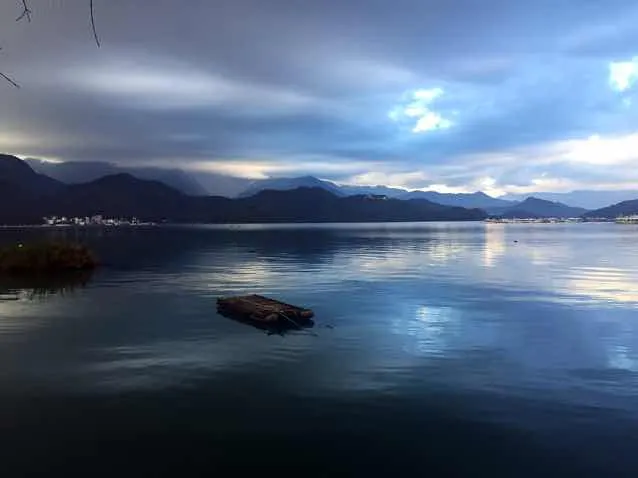
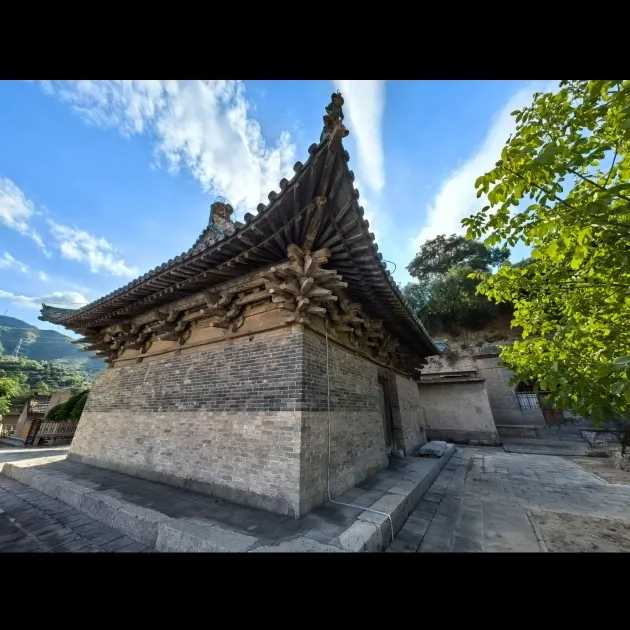
Although the suspended sculptures at Xiaoxitian are only works from the late Ming and early Qing dynasties, they are still breathtaking when you visit in person. I entered the hall in the morning and saw the sunlight shining on the sculptures, making the trip worthwhile. I recommend visiting when there are fewer people and more sunshine, so you can take your time to appreciate them. The experience is definitely different from that during peak season.

Little Western Paradise
user-avatar
_We***9125 October 2026
5.0
I booked free admission for Mondays, but I still needed to buy a shuttle bus ticket, which didn't apply to the number of tombs I visited. Normally, you first visit the Western Xia Imperial Tombs Museum to learn about that period of history, then walk along a rather long path to take the shuttle bus. Generally, you visit Tomb No. 3 first, then take the shuttle bus and horse-drawn carriage to Tomb No. 4, and then take the shuttle bus back to the starting point. The overall route was smooth, and the shuttle bus service was quite timely. However, the distance from the entrance to the shuttle bus station is a bit far, which might be inconvenient for disabled or elderly tourists. Overall, it was a good experience.

Xixia Imperial Tombs
user-avatar
爱笑的大大君君8 November 2026
5.0
Recommended. The entire trail is about 10 kilometers long. The Danxia landform is incredibly stunning and unique, especially under the bright sunshine; the dazzling effect is like stepping onto another planet. However, it gets crowded, the entrance is a bit cramped, and parking took quite a while.

The Wave Valley Scenic Area

user-avatar
月无痕gz5 November 2026
4.0
Zhenbeibao Western Film Studio, nestled at the foot of Helan Mountain, exudes the unique desolation and ruggedness of Northwest China. The ancient rammed earth castle, weathered and imposing, served as a filming location for movies like "A Chinese Odyssey" and "Red Sorghum." Strolling through the Ming Dynasty city, Qing Dynasty city, and Old Yinchuan Street, every wall and tile holds stories from classic films. No need for elaborate filters; every snapshot is a masterpiece of atmosphere. Perfect for those who love nostalgia and photography, offering an immersive experience of the unique charm of the martial arts world.

China West Film Studio

Trip Moments in Wuqi

Popular cities near Wuqi

Frequently asked questions

How can I contact Trip.com customer support?

Get help anytime, anywhere within 30 secondsContact customer support

Change and cancellation policies vary by attractions and tours. Please check the product details page for more information.

Ticket prices may vary between weekdays and weekends, as well as during peak and off-peak seasons. When booking with Trip.com, you can also use Trip Coins to get extra savings. For more tips on booking discounted tickets, please visit Trip.com for the latest information.