
Things to do in Yushu Prefecture
What's trending in Yushu Prefecture
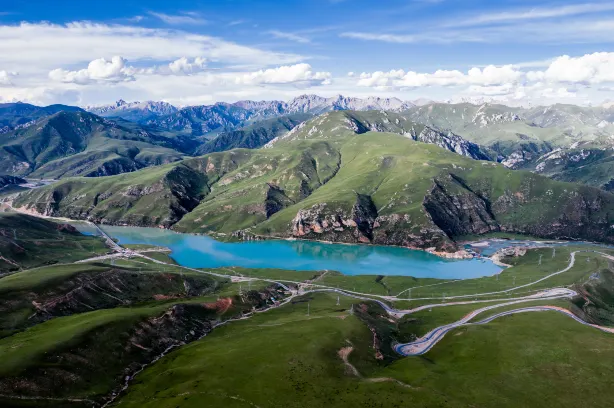
- Sanjiangyuan National Park: Explore Sanjiangyuan and feel the Tibetan Plateau’s heartbeat
Explore top experiences
Top 10 attractions in Yushu Prefecture

Experiences you can't miss in Yushu Prefecture
Featured SIM card in Yushu Prefecture
View all SIM card
4.6/5
· 77.9k reviews· 2.4mil bookedFree cancellation
Book now for today
Fast-selling Wi-Fi & SIM cards
50% off
Limited-time sale
FromSAR 0.33SAR 0.66

4.6/5
· 35.6k reviews· 1.1mil bookedFree cancellation
Book now for today
Fast-selling Wi-Fi & SIM cards
50% off
Limited-time sale
FromSAR 0.33SAR 0.66

4.6/5
· 24.9k reviews· 715.4k bookedFree cancellation
Book now for today
90.5% of travelers recommend
50% off
Limited-time sale
FromSAR 0.30SAR 0.61

4.5/5
· 12.3k reviews· 311.8k bookedFree cancellation
Book now for today
Fast-selling Wi-Fi & SIM cards
50% off
Limited-time sale
FromSAR 0.30SAR 0.61

4.6/5
· 10.8k reviews· 296k bookedFree cancellation
Book now for today
Selling fast
50% off
Limited-time sale
FromSAR 0.30SAR 0.6

4.7/5
· 6.4k reviews· 175.1k bookedFree cancellation
Book now for today
91.9% of travelers recommend
50% off
Limited-time sale
FromSAR 0.30SAR 0.6

4.6/5
· 2.7k reviews· 74.2k bookedFree cancellation
Book now for today
90.6% of travelers recommend
50% off
Limited-time sale
FromSAR 0.30SAR 0.6

4.5/5
· 12.4k reviews· 376.1k bookedFree cancellation
Book now for today
3.57k bookings in 7 days
50% off
Limited-time sale
FromSAR 0.30SAR 0.61
Yushu Prefecture Today's weatherClear -16-7℃
Yushu Prefecture weather for the next 2 days11/28: -14-9℃, 11/29: -13-10℃
Free things to do in Yushu Prefecture
What travellers say about Yushu Prefecture

M29***5112 June 2025
5.0
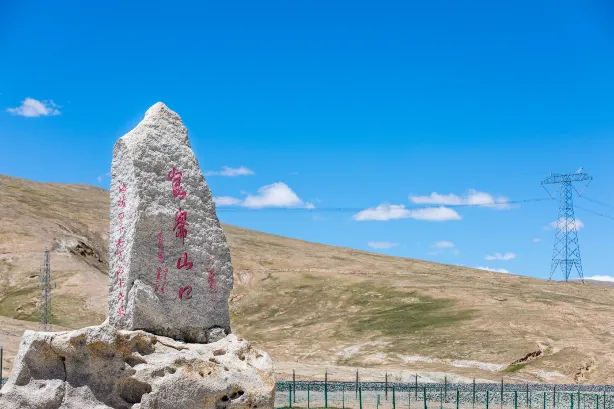
Kunlun Mountain has a prominent position as the "ancestor of all mountains" in the cultural history of the Chinese nation. The ancients called Kunlun Mountain the "ancestor of dragon veins" in China. Chen Yi's poem "Ode to Kunlun Mountain" says: "Kunlun's courage is so great that it is not famous for its hills and valleys." Kunlun Mountain is like an old man who has experienced many vicissitudes of life, bathing in the wind and wind all his life, and silently reading the spring and autumn. Summer vacation is coming soon. Friends who like self-driving tours can start from Xining along the "Gansu-Qinghai Grand Loop", along National Highway 109 or Beijing-Tibet Expressway, and rest for one night after arriving in Golmud, and set off the next day. Along the way, there are "Nachitai Hot Spring", Taoist Palace "Wuji Dragon and Phoenix Palace", "Khekexili" and other attractions.
Kunlun Mountain Pass

非凡轶生4 August 2023
5.0
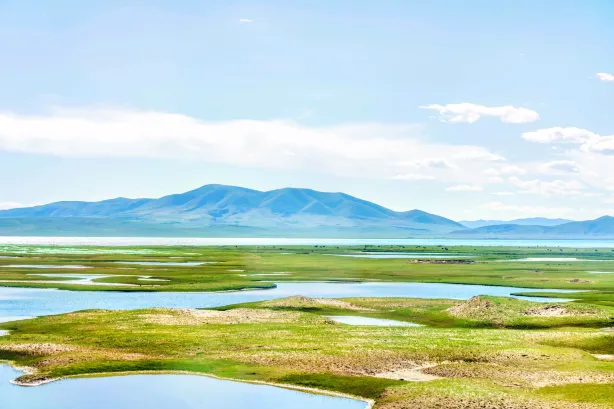
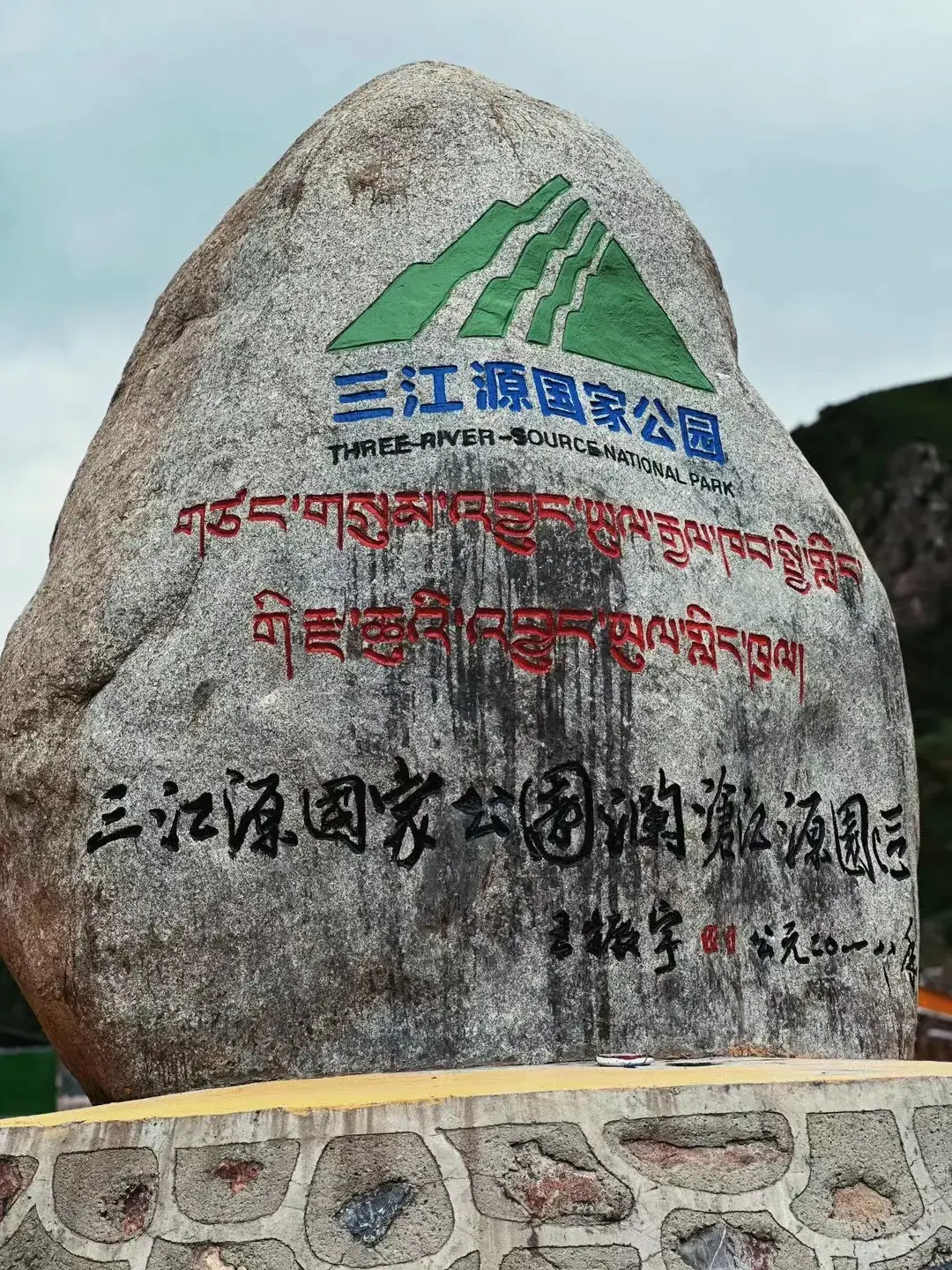
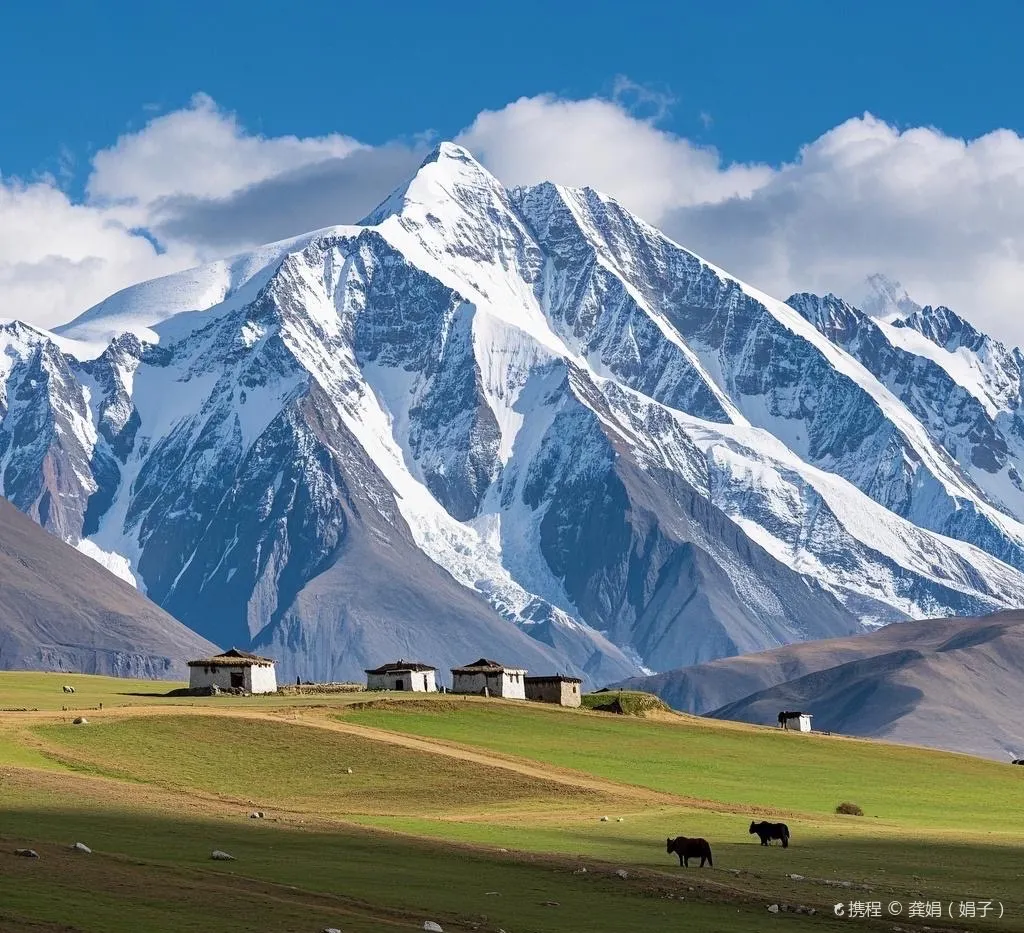
The Sanjiangyuan National Nature Reserve is located in the heart of the Qinghai-Tibet Plateau and southern Qinghai Province. As of February 2020, it has a total area of 123,100 square kilometers. It has jurisdiction over 12 townships and 53 administrative villages. It is the source of the Yangtze River, the Yellow River, and the Lancang River. It is known as the Chinese Water Tower and the Asian Water Tower. [1] It is the largest nature reserve in China; the highest natural wetland in China; and the nature reserve with the most concentrated biodiversity in the world's high-altitude areas.
Sanjiangyuan National Nature Reserve

M28***8618 December 2024
5.0
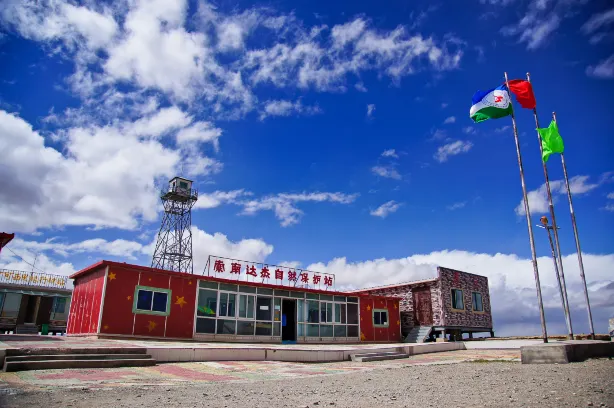
It is a very worthwhile attraction to visit. The snow-covered nature reserve has Tibetan antelopes, Tibetan wild donkeys, eagles, and if you are lucky, you can also see wild yaks and wild wolves. Sanjiangyuan International Park and the Sonam Darje Conservation Station are built to commemorate Sonam Darje's efforts to protect the Tibetan antelope, which makes people stand in awe.
Sonam Dargye Protection Station

M52***8317 January 2025
5.0
Jiegu Temple is located on Jiegu Mountain in Jiegu Town, Yushu, at an altitude of more than 3,700 meters. Jiegu Temple has a long history and profound origins. It is the largest Tibetan Buddhist temple in Yushu. The main buildings of Jiegu Temple are the cathedral, the Buddhist hall, the pagoda, etc. Standing on the top of Jiegu Temple and looking far into the distance, the green mountains are surrounded by clouds and mist, and the winding water of Batang River is like a ribbon, passing through Jiegu Town, connecting King Gesar Square, Jiegu Temple Town, and Yushu State Museum.
Jiegu Temple
GY悠然游24 May 2025
5.0
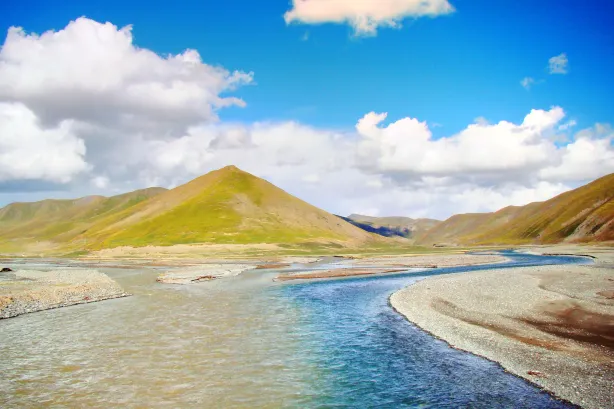
五月初夏,青藏高原景色怡人,波浪起伏的山峰白雪皑皑,星罗棋布的湖泊碧水如镜,黄色茫茫的草地一眼望不到边。被称为世界屋脊与亚洲水塔的青藏高原,全世界海拔最高,面积最大,气候独特,辐射墙,日照多,气温低,多夜雨,日夜温差大,冬季风大干燥,夏季温凉多雨,推荐5-10月去旅行较好。
Qinghai-Tibet Plateau
CD云上12 April 2021
4.0
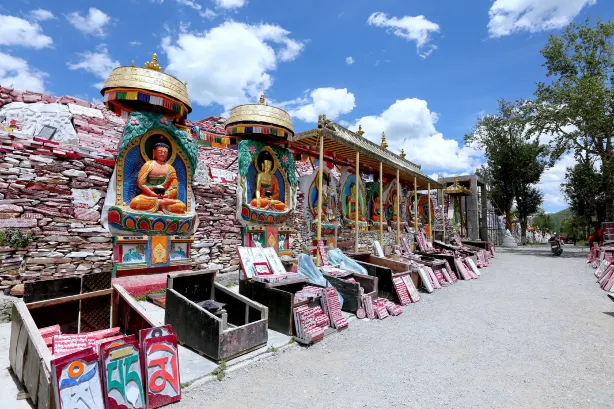
We flew to Yushu Station and went to the Mani Stone Pile, also known as the Jianamani Stone Scripture City, the next day. The two places are together. When I looked at the map, I thought they were different places. The Mani Stone Pile was built to commemorate the religious culture left by the Yushu earthquake. All of them are made up of Tibetan stone carvings of the six-character mantra. The whole scene is quite shocking. Here, people are materially poor, but spiritually rich. The power of faith is admirable.
Gyanak Mani in Xinzhai

不可触碰撞的鱼25 September 2020
5.0
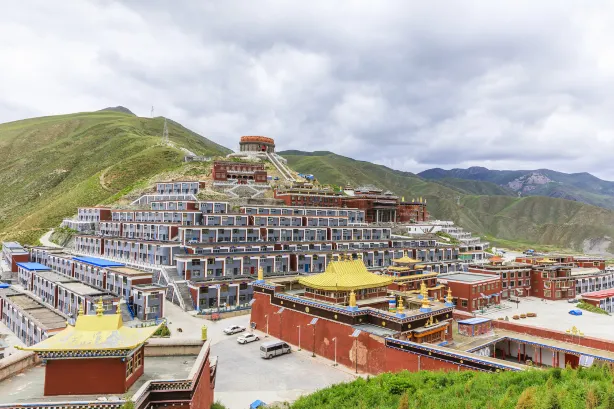
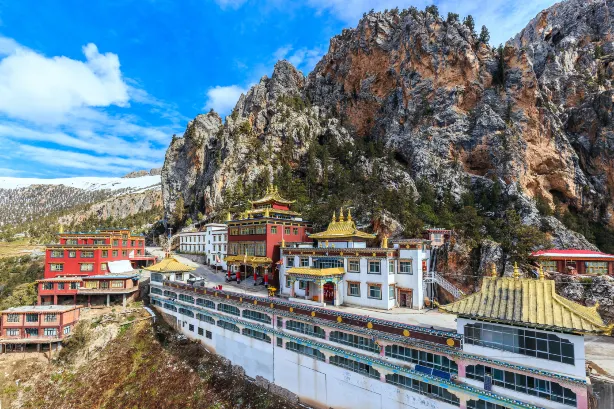
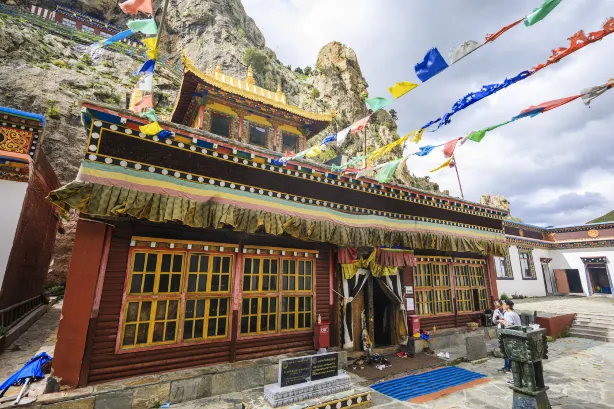
Gar Monastery is located in Nangqian County, Yushu Tibetan Autonomous Prefecture, Qinghai Province. It is located on a mountain with an altitude of more than 3,700 meters and is divided into the upper and lower temples. The north side of the mountain is full of strange peaks and cliffs, and the wind is cold, but the south side is slightly sloping and warm and sunny. The hundreds of buildings of Gar Monastery are irregularly distributed on this large hillside on the south side of the mountain, from bottom to top, until the top of the mountain. Gar Monastery has a history of nearly 1,000 years. It is said that more than 700 years ago, Guru Padmasambhava practiced in this town. The treasure of the town is a pair of peculiar prayer wheels, which are said to be the dowry brought by Princess Wencheng when she married Songtsen Gampo in Tibet. During this long time, this pair of prayer wheels placed in the upper temple of Gar Monastery were turned day and night by two lamas on duty. The constantly turning prayer wheels have accompanied the Tibetans deep in the plateau through thousands of years of wind and rain. The peaks around the Gar Monastery are of various shapes, some like balls, some like pillars, some like doors, some like walls, and some rocks like various animals. There are fewer trees on the top of the mountain, and occasionally encountering a few trees is enough to make people marvel. These weathered pines and cypresses, each with a unique shape, beautiful posture, vigorous branches and leaves, and strong character, survive tenaciously in the narrow cracks of the strange rocks, fully demonstrating the beauty of life in nature. There are also colorful prayer flags flying in the wind, draped all over the mountain, entangled everywhere, one after another, until the top of the mountain. Looking around from the upper temple of Gar Monastery, you can see that the mountains have become lower, the trees are far away, the road is like a snake dance, the house is like a box, the water is like a mirror, and the clouds are like flowing smoke. When you are there, you will feel a hundred feelings. The geographical location of Gar Monastery is relatively remote, with only about 10 households around it. Except for monks, few people come here. Gar Monastery currently has three living Buddhas. As the monks in the monastery have always adhered to the Buddhist idea of great compassion and equality of life, they have lived in harmony with the animals in the mountains for many years and never killed them. There are many higher animals such as macaques, stone sheep, roe deer, yellow sheep, sika deer, elk, foxes, wolves, snow leopards and nearly 100 bird species such as snow chickens, pheasants, golden pheasants, eagles, vultures, and owls living here. On the road of about 76 kilometers from Nangqian to Gar Monastery, there are alpine grasslands, ancient salt ponds, virgin forests, and forest streams. The most rare is that this section has a canyon forest landscape rarely seen on the Qinghai-Tibet Plateau. Starting from Nangqian, drive along National Highway 214 to 1024 kilometers and turn south to enter the gravel road to Baizha Forest Farm. Continue for about 25 kilometers, and then go west to enter the Barong Valley (also known as Gar Monastery Canyon). Drive about 15 kilometers to the end of the canyon. The road to Gar Monastery is rugged and difficult to travel, and it is even more muddy and difficult to travel in the frequent rainy days in summer, so it is best to drive an off-road vehicle. If you want to fully appreciate the cultural customs of Gar Monastery, appreciate the nearby natural scenery, and have close contact with wild animals, you need to stay in the local area. You can stay in Bamai Township not far from the entrance to Baronggou, or you can stay in the unoccupied houses of the monastery.
Ga'er Temple

亲亲股太乐18 January 2023
5.0
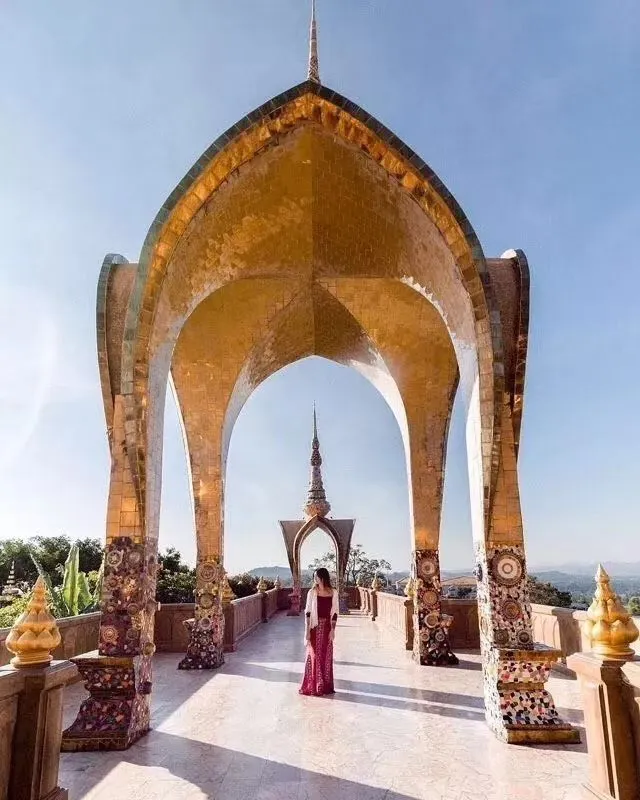
Princess Wencheng and Songgan Zangbu are a famous period in Chinese history, and there is their sacred castle in the remote Tibetan area. People who travel here like to come here to take a look. Feel this beautiful moment.
yu shu shi wen cheng gong zhu ji nian guan
Geographer18 February 2021
5.0
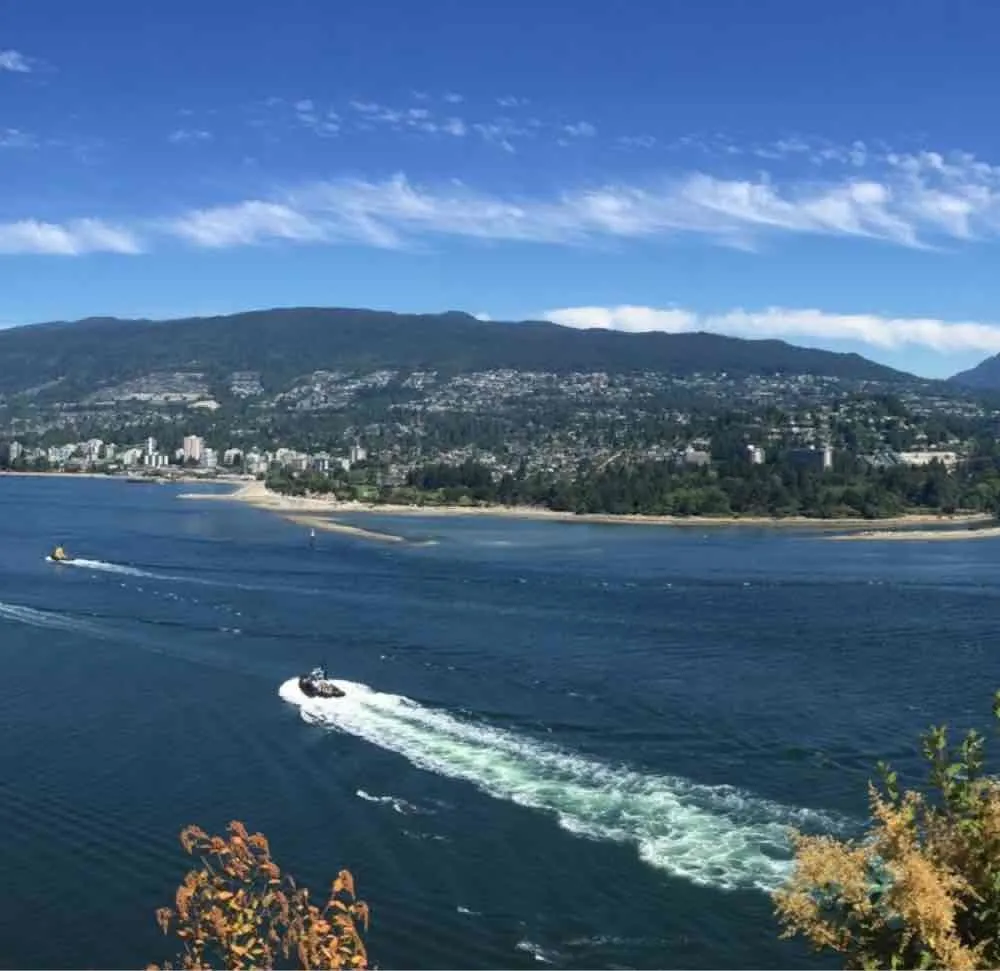
Tongtian River, a very familiar name, is located in Hoh Xil. The impression of Tongtian River in my mind is still the Tongtian River in Journey to the West. Now I am fortunate to come to and cross the Tongtian River by driving along the Qinghai-Tibet Line. The scenery is very beautiful.
Tongtian River
Trip Moments in Yushu Prefecture


Popular cities near Yushu Prefecture


Frequently asked questions
How can I contact Trip.com customer support?
Get help anytime, anywhere within 30 secondsContact customer support
Can I change or cancel my booking?
Change and cancellation policies vary by attractions and tours. Please check the product details page for more information.
How can I get discounted prices?
Ticket prices may vary between weekdays and weekends, as well as during peak and off-peak seasons. When booking with Trip.com, you can also use Trip Coins to get extra savings. For more tips on booking discounted tickets, please visit Trip.com for the latest information.