






 4.9/5
4.9/5 水晶没有水晶鞋
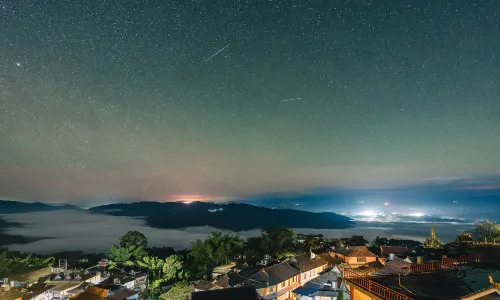
Jingmai Mountain: A Secret Journey to the Ancient Tea Forests of Cloud Seas Jingmai Mountain, the pearl of the Hengduan Mountain Range, is located in Lancang Lahu Autonomous County, Pu'er City, Yunnan Province. It borders Menghai County, Xishuangbanna, to the west and Myanmar to the east, forming the border between Xishuangbanna, Pu'er, and Myanmar. Its highest elevation is 1,662 meters, its lowest is 930 meters, and most villages are located above 1,300 meters. On September 17, 2023, the "Pu'er Jingmai Mountain Ancient Tea Forest Cultural Landscape" was inscribed on the World Heritage List, becoming the world's first tea-themed World Cultural Heritage. Surrounded by mountains, the Nanlang River (Nanla River) and the Nanmen River flow gently through the valley. The area offers neither scorching summers nor bitter winters, but spring-like weather all year round. Rainfall is plentiful, the soil is fertile, and mist shrouds the mountains, while a vast sea of clouds stretches below, creating a paradise on earth. Recommended Jingmai Mountain Experiences Natural Scenery and Seasonal Beauty - Sea of Clouds at Dawn: At dawn, a rolling sea of clouds envelops the ancient village, transforming it into a Buddhist paradise above the clouds. Even on clear, humid days, the scenery remains breathtakingly beautiful. - Winter Cherry Tea Forest: January is peak cherry blossom season, with the vibrant pink blossoms contrasting with the emerald green tea trees. From above, the scenery resembles a vibrant tapestry of flowers embroidered on a verdant silk fabric. - Autumn Tea: Under crisp autumn skies, the century-old tea trees lushly bloom, creating a captivating juxtaposition between the ancient tea gardens and the traditional village. Visiting a Unique Ancient Village Nuogang Ancient Village is one of the best-preserved pristine ancient villages and the filming location for the TV series "Home at One Point." Stone-paved paths crisscross the village, brimming with life. Elderly people dry bacon, young people grill meat, and the air is filled with the fragrance of Pu'er tea. Wengji Ancient Village, a thousand-year-old Bulang ethnic village nestled against a mountainside, features ancient stilt houses, clusters of traditional dwellings, and the aging Wengji Ancient Temple. While it boasts a slightly more commercial atmosphere, it offers convenient accommodations and dining options. Every household has a teahouse where you can sample Bulang roasted tea. Wengwa Ancient Village, located one kilometer outside of Wengji, is quiet and secluded, offering stylish guesthouses like the Yunei Inn. It offers a quiet and pleasant environment with few tourists. Manghong Ancient Village, isolated and secluded, sits quietly amidst the mountains. Historical and Cultural Landmarks - Jingmai Grand Golden Pagoda: Located in Jingmai Dazhai, it can be reached by navigating to Jingmai Buddhist Temple and is one of the local landmarks. - Wengji Ancient Temple: A Theravada Buddhist temple with over a thousand years of history, it is an important venue for villagers to celebrate festivals. Its architectural style blends seamlessly with the surrounding mountain villages, creating a tranquil and tranquil experience. In-Depth Cultural Immersion Guide Tea Culture Experience - Bulang Roasted Tea: In ancient villages like Wengji, enthusiastic villagers often invite you into the teahouse to sample Bulang Roasted Tea and experience the living legacy of millennia-old tea culture. - Exploring the Ancient Tea Forest: When tea farmers established tea plantations in the mountains, they left native trees to provide shade and shelter. The tea forests rely on the natural ecosystems and insect life of the pristine forests, requiring no fertilizer or pesticides. This traditional understory tea cultivation method has survived for thousands of years. Wandering through the ancient village, you'll also discover century-old tea trees, like guardians of time, witnessing its transformation. - Crab Legs: They have great medicinal value and are an excellent accompaniment to Pu'er tea. In Jingmai Mountain, you'll have the opportunity to see them firsthand and even taste their unique flavor when stewed with chicken.