Agra
Explore AgraThings to do in Agra
Top 10 attractions in Agra


Travel essentials


eSIM
India 5G eSIM | Day Pass/Total Data Package | 1-30 Days | 24-Hour Billing | QR Code
View all eSIM
eSIM
India | 5G/4G eSIM | Daily/Data Package | Natural Day Billing | 1-30 Days | QR Code
View all eSIM
eSIM
Orange World 4G/LTE eSIM | Calls + SMS | 31 Days Total 50MB–20GB | Calendar-Day Billing | QR code
View all eSIMTrip Moments in Agra
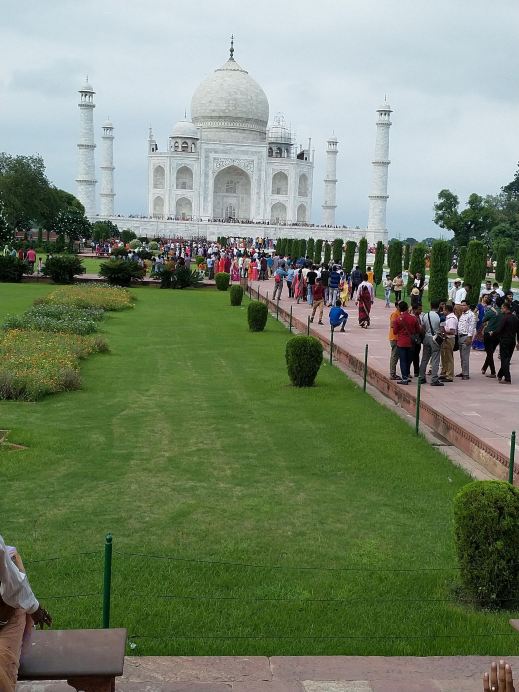
Title: Whispers of White Marble: A Journey Through the Timeless Elegance of the Taj Mahal
“Stepping into the vast complex of the Taj Mahal feels like walking straight into a dream woven in pure white marble.”
The Taj Mahal: A Timeless Love Story Carved in Marble
“An unforgettable journey through the history, heritage, architecture, and hidden wonders of India's most celebrated monument of love.”
Overrated Destination : Why Agra Felt Like Travel's Greatest Illusion
“I remember arriving in Agra with my heart set on pure wonder expecting the romantic timelessness of the Taj Mahal to sweep me off my feet.”
Echoes of Mughal Splendor: A Journey Through Time and Heritage" 1. Introduction The image captures the majestic Kau Ban Masjid (also known as the Assembly Mosque or Mehman Khana / Guest House annex) located within the grand Taj Mahal complex in Agra, Uttar Pradesh, India. Built with rich red sandstone and marble inlay work, this architecture showcases the pinnacle of Indo-Islamic Mughal design. Agra and its surrounding areas, including Fatehpur Sikri and Agra Fort, served as the principal seat of power for the Mughal Empire during its golden age, especially during the reign of Emperor Akbar the Great and his successors. 2. Historical Background Emperor Akbar’s Era: Emperor Akbar moved the imperial capital to Agra in 1558 and later constructed Fatehpur Sikri nearby as a planned royal city. He built massive palaces, administrative halls, and residential quarters that blended Persian, Central Asian, and Hindu architectural styles. The Imperial Residence: Akbar’s royal complex featured sophisticated residential palaces, lush gardens, and court yards where he held assembly with scholars, artists, and ministers of diverse faiths (the Din-i-Ilahi philosophy). Shah Jahan's Contributions: Akbar’s grandson, Emperor Shah Jahan, further enriched Agra by constructing iconic monuments like the Taj Mahal, adding exquisite white marble structures to honor love, faith, and imperial grandeur. 3. Architectural Significance Sandstone and Marble Craftsmanship: The building featured in the photo highlights the classic Mughal use of red sandstone adorned with intricate white marble inlay (pietra dura), arched doorways (iwan), domes, and elegant chhatris (pavilions). Symmetry and Harmony: Mughal architecture is world-renowned for strict geometrical symmetry, expansive courtyards, and reflecting pools, creating a sense of serene magnificence. 4. Cultural & Heritage Legacy Melting Pot of Cultures: Agra and its surroundings became a vibrant cultural center where Persian literature, Indian music, miniature painting, and craft traditions flourished under royal patronage. UNESCO World Heritage: The entire region—comprising the Taj Mahal complex, Agra Fort, and Fatehpur Sikri—is recognized globally by UNESCO as world heritage sites that preserve the rich history, art, and architectural brilliance of sixteenth- and seventeenth-century India. #myitinerary #citydaytours #resorts #travel #couplestrip #beachlife #staycation #poolhotel #naturalwonders #thingstodo #museums
“Echoes of Mughal Splendor: A Journey Through Time and Heritage" 1.”Explore Agra on the map
Frequently asked questions
What is Agra famous for?
−Agra is known for its wealth of attractions and things to do. Here are a few highlights: Taj Mahal, Agra Fort, and Fatehpur Sikri Fort.
What are the must-try activities in Agra?
−Consider From Delhi: Sunrise Taj Mahal, Agra Fort & Baby Taj Private Day Tour by Car (with Options), From Agra: Taj Mahal Sunrise Skip-the-line Entry, With Agra Fort & Baby Taj Priavate tour, and Superfast Train Tour from Delhi: Taj Mahal, Agra Fort & Baby Taj (All-Inclusive) in Agra. Availability and itineraries change, so check the latest details before booking.