OverviewBookNearbyReviewsWin PrizesDetailsRecommended
Share to
The Museum of Modern Art
8.9
446 Reviews
 based on 18380 reviews
 No. 6 of Top Best Things to Do in New York
Open today at 10:30-17:30
Recommended sightseeing time:2-3 hours
Address:
11 W 53rd St, New York, NY 10019, USAMap
Phone+1 212-708-9400
What travelers say:


The Metropolitan Museum is one of the best museums in the world, the art collection is extremely rich, and it is a must-see attraction in New York. Unfortunately, when I went, the painting hall in Europe before the 18th century was not open.
More
See all 46 photos
Saved by 399
The Museum of Modern Art Highlights: Must-See Features and Attractions
Some information may have been translated by Google Translate
The Museum of Modern Art in New York, or MoMA for short, is a cultural icon of New York. Monet's "Water Lilies", Van Gogh's "Starry Night", Matisse's "Dance", Picasso's "Girls of Avignon" and other masterpieces, as well as sculptures, prints, photography, furniture, installation art and other modern artworks as many as 150,000 pieces. The two basement floors of the Modern Art Museum are cinemas, and there are six floors upstairs. The exhibitions are roughly divided into painting, printmaking, photography, drawing, architecture and design, installation art, sculpture and special exhibitions. There is an information desk in the middle of the lobby, and you can ask for a guide map in Chinese.
Recommendations Near The Museum of Modern Art
The Museum of Modern Art Reviews: Insider Insights and Visitor Experiences
Some reviews may have been translated by Google TranslateWrite a Review
 (446 Reviews)Trip.com(18,380 Reviews)TripAdvisor
/5
Outstanding ReviewsAll (446)
Latest
With Photos (221)
Verified Booking (121)
Positive Reviews (404)
Negative Reviews (3)
- 1
- 2
- 3
- 4
- 90
Additional Information
Available Amenities
Barrier-free access
View More
The Museum of Modern Art Photos: Trip Moments
- winhkflight
- winhkflight
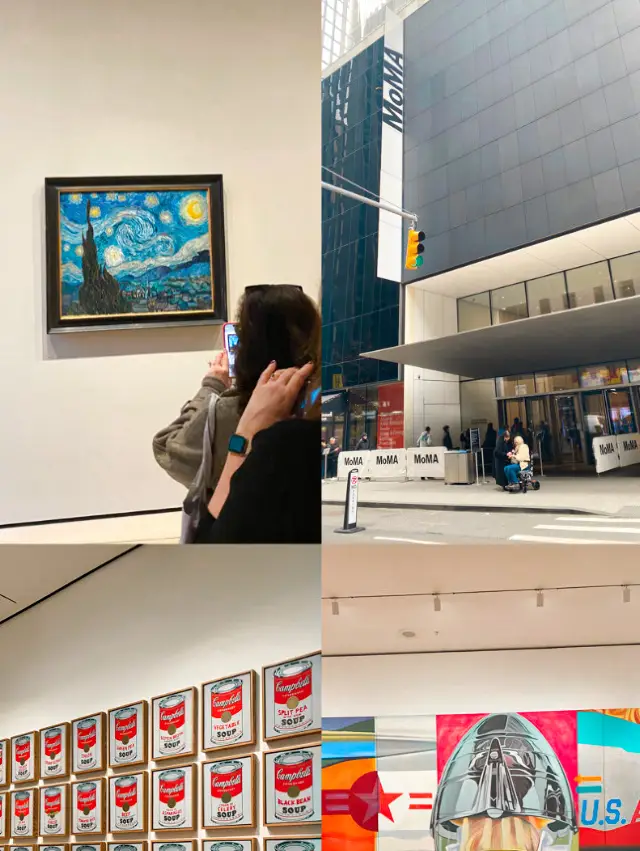
Beautiful Contemporary Art Museum in NYC-MoMA#winhkflight 📍The Museum of Modern Art 11 West 53rd Street, New York, New York, United States Visited this wonderful and beautiful contemporary art museum in New York, and it was definitely one of my favourite museum experience! The museum is big and spacious, with a total of 5 levels, each floors with different exhibits, could easily spend 3 to 4 hours here! One of the most attractive part for me is that you get to see the real ‘The Starry Night’ art piece from Vincent Van Gogh, and you could get so close to it, and even a picture with the art piece. The details were amazing and very well curated! There was a line in front of the Starry Night art piece, but was a fast moving one. They have some other famous art piece like water lilies by Monet as well. Would recommend this museum!StephenieNg4
- visitnewyork
- newyork
- moma
- art
- museum
- america
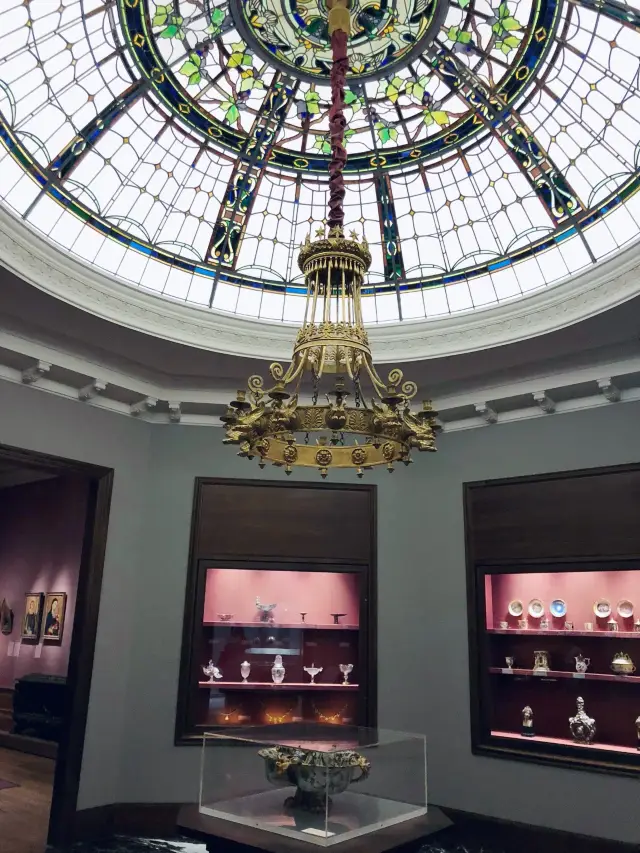
New York MoMa is a Must!#visitnewyork Name of place🔖: Museum of Modern Art (MoMa) Address📍: 11 W 53rd St, New York, NY 10019, United States Opening hours 🕰️: Sunday to Friday 10:30-17:30; Saturday 10:30-19:00 What’s special ✨: Arts. Visual impact. Beauty. If you love art, you can stay there for days (no wonder when I bought a ticket, the box office asked me how many days) and still find it not enough. If you don’t particularly love art, you can still spend hours inside easily. The creativity and attention to details of the artists just blow you away. The products sold in the souvenir shop are all beautiful for self use and gifts. #NewYork #MoMa #Art #Museum #AmericaCeeLo1022
- nyinsider
- tripmoments
- museum
- artshunting
- art
- painting
- visualarts
- newyork
- unitedstatesofamerica
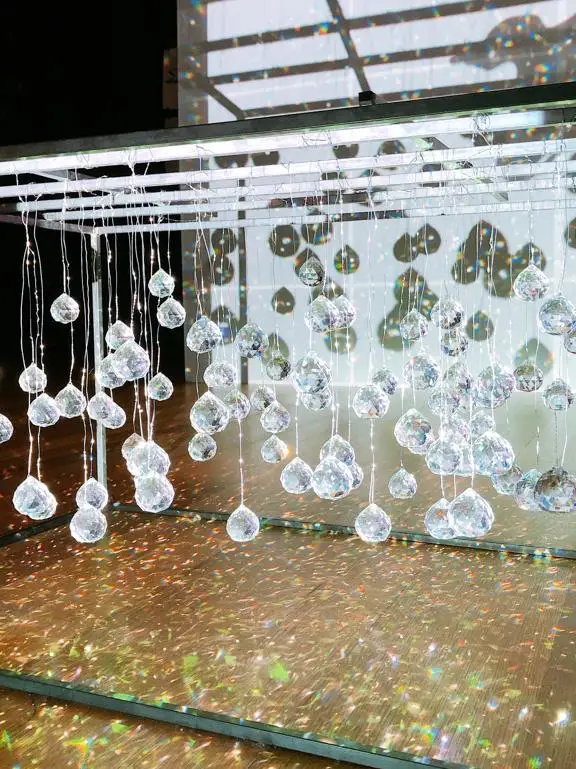
Modern art museumAddress - 11 W 53rd Street, New York, NY 10019, United States of America In New York City, there are two branches of this modern art museum, one in Midtown Manhattan and one in Queens. The branch we visited was located at Midtown Manhattan and is open from 10.30am to 5.30pm (7pm on Saturdays)! Do note to avoid going on Monday mornings before 1pm as this time slot is usually reserved for the museum members and their guests. Many of the works displayed there are quite intriguing and spans across multiple modalities of art. That made for a more interesting experience. My overall rating of the experience: 4 out of 5 stars ⭐️⭐️⭐️⭐️ #nyinsider #tripmoments #museum #artshunting #art #painting #visualarts #newyork #unitedstatesofamericadaniaexperiences11
- nyinsider
- tripmoments
- museum
- art
- artshunting
- sculptures
- newyork
- unitedstatesofamerica
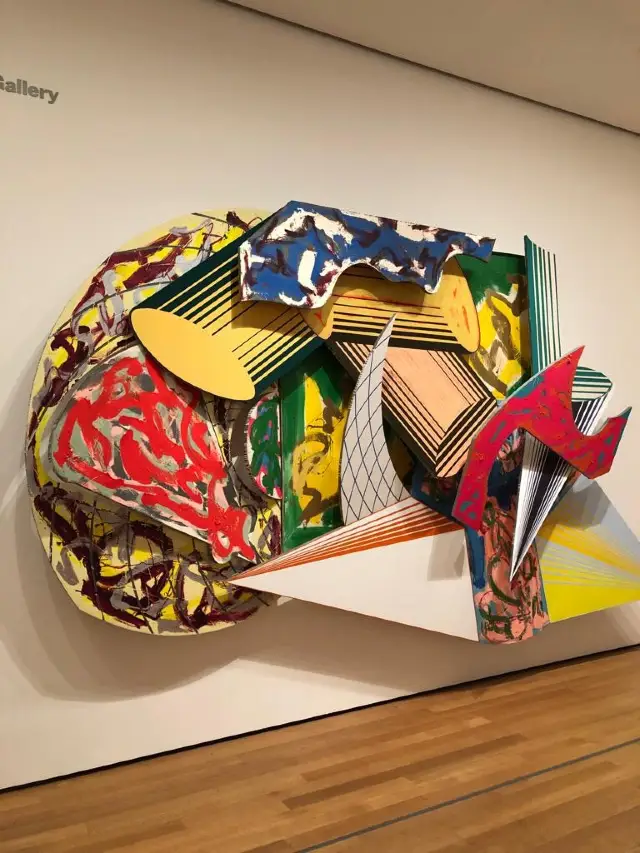
Wild artIn the heart of midtown Manhattan is this pretty avant garde art exhibition, where they showcase rather wild and outrageous art pieces. Just last year, it got ranked number 15 on the list of most visited art museums in the world, super impressive. It’s a good idea to head here around lunch time when the crowds aren’t that large, so there’s more time and space to properly appreciate the pieces. We came across this 3-dimensional work that was popping out at us as it had such intriguing visual textures all melded into one. There are also other aesthetically striking works on display, such as the last supper reinterpreted. My overall rating of the experience: 4 out of 5 stars ⭐️⭐️⭐️⭐️ #nyinsider #tripmoments #museum #art #artshunting #sculptures #newyork #unitedstatesofamericadaniaexperiences5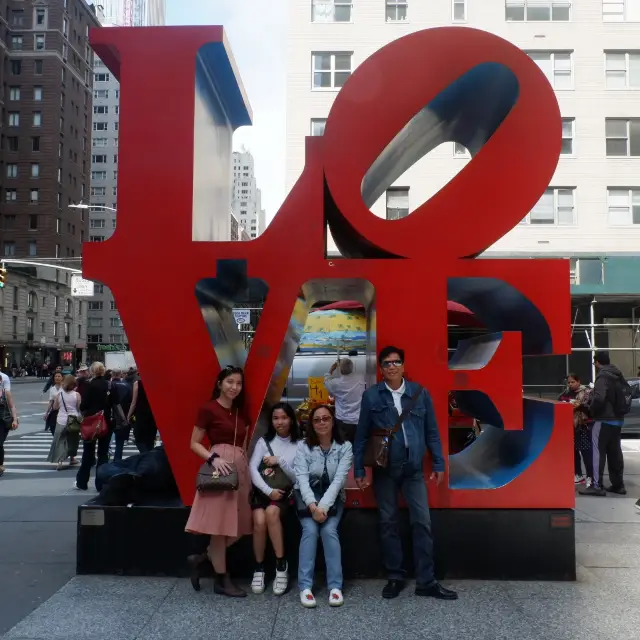 a day in nyci went on this trip with my family 2 years ago in june. new york is such a vibe and i hope we stayed longer and explored more. really bummed that we didn’t get to go to the met and central park. grand central is such a beautiful place and i can just people watch all day there especially with a good cup of coffee. claiming i can visit the city again.mariatanyaa42
- createwithtrip
- culturewalk
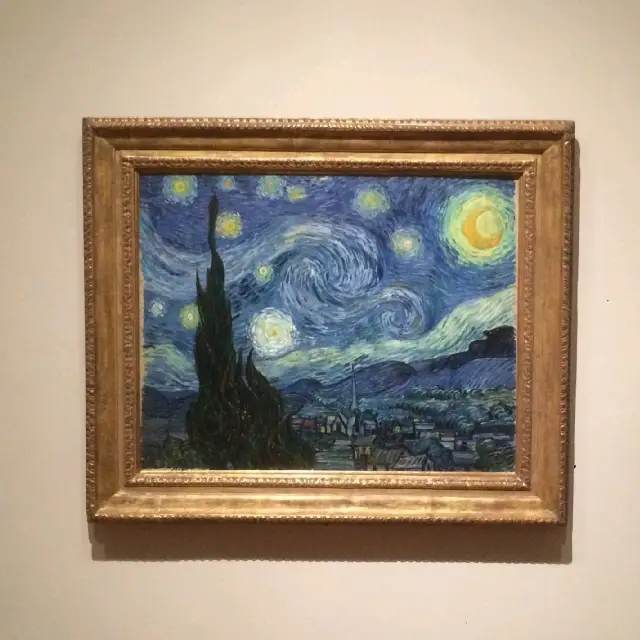
Best Modern Art collection in the worldIf you like modern art as much as I do, you simply have to pay a visit to the Museum of Modern Art in New York, also known as the MOMA. It houses a huge collection of modern art including some world famous pieces such as Van Gogh's Starry Starry Night, Dali's A Persistence of Memory and Picasso's Les Demoiselles d'Avignon. The MOMA is located in Manhattan, but also has a second, smaller space in Brooklyn called PS1, so make sure you go to the correct location. Friday evenings used to be free, but unfortunately that's now only for New York residents. Opening times: Sun–Fri, 10:30 a.m.–5:30 p.m. Sat, 10:30 a.m.–7:00 p.m. Entrance fees: $25 Address: 11 West 53 Street, Manhattan #createwithtrip #CultureWalkImaniac41
 Van Gogh Star Trek [The Starry Night (1889)] Vincent van Gogh Vincent William Van Gogh (1853-1890), Dutch post-impressionist painter. He was a pioneer of expressionism and deeply influenced the art of the 20th century, especially the Fauvism and German expressionism. "Star Moonlight Night" is a famous oil painting created by Van Gogh in a mental hospital in Saint-Rmy, and is considered to be one of his masterpieces. Monet Water Lily [Water Lilies Water Lily (1914-26)] Claude Monet Claude Monet (18401926) French painter This painting is too long, It is difficult to see the details in the overall appreciation. The painting itself is composed of three drawing boards. The size of these three paintings is so large that the viewer is not only admired from the side, but also more like being in the works. "Water Lily" was created at the end of Monet's artistic career. At this time, the painter's work has gradually appeared in the color of abstraction. The author paints water in each painting, but never shows a little pool. This is a mysterious and unpredictable world. There is no clear definition of anything. These paintings are painted with fuzzy blends of strokes to form an abstract misty color. In the darker areas of the canvas, the pool seems to be covered with a layer of shadow, showing the deep cold green of a pine forest. The bright areas reflect the color of the sky with shiny blue and green on the peacock's tail, as well as a large, radiant reflection of the sun's surface, which is smeared on the canvas with some patchy cream pigments. A cluster of floating green lotus leaves occupy most of the space in the pond, while the pink, lavender and yellow spots on the lotus leaves represent the water lily itself. These works are the crystallization of Monet's life-long exploration of light effects. They are both a visual record of Monet's own gardens and ponds, and a meditation carried by pigments.Ocean channel12
 Whether it's modern art or Western oil painting or a beautiful surrounding refrigerator design New York's Museum of Modern Art is worth visiting The Museum of Modern Art (MOMA)/ Hh/ is located in Manhattan, New York City, on 53rd Street in Manhattan (between Fifth and Sixth Avenues) is one of the most important modern and contemporary art museums in the world with the Tate Gallery in London, UK The French Pompidou National Culture and Art Center, etc. MOMA has a free interpreter to receive but not all exhibits have Chinese analysis is limited to the most classic works in MOMA Most of the exhibits are still only available in English modern abstract painting. The artist always shows all the expressions in detail but actually stands in front of the same piece every time. Everyone can understand the same content This is where the artist is higher than the rest of the people.Ocean channel8
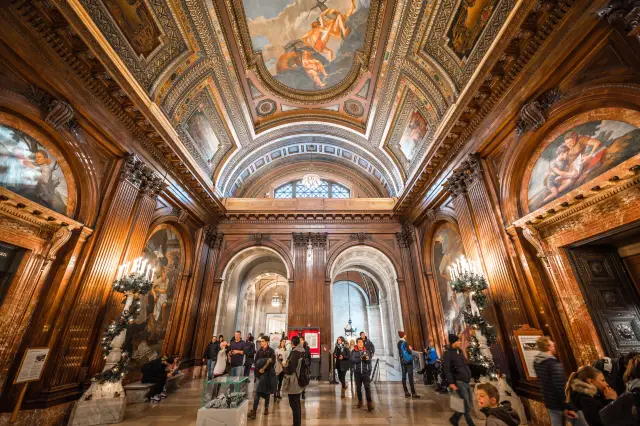 MOMA is the abbreviation for New York’s renowned Museum of Modern Art. The collections here are some of the world’s top and finest selections both in terms of quantity and quality. Perhaps only the Musée d’Orsay of Paris can be comparable. Most people come to New York’s MOMA for “The Starry Night” by Van Gogh. This for me is also my favorite work from Van Gogh. The melancholy and passion we see here is unforgettable. In 1889, Van Gogh’s mental illness struck him again. After an intense argument with Gauguin, he cut off one of his ears, wrapped it in a handkerchief and gave it as a gift to a prostitute. After that, he was sent to the Saint-Paul Asylum in Saint-Rémy. He ended up staying there for 1 year and 8 days. There, he continued to offer creative work, completing some 150 oil paintings and 100 sketches. His drawings now are completely leaning toward Expressionism. In his paintings, painted strokes much like waves in the sea and balls of fire are filled with a deep sense of melancholy and his tragic illusions. The oil painting “The Starry Night” is representative of this period in his life. Other than the best of Van Gogh, here you’ll also find the best of Picasso. This incredible work, entitled “Les Demoiselles d'Avignon” is not only indicative of a great turning point in Picasso’s personal art career, it is a revolutionary breakthrough in contemporary Western art, which has led to the rise of cubism.JOJO’s wonderful trip.8
- newyorktrip
- rockefellercenter
- newyorkcity
- artdeco
- culturalhub
- iconiclandmarks
- radiocitymusichall
- rainbowroom
- prometheus
- skatingrink
- moma
- nbcstudios
- cityofdreams
- travelinspiration
- wanderlust
- explorenyc
- artandculture
- bucketlistdestination
- urbanadventure
- newyorktrip
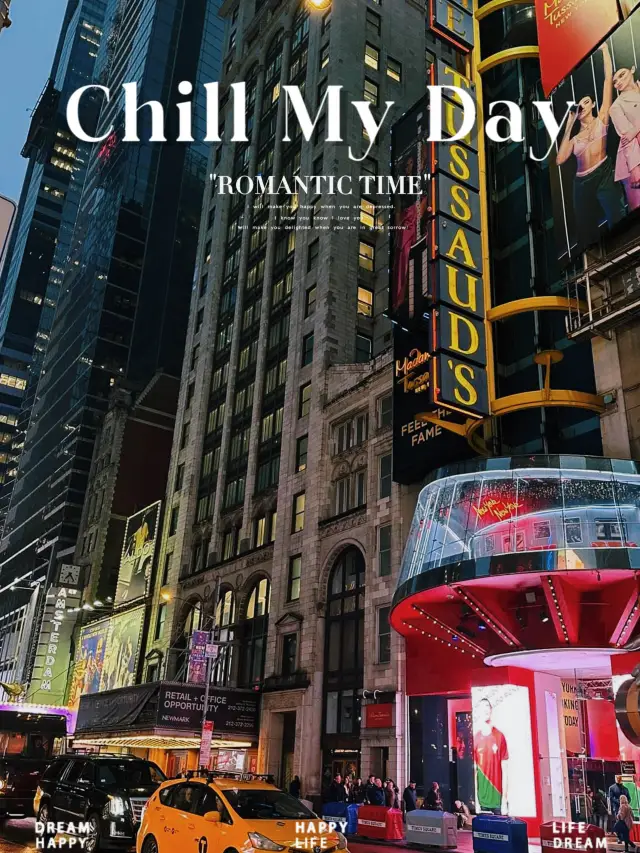
Rockefeller Center, NY#newyorktrip Embracing Art, Culture, and Spectacle: Rockefeller Center, NY Greetings, fellow travelers and culture aficionados! Prepare to be dazzled by the vibrant energy and iconic landmarks of New York City's Rockefeller Center. As a devoted seeker of art and inspiration, let me be your guide as we delve into the heart of this legendary cultural hub. Rockefeller Center is a testament to the ingenuity and vision of its namesake, John D. Rockefeller Jr. From its majestic Art Deco architecture to its world-renowned art installations, every corner of this sprawling complex exudes a sense of grandeur and creativity. As you wander through Rockefeller Center, you'll be greeted by an array of captivating attractions and experiences. Marvel at the awe-inspiring murals adorning the walls of Radio City Music Hall, or catch a dazzling performance at the famed Rainbow Room. Be sure to pay a visit to the iconic Rockefeller Plaza, where you can snap a photo in front of the legendary Prometheus statue or lace up your skates for a spin around the beloved ice rink during the winter months. But Rockefeller Center isn't just a feast for the eyes – it's also a cultural mecca, home to some of the city's most esteemed institutions. Explore the renowned Museum of Modern Art (MoMA) to immerse yourself in a world of contemporary art, or catch a live taping of your favorite TV show at the historic NBC Studios. As you soak in the sights and sounds of Rockefeller Center, you'll discover that it's more than just a destination – it's an experience that celebrates the rich tapestry of art, culture, and entertainment that defines New York City. So whether you're admiring the breathtaking views from the Top of the Rock observation deck or catching a performance at the iconic Radio City Music Hall, Rockefeller Center promises an unforgettable journey through the heart and soul of the Big Apple. Until next time, happy exploring! #RockefellerCenter #NewYorkCity #ArtDeco #CulturalHub #IconicLandmarks #RadioCityMusicHall #RainbowRoom #Prometheus #SkatingRink #MoMA #NBCStudios #CityOfDreams #TravelInspiration #Wanderlust #ExploreNYC #ArtAndCulture #BucketListDestination #UrbanAdventureAaron Loo1
- newyorktrip
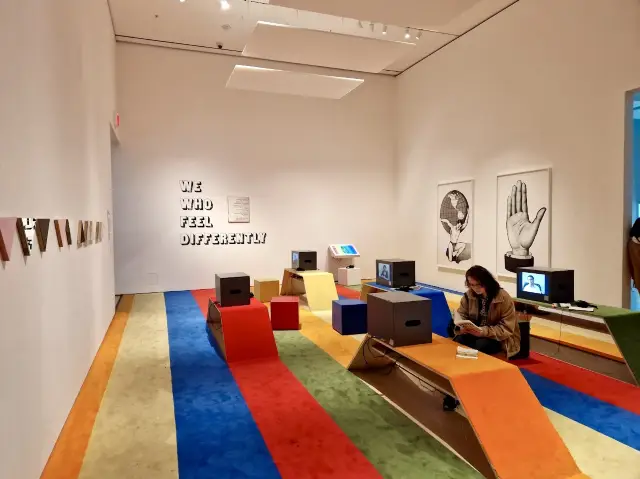
MoMA, NY#newyorktrip The Museum of Modern Art (MoMA) is a world-class museum by any standard. I have never been disappointed with their special exhibits or their collection. As a visitor, it’s essential to know a few things. You should purchase your tickets in advance, particularly for popular times of the year or during the opening of new exhibits. Better yet, become a member and take advantage of early access (typically 9:30 vs 10:30) and know that you are donating to a worthy cause. There is a coat check in the basement, a washroom on every floor, and both escalators and elevators, as well as a lovely staircase. During the spring, summer, and fall, the sculpture garden is open and makes for a delightful place to sit.she travels
- newyorktrip
- newyorktrip
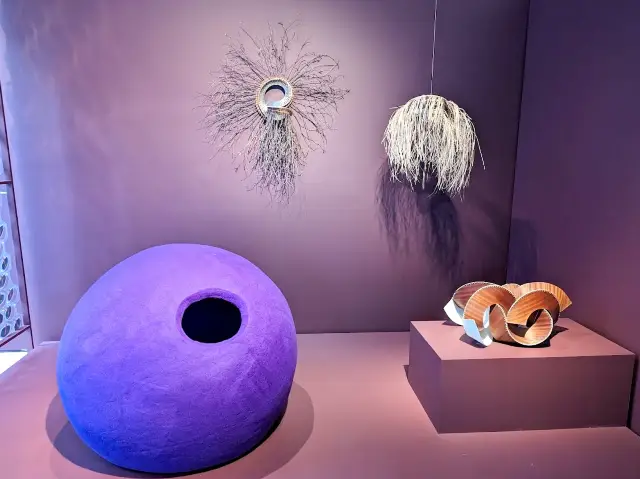
The Museum of Modern Art#newyorktrip This is an incredible museum. I could easily spend an entire day here and not run out of things to look at. There is even a room where you get to draw called a creative lab. I believe the best experience comes from listening to the audio explanations for specific paintings. They go more in depth into what the art pieces mean and what the artist was thinking when they created it.she travels
- 1
- 2
You Might Also Like
Empire State Building
10
4.7/52071 Reviews
Save AU$ 17.60
From AU$ 57.17
Top of The Rock
8.8
4.7/5541 Reviews
From AU$ 57.35
Rockefeller Center
8.8
4.7/5555 Reviews
From AU$ 57.35

One World Trade Center
8.7
4.7/5263 Reviews
From AU$ 82.57
Nearby Attractions
The Metropolitan Museum of Art | Statue of Liberty | Empire State Building | Central Park | Times Square | Top of The Rock | Rockefeller Center | One World Trade Center | American Museum of Natural History | Statue Of Liberty Cruises With Landing | SUMMIT One Vanderbilt | The Lion King | 5th Avenue | Brooklyn Bridge | Intrepid Sea, Air & Space Museum | Empire State Building Main Deck | Broadway Shows New York | Edge | United Nations Headquarters | Wall Street | One World Observatory | New York Public Library - Stephen A. Schwarzman Building | The National September 11 Memorial & Museum | Chicago The Musical | Solomon R. Guggenheim Museum | Madame Tussauds New York | Harry Potter and The Cursed Child | Vessel | Dumbo | Hamilton
Popular Types of Attractions in New York
Parks | City Parks | Zoos | Amusement Parks | Exhibition Centers | Museums | Art Museums | Art Galleries | Religious Sites | Churches and Cathedrals | Other Places of Worship | Temples | Lifestyle | Libraries | Spas | Entertainment Centers | Architecture & Landmarks | Theaters | Gardens | Monuments | Outdoor Sports | Hiking | Golf Courses | Water Sports | Nature | Nature Reserves | National Parks | Lakes | Fitness | Stadiums
Popular Restaurants in New York
Grand Central Oyster Bar | Morton's The Steakhouse | Ocean Prime | Gallaghers Steakhouse | Benjamin Steakhouse Prime | Del Frisco's Double Eagle Steakhouse | Wolfgang's Steakhouse | Per Se | Atera | Red Lobster | Daniel | Pure Thai Cookhouse | Marea | Gabriel Kreuther | Tavern On the Green | Jean-Georges | Club A | The River Café | Tempura Matsui | Masa | Katz's Delicatessen | abc kitchen | Keens Steakhouse | Junior's Restaurant & Bakery | Ai Fiori | Sea Fire Grill | ChikaLicious Dessert Bar | Mastro's Steakhouse | Juliana's | Luke's Lobster FiDi
Popular Destinations
Brisbane Travel | Manila Travel | Singapore Travel | Beijing Travel | Tokyo Travel | Hong Kong Travel | Ho Chi Minh City Travel | Kuala Lumpur Travel | Adelaide Travel | Phuket Travel | Taipei Travel | Cairns Travel | Chengdu Travel | Guangzhou Travel | London Travel | Oshino Travel | York Travel | Porto Cesareo Travel | Brunei Darussalam Travel | Berlin Travel | Blue Earth County Travel | Yuanyang Travel | Hida takayama Travel | Kaunas county Travel | Gard Travel | Watauga Travel | Hveragerei Travel | Baoxing Travel | Setubal District Travel | Cheyenne Travel
Recommended Attractions at Popular Destinations
Bangkok attraction near me | Tokyo attraction near me | Manila attraction near me | Hong Kong attraction near me | Seoul attraction near me | Taipei attraction near me | Los Angeles attraction near me | New York attraction near me | Shanghai attraction near me | Kuala Lumpur attraction near me | Shenzhen attraction near me | Guangzhou attraction near me | Osaka attraction near me | Singapore attraction near me | London attraction near me | San Francisco attraction near me | Beijing attraction near me | Macau attraction near me | Bali attraction near me | Paris attraction near me | Orlando attraction near me | Jakarta attraction near me | Ho Chi Minh City attraction near me | Phuket attraction near me | Chicago attraction near me | Toronto attraction near me | Cebu attraction near me | Dallas attraction near me | Istanbul attraction near me | Dubai attraction near me
Trending Travelogues
Popular Trip Moments
Recommended Plaza Hotel in New York🇺🇸 | Central Park Cherry Blossoms are Blooming ❤️ | Towneplace Suites Long Island City | The stage design for the rock band's concert can also be like this | Listen to Billy Joel and check in to fashionable New York | New York Manhattan Blue Bottle Coffee. | New York's New Landmark! The Vessel. | New york Central park Cherry Blossom 🌸 | The Lion King: The Prairie Legend on Broadway | New York is Blooming so Perfectly 😍 🇳🇿 | The Metropolitan Museum of Art in New York | Exploring the Empire State Building | Roosevelt Island, N | Rockefeller Center, NY | Exploring the Brooklyn Bridge, NY | Carbone New York | Aman New York | The Smith | Boucherie West Village | The Modern | Electrifying Busy New York Times Square 🇺🇸 | Pebble Beach | Charles E. Ransom Beach | Midland Beach | Fort Tilden Beach | Rockaway Beach | South Beach | Coney Island Beach | The People's Beach at Jacob Riis Park | Iconic Manhattan Bridge View from Dumbo🇺🇸
Popular Travel Types
More Things To Do in New York
USA and Canada eSIM (QR Code) | Statue of Liberty and Ellis Island Ticket: Ferry from Battery Park | Global (147 Countries) eSIM Day Pass/Data Package (QR Code) | USA/Canada/Hawaii eSIM (QR Code) | Bronx Zoo: Entry Ticket | Edge at Hudson Yards: General Admission | Big Bus New York Hop-on Hop-off Bus tours | Central Park Zoo: Total Experience | New York, United States| New York CityPASS® | 1-hour New York City Skyline Sightseeing Cruise | Statue of Liberty and Ellis Island Ticket: Ferry from New Jersey | dtac GO INTER eSIM|Asia, Australia, USA 10Days 6GB Unlimited Data | New York CityPASS | eSim United States (not Guam) 3/7/15/30 Days by Xplori | [FLASH SALE] USA (United States) and Canada eSIM - Data plan by Gohub (QR Code) | Ultimate Nightlife Group Tour NYC | New York: The Unofficial "Succession" Walking Tour | See It All NYC Walking and Boat Tour | Highlights of New York City Guided Bike Tour (English or Dutch) | Private New York City Food Tour of East Village and Greenwich Village | Private Full Day Guided Tour Best of New York City | Fotografiska New York: Entry Ticket | JAPANESE guided tour!! New York city "1-day" sightseeing tour.
Times Square, the Statue of Liberty, Wall St, and more. | Brooklyn Christmas Lights Walking Tour at Dyker Heights | New York City Fire Museum: Entry Ticket | Street Art Tour in New York City with Local Expert Guide | LEGOLAND New York Theme Park Ticket | New York City Bright Lights Skyline Cruise on Yacht | Circle Line: Complete Manhattan Island Cruise | Food Tour in East Village in French
Payment Methods
Our Partners
Copyright © 2024 Trip.com Travel Singapore Pte. Ltd. All rights reserved
Site Operator: Trip.com Travel Singapore Pte. Ltd.
Site Operator: Trip.com Travel Singapore Pte. Ltd.
The Metropolitan Museum is one of the best museums in the world, the art collection is extremely rich, and it is a must-see attraction in New York. Unfortunately, when I went, the painting hall in Europe before the 18th century was not open.
Several paintings of Picasso and Van Gogh were in the MoMA of New York. Bought the ticket a few days before the trip at 18$S plus. Really worth the price with 5 floors of arts to explore. The toilets are clean as well. You can deposit your coat or bulky bags at the lobby with your mobile numbers (either foreign or local) for free and retrieve later with your last four digits as your passcode. You should keep your valuables with you. Just provide the QR code to enter and reenter the galleries.
The Museum of Modern Art (MoMA) is an iconic institution that houses an extraordinary collection of modern and contemporary art. It features works by renowned artists like Picasso, Van Gogh, and Warhol. MoMA's ever-evolving exhibitions showcase a diverse range of artistic movements, making it a dynamic destination for art enthusiasts. The museum's sleek design and layout provide an immersive art experience, and its prime location in Midtown Manhattan is convenient for visitors. MoMA is a must-visit cultural hub that offers insight into the evolution of art in the 20th and 21st centuries.
Great efficiency, I went in immediately, I was very happy to see a good contemporary art exhibition, very rich, the ticket was delivered in time, no need to wait for moma, I got the ticket and bought something before I arrived.
Great museum to visit while in New York City! It’s located in the mid city, pretty and aesthetic space with lots of art pieces including the famous Starry Night art piece by Van Gogh! Absolutely worth a visit!
Each exhibition hall is very rich, and many great works are simply breathtaking. On the trip to New York, mama is definitely a must-recommend place! Tourists who like to watch the exhibition must leave enough time. I am tired, there is a restaurant to rest, and then I will watch 👍 after eating.