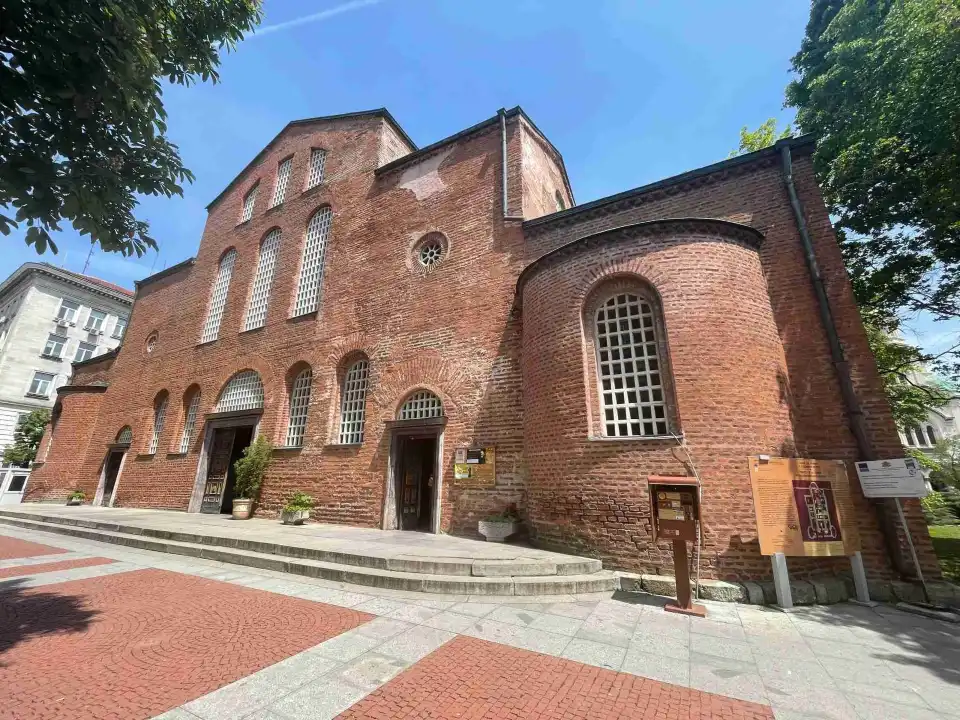
St. Sofia Temple
 No. 1 of Best Things to Do in Bulgaria
Opening hours of St. Sofia Temple
St. Sofia Temple attraction highlights
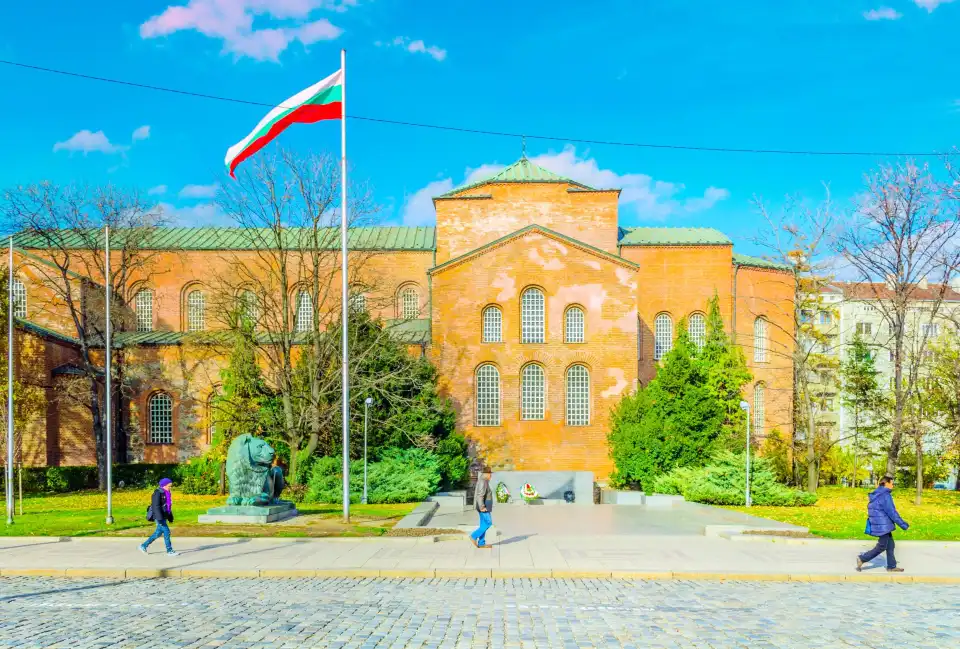
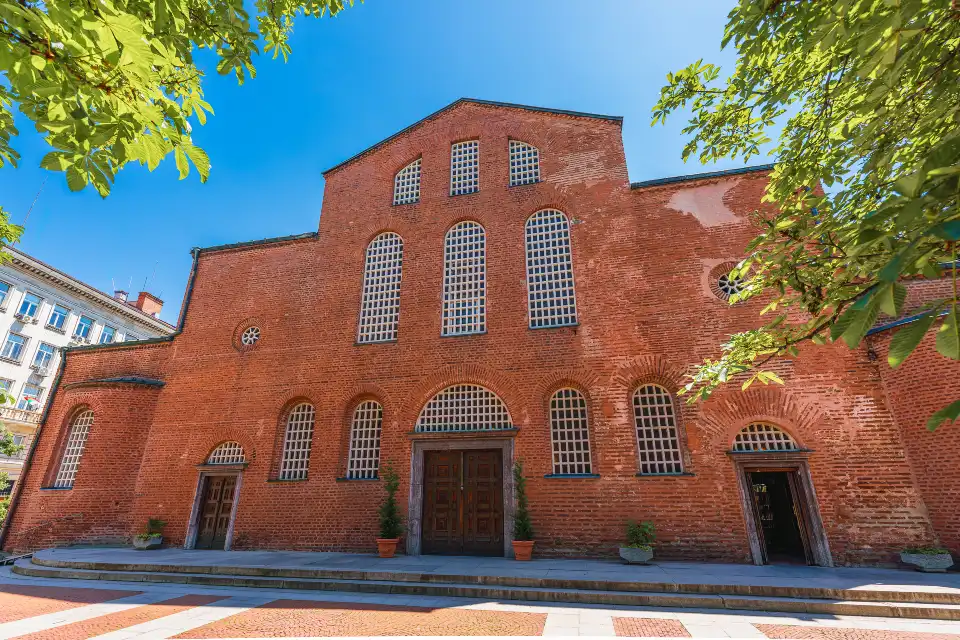
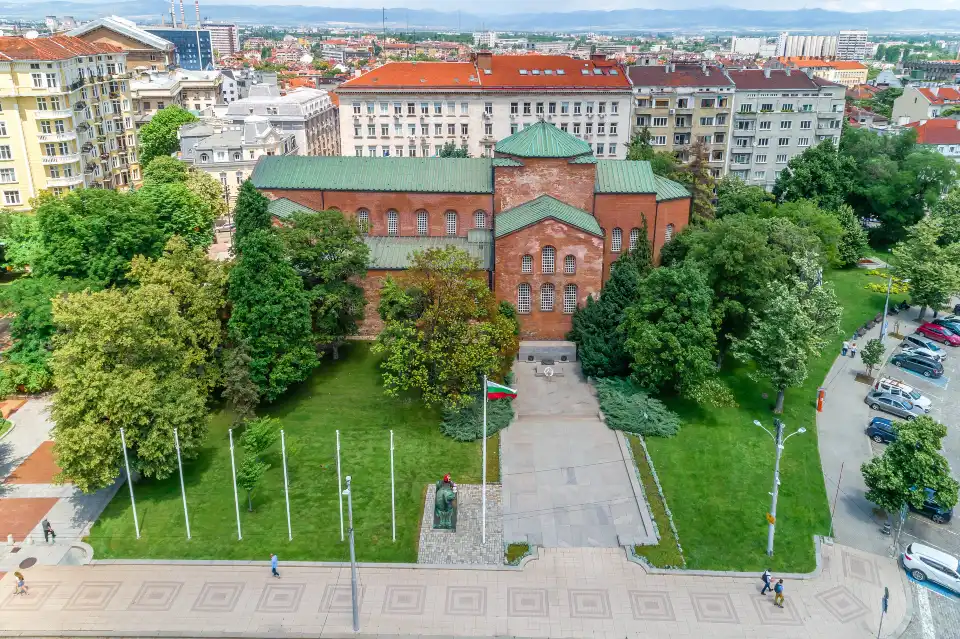
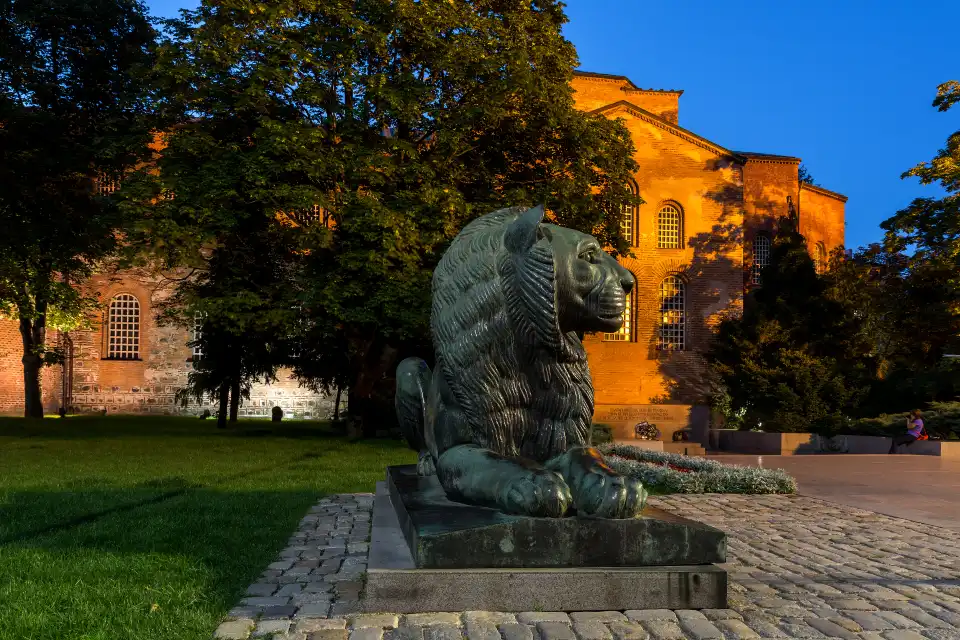
St. Sofia Temple is one of the oldest churches in the city of Sofia. The existing red-brick cruciform structure, along with its two eastern towers and a domed tower, was built in the mid-6th century during the Byzantine era under the reign of Justinian I. It is contemporary with the famous cathedral of the same name in Istanbul and serves as an important remnant of early Christian architecture in Southeast Europe. In the 14th century, Sofia was named after this church, and the church's image is still preserved on the city's coat of arms today. The highlight inside the church is under your feet: the floor is covered with early Christian-era mosaics. The intricate, interlacing floral, animal, and geometric patterns require a closer look to fully appreciate their craftsmanship. Since "St. Sofia" means "Holy Wisdom," the icon inside depicts Sofia as the young Christ seated on a rainbow, which is quite different from typical saint icons. This building has also experienced its share of hardships: the 12th-century frescoes were destroyed, it was converted into a mosque during the Ottoman period, it was abandoned after two earthquakes in the 19th century, and it was only restored and reopened in the 20th century. An archaeological exhibition area has been opened beneath the church, displaying sarcophagi, brick-vaulted tombs, and dozens of burial sites from the 3rd–5th centuries from the eastern necropolis of the ancient Roman city of Serdica, as well as remains of earlier generations of churches. Some tomb walls still bear paintings; notably, a 5th-century tomb on the northwest side is famous for its red inscription "Honorius, servant of God." Don't miss this "underground city" when you visit. In front of the church's main entrance is the Monument to the Unknown Soldier and the eternal flame. Nearby lies the Bulgarian writer Ivan Vazov, and the Alexander Nevsky Cathedral is within walking distance for a combined visit.
St. Sofia Temple Reviews: Insider Insights and Visitor Experiences
St. Sofia Temple Photos: Trip Moments

- 索非亞遊
- 保加利亞歷史建築
- 歐洲文化體驗
- 維托沙大道
- 特色美食
A 2-Day Historical and Cultural Exploration of SofiaSofia, the capital of Bulgaria, is steeped in a rich historical and cultural atmosphere. Its classic landmarks, ancient church ruins, and vibrant city streets are perfect for a slow, immersive journey. This itinerary highlights classic religious architecture, underground Roman ruins, and the local vibe of Vitosha Boulevard, paired with authentic cuisine. Two days is just enough to soak in Sofia's historical depth and laid-back rhythm. Day 1|A Triple Shot of Classic Historical Sites The first day focuses on three major religious landmarks in the city center, all within walking distance of each other. 1. St. Alexander Nevsky Cathedral This grand Orthodox cathedral features glittering golden domes. It’s best to visit in the morning to beat the crowds and snap some great photos. The interior is a masterpiece of art, with stunning stained glass and mosaic murals—it's a must-see landmark in Sofia. 2. Saint Sofia Church Address: Sofia Center, ul. "Paris" 2, 1000 Sofia Opening Hours: Winter 07:00-18:00 / Summer 07:00-19:00 Standing for over a thousand years, this church has a modest exterior that hides a fascinating Byzantine necropolis beneath its floors. Visit in the morning or late afternoon to enjoy the peaceful atmosphere. 3. Serdica Roman Ruins Located right by the main cathedral, these underground ruins showcase ancient Roman walls and remnants protected by glass. Walking among the old foundations and stone paths feels like stepping back into Europe's past. Day 2|A Stroll Along Vitosha Boulevard + An Authentic Bulgarian Dinner Vitosha Boulevard is the city's most bustling pedestrian street, lined with cafes, boutiques, and local brands. Spend your morning and afternoon wandering here, and don't forget to try some Turkish coffee and local treats. For dinner, pick a traditional Bulgarian restaurant to try local favorites like meat rolls, sheep's milk cheese, and grilled vegetables. Many spots offer live traditional music and folk dancing, making for an incredible atmosphere. 📝 Practical Travel Tips - Getting around is easy on foot or by metro since the city center sights are close together. - Dress respectfully when visiting churches. Women should consider bringing a scarf for their heads and avoid shorts or short skirts. - Some sites, like the main cathedral, do not allow indoor photography, so please follow the rules. - Churches can get crowded in the afternoon; head out early for the best lighting and fewer people. - Keep in mind that winter days are shorter, so check opening hours in advance.VisualStorytellingThroughPhotography1

- 6月好去處2024
- 保加利亚
Bulgaria Off-the-Beaten-Path Guide for a 4-Day, 3-Night TripBulgaria may not be a mainstream destination, but its historical landmarks are definitely worth a visit. 🔥Travel Summary: Trip Duration: 4 days and 3 nights (can be done in 3 days if you're tight on time) Departure Point: Round trip flight from London to Sofia Ticket Cost: Around £100 (wizz + easyjet), remember to check in early to avoid not getting a seat or fines Accommodation: Sofia Balkan Palace (although it's a nice hotel in the city center, it's a bit dated) Tourist Spots: The capital Sofia, the historic old town of Plovdiv, Asen‘s Fortress, Bachkovo Mona Guide: Outside the capital, all tours were booked through Viator with English-speaking guides who are very professional. Currency: Many places accept cards, both Visa and Mastercard, but it's still advisable to exchange some local currency and euros, as some restaurants and taxis do not accept cards. Taxi: Take a Yellow Taxi in Sofia, or the metro (about 0.7 euros per ride). Souvenirs: Various rose products, rose essential oil, rose hand cream, rose soap, etc. 🔥Recommended Attractions: Sofia: Sofia Cathedral, Lion's Bridge It's evident that the local tourism industry isn't well-developed, with average restoration work inside the cathedral and explanations mostly in Bulgarian, making it difficult for tourists to understand. Plovdiv: The city held significant importance in the past, with many of its remaining buildings following the architectural style of the Roman Empire. Ancient Theatre of Philipoppol is an old theater where some opera shows are still held. Asen‘s Fortress This church is also hidden in the mountains, with a nearby path offering a 360-degree mountain view. Bachkovo Mona I think this is the best church in Bulgaria. Restaurant Recommendations: Sofia: Moma restaurant Under the Linden Trees Plovdiv: Garden PhilippopolisSophieYan2

- sofia
- saintsofia
- stsofia
- stsofiabasilica
- saintsofiabasilica
- stsofiachurch
- saintsofiachurch
- archaeologicalsite
- ancienttomb
- ancientromanhistory
🕯️ Secrets Beneath St. Sofia BasilicaDescend into the archaeological level and crypt beneath St. Sofia Basilica and explore the ancient tombs that have rested here for centuries. Among the burial sites, colorful mosaic tiles peek through the layers of history, hinting at the artistry and faith of Sofia’s earliest Christian inhabitants. A quiet, haunting glimpse into the city’s deepest past. ⚰️✨ #sofia #saintsofia #stsofia #stsofiabasilica #saintsofiabasilica #stsofiachurch #saintsofiachurch #archaeologicalsite #ancienttomb #ancientromanhistoryJoe the world citizen

- 保加利亞
- 內塞伯爾
- nesebar
- 歐洲世界遺產
- 黑海旅行
- 歷史古鎮
- trip小石子漫遊
- 淡菜
The Pearl of the Bulgarian Black Sea | A Walking Guide to Nesebar.Nesebar (Несебър), situated on the Bulgarian Black Sea coast, is an ancient peninsula town boasting over 3,000 years of history. It was designated a UNESCO World Heritage site back in 1983. The entire old town is connected to the mainland by a narrow artificial causeway, seamlessly blending the historical legacies of the ancient Greek, Roman, and Byzantine eras with the rustic charm of 19th-century Bulgarian National Revival wooden architecture. Must-Visit Highlights & Attractions The Iconic Entrance Windmill: Standing on the causeway that bridges the new and old towns, this wooden windmill is Nesebar's most classic spot for a photo op. Byzantine Church Complex: This little town once housed over 40 churches. Our top picks include: Church of Saint Sophia (The Old Bishopric): A 5th-century open-air red brick ruin. Its weathered arches framed against a clear blue sky offer a stunningly raw, timeless aesthetic. Church of Christ Pantocrator: Famous for its impeccably preserved red brick and ceramic-decorated facade. Church of Saint Stephen: Step inside to discover a treasure trove of intricate medieval frescoes and a masterfully carved wooden altar. Black Sea Wooden House Streetscapes: Wander down cobblestone alleys flanked by traditional homes featuring stone-built ground floors and overhanging wooden upper levels. You'll often catch beautiful glimpses of the azure Black Sea right from the street corners. Practical Travel Info Recommended Stay: Half to a full day (perfect for exploring on foot). Getting There: Located just a stone's throw from the popular Sunny Beach resort, you can catch a local bus, water taxi, or tourist mini-train straight to the Old Town gates. It's also an easy 30-minute drive from Burgas Airport (BOJ). Foodie Picks: Grab a table at a cliffside oceanfront restaurant. Feast on fresh, grilled Black Sea catch (like Safrid/horse mackerel, or a massive bowl of Black Sea mussels) and pair it with a classic, refreshing Shopska salad.王熊尼1

- sofiatrip
- travelbulgaria
- churchexplorer
- localtips
St. Sofia churchExploring Sofia’s spiritual heart 🇧🇬✨ St. Sofia Church in the city center was easily the highlight of my trip! Stepping inside this ancient church gives you serious history vibes—dating all the way back to the 6th century. Must-See Place: St. Sofia Church Address: Sofia Center, ul. "Paris" 2, 1000 Sofia, Bulgaria Opening Hours: 07:00–19:00 (summer), 07:00–18:00 (winter) Real tip: I found that arriving early (just after 7 a.m.!) meant the church was pleasantly quiet, and you’ve got time to soak up the tranquil atmosphere and see the iconic red-brick architecture before larger tour groups roll in. Don’t forget to check out the underground necropolis—it’s like walking through the city’s ancient foundations. Transport Hack: Sofia’s metro (Line 2) drops you right near the church; super quick and easy from anywhere central. A single trip costs less than €1! Local Eats: Grab a coffee and banitsa (Bulgarian cheese pastry) at a nearby bakery like Furna (5-min walk from St. Sofia) for authentic flavors and budget-friendly mornings. Extra destination tip: Most signs have English translations, but having Google Translate handy makes reading local plaques and menus even easier. #sofiatrip #travelbulgaria #churchexplorer #localtipsDesmond solo travel1
 Bulgaria: The Hidden Gem of Eastern EuropeBulgaria, a place with a name that is poetic and romantic. Its beauty is not only in the magnificent mountains, rivers, lakes, and seas, but also in the unique charm of the interweaving of history and modernity. Here, ancient castles and churches tell stories of a thousand years, and every brick and tile seems to whisper the past glory and vicissitudes. The majestic figure of the Sofia Cathedral is not only a holy place for religion, but also a treasure of architectural art, which makes people admire and indulge in the dialogue across time and space. Speaking of natural scenery, the Rose Valley in Bulgaria is definitely a miracle not to be missed. This land known as the "hometown of roses" is full of roses in early summer every year, and the fragrance is overflowing. It not only beautifies the earth, but also the world's top rose oil producing area. Walking in it, it seems to be in a pink dream, and every breath is a yearning and praise for a better life. What's even more exciting is that Bulgaria is also the location of one of the "Top Ten Sexy Beaches in the World" selected by Playboy magazine-Golden Sands. The beach here is as delicate as silk, the sea is blue and clear, and it contrasts with the mountains in the distance, forming a refreshing picture. Whether it's sunbathing, surfing, or simply strolling by the sea, you can forget the hustle and bustle and enjoy the tranquility and comfort.VoittoLepp?l?8


- sofia
- stsofiachurch
- architecture
- nightphotography
- culturallandmark
✨ Architectural Splendor in the Heart of Sofia: St. Sofia Church 🏛️ St. Sofia Church stands proud as one of Bulgaria’s most iconic landmarks, blending a stunning Russian-influenced design with centuries of history—perfect for culture seekers and architecture buffs! The building’s Western-style façade takes on a magical glow at night, making it a favorite spot for travelers and locals alike. Start your visit by tracing the church’s grand exterior—capture the impressive arches and centuries-old brickwork. For must-do moments, step inside to admire the serene interior and the ancient mosaics that hint at its rich past. Don’t miss wandering around the outdoor cultural landscape; the close-up details of the building make for eye-catching night photography. For that insta-worthy shot, snap your photos from the main entrance with the church dramatically illuminated after sundown (tip: night lighting really highlights the architectural features!). Practical visiting tips: St. Sofia is centrally located (ul. "Paris" 2), easily accessible by foot or public transport. Summer hours run from 7:00 AM–7:00 PM, while winter’s slightly shorter at 7:00 AM–6:00 PM. Avoid midday crowds for peaceful exploring and prime photo ops. Extra caution: Pavement around the church can be uneven, so watch your step if you opt for a twilight stroll! Personal insight—if you’re fascinated by Russian influences, take time to observe the subtle details, from domes to lavish iconography, for a true east-meets-west experience! #Sofia #StSofiaChurch #Architecture #NightPhotography #CulturalLandmarkMartins_6
 Official guide-led tour, unlocking a unique way to explore Greece!【A Millennium's Sigh · Cradle of Civilization】10 Days 9 Nights Greek History and Culture Exploration Journey Deeply customized Greek cultural experience, say goodbye to superficial sightseeing. Specially invited local official guides provide in-depth commentary throughout the trip. From the Byzantine ancient capital to the sacred site of Olympia, from the Meteora monasteries to the Acropolis of Athens, connecting the three great civilizations of Ancient Greece, Macedonia, and Rome. Stay exclusively in boutique luxury hotels off the beaten path, fall asleep surrounded by history, and immerse yourself in the origins of Western civilization. Unlock a profound and high-quality unique Greek journey. 📌【Click below to secure your rare spot for the Greek civilization exploration】📌 📜 Official Guide Commentary · Tracing Civilization Reject shallow check-ins, with professional official guides throughout, deeply exploring the historical stories behind every relic: stroll through the Byzantine old town of Thessaloniki, decode millennium-old murals and ancient site secrets; explore Delphi, the "navel of the world," and listen to the legend of Apollo’s oracle; ascend the Acropolis of Athens and interpret the architectural aesthetics of the Parthenon; visit the ancient site of Olympia and trace the origins of the Olympic flame, bringing millennia of history to life. 🏨 Luxury Hotel Selection · Sleep with History - Thessaloniki Seaside Boutique Hotel: A niche luxury brand under SLH, renovated from a century-old mansion, facing the harbor with a blend of vintage style and modern luxury. - Mount Maizon Secluded Hotel: Hidden in the heart of the Pindus Mountains, offering panoramic views of the forest landscape, paired with signature herbal spa treatments, escape the hustle and enjoy tranquility. - Athens Palace Historic Hotel: A Luxury Collection brand, with windows overlooking the Acropolis at night, located in the city’s core area. 🌄 Mountains and Sea · Stunning Scenery This itinerary combines cultural relics and natural wonders: visit the Meteora monasteries suspended in the sky, experience breathtaking architectural marvels; wander through the mountain town of Arachova, encounter the poetic Greek countryside; stroll along the Corinth Canal, admire the magnificent natural landscape, where ancient history and majestic mountains and seas blend perfectly. 📌【Click below to book your journey through a millennium of Greek civilization now】📌 Yiyou HHtravel Flagship Store鸿鹄逸游定制旅行,专为您提供稀缺体验、管家服务。


- 9月好去處2025
The Origin of a City's Name: A Testament to Millennia of FaithIn the heart of Sofia, the capital of Bulgaria, stands an ancient and solemn red-brick structure—the St. Sofia Church. This church is not only one of the oldest Christian churches in Sofia but also the origin of the city's name, "Sofia." It is more than a symbol of religious faith; it is a silent historical chronicle spanning millennia. With its simple yet dignified appearance, the church conceals rich archaeological layers and profound historical significance, making it one of the most valuable heritage sites of early Christian architecture in Southeastern Europe. The current site of St. Sofia Church is a multi-layered historical landmark, with its history tracing back to the Roman era: Roman Necropolis: The site was originally a large necropolis in the eastern part of the Roman city of Serdica. Tombs and mausoleums dating back to the 3rd century are still preserved deep underground. Foundations of Early Churches: Between the 4th and 6th centuries, the church underwent at least four reconstructions and expansions. Remnants of its predecessor structures have been discovered beneath the existing church. A Masterpiece of Justinian's Era: The current structure of the church was primarily built during the reign of Byzantine Emperor Justinian I (527–565 AD). It is a contemporary of the more famous Hagia Sophia in Constantinople (modern-day Istanbul), though on a different scale. Naming the City: During the Middle Ages, particularly in the 14th century, the church's prominence peaked, leading the city, then known as "Sredets," to be renamed "Sofia" after the church. Compared to the grand Alexander Nevsky Cathedral, St. Sofia Church's exterior appears modest yet dignified, showcasing the elegance and symmetry of early Christian basilica-style architecture. During the Ottoman rule in the 16th century, the church was converted into a mosque, and its original frescoes were destroyed. However, after two major earthquakes in the 19th century, the mosque's minaret was destroyed, which was considered an ill omen by the Muslims, leading to its abandonment. One of the most fascinating aspects of St. Sofia Church is its underground archaeological level, which is open to visitors and serves as an underground museum. Visitors can explore the Roman necropolis beneath the church, witnessing dozens of stone sarcophagi, tombs, and brick mausoleums dating from the 3rd to 5th centuries. Today, St. Sofia Church functions as both an active church and an important archaeological museum. Its graceful presence and rich underground world offer a unique journey through time, connecting people to the deepest historical roots of Sofia.祥.要去旅行4
 Bulgaria Sofia Day Tour GuideBulgaria is really a treasure travel destination Before coming to Sofia, I thought it was a mediocre capital But after a day of strolling, many museums and churches are very fulfilling And various inconspicuous cafes and restaurants There may be unexpected surprises at any corner💕 Sofia is also very suitable for city walk🚶🏻♂️ The main attractions can basically be reached by walking~ It's very fulfilling to play for a day! ✨Sofia Day Tour Guide ✅Central Hot Spring Bath (Sofia History Museum) The first stop is the Central Hot Spring Bath, which is now the Sofia History Museum, displaying the human history and culture of Sofia from the 6th century BC to 1940, which is worth seeing~ Next to it is the Banya Bashi Mosque, which can be viewed from the outside👀 ✅Holy Week Church Then pass the St. Petka Church to the Holy Week Church.⛪️ The St. Petka Church is built underground, but it is currently not open to the public and can only be viewed from the outside. The Holy Week Church was first built in the 10th century, and after several destructions and reconstructions, the current church was built in the mid-19th century. ✅St. George Rotunda The next stop is the nearby St. George Rotunda, which is also Sofia's oldest memorial building. Not far away is the Largo Building, and opposite is the Statue of the Goddess Sophia, which can be checked in as a landmark building of Sofia. ✅National Archaeological Museum My favorite museum in Sofia! Don't miss it! This used to be the largest mosque in Sofia, where treasures such as the gold and silver of the ancient Thracians are displayed. Walking in it, even the floor is ancient, you can feel the traces left by time. ✅National Art Museum Originally the west wing of the Bulgarian royal palace, the building itself is a representative work of modern and national revival art. The museum houses about 50,000 Bulgarian artworks, and a large number of medieval paintings are collected here. Not far opposite is the National Opera House, which can be viewed from the outside. Next to it is the St. Nicholas II Church, which can be visited by the way. ✅Alexander Nevsky Cathedral Also known as the Golden Dome Church, it is a landmark building that must not be missed when coming to Sofia! It is not only the largest church on the Balkan Peninsula, but also one of the largest churches in the Orthodox world. The interior is very spectacular. ✅St. Sophia Church In contrast, the St. Sophia Church is more ancient, and the city of Sofia was named after this church in the 14th century. ✅Sofia University If you have time, you can continue to visit Sofia University. The Baroque-style building is very classic and grand. Not far away is the Soviet Monument and Eagle Bridge, as well as the Bulgarian Parliament Building, which can be visited together.The Culinary Cruise1

 It has an elegant name and a comfortable lifestyle!Sofia is a world-famous garden city. Due to its altitude, the temperature difference between the four seasons is small, so it is not cold in winter and not hot in summer. Therefore, you can see green plants on the streets of Sofia all year round. There are no overly fashionable skyscrapers here, but the city is full of life. More than 600 street parks in the city fully demonstrate the temperament of a garden city. There are also statues and monuments everywhere in the parks or on the streets. Some of them are pioneers of the Bulgarian national liberation movement, some are soldiers who fought for the country, and some are famous poets and writers. Since Bulgaria was once "liberated" from Ottoman rule by the Russian army, the Orthodox Church has had a profound influence on Sofia for a long time. This is one of the reasons why there are so many Orthodox churches in Sofia. This includes the St. Alexander Nevsky Cathedral (photo 1), one of the largest Orthodox churches in the world. It is the cathedral of the Bulgarian bishop and one of the symbols and landmarks of Sofia. Every weekend, there is a flea market that locals love in the square next to St. Alexander Nevsky Cathedral. You will see all kinds of second-hand old items appearing on the stalls, including medals or military supplies from the war period. If you have enough time, you can also visit the Bulgarian Museum of Natural History, the National Museum, and the National Art Gallery. The Bulgarian Museum of Natural History is the largest natural history museum in Eastern Europe, displaying many specimens of geology, plants, animals, and paleontology in Bulgarian history. The National Museum and Art Gallery also display precious collections in the fields of archeology and culture and art in the country. Every June, Sofia also holds the Rose Festival, which is one of the grandest festivals in Bulgaria. Tourists can also participate in it and experience the traditional festive atmosphere.Serendipity Harper~Cook75

 15-Day Multi-Country Tour of Romania and More | Travel GuideA 15-day multi-country tour is so worry-free! All-inclusive, no need to worry about planning. You can visit the stunning scenery of the Adriatic Sea and Kotor Bay, eat North Macedonian grilled fish and Bulgarian lamb, check out the century-old Caru cu Bere beer house, and taste Montenegrin seafood and cevapi (meat sticks). It's so worth it! -- Check out this comprehensive guide, scroll down to see more -- On this multi-country tour, you can visit Romania's castle ruins 🏰 and the blue lakes of the Balkans 🌊, experience handmade markets on the streets of Eastern Europe, and feel the vibrant local life~ -- 🇷🇴🇲🇰🇧🇬 Route Overview: Day 1–Day 2: Depart and arrive in Bucharest, visit the Palace of the Parliament and the Old Princely Court ruins, and dine at the century-old Caru cu Bere beer house Day 3: Depart from Bucharest, visit Bran Castle, the Black Church, and Council Square, then arrive in Brașov Day 4–Day 5: Pass through Veliko Tarnovo and Kazanlak, visit Tsarevets Fortress, the Museum of Roses, and Saint Sophia Church Day 6–Day 7: Visit Rila Monastery, head to Skopje and Ohrid, and enjoy a North Macedonian grilled fish meal Day 8–Day 12: Visit Lake Ohrid, explore Kotor Bay and the ancient coastal cities of the Adriatic Sea, enjoy a Montenegrin seafood meal and cevapi, and visit the Old Bridge of Mostar and the Old Town of Dubrovnik Day 13–Day 15: Visit attractions in Zagreb, then take your flight back to Beijing -- Some tips: 1. ✈️ For multi-country tours, make sure to obtain a Schengen visa or the corresponding regional visa in advance so you don't disrupt your trip 2. 🍴 Try the North Macedonian grilled fish, Bulgarian lamb, and the atmospheric century-old Caru cu Bere beer house 3. 🦞 The Montenegrin seafood is fresh and authentic, so don't forget to try the local specialty, cevapi 4. 🚇 Check airport transportation routes in advance to avoid taking detours with your luggage -- Follow this guide for an easy and wonderful journey. Click below to book this experienceElizabethHall