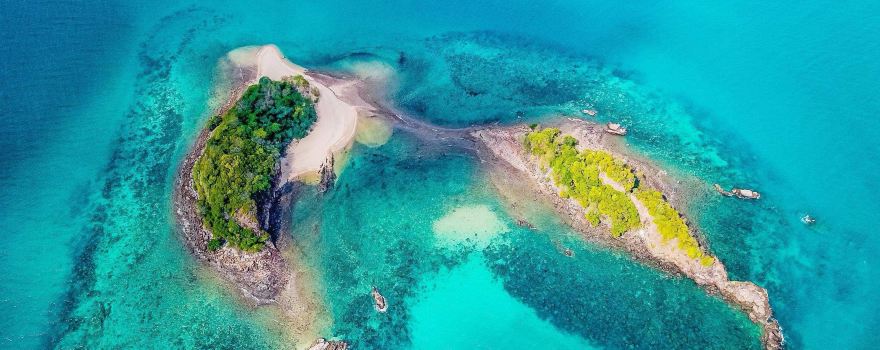
Koh Samet
Koh Samet Travel Guide 2026: Top Attractions, Local Food & Travel Tips | Trip.com
About Koh Samet
Recommended trip: 1–3 day(s)
Recommended trip: 1–3 day(s)Current weather conditions
 29°C
29°CKoh Samet Local Experiences Map
View local experiences on map






Trending in Koh Samet
View more
Trip.Best: Koh Samet
View more
Plan Your Koh Samet Trip
What to do
Looking for things to do in Koh Samet? We provide up-to-date info on everything from must-see scenic spots to local hangouts.
View more
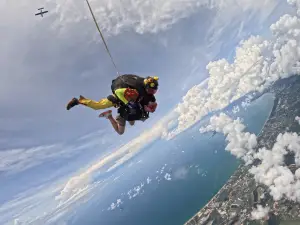
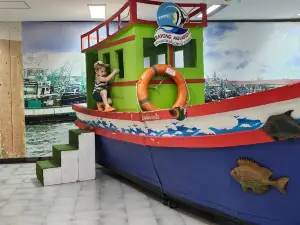
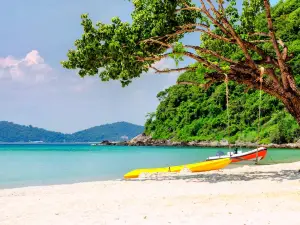
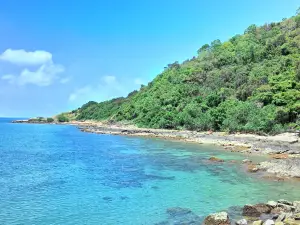
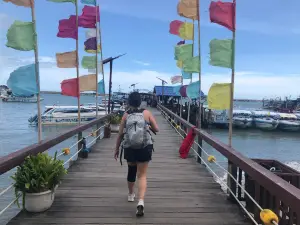
Khao Laem Ya–Mu Ko Samet National Park
3.4
4.8/530 Reviews
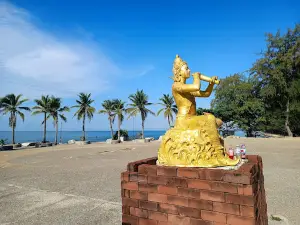
White stone
3.1
4.7/53 Reviews
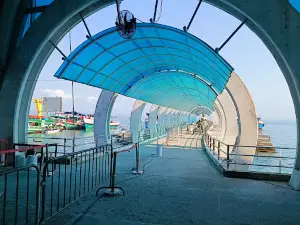
Mermaid Samed Travel Boat transport
3.1
This user hasn't left any comments yet
Where to stay
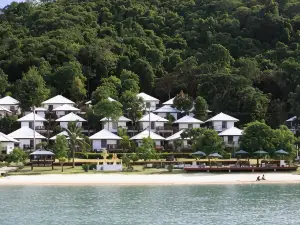
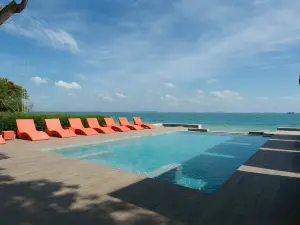
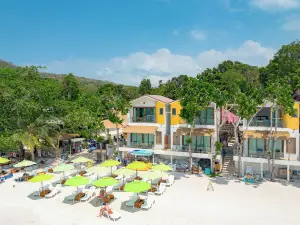
Discover the most popular places to stay in Koh Samet, complete with recommendations from fellow travelers and special hotel offers
View more






What to eat
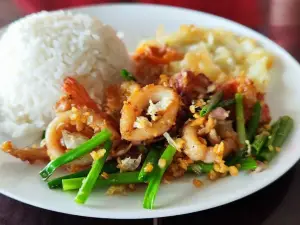
Want to eat like a local? Don't miss out on these top Koh Samet dishes and foodie spots.
View more
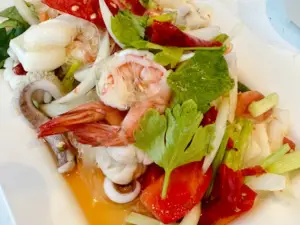
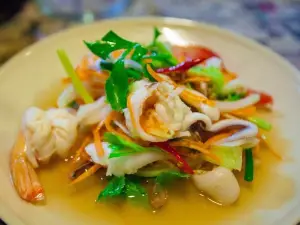
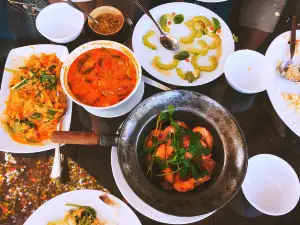
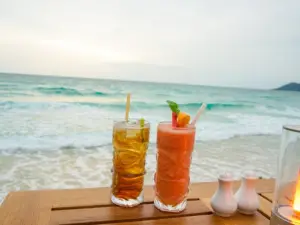
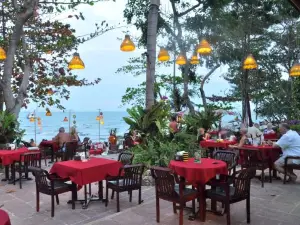
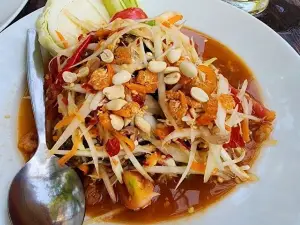
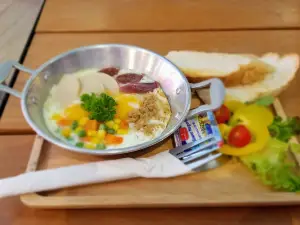
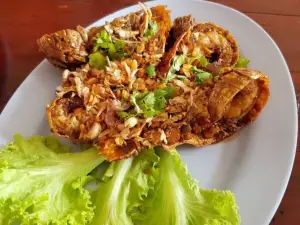
Koh Samet Moments: Through Travelers' Eyes
Post
#Recommended
#เกาะเสม็ด
#ระยอง
#รับส่วนลดไม่พึ่งดวง
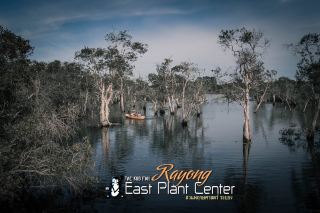
Rayong Provincial East Plant Center Located in Klaeng District, Rayong Province, near Hin Suay Nam Sai (a scenic area), and a short distance from the Sunthorn Phu Monument, the Rayong Provincial East Plant Center was established as a center for research and collection of plant species in the Eastern region. Importantly, it aims to conserve plant resources, particularly the ecological conditions of wetlands and mangrove forests, as well as providing knowledge, recreation, and ecotourism opportunities. The botanical garden covers approximately 2,500 rai (about 80 hectares), with the majority being wetlands. These wetlands offer various benefits, including preventing coastal erosion, protecting against excessive saltwater intrusion, and providing habitat for a diverse range of animals and plants, many of which are endemic to the region and rarely found elsewhere, with over 400 species facing extinction. Due to the unique wetland area, the botanical garden offers amphibious tourism activities, combining land, water, and even water-based experiences. Visitors can explore the wetlands by flat-bottomed boat. “Bueng Samnak Yai” or “Nong Chamrung” is a large natural lake covering over 3,800 rai (approximately 1,800 hectares). A portion of it, about 1,000 rai, is under the care of the Rayong Botanical Garden. Alternatively, you can choose to canoe through the lake and explore the natural surroundings on your own. The water in the lake is not very deep; don't worry if you fall out of the boat. For those who aren't strong swimmers, the water is only waist-deep. The mangrove forest here is known as the “thousand-year-old mangrove forest,” mostly consisting of white mangrove trees, but with some red mangroves mixed in. These trees grow on sandy soil in a swampy forest environment that is waterlogged to varying degrees depending on the season. On Koh Samet, however, only red mangrove trees are found. Mangrove trees are found throughout the southern and eastern regions of Thailand. They typically grow in swamp forests that are flooded during the rainy season. During the dry season, forest fires are frequent, and while other plant species cannot adapt, mangrove trees can survive because they are incredibly resilient to both water and fire. This is due to their thick, soft bark, layered on top of each other, protecting the very hard core of the tree.

เต่า4 ตัว
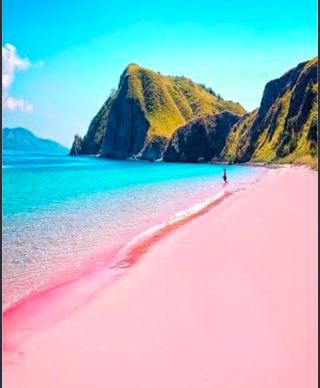
easytravelpost
Bangkok to Pink Sand: A Colourful Thailand Escape 🇹🇭🌸

Roam & Discover with Chicco
255
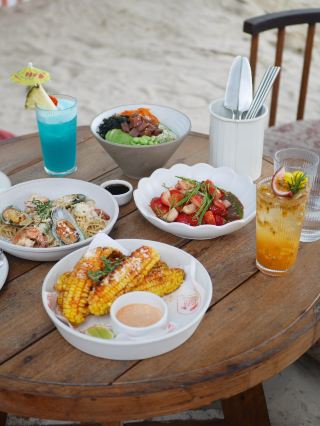
รีวิวร้านอาหาร
🍹Must-try restaurants on Koh Samet.

ทริปตามใจ
19
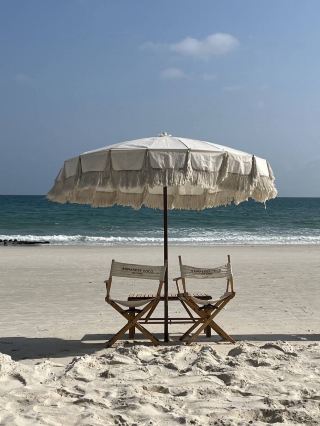
bucketlistdestinations
Sai Kaew Beach หาดทรายแก้ว

KrisAdventure_19
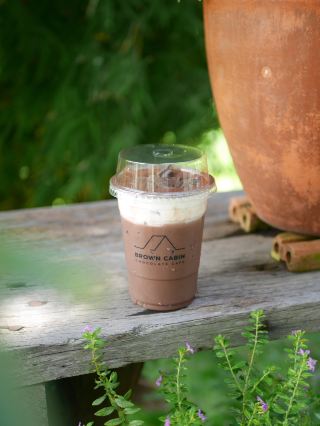
คาเฟ่เกาะเสม็ด
Chocolate Cafe in Koh Samet.
ทริปตามใจ
5
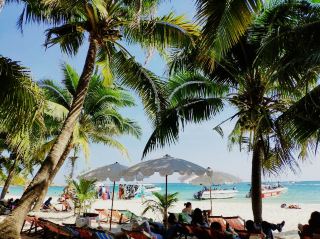
underratedspots
Whisper of Silver Sands

Riize rise
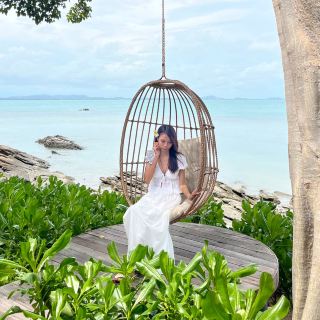
เกาะเสม็ด
A seaside cafe with amazing vibes in Koh Samet.
ทริปตามใจ
18
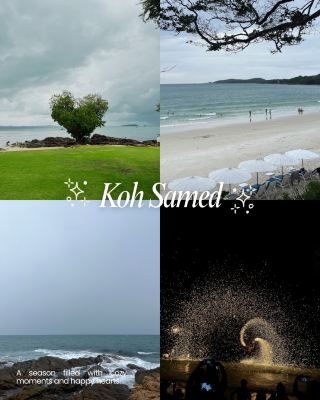
sea
Koh Samet in the Rainy Season? Absolutely! 🌧️🏝️

Akira C.
2
View more
Best of Koh Samet
Popular Best Things to Do Near Koh Samet
View more
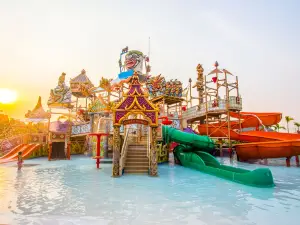
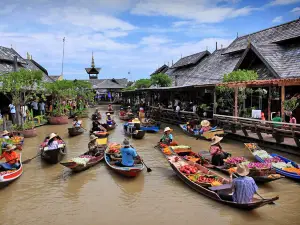
Ramayana Water Park
4.8/51,698 Reviews

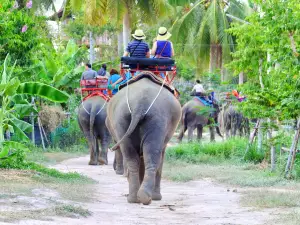
Elephant Jungle Sanctuary Pattaya Camp 1
4.9/5233 Reviews
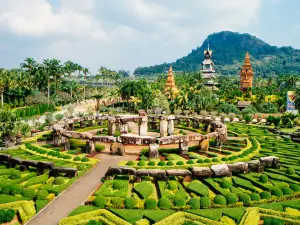
Nong Nooch Tropical Garden
4.7/55,174 Reviews
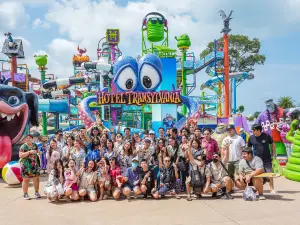
Columbia Pictures Aquaverse
4.7/52,390 Reviews

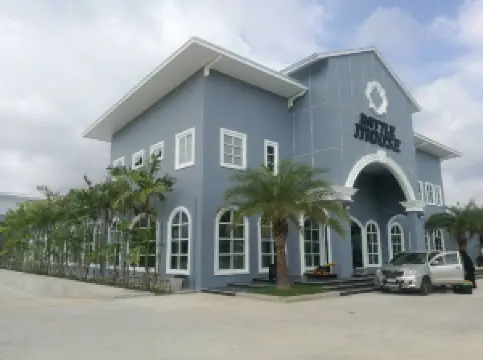
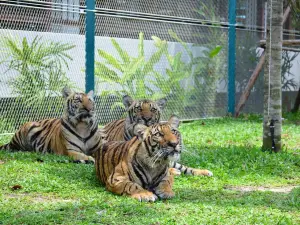

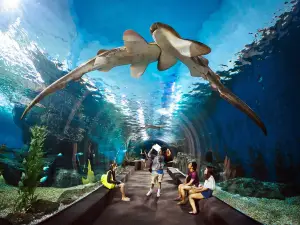

Popular Family-friendly Attractions Near Koh Samet
View more
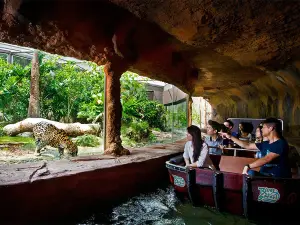
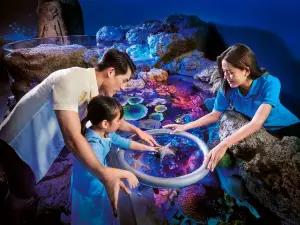
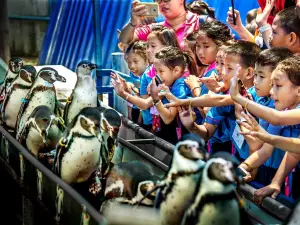
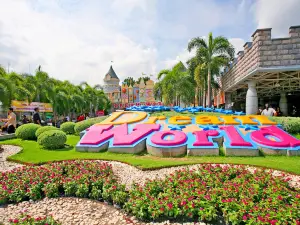
Nong Nooch Tropical Garden
4.7/55,174 Reviews

Columbia Pictures Aquaverse
4.7/52,390 Reviews

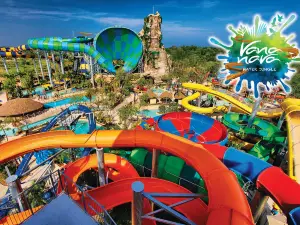
Vana Nava Water Jungle
4.7/51,023 Reviews
Popular Luxury Hotels Near Koh Samet
View more
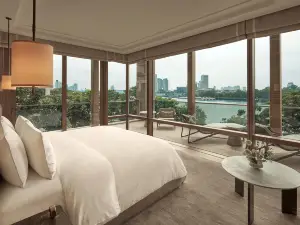
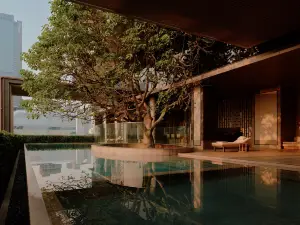
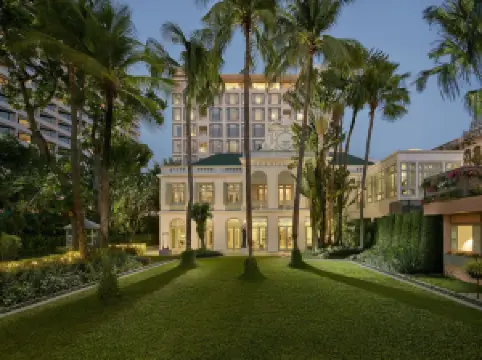
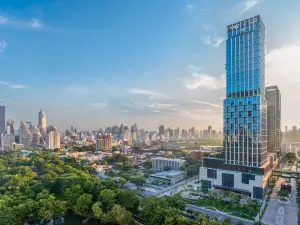

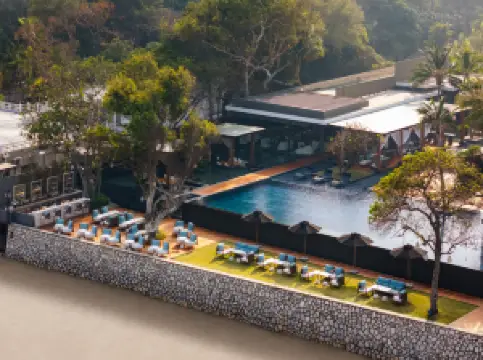
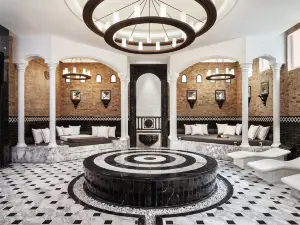
Popular Family Hotels Near Koh Samet
View more
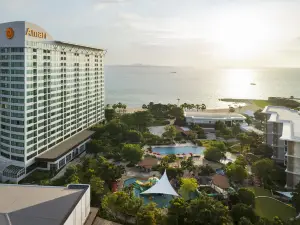
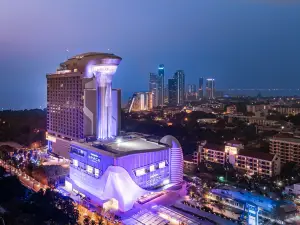
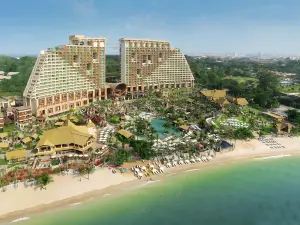
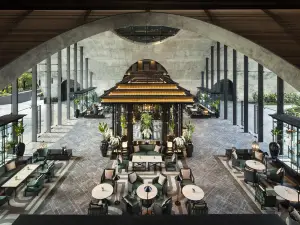
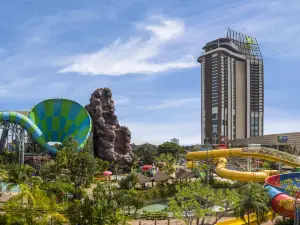
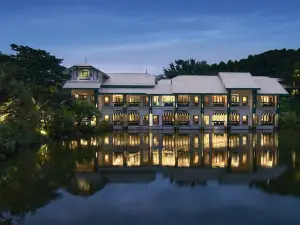
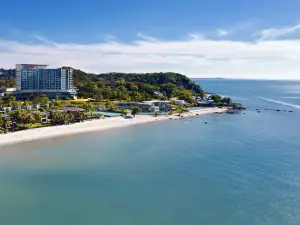
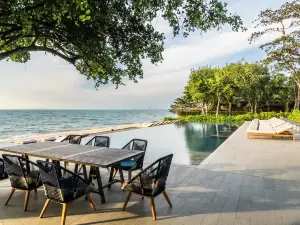
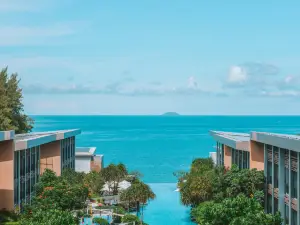
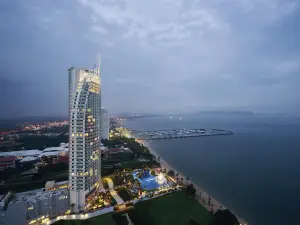
Popular Scenic Hotels Near Koh Samet
View more
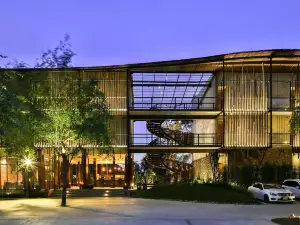
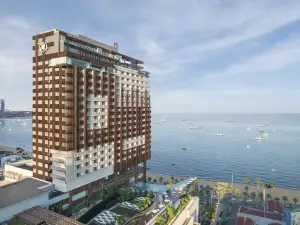
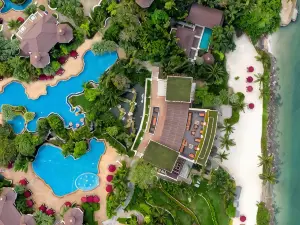
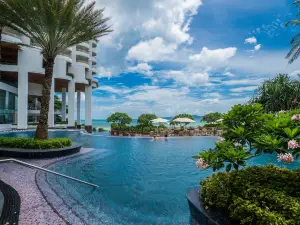
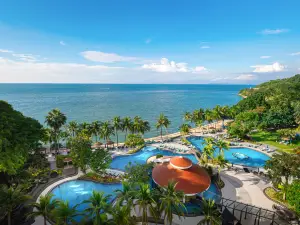
Popular Cultural Hotels Near Koh Samet
View more
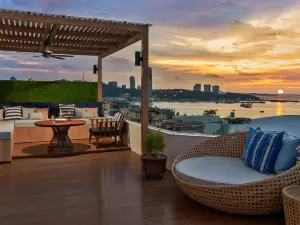
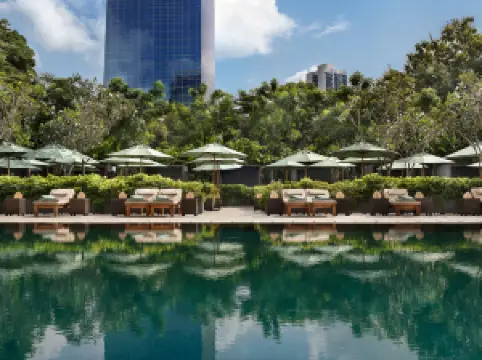
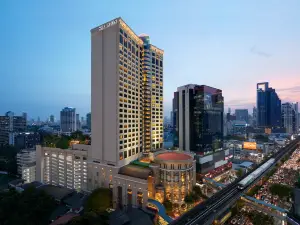
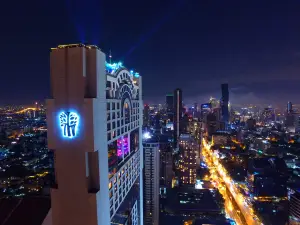
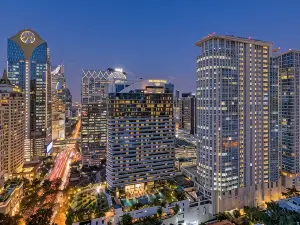
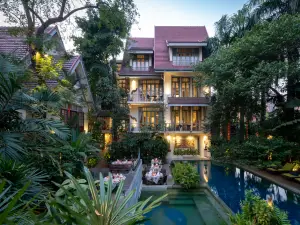
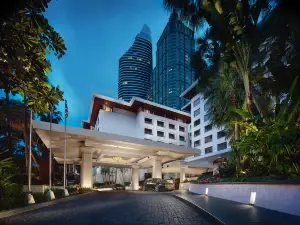
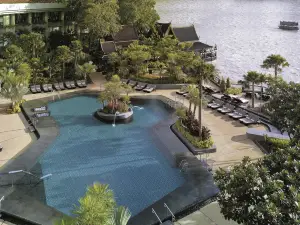
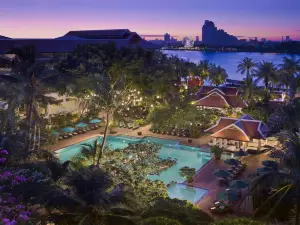
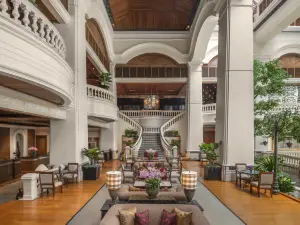
Popular Instagrammable Hotels Near Koh Samet
View more
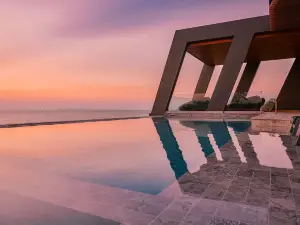
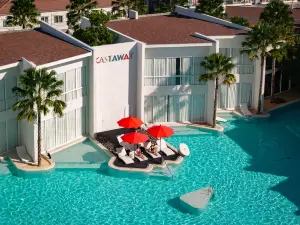
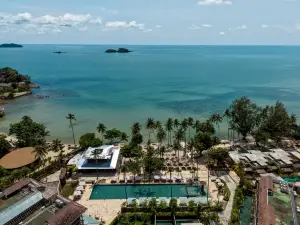
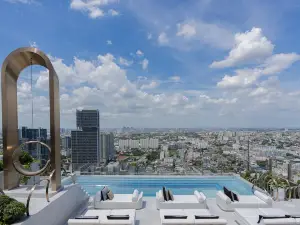
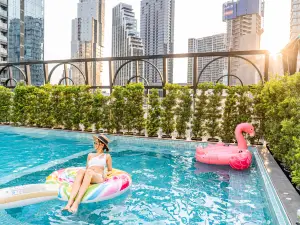
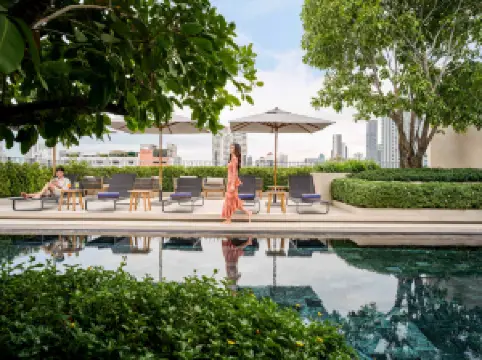
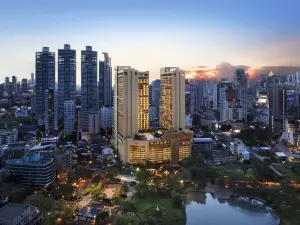
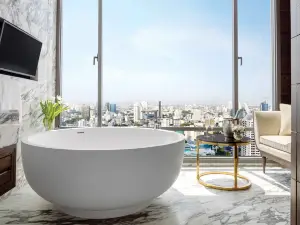
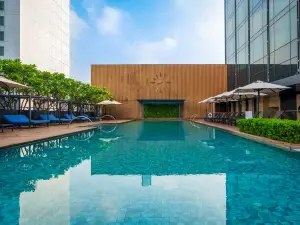
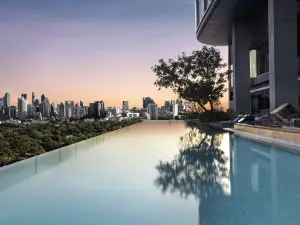
Popular Vacation Homes Near Koh Samet
View more
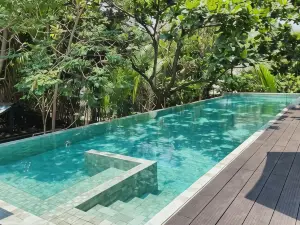
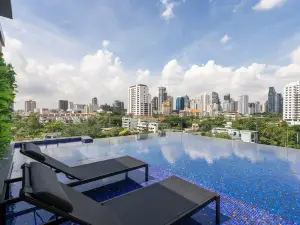
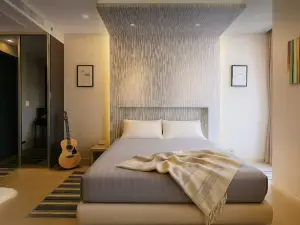
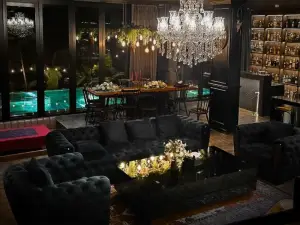
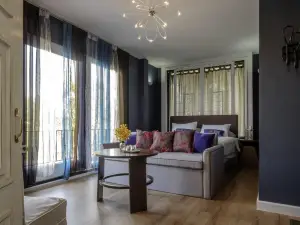
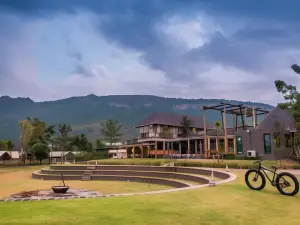
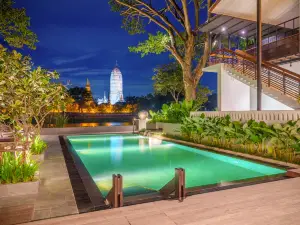
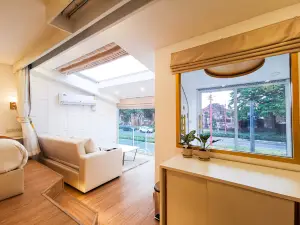
Popular Gourmet Hotels Near Koh Samet
View more
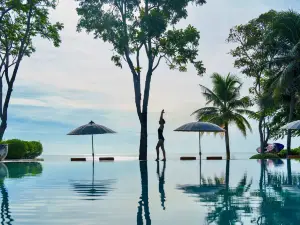
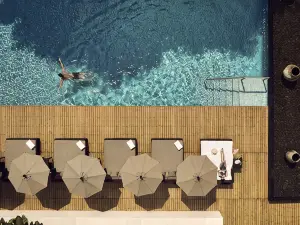
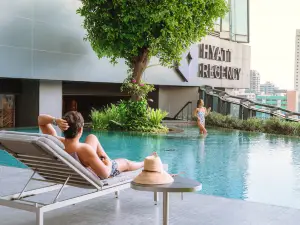
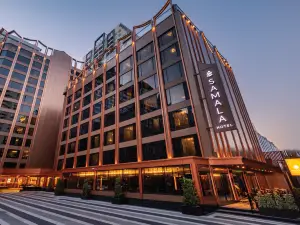
Popular Hotels with Villas Near Koh Samet
View more
Other recommended cities
Chiang Mai
Phuket
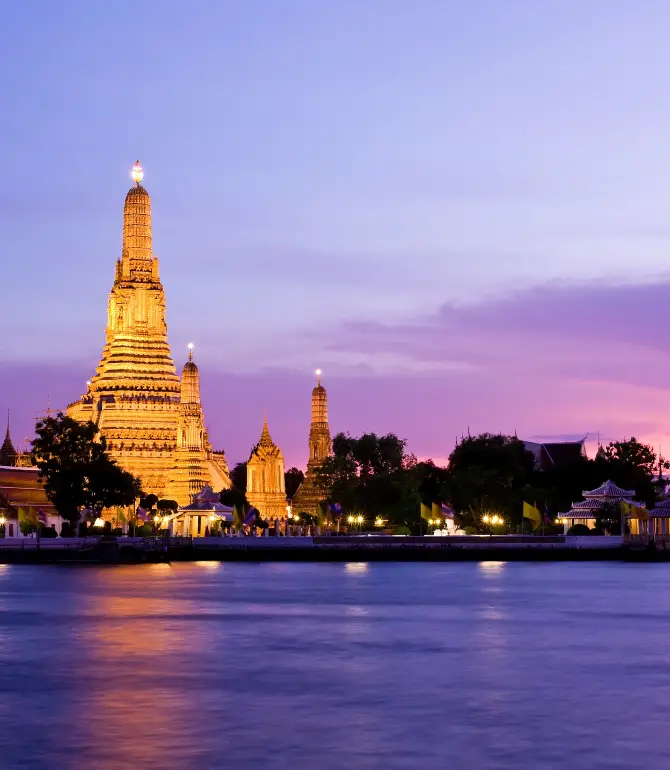
Bangkok
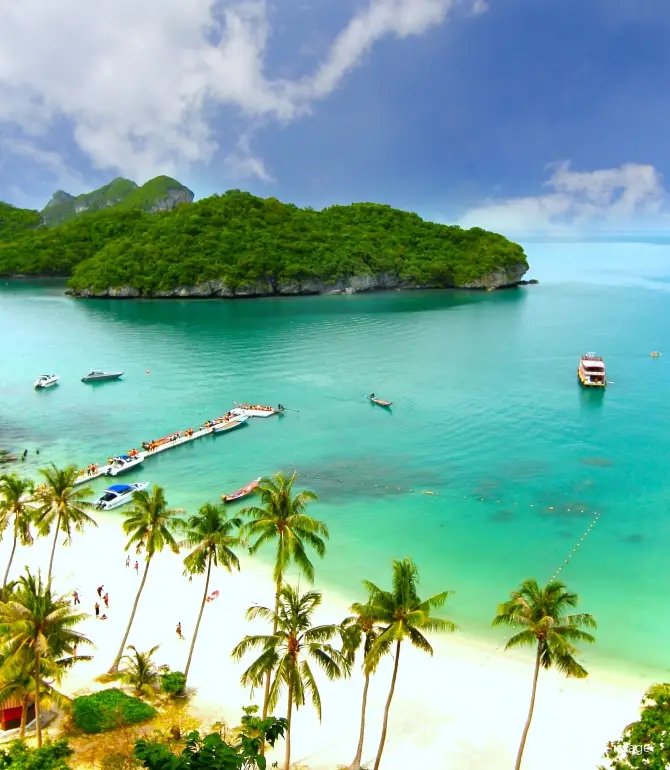
Koh Samui
Popular Types of Attractions in Koh Samet
Historical attractions | Nature and wildlife | Natural scenery | Beaches and shores | Mountain climbing | Sightseeing tours | Night view | Boat tour | Exhibitions & events | Concerts | Performances | Exhibitions | Leisure activities | Spa/massage | Farms and pastures | Camping and campsites | Cultural institutions | Themed exhibition halls | Museums | Science & technology museums | Outdoor activities | Mountain climbing | Shooting | Cycling | Parks
Popular Attractions in Koh Samet
Popular Ranked Lists
Top 50 Global Traveller-Picked Restaurants in Qingyuan | Top 10 Global Traveller-Picked Attractions in Nanchang | Top 10 Global Traveller-Picked Attractions in Xining | Popular Global Traveller-Picked Attractions in Pingyao County | Popular Premium Hotels Near Jianping | Popular Global Traveller-Picked Attractions in Burqin | Top 20 Global Traveller-Picked Attractions in Zhengzhou | Top 20 Global Traveller-Picked Hotels in Dongguan | Popular Premium Hotels Near Wuqi | Top 20 Global Traveller-Picked Hotels in Guilin | Top 20 Global Traveller-Picked Hotels in Qingyuan | Top 10 Global Traveller-Picked Attractions in Shangrao | Top 10 Global Traveller-Picked Attractions in Jiangmen | Top 50 Global Traveller-Picked Attractions in Guangzhou | Top 20 Global Traveller-Picked Attractions in Quanzhou | Top 50 Global Traveller-Picked Restaurants in Zhuhai | Popular Premium Hotels Near Jingyuan | Top 10 Global Traveller-Picked Attractions in Zhangye | Top 20 Global Traveller-Picked Hotels in Zhuhai | Top 50 Global Traveller-Picked Restaurants in Ningbo | Popular Premium Hotels Near Jinyang | Top 20 Global Traveller-Picked Hotels in Zhongshan | Popular Luxury Hotels Near Dassia | Top 50 Global Traveller-Picked Restaurants in Shenyang | Top 50 Global Traveller-Picked Restaurants in Dongguan | Top 50 Global Traveller-Picked Restaurants in Wuxi | Top 50 Global Traveller-Picked Restaurants in Dujiangyan | Top 10 Global Traveller-Picked Attractions in Shantou | Top 50 Global Traveller-Picked Restaurants in Suzhou | Top 10 Global Traveller-Picked Attractions in Wenzhou
Popular Restaurants in Koh Samet
The Kitt & Food | Banana Bar | Baan Ploy Samed Restaurant | Breeze Restaurant | Samed Villa Restaurant | Jep's restaurant (ร้านอาหารเจี๊ยบ) | Jump at Sea | Nice easy | Buzz Coco Club | Tubtim Resort Restaurant | Jirawan restaurant | Summer Day Beach Restaurant | Chew Chew Samednueng | O Restaurant | Praitalay Seafood Koh Samed | Vongdeuan Restaurant | Winkks Beach Club | The sausage factory | De'Grill Bar & Bristro Restatrant | Buddies | Chilli Thai food | Scoop Garden | Brown Cabin Chocolate Cafe | Naga Bar | Ao Pudsa Bungalows Restaurant | The Island Bar | Audibar koh samed | Arpace | Sawasdee Coco | Lido Beach Bar
Popular Destinations
Zihuatanejo de Azueta Travel | Zhongba Travel | Northeast Penang Island Travel | Crema Travel | Nanao Travel | Midland Travel | Wimberley Travel | North Sumatra Travel | Sulmona Travel | Gustavia Travel | Nueces County Travel | Lake Forest Travel | Plymouth Travel | Gippsland Travel | Westport Travel | Falkirk Travel | Olbia Travel | Prescott and Russell United Counties Travel | South Point Travel | Sciacca Travel | Hokuto Travel | Provence Travel | Harbin Travel | Subiaco Travel | San Antonio de Areco Travel | Dover Travel | Delaware County Travel | Mariana Travel
Recommended attractions at popular destinations
Popular Attractions in Bangkok | Popular Attractions in City of Manila | Popular Attractions in Tokyo | Popular Attractions in Taipei | Popular Attractions in Hong Kong | Popular Attractions in Seoul | Popular Attractions in Kuala Lumpur | Popular Attractions in Los Angeles | Popular Attractions in Shanghai | Popular Attractions in New York | Popular Attractions in Shenzhen | Popular Attractions in Osaka | Popular Attractions in Singapore | Popular Attractions in London | Popular Attractions in Guangzhou | Popular Attractions in San Francisco | Popular Attractions in Beijing | Popular Attractions in Macau | Popular Attractions in Bali | Popular Attractions in Jakarta | Popular Attractions in Paris | Popular Attractions in Ho Chi Minh City | Popular Attractions in Istanbul | Popular Attractions in Phuket | Popular Attractions in Chicago | Popular Attractions in Seattle | Popular Attractions in Toronto | Popular Attractions in Orlando | Popular Attractions in Cebu | Popular Attractions in Chiang Mai
Popular Trip Moments
🌊 Rayong 4 days 3 nights — The sea, islands, fruit, and a coastal city with more to offer than you think. | Sai Kaew Beach Resort | Ao Prao Resort: A Serene Getaway in Koh Samet | Le Vimarn Cottages & Spa. | 5 Rayong Beach Destinations So Good You'll Want to Pack Right Away | 3 Days 2 Nights in Koh Samet: The Ultimate Chill Island Getaway 🌊 | Ready for a beach getaway? | Thailand for under 2,000+ per person – what a deal! | Traveling to Thailand visa-free with kids is so worry-free | Review of a Trip to Koh Samed, Rayong | Koh Samet Travel Plan Review: Rayong. | The Heart-Shaped Tree. | 🇹🇭 Thailand is not one type of trip. Pick your region | Sawasdee Coco: The Must-Visit Beachfront Cafe on Koh Samet 🏖️ | Bangkok is beautiful, but I don't recommend it | Rayong Resort Hotel | Bangkok to Pink Sand: A Colourful Thailand Escape 🇹🇭🌸 | Sailing the Stunning Gulf of Thailand: Top Views & Water Activities! 🌊🚤 | 🇹🇭 Thailand Has 6 Different Personalities — Which Region Would You Explore First? ✨ | Nanyang Letters: Encounter a different Southeast Asia in Thailand, Singapore, and Malaysia | 10-Day Visa-Free Trip to Singapore, Malaysia, and Thailand: The Ultimate Guide | Koh Samet 2-Day Budget Travel Guide | 10-day Singapore, Malaysia, and Thailand tour, all in one guide! Visa-free and ready to go | Samed Villa Resort (Koh Samet) — A Cozy Beachfront Hotel for Families | Koh Samet Travel Review: Crystal Clear Waters and Beautiful Beaches in Rayong | 🇹🇭 ZONE 4 — EASTERN THAILAND | Koh Samet Guide: Best Beaches, Dining, and Tuk-Tuk Saving Tips | Koh Samed… Why did I wait so long to visit this gem?
More Things To Do in Koh Samet
Bangkok to Koh Samet or Rayong one-way private car service with 24-hour Chinese customer support, available for urgent requests. | Ko Samet: 5 or 6 Islands Snorkeling Tour with Lunch Option | Koh Samed Day Trip by Speed Boat(English-Speaking Guide) | [Available today] 10-hour private charter service in Pattaya city, Thailand [optional Chinese driver, customizable itinerary, multiple vehicle types available including Alphard and luxury Hiace] | Bangkok private charter service 4 hr/6 hr/10 hr self-guided tour customize (urgent booking accepted) | One-way private car service from Bangkok Airport to downtown, and from Bangkok to Pattaya/Hua Hin/Samet/Koh Chang | From Ko Samet: One-way Transfer to Pattaya | From Bangkok: One-way Transfer to Paradise Island | From Bangkok/Pattaya: Self-guided Day Tour to Paradise Island | From Pattaya: One-way Transfer to Paradise Island | From Ko Samet: One-way Transfer to Bangkok | 1-day tour to Koh Samet in Thailand with snorkeling and island hopping (pickup available from Pattaya) | Urgent booking available [Thailand-wide Toyota Alphard business vehicle service] for point-to-point transfers/private charter/intercity travel in Bangkok/Pattaya/Ayutthaya/Hua Hin/Samet/Koh Chang | Pattaya Koh Samet 1-day tour with English guide | departure from Pattaya | Private Transfer Between Thailand's Major Cities | [Same as cover image] Ultra-luxury Haice 8-10 seater ● Point-to-point intercity transfer from Bangkok to Pattaya/Hua Hin/Koh Chang/Koh Samet ◆ Bangkok airport to city | Bangkok city and surrounding area transfer service (private car transfer + point-to-point vehicle + hassle-free travel) | Diving and snorkeling experience at No Limit Divers 5* IDC Center in Pattaya, Thailand (8 hrs, includes transfer, guided by professional instructors) | [Instant Comfirmation] Pattaya All Star Cruise - Cabaret Show and Buffet | Half-day tour to Tiffany's Show Pattaya performance | Pattaya Koh Larn 1-day tour | Multiple activities | Optional parasailing·jet ski banana boat·snorkeling | [Available Today] Pattaya Oriental Atlantis Cruise Ticket | Male Model & Ladyboy Show + Buffet | Bangkok Full Day Tour to Koh Larn Island Full Day of Relaxation and Fun | From Bangkok: Pattaya Island Trip with Drone Photos | Siam Orion | Pattaya Fireworks Festival – Luxury Yacht Experience | KOH LARN Island Full Day Water Sport with transport | Pattaya - Ko Lan Trip (Tien-Beach)with Beach Activities and Drone Photos | ALCAZAR SHOW [VIP first 7 rows|Ticket issuance on the day|[Optional timeslot] | 22-person group 1-day tour to Koh Larn in Pattaya by speedboat with optional snorkeling/jet ski/diving | Experience five different styles of authentic Thai costumes in one session