
Things to Do in Shanghai: New Events & Hot Spots (Updated 2026)

Wickedly Fun at Shanghai Disney Resort: Villains Parade DebutsHOT


From Oct 4 to Nov 1, 2026, the Frightfully Fun Carnival kicks off at Shanghai Disney Resort with refreshed decorations and Disney friends in new Frightfully Fun outfits, bringing diverse themed activities and limited-time experiences.
🎭 Pete at the Frightfully Fun Carnival
⏰ Dates: Oct 4–Nov 1, 2026
✨ Highlights:
• Pete debuts his new Frightfully Fun look with up-close meet-and-greets.
🎭 Donald Duck and Friends Villains Parade
⏰ Dates: Oct 4–Nov 1, 2026
✨ Highlights:
• Donald Duck leads a villains parade. Guests may get the chance to join the Wonder With You celebration crew.
🎭 Villains Balcony Promenade
⏰ Dates: Oct 4–Nov 1, 2026
📍 Location: Enchanted Storybook Castle
✨ Highlights:
• Disney villains appear on the castle balcony with commanding presence.
🎭 Pirates Carnival Night
⏰ Dates: Oct 4–Nov 1, 2026
📍 Location: Treasure Bay
✨ Highlights:
• Captain Nova leads pirates ashore at Treasure Bay for a carnival night experience.
🎭 Howl Fest
⏰ Dates: Oct 4–Nov 1, 2026
⏳ Recommended times: 5:10 PM, 6:10 PM, 7:10 PM daily
📍 Location: Zootopia
✨ Highlights:
• The rare once-in-10-years howling flower super bloom is here. High concentrations of howling pollen in the air turn up the excitement.
• A howling version of "Wondrous Is Around You" rings through Zootopia. Join the Howl-on-the-10s activity.
• Get a chance to earn the "King of the Howl" crown. The new Blue Howl Water is now available.
🎭 Disney Frightfully Fun Super Party
⏰ Dates: Oct 22–Oct 31, 2026
📍 Location: Treasure Bay
✨ Highlights:
• The park transforms into a Frightfully Fun dance floor, with festivities extended to 10 days.
• A special edition of the Disney Villains Spectacular with dazzling fireworks and interactive surprises.
💡 Travel tip: Plan your itinerary in advance and check the Shanghai Disney Resort app for the latest schedule. Follow the Frightfully Fun Carnival costume guidelines for guest attire.
Come to Shanghai Disney Resort to unlock a variety of themed activities and limited-time experiences at the Frightfully Fun Carnival!
Shanghai

The Bund rooftop arts season opens with free panda-themed bookingsHOT


From September 13 to November 22, 2026, the Bund Terrace Art Season will feature panda-themed art installations, interactive experiences, and terrace culture events, linking multiple urban spaces along The Bund to create a public art experience that blends art, the city, and lifestyle.
🐼 Panda holiday on the Bund at the Bund Terrace Art Season
⏰ Dates: September 13–November 22, 2026
🎫 Tickets: Free for the public. Reservations are required for some areas.
✨ Highlights:
• Panda-themed installations and interactive spaces that channel an Eastern sense of nature, cuteness, and soothing charm.
• Connected spaces along The Bund that blend historic architecture, Huangpu River views, and the modern skyline to showcase the unique appeal of art and the city.
• After exploring the terraces, step into restaurants, cafes, and galleries to experience The Bund’s urban lifestyle.
• On the 21st floor of The St.Regis on the Bund,Shanghai, enjoy limited-edition panda-themed cocktails with Huangpu River views, and keep the holiday vibes going.
🎶 BFC Bund Heartbeat Terrace "Moon Window Stage" opening night
⏰ Date: September 19, 2026
✨ Highlights:
• The opening-night performance blends Eastern and Western music, breaking traditional boundaries and sparking an avant-garde sound.
• Traditional Eastern ensemble music and global melodies resonate along the Huangpu at night, delivering a unique audiovisual experience.
🎵 BFC "Moon Window Stage" international cultural performance series
⏰ Dates: September 20–November 15, 2026
✨ Highlights:
• Musicians from around the world take the stage with French jazz, Brazilian folk-pop, Colombian Latin electronic, and more.
• Neapolitan classics and other global narratives take turns on stage, showcasing the diverse allure of Latin American flair and Italian aesthetics.
💡 Travel tip: We recommend visiting during off-peak hours to better enjoy the terrace culture events.
Come to The Bund and experience the unique charm where art and city life meet!
Shanghai

POP MART city carnival pops up at Oriental Pearl TowerHOT


The POP MART City Park Carnival has arrived at Shanghai's Oriental Pearl Tower, kicking off a lively treasure-hunt adventure.
🎡 Fun interactions and immersive play
The entire plaza at the base of the tower has been transformed, with playful interactive moments and immersive experiences throughout. Unlock surprise photo ops as you explore and melt away your fatigue.
🍰 Sweet surprises
Delicious, photogenic desserts add a sweet vibe to the event and have become unmissable photo highlights.
⏰ Dates: Aug 31, 2026–Nov 1, 2026
Head to the Oriental Pearl Tower to join the POP MART City Park Carnival and set off on a magical treasure-hunt journey!
Shanghai

Explore 11 historic towns in Shanghai this fallHOT
Autumn has arrived in Shanghai. On October 3, Shanghai officially entered fall. White walls and black tiles wrapped in a light mist, with the late sun slanting across a river, make this the most beautiful season of the water towns.
By coincidence, Shanghai is also making big moves with its ancient towns this year: in 2025, the city will pass its first dedicated legislation for historic and cultural towns, and in March 2026, the Shanghai historic and cultural town protection regulations will officially take effect. In September, the Shanghai ancient town pictorial was released for the city’s 11 Chinese historic and cultural towns. In other words, visit now and you get the best season + the most comprehensive official travel guide.
🌉 1. The backbone of Jiangnan: bridges and rivers
Jinze is known as the No. 1 bridge town in Jiangnan. Seven ancient bridges from the Song, Yuan, Ming, and Qing dynasties still stand: Wanan Bridge, Shanghai Puji Bridge, Yingxiang Bridge, Linlao Bridge, Fangsheng Bridge, Tianhuangge Bridge, and Ruyi Bridge. The saying every bridge has a temple, and every temple has a bridge truly fits here. The Southern Song–era Shanghai Puji Bridge is one of the oldest stone arch bridges in Shanghai, and the Yihe Chan Temple in town was once famed across Jiangnan for its 5,048 rooms. Jinze sits at the heart of the Yangtze River Delta integration demonstration zone, next to the Dianshan Lake Scenic Spot, and it’s easy to add nearby Yuandang Lake to your trip.
Zhujiajiao is the pearl of Jiangnan on the shores of the Dianshan Lake Scenic Spot. The Caogang River runs through the town, the mighty Fangsheng Bridge spans the water, and North Street unfurls along the riverbank. Best of all, it hasn’t turned into an empty-shell attraction—over 1,000 Ming and Qing buildings still house original residents, and traditions like Tianshan folk songs and granny’s tea continue to be passed down. The Old Post Office from the Qing era still preserves the old-time romance of slow coaches and long letters.
🍜 2. Strolling and snacking: taste the flavor of an ancient town in one bite
Nanxiang is a time-honored town where a Five Dynasties brick pagoda mirrors cross-shaped water streets, with Guyi Garden—one of Shanghai’s five classical gardens—just beyond. Of course, the main mission in Nanxiang is a steaming basket of xiaolongbao. There’s good news too: the intangible cultural heritage month at Guyi Garden, themed Autumn moon at Guyi · Floating light elegant gathering, runs through October 25. It blends light and shadow, folk customs, and elegant autumn garden gatherings. Crowds thin after the holidays, making for a more relaxed experience.
Fengjing straddles Wu and Yue, and is the best showcase of Wu–Yue fusion in the Yangtze River Delta. The south of town features lotus-leaf walls, the north has horse-head walls; the south sings Yue opera, the north plays storytelling ballads; even the boats differ. Two signature intangible cultural heritages shine here: Dingti (braised pork knuckle) craft and Jinshan peasant painting. Nearby, visit the Chinese Folk Art Village and the Shanghai Intangible Cultural Heritage Town.
📜 3. Cultural veins flowing through the water towns
Jiading, called civilized Jiading, has more than 800 years of history and is Shanghai’s oldest county seat. Zhouqiao Old Street runs along the Hengli River, with Denglong Bridge linking Ming and Qing streets. The Confucius Temple and Huilongtan are close by, and remnants of the old city wall still stand by the West Gate. Jiading bamboo carving is a national-level intangible cultural heritage.
Liantang is the hometown of Chen Yun and has been a town for over 1,100 years. It highlights a red + ancient + green water-town identity. Along both banks of the City River’s Sanlitang stretch, you’ll find the classic pattern of tall, narrow lanes facing streetfront houses. The Chen Yun Memorial and Chen Yun’s Former Residence sit at the core. Around them, vast fields of water bamboo spread out, and the national-level intangible cultural heritage Qingpu Tianshan songs echo through the area.
Zhangyan preserves a century of Jinshan’s cultural lineage. Legend says Zhang Liang once lived here, and the Nanshe Memorial Hall (Yao Guang’s former residence) stands in town. A three-li-long street spans two bridges, while river docks and teahouses exude everyday calm. Head west to climb Qinwang Mountain, or south to reach Jinshan City Beach.
Chuansha is the root of Pudong culture. It retains a complete Ming-era square city and moat layout, and the ancient city wall still stands. Soong Ching Ling lived here as a child, and Huang Yanpei also left his traces. Along Liuzao Port, old streets, ancient bridges, and historic residences reflect each other.
Gaoqiao sits where the Yangtze River, the Huangpu River, and the Donghai meet—Shanghai’s gateway from the water. The old Baoshan city site is a coastal defense fort rebuilt in the Kangxi era. Gaoqiao Old Street stretches in a T shape, with shimmering velvet embroidery and the aroma of pine cakes. If you’re seeking the feel of an old river-and-sea town, this is the place.
🏘️ 4. Two more worth adding to your itinerary
Xinchang is the largest living ancient town in Pudong, with 120,000 sq m of historic buildings. It preserves the water-town pattern of cross-shaped streets and grid-like rivers, and the courtyard layout of shop in front, residence in the middle, and a garden across the river at the back. In 2019, it represented Shanghai in the UNESCO listing bid for Jiangnan water towns.
Luodian is a renowned water town in northern Shanghai, known for its dragon boat culture. The old street and Huashentang retain the original look of a Jiangnan market town, making it ideal for a day trip in the northern suburbs.
🏮 5. Post–Golden Week events you can still catch
The intangible cultural heritage month at Guyi Garden (Nanxiang) continues through October 25 and is the most worthwhile special trip after the holidays. Zhujiajiao, as part of the 2026 Shanghai Qingpu culture and tourism festival, is launching the Arts of Jiangnan immersive themed cultural season. With Hanfu and Kunqu opera as highlights, it brings live intangible cultural heritage performances into the golden autumn water town. Sijing Ancient Town is teaming up with the Shanghai International Light and Shadow Festival to stage a nighttime light show centered on Anfang Pagoda. The promo film Hundred Plays Are Born screens on the hour every night, delivering a full-on nightlife experience.
🎉 Quick-reference tips
Transportation: Zhujiajiao is directly served by subway Line 17 (Zhujiajiao station). Nanxiang is on Line 11 (Nanxiang station). Xinchang is on Line 16 (Xinchang station). Jiading is on Line 11 (Jiading North/Jiading West stations). Chuansha is on Line 2 (Chuansha station). Gaoqiao, Luodian, Jinze, Liantang, and Zhangyan are better for self-drive or subway + bus transfers. Follow your navigation app for specifics.
Timing: the best light in ancient towns is before 9:00 AM and after 4:00 PM. Weekdays are about twice as quiet as weekends. Fall brings big temperature swings morning and night, and it feels cooler in the suburbs—remember a light jacket.
This fall, there’s no need to go far. Pick a weekday and ride the subway to Zhujiajiao to catch sunset at Fangsheng Bridge, or drive 1 hour to Jinze to count its seven ancient bridges, then swing by Guyi Garden before October 25 for a Floating light elegant gathering. Shanghai’s Jiangnan has always been right here.
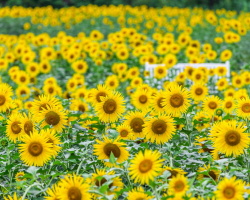
Van Gogh Fall Scenery: Colorful Sunflowers Bloom at Huakai HaishangHOT


At Huakai Haishang, a 50-acre field of colorful sunflowers blooms freely across the fall countryside. More than 10 specialty varieties weave together bold, painterly hues, recreating a romantic Van Gogh–style fall scene.
🌻 A colorful sea of sunflowers
The 50-acre sunflower field breaks free from a single shade of gold. Over 10 distinctive varieties—"White Moonlight," "Ruby Red Fragrance," "Drunken Clouds," "Sun King," and more—interlace in layers to unveil a fall spectacle worthy of an oil painting.
🌸 A rainbow of blooms
Sulfur cosmos, salvia, willowleaf verbena, cleome, and zinnias bloom in succession. Their vibrant colors light up the fall season, as if you’ve stepped into a fairytale world.
🍂 The color-changing kochia spectacle
600,000 kochia shrubs enter their color-changing phase. Their yellow-green tones play off the blossoms, brewing an even grander fall palette and adding a poetic touch to this pastoral landscape.
Come to Huakai Haishang and discover a Van Gogh–style romantic fall scene!
Shanghai

Pudong opens Shanghai International Light Festival with night toursHOT


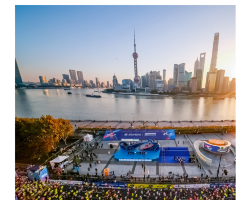
The Pudong New Area program of the 3rd Shanghai International Light & Shadow Festival, themed "Light up Pudong, a dazzling show in Qiantan," links cultural landmarks and key retail hubs to create a districtwide light-art celebration. The event runs from September 20–October 16, 2026, featuring light shows, art exhibitions, and night tours that showcase 36 years of Pudong’s development since opening up.
🗼 Oriental Pearl Radio & Television Tower light show
⏰ Time: September 20–October 16, 2026
📍 Location: Lujiazui Area riverfront
✨ Highlights:
• Three light-and-shadow chapters spotlight cultural heritage, sci-tech innovation, and the spirit of the times.
• Immersive experiences on the riverfront and cruise routes.
• Light-art exhibitions, art workshops, and nighttime concerts.
🖼 Mirror Hall themed media showcase at the Museum of Art Pudong
⏰ Time: September 20–October 16, 2026
📍 Location: Museum of Art Pudong
✨ Highlights:
• A Mirror Hall showcase tied to the 5th anniversary and the Morandi special exhibition.
• A storytelling blend of facade projections, art exhibitions, and dynamic light.
🏞 Shanghai Expo Culture Park nighttime light tour
⏰ Time: September 20–October 16, 2026
📍 Location: Shanghai Expo Culture Park
✨ Highlights:
• A Jiangnan garden–themed fair presents "Osmanthus shadows under the moon."
• Natural plant lighting creates an immersive eco night tour.
• Greenhouse garden holograms, mist effects, and interactive installations.
✈️ Mercedes-Benz Arena projection show
⏰ Time: October 5–October 16, 2026
🛫 A facade projection show celebrates its 15th anniversary.
🛬 Synced with the riverfront nightscape for a visual feast of light.
🏯 Xinchang Ancient Town 3D mapping show
⏰ Time: September 20–October 16, 2026
📍 Location: Xinchang Ancient Town
✨ Highlights:
• Themes span millennia-old salt heritage, utopian imagery, and local intangible cultural heritage.
• Digital light revives the cultural memory of Jiangnan water towns.
• The show follows the minimum intervention principle for historic buildings.
🎡 NO.1 YAOHAN light-art garden experience
⏰ Time: September 20–October 16, 2026
📍 Location: NO.1 YAOHAN
✨ Highlights:
• Light installations, a global food market, and an aesthetics salon.
• The "Take a photo with the moon" interactive installation is a popular photo spot.
🌉 PRISMA Xinjia Center waterfront night tour of light
⏰ Time: September 20–October 16, 2026
📍 Location: PRISMA Xinjia Center
✨ Highlights:
• Four signature artworks themed around light, time, energy, and life.
• A fusion of waterfront assets with night-tour light scenes.
• Four atriums, outdoor facades, and the L6 Prism Garden form an art theater.
🏙 Century Link Mall "Wonder Workshop" light program
⏰ Time: September 20–October 16, 2026
📍 Location: Century Link Mall
✨ Highlights:
• A core story of "wishes and glimmers" shapes a nighttime light narrative.
• The giant architectural light clock, "Moonlight crescent clock," elevates the evening atmosphere.
• A starlight guide corridor layers star-trail lighting with floating light installations.
💡 Travel tips: Bring a camera or phone to capture stunning light-art moments. Some events require advance reservations, so please check the latest updates.
Come to Pudong to experience the perfect blend of light art with culture, travel, and shopping!
Shanghai

Old phone booth reborn as a worry drop boxHOT


The "Night Return · Nandong Worry Relief Shop" in the Nanjing East Road Subdistrict sits next to Exit 5 of Site of the First CPC National Congress · South Huangpi Road Station. This unique space, transformed from an old phone booth, has drawn many visitors to drop off their worries.
📞 Worry relief shop
The curators turned the phone booth into a "Shanghai-style wormhole," with a nostalgic setup inside. Old photo albums, vintage books, flip phones, and vinyl records make you feel like you’ve stepped back decades in Shanghai. A restored No. 99 Jiangyin Road plaque, in particular, carries heartfelt memories of old Shanghai life.
📝 Store your worries
Step into the booth to write your worries, secrets, or rants anonymously and slip them into a small drawer. You can also read others’ notes and reply. There’s even a "Worry Hotline: 666-1314," symbolizing blessings of smooth sailing for a lifetime, creating a safe space to share what’s on your mind.
📅 Limited-time replies
From October 16 to 18, 2026, the "Night Return · Nandong Worry Relief Shop" is hosting a limited-time reply event. The two curators will be on site to interact and offer special responses to those who once left their thoughts here.
🚗 Transportation: Subway Lines 1, 10, and 13 to South Huangpi Road Station, Exit 5.
⏰ Business hours: daily 6:00 PM–9:00 PM
⏰ Dates: Oct 8–18, 2026
💡 Travel tip: The event is free and no reservation is needed. Visit outside peak hours to avoid lines.
Come to the "Night Return · Nandong Worry Relief Shop" to store your worries in this one-of-a-kind phone booth and soak up its nostalgic, healing warmth!
Shanghai

CHIIKAWA special exhibition comes to Shanghai!HOT


CHIIKAWA DAYS Shanghai special exhibition, Sep 12–Nov 1 at Jing An Kerry Centre. Ticketed exhibition area + pop-up store—get your fill in one visit.
🎟 How to choose between 2 ticket types
Perk bundle:
Exhibition area ticket ×1
Pop-up store shopping experience ×1
Full set of 9 character name tag charms ×1
RFID light-up hunting rod ×1 (style randomly assigned)
General ticket:
Exhibition area ticket ×1
Pop-up store shopping experience ×1
Character name tag charm ×1 (style randomly assigned)
Pick the perk bundle to collect the full set of merch, or go with the general ticket for a lighter visit.
📍 Useful info
Location: Jing An Kerry Centre (JAKC)
Dates: Sep 12 (Sat)–Nov 1 (Sun), 2026



Your must-see museum exhibitions this fallHOT


In the fall month of September, museums across China are rolling out a slate of blockbuster exhibitions spanning Tang–Song calligraphy and painting, Liangzhu cong jade, ancient Egypt, and more—must-sees for exhibition lovers.
🎨 Canon and legacy: Tang–Song calligraphy and painting
⏰ Dates: Sep 1–27, 2026
📍 Location: Beijing, The Palace Museum
✨ Highlights:
• Features 107 precious works, including a copy of "Preface to the Orchid Pavilion," "Illustration of the Ode to the Nymph of the Luo River," and "Emperor Taizong Receiving the Tibetan Envoy."
• A wealth of top-tier national treasures and one-of-a-kind surviving works, with a focus on Tang and Five Dynasties pieces.
• Immerse yourself in the grandeur and spirit of Tang–Song calligraphy and painting.
🎨 Cong chronicles: Liangzhu 90th anniversary special exhibition
⏰ Dates: Sep 12–Nov 29, 2026
📍 Location: Hangzhou, Liangzhu Museum
✨ Highlights:
• The largest exhibition in China devoted to cong jade.
• 39 institutions in China and abroad join forces, bringing together 124 cong artifacts.
• Includes major local Liangzhu pieces, transmitted cong through the ages, and repatriated works including items formerly held by The British Museum.
🎨 Prosperous Gusu
⏰ Dates: Jul 11–Oct 11, 2026
📍 Location: Suzhou Museum West
✨ Highlights:
• The "Prosperous Suzhou" scroll makes a triumphant homecoming after 20 years.
• Shown alongside Zhang Xu’s "Four Ancient Poems" calligraphy, works by the Four Masters of Wu, and 62 other highlights.
• A vivid portrayal of the bustling prosperity of Jiangnan in the Qing dynasty.
🎨 Gods of Angkor
⏰ Dates: Sep 17, 2026–Mar 21, 2027
📍 Location: Changsha, Hunan Museum
✨ Highlights:
• A debut showcase of millennia-old treasures from the Khmer Empire.
• Over 150 significant artifacts from Cambodia on display.
• Sculptures of deities such as Shiva and the Buddha gathered together, with immersive light and shadow to unlock a thousand years of Southeast Asian civilization.
🎨 By the Nile: ancient Egyptian civilization
⏰ Dates: May 18–Oct 18, 2026
📍 Location: Ordos Museum
✨ Highlights:
• Inner Mongolia’s first large-scale exhibition of authentic ancient Egyptian artifacts.
• 178 sets of objects, 95% making their first trip to China, spanning 5,000 years of civilization.
• An immersive exploration of ancient beliefs about life and death along the Nile.
🎨 Atop the world tree: ancient American civilizations
⏰ Dates: Through Nov 14, 2027
📍 Location: Shanghai Museum
✨ Highlights:
• Nearly 3,000 treasures of ancient American civilizations airlifted across borders by charter.
• Covers the Maya, Inca, Aztec, and more.
• A panoramic interpretation of 3,000 years of ancient American history from a Chinese perspective.
🎨 Brilliance: an exhibition of jeweled treasures
⏰ Dates: May 1–Oct 8, 2026
📍 Location: Hohhot, Inner Mongolia Museum
✨ Highlights:
• A showcase of top treasures spanning five centuries.
• 400 treasured pieces, including a tiara in the same style as seen in "Downton Abbey," antique jewelry, and a Qing dynasty kingfisher-feather phoenix crown.
• East–West master craftsmanship in dialogue, with an opulent, immersive atmosphere.
🎨 Ancient Greece and Rome
⏰ Dates: May 18–Oct 18, 2026
📍 Location: China Grand Canal Museum, Yangzhou
✨ Highlights:
• A China–UK co-curated special exhibition.
• Iconic statues of deities such as Zeus and Athena on view.
• Immerse yourself in the epic legacies of ancient Greece and Rome.
🎨 Bearers of bronze: Eurasian bronze art
⏰ Dates: Jul 8–Oct 31, 2026
📍 Location: Zhengzhou, Henan Museum
✨ Highlights:
• Collaboration among 12 cultural institutions.
• Over 400 important Eurasian bronzes assembled.
• Rare bronze artifacts spanning China’s Shang and Zhou periods, ancient Egypt, and ancient Rome.
🎨 Years of peace: a harmonious realm
⏰ Dates: Jul 28–Nov 1, 2026
📍 Location: Hangzhou, Zhejiang Provincial Museum
✨ Highlights:
• A cross-over exhibition blending film/TV IP with cultural relics.
• Nearly 1,000 national treasures from the Five Dynasties and Ten Kingdoms gathered together.
• The original "Night Revels of Han Xizai" will be withdrawn on Sep 20, with a very brief viewing window.
💡 Travel tip: Reserve popular exhibitions in advance to avoid peak-hour lines. Some shows have limited runs, so plan your itinerary early.
Come experience these dazzling cultural feasts!
Beijing

Haichang Ocean Park Festival: Free Night AdmissionHOT


On October 10, 2026, Shanghai Haichang Ocean Park will launch the "Magic City Ocean Spectacular," releasing 10,000 exclusive free night-entry tickets for Gen Z visitors aged 17–26. As a national 4A-rated tourist attraction themed around ocean culture, it offers a vibrant lineup of nighttime experiences.
🐋 Five themed zones and signature shows
The park features five themed zones and a resort hotel, and is home to over 30,000 marine animals. Enjoy 16 signature shows, including "Orca Science Show," "Sea Lion Express," and "Dolphin Love Story," and discover the wonders of marine life.
🐧 Animal exhibits and rides
Six animal exhibit venues, including the Antarctic Penguin House and Sea Mammal Exploration, provide immersive viewing experiences. The park also offers more than 10 rides, such as Volcano Rafting and the Dolphin Roller Coaster, perfect for a fun outing with friends.
🤖 Ultraman Theme Pavilion and mecha parade
The Ultraman Theme Pavilion, located in the Undersea Wonderland zone, includes five themed areas such as the Ultraman-themed restaurant and the Frozen Theater, and is a hit with young visitors. The "Blue Star Squad" land-and-sea mecha grand parade runs daily, with a team of over 10 giant mecha beasts making a powerful entrance in the Ice and Snow Kingdom zone for a stunning audio-visual spectacle.
⏰ Time: October 10–16, 2026, daily after 4:00 PM
💡 Travel tips: Plan your route in advance so you don’t miss the shows. Stay safe at night and consider going with friends.
Head to Shanghai Haichang Ocean Park and unlock a new way to enjoy the night!
Shanghai


LEGOLAND Shanghai kicks off Little Monsters PartyHOT


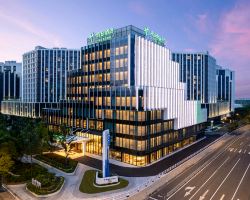
Shanghai LEGOLAND Resort launched the autumn-themed event "Little Monsters Mega Party" on the first day of the Mid-Autumn holiday. With the theme "Get quirky together, have more fun," it offers a one-stop family-friendly getaway by day and night.
🎡 Little monsters mega party
The park is filled with festive vibes, blending LEGO elements with Mid-Autumn themes. By day, kids can join colorful interactive activities, play with LEGO characters, and soak up the joyful holiday spirit.
🏰 Castle light and projection show
At night, the park debuts its first castle light-and-projection show, combining dazzling projection effects with original LEGO stories to deliver an immersive after-dark experience. Under the lights, the castle shines with captivating colors, creating a visual feast for the evening.
⏰ Dates: Sep 25–Nov 1
Come to Shanghai LEGOLAND Resort and enjoy an unforgettable holiday with your family!
Shanghai


Yu Garden kicks off immersive Shanghai culture experiencesHOT


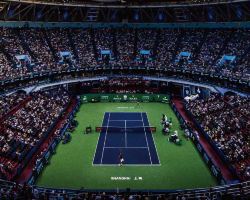
First built during the Jiajing period of the Ming dynasty, Yu Garden has a history of more than 460 years. Hailed as the finest garden in Southeast China, it is a vital window into Shanghai’s urban culture. On September 28, 2026, Xu · Yu Garden officially opens, offering visitors a fresh, immersive Haipai (Shanghai-style) cultural experience.
🌸 Xu · Yu Garden immersive experience
Xu · Yu Garden centers on five experiences: viewing, dining, strolling, performance, and light and shadow. It blends live performances, food and drink, attire, light and shadow, and interactive immersion to create multi-layered cultural scenes. Visitors can admire the garden’s beauty, immerse themselves in seven acts, experience the charm of music, dance, and opera, savor authentic cuisine, capture photos, join interactive activities, and move from seeing the garden to entering the story.
🎭 Seven-act immersive storytelling
Xu · Yu Garden uses seven-act immersive storytelling to narrate how Shanghai evolved from Jiangnan cultural traditions to Haipai culture. The storytelling connects garden spaces, culinary experiences, and urban culture, guiding visitors from seeing Yu Garden to understanding Shanghai, and ultimately stepping into the city’s cultural stories to feel its unique appeal.
📌 Where culture and history meet
Taking Yu Garden as its cultural starting point, Xu · Yu Garden weaves together the garden, architecture, city stories, and traditional arts to reinterpret history and culture. Through immersive experiences, Yu Garden’s culture is no longer a static display but a living scene you can enter, participate in, and feel, helping more people connect with Chinese culture and understand Shanghai’s story.
⏰ Time: from September 28, 2026
Come to Xu · Yu Garden and start an immersive Haipai cultural journey!
Shanghai

Huangpu Summer Arts & Culture Strolls: Quick GuideHOT


Huangpu District has launched a diverse arts-and-culture stroll program featuring art exhibitions, outdoor performances, nighttime walks in shopping areas, and summer lotus viewing. Spend the day at exhibitions and parks, then enjoy evening strolls and performances.
🖼 atop the world tree: a grand exhibition of ancient American civilizations
⏰ Dates: Jul 18, 2026–Nov 14, 2027
⏰ Business hours: evening session this week 5:00 PM–9:00 PM
📍 Location: Shanghai Museum (201 Renmin Avenue)
✨ Highlights:
• Rare artifacts from ancient American civilizations, including the Maya and the Inca.
• Immersive experiences that unlock the mystery of faraway cultures.
• A rich, atmospheric vibe for nighttime viewing.
🖼 glass in tension: a flowing Venetian carnival
⏰ Dates: Jul 18, 2026–Oct 18, 2026
📍 Location: Bund One Art Museum (2F, 1 Zhongshan East 1st Road)
✨ Highlights:
• Dreamy glass art set against stunning river views.
• Striking light and shadow for effortlessly cinematic photos.
🌸 people’s park lotus pond
📍 Location: inside People’s Park, 231 Nanjing West Road
✨ Highlights:
• A hidden gem for lotus viewing in the city center with a tranquil, breezy pond.
• Lush green leaves and pink blooms in perfect layers—great from any angle.
⏰ Timing: peak lotus bloom season
⏰ Business hours: open all day
🌸 fuxing park lotus pond
📍 Location: inside Fuxing Park, 516 Fuxing Middle Road
✨ Highlights:
• A century-old French-style garden paired with an elegant lotus pond for a unique East-meets-West charm.
• A serene summer hideaway in the bustling city with classic, ink-wash vibes and lush greenery.
⏰ Timing: peak lotus bloom season
⏰ Business hours: open all day
💡 Travel tips: some venues require advance tickets, so plan your itinerary accordingly. In summer, use sun protection and stay hydrated.
Come to Huangpu District and unlock a soothing summer arts-and-culture stroll!
Shanghai




Yu Garden Opens: Immersive Shanghai Culture ExperienceHOT


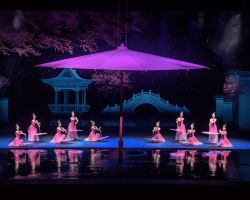
On October 1, 2026, Xu · Yu Garden officially opens to the public, blending Yu Garden’s more than 460 years of Jiangnan heritage with Shanghai’s Haipai culture to create an immersive Shanghai cultural experience.
🎭 Immersive storytelling
Xu · Yu Garden weaves seven immersive acts that trace Shanghai’s origins, Chinese ritual and music traditions, the old city’s everyday life, and the poetic charm of classical gardens. Beginning with the opening act "Cangmei Prayer for Peace," music, dance, opera, and space interlace. Audiences are not just spectators—they step into Yu Garden through each act and connect with Shanghai’s living memories.
🍴 Benbang cuisine
Xu · Yu Garden partners with Shanghai Old Restaurant, a century-old, time-honored brand, to present Benbang dishes recognized as part of China’s intangible cultural heritage. Signature classics such as the award-winning Eight-Treasure Duck, created by fifth-generation inheritor Master Luo Yulin and his team, bring the taste of Shanghai to every guest’s table and integrate heritage into modern life.
👘 Traditional attire and light
Change into traditional attire, complete hair and makeup, and step into Xu · Yu Garden’s Eastern settings where lantern light and garden scenery complement each other. By day or night, guests can immerse themselves in Yu Garden’s cultural narrative, capture personal images with a distinctly classical Chinese aesthetic, and experience the shift from viewing a garden to entering a story.
⏰ When: Open to the public from October 1, 2026
💡 Travel tip: We recommend booking tickets in advance. Crowds are heavier on holidays.
Come to Xu · Yu Garden and embark on an immersive journey into Shanghai culture!
Shanghai
1
2
3
Other City Trends
Things to Do in Beijing: New Events & Hot Spots (Updated 2026) | Trip.com
230 trends
Things to Do in London: New Events & Hot Spots (Updated 2026) | Trip.com
131 trends
Things to Do in Chengdu: New Events & Hot Spots (Updated 2026) | Trip.com
128 trends
Things to Do in New York: New Events & Hot Spots (Updated 2026) | Trip.com
122 trends
Things to Do in Hangzhou: New Events & Hot Spots (Updated 2026) | Trip.com
117 trends
Things to Do in Tokyo: New Events & Hot Spots (Updated 2026) | Trip.com
104 trends
Things to Do in Xi'an: New Events & Hot Spots (Updated 2026) | Trip.com
102 trends
Things to Do in Bangkok: New Events & Hot Spots (Updated 2026) | Trip.com
100 trends