Venice Travel Guide 2026: Top Attractions, Things to do & Itinerary | Trip.com | August 2026
About Venice
Recommended trip: 2–4 day(s)
Recommended trip: 2–4 day(s)Current weather conditions
 28°C
28°CVenice Local Experiences Map






Trending in Venice
Venice Local Travel Guide 2026
Venice Brief Guide
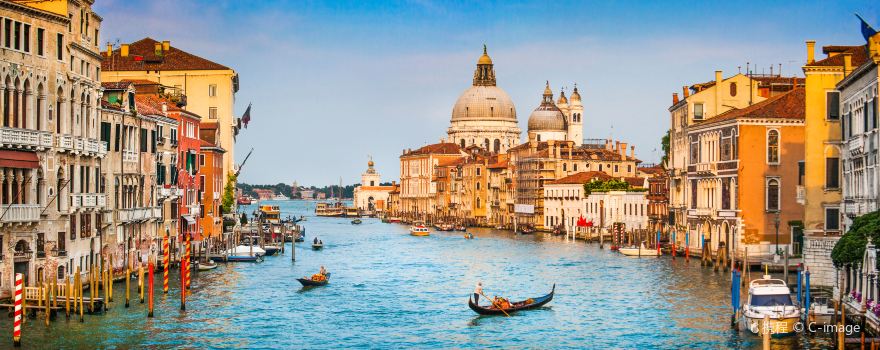
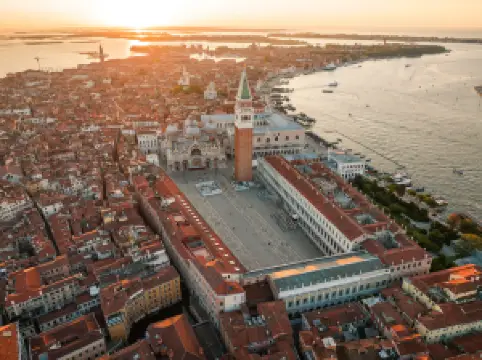
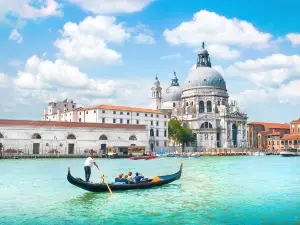
Venice, Italy’s enchanting floating city built on 118 islands in the Venetian Lagoon, is a UNESCO World Heritage site famed for its canals crossed by gondolas, historic landmarks like St. Mark’s Basilica and the Doge’s Palace, and romantic atmosphere in neighborhoods such as San Marco and Dorsoduro. Renowned for its Carnival masks, glass-blowing on Murano, and fresh seafood cuisine, it offers serene walks along the Grand Canal, vibrant markets at Rialto Bridge, and day trips to Burano or the Lido beach. Plan your perfect Venice adventure with our guide.
Venice Must-try local experiences
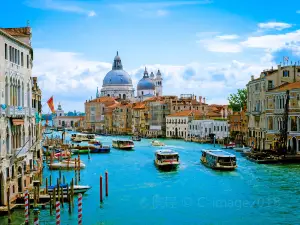
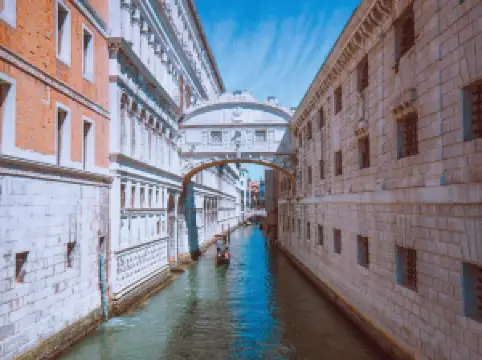
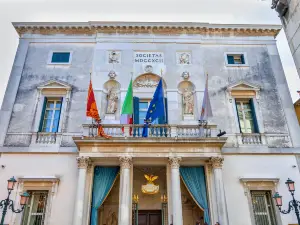
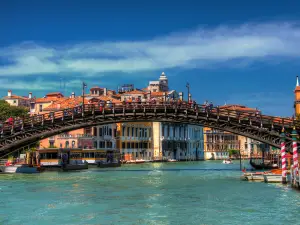
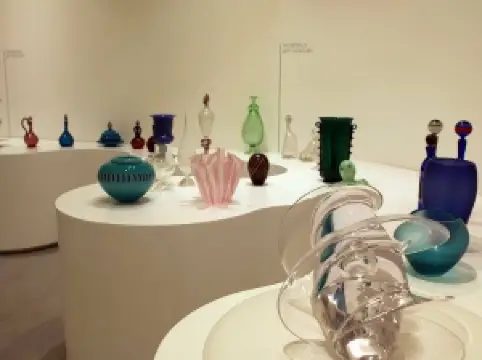
1. Explore the Grand Canal by Gondola Experience Venice from its iconic canals by taking a gondola ride along the Grand Canal. Glide beneath ancient bridges, marvel at the grandeur of palazzo, and soak in the unique atmosphere of this historic waterway. 2. Discover the Heart of Venice Immerse yourself in Venice's historical heart by exploring St. Mark's Basilica and the Doge's Palace. Climb the campanile for panoramic views and step back in time within the opulent halls of the palace. 3. Discover Local Artifacts To delve into the traditional art of Venetian mask-making, you can either participate in workshops or browse through vibrant shops showcasing unique designs and craftsmanship. Additionally, don't miss out on Murano, famed for its glassmaking tradition. Witnessing a glassblowing demonstration will not only give you insight into this intricate craft but also offer the opportunity to purchase one-of-a-kind glass art pieces. 4. Experience Colourful Festivities Experience the Regata Storica, a thrilling gondola race on the Grand Canal with colorful boats and traditional costumes. The Venice Biennale, held every two years, showcases contemporary art from around the world. Additionally, the Venice Film Festival, held annually in late August or early September, is one of the oldest and most prestigious film festivals globally. 5. Experience Local Art Culture For a memorable cultural experience, attend a performance at Teatro La Fenice, one of the world's top opera houses. You'll be captivated by the grandeur of Italian operas and powerful music. Also, enhance your trip with concerts at the historic Church of San Vidal, featuring the works of Antonio Vivaldi. And you can find tranquility at the Peggy Guggenheim Collection, home to modern masterpieces, showcasing works by artists like Picasso, Pollock, and Dalí. These events offer a genuine taste of Venetian culture. 6. Savor the Flavors of Venice Indulge in Venetian cuisine with dishes like squid ink risotto and cicchetti, small snacks served in bacari, best enjoyed with a glass of local wine. Treat yourself to Venetian desserts like fritole and baicoli, paired with a cup of Italian coffee for a perfect culinary experience. 7. Find Unique Souvenirs in Venetian Workshops Discover artisan workshops in Venice's backstreets, offering exquisite Murano glass, handcrafted masks, and beautiful Burano lace as unique souvenirs. The Mercerie is Venice's main shopping street, offering a mix of high-end boutiques, souvenir shops, and local artisans. 8. Take Once-in-a-Lifetime Photos at Famous Places Enjoy stunning views from the Rialto Bridge, overlooking the lively Grand Canal and the city’s timeless charm. Burano’s vibrant houses make for a perfect photography backdrop, reflecting beautifully in the canals. Capture the iconic Bridge of Sighs, connecting the Doge's Palace to the prison, and uncover its fascinating history for an enriching Venetian experience. 9. Explore the Hidden Gems Escape the crowds and visit Palazzo Malipiero's secret garden, a peaceful retreat with lush greenery and elegant statues. Dorsoduro is an excellent choice for a less touristy experience, featuring charming streets, artisan shops, and local eateries. Don't miss Libreria Acqua Alta, a quirky bookstore where books are stored in bathtubs and gondolas to protect them from flooding. It’s a delightful place to explore.
Venice Must-see Attractions
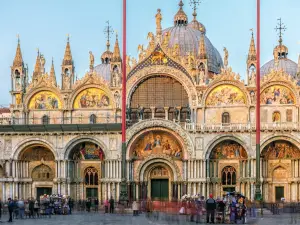
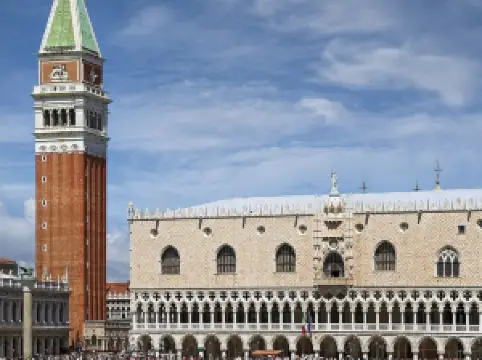
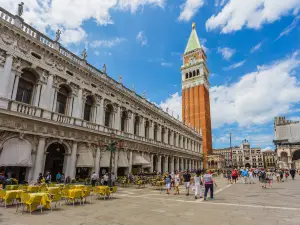
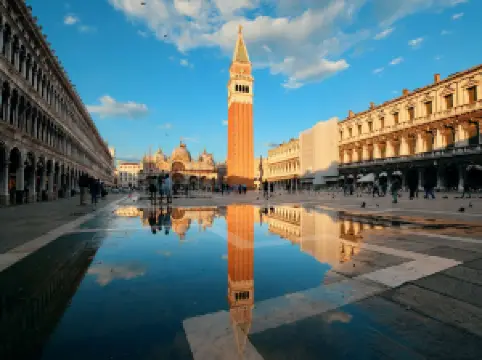
Venice is a city steeped in history and culture, renowned for its architectural marvels such as St. Mark's Square, the opulent Saint Mark's Basilica, the poignant Bridge of Sighs, the grand Doge's Palace, and the iconic Grand Canal, each offering visitors a glimpse into the city's rich heritage and vibrant social and political life.
Venice Food Guide
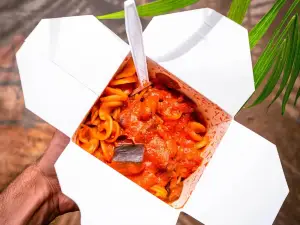
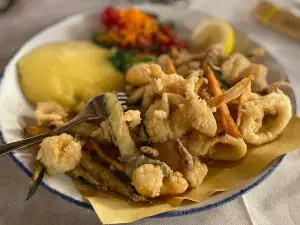
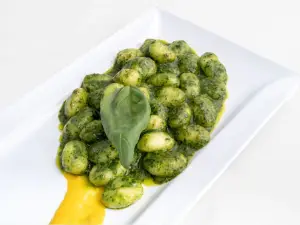
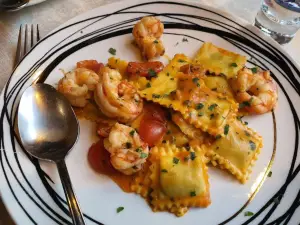
Venice's food scene is a blend of traditional Italian flavors and maritime influences, featuring iconic dishes like the Pizza Margherita, fresh seafood salads that showcase the city's lagoon heritage, and artisanal gelato with a variety of unique and classic flavors enjoyed in the city's charming alleys.
Venice Transportation
Venice is served by two main airports: Marco Polo Airport (VCE), which handles most major international flights, and Treviso Airport (TSF), a smaller airport used by low-cost airlines. Since Venice is car-free, all land transport options end at Piazzale Roma or Tronchetto, from which you must take a water bus (vaporetto) or walk to your final destination. By Air: Marco Polo Airport (VCE), 13 (8 miles) km north of Venice on the mainland, handles most international and domestic flights. To the City - Alilaguna Water Bus: Exit the arrivals area and follow the signs - the Alilaguna dock is a 10-minute walk from the arrivals hall via a covered path.. The water bus operates three lines: Blu, Arancio, and Rosso (seasonal), which take you to St. Mark’s Square, Rialto, or the Lido. The journey lasts between 60 and 90 minutes and costs approximately €15 for a one-way ticket. Boats run every 30 to 60 minutes from 6 AM to midnight. Tickets can be purchased from machines, online through the Alilaguna app, or at ticket counters (accepting cash and cards). - The ATVO Bus: provides a direct, non-stop service to Piazzale Roma in Venice. Buses depart every 20 to 30 minutes from 5:15 AM to 12:15 AM, taking approximately 20 minutes to reach Piazzale Roma for around €10. You can purchase tickets online, on board, or at kiosks (accepting cash and cards). Once you arrive at Piazzale Roma, you can take a vaporetto to reach the city center. - Water Taxi: The most luxurious and fastest option is a private boat transfer, which takes you directly from the airport dock to your hotel, provided the hotel has a water entrance. You can book a private transfer at the airport counters or online. The journey typically takes between 30 to 45 minutes and costs €120 to €150 for up to six passengers. Shared boat transfers are available for €35 to €45. - Land taxis to Piazzale Roma take around 20 minutes and cost €40-50. They are available from ranks outside the arrivals area. From there, you can continue on foot or take a vaporetto. Treviso Airport (TSF), located about 40 km (25 miles) from Venice and is typically served by low-cost airlines. All transport options from Treviso are land-based and take you to either Piazzale Roma or Tronchetto. To the City - ATVO Bus: Shuttle buses operate from outside the arrivals area to Piazzale Roma or Mestre Station every 30 to 60 minutes, from 5 AM to 11 PM (with a 40-60 minute travel time, costing about €12). Tickets can be purchased online or onboard (cash or card). From Mestre, a train can take you to Santa Lucia in 10 minutes. - Bus + Train: The most affordable option requires a transfer. Take the Barzi or ATVO bus to Treviso Centrale Station (15 minutes, costing €3-5), then catch a train to Santa Lucia (35 minutes, costing about €3.55). Trains run every 30 minutes from 6 AM to 10 PM. You can purchase tickets at machines or through the Trenitalia app. - Taxi services to Venice are available 24/7 and take approximately 50 minutes. The fare ranges from €100 to €150 for up to four passengers, and taxis can be found at designated ranks. By Train: Santa Lucia Station is conveniently located right on the Grand Canal. Trains travel across the long Ponte della Libertà bridge, which connects the mainland to the islands. The station offers connections to Milan (2.5 hours), Florence (2 hours), Vienna (7 hours), and some other destinations through Trenitalia or Italo. Upon exiting the station, you can take a vaporetto, a private water taxi, or walk, depending on your final destination. By Bus: Piazzale Roma is the main terminal for all road traffic in the city, including airport shuttles, inter-city buses, and long-distance coaches. It is the farthest point that any road vehicle can reach in Venice. From Piazzale Roma, you have two options for continuing your journey: taking a vaporetto or walking (many hotels and landmarks are within walking distance). Tronchetto: This is an artificial island primarily used for parking and drop-offs for tour buses. .
Venice Where to Stay
Venice is a city of unparalleled charm, with its accommodation areas spread across various neighborhoods, each offering a unique experience to travelers. The city's hotels and other lodgings are nestled among historic palazzos, winding canals, and vibrant squares, providing a range of options from luxurious stays to budget-friendly accommodations.
Venice Best Time to Visit
The ideal times to visit Venice are late spring and early autumn, particularly in April, May, September, and October. Spring (April–June): 15°C to 25°C (59°F to 77°F); sunny, rainy; blooming at Campo San Polo. Festivals such as the Festa della Sensa in May attract moderate crowds for gondola rides. Summer (July–August): 20°C–35°C (68°F–95°F), hot and humid; long days with beautiful sunsets. This is the peak season for the Venice Film Festival in August; expect crowds and higher prices, so be sure to book 3-4 months in advance. Autumn (September–November): Temperatures between 15°C and 25°C (59°F to 77°F) are ideal for visiting. The weather is generally clear, and the canals appear golden during this time. Winter (December–February): Temperatures range from 5°C to 15°C (41°F to 59°F) with rainy weather and short days. Enjoy the Christmas markets at Campo San Polo, but be prepared for cold weather and possible flooding.
Venice Travel Tips
1. Mind the Museum Schedules: Many museums in Venice have specific closing days, often on Mondays or Tuesdays. Verify the opening hours to ensure you don't miss out. 2. Dress Modestly for Churches: When visiting religious sites, ensure to dress modestly. Shoulders and knees should be covered to show respect. 3. Pickpocket Precautions: Be vigilant in crowded areas and on vaporettos. Keep valuables secure and be wary of distractions that might be part of a pickpocketing scheme. Popular spots for pickpockets include Piazza San Marco, Rialto Bridge, and crowded water buses. Use anti-theft gear like money belts and keep bags in front of you. Avoid carrying valuables in back pockets. 4. High Water Walkways: During aqua alta, elevated walkways called passerelle are set up in flooded areas. Use these to navigate safely and avoid walking through potentially contaminated water. Check tide forecasts and listen for sirens indicating high water levels. Avoid swimming or going barefoot in the water, as it can be cold and dirty. 5. Photography Restrictions in Churches: Photography is often prohibited inside churches and religious sites in Venice, such as St. Mark's Basilica. Look for signs or ask permission before taking photos. Some churches may allow non-flash photography, while others may have complete bans.
Venice Useful Guide
Italian is the primary language. English is commonly spoken in Venice’s tourist areas, including hotels, restaurants, shops, and transportation services, due to the city's high number of visitors. Navigating the city using only English is relatively easy, as many signs and menus are bilingual in key locations. While English may be less prevalent among older locals or in less touristy areas, using gestures and translation apps can be a helpful alternative.
Trip.Best: Venice



Things to do in Venice
What to do

Where to stay





What to eat
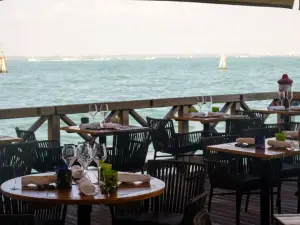
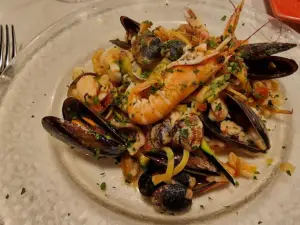
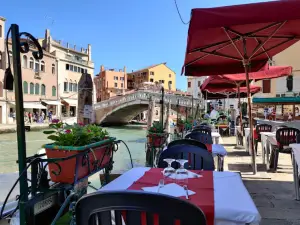
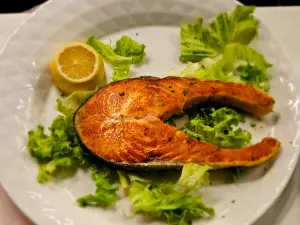




Venice Moments: Through Travelers' Eyes

Mid-Autumn Festival + National Day: Take 3 Days Off for a 12-Day Vacation


A new chapter in Italian luxury aesthetics

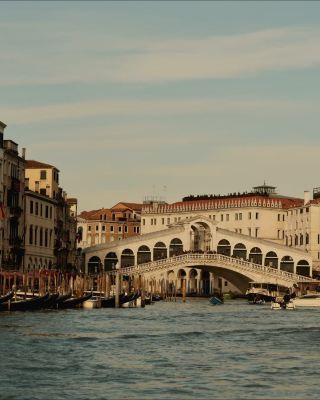
Aman Venice: Pull into the old dreams of sixteenth-century Venice Stay in the flowing water museum Push the wood

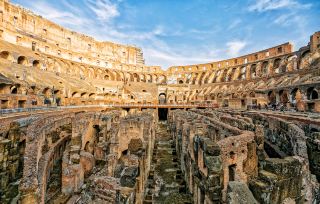
France, Switzerland, and Italy 13-Day Honeymoon | Ritz Paris + Snowy Mountain Sunset

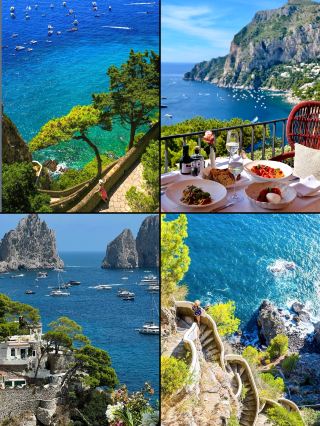
Summer calls for a trip to Italy! The Lemon Town is unbeatable

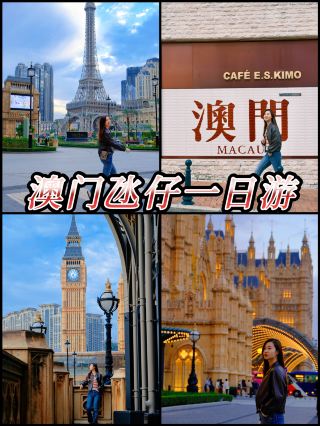
Macau Taipa One-Day Tour Guide|Free Visits to Popular Landmarks

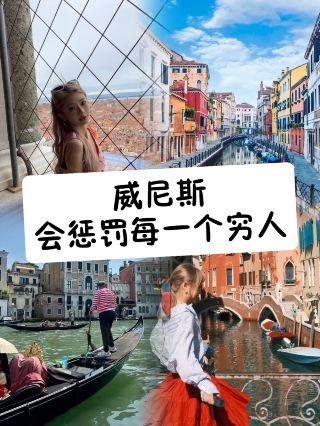
Venice is absolutely beautiful, but I really don't recommend going in January because...

![Journey to the mountains and seas · capturing the most healing travel moments in the world [anime version]](https://ak-d.tripcdn.com/images/1mi0t12000tg5bp1x5D61_W_320_0_R5.jpg?proc=source/trip)
Journey to the mountains and seas · capturing the most healing travel moments in the world [anime version]

Best of Venice
Top 20 Premium Hotels in Venice

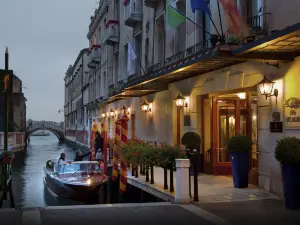
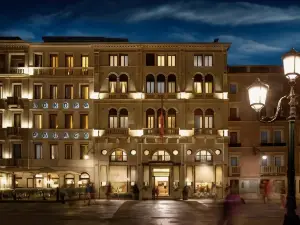
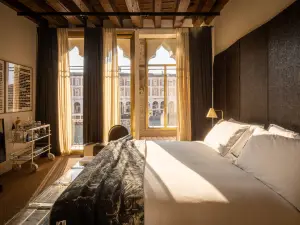


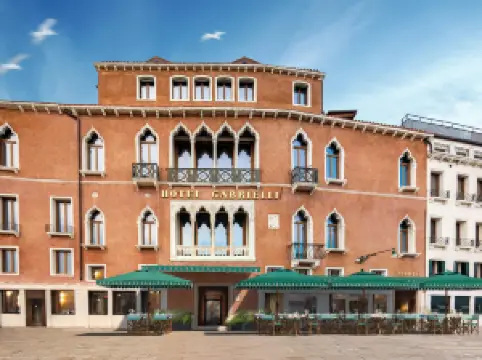
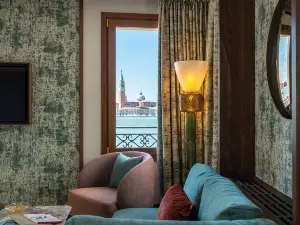
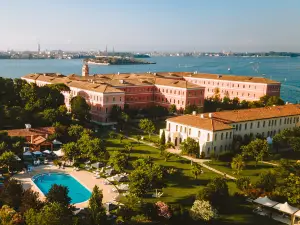
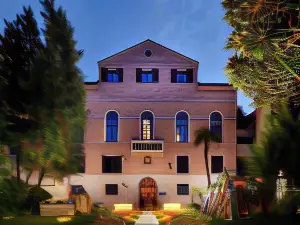

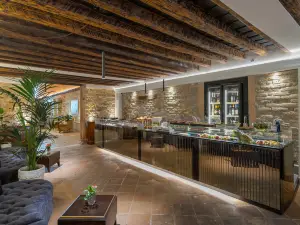
Top 20 4-Star Select Hotels in Venice


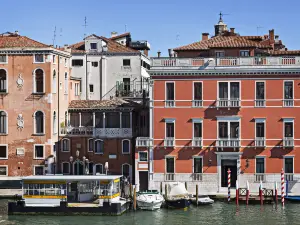
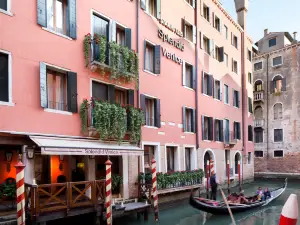
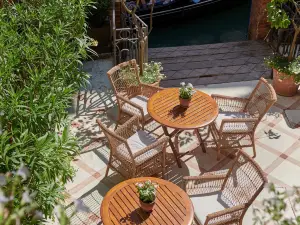
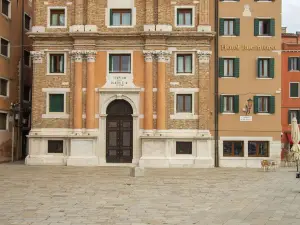
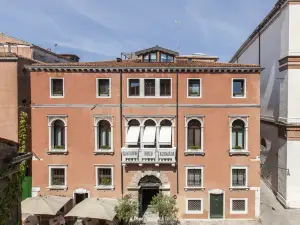
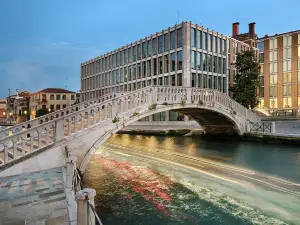
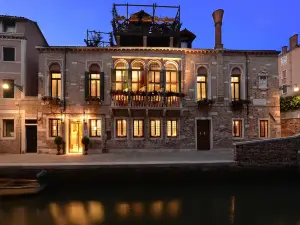
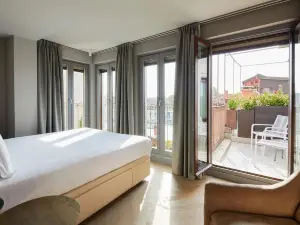
Popular Best Things to Do Near Venice

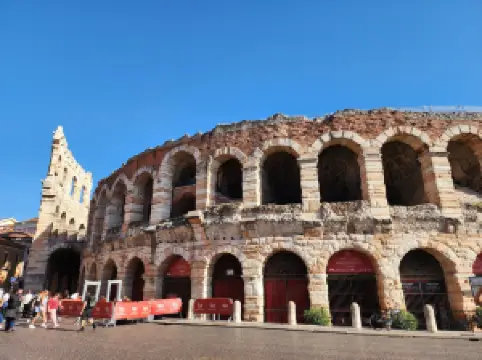



Popular Family-friendly Attractions Near Venice

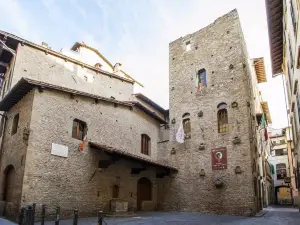
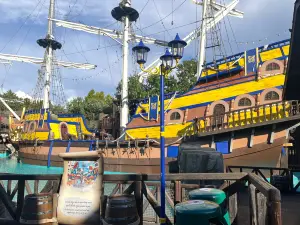
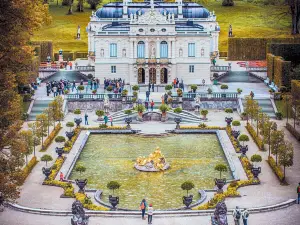

Popular Cool Water Escapes Near Venice
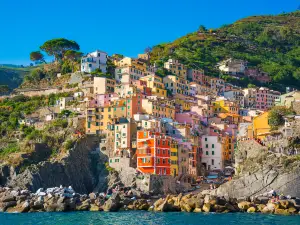
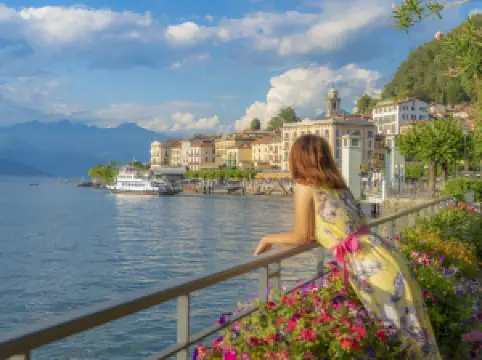
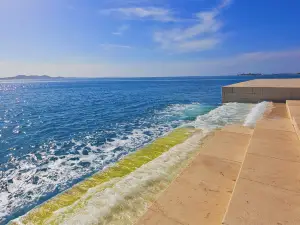
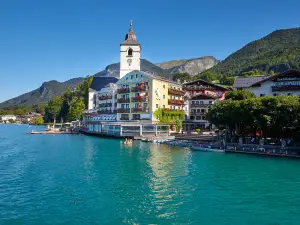

Popular Luxury Hotels Near Venice

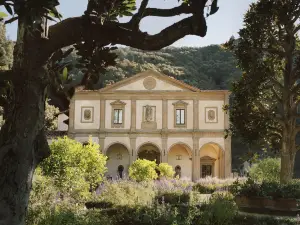



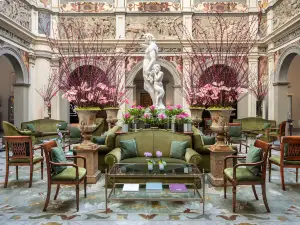
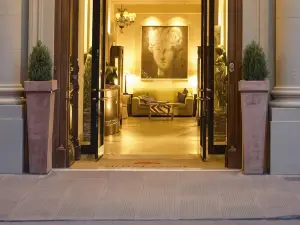
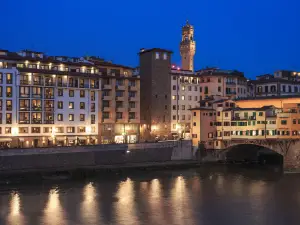

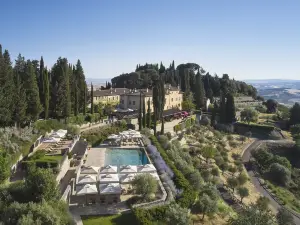

Popular Scenic Hotels Near Venice
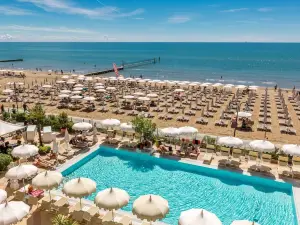
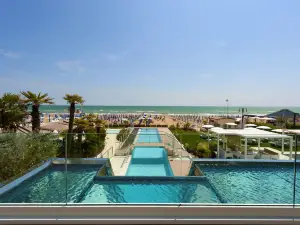
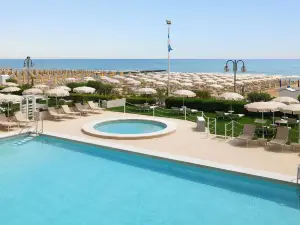

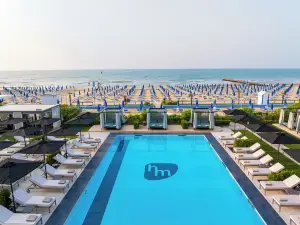
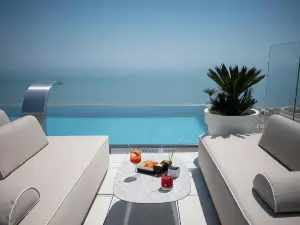


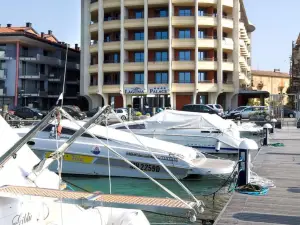
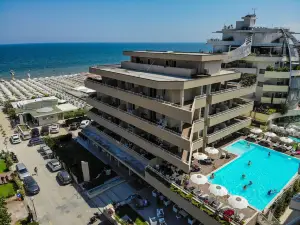
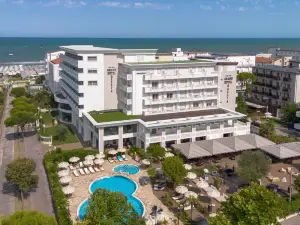
Popular Cultural Hotels Near Venice
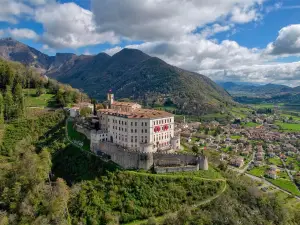




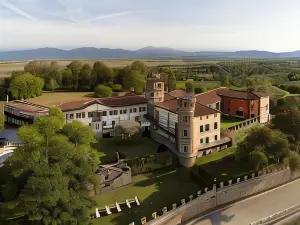





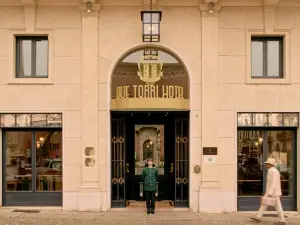
Popular Instagrammable Hotels Near Venice
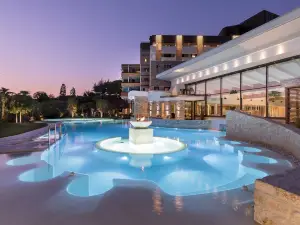
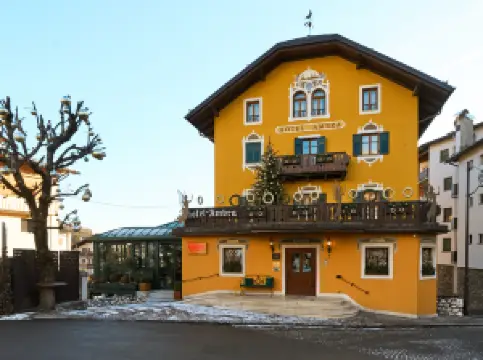

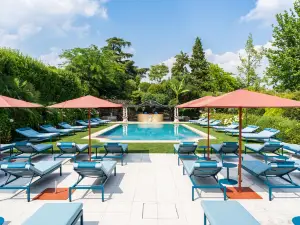



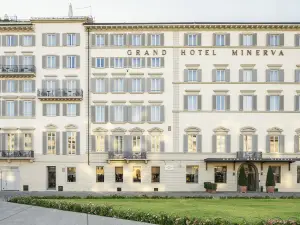
Popular Vacation Homes Near Venice








Other recommended cities
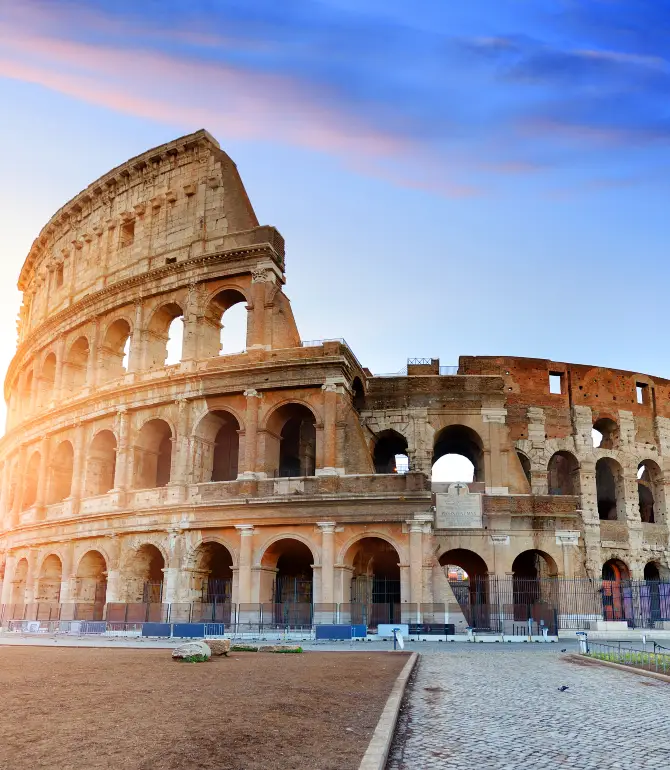
Rome
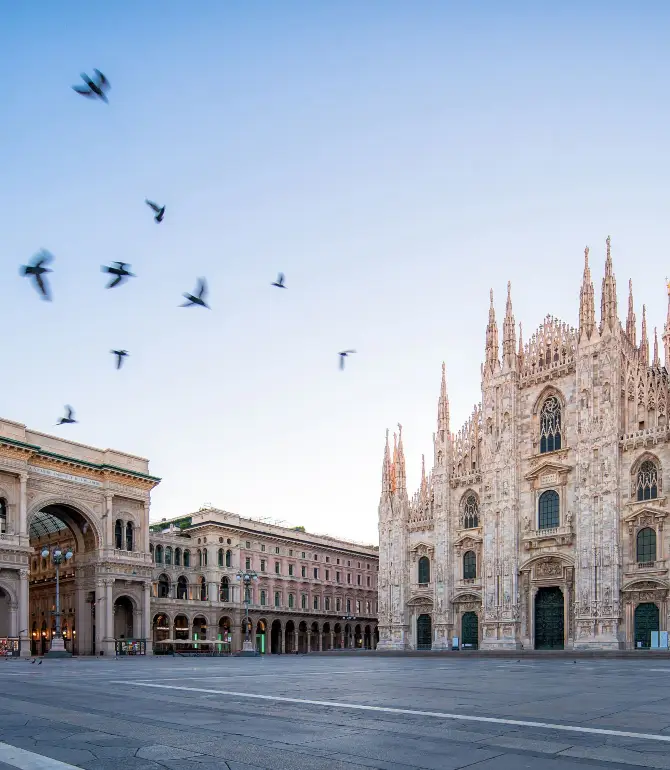
Milan
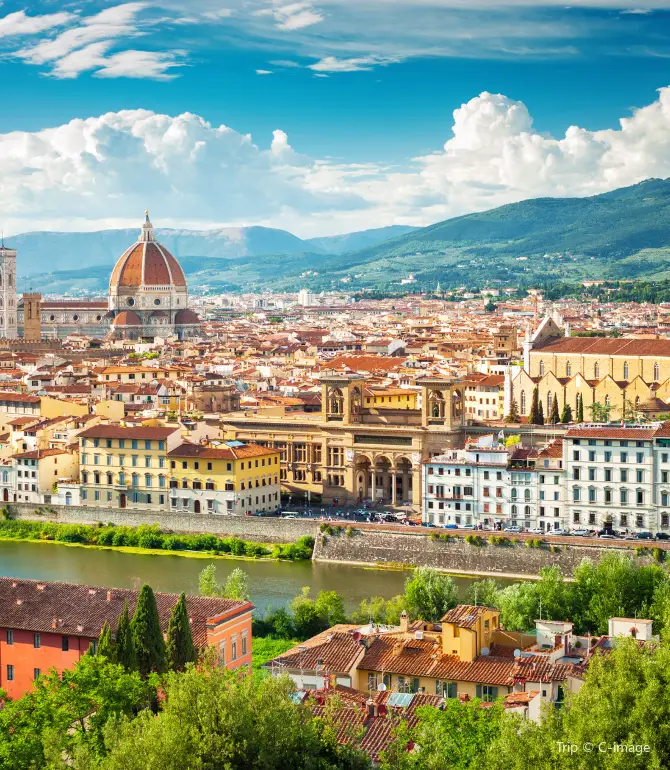
Florence