2026 Fuel Surcharges: A Guide to Costs, Calculations, and New Updates

Discover the ins and outs of fuel surcharges—what they are, why airlines add them, and how they impact everything from flights to freight. We’ll also break down how to calculate them, tips on avoiding them, and how you might even snag a waiver using perks like travel credit cards.
to Bangkok
to Manila
to Shanghai
to Tokyo
to Seoul
See all flights


What is a Fuel Surcharge?
The fuel surcharge is an extra fee you might spot on your bill when fuel prices climb. Think of it as a separate charge—not part of the base price—that helps businesses cover the rising costs of gasoline, diesel, or aviation fuel.
It’s a strategy adopted across many industries—from airlines managing jet fuel costs and trucking companies handling diesel, to express delivery services and even some ride-hailing apps. These surcharges fluctuate based on fuel prices over a weekly or monthly period. So, when gas prices climb, you’ll likely see surcharges rise right along with them; conversely, if prices drop, those fees may shrink or even disappear entirely.
2026 Update: Why Are Fuel Surcharges Skyrocketing?

If you're planning a getaway for 2026, you might spot a bit of a surprise in the "Taxes and Fees" section when you go to book your flight.
The March 2026 Fuel Surge: What You Need to Know
Heads up, travelers! Starting March 5, 2026, major international airlines—particularly those across the Asia-Pacific and Europe—have increased their fuel surcharges by 15% to over 30%. To give you an idea of what this means for your next getaway, long-haul international surcharges have jumped by more than AU$43.76 per segment. Keep this in mind as you plan your next big adventure!
Why the Price Hike?
- Crude Oil Volatility: Global oil prices soared to a new high in early 2026, driven by tighter supply chains in the Middle East and a surge in seasonal demand.
- The Cost of Flying: A limited capacity for refining aviation-grade kerosene has pushed "crack spreads"—the profit margins for turning oil into jet fuel—to all-time highs.
- Green Fuel Mandates: Starting in 2026, new environmental regulations will require airlines to incorporate Sustainable Aviation Fuel (SAF) into their operations. While this is a positive step for the planet, SAF comes at a higher price point, and airlines are beginning to pass some of these costs on to travelers through surcharges.
💡 Pro-Tip: Planning a getaway in the coming months? Lock in your tickets now! Fuel surcharges are typically set the moment your ticket is issued. That means even if fuel prices climb before your departure date, you’re protected from paying the difference—so book early and travel worry-free!
Why Fuel Surcharges Exist and How They Work

Photo credit: Unsplash
Whenever fuel prices climb, businesses often hesitate to adjust their base rates, which can leave travelers feeling a bit puzzled. That’s where surcharges come in—they’re a handy way for companies to adapt quickly to changing costs without shaking up the standard pricing you’re used to seeing.
Typically, this surcharge is tied to the fuel price index, like the average cost of diesel here in the U.S. Think of it as a threshold: once fuel prices climb above a certain "line"—say, AU$3.50 a gallon—the surcharge kicks in. It’s a sliding scale, so as fuel prices rise, the surcharge goes up, and when they dip, you’ll see that cost come down.
Why businesses choose it | A Day in the Life |
To avoid increasing base prices whenever fuel costs surge | Adjusted based on real-time fuel prices (such as EIA data or local fuel reports) |
To keep pricing predictable for our travelers, we ensure the base rate stays steady. | Added as a separate line on your bill, so it’s easy to spot! |
To safeguard their bottom line when fuel prices soar | This amount varies weekly or monthly—there's no fixed rate! |
How to Calculate Your Fuel Surcharge
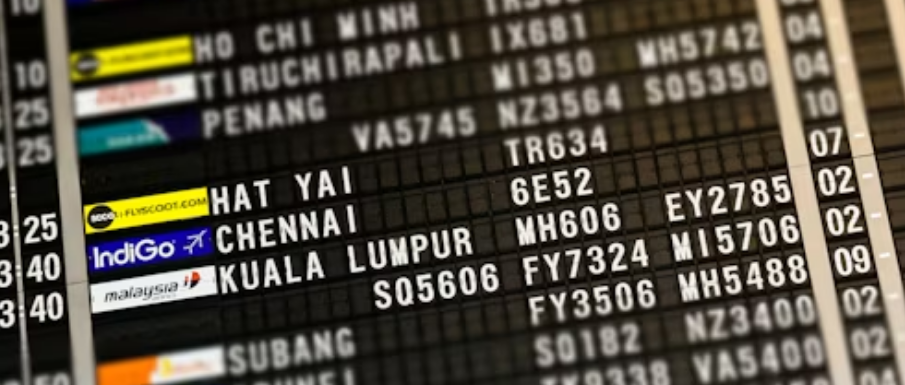
Photo credit: Benjamin Wong, Unsplash
While there’s no one-size-fits-all formula, most Australian transport companies follow a straightforward logic: (Current Fuel Price - Base Fuel Price) x Fuel Usage. The "Base Price" is the fuel cost the company deems "normal" or the price at the time the original contract was signed—for instance, AU$1.80 per litre for diesel.
Localised Industry Examples
Industry | Example Calculation (AUD) |
Road Freight | (Current Diesel Price - $1.80) x (Distance / Fuel Efficiency). If diesel is $2.20/L and a prime mover travels 800 km at an efficiency of 2 km/L: ($2.20 - $1.80) x (800 / 2) = $160.00 surcharge |
Aviation | (Current Jet Fuel Price - $1.10/L) x Litres used per flight. For a domestic flight using 18,000 litres with jet fuel priced at $1.60/L: ($1.60 - $1.10) x 18,000 = $9,000 total surcharge (split across all passenger tickets). |
Courier & Delivery | Calculated as a flat fee per kg plus a fuel levy (for any amount over the $1.80 base). For a 50kg pallet with fuel at $2.20/L: $10.00 base fee + ($0.40 fuel gap x 50kg) = $30.00 total surcharge. |
What is a Fuel Surcharge in the Trucking Industry?

Photo credit: Sander Yigin via Unsplash
In the world of trucking, the Fuel Surcharge (FSC) is tied directly to the price of diesel. Since truck drivers consume a significant amount of fuel traversing our vast highways, rising diesel costs can quickly eat into their earnings. To help balance the scales, carriers add this surcharge to freight bills, ensuring they can keep moving forward despite fluctuating prices at the bowser.
It’s not just a random number! Most Australian freight companies base their calculations on the Australian Institute of Petroleum (AIP) weekly diesel terminal gate price (TGP) or the national average pump price. These surcharges are typically calculated as a percentage of the base freight rate or per kilometre.
See all attractions
 2592 booked






Global Airline Fuel Surcharge Policies & Estimated Fees

Photo credit: Unsplash, Nicholas Jeffries
Heads up: Fuel surcharges can change in real-time based on oil prices and government policies. Information is current as of March 2026.
Region | Airline Examples | Short-Haul (<800 km) | Long-haul (>800 km) | 2026 Travel Trends |
North America | Delta, United, American | ~$29–$51 AUD | ~$73–$131+ AUD | Rising due to strong local travel demand. |
Europe | Lufthansa, British Airways | ~$25–$42 AUD | ~$67–$143+ AUD | Higher prices due to new SAF (Sustainable Aviation Fuel) taxes. |
Chinese Mainland | Air China, China Eastern | ~$6–$8 AUD | ~$13–$19 AUD | Markets steady following the March 2026 peak. |
Asia-Pacific | Singapore Airlines, ANA | ~$28–$45 AUD | ~$68–$170+ AUD | Significant price fluctuations expected ahead. |
Things to keep in mind:
- Distance is everything. The biggest factor is the flight range (e.g., under 800 kilometers/over 800 kilometers, under 1,000 miles/over 1,000 miles, or intercontinental). Generally, the further you fly, the higher the cost.
- Regulations for infants, children, and passengers with disabilities can vary, so it's always good to be in the know! Generally, infants under 2 years old who don't require their own seat are exempt from fuel surcharges. For children aged 2 to 11 and eligible passengers with disabilities, you might find that fees are significantly reduced or even waived entirely on short-haul flights.
- Bundling is a common practice in the travel industry. Airlines, particularly those in the West, often group fuel surcharges together with other "airline surcharges"—like security fees—making it tricky to pinpoint the exact fuel cost breakdown in your flight ticket details.
Can I Avoid Fuel Surcharges?
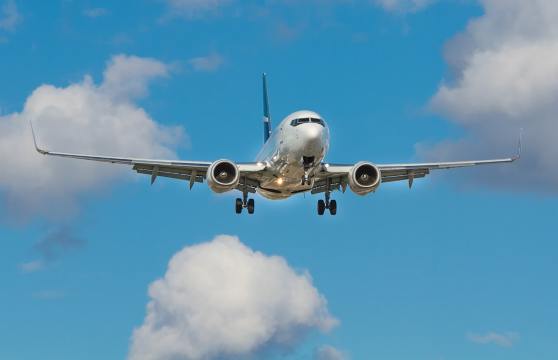
white airplane on mid air Via Unsplash (by John McArthur)
While you can't always dodge them, these handy tips can help you minimize or even avoid those pesky fuel surcharges:
- Book your trip when fuel prices are on the dip! Keep an eye out for those times when fuel costs drop—like when diesel prices soften in the winter—as this often means lower surcharges for your journey. It’s a smart way to save while you plan your next big adventure.
- Opt for airlines that don't charge extra fees or keep them to a minimum. You'll find that some smaller carriers and budget-friendly airlines skip those pesky surcharges altogether by simply rolling fuel costs right into the base fare.
- Frequent flyers and loyal members of our partner airlines or freight programs can often unlock extra savings through our Loyalty Program!
- When it comes to shipping by truck, consolidating your goods is a smart way to lower the surcharge per unit!
What is a Fuel Surcharge Waiver?
A fuel surcharge waiver is a handy perk that lets you skip those extra fees. You’ll often find these offered through credit cards, loyalty programs, or special promotions—it’s just one of the many ways companies love to sweeten the deal for travelers like you!
Waiver Type | Examples | How to Get There |
Credit Card Fee Waivers | Good news for travelers: The Chase Sapphire Reserve card can help you save by waiving certain airline fuel surcharges on award tickets! | Reach your spending goal to unlock this perk |
Loyalty programs | Good news for Delta SkyMiles Diamond members: you can enjoy waived fuel surcharges on domestic flights! | Unlock elite status (e.g., 125,000 MQMs for Delta Diamond) |
Promotions | If you're new to shipping, keep an eye out—some trucking brokers might offer a "no FSC" deal to get you started! | Inquire about exclusive deals for new customers |
[10% Off] Save on hotels worldwide
Explore the Top 10 Hotels Around the World
See All Hotels







FAQs about Fuel Surcharge
-
What is fuel surcharge?
-
What is 1% fuel surcharge waive?
-
What does a 30% fuel surcharge mean?
-
Why do airlines charge fuel surcharge?
-
Are any airlines exempt from 2026 fuel surcharge increases?
-
When is the best time to buy tickets to avoid further fuel surcharge hikes?
Disclaimer: This article has been provided by an individual contributor or third party platform. If there is any discrepancy regarding the copyright, please contact us directly and we will delete the content immediately.