Chaumont

Things to do in Chaumont

Search attractions or local attractions & tours
Search

Explore top experiences

Top 10 attractions in Chaumont

View all Attractions
The National Residence of the Invalids
No. 15 of Best Things to Do in France

The National Residence of the Invalids

8.2
4.7/5
524 reviews

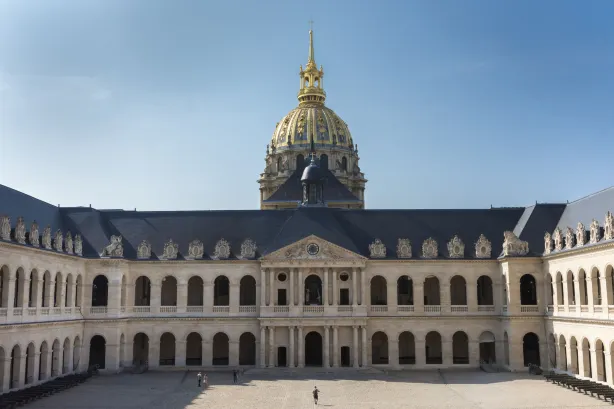
The National Residence of the Invalids was commissioned by Louis XIV in 1670. At that time, the king wished to provide a residence and rehabilitation facility for soldiers who were wounded, elderly, or ill and unable to continue serving, allowing them to spend their remaining years in a peaceful and tranquil environment. The construction of The National Residence of the Invalids was overseen by architect Libéral Bruant, with the first phase beginning in March 1671 and completed in February 1677. The first group of disabled veterans moved in as early as 1674. Jules Hardouin-Mansart later took over the design and construction, and the entire complex was not officially completed until 1706. The National Residence of the Invalids is a masterpiece of Baroque architectural style, combining symmetry, simplicity, and solemnity, and is regarded as one of the iconic buildings of French classicism. The sculptural decorations on the building highlight the praise of the "Sun King" Louis XIV and a distinct military theme. Its main axis consists of the central grand courtyard and the church extending southward, composed of several quadrilateral courtyard-style buildings and 2 churches. The golden dome building is the main structure, with the dome standing 107 m above the ground, adorned with intricate patterns and statues, all made of gilded materials. The interior of the vault is painted with numerous frescoes depicting stories of Christ. Today, The National Residence of the Invalids still serves its original function of housing and accommodating disabled soldiers, while also being home to military museums, including the Musée de l'Armée. The museum's collections span from ancient and medieval times to contemporary French history, with over 500,000 artifacts. The National Residence of the Invalids is regarded as a symbol of French honor, and every French president fires a salute here during their inauguration. Additionally, The National Residence of the Invalids hosts various cultural activities and exhibitions, making it an important cultural exchange venue in Paris.

France · Paris
12% offFrom AU$ 24.45
Museums in Paris
No. 1 of Activities in France

Museums in Paris

8.1

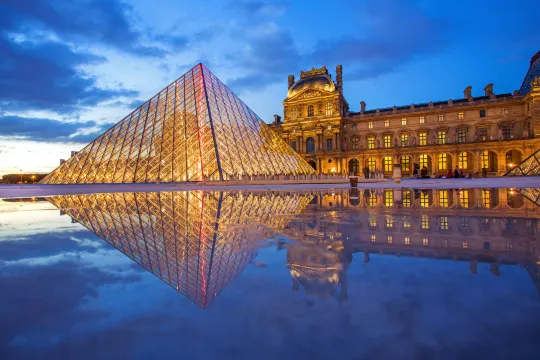
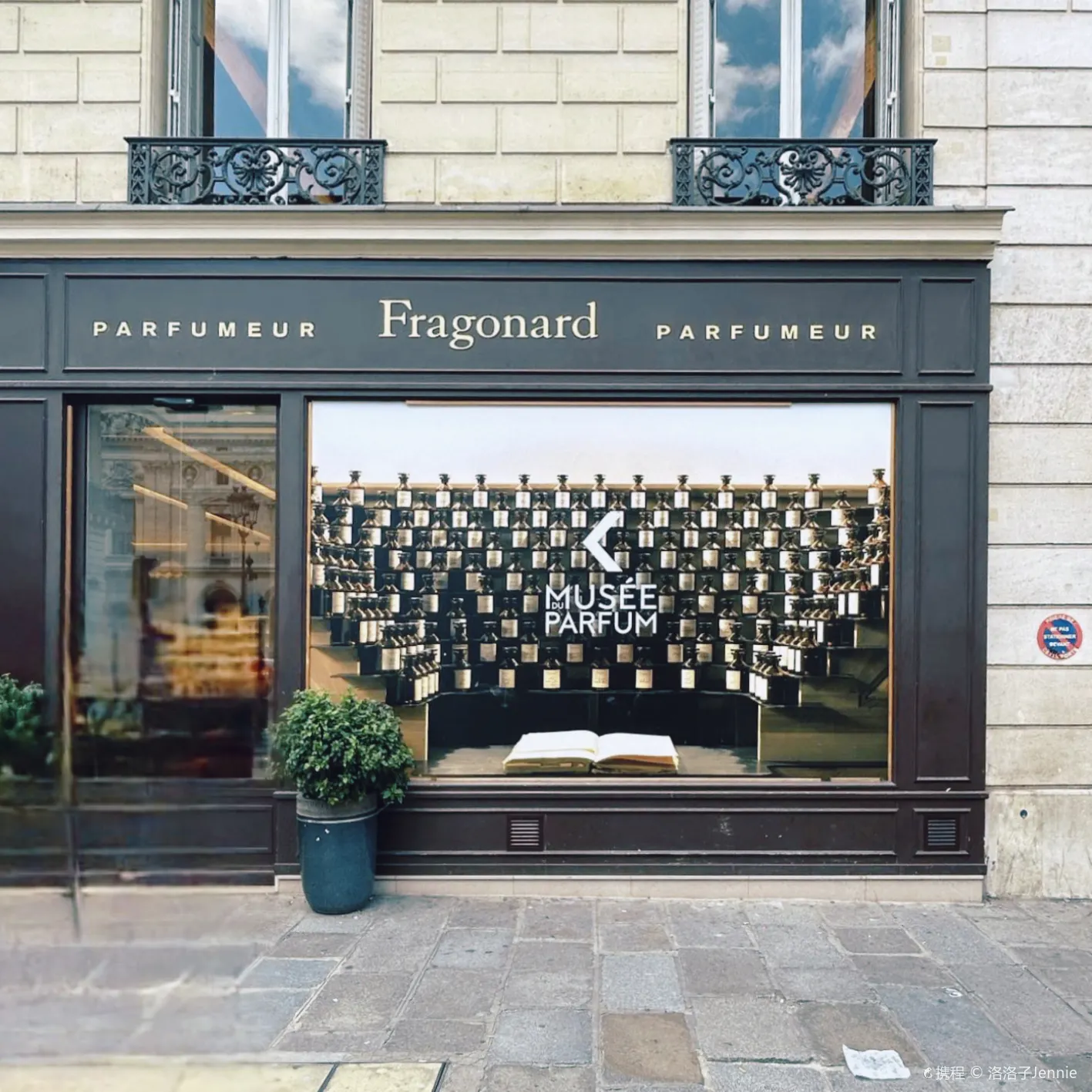
Paris, the romantic city known as the "City of Light", not only attracts tourists from all over the world with its magnificent architecture, elegant streets and charming Seine River scenery, but also becomes a paradise for art lovers and history seekers with its rich cultural heritage and museum clusters. Walking in the streets and alleys of Paris, you can inadvertently encounter museums carrying heavy historical and artistic treasures. As the oldest and most famous museum in the world, the Louvre has a huge art collection spanning ancient Egypt, ancient Greece and Rome, the Middle Ages to modern times, and each work is a shining pearl of human civilization. The Musée d'Orsay is famous for its rich Impressionist and Post-Impressionist works. The masterpieces of masters such as Monet, Renoir, and Van Gogh are gathered here, taking people through time and space to feel the charm and passion of the art revolution from the late 19th century to the early 20th century. Guided Art Tour: Wandering through the Louvre's vaulted corridors, sunlight filters through the glass pyramid onto worn stone steps. Beyond seeking the Mona Lisa, the dancing light between columns and the breathing rhythm of sculptures alone compose an intoxicating visual symphony. Museum Pass: With a pass in hand, glide freely from the clock tower of Musée d'Orsay to the steel jungle of Centre Pompidou. Resting beside The Thinker in Rodin's garden, then transitioning into the Oriental zen of Guimet Museum - artistic boundaries effortlessly dissolve. Fun Themed Museums: In the sweet air of perfume, learn how spices become exquisite works of art; Trying ancient tricks with one's own hands at the Magic Museum, these special themed halls make cultural experiences vivid and touchable. Historical Journey: Under the stone vaults of Cluny Museum, trace the intricate weave of 15th-century tapestries; walking through Notre Dame's archaeological crypt, listen to the heartbeat of Paris evolving through centuries.

France · Paris
From AU$ 22.25
Fontainebleau Palace
No. 4 of Fall Viewing Attractions in France

Fontainebleau Palace

8.1
4.8/5
530 reviews

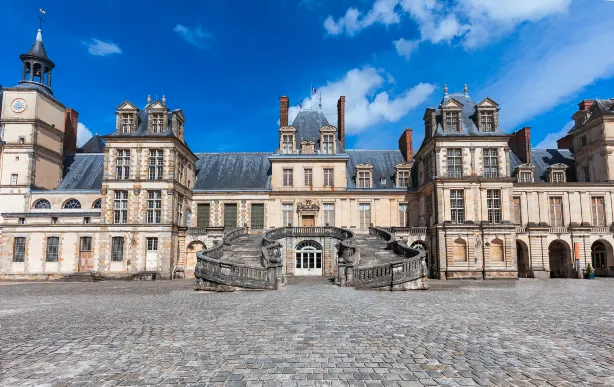
Fontainebleau Palace is hailed as "an epitome of French history" and has been inscribed on the World Heritage List. Originally a royal hunting lodge, it was expanded into an important palace of the French Renaissance, and later many architects and artists participated in its renovation, leaving imprints of various periods' styles. Location Fontainebleau Palace is located in a small town about 55 km southeast of Paris, one of Parisians' favorite weekend getaway destinations, and Fontainebleau Palace sits here, surrounded by forest. The Fontainebleau Forest around the palace was originally a royal hunting ground, and now has become an outdoor sports base eagerly visited by bouldering enthusiasts, with the annual bouldering season in October attracting many climbing enthusiasts from around the world. Visiting route and highlights The main structures of Fontainebleau Palace include a main tower, the palace, courtyards, and gardens. The main attractions inside the palace include the ballroom, the conference hall, the chapel, the throne room, the Gallery of Diana, the Gallery of Francis I, the queen's bedroom, the Napoleon salon,Papal apartmentetc. Napoleon loved yellow, and his wife Josephine favored rose, so the overall color scheme of the palace interior was dominated by yellow and rose red. The palace also houses four museums, respectivelyThe Chinese Museum, the Napoleon I Museum, the gallery, and the furniture museum. Among them, the Chinese Museum houses a large collection of precious artifacts from the Old Summer Palace, displaying over a thousand art treasures including ancient paintings from the Ming and Qing dynasties, gold and jade jewelry, and carvings, though it is sometimes closed to visitors.In Western museums, the Fontainebleau Palace is where collections and exhibitions are housedOld Summer PalaceSo many treasures. #White Horse Courtyard#The White Horse Courtyard is the main entrance of Fontainebleau. The horseshoe-shaped staircase here is a sight of Fontainebleau Palace; it was here that Napoleon delivered his speech upon his abdication.#China pavilion#Entering the building from the right side of the courtyard brings you to the ticket office; after buying tickets, don't forget to pick up an audio guide. Then follow this long gallery straight ahead to begin your visit to Fontainebleau Palace. Near the end there are stairs—don't rush upstairs yet; continue straight ahead and you'll reachChina pavilion. If you cannot findChina pavilionlocation, you can consult the staff.China pavilionThe doors are generally closed, and you need to close them after entering. A prominent position in the hall displays a gold pagoda approx. 2 m tall, with emeralds inlaid on every tier throughout, which, together with the one extant inInside the Forbidden City in Beijinggolden pagodas are basically similar. There are also two precious gilded chime bells and various otherOld Summer Palacetreasures. Currently, the Chinese Museum has been closed for a long time due to construction. On March 1, 2015, 15 exhibits were stolen from Fontainebleau Palace, among which wasOld Summer PalaceOld collection cloisonné qilin and golden mandala.#Other treasures#FromChina pavilionGo out and head upstairs to continue enjoying many rooms such as the Napoleon I rooms and the Throne Room (Napoleon's throne is quite mini). You can also see the Gallery of Francis I, whose lower half features wainscoting of golden-yellow fine wood carvings about 2 m high, while the upper half is set off by bright faux-marble figure reliefs against multiple exquisite Renaissance-style frescoes, making the entire gallery both splendid and elegant. After visiting the main exhibition halls, go down to the first floor where the exit is; there is a souvenir shop here, and outside you can stroll through the courtyard and gardens. In fact, walking a short distance from the exit can also take you back toChina pavilion, but here there are only hints for entering the courtyard. When visiting the courtyard, beyond the indoor views, the courtyards of Fontainebleau Palace are also distinctive, with a uniquely decorative style combining wood paneling, plaster reliefs, and murals. The Diana Garden is dotted with flower beds and sculptures, along with small, exquisite fountains, and orange trees grow throughout the garden, making it a pleasant place to stroll. You can also wander freely through the large park and green woods. There is a tea room inside Fontainebleau Palace where you can dine, and the town also has many restaurants with moderate prices.

France · Fontainebleau
From AU$ 28.02
Sainte-Chapelle
No. 18 of Best Things to Do in France

Sainte-Chapelle

8.1
4.5/5
393 reviews

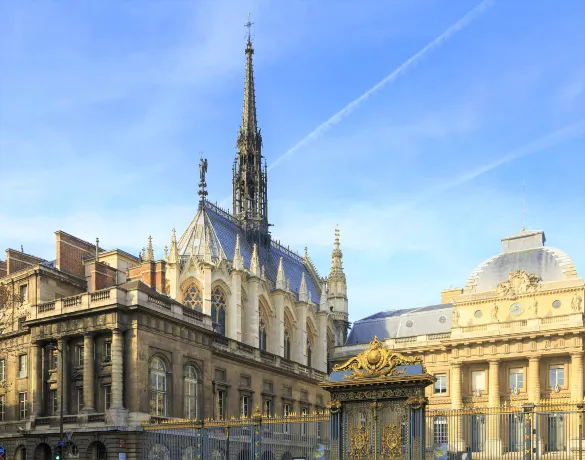
Sainte-Chapelle is a Gothic royal chapel on the Île de la Cité in Paris, built in the mid-13th century under the order of King Louis IX of France in less than seven years. It was originally conceived as a grand "reliquary": Louis IX commissioned this chapel to house over 20 Passion relics purchased from Byzantium—including the Crown of Thorns and fragments of the True Cross—whose collective cost nearly equaled half the kingdom's annual revenue, with the Crown of Thorns alone exceeding the chapel's construction expenses. The architectural highlight lies in the upper royal chapel: 15 stained-glass windows towering over 10 m high virtually replace stone walls, depicting more than 1,100 biblical scenes from Genesis to the relics' arrival in Paris, while the 15th-century rose window at the western end illustrates the Apocalypse. Ascending via a narrow spiral staircase from the lower chapel, visitors are greeted by a dazzling interplay of blue-violet and crimson light beneath a deep-blue vault studded with golden fleurs-de-lis; the pillars' lily motifs symbolize the French monarchy, and twelve apostle statues line the walls. The lower chapel, once used by palace staff, features simpler decor but preserves the 13th-century Annunciation mural—considered among Paris's oldest surviving frescoes. Note that relics like the Crown of Thorns were removed after the French Revolution (the Crown was later transferred to Notre-Dame Cathedral), so travelers visiting specifically for them should adjust expectations. Tucked within the Palais de Justice complex, the chapel's entrance requires following signage and passing security checks, with queues often demanding patience. Regular classical concerts held here—where performances unfold under the stained-glass glow at night—are a deliberately planned experience for many travelers.

France · Paris
From AU$ 41.21
Pantheon
No. 19 of Best Things to Do in France

Pantheon

8
4.7/5
481 reviews

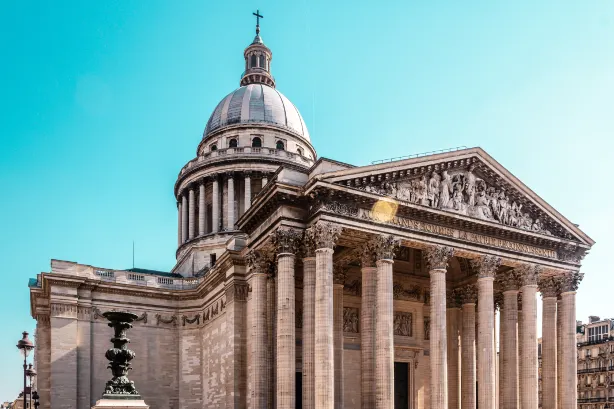
The Pantheon is located on the Montagne Sainte-Geneviève in the Latin Quarter on the left bank of the Seine in Paris. It was originally built as a church by King Louis XV to fulfill a vow. When Louis XV was seriously ill, he made a vow to Saint Geneviève, the patron saint of Paris, and after recovering, he ordered the construction of this church dedicated to her. Before its completion, the French Revolution broke out, and from 1791, it was converted into a mausoleum for national figures. Dozens of thinkers, writers, and scientists, including Voltaire, Rousseau, Hugo, Zola, Dumas, and the Curies, have been laid to rest here. Viewed from the square, the facade features a row of corinthian columns imitating ancient Greek temples, supporting a triangular pediment. The pediment relief, carved by sculptor David d'Angers, depicts the homeland and liberty crowning great figures, among whom Voltaire, Rousseau, and Napoleon can be recognized; the lintel bears the inscription "Aux grands hommes, la Patrie reconnaissante," meaning "To the great men, the grateful homeland." The building's layout forms a Greek cross, with its dome consisting of three nested shells, reaching approx. 83 m in height including the cross atop the lantern. The hall's walls are adorned with large-scale frescoes, where artists like Puvis de Chavannes portray the life of Saint Genevieve, alongside scenes of French historical figures such as Joan of Arc; standing directly beneath the dome and looking up, one can glimpse Gros's fresco "The Apotheosis of Saint Genevieve" through the opening in the inner dome. The center of the hall is suspended with Foucault's pendulum. In 1851, physicist Foucault publicly demonstrated the Earth's rotation here using a long pendulum hanging from the dome, and the pendulum currently displayed in the hall is a replica. At the far end of the hall, the altar area stands Sicard's sculptural group "The National Convention," commemorating the French Revolution. Above the sculptures, the apse mosaic depicts Christ instructing France's guardian angel on the nation's destiny. The coexistence of these two themes in one hall bears witness to the building's multiple transformations in identity. The underground crypt is located behind the main hall. Descending the stairs leads to a dimly lit arched passage, with simple and unadorned burial chambers on both sides. Voltaire and Rousseau, who engaged in relentless debates during their lifetimes, lie in tombs directly facing each other. Hugo, Dumas, and Zola are buried side by side, while the Curies and Louis Braille, the inventor of braille, also rest here. Most tombs are marked only by engraved names on the coffins, creating a quiet and solemn atmosphere. To reach the dome's colonnade for a panoramic view of Paris, follow the guided tour to the top—be aware that there are many steps, so proceed according to your ability.

France · Paris
From AU$ 21.43

Experiences you can't miss in Chaumont

Featured Culture & history in Chaumont

View all Culture & history
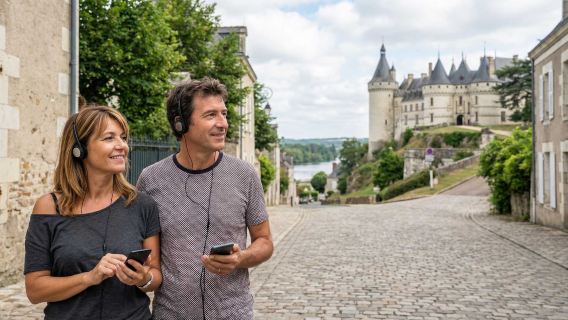
Chaumont Audio Tour: Echoes of Castles, Crosses, and Creativity
󱌍
Duration: 1 hr
English
Free cancellation
Book now for today
20% off
Limited-time sale
FromAU$ 8.56AU$ 10.7
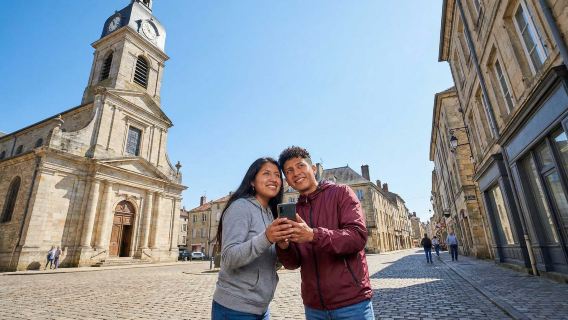
Bar-le-Duc Audio Tour: Echoes of Nobility and Sacred Stones
󱌍
Duration: 1.5 hrs
English
Free cancellation
Book now for today
20% off
Limited-time sale
FromAU$ 8.56AU$ 10.7
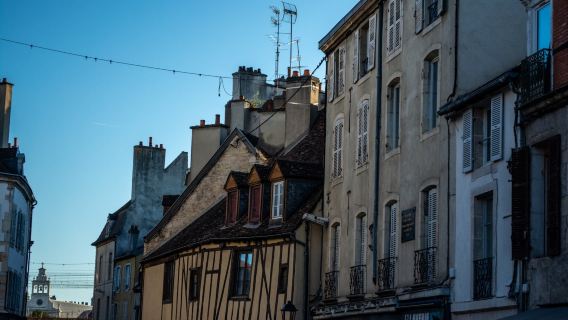
Dijon Audio Tour: Heritage Sites
󱌍
3.0/5
· 1 review
Duration: 4 hrs
English
Free cancellation
Book now for today
20% off
Limited-time sale
FromAU$ 8.56AU$ 10.7
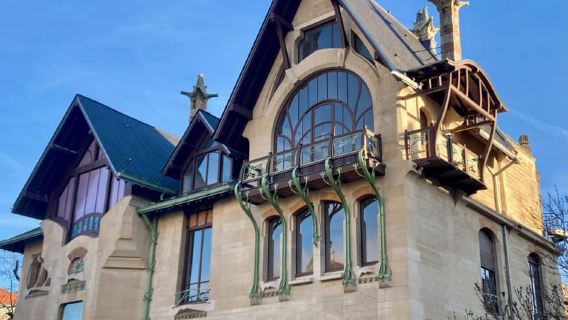
Nancy without detours: tour with a professional guide
󱌍
FromAU$ 107.13

Free things to do in Chaumont

What travellers say about Chaumont

user-avatar
Athambawa Jaleel24 November 2026
5.0
The Lindt Home of Chocolate in Kilchberg, just outside Zurich, is a modern, polished stop for chocolate lovers and a fun half-day trip by S-Bahn, bus or lake boat from the city. The first thing you see in the bright atrium is the giant chocolate fountain, about nine metres tall, and it makes a great photo. The interactive exhibition then walks you through the whole story, from cocoa farming and bean processing to the history of Swiss chocolate and Lindt's own innovations. It's well designed, with screens, smells and hands-on displays that keep both adults and children interested. The highlight for most visitors is the tasting area at the end, where you can freely sample a wide range of Lindt chocolates. There's also a very large Lindt shop, a café, and hands-on chocolate-making courses that you can book separately. On the downside, it can feel a bit like a big brand showroom. It doesn't have the craft or factory-floor feel of a working chocolate maker, and the tasting section can be crowded and rushed at busy times. Entry and especially the workshops aren't cheap, and the shop prices are no bargain compared with a supermarket. Timed tickets often sell out on weekends and in holiday periods, so book online in advance

Lindt Home of Chocolate

user-avatar
中西南北东22 April 2025
5.0
There are two major attractions in the Invalides. The first is the Military Museum (Musée de l’Armée), which houses a rich collection of military relics from ancient times to the present. The museum was first established in 1871 and was called the Artillery Museum. In 1896, the Military History Museum was established. In 1905, the two museums merged to become the current Military Museum. The exhibition area is 12,000 square meters, and the collection exceeds 500,000 pieces, including weapons, armor, firearms, uniforms, paintings and other forms of collections. The second is Napoleon's Mausoleum. Napoleon's coffin was moved to the bottom of the church dome on April 2, 1861, and placed on the first floor of the church, so that visitors can overlook it from the circular corridor on the second floor. The tombs of Napoleon's other relatives and other generals are also located here. Napoleon's coffin is made of red quartzite and placed on a green granite base. There are 12 relief paintings of the goddess of victory engraved on the walls of the corridor around the church, each representing a glorious battle.

The National Residence of the Invalids

user-avatar
Lily27 November 2026
5.0
Public transportation from Paris is fairly convenient. However, on the day I visited, the equipment at the attraction was malfunctioning, so I waited for several hours before finally getting in. Only a portion of the palace is on display, mainly framed portraits of Napoleon and his relatives. The rear gardens are very large and beautiful, definitely worth a visit.

Fontainebleau Palace

user-avatar
marmadrid28 September 2026
4.0
Sainte-Chapelle is one of the most beautiful places I visited in Paris. The upper chapel is simply breathtaking, especially because of the incredible stained-glass windows that cover almost the entire space. The colors, details and natural light create a very special atmosphere that is difficult to appreciate fully in photos.I also liked that the visit is quite manageable and does not require several hours, so it fits easily into a day of sightseeing. The lower chapel is also worth seeing, with beautiful decorations and a very different feel from the upper level.Its central location makes it easy to combine with other nearby attractions. I would definitely recommend visiting during the day, when the light makes the stained glass even more impressive. A memorable and highly recommended stop in Paris.

Sainte-Chapelle

user-avatar
_ZF***0726 August 2026
5.0
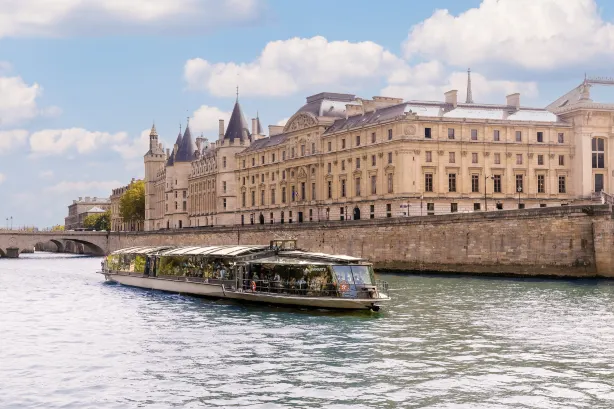
What an amazing experience! A must-do when visiting Paris, definitely on my bucket list! I booked the 8:30 PM departure and saw both the sunset and the night view. The ship moved very slowly. Dinner was Michelin-starred and included plenty of wine – excellent value!

Bateaux Parisiens Cruise

user-avatar
M26***914 July 2026
5.0
It's quite meaningful, mainly because it's a cemetery with graves of Rousseau, Voltaire, Curie, Hugo, and Zola. It provides a general understanding of French history and is worth a visit. You can get a translation device for a few dollars. Foreigners have a lot of respect for Madame Curie; people of all ages and genders will likely read it.

Pantheon

Popular cities near Chaumont

Frequently asked questions

How can I contact Trip.com customer support?

Get help anytime, anywhere within 30 secondsContact customer support

Change and cancellation policies vary by attractions and tours. Please check the product details page for more information.

Ticket prices may vary between weekdays and weekends, as well as during peak and off-peak seasons. When booking with Trip.com, you can also use Trip Coins to get extra savings. For more tips on booking discounted tickets, please visit Trip.com for the latest information.