Huairen

Things to do in Huairen

Search attractions or local attractions & tours
Search

Explore top experiences

Top 10 attractions in Huairen

View all Attractions
Yingxian Wooden Pagoda
No. 3 of Best Things to Do in Shanxi

Yingxian Wooden Pagoda

8.6
4.8/5
26k reviews

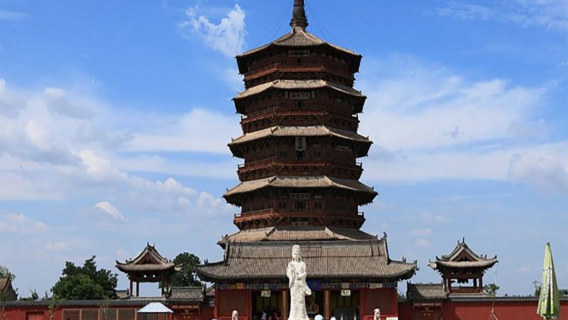
Yingxian Wooden Pagoda is centered on the Sakyamuni Pagoda of Fogong Temple. This pure wooden pavilion-style pagoda was first built in the second year of Qingning of the Liao Dynasty (1056) and later expanded and completed during the Mingchang period of the Jin Dynasty. It is the oldest surviving wooden pagoda in China. The pagoda has five visible stories, with concealed stories inserted between them, making nine stories in total, and stands about 67 m tall. Apart from the stone platform base on the first story, the main body of the pagoda is built entirely of wood, connected using traditional mortise-and-tenon craftsmanship, and the whole pagoda uses more than 50 types of bracket sets, demonstrating exquisite structural design. For more than nine hundred years, the pagoda has withstood many major earthquakes and modern artillery bombardment and still stands today. Due to the need for cultural relic protection, visitors may only visit the first floor inside the pagoda. There is a door on each of the north and south sides of the first floor. In the center of the inner chamber is a seated statue of Shakyamuni about 10 m tall, with a dignified face and a solemn expression. Looking up, you can see the exquisite coffered ceiling at the top. On the walls of the inner chamber are painted six Buddha images of Tathagata, and on the walls on both sides of the doorway are painted Liao Dynasty-style murals featuring Vajra, disciples, and offering figures, with bright colors and lifelike figures. Multiple plaques from various dynasties hang under the eaves of each story of the wooden pagoda, two of which were written by Ming emperors and are particularly striking. Under the south eaves of the fifth story hangs the plaque "Supreme Divine Craftsmanship," written by Zhu Di, Emperor Chengzu of Ming, when he climbed the pagoda during a northern military campaign in the Yongle era; under the south eaves of the fourth story hangs the plaque "Wonder of the World," written by Zhu Houzhao, Emperor Wuzong of Ming, when he ascended the pagoda to feast and reward his ministers after the Yingzhou victory in the Zhengde era. These plaques are not only calligraphic treasures but also record the intersection of the wooden pagoda with historical figures, together with the architecture itself forming a distinctive cultural view of the attraction.

Ying County · 29.7km from Huairen
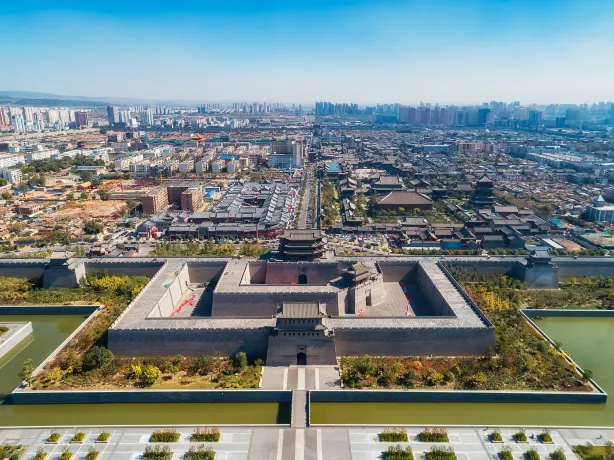
Datong Ancient City
No. 1 of Night Attractions in Shanxi

Datong Ancient City

8
4.7/5
511 reviews

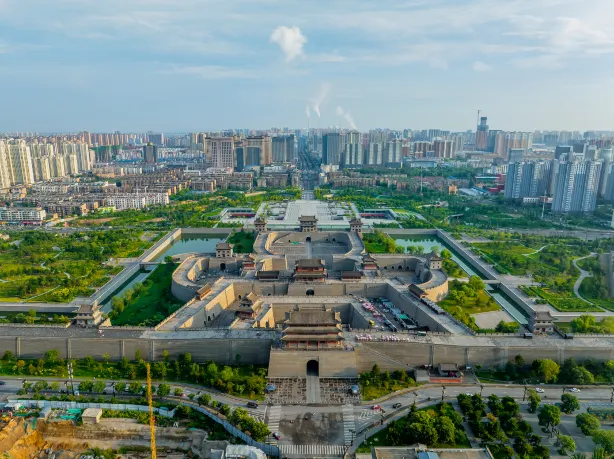
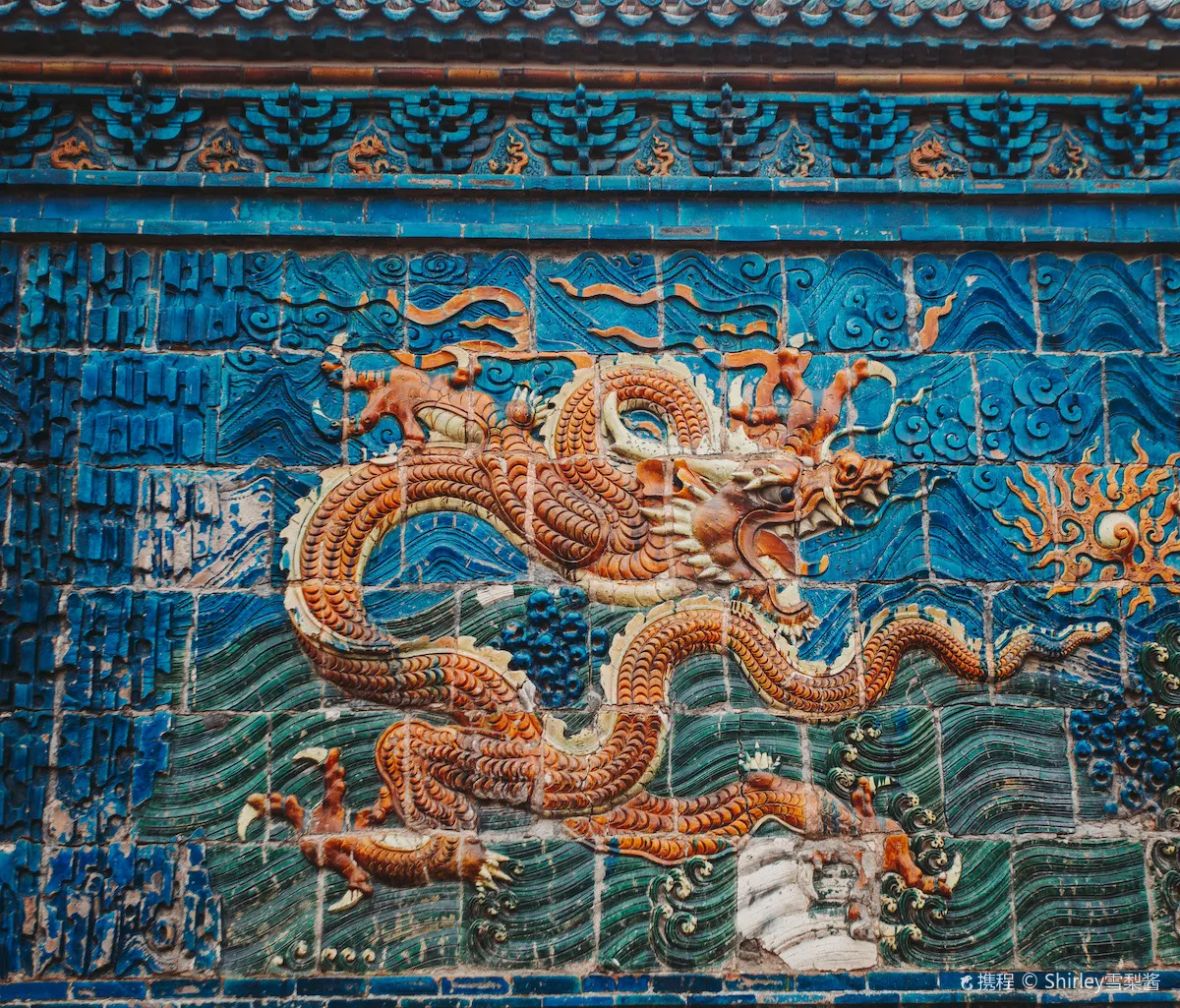
Datong Ancient City is the historic core of Datong, Shanxi. It served as the capital Pingcheng during the Northern Wei dynasty, the western auxiliary capital during the Liao and Jin dynasties, and a strategic frontier stronghold in the Ming dynasty, earning it the enduring title "northern key." Over its 2,000-year history spanning dynastic changes, the city's location remained largely unchanged, preserving its chessboard-style street grid centered on Sipailou to this day. The 2008 conservation and restoration project reunited the city walls, reconnected the moat, and gradually revived ancient architecture and old streets, layering the grandeur of an ancient capital with modern life within the same walled city. The ancient town offers an exceptionally dense concentration of noteworthy sights: in Huayan Temple's Liao- and Jin-dynasty halls, the graceful "clasped-hands, smiling" Liao-dynasty bodhisattva statue in the Scripture Depository Hall has long been hailed as the "Oriental Venus"; Shanhua Temple preserves a complete complex of Liao- and Jin-era wooden architecture. The Nine-dragon Wall, originally a glazed screen wall before the Ming-dynasty Dai Prince's residence (destroyed in war), survives with its nine coiling dragons still radiant—older and larger than its counterparts in Beijing's Forbidden City and Beihai Park. Climbing the reconstructed Ming-style city walls reveals a bird's-eye view of the square town's crisscrossing four main streets and orderly rooftops. An evening wait for sunset on the ramparts, followed by the illuminated outlines of walls and watchtowers after dark, makes for one of the town's most enchanting moments. Walking is recommended for touring: the attractions inside the city walls are spaced closely, allowing Huayan Temple, Shanhua Temple, the Nine-dragon Wall, and the drum tower to form a connected route. When tired, you may turn into the area around East Drum Tower Street, where time-honored shops and snack stores are concentrated, making it ideal for resting and replenishing. The ancient town covers a considerable area, so allocate at least half a day and wear comfortable shoes to leisurely appreciate the layered historical depth of this ancient capital.

Datong · 34.2km from Huairen
Shanhua Temple
Selected for Best Things to Do in Shanxi

Shanhua Temple

7.5
4.8/5
2.5k reviews

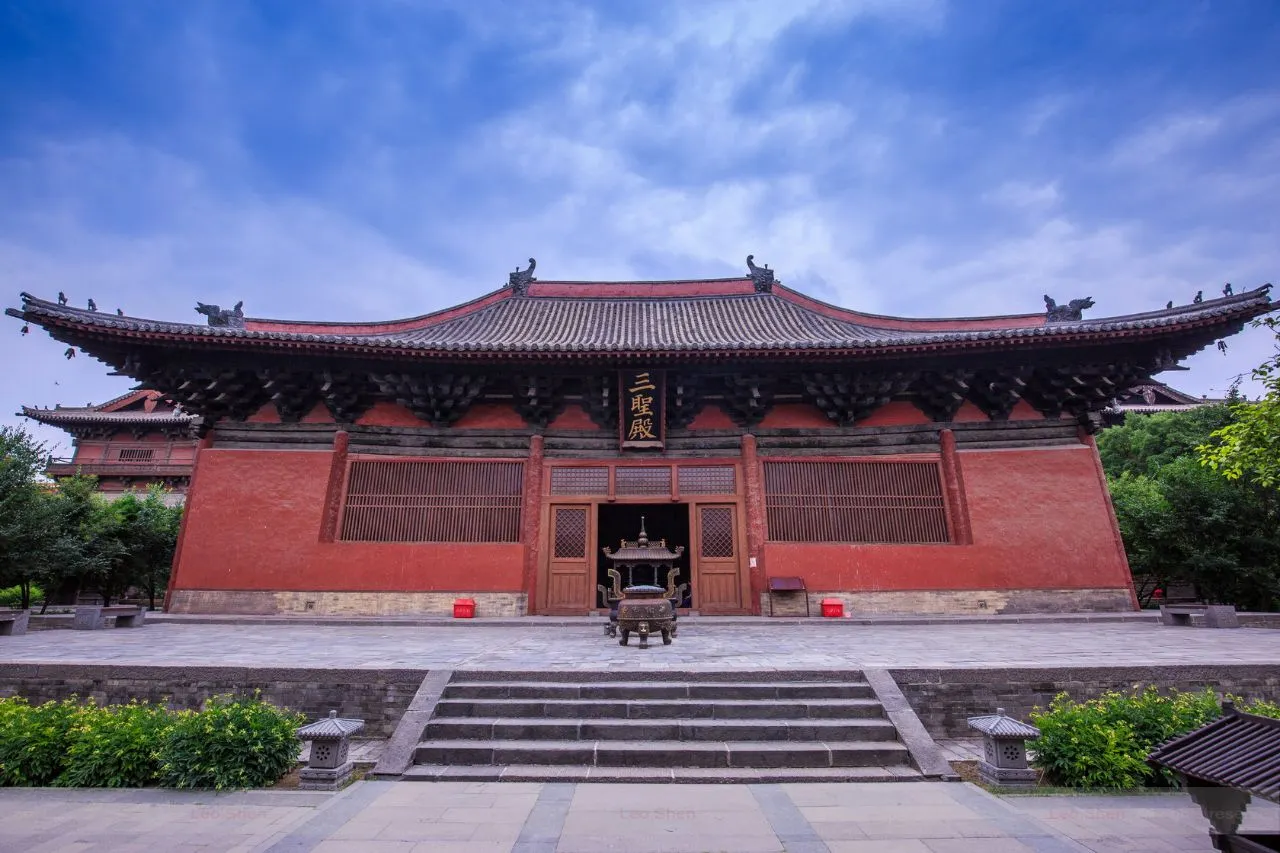
Shanhua Temple, commonly known as the "southern temple," is located in the southern corner of the ancient city of Datong. The temple was first built during the Kaiyuan era of the Tang Dynasty and was initially named Kaiyuan Temple. It was renamed Dapu'en Temple during the Later Jin Dynasty but was destroyed in the war at the end of the Liao Dynasty. It was rebuilt on the original site during the Jin Dynasty and was officially named Shanhua Temple in the Ming Dynasty, a name that has been used ever since. The temple's mountain gate, Three Saints Hall, Mahavira Hall, and Puxian Pavilion are all original structures from the Liao and Jin periods, making it one of the relatively well-preserved temple architectural complexes from that era in China. The halls are gradually elevated along the central axis from south to north, with the layout of the Tang Dynasty temple still faintly discernible. Unlike most temples, the mountain gate here combines with the heavenly king hall into one structure: the five-bay Jin dynasty gate houses Ming dynasty statues of the four heavenly kings, immediately visible upon entry with imposing majesty. The central three saints hall, also a Jin dynasty construction, features strikingly large and ornate bracket sets under its eaves that project in layers resembling blooming flowers—a distinctive hallmark of this hall. It enshrines the original Jin dynasty "Flower Adornment three saints": Vairocana Buddha at the center flanked by Manjusri and Samantabhadra bodhisattvas, their forms full and expressions serene. The main hall of the great hero on the northern high platform is the temple's principal hall, built during the Liao Dynasty and renovated in the Jin Dynasty. The altar enshrines the five wisdom buddhas arranged from east to west: Aksobhya in the east, Ratnasambhava in the south, Vairocana at the center, Amitabha in the west, and Amoghasiddhi in the north—all surviving Liao sculptures with Jin-era repainting. Twenty-four deva polychrome sculptures stand on brick platforms along the eastern and western walls, twelve on each side, representing masterpieces of Jin Dynasty sculpture. Some appear armored and weapon-wielding with fierce expressions, while others wear official robes with flowing sashes. Among them, the benevolent and graceful Sridevi particularly captivates viewers. The hall's western and southern walls preserve Buddhist narrative murals painted during the Kangxi era of the Qing Dynasty. Before entering the temple, consider viewing the glazed five-dragon wall in front of the mountain gate. This Ming dynasty Wanli-era relic was originally the screen wall of Xingguo Temple in the southern city, relocated here in the 1980s. Five coiling dragons surge amid turbulent clouds and waves on the wall, with the central "main dragon" holding a fire pearl and facing directly forward toward the ancient temple's gate. During your visit, pay special attention to the hall of three saints' diagonal arches and the Liao- and Jin-dynasty polychrome sculptures in the main hall. The dim lighting in these ancient halls invites slower observation of the statues' expressions and drapery details, allowing deeper appreciation of these Liao-Jin treasures.

Datong · 33.5km from Huairen
Dai Wang Fu·Daming Baixi Garden
No. 5 of Family-friendly Attractions in Shanxi

Dai Wang Fu·Daming Baixi Garden

7.3
4.5/5
2.9k reviews

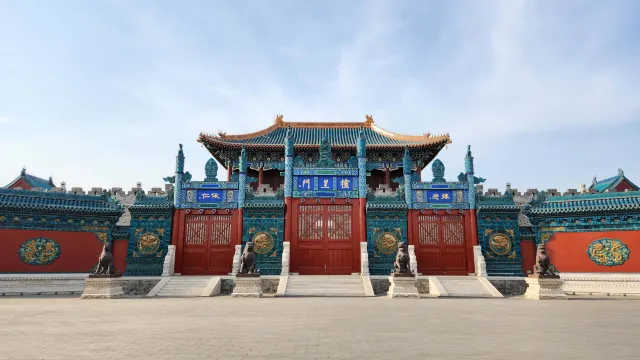
Dai Wang Fu·Daming Baixi Garden is located in the northeast corner of the ancient city of Datong. It was the mansion built after Zhu Gui, the 13th son of Emperor Taizu of Ming Zhu Yuanzhang, was granted the title of Dai Wang and stationed in Datong. Due to its design imitating the imperial palace in Nanjing and its grand layout, it has long been known as the "Little Forbidden City in the northern frontier." The mansion was first constructed in the 25th year of the Hongwu era (1392) on the former site of the Imperial Academy of the Western Capital during the Liao and Jin dynasties. Its central axis runs from south to north, featuring Yu Gate, Duanli Gate, Chengyun Gate, Chengyun Hall, Chongxin Gate, Cunxin Hall, Changchun Palace, and Guangzhi Gate. Following the principle of "ancestral temple to the left and altar to the right" as in the capital, it had a front court for governance and rear quarters for residence, with temples to the east and altars to the west. Over ten generations of Dai Wang lived and governed here. At the end of the Ming dynasty, the mansion was destroyed by war, leaving only the Nine-Dragon Screen wall in front of the mansion standing to this day. The current complex of halls and palaces seen today is a contemporary reconstruction on the original site, restoring the layout and grandeur of this frontier mansion. By day, this is an open "garden of a hundred shows": small theater performances cycle through various courtyards, with ming dynasty-costumed characters like imperial guards and palace maids patrolling and interacting with travelers. Folk arts like shadow puppetry, puppetry, ancient magic tricks, acrobatics, and nuo dances take turns on stage. The indoor performance "Carrying the mandate of heaven" uses gauze screen projections and laser dome effects to create an immersive space of flowing light and shadow. At night, a different scene emerges: the walking live-action show "Datong under heaven" guides audiences through palace halls and corridors, recreating the ming dynasty frontier town's events and the grand spectacle of nations paying tribute. A thousand-lantern festival illuminates the mansion's nightscape, with intangible cultural heritage fire skills like iron-flower forging and fire pots, plus the mansion's flame show, bringing the atmosphere to its climax. When touring, you might as well save the highlight for the night, carefully observing the architecture and encountering scattered performances between courtyards during the day, then immersing yourself in the storyline after dark. The illuminated halls and corridors are particularly photogenic. The original nine-dragon screen wall in front of the mansion still stands nearby and can be visited along the way.

Datong · 34.5km from Huairen
Jinhuagong National Mine Park
No. 8 of Best Things to Do in Datong

Jinhuagong National Mine Park

6.4
4.5/5
491 reviews

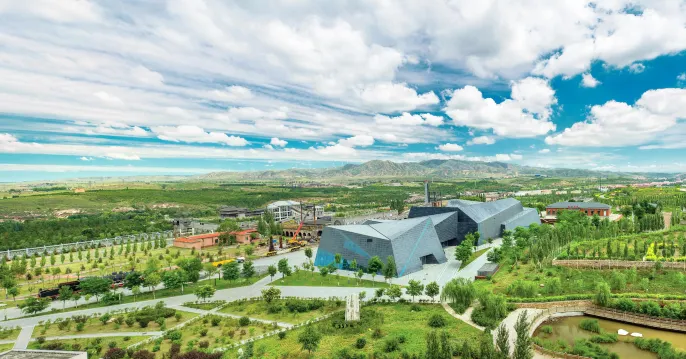
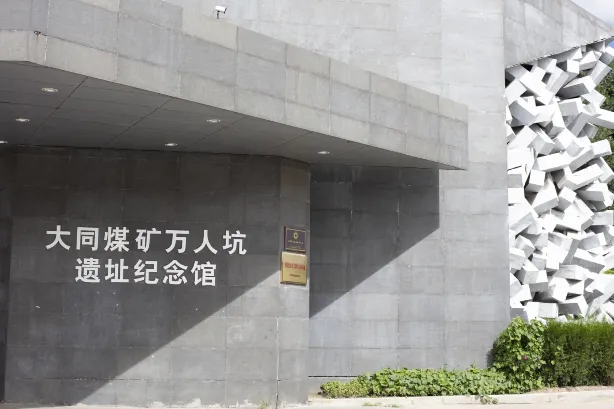
Jinhua Palace National Mining Park is located about 13 kilometers west of Datong City, across the river from the world cultural heritage Yungang Grottoes. In 2000, the "Underground Exploration Tour" project was developed here, becoming the first batch of national industrial tourism demonstration sites. The park integrates industrial site protection, environmental renewal, ecological restoration and green mine construction, which is a new leisure and tourism park and a mining cultural and creative park that leaves a complete modern industrial memory for the world. The main attractions in the park are the Datong Coal Museum and the Coal Capital Underground Fire Exploration Tour. The Datong Coal Museum in the park is a large-scale address mine museum integrating science, knowledge, ornamentation and fun. The treasure of the town hall here is a petrified wood that has been turned into coal, which is dark and has a clear texture, and you can still clearly see the scales and veins of the original plant. Tourists can also participate in the underground fire exploration tour of Coal Capital, truly understand the historical knowledge of coal formation in the Jurassic period 140 million years ago, experience the historical evolution process from primitive coal mining to modern coal mining, and experience the underground life of coal workers immersively. Before tourists go down to visit the well, they need to change into work clothes and wear safety helmets, and there will be about five people in the scenic spot to lead them down the well.

Datong · 30.8km from Huairen

Experiences you can't miss in Huairen

Featured Food & drink in Huairen

View all Food & drink
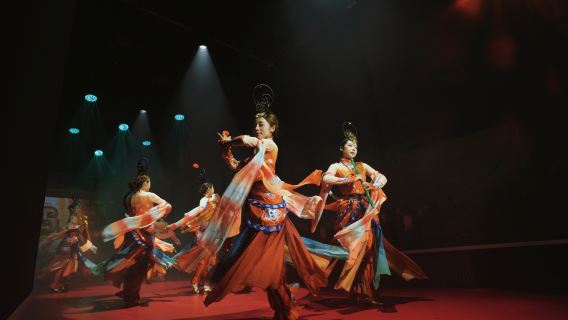
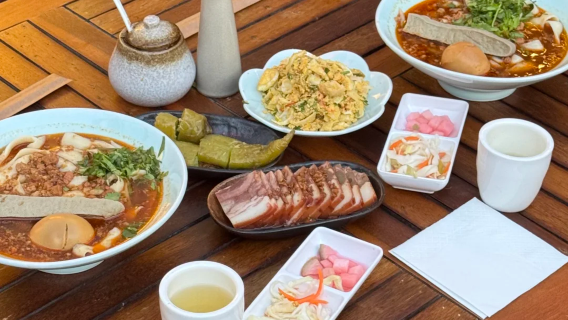
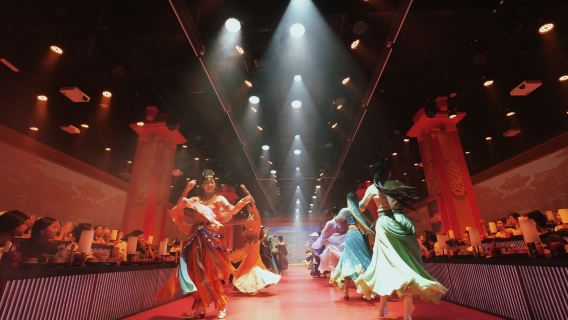
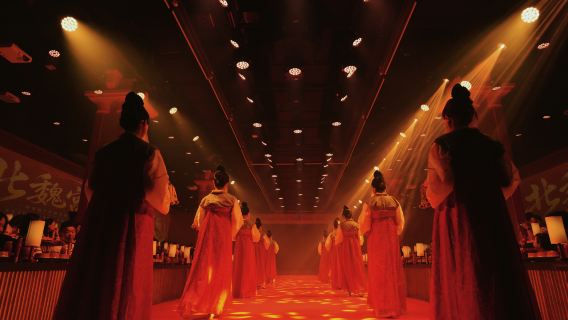
Datong Northern Wei Royal Banquet | Live show & restored ancient cuisine
󱌍
Duration: 1.6 hrs
English
Free cancellation
Instant confirmation
Book now for tomorrow
FromAU$ 118.23
Datong Ancient City Night Food Tour: Taste 10 Local Northern Snacks & Ancient Hutong Walk
󱌍
Duration: 3 hrs
English
Free cancellation
Instant confirmation
Book now for tomorrow
FromAU$ 256.89
Datong Northern Wei Immersive Dinner Show | Yungang cultural banquet
󱌍
Duration: 1.6 hrs
English
Free cancellation
Instant confirmation
Book now for tomorrow
FromAU$ 120.72
Datong Ancient Northern Wei Themed Banquet with Live Performance & Historic Cuisine
󱌍
Duration: 100 mins
English
Free cancellation
Instant confirmation
Book now for tomorrow
FromAU$ 116.42
DaTong:Pingcheng Northern Wei Immersive Banquet | Yungang-themed ancient dining experience
󱌍
Duration: 1.6 hrs
English
Free cancellation
Instant confirmation
Book now for tomorrow
FromAU$ 118.91

Featured Culture & history in Huairen

View all Culture & history
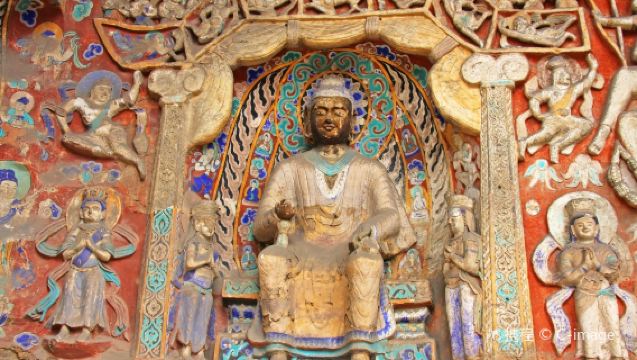
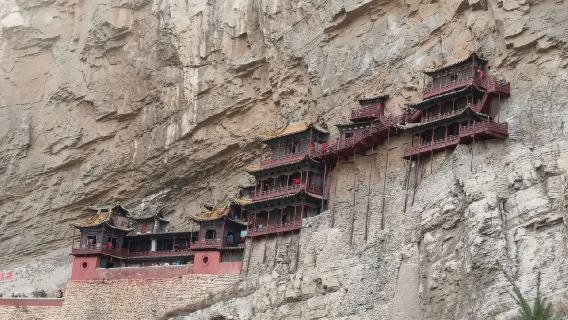
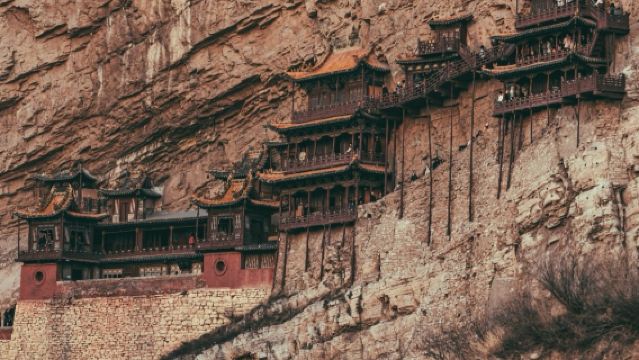
※1-day private charter tour to Xuankong Temple + Yungang Grottoes in Datong [Hotel pickup included]
󱌍
4.9/5
· 63 reviews· 296 booked
Duration: 9.8 hrs
English
Free cancellation
Instant confirmation
Book now for tomorrow
63 consecutive positive reviews
5% off
Limited-time sale
FromAU$ 70.77AU$ 74.5
※1-day private charter tour to Xuankong Temple + Ying County Wooden Pagoda + Yungang Grottoes | Door-to-door pickup in Datong city
󱌍
4.9/5
· 55 reviews· 230 booked
Duration: 11 hrs
English
Free cancellation
Instant confirmation
Book now for tomorrow
55 consecutive positive reviews
5% off
Limited-time sale
FromAU$ 75.65AU$ 79.64
Datong Classic Day Tour to Yungang Grottoes,Hengshan Hanging Temple,Yingxian Wooden Pagoda
󱌍
4.5/5
· 12 reviews· 96 booked
Duration: 5.5 hrs
English
Instant confirmation
FromAU$ 120.74
※Xuankong Temple + Yungang Grottoes + Huayan Monastery 1-day tour by private charter [Exclusive private charter with hotel pickup]
󱌍
4.7/5
· 19 reviews· 79 booked
Duration: 10.8 hrs
English
Instant confirmation
Book now for tomorrow
FromAU$ 96.34
※Datong Xuankong Temple + Ying County Wooden Pagoda Private Charter 1-Day Tour [Flexible Departure Time | Train Station Pickup]
󱌍
5.0/5
· 9 reviews· 51 booked
Duration: 6.9 hrs
English
Instant confirmation
Book now for tomorrow
FromAU$ 87.34
Datong: Hanging Temple & Yungang Grottoes Classic Day Tour | CITS × ZANBUS
󱌍
5.0/5
· 3 reviews· 38 booked
Duration: 8.5 hrs
English
Free cancellation
Instant confirmation
FromAU$ 156.70
Tour to Yungang Grottoes and Hanging Temple (Entrance Fees Not Included)
󱌍
4.5/5
· 10 reviews· 32 booked
Duration: 8.8 hrs
English
Free cancellation
Instant confirmation
FromAU$ 77.13
Huairen Today's weatherClear -9-2℃
Huairen weather for the next 2 days11/24: -8-4℃, 11/25: -7-9℃

Free things to do in Huairen
What travellers say about Huairen

user-avatar
Anonymous user23 November 2026
5.0
The majestic Yingxian Wooden Pagoda, its layered brackets piercing the sky, preserves the splendor of the Liao Dynasty forever in its mortise and tenon joints. The thousand-year-old leaning pagoda still stands, bringing tears to the eyes; it would be wonderful if it remained so many years later.

Yingxian Wooden Pagoda

user-avatar
Anonymous user22 November 2026
5.0
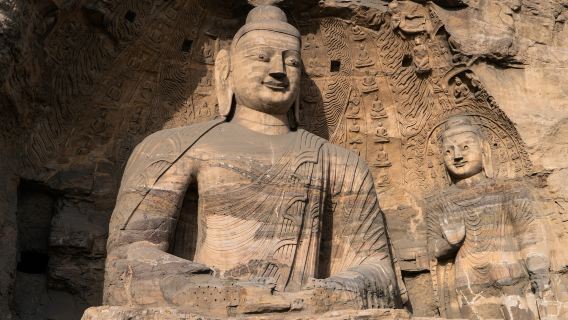
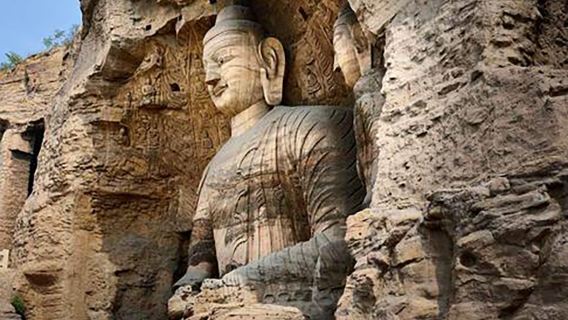
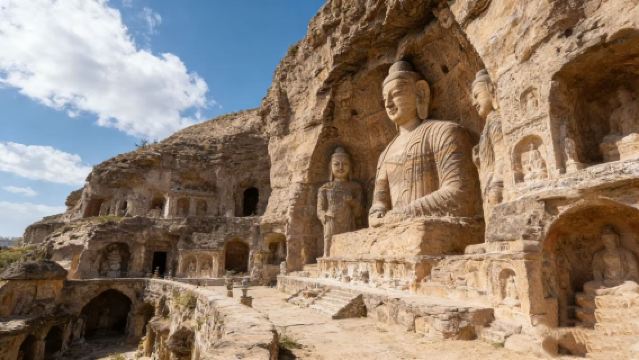
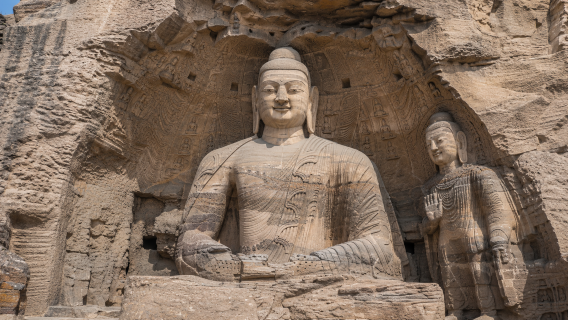
• The Yungang Grottoes are a long song of the Northern Wei Dynasty carved into the mountainside. Where the chisels fell, wind and sand coexisted with the Buddha's light. The rugged and powerful sculptures lack the delicate grace of later generations, carrying a majestic grandeur that seems to have emerged from the desert. Each wall and niche is not a cold stone carving, but a trace of the faith, aesthetics, and the convergence of Eastern and Western civilizations of an era. Standing before the Buddha, one instantly understands the meaning of "Mount Sumeru embedded in stone, a single thought spanning a thousand autumns." Unlike the elegance of Jiangnan, Yungang possesses the rugged strength of the northern mountains and rivers. The five caves of Tan Yao in the early period are awe-inspiring. Although the stone surface has been weathered for a thousand years, one can still glimpse the ambition of those who carved the caves. The chanting of Buddhist scriptures has faded with time, but the stone has remembered the splendor of the Northern Wei Dynasty. Every weathered line is a love letter left by time to humankind.

Yungang Grottoes

user-avatar
Anonymous user22 November 2026
5.0
I don't really know much about Liao and Jin dynasty architecture. But the murals in the temple are especially beautiful, and the temple grounds are quite large, making it a great place to visit. By the way, there are lots of friendly cats in the temple, haha.

Huayan Temple

user-avatar
离隹馬蚤氵旁氵它13 November 2026
5.0
The night view is great, and the performances are fantastic, especially the fire show at 8:30 pm, which is definitely worth seeing and lasts for 15 minutes. Try to get a seat near the center of the barrier around the performance area.

Datong Ancient City

user-avatar
118***9421 November 2026
4.0
Jingtu Temple is an ancient temple dating back to the Jin Dynasty. It's not large, but the Jin Dynasty caisson ceiling of the main hall is remarkably well-preserved and exceptionally exquisite. The temple is very close to the Wooden Pagoda, making it worth a visit if you're passing by. A 20-minute visit is sufficient. The pictures shown are of other attractions in Shanxi and are unrelated to Jingtu Temple.

Jingtu Temple

user-avatar
Envy the witch satella15 November 2026
5.0
The ancient city of Datong is a must-see attraction; the word "breathtaking" is the only way to describe it. Although the ancient temple isn't large, be sure to allow plenty of time to quietly appreciate the ancient Chinese Buddhist statues.

Shanhua Temple

user-avatar
tmbaw1 November 2026
5.0
The evening performance was fantastic, especially the final iron-flower display, which brought the atmosphere to a fever pitch. The building's architecture follows a courtyard-style layout, with seven courtyards in total. The temperature in Datong is pleasant in the evening, and there were far fewer people than during peak tourist season, making for a great viewing experience. Highly recommended.

Dai Wang Fu·Daming Baixi Garden

user-avatar
M2q***l020 November 2026
5.0
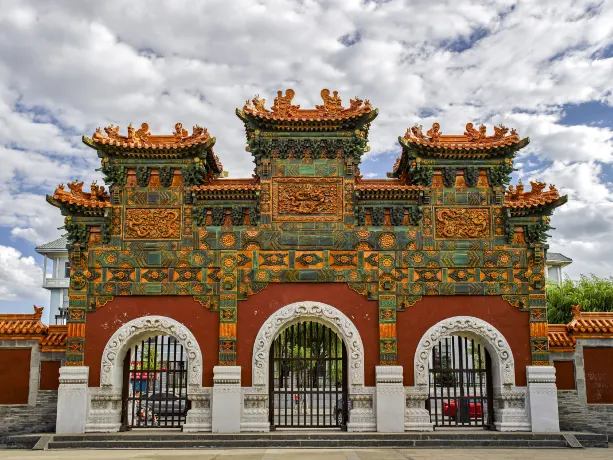
I went to the Nine Dragon Wall during the off-season, and it was snowing, so there was hardly anyone around. Taking panoramic photos was a breeze. Aside from the strong winds that were quite harsh on the face, it wasn't very cold. It was also cloudy when I went, so the colors of the glazed tiles weren't really reflected in the sunlight. My first impression was "wow!", but that didn't last long. However, it's still definitely worth seeing. I recommend going during the day; that should give you that real feeling.

Nine-Dragon Wall

user-avatar
M35***9111 October 2026
5.0
A less-visited but high-quality tourist attraction, located not far south of the Yungang Grottoes. While the Yungang Grottoes have long queues, this place offers a peaceful retreat. It mainly consists of three parts: a coal museum, a mine shaft, and industrial relics in the courtyard. The coal in the mine is currently not being mined as a strategic reserve and is specifically for visitors; the safety facilities are complete. It was a very unique experience. We were fortunate to have a guide who was a former miner, and his explanations were rich and insightful, imbued with the cultural spirit of Datong.

Jinhuagong National Mine Park

Trip Moments in Huairen

Popular cities near Huairen

Frequently asked questions

What are the must-do things in Huairen?

Don't miss these attractions in Huairen: Yingxian Wooden Pagoda, Yungang Grottoes, and Huayan Temple. If you like Food & drink, try Datong Northern Wei Royal Banquet | Live show & restored ancient cuisine. If you enjoy Culture & history, try ※1-day private charter tour to Xuankong Temple + Yungang Grottoes in Datong [Hotel pickup included].

You can give Datong Northern Wei Royal Banquet | Live show & restored ancient cuisine and Datong Ancient City Night Food Tour: Taste 10 Local Northern Snacks & Ancient Hutong Walk a try. Before you go, please check their opening hours and menus online. Reservations are recommended, especially during peak hours.

Get help anytime, anywhere within 30 secondsContact customer support

Change and cancellation policies vary by attractions and tours. Please check the product details page for more information.

Ticket prices may vary between weekdays and weekends, as well as during peak and off-peak seasons. When booking with Trip.com, you can also use Trip Coins to get extra savings. For more tips on booking discounted tickets, please visit Trip.com for the latest information.