Lantian

Things to do in Lantian

Search attractions or local attractions & tours
Search

Explore top experiences

Top 10 attractions in Lantian

View all Attractions
Emperor Qinshihuang's Mausoleum Site Museum
2026 Global 100 - Best Things to Do

Emperor Qinshihuang's Mausoleum Site Museum

10
4.7/5
150.8k reviews

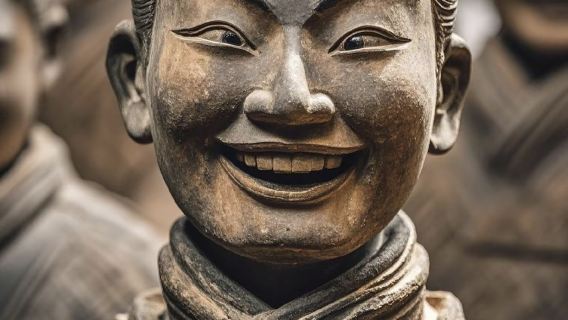
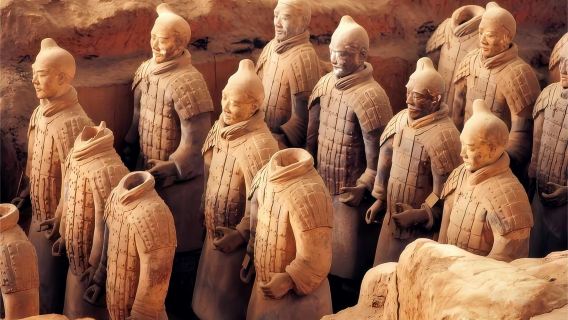
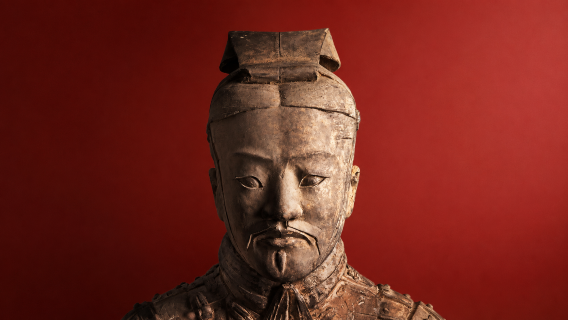
Emperor Qinshihuang's Mausoleum Site Museum is a large site museum built on the site of the Terracotta Army pits, which are located approx. 1.5 km east of the mound of Emperor Qinshihuang's Mausoleum. In March 1974, farmers from Xiyang Village accidentally unearthed fragments of terracotta figures while digging a well, and archaeological exploration confirmed Pit 1; in 1976, Pits 2 and 3 were successively discovered to the north of Pit 1. This army, which had slumbered for over 2,000 years, was thus brought back to light, and the discovery of the Terracotta Army has been hailed as "one of the great discoveries in the history of 20th-century archaeology." Pit 1 is the main military formation among the three pits, stretching over 200 m from east to west, with an estimated 6,000 pottery figurines and horses buried inside. Standing at the edge and looking down, armored warrior figurines, war chariots, and pottery horses are arrayed eastward in battle formation. A closer look at each figure reveals different facial shapes, hairstyles, beards, and even hand gestures. The figurines were originally painted all over, but most of the paint has peeled off and discolored due to fire and long burial. Pit 2 is L-shaped, with crossbowmen, cavalry, and charioteers arranged in a mixed formation; the vividly expressive kneeling archer was unearthed here. Pit 3 is small in scale, and scholars believe the ceremonial guard figurines and war chariots unearthed there indicate it served as the command center—known in ancient times as a "military tent"—directing the formations in Pits 1 and 2. The bronze swords, pi halberds, spears, crossbow triggers, and large quantities of arrowheads unearthed from the pits—many still sharp after more than 2,000 years—demonstrate the sophistication of Qin dynasty metallurgy. The Emperor Qinshihuang's Mausoleum Site Museum and the Qin Shi Huang Mausoleum at the foot of Mount Li were originally one integrated whole. After Qin Shi Huang ascended the throne at the age of 13, he began constructing the mausoleum, conscripting hundreds of thousands of laborers over a period spanning more than 30 years; the terracotta army, which replaced human sacrifice with figurines, served as the underground guard for this imperial mausoleum. To avoid the crowds during your visit, you might want to see Pit 3 and Pit 2 first, and then take your time to experience the awe-inspiring scene of Pit 1 last. After viewing the terracotta pits, you can also take the attraction's shuttle bus to Lishan Garden, where Emperor Qinshihuang's mausoleum is located; the Acrobats Pit, the Civil Officials Pit, and the Bronze Chariots and Horses Museum are all within the garden. The two painted bronze chariots and horses, cast at half the scale of real chariots, are exquisitely crafted with brilliantly gleaming gold and silver fittings, and are well worth a special trip to see.

Xi'an · 26.3km from Lantian
Bai Lu Yuan Studios
No. 16 of Night Attractions in Xi'an

Bai Lu Yuan Studios

5.4
4.3/5
579 reviews

Bai Lu Yuan Studios is Shaanxi's first large-scale film studio complex integrating film production and experience, cultural leisure, children's entertainment, and spectacular performances, based on the Mao Dun Literature Prize-winning novel "White Deer Plain" by renowned writer Mr. Chen Zhongshi. By showcasing Guanzhong architecture, history, patriarchal culture, and folk customs such as housing, cuisine, and folk arts, it forms multiple functional zones, allowing travelers to traverse five major passes - Wu Pass, Xiao Pass, Tong Pass, Jin Pass, and Da San Pass - in a single day, experiencing the ancient plain, learning about historical events, and traveling through the Zhou, Qin, Han, and Tang dynasties. At the same time, the attraction has dedicated efforts to create multiple performance projects, including "Two tigers guarding Chang'an," which restores the folk customs of Guanzhong for travelers, allowing them to experience the local culture firsthand, while also providing an authentic experience of movie shooting scenes. The film studio also preserves many real-life filming locations for movies and television dramas. "Two tigers guarding Chang'an" recreates the historical event of 1926, when National Revolutionary Army generals Yang Hucheng and Li Huchen led the city's soldiers and civilians to defend Chang'an. "Scholar Guo's martial arts competition" showcases the magnificent scene of Scholar Guo fighting against heroes in the film studio. "White Deer Plain character show" introduces characters described in the novel, such as Bai Ling, Hei Wa, and Tian Xiao'e, to the attraction, where they perform programs while welcoming guests. In the ancestral hall, a performance of jujube branches whipping an opium addict vividly illustrates the culture of village covenants, and so on. Four children's performances are full of fun: "White Deer Plain animal school," "Funny stage," "Lulu and Yuanyuan," and "Happy photo studio" provide a joyful stage for children.

Lantian · 9.3km from downtown
Huaqing Palace
No. 5 of Global Traveller-Picked Attractions in Xi'an

Huaqing Palace

8.7
4.6/5
33.8k reviews

Huaqing Palace attraction is located 30 km east of Xi'an, adjacent to the Terracotta Warriors. Renowned for its timeless hot spring resources and numerous historical events, it has become an iconic cultural tourism attraction of Tang Dynasty palaces in China. Palace scenic spots Huaqing Palace boasts a long history, serving as an imperial retreat for emperors from the Zhou, Qin, Han, Sui, and Tang dynasties. The palace features cultural zones like the Tang Imperial Hot Spring Relics Museum, the Xi'an Incident site—Five-Room Hall, Nine Dragon Lake and Lotus Lake scenic areas, and the Tang Pear Garden Museum. Notable architectural complexes include Feishuang Hall, Wanshou Hall, Changsheng Hall, Huanyuan Garden, and Yuwang Hall. The stele of "hot spring ode" Mount Li hot springs, developed early and favored by emperors throughout history, enjoy the reputation of being "the imperial hot springs under heaven." As far back as the Yangshao culture period 6,000 years ago, the ancient Jiangzhai people began utilizing these springs. With their profound cultural heritage spanning millennia, Mount Li hot springs represent an indispensable part of Chinese historical culture. The stele of hot spring ode in the attraction stands 154 cm tall, 72 cm wide, and 19 cm thick, featuring a coiled dragon design and a trapezoidal base. Engraved by Yuan Chang, the governor of Yongzhou during the Northern Wei Dynasty, the inscription reads, "The hot spring is nature's prescription and the primordial healer of the universe. People from all nations and those suffering from ailments come with provisions to seek relief in its waters." This stele is the earliest surviving written artifact at Huaqing Palace. Tang Imperial Hot Spring Relics Museum This is the site of the bathing pool described in the "Song of Everlasting Sorrow" where Yang Guifei emerged from her bath. After the An Lushan Rebellion, little remained of the original structure. In 1982, while constructing the "Guifei Pavilion," the Lintong County Government accidentally discovered the ruins of a Tang Dynasty bathing pool. After excavation and restoration, the Huaqing Palace imperial hot spring ruins museum was established. This small yet exquisitely designed pool measures 3.6 meters east-west and 2.9 meters north-south, with an oval-like shape. The pool walls are entirely built with bluestone slabs, featuring a two-tiered terrace structure composed of 18 arched stone sections. Inside the pool lies a dedicated bathing stone for Yang Guifei, engraved with the character "Yang." At the center of the pool bottom is a 10 cm diameter water inlet. A white marble lotus pedestal was unearthed here, connecting to both a showerhead above and ceramic water pipes below that linked to the main water source. Due to natural pressure, hot spring water would spray outward through the lotus showerhead, creating a mist effect remarkably similar to modern showers. Adjacent to the Guifei Pool to the east lies Emperor Xuanzong's exclusive imperial hot spring. During the Tang Dynasty, the Nine Dragon Hall stood above this pool, featuring nine white jade-carved dragons spouting water outside. This pool's surface resembles a realistic lotus shape, hence its alternate name "Lotus Pool." Xi'an incident site The five-room hall at the Xi'an incident site in Huaqing Palace is where the Xi'an incident took place. To this day, the glass windows and walls of the five-room hall still bear bullet marks from the fierce battle during the military remonstrance. The desks, chairs, beds, sofas, tea sets, stoves, carpets, telephones, and other office items in each room are replicated and arranged according to their original appearance. Historical events: Beacon fire to deceive the feudal lords In 779 BC, King You of Zhou obtained the beautiful Bao Si, yet she never smiled. To solve this, the king conspired with the treacherous minister Guo Shifu and lit the beacon fires at the Huaqing Palace attraction. The feudal lords across the land saw the signals.Beacon fireHe quickly led his troops to rescue the king, but King You told the feudal lords, "I lit the beacon fires just to make my queen laugh," upon which Bao Si burst into laughter. The feudal lords arrived valiantly but left resentfully. Seeing King You's incompetence and the people's discontent, the Quanrong tribe seized the opportunity to launch an attack. As the enemy troops approached the mountain, King You urgently raised the beacon fires.Beacon fireHe mobilized troops, but none of the feudal lords came to his rescue. King You fled with Bao Si toMount LiHe was later killed by the Quanrong tribe, leaving behind historical anecdotes such as "a smile worth a thousand gold," "losing the kingdom for a smile," and "playing with beacon fires to deceive the feudal lords." And this beacon tower at Huaqing Palace attraction towers at an altitude of 913.6 m.Mount LiThe beacon tower at Huaqing Palace attraction on the first peak of Xixiu Ridge. Su Dongpo composing poetry at Mount Li During the Jiayou era of the Northern Song Dynasty, the Lishan hot springs, meticulously restored by Liu Ziyong and others, became breathtakingly beautiful, attracting crowds of visitors who composed poems and essays to express their nostalgia. Among the countless poetic works, the emerging literary giant Su Shi stood out with his masterpieces like "Lady of Guo's night outing" and "Lishan" during his visit to the hot springs. Xi'an incident The Xi'an incident, also known as the "double-twelfth incident". Zhang Xueliang and Yang Hucheng launched a mutiny at Huaqing Palace, detaining the then chairman of the Military Commission of the National Government. Performance items You can watch a large-scale dance drama at the attraction. ▲ The Song of Everlasting Sorrow is China's first large-scale live historical dance drama created by Shaanxi Tourism Group. Based on Bai Juyi's timeless poem of the same name, it fully utilizes the attraction's resources and employs high-tech stage lighting to combine historical storytelling with live performances, recreating the love story of Emperor Li Longji and Yang Guifei at Huaqing Palace over 1,300 years ago. ▲There is also the historical adaptation "12-12 Xi'an Incident," which vividly and authentically recreates the lesser-known details of the "Xi'an Incident."

Xi'an · 25.1km from Lantian
Shaanxi History Museum
2026 Asia 100 - Family-friendly Attractions

Shaanxi History Museum

9.5
4.8/5
35.4k reviews

Shaanxi History Museum is a large modern museum built after China's reform and opening up and officially opened in 1991. The building was designed by architect Zhang Jinqiu and adopts a Tang-style architectural layout of "central hall and four corner towers," with a symmetrical central axis and a clear hierarchy of primary and secondary structures; in 2016 it was included in the first batch of the "Chinese Architectural Heritage of the 20th Century" list. Shaanxi was once the political center of dynasties such as the Zhou, Qin, Han, and Tang, and the museum's collection spans a million years of history, covering categories such as Shang and Zhou bronzes, pottery figurines of successive dynasties, Han and Tang gold and silver wares, and Tang tomb murals, with a total of over one million items. The permanent exhibition "Ancient Civilization of Shaanxi" follows a chronological main line and presents the historical process from prehistoric Lantian Man to the eve of the Opium War across three galleries, with the Zhou, Qin, Han, and Tang periods as the focus. The east and west sides of the central hall each host a thematic exhibition: on the west side, "Treasures of the Great Tang: Hejiacun Hoard Unearthed Artifacts Exhibition" concentrates on fine gold and silver wares of the High Tang, while on the east side, the "Tang Dynasty Mural Treasures Gallery" displays authentic murals removed from Tang tombs, with subjects covering figures, architecture, ceremonial guards, and more, making it a uniquely distinctive category of the museum's collection. Among the many artifacts in the museum, several are particularly notable. The agate cup with gold-inlaid beast head, from the Hejiacun hoard, is carved from a single piece of banded agate into the form of a curved-horn beast head, resembling Central Asian rhyton cups, and is one of the first batch of cultural relics prohibited from being exhibited abroad. The tri-color glazed camel carrying musicians figurine vividly recreates the lively scene of musicians playing and singers performing on a camel's back, with bright glaze colors and figures with distinct expressions. The Empress's Seal is made of Western Han Hetian mutton-fat jade and carved with a chi-tiger knob, and is the only known actual jade seal of a Han dynasty empress discovered to date. In addition, the gilt silver flask with a dancing horse holding a cup design, the celadon ewer with an overhead handle and bottom-filling design, and the black-glazed oil-spot bowl each have their own distinctive features. The gold and silver wares unearthed from the Hejiacun hoard are concentrated in the thematic gallery and are a highlight of any visit; visitors are advised to allow time to examine them closely.

Xi'an · 34.8km from Lantian
Grand Tang Mall
2026 Global 100 - Night Attractions

Grand Tang Mall

8.5
4.5/5
2.3k reviews

The Grand Tang Mall is a large pedestrian district of Tang-style architecture built around the Giant Wild Goose Pagoda in Xi'an's Qujiang New District. It runs from Xuanzang Plaza at the foot of the pagoda in the north to the Tang City Wall Ruins Park in the south, with an approx. 1,500 m central landscape avenue running the full length from north to south. The avenue itself is like an open-air sculpture gallery, lined from north to south with themed sculpture groups such as Tang Buddhist culture, the Tang hall of fame, the Zhenguan era of good governance, Empress Wu's procession, and the Kaiyuan golden age: statues of eminent monks such as Xuanzang and Jianzhen come first, Tang luminaries including Li Bai, Du Fu, Wu Daozi, and Sun Simiao stand in the middle, and the ceremonial group portraits of Emperor Taizong, Empress Wu Zetian, and Emperor Xuanzong are laid out after them—walking the whole route is almost like reading a three-dimensional history of the Tang Dynasty. The district links three major themed plazas from north to south—Xuanzang Plaza, Zhenguan Plaza, and Kaiyuan Plaza—with rows of Tang-style pavilions spreading out on both sides. Four cultural venues—Xi'an Concert Hall, Shaanxi Grand Theatre, Xi'an Art Museum, and Qujiang Pacific Cineplex—are distributed among them, so catching a concert, seeing an exhibition, and strolling and taking photos can all fit into the same itinerary. By day, admire the architecture and sculptures, but nightfall is when this street truly shines — once the lanterns are lit, the Tang-style pavilions glow with dazzling color, and the whole street feels like a re-creation of the golden age of the Tang Dynasty. Immersive street performances run year-round: a "tumbler girl" in Tang attire leans out mid-spin to hold hands with visitors; in "The Tang Dynasty Mystery Box," performers dressed as famous Tang figures randomly pick visitors to come on stage and answer questions or trade witty banter, with clever answers drawing cheers from the crowd; in the float color contest, Hu-style spinning dances and Tang court music and dance compete across the square; and a performer dressed as the Poet Immortal may challenge you to a round of poetry at any moment. These performances are scattered across the plazas along the route, so you might stumble upon one as you wander, and the lineup of shows and characters is refreshed from time to time. Visitors in hanfu taking photos can be seen everywhere on the street, and the Tang-style pavilions paired with the night scenery make for easy, photogenic shots; after nightfall the crowds are dense, so if you want a front-row spot for the popular shows, arrive a little early to wait. If your itinerary is tight, it's best to come around dusk and walk south from Xuanzang Square all the way to Kaiyuan Square, taking in the sculptures, lights, and performances all at once.

Xi'an · 33.8km from Lantian
Tang Paradise
2026 Asia 100 - Night Attractions

Tang Paradise

8
4.4/5
27.4k reviews

Tang Paradise, a national 5A attraction, is located in Qujiang New District in the south of Xi'an City, not far away from the Big Wild Goose Pagoda. It covers an area of ​​998 acres, including 300 acres of water area, 440 acres of green space, and a construction area of ​​nearly 100,000 square meters. The overall planning and architectural design of the park's architecture is by Mr. Zhang Jinqiu, an academician of the Chinese Academy of Engineering, and the garden landscape design is by Mr. Hiroshi Akiyama, a Japanese garden master. It is a large-scale cultural theme heritage park that comprehensively displays the style of the prosperous Tang Dynasty. Since its official opening to the outside world on April 11, 2005 (the third day of the third lunar month), it has been committed to creating high-quality, high-standard brand tourist attractions. Tang Paradise aims to build "a garden of history, a garden of spirit, a garden of nature, a garden of humanity, and a garden of art". It specially invited more than ten Tang historians, Tang poems, Tang paintings, etc. from the China Tang Dynasty Literature Society. An expert group composed of Tang construction experts, doctoral supervisors, researchers and tourism experts re-excavated and sorted out the historical and cultural content of Tang Paradise, re-planned and positioned the entire garden landscape, and divided into fourteen ares including the imperial cultural area, female Cultural area, poetry culture area, imperial examination culture area, tea culture area, song and dance culture area, food culture area, folk culture area, diplomatic culture area, Buddhist culture area, Taoism culture area, children's play area, gate landscape culture area and water show performance area, fully reproduce the splendid civilization of the Tang Dynasty. There are more than 20 scenic spots such as Ziyun Tower, Ladies Pavilion, Lu Yu Tea House, Apricot Garden, Caixia Corridor, Qujiang Drinking, Beauty Walk, Tang Poetry Gorge, Dogwood Terrace, etc. It displays the Tang Dynasty's dazzling spiritual outlook and splendid and unparalleled culture and art. It is known as a tourist attraction that “shocks the Chinese people and amazes the world”. The theme performance of the attraction is the large-scale water dance light and shadow show "Chasing Dreams of the Tang Dynasty", and you can take a boat trip to the dreamy holy land; the large-scale super-dimensional situation dance drama "Dreams of the Tang Dynasty" is majestic and dreamlike; the palace Yan music of the Tang Dynasty "Drums" performs Dongcang drum music, an intangible cultural heritage of mankind, as well as high-quality cultural tourism activities such as the New Year Festival, Shangsi Festival, and Qujiang Flower Moon Banquet. Brands and projects. The multiple Complimentary attractions and exciting performances every day are a warm invitation from the Tang Dynasty royal family to tourists, allowing them to experience the sacred and grandeur of royal culture in a shocking way. As a theme heritage park with excellent quality, full of personality and rich cultural connotation, Tang Paradise is a cultural window for Xi'an to show the world the ancient historical heritage of Chang'an and the prosperous Tang Dynasty, and a cultural gateway to attract the world to understand China...

Xi'an · 32.8km from Lantian
Xi'an City Wall
2026 Global 100 - Night Attractions

Xi'an City Wall

8.8
4.6/5
63.1k reviews

Xi'an City Wall, also known as the Xi'an Ming City Wall, is an ancient city wall defense system encircling the old city of Xi'an from the Ming and Qing dynasties. The main body of the existing wall was built during the Hongwu period of the Ming Dynasty, expanded on the foundation of the imperial city of Chang'an from the Sui and Tang dynasties, and has undergone multiple renovations since then, remaining well preserved to this day. The wall is roughly rectangular in plan, with a perimeter of about 14 km, and the area it encloses is the old city of Xi'an. The wall is about 12 m high, about 15 to 18 m wide at the base, and about 12 to 14 m wide at the top. The top of the wall is broad and flat, allowing visitors to cycle or stroll along it while overlooking the scenery inside and outside the city. The defensive system of the wall consists of the wall body, city gates, barbicans, bastions, corner towers, and the moat. Nearly a hundred bastions were built along the outer face of the wall, spaced about 120 m apart, precisely within bow-and-arrow range, reflecting the defensive wisdom of the cold weapon era. There is a corner platform at each of the four corners, among which the southwest corner platform is circular, forming a striking contrast with the other three square corner platforms—a unique form rarely seen among surviving ancient city walls. The moat outside the wall encircles the entire city, together with the wall forming a complete defensive layout. The wall currently has 18 city gates, among which Yongning Gate (South Gate), Anding Gate (West Gate), Anyuan Gate (North Gate), and Changle Gate (East Gate) are the four main gates originally built in the Ming Dynasty. Each main gate features three tiers of gate towers—the gate control tower, arrow tower, and main tower—forming a layered barbican defense. Yongning Gate is the one that has been in use the longest, with a history dating back to the Sui Dynasty, and is also the one whose form is relatively well preserved. The section of the wall at Hanguang Gate encloses the remains of the Sui and Tang imperial city, with a site exhibition that offers an intuitive sense of the wall's layered history spanning over a thousand years. Cycling a full loop around the city on the wall is a popular experience, taking about one and a half to two hours in total. Ascending the wall in the evening allows you to take in both the traditional architecture inside the city and the modern urban skyline outside, with the wall and moat set off beautifully against the glow of the setting sun.

Xi'an · 37.2km from Lantian
Xi'an Museum
No. 1 of Family-friendly Attractions in Shaanxi

Xi'an Museum

8.6
4.6/5
4.2k reviews

Xi'an Museum is a modern comprehensive museum built upon the cultural relic protection site—the ruins of the Tang Dynasty Jianfu Temple and its iconic structure, the Small Wild Goose Pagoda. It integrates cultural relic collection and protection, academic research, exhibition and display, social education, and garden leisure. Its core area is the location of the original Tang Dynasty royal temple, Jianfu Temple, while the precious and striking historical relic existing within the temple—the Small Wild Goose Pagoda—has become the museum's unique landmark and soul. Therefore, the Jianfu Temple ruins and the Small Wild Goose Pagoda are not only the foundation and core carrier for the establishment of Xi'an Museum, but also important outdoor historical exhibition areas and focal points for visitors. The main building of the museum is located on the north side of the ancient temple ruins. The three elements (ancient temple ruins, ancient pagoda, and modern museum building) are organically integrated, jointly forming a unique cultural space that combines "museum, pagoda, temple, and garden," vividly showcasing the historical context of Xi'an from ancient times to the present. Xi'an Museum officially opened to the public on May 18, 2007. Its establishment aims to comprehensively showcase the glorious history and splendid culture of Xi'an (ancient Chang'an) as the capital of thirteen dynasties, filling the gap of a comprehensive museum of Xi'an's urban history. Collection highlights: The museum houses over 100,000 precious cultural relics from various historical periods of Xi'an. The collection spans from prehistoric times to the Ming and Qing dynasties, with particular emphasis on artifacts from the prosperous dynasties of Zhou, Qin, Han, and Tang, including bronze ware, jade articles, gold and silverware, ceramics, murals, stone steles, epitaphs, and Buddhist statues, systematically reflecting the political, economic, cultural, social life, and foreign exchanges of the ancient capital Chang'an. Main exhibition: The permanent exhibition "Ancient capital Xi'an" takes the urban development history of Xi'an as the main thread, showcasing the evolution and achievements of Xi'an as a capital (Zhou Fenghao, Qin Xianyang, Han Chang'an, Sui-Tang Chang'an) and a prefectural city (Song, Yuan, Ming, and Qing dynasties) through a large number of precious cultural relics, models, charts, and multimedia means. Unique environment: The museum's greatest feature lies in its surroundings. Travelers can not only visit modern exhibition halls but also stroll through the expansive heritage park encompassing the Small Wild Goose Pagoda, the ancient architectural complex of Jianfu Temple (including structures like the Ming dynasty bell tower housing a Jin dynasty ancient bell), an ancient stone sculpture art exhibition area, and garden views—experiencing the charm of the millennia-old capital at its historical site. The view of "morning bells at the Wild Goose Pagoda" is particularly renowned. Functional positioning: The museum is not only an important center for cultural relic collection, research, and display, but also an urban cultural park where citizens can relax, entertain, and immerse themselves in history and culture, undertaking significant social education and cultural exchange functions.

Xi'an · 36.4km from Lantian

Experiences you can't miss in Lantian

Featured Culture & history in Lantian

View all Culture & history
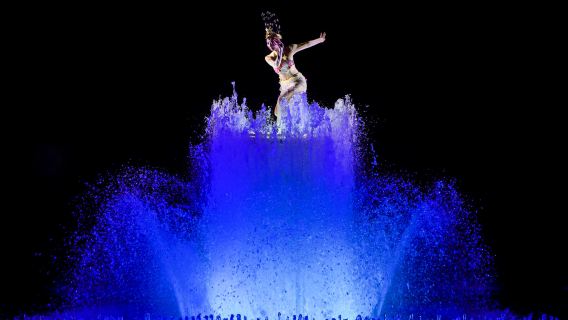
Xi'an Terracotta Warriors+Huaqing Palace+The Song of Everlasting Sorrow Show+Lunch | Day Tour
Trip.Select
󱌍
4.8/5
· 114 reviews· 1.1k booked
Duration: 8.8 hrs
English
Free cancellation
Instant confirmation
94.7% of travelers recommend
FromQAR 397.78
Xi'An Terracotta Armys Museum Half Day with ENG/CHN/JAP/SPA /RUS Guide Daily Departure
Trip.Select
󱌍
4.3/5
· 63 reviews· 925 booked
Duration: 3 hrs
English
Free cancellation
Instant confirmation
Book now for tomorrow
46 bookings in 7 days
5% off
Limited-time sale
FromQAR 123.42QAR 129.92
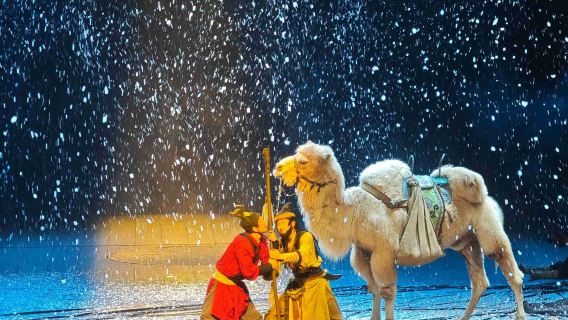
Xi'an "Legend of the Camel Bell" show: 360° immersive experience, an audio-visual feast through the Silk Road
󱌍
4.6/5
· 33 reviews· 832 booked
Duration: 1 hr
English
Free cancellation
Instant confirmation
90.9% of travelers recommend
FromQAR 107.92
Half-day tour to emperor Qinshihuang's mausoleum site museum private tour (includes: vehicle + guide + ticket)
Trip.Select
󱌍
5.0/5
· 154 reviews· 817 booked
Duration: 5.5 hrs
English
Free cancellation
Instant confirmation
Book now for tomorrow
100 consecutive positive reviews
FromQAR 179.82
Xi'an Terracotta Warriors + Huaqing Palace 1-Day Tour (Optional: English Group Tour/Private Tour)
󱌍
4.9/5
· 116 reviews· 764 booked
Duration: 7 hrs
English
Free cancellation
Instant confirmation
Book now for tomorrow
95.7% of travelers recommend
FromQAR 161.22
Private Tour | Terracotta Warriors + Lishan Garden + Huaqing Palace | Day Tour with Tickets, Transfers & Guide
󱌍
4.9/5
· 848 reviews· 499 booked
Duration: 12.6 hrs
English
Free cancellation
Instant confirmation
67 consecutive positive reviews
FromQAR 272.28
Terracotta Warriors Half Day Tour |  Morning/Afternoon Available | Optional Shows: Song of Everlasting Sorrow, Legend of Camel Bell, Xi'an Everlasting Love
Trip.Select
󱌍
4.8/5
· 38 reviews· 457 booked
Duration: 9.8 hrs
English
Free cancellation
Instant confirmation
Book now for tomorrow
38 consecutive positive reviews
FromQAR 169.15
One-day tour of the Emperor Qinshihuang's Mausoleum Site Museum (Terracotta Army) / Optional tour to Huaqing Palace or small group tour (15 people)
󱌍
4.6/5
· 84 reviews· 1.1k booked
Duration: 3 hrs
English
Free cancellation
Instant confirmation
Book now for tomorrow
110 travellers saved
FromQAR 117.32

Featured Outdoor & sports in Lantian

View all Outdoor & sports
Xi'an Mount Huashan One-Day Tour | Tickets & Round-Trip Cable Car & Shuttle Bus Included | Breakfast/Coffee & Hiking Pole Provided
󱌍
4.8/5
· 143 reviews· 511 booked
Duration: 16.6 hrs
English
Free cancellation
Instant confirmation
Book now for tomorrow
95.8% of travelers recommend
FromQAR 206.80
Xi'an Mount Hua 1-day tour | admission ticket + round-trip cable car + shuttle bus + optional English group
󱌍
4.8/5
· 45 reviews· 338 booked
Duration: 14.6 hrs
English
Free cancellation
Instant confirmation
Book now for tomorrow
28 consecutive positive reviews
FromQAR 206.80
Huashan One-Day Tour for Families and Parents Includes Entrance Fee, Round-Trip Transportation, Cable Car, Scenic Area Shuttle Bus, Lunch, Water, and Hiking Gloves
󱌍
4.3/5
· 34 reviews· 280 booked
Duration: 13.5 hrs
English
Instant confirmation
Book now for tomorrow
77 travellers saved
Save QAR 20.46
FromQAR 388.78QAR 409.24
Xi'an Huashan One-Day Family Tour: Includes entrance ticket, round-trip cable car, shuttle bus, lunch, and pick-up from the station.
󱌍
4.2/5
· 20 reviews· 144 booked
Duration: 11.2 hrs
English
Free cancellation
Instant confirmation
Book now for tomorrow
Save QAR 18.6
FromQAR 353.43QAR 372.03
Xi'an Huashan Mountain Adventure English Group 1-Day Tour (Solo-Friendly)
󱌍
5.0/5
· 1 review
Duration: 5 hrs
English
Free cancellation
Instant confirmation
FromQAR 415.44
Mount Hua day tour with cable car and private English-speaking driver included
󱌍
Duration: 11.6 hrs
English
Free cancellation
Instant confirmation
9% off
Limited-time sale
FromQAR 306.93QAR 341.03
Lantian Today's weatherOvercast 0-14℃
Lantian weather for the next 2 days11/12: 0-14℃, 11/13: 2-16℃

Free things to do in Lantian

What travellers say about Lantian

user-avatar
_TI***2511 November 2026
5.0
We had a wonderful experience visiting the Terracotta Army! Our guide, Jackie, was absolutely amazing – very friendly, knowledgeable, and informative. He speaks excellent English, which made everything easy to understand and follow. He explained the history and interesting details in a clear and engaging way, making the visit even more enjoyable. We highly recommend this experience, especially with Jackie as your guide!

Emperor Qinshihuang's Mausoleum Site Museum

user-avatar
_TI***8l4 January 2026
4.0
There really are white deer at Bailuyuan! This attraction wasn't originally on our Xi'an itinerary, but it was a pleasant surprise! The scenic area is well-planned and the scenery is beautiful, with views of Zhongnan Mountain. The kids had a great time playing and exploring. Definitely worth it! We also ate delicious black stinky tofu and sweet soup 😋 Since our previous Terracotta Warriors day trip included Bailuyuan, we figured we had extra days, so we opted for this day trip. We paid 200 yuan for a single ticket to see two large theaters – "Two Tigers Guard Chang'an" and "Black Cat" – plus a VR show and some exhibits. Honestly, it was quite good; the actors were very professional. It felt like we were filming in a movie set. A truly great experience, and the ticket price was reasonable, cheaper than other stage plays in Xi'an. There's also a large amusement park nearby where you could spend a whole day. Although it's a bit far, it's worth a visit if you have the time! Great! 👍🏼

Bai Lu Yuan Studios

user-avatar
WH196220 August 2025
5.0
Shuilu Temple is a complete Buddhist temple, renowned during the Six Dynasties. It is a quadrangle-style building with five front gates, 13 side rooms on each of the north and south sides, three central halls in the courtyard, and five main halls to the west. The entire courtyard exudes a tranquil and ancient elegance. The temple's colorful clay wall sculptures are its hallmark, possessing both high aesthetic and historical value. It is a treasure trove of ancient Chinese sculpture and is known as "China's Second Dunhuang."

Shuilu Temple

user-avatar
ChickenDuy11 November 2026
5.0
I entered pretty late as I had some time to kill until the Song of Everlasting Sorrow. But for the 1h that I wandered in there, I can conclude that the visit would definitely be worth it if you had s few more hours to spare to hike up to the top of the mountain.

Huaqing Palace

user-avatar
Anonymous user11 November 2026
5.0
I wish I have more time in the museum. It’s one of top tier museums in China. It has great collections from Qing and Tang dynasty.

Shaanxi History Museum

user-avatar
呦未来可期15 October 2026
5.0
Take a stroll through the Tang Dynasty Never-Sleeping City on a pleasant autumn evening. The evening breeze is cool, the lights are dazzling, and the atmosphere of the Tang Dynasty is palpable. Street performances are everywhere, and tourists come and go, creating a lively scene. No need to plan a route; just wander around and explore as you please. Immersed in this world of lights, feeling the warmth of everyday life and ancient charm, this is what small satisfactions in ordinary days are all about. Chang'an's autumn nights are as bright as ever.

Grand Tang Mall

user-avatar
CSsss Goh8 November 2026
5.0
Its a nice getaway from the bustling streets. Crowd is significantly lesser and its good for photo spots. Recommend if you have 4 hours to kill.

Tang Paradise

user-avatar
Anonymous user15 March 2024
5.0
It is worth coming during the week. There are many people on weekends. The scenery is very good, and the hot springs are good. There are many choices. The surrounding facilities are complete. Parking is very convenient. There are many restaurants around for meals. It is suitable for bringing children and family to relax and vacation

Tangyu Beshuiwan Hot Spring

user-avatar
M49***9811 November 2026
5.0
I visited the city wall in October. I had bought tickets online, but at the ticket office, the staff informed me that my Taiwan Compatriot Certificate (with 0.1 entries) allowed me to climb the wall for free. They even helped us with the refund – the service was excellent. We started climbing from Yongning Gate in the afternoon. Strolling along the wall was very pleasant; the sunset was beautiful. There were restrooms every so often, and when we got tired, we could sit and rest, eating some snacks and fruit we brought. There were also food vendors on the wall, and a post office where you could send postcards back to Taiwan. The staff were very friendly. When we got tired, we exited the wall from Heping Gate. There were many food options below. A wonderful, leisurely stroll along the Xi'an City Wall!

Xi'an City Wall

user-avatar
Anonymous user10 November 2026
5.0
The Xi'an Museum is definitely worth a visit, mainly because it's near other architectural relics and gardens, including the Small Wild Goose Pagoda. The autumn scenery there is absolutely wonderful, very beautiful, and there are fewer crowds.

Xi'an Museum

Popular cities near Lantian

Frequently asked questions

Get help anytime, anywhere within 30 secondsContact customer support

Change and cancellation policies vary by attractions and tours. Please check the product details page for more information.

Ticket prices may vary between weekdays and weekends, as well as during peak and off-peak seasons. When booking with Trip.com, you can also use Trip Coins to get extra savings. For more tips on booking discounted tickets, please visit Trip.com for the latest information.