





Japan
Destinations
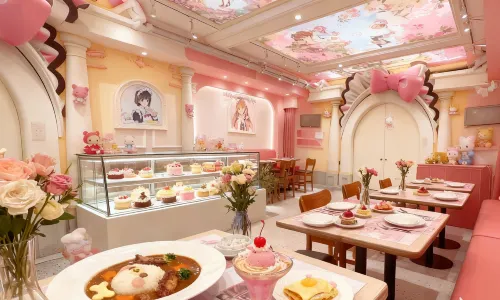
 Tokyo.KandaHighlights:Immerse yourself in Akihabara's unique maid culture with cute greetings and shows.Enjoy kawaii themed meals while participating in magical spell-casting activities.
 2 attraction
Akihabara6.8
SEGA Collabocafe2.3
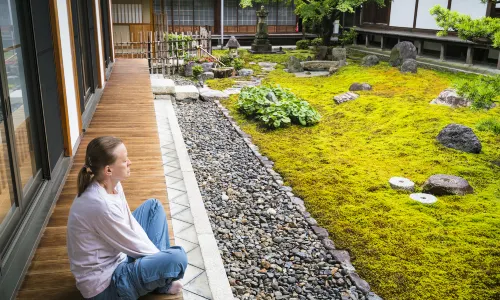
 Kyoto.Ohara/Kibune/KuramaHighlights:As the ancient cultural capital of Japan, Kyoto has a wealth of Zen temples and gardens, providing a unique environment and atmosphere for meditation. Meditation Features: Kyoto's meditation courses emphasize comprehensive care for the body and mind. The course content not only includes basic meditation techniques, but also integrates a variety of practice methods such as yoga, breathing methods, and tea ceremony. In the course, you will learn how to relax your body and mind and observe yourself through meditation, so as to achieve a deeper understanding of yourself. Course Content and Duration: Kyoto's meditation courses usually include sitting meditation, Zen philosophy explanations, Zen garden tours, and traditional vegetarian experiences. The duration of the course is usually half a day or a full day, and the specific arrangements will vary according to different courses and temples. Teachers and teaching quality: Kyoto's meditation courses are taught by experienced monks or Zen masters who not only have a deep Zen background but also provide professional guidance. At the same time, they will also provide personalized guidance and counseling according to the actual situation of the students. The class size is moderate to ensure that every student can receive full attention and guidance. Facilities: Kyoto's meditation centers are usually located in quiet places surrounded by mountains and forests. The environment here is fresh and pleasant, which helps students quickly enter a meditative state. The center is equipped with professional meditation halls, comfortable rest areas, tea rooms and other facilities, providing students with a good practice and living environment. The Kyoto Meditation Course is a unique journey to explore inner peace and harmony, allowing you to experience the Zen life of unity of body and mind in the ancient capital.30 attraction
Kenninji Temple4.3
Nijō Castle6.7
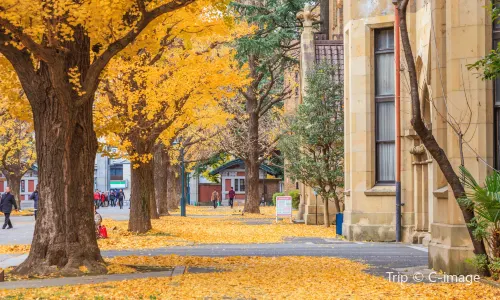
 Best time to visit:Nov-DecTokyo.Shinjuku AreaHighlights:Tokyo's ginkgo trees are not only famous for their beautiful appearance, but also carry the city's profound culture and history. They have witnessed Tokyo's transformation from the Edo period to a modern city and are a bridge between the past and the future. Whenever the autumn wind blows, Tokyo's streets and parks turn into a golden ocean, and the leaves of the ginkgo trees gradually turn from green to yellow, and finally bloom into a dazzling golden color, decorating Tokyo like a fairy tale world. Some of these ginkgo trees are planted alone in the courtyard, forming a sharp contrast with the surrounding modern buildings, showing a beauty that transcends time and space; others are planted in groups, forming a spectacular ginkgo forest path, attracting countless tourists and citizens to stroll and feel the tranquility and peace. In short, Tokyo Ginkgo, with its unique charm, has become an indispensable landscape in this city in autumn. It is not only a display of natural beauty, but also a microcosm of Tokyo's history and culture, allowing every visitor to feel the unique charm and style of this city.24 attraction
Yoyogi Park4.7
The University of Tokyo5.7
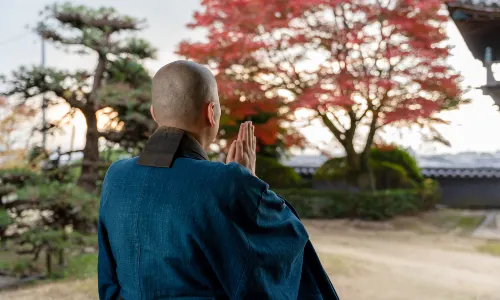 4KyotoHighlights:Experience Kōdaiji's tea garden design blending Zen and tea culture.Learn meditation philosophy from monks in a 13th-century temple.18 attraction
Tōfuku-ji Temple5.0
Chishakuin Temple3.9
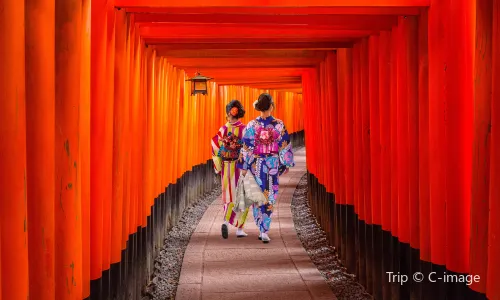 5Tokyo.AsakusaHighlights:Kimono, the treasure of traditional Japanese clothing, not only carries a profound history and culture, but also perfectly integrates with the Japanese landscape with its unique charm, providing an unforgettable cultural feast for every visiting traveler. Carrying the rhythm of Japan for thousands of years:Kimono, as a representative of traditional Japanese clothing, its history can be traced back thousands of years, witnessing the changes and development of Japanese society. From the simple elegance of the Nara period to the gorgeous complexity of the Edo period, different periods have different styles, all incorporating unique aesthetics. The perfect combination of clothing and scenery:Whether it is the ancient Kyoto, the leisurely Nara, or the magnificent Mount Fuji, they all provide an excellent stage for kimono. In other tourist cities such as Tokyo and Osaka, kimonos are also highly compatible with local landscapes. You can find many professional kimono rental shops and makeup service businesses in the streets and alleys of Japan, satisfying your kimono dream anytime and anywhere.Intimate and professional service: Japan's kimono experience stores have a wide range of styles, from grand furisode to everyday yukata. The makeup artists are experienced and can create exquisite makeup and hairstyles based on the customer's temperament and the kimono they choose. There are also photographers who are well versed in the beauty of kimono and will record every moment of your elegance. When you visit Japan, it's a great idea to experience wearing a kimono in person. As you stroll through the ancient streets and alleys of Japan, or find yourself in the picturesque parks, you will discover that you have become closely connected to the history and culture of this land.22 attraction
Sensō-ji7.7
Kiyomizu-dera Temple7.8
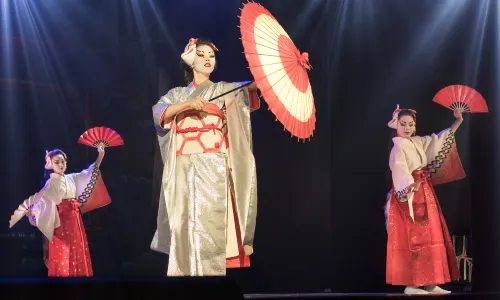 6Tokyo.Ginza/TsukijiHighlights:Kabuki, as a treasure of traditional Japanese art, has attracted the attention and love of countless domestic and foreign audiences with its unique performance form, gorgeous costumes, superb acting skills and profound emotional expression since its birth in the17thcentury. Kabuki performances have become an important window to showcase Japan's traditional culture. Kabuki has a wide variety of repertoires, including classic works based on ancient history, myths and legends, as well as modern repertoires that reflect the modern social landscape and explore the depth of human nature. Watching a Kabuki performance in Tokyo, you can feel the charm of Japan's traditional culture.3 attraction
Kabuki-za Theatre4.7
NINJA+KABUKI TOKYO4.9
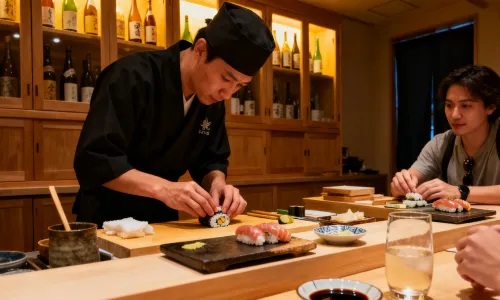 7Osaka.Shinsaibashi/Namba/YotsubashiHighlights:Taste unique Kansai-style sushi blending traditional skills with local flavors.Enjoy layered textures of seasoned rice and fresh fish in each creation.2 attraction
Dotonbori7.1
Shinsaibashisuji7.4
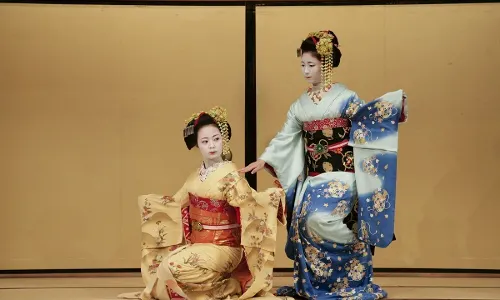 8Kyoto.GionHighlights:Kyoto geisha performance is a treasure of Japanese traditional culture, which originated in the Edo period. It mainly focuses on dancing, singing and musical instrument performance, showing unique artistic charm. Performances are usually held in traditional venues such as teahouses and restaurants. The content of the performances is rich and colorful, including melodious melodies and graceful dances of traditional songs and dances, solos or ensembles of national instruments such as shamisen, and impromptu talent displays by geisha, such as poetry. Recitations, tea ceremony performances, etc. By watching geisha performances, tourists can not only appreciate the beauty of traditional Japanese art, but also gain an in-depth understanding of the unique charm and cultural connotation of the ancient capital of Kyoto.4 attraction
Hanamikoji-dori6.4
Gion Corner3.9
 9Best time to visit:Jun-Oct(Open all year)OnnaHighlights:Snorkel in crystal waters with 30-meter visibility over coral reefs.38 attraction
Tokashiki Island5.8
Blue Cave5.3
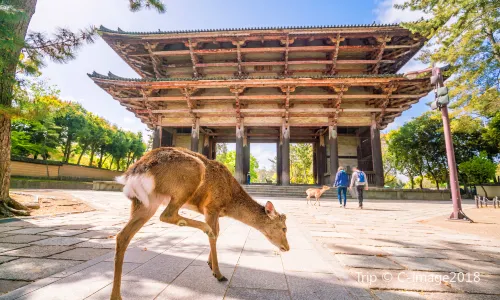 10NaraHighlights:Nara is a famous ancient capital in Japan, known for its ancient temples and friendly deer. Nara Park is one of Nara's most famous attractions and the main place for tourists to get close to deer. After arriving at Nara Park, buy deer biscuits as a must-have item for feeding the deer. It is recommended to choose docile mother deer or young deer to feed, and avoid chaotic deer. During the feeding process, you can interact closely with the deer, such as stroking its head, and capture warm moments and take photos. Pay attention to safety during the experience, respect animals, avoid teasing or hurting deer with deer biscuits, and inform the deer after feeding that the biscuits are gone. Feeding deer in Nara is not only fun and unforgettable, but also enhances your understanding and love for animals. While appreciating the quaint buildings and green lawns, it is an experience not to be missed in Nara to accompany cute deer and enjoy a relaxing time.2 attraction
Nara Park7.1
Kasuganoenchi2.3