Munich Travel Guide 2025: Top Attractions, Things to do & Itinerary | Trip.com | December 2025
About Munich
Recommended trip: 1–2 day(s)
Recommended trip: 1–2 day(s)Current weather conditions
 0°C
0°CMunich Local Experiences Map






Trending in Munich
Munich Christmas Tradition on Marienplatz@Marienplatz
Munich Local Travel Guide 2025
Munich Brief Guide
Munich celebrates Bavarian culture with beer gardens, the English Garden, and festivals like Oktoberfest. Surrounding Alps provide easy day trips for hiking or scenic drives. This guide sorts your plans, from markets to nearby hikes.
Munich Must-try local experiences
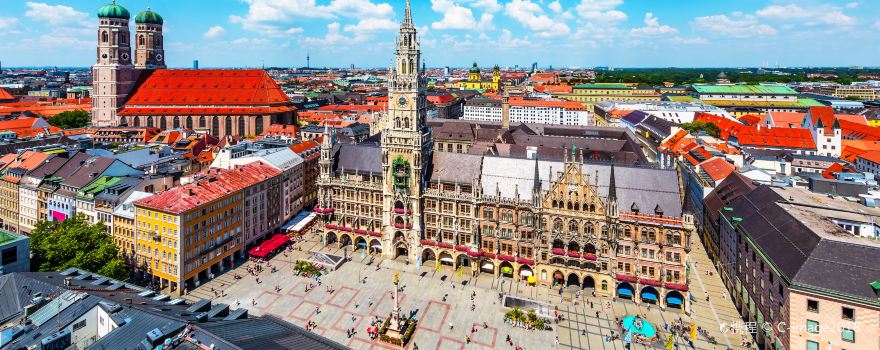
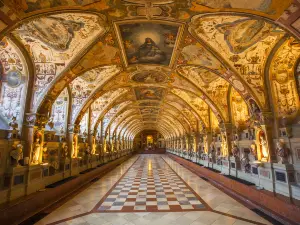
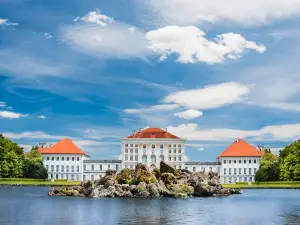
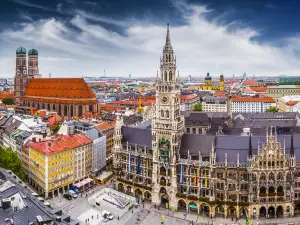
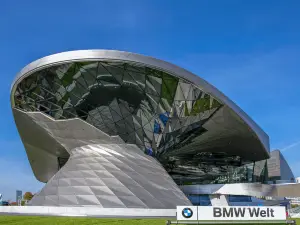
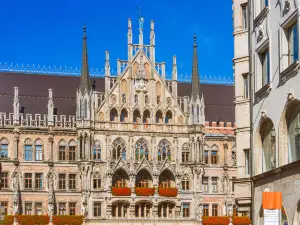
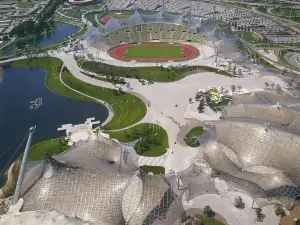
1. Discover Munich's Historic Heart Marienplatz serves as Munich's lively central square, surrounded by Gothic facades and buzzing with daily life since the 12th century. Watch the New Town Hall's Glockenspiel chime at 11 a.m. and noon, its mechanical figures reenacting 16th-century weddings and jousts in a whimsical Bavarian tableau. Climb the tower for bird's-eye views over the Viktualienmarkt and Frauenkirche domes. This vibrant hub captures the city's medieval soul amid street performers and clockwork charm. 2. Explore Bavarian Royal Palaces Munich's palaces unveil the Wittelsbach dynasty's lavish legacy through opulent rooms and verdant grounds. The Munich Residenz, Europe's largest city palace, dazzles with rococo antiquarium halls, treasury jewels, and Cuvilliés Theatre's gilded intimacy. Venture west to Nymphenburg Palace, a Baroque summer retreat with frescoed apartments, porcelain collections, and canal-fed gardens perfect for swan-spotting strolls. Audio guides bring royal intrigues to life across these vast estates. 3.Wander Urban Parks and Museums Munich's green expanses and tech wonders blend nature's calm with intellectual sparks for full-day escapes. Stroll the English Garden, at 375 hectares one of Europe's largest urban parks, past Chinese Tower beer gardens, river surfers on the Eisbach wave, and hidden monopteros for picnics. Nearby, the Deutsches Museum spans 50,000 square meters of hands-on exhibits, from U-boat simulators to planetarium shows illuminating aviation and biotech. Rent a bike to link the two, weaving through meadows to labs. This duo embodies Munich's harmonious mix of leisure and learning. 4. Tour the BMW Museum and BMW Welt Olympiapark's northern edge hosts BMW's futuristic campus, a magnet for auto aficionados tracing German engineering's evolution. The BMW Museum's saucer-shaped icon displays concept cars, iDrive tech evolutions, and classic roadsters like the 507, with interactive holograms bringing engines to roar. Adjacent BMW Welt, a glassy showroom and delivery hall, lets you test-drive electrics or tour production lines via guided apps. Evening light shows illuminate the grounds, blending history with high-tech allure. This immersive hub revs up Munich's industrial pride. 5. Savor local foods at the Viktualienmarkt Viktualienmarkt, Munich's 180-year-old food bazaar, sprawls across St. Jakob's Square with 100 stalls bursting in seasonal bounty and Bavarian banter. Graze fresh pretzels, Obatzda cheese spreads, and radi (white radishes) amid beer garden maypoles and fish fountains. Watch butchers demo Leberkäse loaves or pick wildflower honeys from alpine apiaries. This sensory whirlwind, steps from Marienplatz, fuels market-hopping with authentic, unfussy flavors. It's the beating heart of Munich's daily feast. 6. Experience Bavarian Performing Arts Munich's opera heritage shines at the Bavarian State Opera, a Nationaltheater jewel hosting 350+ performances yearly in its 1963 concrete-clad auditorium. Catch Verdi or Wagner under Zubin Mehta's baton, or join the Munich Opera Festival from late June to July 31 for global stars in sold-out galas. Behind-the-scenes tours reveal props from "The Ring" cycle amid Maxvorstadt's artistic quarter. This world-class venue elevates evenings with acoustics that wrap voices like velvet. It's a cultured crescendo to Munich's folkloric fun. 7. Indulge in Bavarian Cuisine Munich's tables groan under hearty Bavarian staples, washed down with frothy Helles lagers in wood-paneled Wirtshäuser. Sink teeth into Schweinshaxe, crackling pork knuckle roasted crisp with sauerkraut and Knödel dumplings for carnivorous comfort. Slurp Weisswurst veal sausages before noon, dipped in sweet mustard per tradition, or shred fluffy Kaiserschmarrn pancakes with powdered sugar and compote. Pair an apple strudel from Café Rischart with Weizenbock beer for dessert. 8. Admire Baroque Architectural Gems Tucked in the Sendling district, Asamkirche—officially St. Johann Nepomuk—stuns as a pocket-sized Baroque explosion built by brothers Egid Quirin and Cosmas Damian Asam in 1746. Its illusionistic frescoes swirl heavenward from coral columns, gold leaf illusions, and a shell-vaulted ceiling depicting divine ecstasy. Light filters through stained glass to illuminate sculpted angels and trompe-l'œil depths in this 12-meter cube of opulence. Free entry rewards quiet awe amid the drama. 9. Enjoy a Scenic Train Ride to the Bavarian Alps Hop the S-Bahn or Deutsche Bahn from Hauptbahnhof for a 1-2 hour scenic rail jaunt to alpine outposts like Garmisch-Partenkirchen or Tegernsee Lake. Windows frame emerald meadows rolling into jagged Zugspitze peaks, dotted with castles and cowbells en route. Disembark for cable-car ascents, via ferrata hikes, or lakeside pedalo rides in crisp mountain air. Winter swaps trails for ski runs, while summer blooms with edelweiss trails.
Munich Must-see Attractions
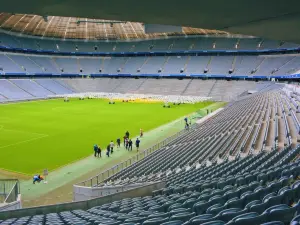
Munich is a vibrant city that boasts a mix of historical and cultural landmarks including the lively Marienplatz, the historically rich Munich Residence, the architecturally stunning Marienplatz, the technologically advanced BMW Museum, and the iconic Allianz Arena, each offering unique insights and experiences that reflect the city’s heritage and modernity.
Munich Food Guide
Munich's culinary scene is celebrated for its traditional dishes, including the crispy and succulent pork knuckle served with sauerkraut, versatile potato dishes, and the distinctive crunchy pepper-salt pretzels that represent the local fondness for both sweet and savory flavors.
Munich Transportation
Munich is a major transport hub with excellent international connections, and travelers can arrive by plane, train, or bus from across Europe and beyond. By Plane: Munich Airport (MUC) is Germany's second-largest airport and is located about 30 km northeast of the city center. It is exceptionally well-connected to the city's public transport network. - S-Bahn (Suburban Train): Lines S1 and S8 run to the city center and Hauptbahnhof (main train station), with S1 covering the western part and S8 covering the eastern part of the city. The trip takes approximately 40 minutes. - Lufthansa Express Bus: This nonstop bus service connects the airport directly to Munich Central Station (Hauptbahnhof) and Munich North (Schwabing). The journey takes around 45 minutes to the central station. - By Taxi: Taxis are readily available at the airport. A trip to the city center typically takes about 45 minutes and costs approximately €50. By Train: Munich Hauptbahnhof is a central hub for Germany's national and international rail network, Deutsche Bahn (DB). High-speed ICE trains connect Munich to major German and European cities. By Bus: Long-distance bus services, like FlixBus, arrive at Munich's central bus station (Zentraler Omnibusbahnhof), located near the main train station. This offers an affordable alternative to train travel for connecting with other cities in Germany and Europe.
Munich Where to Stay
Accessibility to major attractions, public transportation, and local cuisine are among the features that usually govern the selection of these locales for travelers. This city blends historical charm with modern convenience to provide distinct accommodation experiences depending on the region chosen.
Munich Best Time to Visit
The best time to visit Munich depends on your priorities. Still, generally, the shoulder seasons of late spring (May to June) and early autumn (September) offer pleasant weather and smaller crowds. For many, the highlight of autumn is Oktoberfest, which typically runs from late September to the first weekend in October, though this is also the busiest and most expensive period. Summer months (July and August) are warm and ideal for beer gardens and outdoor activities, but can be crowded and subject to afternoon thunderstorms. Winter (November to March) is the coldest season, with festive Christmas markets in December, while January and February offer fewer crowds and cheaper rates, along with access to nearby winter sports in the Bavarian Alps.
Munich Travel Tips
1. Plan for Oktoberfest Early If visiting during Oktoberfest, extra planning is essential due to huge crowds and high demand. Accommodation prices and demand skyrocket during the festival, so book your hotel and any tent reservations well in advance. Due to the high demand for tent access, be wary of unofficial ticket sellers or deals that seem too good to be true. 2. Understand and use local greetings While English is widely spoken, using a few Bavarian-specific phrases is a sign of respect and politeness. Try Grüss Gott instead of the more standard Hallo when greeting people in Bavaria. Servus is also a common, informal greeting. 3. Respect sensitive historical topics Munich's history during the Nazi era is a profoundly sensitive topic for many locals, and it should be approached with seriousness and respect. Never make jokes, use humor, or glorify any symbols related to Nazism or World War II. It is illegal to display Nazi symbols and gestures, and such behavior will be met with serious consequences. 4. Take precautions against petty crime Munich is a generally safe city, but like any major urban area, it's wise to take precautions against petty crime. On public transport, keep bags and backpacks in front of you. Never leave your bag unattended in a public place. 5. Respect the Quiet Hours In Munich, it is customary to observe quiet hours, especially in residential areas. This typically means keeping noise levels down between 10 PM and 6 AM. Be mindful of this to avoid disturbing locals. 6. Master beer garden and hall etiquette In the self-service areas of beer gardens, it is a long-standing tradition to bring your own food (Brotzeit), though beverages must be purchased on-site. Don't sit at Stammtisch tables: These tables are reserved for regulars and are not for general public use unless you are explicitly invited. Respect the toast: When toasting with beer, make eye contact with the person you are clinking glasses with. It is also customary to toast with your tablemates throughout the evening, not just the first time. 7. Understand the rules for swimming in the Isar River While a refreshing summer activity, swimming in the Isar River requires caution. Swimming is only permitted in specific areas of the river. Other areas are off-limits due to dangerous currents, technical facilities, and weirs. Wear rubber sandals or old sneakers to protect your feet, but avoid flip-flops, which can come off in the strong current. Even in summer, the Isar's water temperature can be surprisingly cold, sometimes around 14°C. 8. Respect strict recycling regulations Germany is serious about recycling, and Munich has a comprehensive system that travelers should respect. Separate your waste into different bins, which are often color-coded. For instance, paper goes into the blue bin, and compostable organic waste goes into the brown bin.
Munich Useful Guide
The official language in Munich is German. However, English is very widely spoken, especially in tourist areas and among younger people. While you can easily navigate with English for most daily interactions, knowing a few basic German phrases is appreciated by locals.
Trip.Best: Munich


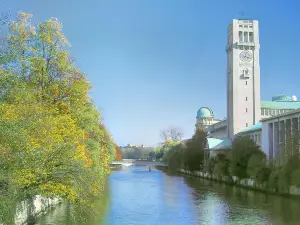


Things to do in Munich
What to do
Where to stay

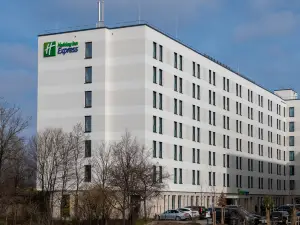
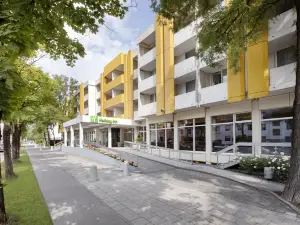

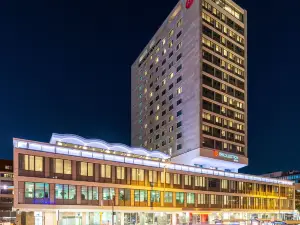
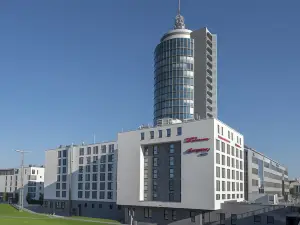

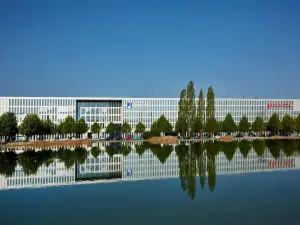
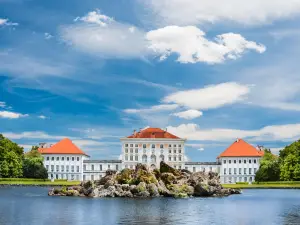
What to eat












Munich Moments: Through Travelers' Eyes
Solo trip to Germany and Switzerland for 6 days: From autumn to winter, it's just too beautiful

Avoid the city crowds and unlock the surroundings of Munich

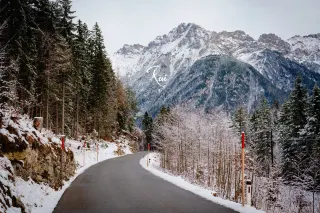
"Hiking Diary" The Most Beautiful Snow Scenery on the Germany-Austria Border @Mittenwald

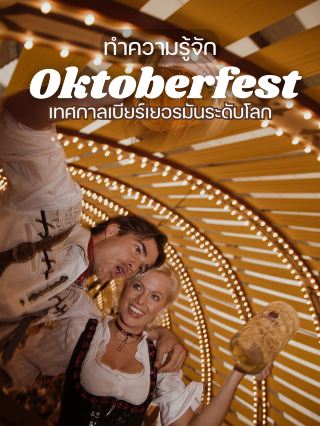
Get to know Oktoberfest, the world-class beer festival🍻

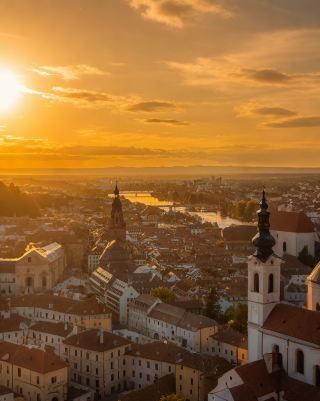
Germany's Autumn Fairy Tale | A seriously underestimated secret in Europe!

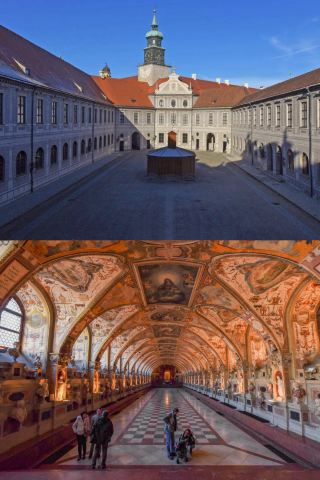
Stroll through the Munich Residenz, and feel the pulse of eight centuries of royal history.

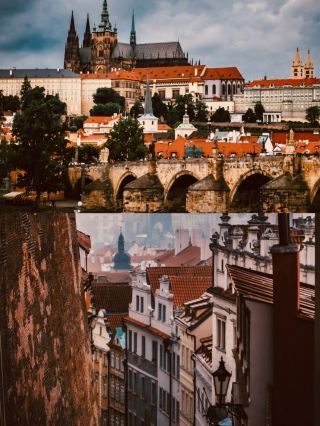
Be sure to visit Prague once to experience its unparalleled beauty!

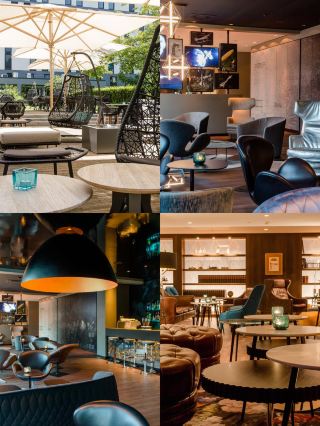
Motel One München - Deutsches Museum

Best of Munich
Top 10 Premium Hotels in Munich
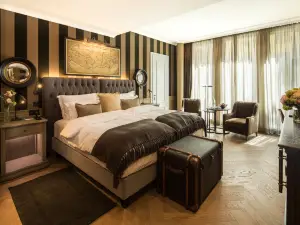
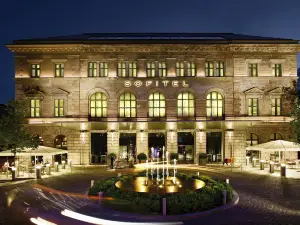

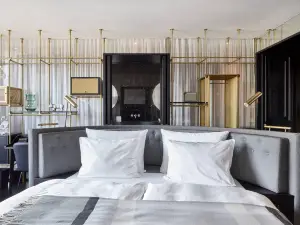
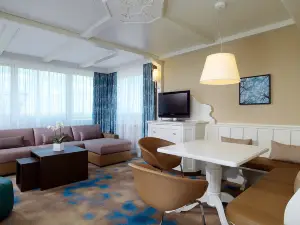
Top 20 4-Star Select Hotels in Munich

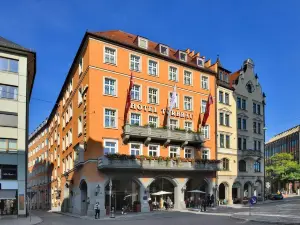
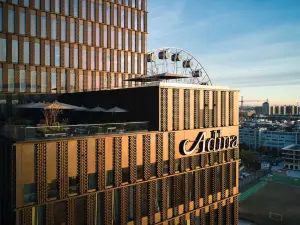
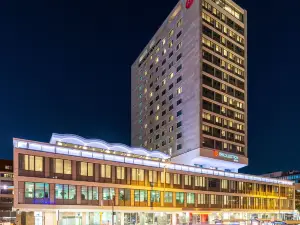
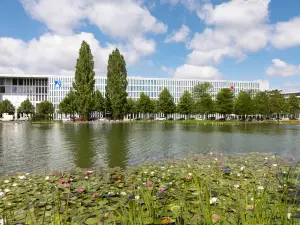
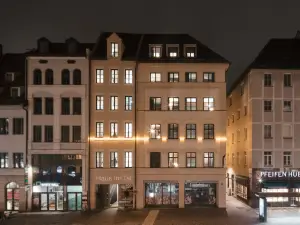
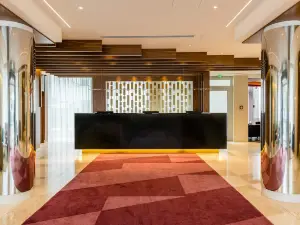
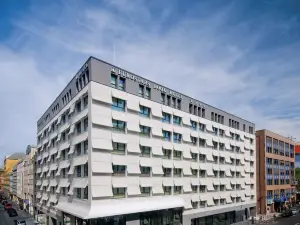
Top 50 Best Things to Do near Munich
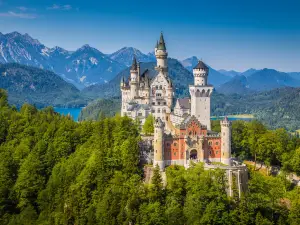

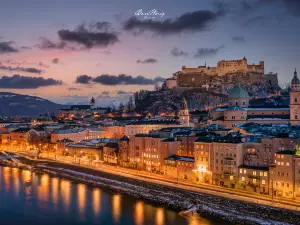

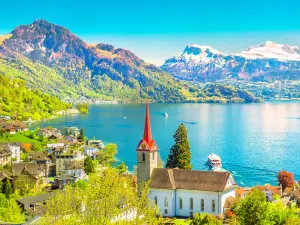
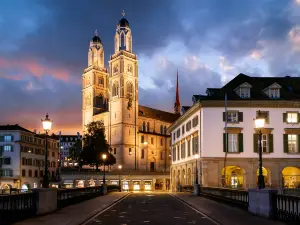
Top 10 Family-friendly Attractions near Munich

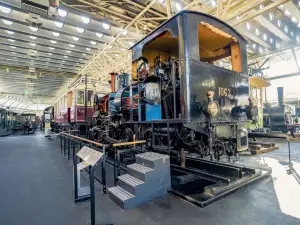
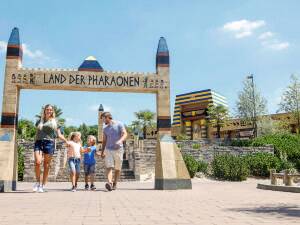
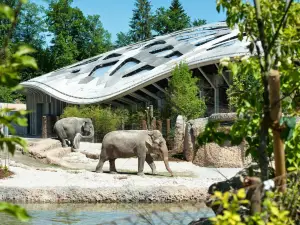
Zoo Zurich
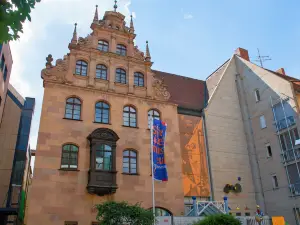

Wilhelma - Zoological-botanical garden
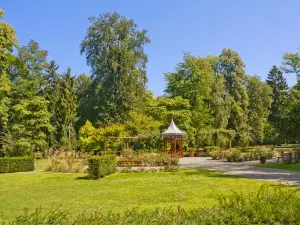
Parc de l'Orangerie
Top 50 Luxury Hotels near Munich

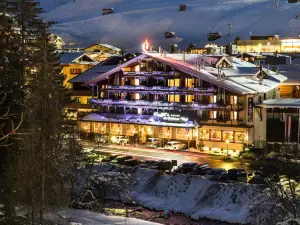

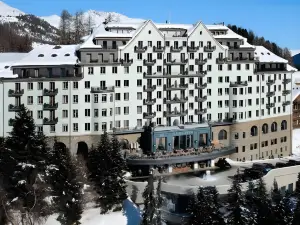
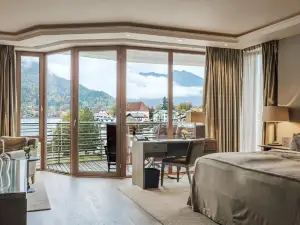
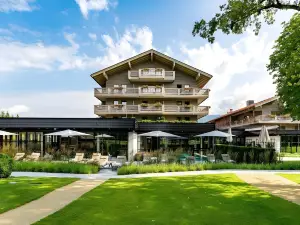

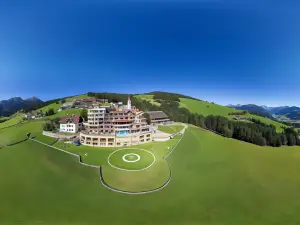
Top 20 Fall Viewing Attractions near Munich
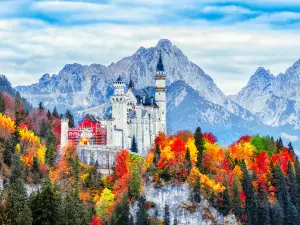
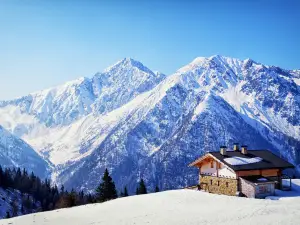
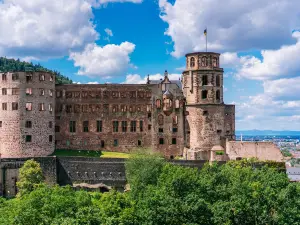
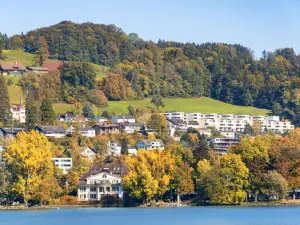
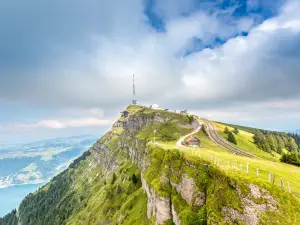
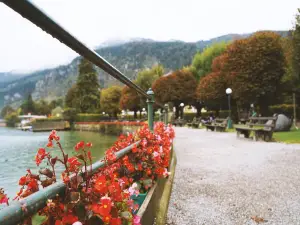
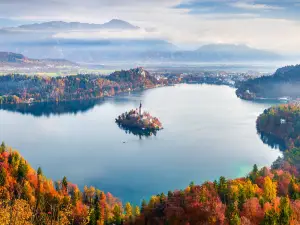
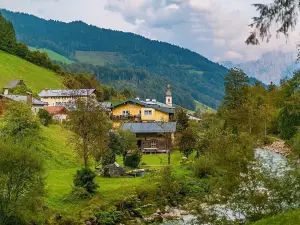
Top 50 Scenic Hotels near Munich
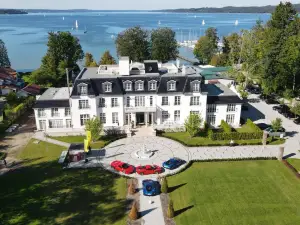
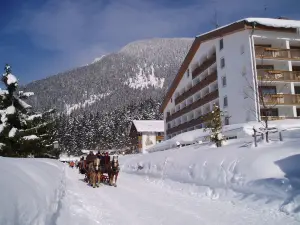

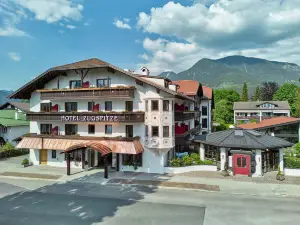
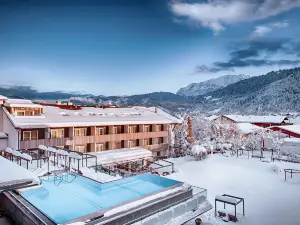


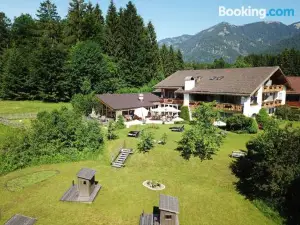

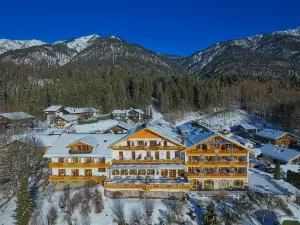
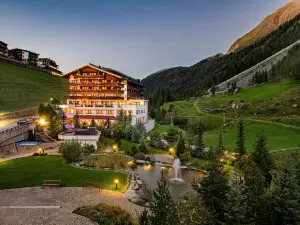
Top 50 Cultural Hotels near Munich
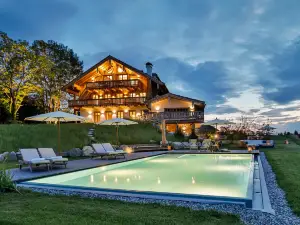
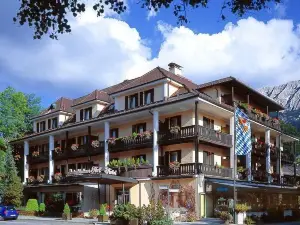
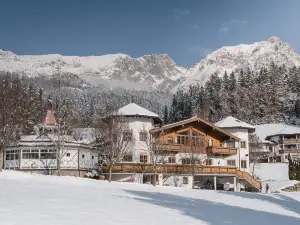
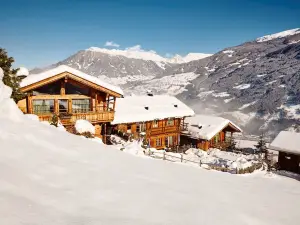
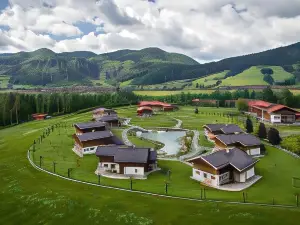

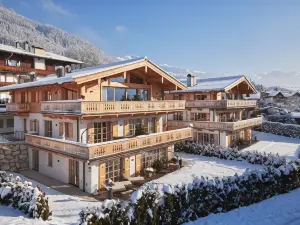
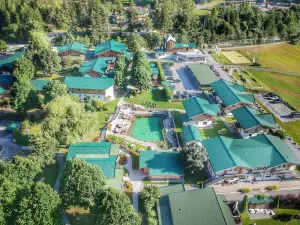
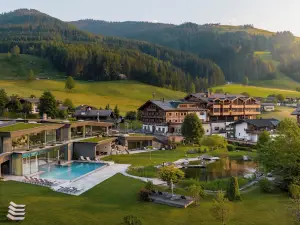
Top 10 Instagrammable Hotels near Munich
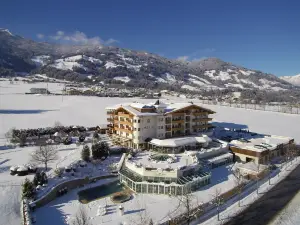
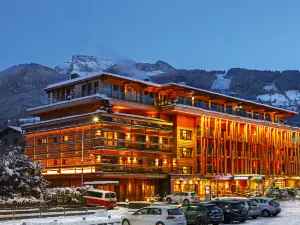
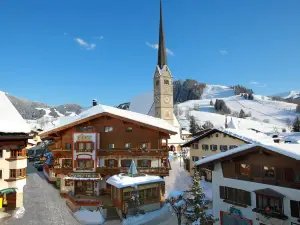

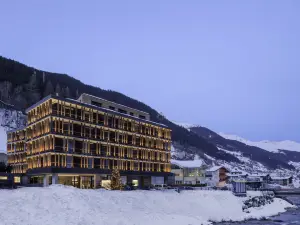
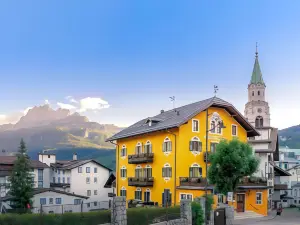
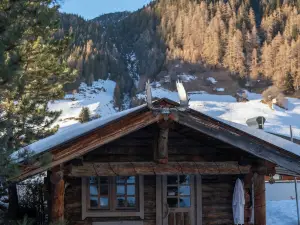

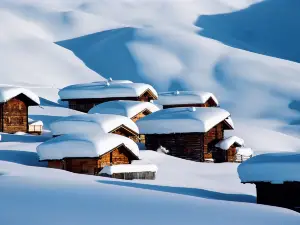
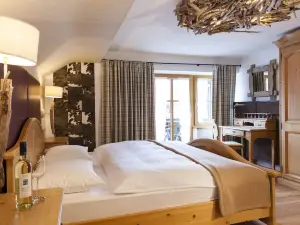
Top 10 Vacation Homes near Munich


Other recommended cities
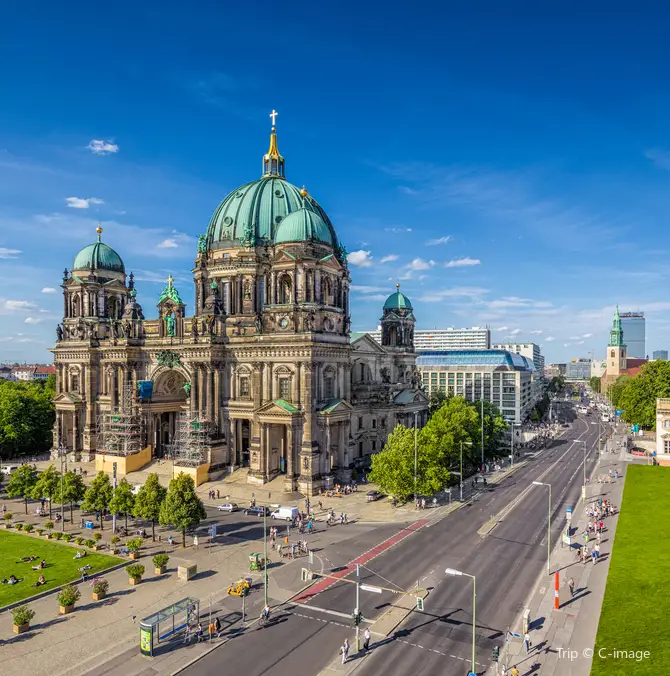
Berlin
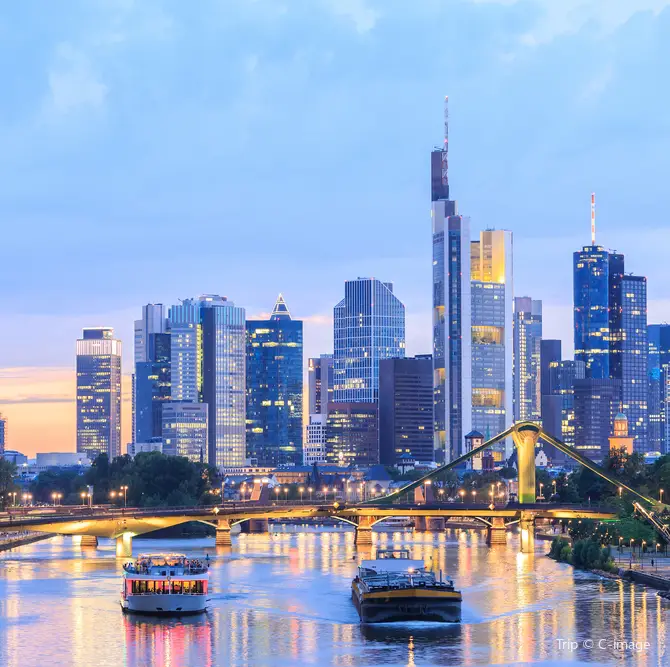
Frankfurt
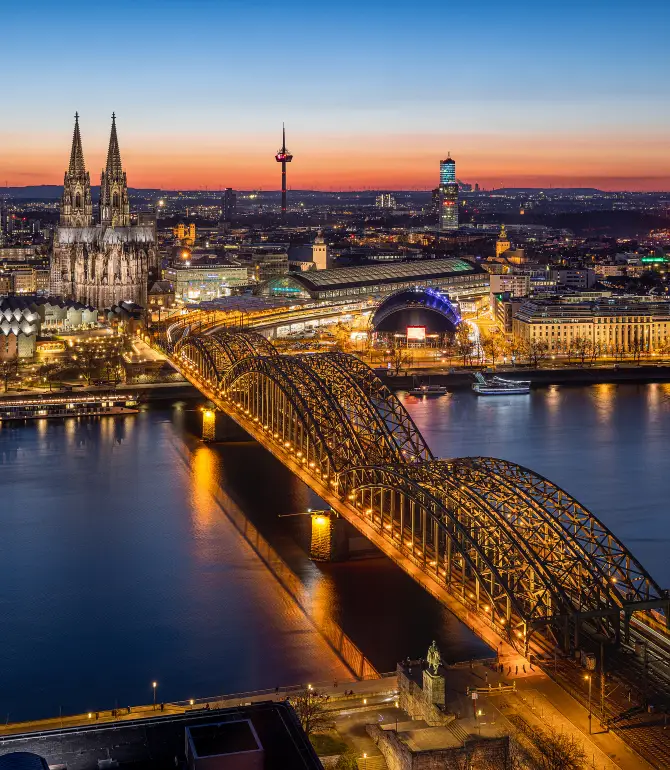
Cologne
Nuremberg
About
Site Operator: Trip.com Travel Singapore Pte. Ltd.