2026 Kashima Travel Guide: must-see attractions, popular food, hotels, transport & travel experiences (updated in March)
Essential Travel Information for Kashima
Kashima Today's weather
Mostly clear 3-8℃
Popular Attraction in Kashima
Kashima Jingu Shrine
(20)All Trip Moments about Kashima | Travel Experiences
Excellent seafood restaurant along the approach to Kashima Shrine.
We had lunch at Fisherman's Banya Meshi Kashima Toyoeimaru Jingu Branch on the way back from the first shrine visit of the year 🍚 This restaurant opened two years ago and is now a very popular one! We came as a family of four and ordered ・The Bizarre Boat Meal Bowl ・Salmon Parent and Child (Ikura) Tororo Bowl ・Grilled Bunka Mackerel Set Meal ・Fisherman's Boiled Ara Set Meal And we had octopus from Kashima Nada. The seafood ingredients are just delicious✨ They have a strong flavor and are filling Every dish is very satisfying. The atmosphere of the restaurant is good, and it is spacious with both tatami and table seats. The staff's service and service were also pleasant We had a very good time. Despite the main course being so luxurious, the side dishes are buffet style, and you can have as much salad, kiriboshi daikon, and sweet potato as you like. The unlimited rice portion of the set meal is also a nice point for men! It's right next to the shrine's torii gate, so it's very accessible✨ I'd love to come back with my family☺️ 📍Address: 1-1-2 Miyanaka, Kashima City, Ibaraki Prefecture, 314-0031 🕰️Business hours: 11:00-14:00 (Saturdays, Sundays, and holidays - 15:00) 📅Closed: Mondays #0 yen trip January 2025はるの休日4Magical day trip from Tokyo.
🕰️Business Hours: 8:30-16:30 There are bus from Tokyo station every 20minutes, and it takes about 2hours to get there. I visited on mid-summer but i felt the temperature was cooler when i entered the shrine because of the shade of the trees and the breeze. I walk in to pray in the first shrine and going more further until going to the Mitarai pond. The water is clear blue, it was mystical with the torii and tree that grew sideways which is so unique. It was a refreshing day trip from Tokyo.Pia alit94~Ibaraki Prefecture~ A power spot with a mysterious pond!
~Kashima City, Ibaraki Prefecture~ Kashima Shrine Kashima Shrine, one of the three Togoku shrines⛩The grounds are very spacious and there are many things to see, so if you visit all three shrines, you will receive double the benefits! 💡Point💡 ☑︎The oldest and most prestigious shrine in the Kanto region, founded over 2,600 years ago⛩ ☑︎It is said that the god of victory is also a source of blessing for the Kashima Antlers, who come to pray for victory in battle. ☑︎The washbasin pond, which is made of spring water, is very mystical! ~My impressions after actually going there📝~ The grounds were very cool, and it was a power spot where you could feel the summer. I also recommend visiting Ikusu Shrine and Katori Shrine on your tour of the Togoku shrines! ➖Plans for outings➖📍Spot name Kashima Shrine Official website Address: 2306-1 Miyanaka, Kashima City, Ibaraki Prefecture 314-0031 Opening hours: 8:30-16:30 Cost: Free admission Recommended: Tour of the Three Eastern Shrines ⚠ Things to note: Nothing in particular ➖Access➖ Train🚃 ♦︎10-minute walk from Kashima Shrine on the JR Kashima Line ⚠️The Kashima Line runs once an hour, so check the timetable in advance! Car 🚗 ♦︎1.5 hours from Itako IC on the Higashi-Kanto Expressway 🅿️Available Standard car ¥300 #Power Spot Shrine #Power Spot Tour #Seal Stamp #Seal Stamp Collection #Temple Tour #Trip #Japan Trip #Japan Travel #Japan Temple #Travel around Japanese culture #Trip to Ibaraki #Tour of Ibaraki #Travel with me #Travel around Japanese cultureりな 和の旅巡り10[Yusui Chaya Ikkyu/Ibaraki Prefecture] Soba noodles and dumplings made using spring water
❤︎ ┈┈┈┈┈┈┈ ❁ ❁ ❁ ┈┈┈┈┈┈┈ Yusui Chaya Ikkyu (Hitoyasumi)/Ibaraki Prefecture ┈┈┈┈┈┈┈ ❁ ❁ ❁ ┈┈┈┈┈┈┈ Hello 😃 20,000 steps a day 🐾 I'm 🚶♀️silver, who walks around the country visiting shrines ❣️ Yusui Chaya Ikkyu in Kashima City, Ibaraki Prefecture 𓂃◌𓈒𓐍 𓂃◌𓈒𓐍𓂃◌𓈒𓐍𓂃 This shop is located in the grounds of Kashima Shrine, next to the Mitarai Pond. The menu, made with spring water and carefully selected ingredients, is very popular♪ The most popular dishes are the spring water soba and the three-color dango🍡 I actually tried them! The dango is quite large, topped with homemade miso, smooth bean paste, and brown honey soybean flour. It was very soft and had just the right amount of sweetness, making it a taste that everyone will love. The soba has a good flavor, and the sweetness of the shrimp tempura is addictive! Souvenirs and other items are sold inside the shop. Sacred sake is also sold in front of the shop, and I couldn't help but buy some. It's the perfect place to take a break after visiting the shrine! Menu we ordered: Three-color dumplings 500 yen Celebration soba 1500 yen Spring water tempura soba 1450 yen Kashima (sake) 600 yen (takeaway) 👉 Points about Yusui Chaya Ikkyu (Hitoyasumi) 🍡 Most of the menu items are made using spring water 🍡 Three-color dumplings are a must-try dish 🍡 Souvenirs are also sold in the store ✼••┈┈┈┈••✼••┈┈┈┈••✼••┈┈┈┈••✼ ꕥ Location: Yusui Chaya Ikkyu (A break) ꕥAddress: 2306-1 Miyanaka, Kashima City, Ibaraki Prefecture ꕥAccess 🚌🚏Kashima Jingu Station → approx. 14 minute walk ✼••┈┈┈┈••✼••┈┈┈┈••✼••┈┈┈┈••✼ #Sakura2024 #KashimaJingu #Springwater #Soba #IbarakiTourism神社トラベラーズ/Silver3[Breathtaking view] A power spot of mysterious beauty⛩
I've finally gotten to my fourth goshuin book! I went to Mitarashi Pond at Kashima Shrine in Ibaraki Prefecture, which is captivating with its mysterious beauty☺️❤️It's a very clear and beautiful pond! [What is Mitarashi?]┈┈┈┈┈┈┈┈┈┈┈┈A pond used since ancient times for purification by priests and worshippers. The water is a beautiful, clear, and constantly flowing sacred spring! It is said to have been dug by a great god with a heavenly bow in the ancient age of the gods, or that it gushed forth overnight when the shrine was being built, and is counted among the seven wonders of the world👀 [What is Kashima Shrine?]┈┈┈┈┈┈┈┈┈┈┈┈One of the most powerful spots in the Kanto region, located in Kashima City, Ibaraki Prefecture! The head shrine of all Kashima Shrines in Japan✨️It is said to have started in 660 BC when Takemikazuchi-no-Okami was enshrined there. It is said to be beneficial for prayers for victory, matchmaking, and safe childbirth🥰 [❤️Recommended points]┈┈┈┈┈┈┈┈┈┈︎︎︎︎︎︎☑︎ Kashima Shrine is very large and has a lot to see! ︎︎︎︎︎︎☑︎ There are also deers🦌︎︎︎︎︎︎☑︎ The mysterious and beautiful Mitarai Pond is a must-see! ︎︎︎︎︎︎☑︎ Be sure to check out the pebbles and keystones! ︎︎︎︎︎︎☑︎ The charms and goshuincho are also nice💓︎︎︎︎︎︎☑︎ The goshuin was also handwritten☺️ 【⚠️Important points】┈┈┈┈┈┈┈┈┈┈︎︎︎︎︎︎☑︎ There are some places where you have to walk on a sandy path, so it's best to avoid wearing high heels! ︎︎︎︎︎︎☑︎Parking is cheaper on the torii side👀 300 yen on the torii side! 500 yen near the shrine! There seems to be a free parking lot, so check it out! 【Comments💬】┈┈┈┈┈┈┈┈┈┈ My first time at Kashima Shrine! I finished my third goshuin book the other day, so I thought I would stop collecting goshuin, but the goshuin book at Kashima Shrine was so nice that I started on my fourth one 😂 Mitarai Pond was a really beautiful pond, not just processed, and the solemn atmosphere was wonderful. Personally, I was shocked to learn for the first time that there was a mourning deity who served until his 90s 😳 It is a very famous power spot, so it is also recommended for New Year's visits ✨ Spot information ━━━━━━━━━━━━━━━━📍Kashima Shrine 🗺Address: 2306-1 Miyanaka, Kashima City, Ibaraki Prefecture 🚗Access: 10 minutes walk from Kashima Shrine Station 6km 15 minutes via National Route 51 from Higashi Kanto Expressway Itako IC ⏰Opening hours: Free access to the grounds #besttrip2023 #KashimaShrine #MitaraiPond #PowerSpot #Goshuin #IbarakiTourism #BreathtakingViewaynaa|弾丸トラベラー6Pond, forest and power spot
Kashima Shrine is located in Kashima City, famous for the Kashima Antlers baseball team. Pass through the torii gate, go past the main hall, go deep into the forest, see some deer, and go down a slope to find a pond. This pond is called Mitarashi Pond, and is a power spot. The water is crystal clear and mysterious. Another power spot called Kanameishi is also famous. #Historic sites that have a sense of historyタルト10Kashima Shrine
We went to Kashima Shrine! Kashima Shrine is famous in Ibaraki. First of all, the road to get there is well-maintained, and although it is a paid trip, there is a parking lot, so it is safe to go by car! The grounds are filled with tall trees, making it a somewhat solemn yet healing space. The grounds are full of greenery, like the world of Ghibli. If you go further in, you will find a place where you can take a break and relax while enjoying salt-grilled river fish and sweets 🤤 (It was very delicious...) The autumn leaves will make this season even more enjoyable 🤍 If you visit Ibaraki, be sure to visit! #KashimaShrine #Ibaraki #AmazingView #SummerShortTrip #GourmetTrip #FreeSpot #CoupleTrip #AmazingNature #AutumnFoliageYoungtrip19Kashima Shrine, Ibaraki Prefecture
This is Kashima Shrine in Kashima City, Ibaraki Prefecture. Kashima Shrine is a historic shrine founded in the first year of the reign of Emperor Jimmu, and enshrines Takemikazuchi-no-Okami, the god of martial arts and the founding of Japan. It is a very large shrine, and there are many deer 🦌 If you walk to the very back, you will find Mitarai Pond, and there are many things to see!! #Shrine #Ibaraki #Ibaraki Prefecture #Ibaraki Tourism #Kashima Shrine #Breathtaking Viewranpoyo22Experience
Experienced Fall season in Japan #Fall #JaFunE35***4931The Charm of Ibaraki
📅 Itinerary Day 1: Kashima Shrine Day 2: Mito Station Area Day 3: Soga Shrine 🏨 Accommodation 🍴 Food Spots 📌 Useful Information_TI***56Overseas Trip - Kashima Shrine (Mitarai Pond) in Kashima, Japan
Chapter 34: Kashima Shrine, the University of Pigs. Ibaraki Prefecture is located northwest of Tokyo. Its most famous city is Mito, home to the renowned sea-viewing torii gate—Kamiiso Torii—and Kairakuen Garden, one of Japan's three most famous gardens. However, this time I'm going to visit Kashima Shrine, which became an internet sensation because of a photo of its "gateway to the pond." You can reach Kashima Shrine from Tokyo by JR train to Kashima Shrine Station, or by bus from Tokyo Station Yaesu Bus Terminal. Both routes accept transportation cards. From there, it's a 10-minute walk to the main gate and torii gate. Kashima Shrine, the head shrine of Kashima Shrine, is dedicated to Takemikazuchi Okami (Takemikazuchi the Thunder God). Built in 660 BC, it is one of the three most important shrines in eastern Japan. The main shrine of the renowned Kasuga Taisha Shrine in Nara is actually Kashima Shrine. Legend has it that the deer of Kashima Shrine acted as messengers, transporting sacred spirits to Kasuga Taisha. Therefore, the deer in Nara Park are descendants of the sacred deer of Kashima Shrine. The deer of Kashima Shrine today are descendants of deer bestowed upon them by Kasuga Taisha, demonstrating the deep relationship between the two shrines. After entering the massive torii gate of Kashima Shrine, you reach the inner sanctuary path of the Guardian Forest. This path is lined with towering trees, many of which are native species, creating a serene and tranquil atmosphere. Reaching the inner shrine requires traversing this forest. (Figures 3 & 4) Mitarai Pond is located in Mitarai Park behind the inner shrine. The pond is completely covered by lush green trees, requiring support structures to prevent the torii gates from collapsing under the weight of the trees. Remarkably, the pond has never dried up, even during droughts. The sign in front of the pool reads one of the seven wonders of the Mitarai-ike (washbasin basin) at Kashima Shrine, namely, the legendary fact that the water never rises above chest level for anyone, adult or child. Here, I encountered some "Japanese old masters"—people I've never seen before, even after many visits to Japan! I initially thought this activity wasn't popular in Japan, but with so many elderly men with their long lenses and cameras crowding around the pool, I was lucky I arrived early, took my photos, and quickly left. Actually, Kashima Shrine doesn't have many attractions, but the Mitarai-ike is very photogenic. I originally planned to go to Oarai-cho, but the round trip was too long, and considering I also needed to go shopping, I cancelled. For dinner, I went to my favorite teriyaki pork bowl restaurant—Tonkohaku. This restaurant has many branches; my favorite is the Shinbashi branch, which is considered one of Tokyo's top ten authentic pork bowls. Eating here means you can enjoy a delicious meal without worrying about Tokyo's high prices. Why is it called Tonkohaku? Because the thick and juicy pork rice bowls are available in "small," "medium," "large," and "extra-large 1kg (graduate student)" sizes at the Shinbashi branch, and the Jimbocho branch has added "master's 1.5kg" and "doctoral 2kg" sizes, if you successfully complete the extra-large, master's, or doctoral portion, you can receive a degree certification and a graduation certificate! (Image 15)Abigail60 Cooper.Kashima Shrine: A famous power spot and photo spot
[Kashima Shrine] 📍Address: 2306-1 Miyanaka, Kashima City, Ibaraki Prefecture 《Access》 Approximately an 8-minute walk from the south exit of Kashima-Jingu Station Approximately a 9-minute walk from the exit of Kashima-Jingu Station Approximately a 45-minute walk from Exit 2 of Kashima Soccer Stadium Station ✲✲✲✲✲✲✲✲✲✲✲✲✲✲✲✲✲✲✲✲✲✲✲✲✲✲✲✲ Visit the Three Eastern Shrines: Kashima Shrine, Katori Shrine, and Ikusu Shrine The vermilion-lacquered tower gate, said to be one of Japan's three greatest tower gates, is one of Japan's most beautiful. Several shrine buildings, including the vibrantly colored main hall, are designated Important Cultural Properties by the national government. The inner shrine was dedicated by Tokugawa Ieyasu. Beyond the Okumiya Shrine, the road splits into two, leading to two powerful power spots. One is the "Keystone," buried deep underground beneath Kashima Shrine, and in the event of a major earthquake, the other is the "Mitarai Pond," which has long been used as a place for purification rituals, from which 400,000 liters of pure water springs forth daily. The water in the pond is so clear you can see the bottom, and just watching the carp is enough to make you feel sacred. You can also draw water from the slope at the back. #KashimaShrine #PowerSpot #Ibaraki #Photography #PhotographySpot #TravelWithPochiikechoco travel1There really are deer! Kashima Jingu Shrine in Ibaraki Prefecture, one of the three most famous shrines in the East
#SeptemberDestinations2025 #IbarakiPrefecture #KashimaJingu #KashimaJingu #Deer Address: 2306-1 Miyanaka, Kashima-shi, Ibaraki Prefecture Access: JR Kashima Line - KashimaJingu Station, approximately a 10-15 minute walk KashimaJingu Shrine is a historic shrine, founded in the first year of Emperor Jimmu's reign. It enshrines Takekamozuchi-Okami, the god of martial arts and the founding deity of Japan. At the end of the approach to the shrine is a magnificent torii gate. A short walk through the gate leads to the shrine. KashimaJingu, one of the Three Great Shrines of Eastern Japan, serves as the head shrine for all KashimaJingu shrines nationwide. It is most famous for its main stone and Mitarashi Pond within the shrine. Since ancient times, it has been said that the main stone buried deep underground holds down the heads of catfish, preventing them from causing earthquakes. Tokugawa Mitsukuni of Mito once ordered an excavation to determine the depth of the stone. After seven days and nights of digging, they were unable to reach the bottom and were ultimately forced to abandon the excavation. Over 400,000 liters of water flow from the Mitarashi Pond daily. The water is crystal clear, and in the sunlight, it has a wonderful glass-like texture. There's a small snack shop next to the pond where you can relax and enjoy some tea. The envoys of Kashima Jingu Shrine are, of course, deer, and they actually have a herd of deer. You can buy carrots at the nearby shop to feed the deer. The deer approach the fence when they see people approaching. Perhaps because I visited in the morning, the deer looked quite hungry and were quite eager to grab food. If they couldn't grab any, they would use their horns to shake the fence. The oracle fortunes at Kashima Jingu Shrine are also, of course, in the shape of deer, making them perfect souvenirs. Besides the deer fortunes, there are also many amulets. Even the red seal book features deer and wisteria patterns. For those who love deer themes, it's incredibly popular and hard to come by without a single one.AndreaJulioNorth Chiba/Minamiibaraki Railway Tour
Traveling to Kitaboso and Minami-Ibaraki. Located in the crowded urban area of Tokyo, the Boso Peninsula, located east of the city, stands out from the rest of the metropolitan area, boasting numerous old streets and shrines. This area, generally considered part of Chiba and Ibaraki prefectures, is also known as the Kitaboso region. Several major cities in the Kitaboso region are located within it: Sawara, Katori/Kashima, and Itako/Choshi. Another reason I chose to travel here is that for over a year, my phone wallpaper has been a picture of a torii gate in water, which is the wash basin at Kashima Jingu Shrine. The most striking characteristics of Sawara and Katori are that they were river towns during the Edo Period, and that they were located near shrines due to their significant religious beliefs. Similarly, Kashima and Itako are similar: both areas are a combination of a river town and a shrine town, fostering a mutually supportive relationship. Naturally, they belong to Chiba and Ibaraki, respectively, separated by the Tone River, a major Kanto river. Of these four locations, Kashima Jingu is undoubtedly the most famous: after all, it's the oldest shrine in the Kanto region. Only Ise Jingu, Katori Jingu, and Kashima Jingu have been called "jingu" since ancient Japan, demonstrating their rich history. The towering cedar forests and ancient trees on the grounds create a sense of tranquility and seclusion. Second place is Sawara, located in Katori City, Chiba Prefecture, Japan. Known for its well-preserved Edo-period architecture and water transport history, it's known as "Little Edo." We were also fortunate to encounter a float festival this time, making the town particularly lively and festive on the holiday. As for Katori Jingu, because Katori holds a higher status than Sawara in the prefecture system, Sawara is called the Katori City Sawara District. Katori Jingu, along with Kashima Jingu, is a traditional shrine in the Kanto region. The Omotesando area near Katori Jingu offers numerous cafes and Japanese teahouses for relaxation. In Katori and Sawara, those not driving can use a bus tour pass. These can be purchased at the station's tourist counter or at the hotel counter, and two trips will pay for themselves. The least popular destination is probably Itako, located between the two cities. Itako in Ibaraki Prefecture is known as "Water Village Itako" due to the eastward relocation of the Tone River waterway during the Edo period, which boosted cargo transportation. Mid-June is the peak bloom season for shoyu (water urns), and the "Water Village Itako Shoyu Festival" is held at this time. The shoyu garden here boasts 500 varieties and a million shoyu plants, which bloom together in early summer, ushering in the arrival of summer. Since I happened to visit in mid-June this time, I was able to witness the first bloom of the shoyu. Finally, I highly recommend the Route Inn in front of Sawara Station and the Kashima Toyoimaru Jingu branch. They offer excellent accommodations and fresh seafood. Route Inn is currently my top choice for value-for-money business hotels in Japan. #Kashima #Sawara #Katori #Itako #Boso Peninsula梁子謙Weekend trip to Kashima Shrine in Ibaraki Prefecture!
#AbsolutelyFreeTrip Ancient documents say that Kashima Shrine was founded in the first year of Emperor Jimmu's reign. Until modern times, only three shrines were called "Shrine" - Ise Shrine, Katori Shrine, and Kashima Shrine - and Kashima Shrine is in a class of its own when it comes to its long history and pedigree. The grounds, which cover the size of 15 Tokyo Domes, have many attractions, including Mitarai Pond, where purification rituals are performed in the clear spring water, and the deer park. The Mitarai Pond in the grounds has more than 400,000 liters of spring water per day, and is so clear that you can see the bottom of the pond. Access 10 minutes on foot from JR Kashima Line "Kashima Jingu Station" #ShrineTour #IbarakiTourismTzT travel🦌 [Kashima Shrine, Kashima City, Ibaraki] "Kanto's most powerful power spot" recommended for improving your luck in games and for starting a journey
🦌 [Kashima Shrine, Kashima City, Ibaraki] "Kanto's Strongest Power Spot" Recommended for Improving Luck in Games & Departures Kashima Shrine has been passed down since ancient times as the god of war and the "land of departure". It is said to have been founded in the first year of Emperor Jimmu's reign (660 BC), and is a historic old shrine that is the head shrine of the more than 600 Kashima shrines nationwide. It is also popular as one of the Kanto's leading power spots, with approximately 2.1 million visitors per year. ⸻ 🌟Highlights and Features • This shrine enshrines **Takemikazuchi no Okami** and is a place where you can expect benefits such as luck in games, protection from misfortune, and safe childbirth. • The tower gate, worship hall, and main hall, all of which shine in vermilion, are all important cultural properties of the country. Warlords such as Tokugawa Ieyasu and Hidetada also worshiped there. • The **Keystone** is a mysterious stone that is said to calm the giant catfish buried underground and has the power to stop earthquakes. • The first torii gate in the west is a floating torii gate that floats on the Kitaura lake. It is a scenic spot that is reminiscent of the ancient pilgrimage route depicted in ukiyo-e art. • The grounds are full of attractions, including the deer park, Mitarai Pond, and the Kashima Jingu grove (a natural monument) with its wide, giant trees. ⸻ 🚉Access and pilgrimage information • Access by train: About 10 minutes on foot from Kashima Jingu Station on the JR Kashima Line and Kashima Rinkai Railway. • Access by car: Approximately 30 minutes from the Itako IC on the Higashi-Kanto Expressway • Parking Lot No. 1 (60 cars/300 yen) • Parking Lot No. 2 (55 cars/free *charged when crowded) • There are also several other parking lots, including Mitarai and municipal parking lots. • Express bus: The "Kashimago" takes about 2 hours direct from the Yaesu South Exit of Tokyo Station, 2,100 yen one way. ⸻ 🌸Recommended seasons and how to enjoy your trip • Spring to early summer: The approach to the shrine is refreshing, surrounded by fresh greenery, and visiting in the morning is especially pleasant • Autumn: The contrast between the colorful forest and the vermilion of the historical buildings is beautiful • More than 90 festivals are held throughout the year, including New Year's visits, Setsubun, and the rice planting festival • It is said that if you touch the keystone, you will be granted the power to seal earthquakes... • The standard route is to go from the water torii gate → precincts → keystone → deer park → Mitarai Pond • There are also tours by tourist volunteers, so you can delve deeper into the historical background   ⸻ 👣Travel tips • Kashima Antlers players and historical heroes have also visited the shrine, and many people visit it as the god of competitions and starts. • Comfortable shoes are recommended for walking around the precincts. Be careful as the area around Mitarai Pond is slippery. • As the word "Kashima-dachi" suggests, visiting before a trip or a new life will give you a good start! • There are also plans to extend your trip from Kashima-jingu Station to the Kashima Antlers Clubhouse and Kashima-nada Beach. ⸻ Kashima-jingu, with its deep history and faith, is perfect for a "departure trip" that will calm your mind and fill you with courage. Be sure to visit Ibaraki and Kashima to feel the great air that resonates with nature. 🌳✨ #IbarakiTourism #IbarakiTrip #Kashima-jingu #ImproveYourLuck #Kashima-dachi #PowerSpot #AbsolutelyFreeTrip #HistoricalTrip #SoloTrip #CoupleTrip #TogokuThreeShrine ⸻taniさんBlessings of Sacred Trees and Springs
A Journey to Kashima Shrine—A Realm of Serenity and Blessings 📍 Kashima Shrine, Ibaraki Prefecture 🗓 Recommended Duration: About 2–3 hours ✨ Ideal for: Cultural explorers, spiritual travelers, photography enthusiasts 🌳 Ancient Sacred Tree Path|Entering the Forest of Faith Kashima Shrine, one of Japan's oldest shrines, has been guarding the Kanto region since 660 BC. Upon seeing the straight and wide approach path, I instinctively slowed my pace. Towering cedar trees stood silently like guardians, and sunlight filtered through dense leaves, casting dappled shadows. The entire space exuded a tranquil, solemn, and calming atmosphere. I chose to visit in the early morning when the light was soft and the crowds sparse. Walking on the earthy path, the sound of my footsteps felt as though I was treading between history and divinity. 💧 Mitarashi Pond|A Mirror Reflecting Inner Peace Venturing deeper into the shrine, I encountered the "Mitarashi Pond"—the most moving spot of my visit. The pond's crystal-clear water mirrored the inverted torii gate and tree shadows like a serene mirror. Legend has it that the water level remains knee-high year-round, symbolizing the gods' fairness and protection for all. I dipped my hands into the cool water to cleanse them. The chill was refreshing but not biting, and in that moment, it felt as though my soul was being purified. Nearby, an elderly couple softly prayed. Though I couldn't hear their words, I could sense their heartfelt blessings rooted in life's depths. ⛩ Torii Path and Inari Shrine|Walking Through the Red Tunnel of Wishes In one corner of the shrine, I discovered a path lined with vibrant red torii gates. Walking through this torii-lined path, adorned with sacred ropes and paper streamers, the gentle breeze seemed to carry the presence of the gods watching over every visitor. At the end of the path stood a small shrine dedicated to Inari Okami, with faint incense smoke rising. I silently made wishes for my family and prayed for my future journey. This secluded path felt like the most intimate moment with the divine. 📸 Photography Highlights (Actual Scenes) Approach Path Shadows (Photo 1): The forest-surrounded path, with sunlight piercing through the leaves, is a silent dialogue between travelers and the divine. Mitarashi Pond (Photo 2): The ancient torii gate reflected on the pond's surface, a quiet conversation between the gods and nature. Layered Torii Gates (Photo 3): Walking through the layers of red torii gates feels like entering a realm where wishes are heard. 🎒 Kashima Shrine Travel Tips 🚉 Transportation: From Tokyo, take the JR Kashima Line and alight at "Kashima Shrine Station," then walk about 10 minutes. ⛩ Visiting Suggestions: Wear non-slip shoes as the forest paths can be muddy and slippery; bring coins for offerings and a goshuin stamp book. 🎁 Nearby Recommendations: Consider visiting Kashima Seven Shrines, Katori Shrine, or Kashima Beach for a full-day cultural tour. 📆 Best Seasons: Spring cherry blossoms and autumn foliage offer especially stunning scenery, with dynamic light and color adding to the shrine's mystique. 💬 Traveler's Reflection This trip to Kashima Shrine felt less like sightseeing and more like a quiet ritual of self-reflection. As I left the shrine, sunlight illuminated the backs of myself and other visitors, and the thought that surfaced in my mind was— "When you quiet your heart, you can hear the direction you truly want to take."KittyhuskyKashima Shrine in spring
2025.04.03 Visit Kashima Shrine in Ibaraki Prefecture. The main hall is under renovation. His glory cannot be contained, However, the hand-washing pond deep in the shrine, It is truly a sacred place. Before leaving, I tasted the dumplings from Mitarashiike. Sip the matcha provided by the vendor. Finally, I bought amulets and got a goshuin. When worshipping the Kashima Jingu Shrine, After the Inari Shrine, Nodding goodbye to the Great Torii Gate of Jingu Shrine, Slowly walking towards JR Kashima Jingu Shrine, End of today's trip.CalvindidiThe guardian deity of Japan, the god of nation-building and martial arts, "Takemikazuchi-no-Okami"
#Kanto #Ibaraki #Shrine #Kashima Shrine ⚫︎Spot: Kashima Shrine⛩️🙏 Kashima is "Kashima"😉👍 ⚫︎Location: 2306-1 Miyanaka, Kashima City, Ibaraki Prefecture ⚫︎Visiting hours: No designated time, so visit whenever you like😊 ⚫︎Roots: Said to have been founded in the first year of Emperor Jimmu's reign (660 BC), it is Hitachi Province's Ichinomiya Shrine and a nationally designated historic site. One of the three Eastern shrines. The head shrine of all Kashima Shrines in Japan. The vivid vermilion tower gate is one of Japan's three great tower gates. The current shrine buildings were donated by Tokugawa Hidetada for the main shrine, Tokugawa Ieyasu for the inner shrine, and Tokugawa Yorifusa for the tower gate, all of which are important cultural properties. There are many sights to see, including the Mitarai Pond where purification rituals are performed.8811Kashima 3 Days Travel Guide
📍 Itinerary Overview 🚩 Sightseeing Route 🏖️ Must-Visit Attractions 🚇 Transportation 📷 Photo Spots 🍜 Local Cuisine 🏠 Accommodation 1.Hotel Route-Inn Kashima 💡 TipsJalynThe charm of Kashima Shrine, where history and nature come together
Kashima Shrine in Kashima City, Ibaraki Prefecture Kashima Shrine is the head shrine of all Kashima Shrines in Japan, and is a shrine with great historical value. It is said to have been founded in ancient times, in 660 BC, and the main deity of the shrine is Takemikazuchi-no-Okami, who is also known as the guardian deity of victory in battle and martial arts. It is particularly famous as a sacred place for martial arts, and has long been an object of worship for samurai and martial artists. Numerous legends and historical events live in this shrine, and combined with the surrounding nature, it creates a majestic atmosphere. There are large trees lined up in the precincts, and the most famous of them is the "Kashima no Osugi". The presence of this large cedar is overwhelming, and a sacred space that is one with nature spreads out. Kashima Shrine is also important for its connection with Tsukahara Bokuden. Tsukahara Bokuden was a famous general in the Sengoku period, and was especially known as a master of swordsmanship. It is said that Bokuden trained here, and the legend is still told today. When you actually visit, you will feel calm in the quiet atmosphere and vast grounds, and feel the weight of history. If you pass through the large torii gate from the lively approach to the shrine, you will find one of the three largest tower gates in Japan, with its red lacquer and designated as an Important Cultural Property. The ancient worship hall and the newly built prayer hall are eye-catching, but another attraction is that you can buy food in the deer park and feed them. The grounds are very large, so try walking from Okumiya to Kanameishi to Mitarai Pond while feeling the nature. It is also recommended to stop by a shop along the way and take a break with a set of the shrine's specialty three-colored dumplings and matcha tea. This is a power spot with a lot of historical significance, so be sure to read each guide and make the most of your visit to Kashima Shrine☺️ 📍Address: 2306-1 Miyanaka, Kashima City, Ibaraki Prefecture, 314-0031 🚗Parking: Availableはるの休日Kashima Shrine Okumiya at night
I think you'll be able to experience a completely different atmosphere than during the day._TI***muMecca of J1 Kashima Antlers⚽️
"Kashima Antlers FC Clubhouse" A must-see spot for supporters and J1 fans I went to the Kashima Antlers clubhouse 🦌 Not only does the clubhouse have the main offices, but it also has a training ground for players, a dedicated cafe, and an official shop where you can buy various exhibits and uniforms and other goods ✨ If your schedule matches up, you can visit the practice and get autographs and photos with the players as fan service, making it a valuable place for supporters to interact with them outside of the game ☺️ It was still the off-season that day, but the members were practicing and the shop was open, so we were able to spend some valuable time together. Supporters and J-League fans are sure to be excited! It's near the sea, so we recommend you dress warmly and visit☺️ 📍Address: 2887 Higashiyama, Ao 2887, Kashima City, Ibaraki Prefecture, 314-0021 🕰️Opening hours: 10:00-18:00 #0 yen trip January 2025はるの休日Founded in 1822. A Japanese confectionery shop in Kashima with 200 years of history
Marusan Shosho is located in the heart of Kashima Shrine. It is the oldest Japanese confectionery shop in the area☺️ A few years ago, when the Emperor and Empress visited, they presented this Japanese confectionery to them! ✨ There is a wide selection of delicate nerikiri and sweets that make use of the region's characteristics❣️ My favorite is the Kashima Roman, where the sweetness of the potato spreads in your mouth and the texture is moist, making you want to eat as many as you can🥹 There is also an eat-in space called Marusan Cafe, but unfortunately it was closed on this day, so I only bought Japanese confectionery and went home🥲 If you come to visit Kashima Shrine, please check it out☺️ 📍Address: 2-9-6 Miyashita, Kashima City, Ibaraki Prefecture 314-0032 🕰️Business hours: 9:00-18:00 #0 yen trip January 2025はるの休日Ibaraki🇯🇵Kashima Shrine
It is said that when the emperor was in trouble during the Eastern Expedition, he was saved by the "Kurei Sword" of "Takeuma-no-Okami", the god of Japanese martial arts. So after the emperor ascended the throne, he built a shrine to commemorate him. According to the myth of "the advent of the gods", the gods of Kashima Shrine are the founding gods who came down to the mortal world to help create and govern Japan. Therefore, Kashima Shrine is also known as the "birthplace of Japan." #2024TravelReviewSHKI2Kashima Antlers Tsukuba Academy Center
Hello everyone! This time, we will introduce the "Kashima Antlers Tsukuba Academy Center", a soccer ground owned by the J-League soccer team Kashima Antlers in Tsukuba, Ibaraki Prefecture, exclusively for the academy! It has one artificial turf court, three futsal courts, and a clubhouse! It is a very well-equipped facility, and the clubhouse has various exhibits related to Kashima Antlers! 📍Location: 51-1 Midori no Chuo, Tsukuba, Ibaraki Prefecture #0 yen trip November #Ibaraki #Tsukuba #Kashima AntlersStarbirds[Ibaraki Prefecture/Kashima City] Japanese sweets at a cafe attached to a long-established Japanese confectionery shop near Kashima Shrine 🍓🍵
🍵Store name: Marusan CAFE 📍Location: 2-9-6 Miyashita, Kashima City, Ibaraki Prefecture 🕰️Business hours 10:00-17:00 (L.O. 16:30) 🚗Access🚃 3 minutes by car or 5 minutes on foot from Kashima-Jingu Station Parking available 🪑Facilities 160 seats (table seats only) 💰Price per person: 1,000-2,000 yen 💞Reasons why we recommend it: A cafe run by Marusan, a long-established Japanese confectionery store in Ibaraki Prefecture founded in the Edo period! The interior of the store is a calm space with a fireplace in the middle, and many of the customers are locals, giving it a homey feel. They also serve lunch and other meals, focusing on Japanese sweets made with high-quality Japanese sweets ingredients! As expected of a long-established Japanese confectionery store, the Japanese sweets are really delicious...! The Mont Blanc cream was exquisite and delicious, and the fresh dorayaki pancakes, made with plenty of Ibaraki strawberries, were delicious with lots of small fresh dorayaki. Next to the cafe, you can also buy takeout Japanese sweets from Marusan, a long-established company. This is a highly recommended shop for those looking for a cafe in Kashima City! #0yentrip #domestictrip #domestictravel #solotrip #girlstrip #gourmettrip #coupletrip #IbarakitourismジュニーAmabikikannon@Ibaraki@janpan Temples and Shrines
It's even more beautiful in winter, with cherry blossoms in full bloom. But when you go towards summer, there are still many different colors of hydrangeas, which are very beautiful._TI***7i

Popular Travel Topics in Kashima
2026 Recommended Attraction in Kashima (Updated March)
34 posts
2026 Recommended Guides in Kashima (Updated March)
27 posts
2026 Recommended Temple in Kashima (Updated March)
7 posts

Popular Destinations Near Kashima

2026 Tokyo Travel Guide: must-see attractions, popular food, hotels, transport & travel experiences (updated in March)
32637 posts
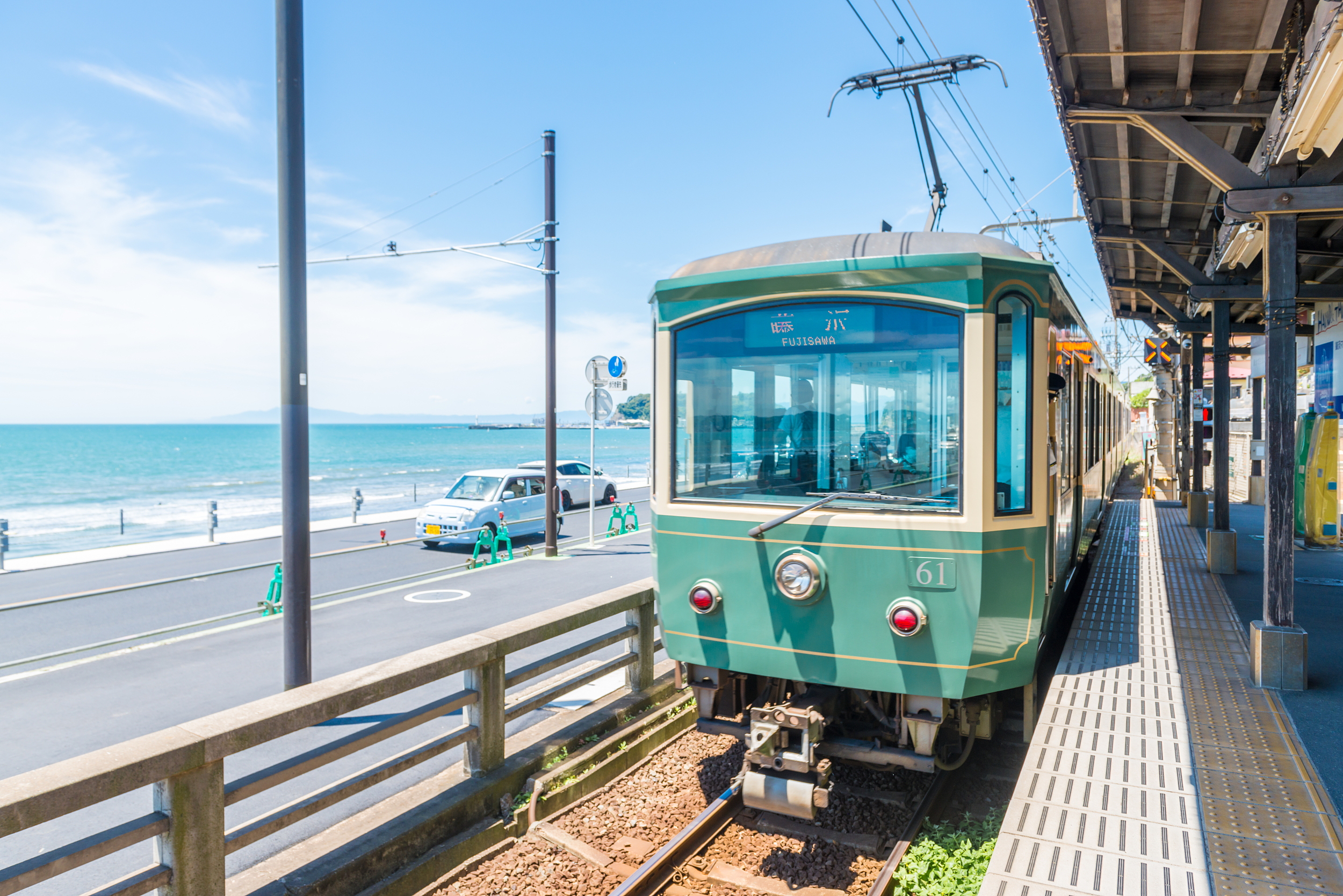
2026 Kamakura Travel Guide: must-see attractions, popular food, hotels, transport & travel experiences (updated in March)
1792 posts
2026 Chiba City Travel Guide: must-see attractions, popular food, hotels, transport & travel experiences (updated in March)
229 posts
- 1
- 2
Post
More recommendations
Popular Trip Moments
Overseas Trip - Kashima Shrine (Mitarai Pond) in Kashima, Japan | The Charm of Ibaraki | Kashima Shrine: A famous power spot and photo spot | There really are deer! Kashima Jingu Shrine in Ibaraki Prefecture, one of the three most famous shrines in the East | North Chiba/Minamiibaraki Railway Tour | Weekend trip to Kashima Shrine in Ibaraki Prefecture! | 🦌 [Kashima Shrine, Kashima City, Ibaraki] "Kanto's most powerful power spot" recommended for improving your luck in games and for starting a journey | Blessings of Sacred Trees and Springs | Kashima Shrine in spring | The guardian deity of Japan, the god of nation-building and martial arts, "Takemikazuchi-no-Okami" | The charm of Kashima Shrine, where history and nature come together | Kashima Shrine Okumiya at night | Mecca of J1 Kashima Antlers⚽️ | Excellent seafood restaurant along the approach to Kashima Shrine. | Founded in 1822. A Japanese confectionery shop in Kashima with 200 years of history | Kashima Antlers Tsukuba Academy Center | Magical day trip from Tokyo. | [Ibaraki Prefecture/Kashima City] Japanese sweets at a cafe attached to a long-established Japanese confectionery shop near Kashima Shrine 🍓🍵 | Amabikikannon@Ibaraki@janpan Temples and Shrines | ~Ibaraki Prefecture~ A power spot with a mysterious pond! | Kashima Jingu | [Ibaraki] Mysterious Shrine ⛩ The Strongest Power Spot ✨ | [Yusui Chaya Ikkyu/Ibaraki Prefecture] Soba noodles and dumplings made using spring water | [Kashima Shrine/Ibaraki Prefecture] The head shrine of about 600 shrines and the god of war | [Kashima Shrine West First Torii] The largest water torii gate, surpassing Itsukushima Shrine | [Kashima Shrine and Akashihama Torii/Ibaraki Prefecture] A recommended place for a turning point in life | [Kashima Shrine's Northern First Torii and Togakushi Shrine/Ibaraki Prefecture] Vermilion-painted Torii standing in Kobe Forest | [Visiting the Three Eastern Shrines] Kashima Shrine | [Breathtaking view] A power spot of mysterious beauty⛩ | [Ibaraki Prefecture] Kashima Antlers Clubhouse
Popular Destinations
Monroe County Travel | Barcelona Travel | Midland Travel | Wimberley Travel | Leon Travel | Sulmona Travel | Gustavia Travel | Nueces County Travel | Lake Forest Travel | Plymouth Travel | Boxtel Travel | Punjab Travel | Mijas Travel | Guang'an Travel | Dartmouth Travel | New Harmony Travel | Quedlinburg Travel | Mackinac Island Travel | Simanindo Travel | Ponte de Lima Travel | Shanglin Travel | Somerset Regional Travel | Yizhou District Travel | Aroostook County Travel | Ulsan Travel | Ballymena Travel | Departamento de Sacatepequez Travel | Footscray Travel | Cynwyl Elfed Travel
Recommended attractions at popular destinations
Popular Attractions in Bangkok | Popular Attractions in Manila | Popular Attractions in Tokyo | Popular Attractions in Taipei | Popular Attractions in Hong Kong | Popular Attractions in Seoul | Popular Attractions in Kuala Lumpur | Popular Attractions in Los Angeles | Popular Attractions in Shanghai | Popular Attractions in New York | Popular Attractions in Shenzhen | Popular Attractions in Osaka | Popular Attractions in Singapore | Popular Attractions in London | Popular Attractions in Guangzhou | Popular Attractions in San Francisco | Popular Attractions in Beijing | Popular Attractions in Macau | Popular Attractions in Bali | Popular Attractions in Jakarta | Popular Attractions in Paris | Popular Attractions in Ho Chi Minh City | Popular Attractions in Istanbul | Popular Attractions in Phuket | Popular Attractions in Chicago | Popular Attractions in Seattle | Popular Attractions in Toronto | Popular Attractions in Orlando | Popular Attractions in Cebu | Popular Attractions in Chiang Mai
Popular Restaurants in Kashima
Nemonas Burger | Shimamura, Main Store | Kitaki | Grill Kashima | Nomidokoro Gen | Ikkyu | Bistro Nori-na | Unagi Tachibana | Uchidaya | Hamachaya Yamasho | Marusan cafe | Men'O | Restaurante Berimbau | Ramen Aoryu | Yoshinoya | Barowl | Sagaya | McDonald's Route 124 Kashima | Coco Ichibanya Kashima Route 124 | Sushi Yuzen Saotome | Agari Itcho Sushi Jizakana Dining | Trattoria Cinquecento | Ramen Totoro | Izumi Shokudo | Han Korean Restaurant | Bandotaro Kashima | Coffee&Restaurant Jonathan's Kashima | Takeyabu | Indian Cuisine Osama no Curry | Yakiniku Manyutei Kashima
Popular Ranked Lists
Top 50 Luxury Hotels near Atlantic County | Top 50 Must-Visit Restaurants in Yangshuo | Popular Best Things to Do in Jieyang | Top 50 Must-Visit Restaurants in Melaka | Popular Premium Hotels in Greenville | Top 50 Luxury Hotels near Klagenfurt am Worthersee | Popular Best Things to Do in Zhaotong | Top 10 Best Things to Do in Yongzhou | Popular Premium Hotels in Denbighshire | Top 10 Luxury Hotels near York Regional Municipality | Popular Best Things to Do in Wuzhishan | Top 50 Must-Visit Restaurants in Moscow | Popular Best Things to Do in Ziyuan | Top 50 Must-Visit Restaurants in Busan | Popular Premium Hotels in Kalamboli Tarf Waredi | Top 50 Luxury Hotels near Beverley | Popular Best Things to Do in Lvliang | Top 50 Must-Visit Restaurants in Phu Quoc Island | Popular Premium Hotels in South Lake Tahoe | Top 50 Must-Visit Restaurants in Brisbane | Top 50 Must-Visit Restaurants in Guam | Top 50 Must-Visit Restaurants in Hat Yai | Top 50 Must-Visit Restaurants in Jiaxing | Top 10 Best Things to Do in Semporna | Popular Best Things to Do in Mohe | Top 50 Must-Visit Restaurants in Leshan | Top 50 Must-Visit Restaurants in Boracay Island | Top 50 Must-Visit Restaurants in Perth | Top 10 Luxury Hotels near Mesa County | Top 50 Must-Visit Restaurants in Xuzhou
About
Payment methods
Our partners
Copyright © 2025 Trip.com Travel Singapore Pte. Ltd. All rights reserved
Site Operator: Trip.com Travel Singapore Pte. Ltd.
Site Operator: Trip.com Travel Singapore Pte. Ltd.