2026 Tyrol Travel Guide: must-see attractions, popular food, hotels, transport & travel experiences (updated in March)
Essential Travel Information for Tyrol

Latest Travel Trends in Tyrol
Popular Attraction in Tyrol
Altstadt von Innsbruck
(41)Golden Roof
(35)Swarovski Crystal Worlds
(21)Nordkette
(21)KitzSki
(8)Maria-Theresien-Straße
(8)Hofburg Innsbruck
(6)Alpenzoo Innsbruck - Tirol
(3)All Trip Moments about Tyrol | Travel Experiences
AUSTRIA-Ty
AUSTRIA-Tyrol Once known as The Land of the mountains.A very breathtaking place full of wonderland of gushing rivers.i recommend all nature lovers to visit this place which feels like heaven.Also referred to heart of the alps.A very quiet ,peaceful place to escape everyday stress and worries with the beauty of nature.A must visit for hiking,skiing snd snowboarding,winter walking and snowshoeing,Hiker3🎿 Alpine Variety at Mayrhofen & Zillertal Arena
#skitrip Mayrhofen and the nearby Zillertal Arena together form one of Austria’s most diverse ski regions, located in the Zillertal Valley in Tyrol. Easily accessible from Innsbruck by train or car, the area offers hundreds of kilometres of pistes suitable for all levels. Mayrhofen is famous for the steep “Harakiri” slope for advanced skiers, while the Ahorn mountain provides gentler runs for beginners. Zillertal Arena, stretching towards Zell am Ziller and Gerlos, features wide slopes, modern gondolas, and reliable snow conditions throughout winter. Lift passes can cover multiple interconnected ski areas, and the region provides ski schools, rentals, and plenty of mountain huts. When I visited, I enjoyed the contrast between challenging runs in Mayrhofen and the long scenic descents in Zillertal Arena. The mountain views were spectacular, especially on clear mornings. I highly recommend this region for its variety, excellent infrastructure, and authentic alpine atmosphere.miWorld🎿❄️ Austria Skiing | A Classic Alpine Experience
#skitrip Skiing in Austria is a timeless winter tradition set against the breathtaking backdrop of the Alps ✨. Renowned for its well-groomed slopes and picturesque mountain villages, Austria offers a perfect balance of adventure and charm. Famous ski regions such as Tyrol and Salzburg feature extensive ski areas with modern lifts and trails suited for all skill levels 🎿. From gentle beginner runs to challenging alpine descents, every route is framed by snow-covered peaks and crisp mountain air. Beyond the slopes, cozy wooden chalets, traditional Austrian cuisine, and lively après-ski culture create a warm and inviting atmosphere ☕🏔️. Blending natural beauty with refined alpine hospitality, Austria delivers an unforgettable winter escape in the heart of Europe 🇦🇹✨. #AustriaSki #AlpineWinter #Tyrol #Salzburg #SnowAdventure #EuropeTravel #TripMomentsYy_Travel_GK🎿🏔️ Austria Skiing | Alpine Adventure in the Heart of Europe
#skitrip Austria is one of Europe’s premier ski destinations, renowned for its majestic Alpine scenery and world-class winter resorts ✨. Nestled within the Austrian Alps, the country offers pristine snow conditions, modern lift systems, and charming mountain villages that reflect rich cultural heritage. Popular ski regions such as Tyrol and Salzburg feature expansive slopes suitable for beginners and experienced skiers alike 🎿❄️. Beyond skiing, visitors can enjoy snowboarding, après-ski cafés, cozy wooden chalets, and breathtaking panoramic views of snow-covered peaks. Blending thrilling outdoor adventure with traditional Austrian hospitality, skiing in Austria provides an unforgettable winter experience — where natural beauty and alpine elegance come together perfectly 🇦🇹✨. #AustriaSki #AlpineAdventure #WinterEscape #EuropeanTravel #SnowHoliday #MountainLife #TripMomentsYy_Travel_GK🏔️ Powder Days & Alpine Nights — Skiing Tirol Differently
#skitrip If you think ski trips are just about chasing runs, Tirol will surprise you. This Austrian alpine region blends storybook villages, legendary powder, cosy mountain huts, and après that feels like a festival — all wrapped in dramatic mountain scenery. This version is for travellers who want a balanced ski trip: carving fresh snow, slow mountain lunches, scenic winter walks, and lively evenings. ⸻ 🎯 Highlights ❄️ Ski vast terrain in St. Anton am Arlberg — deep powder + iconic après 🏔️ Explore high-altitude views and modern lifts in Ischgl ✨ Wander medieval streets and boutique cafés in Kitzbühel 🍷 Long lunches at rustic mountain huts with panoramic terraces 🌙 Relaxed spa evenings and candle-lit alpine dinners Tirol isn’t just one resort — it’s a choose-your-own adventure ski region. 👉 St. Anton → powder, steep runs, and legendary après 👉 Ischgl → huge ski area + modern lifts + lively atmosphere 👉 Kitzbühel → charming village energy with varied terrain Even non-skiers will love snowshoe trails, scenic gondolas, and spa culture. ⸻ 🗺️ Getting There ✈️ Fly to Innsbruck — the airport sits right in the mountains 🚆 Easy train connections from Munich or Zurich 🚕 Transfers between resorts are quick and scenic 💡 Staying in one base and day-tripping to other resorts works surprisingly well. ⸻ 🌟 Local Tips 🍲 Order Kaiserschmarrn at a mountain hut — perfect post-ski comfort food 🧖 Book a hotel with a spa — Tirol’s sauna culture is part of the experience 🌄 Take a sunrise gondola at least once — the mountains feel magical before crowds 🎿 Don’t overschedule — Tirol is best enjoyed slowly ⸻ ❄️ Seasonal Sweet Spot ✨ January: best powder + quiet slopes ☀️ February: perfect snow with lively après energy 🌸 March: sunny terrace lunches and relaxed skiing ⸻ 💫 Why This Trip Feels Special Tirol is where high-energy ski days meet slow alpine living. You can ski challenging terrain in the morning, nap in a spa mid-afternoon, then end the night in a candle-lit wooden hut with snow falling outside. It feels adventurous, cosy, and effortlessly magical — the kind of ski trip that stays with you long after winter ends.Feelin_gud2❄️🇦🇹 Tirol Ski Trip — Alpine Magic, Powder Dreams & Cozy Mountain Nights
#skitrip A ski trip to Tyrol (Tirol) in western Austria is the definition of a storybook winter escape — dramatic Alpine peaks, world-class ski terrain, charming villages, and après-ski culture that turns evenings into unforgettable memories. Whether you’re chasing powder, scenic gondola rides, or cozy mountain huts, Tirol delivers the full alpine fantasy. ⸻ 🎯 Highlights ✨ Legendary ski areas like St. Anton am Arlberg, Ischgl, and Sölden 🏔️ Huge interconnected pistes for beginners through experts 🍷 Lively après-ski — from slope bars to chic lounges 🚠 Scenic gondolas with breathtaking Alpine views 🛷 Winter activities beyond skiing: tobogganing, spas & snowy village strolls ⸻ 🗺️ Getting There ✈️ Fly into Innsbruck — the heart of Tirol and incredibly close to resorts 🚆 Easy train connections from Munich or Zurich 🚐 Resort transfers are smooth and scenic (mountain views start immediately!) 🚶 Many villages are compact and pedestrian-friendly once you arrive. ⸻ ⛷️ Where To Ski (Quick Picks) 🏂 St. Anton am Arlberg — legendary powder, challenging runs & iconic après 🎿 Ischgl — huge ski area + luxury vibes + unforgettable slope parties ❄️ Sölden — glacier skiing, high altitude snow reliability & James Bond scenery 🌄 Serfaus-Fiss-Ladis — perfect for relaxed cruising and families ⸻ 🌟 Tips for the Perfect Tirol Ski Trip 💡 Stay ski-in/ski-out if possible — worth it for convenience 💡 Book ski passes online to avoid queues 💡 Mountain huts serve incredible Austrian comfort food — don’t skip lunch stops 💡 Try a spa afternoon — Tirol wellness culture is elite 💡 Early morning skiing = quieter slopes + magical light ⸻ 💸 Budget Tips 💰 Visit in January or March for better prices and fewer crowds 🏡 Guesthouses (Gasthofs) offer authentic stays at lower prices than big hotels 🍲 Lunch on the mountain, casual dinner in town = good balance of experience & cost 🎫 Multi-day lift passes give the best value ⸻ ☕ Must-Try Tirol Experiences 🧀 Cheese dumpling soup in a cozy mountain hut 🍎 Warm apple strudel after skiing 🔥 Après-ski dancing in ski boots (you will do it!) 🛷 Night tobogganing under the stars 💦 Outdoor heated pool with snowy mountain views ⸻ ❄️ Best Time to Visit ⛄ December: Festive alpine villages & Christmas charm 🏔️ January–February: Peak snow & classic ski conditions 🌞 March: Sunny terrace skiing and relaxed vibes 🌷 April: Glacier skiing with spring atmosphere (in higher resorts)Feelin_gud2Hiking the Scenic Schafreuter
#hellonewyear Schafreuter is a beautiful mountain in Tyrol that offers a rewarding and scenic hiking experience. The trails pass through forests, alpine meadows, and rocky sections, providing variety and keeping the hike engaging from start to finish. Along the way, the fresh mountain air, birdsong, and seasonal wildflowers create a peaceful and refreshing atmosphere. Reaching the summit is especially satisfying, with panoramic views of surrounding valleys, peaks, and distant alpine landscapes that make every step worth it. The area is quiet and inviting, perfect for photography, short breaks, or simply enjoying the natural beauty. Located in Tyrol, Austria, Schafreuter is ideal for hikers, nature lovers, and anyone seeking a scenic alpine adventure with breathtaking vistas and a tranquil mountain setting.Dinda.PratiwiHiking the Scenic Brennkopf
#hellonewyear Brennkopf is a beautiful mountain in Tyrol that offers a peaceful and rewarding hiking experience. The trails wind through forests, meadows, and rocky areas, providing a mix of landscapes and a touch of adventure along the way. Fresh alpine air, birdsong, and seasonal wildflowers make the hike relaxing and enjoyable for both casual walkers and more experienced hikers. Reaching the summit is especially satisfying, with panoramic views of surrounding valleys, peaks, and distant landscapes that make every step worth it. The area is calm and inviting, perfect for photography, taking a short break, or simply enjoying nature. Located in Tyrol, Austria, Brennkopf is ideal for hikers, nature enthusiasts, and anyone looking for a scenic alpine adventure with breathtaking vistas and a tranquil mountain atmosphere.Dinda.PratiwiExploring the Trails of Hochsalwand
#hellonewyear Hochsalwand is a scenic mountain in Tyrol that offers a peaceful and refreshing hiking experience. The trails wind through forests, alpine meadows, and rocky areas, giving hikers a mix of landscapes and a sense of adventure along the way. Fresh mountain air, birdsong, and seasonal wildflowers make the hike calming and enjoyable, whether you take it slow or keep a steady pace. Reaching the summit rewards visitors with stunning panoramic views of surrounding valleys, peaks, and distant alpine landscapes that feel endless. The area is quiet and inviting, perfect for photography, short breaks, or simply soaking in nature. Located in Tyrol, Austria, Hochsalwand is ideal for hikers, nature enthusiasts, and anyone looking for a scenic alpine adventure with breathtaking vistas and a tranquil mountain atmosphere.Dinda.PratiwiA Scenic Hike to Krepelschrofen
#hellonewyear Krepelschrofen is a beautiful mountain that offers a rewarding and scenic hiking experience. The trails wind through forests, meadows, and rocky sections, giving hikers a variety of landscapes to enjoy along the way. Fresh alpine air, birdsong, and seasonal wildflowers make the hike refreshing and peaceful, perfect for a slower pace or casual exploration. Reaching the summit provides stunning panoramic views of surrounding valleys, peaks, and distant landscapes, making the climb feel worthwhile. The area is calm and welcoming, ideal for photography, short breaks, or simply soaking in the natural beauty. Located in Tyrol, Austria, Krepelschrofen is ideal for nature lovers, casual hikers, and anyone seeking a scenic alpine adventure that combines tranquility, fresh air, and breathtaking vistas.Dinda.PratiwiA Scenic Hike to Harauer Spitze
#hellonewyear Harauer Spitze is a beautiful mountain that offers a peaceful and rewarding hiking experience. The trails lead through forests, meadows, and rocky sections, giving hikers a mix of scenery and a touch of adventure along the way. Fresh alpine air, birdsong, and seasonal wildflowers make the walk refreshing and enjoyable. Reaching the summit provides stunning panoramic views of surrounding valleys, peaks, and distant landscapes, making the climb feel worthwhile. The area is quiet and welcoming, perfect for stopping to take photos, have a snack, or simply enjoy the natural beauty. Located in Tyrol, Austria, Harauer Spitze is ideal for casual hikers, nature lovers, and anyone looking for a scenic, tranquil alpine adventure with breathtaking vistas and a serene atmosphere.Dinda.PratiwiA Peaceful Hike to Fibling Gipfel
#hellonewyear Fibling Gipfel is a serene and scenic mountain that offers a refreshing escape into nature. The trails are gentle yet rewarding, winding through forests, meadows, and rocky paths that keep the hike interesting. Along the way, the fresh alpine air, birdsong, and occasional wildflowers make for a calming and enjoyable experience. The summit provides wide panoramic views of surrounding valleys, hills, and distant peaks, giving a true sense of accomplishment. The area is quiet and welcoming, perfect for taking photos or simply soaking in the peaceful atmosphere. Located in Tyrol, Austria, Fibling Gipfel is ideal for casual hikers, nature lovers, and anyone looking for a scenic and tranquil mountain adventure that combines easy hiking with stunning alpine scenery.Dinda.PratiwiEnjoy delicious food! | Tyrol's Terroir Food Bureau
A Culinary Tour of Tyrol TYROLEAN FLAVOR 01) 🥗 A Dish, A Geological Epic When a geologist and a chef meet in Tyrol, the "Heart of the Alps," a dialogue about "rock and flavor" unfolds. It turns out that the history of every inch of Tyrol's soil is already hidden in every Tyrolean dish. For geologist Hannah Pomella, the mountains are both her research subject and her working tool. She not only works in the lab in her white lab coat but also frequently dons mountaineering gear, ice axe in hand, studying the formation history of the Alps. She met chef Christoph Krabichler at the Gnadenwalder Hinterhornalm, embarking on a mountain dialogue. Chef Christophe also prepared a dish that subtly connects Tyrol's geology and flavor: rock salt-cured Kölner trout served with quince, yellow beets, dwarf pine, and Chardonnay concentrate. This dish is far more than just a combination of local ingredients; it's Chef Christophe's heartfelt depiction of the local terroir: ▸ Trout symbolizes the marine sedimentary soils common in Tyrol; ▸ 30-hour rock salt curing echoes the millennia-old salt mining tradition of the Halltal Valley; ▸ Dwarf pine needles infuse the curd with the spirit of the Alps; ▸ The sweet and sour flavor of fermented quince chutney reflects the acidic soils of the Ing Valley; ▸ Pickled yellow beets balance the sweetness with an earthy, salty flavor, representing the alkaline soils of the southern bank of the Ing Valley and the Wipptal Valley; ▸ A concentrated sauce blended with Chardonnay wine and a touch of buttermilk, rich in minerals due to the limestone soils, gives the dish a crisp acidity; ▸ Pine needle oil, fresh yarrow leaves, and pickled elderflower buds complete the dish; ▸ The terracotta plate alludes to the Halltal clay layers buried deep beneath the alpine pastures. Geological Movements on the Plate Hannah stared at her plate, lost in thought, before instantly returning to her research: "The collision of the African and European plates created folds, forming the Alps. The south bank of the Alps has acidic crystalline soil containing quartz, while the northern chain mountains are limestone formations, where fossils of shells and prehistoric marine life are buried." She pointed to a rock sample: "Look, the fossilized tail fin on this 255-million-year-old rock slab is remarkably similar in shape to the tail fin of the trout on the plate." Even more astonishing: "The formation of the Tyrolean Alps owes a debt to salt; these seemingly hard rock salts are actually the soft, key structural layers." 02) 🧇 Tyroleans and Their Marend Time In Tyrol, people don't say "have a snack," but rather "have a Marend." A "Marend" is a snack or light meal enjoyed by Tyroleans during social gatherings. In ancient times, "Marend" was a time for people to gather and enjoy a small meal after working in the fields, usually accompanied by a small glass of spirits. Claudia Kogler, known for her "wild" culinary style, demonstrates with four creative Tyrolean tarts that a "simple meal" is far more than just a "snack." 03) 🍾 In Search of the Soul of the Alpine Terroir Tyrol is renowned for its exquisite spirits, each drop encapsulating the essence of pure flavor. Now, we've transformed this richness into a Tyrolean experience for the palate. Chefs Philipp Stohner, Stiefi Rieser, and Viktoria Fahringer, inspired by three distinctive Tyrolean spirits, have crafted three visually stunning dishes. Figure 16: Birdsberry brandy with puff pastry balls, apricots, and spruce salt caramel macarons Figure 17: Dried fruit bread, goat ham with pear brandy Figure 18: Tyrolean premium chocolate mousse with gentian, caramel foam, apricot jam, and biscuits Tyrol, AustriaHarper54 Walker - Harp🏔️✨ Complete Guide to Conquering Austrian Mountain Landscapes | Photogenic Spots
#TravelItinerary Austria's mountains aren't simply high, but rather "a work of art in itself." No matter where you take a photo, you'll get postcard-perfect results, making it a particularly recommended destination for landscape photography enthusiasts. A prime example is the Tyrol region. The harmony of gentle mountain ridges, expansive meadows, and small villages flowing through them creates a peaceful atmosphere. On days with low clouds, the landscape feels like a fairytale. Photography tips include placing subjects small to emphasize the mountain's scale. Mornings and sunsets, on the other hand, offer softer light, allowing you to capture the mountain's textures more clearly. The natural light is so excellent that you can capture stunning photos without a tripod. Another charm of Austrian mountain travel is its tranquility. Unlike crowded cities, mountains offer a true sense of tranquility, where you can hear only the sounds of nature. If you're looking to escape the hustle and bustle of everyday life and truly reset your mind, this is the place to be.Safirwithkyrie1Tyrol – The Snowy Soul of Austria’s Winter Magic ❄️
#skitrip Tyrol (Tirol) is the beating heart of Alpine winter — a region where majestic mountains, charming villages, and world-class ski resorts come together to create a truly unforgettable ski experience. From the legendary slopes of St. Anton and Ischgl to the family-friendly terrain of Serfaus-Fiss-Ladis and the glacier peaks of Sölden and Hintertux, Tyrol offers something for every skier. The moment you arrive, the snowy peaks, fresh mountain air, and warm Tyrolean hospitality wrap you in pure winter bliss. Skiing in Tyrol means endless variety: long carving pistes, deep powder routes, modern lifts, lively après-ski, and serene alpine nature. Whether you’re an adrenaline lover or a relaxed cruiser, the terrain feels endless and exciting. Off the slopes, Tyrol charms with wooden chalets, thermal spas, winter hikes, and cozy cafés serving apple strudel and hot chocolate. Tips: • For advanced skiers: visit St. Anton, Sölden, or Kitzbühel. • For families: Serfaus-Fiss-Ladis is one of Europe’s best. • Glacier guarantee: Hintertux or Stubai for top snow reliability. • Winter roads can be icy — winter tires or chains are recommended. Address: Tyrol Region, Western Austrian Alps, Tirol, Austria #Tyrol #Tirol #AustriaSki #WinterVibes #AlpineMagic #SkiAustria #SnowParadise #SkiLife #travel #staycationSkytoucher1❄️ St. Johann in Tyrol – Cozy Alpine Charm with Effortless Ski Joy ❄️
#skitrip St. Johann in Tyrol offers a refreshing and relaxed alternative to Austria’s big-name ski resorts. Surrounded by the iconic Wilder Kaiser massif, this charming Tyrolean town blends gentle slopes, peaceful winter scenery, and warm local hospitality — perfect for beginners, families, and anyone who wants a stress-free winter escape. The ski area is beautifully manageable with wide, forgiving pistes and stunning panoramic views. You won’t find the extreme terrain of St. Anton or Ischgl, but you will find perfectly groomed slopes, shorter lift queues, and a friendly, cozy alpine atmosphere. Off the slopes, the village offers lovely cafés, traditional inns, and easy access to winter hiking trails and cross-country skiing routes. The sunsets behind the Wilder Kaiser — pure winter magic. Tips: • Ideal for beginners and intermediate skiers — practice your carving on the long, smooth runs. • Great for families: ski schools here are highly rated and patient. • For more terrain, visit nearby Kitzbühel (15–20 minutes by train). • Try Tyrolean comfort food — especially Käspressknödel soup. Address: St. Johann in Tyrol Ski Resort, 6380 St. Johann in Tyrol, Austria #StJohann #TirolSki #AustriaWinter #SkiVibes #WilderKaiser #FamilySkiing #AlpineMagic #SnowGetaway#travel #staycationSkytoucher🎿🇦🇹 Tyrol – the perfect first introduction to the Alps
If you're visiting Tyrol for the first time, don't rush straight to the steepest slopes. This region is not only a skier's paradise, but also a place where the mountains teach you to slow down, breathe deeply, and enjoy every minute. ⛷️ What to do 🎿 Test your skills on the St. Anton, Ischgl, or Sölden — these offer excellent schools and gentle slopes for beginners. 🚠 Take the panoramic lift to the peaks and have a picnic right above the clouds. 🧘♀️ Visit an Alpine spa — hot springs and views of snow-capped peaks. ❄️ Hike winter trails or go sledding — not just for kids. 🔥 End the day with mulled wine by the fireplace and an evening après-ski. 🍽️ Where to eat and relax. 🥨 Try Tyrolean knödel, bergkäse cheese, and hot apple strudel. 🏡 Feel right at home in cozy Alpine guesthouses like Hotel Post Lermoos or Alpbach Lodge Chalet Resort. ☕ Coffee with a mountain view — in every village you'll find a café with panoramic windows and the aroma of Freshly baked goods 📍 Tyrol is a place where the mountains aren't just decoration, but a state of mind. #Tirol #Austria #SkiTrip #AlpsAdventure #TripCom #WinterTravel #SkiAustriaAlexkotikovBreathtaking Views and Alpine Adventure at Fisser Joch
#hellohalloween Fisser Joch in Tirol is a stunning mountain area that offers both spectacular scenery and exciting outdoor activities. Sitting high above the valley, it provides panoramic views of the surrounding peaks and lush alpine meadows, making it a paradise for photographers and nature lovers. In summer, hiking trails wind through wildflowers and forests, while mountain bikers enjoy challenging routes and scenic descents. Winter transforms the area into a snowy wonderland with well-groomed ski slopes suitable for all levels and snowshoe trails for quieter exploration. The local alpine huts serve hearty Tyrolean dishes, perfect for refueling after a day of adventure. With easy access via cable cars and lifts, Fisser Joch in Tirol is an ideal destination for those seeking breathtaking landscapes, fresh mountain air, and a mix of adventure and relaxation in the heart of the Alps.Nengkh9The Alpine Charm of Lamsenjochhütte in Tyrol
#hellohalloween Located in the province of Tyrol, Lamsenjochhütte sits at 1,953 meters in the heart of the Karwendelgebirge, offering hikers a true alpine retreat. Accessible via scenic trails from Fiecht and nearby villages, the hut provides stunning panoramic views of jagged peaks, lush valleys, and distant lakes. Its cozy interior and welcoming staff create a perfect stop for rest and refreshment after a challenging climb. Guests can enjoy traditional Tyrolean meals while soaking in the breathtaking surroundings. The area is ideal for hiking, climbing, and photography, with trails leading to dramatic ridges and serene alpine meadows. Staying at Lamsenjochhütte combines adventure with comfort, allowing visitors to experience the raw beauty of the Karwendel Mountains while enjoying the hospitality and charm of a classic Austrian mountain hut.Nengkh9tyrol mountain
#hellohalloween Majestic mountain landscapes: Tyrol is dominated by the Alps, offering picturesque valleys, dramatic peaks, glaciers, and mountain lakes. The region has more than 500 peaks exceeding 3,000 meters in height. World-class skiing: The area is renowned for its excellent winter sports, with popular resorts like Kitzbühel, St. Anton, and Ischgl. Summer hiking: In the warmer months, Tyrol offers an extensive network of hiking, mountain biking, and climbing trails. The 250-mile Eagle Trail, for example, traverses the entire region. Water sports: Many clear, cool mountain lakes, such as Lake Achensee, are available for swimming, sailing, and surfing. Cultural heritage and traditions Blend of cultures: Due to its history, the region blends German and Italian sensibilities, which is reflected in its cuisine, architecture, and traditions. This is particularly notable in South Tyrol, where a mix of Italian, Germanic, and Ladin peoples have intertwined cultures.potatogalA Peaceful Alpine Hike with Rewarding Views
#hellohalloween Hiking to the summit of Sonntagsköpfl in Tyrol is a refreshing and scenic adventure that captures the best of the Austrian Alps. The trail winds gently through meadows and forests, offering plenty of moments to stop and take in the fresh mountain air. Along the way, wildflowers dot the path, and the sound of cowbells echoes softly in the distance. As you climb higher, the views open up to reveal sweeping panoramas of nearby peaks and valleys. The final stretch to the summit feels satisfying without being too demanding, making it enjoyable for most hikers. At the top, the sense of peace and wide open space is unforgettable. Whether you come for the exercise, the nature, or the quiet escape, Sonntagsköpfl delivers a perfect blend of calm beauty and alpine spirit.Dinda.Pratiwi🚴♂️ Bicycle Tour in Tyrol: Mountains, Meadows & Pure Freedom
#hellohalloween There’s no better way to experience Tyrol, Austria than on two wheels. Whether you’re pedaling through lush alpine valleys, charming village streets, or alongside crystal-clear lakes, every turn reveals postcard-perfect scenery 🏞️🌼. Start your journey from Innsbruck, where cycling paths lead into the surrounding mountains — routes like the Inn Valley Cycle Path (Inntalradweg) offer both challenge and beauty. You’ll pass flower-filled meadows, wooden farmhouses, and towering peaks, with plenty of cozy cafés and rest stops to catch your breath and enjoy an Apfelstrudel ☕🍰. 📍 Location: Tyrol, Austria — routes from Innsbruck, Kufstein, and Achensee 🚴 Best For: Nature lovers and adventure seekers of all levels 💡 Tip: Rent an e-bike if you want to tackle mountain trails with ease and soak in the panoramic views without breaking a sweat. A bicycle tour in Tyrol isn’t just a ride — it’s a journey through nature’s masterpiece, where every mile feels like freedom.Jaabma✨Tyrol: Alpine Bliss & Hiking Heaven 🏔️🥾
#centraleurope Nestled in the heart of the Alps, Austria’s Tirol region is a dream for nature lovers and hikers alike. Towering snow-capped peaks, crystal-clear lakes, and lush alpine meadows create endless opportunities for exploration. Hike the Eagle Walk for sweeping panoramas, stroll through blooming wildflower trails in the Zillertal Valley, or summit the Nordkette mountains near Innsbruck for unforgettable views. From gentle forest walks to challenging high-altitude treks, every trail offers fresh air and postcard-perfect scenery. Getting There 🚆🚗 Fly into Innsbruck Airport, or take scenic trains from Munich, Zurich, or Vienna. Regional buses and cable cars connect popular hiking areas and villages. Best Time to Visit ☀️🍂 Summer (June–September) brings wildflowers and perfect hiking weather. Early autumn adds golden larch forests and crisp mountain air. Helpful Tips 🧭 Pack layers, sturdy boots, and plenty of water. Many alpine huts (hütten) along trails offer hearty meals and cozy stops. Always check weather forecasts—conditions change quickly in the mountains. Why It Matters 🌏 Tirol is pure alpine magic: a place to disconnect, breathe deeply, and wander through landscapes that inspire both adventure and peace. #TirolAustria #AlpineHiking #NatureEscape #MountainDreams #EpicTravelMoments #TripDotComFeaturedJaabma1Medieval Charm and River Views at Erlebnisburg Altfinstermünz
#holidayitinerary Exploring Erlebnisburg Altfinstermünz in Nauders, Tirol, Austria is like stepping into a fascinating piece of history. This medieval fortress sits dramatically by the Inn River, offering stunning views of the surrounding alpine landscape. The castle’s stone walls and towers tell stories of centuries past, making it a great spot for history lovers and curious travelers. Wandering around the fortress, you can imagine life in medieval times while enjoying the peaceful river and mountain scenery. There are informative displays that share the castle’s history and its role as a border stronghold. The nearby hiking trails add to the adventure, leading through beautiful forests and offering more chances to explore Tirol’s natural beauty. Erlebnisburg Altfinstermünz is perfect for a day trip filled with culture, history, and outdoor fun. It’s a hidden gem in Nauders that combines the charm of a medieval fortress with the breathtaking backdrop of the Tirol province.rizkiririThe tranquility and clear blue of Lake Achensee, a hidden gem in Tyrol. You will be enchanted by the scenery woven by the mountains and water. A moment to take a deep breath, embraced by nature.
#AbsolutelyFreeTrip Lake Achensee is also known as the "Tyrolean Fjord" and is known as the largest lake in the state of Tyrol. The clear emerald green water and the scenery surrounded by the Alps are truly spectacular. Laid-back villages are dotted along the lakeside, so you can feel the beauty of nature no matter what season you visit. In the summer, activities such as hiking, sailing, and stand-up paddleboarding are popular, and in the winter, it is crowded with people enjoying cross-country skiing and snowshoeing. In addition, the "Achenseebahn" that runs along the lakeside is one of the oldest steam locomotives in Europe, and you can experience the historical atmosphere of a journey. Around Lake Achensee, you can experience Austria's nature and traditional culture in a relaxing time, and your mind and body will be healed. #austriaAom_92Tyrol
#celebrateit Tyrol is a wonderful state located in Western Austria. Resting in the Alps, this place is a popular ski resort destination. There are also many historic sites including Ambras Castle, Ehrenberg Castle and Kufstein Fortress. You will also find some of the most exciting museums in Tyrol. Other than this, Tyrol is the hub of many famous winter festivals in Europe that you must attend. Count it in your list of the best places to visit in Austria in Sepember. The popular city of Innsbruck is the capital of Tyrol. This place features ancient gothic churches and traditional baroque-style buildings and palaces. Tyrol is one of the best places to visit in Austria for anyone who is looking forward to exploring a place with natural beauty and historical relevance.NicoleStanciu🇦🇹Land of wonder and beauty - Tyrol
🌟A trip to Tyrol, Austria, is an extraordinary experience that will leave you enchanted and rejuvenated. Nestled amidst breathtaking landscapes, Tyrol offers a perfect blend of natural beauty, culinary delights, and tranquil surroundings that will captivate your senses. 🔝One of the highlights of a visit to Tyrol is undoubtedly the region's stunning lakes. With crystal-clear waters reflecting the surrounding majestic mountains, the lakes of Tyrol are like something out of a dream. The soothing sounds of lapping waves and the fresh alpine air will transport you to a state of utter bliss. ✅Tyrol is a paradise for mountain enthusiasts. Majestic peaks dominate the landscape, creating a dramatic backdrop that will leave you awe-inspired. The iconic Austrian Alps offer countless opportunities for hiking, mountaineering, and skiing. Imagine yourself conquering the challenging trails, surrounded by lush green meadows, colorful wildflowers, and panoramic views that stretch as far as the eye can see. The charming alpine ambiance of the restaurants adds an extra touch of warmth and authenticity to your dining experience. Treat your taste buds to a delightful symphony of flavors and enjoy the true essence of Tyrolean hospitality. ➡️➡️One of the most remarkable aspects of Tyrol is the sense of peace and tranquility that permeates the entire region. The untouched nature, pristine landscapes, and absence of hustle and bustle create an environment where you can truly unwind and recharge your batteries. Take leisurely walks through lush forests, breathing in the crisp mountain air, or find a secluded spot by a rushing mountain stream to immerse yourself in the symphony of nature. The serenity of Tyrol will embrace you, allowing you to let go of stress and embrace a slower, more mindful pace of life. #mytripvlog #awesomepic #celebratewithtrip #travel #europe #austria #passionpassportB.B.8A lake cal
A lake called Drachensee in Austria. Its not a difficult hike, about 3-4 hours from Ehrwald. The hut next to the lake has a very good typical austrian cuisine.Manuela Palmberger13

Popular Travel Topics in Tyrol
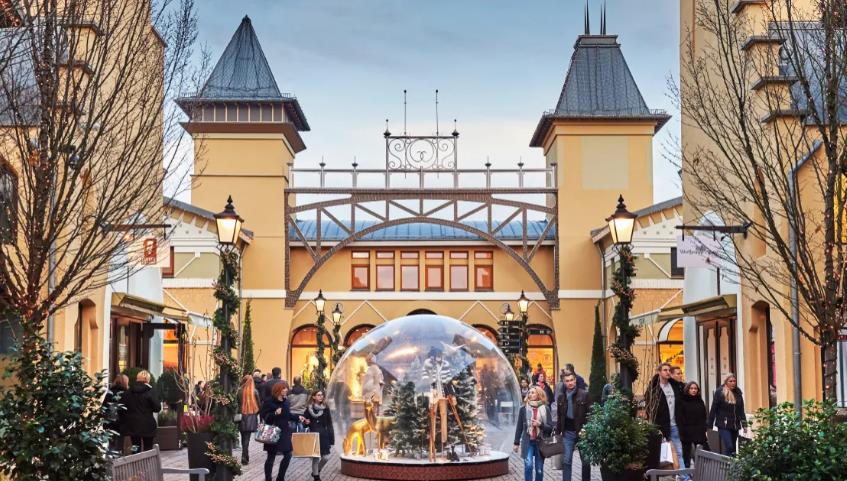
2026 Recommended Attraction in Tyrol (Updated March)
573 posts
2026 Recommended Guides in Tyrol (Updated March)
397 posts
2026 Recommended Comprehensive guides in Tyrol (Updated March)
137 posts

Popular Destinations Near Tyrol

2026 Tokyo Travel Guide: must-see attractions, popular food, hotels, transport & travel experiences (updated in March)
32473 posts

2026 Paris Travel Guide: must-see attractions, popular food, hotels, transport & travel experiences (updated in March)
6945 posts

2026 New York Travel Guide: must-see attractions, popular food, hotels, transport & travel experiences (updated in March)
3854 posts
Post
More recommendations
Popular Trip Moments
Winter Break 11-Day Europe Tour Lazy Guide Is Here | We climbed the snowy peaks of the Eastern Alps | 🏔 Vertical Drama above Innsbruck | 🎿 Endless Variety in the Zillertal Ski Areas | 🎿 Alpine Variety at Mayrhofen & Zillertal Arena | 🎿 High-Altitude Thrills at Silvretta Arena Ischgl-Samnaun | 🎿 Alpine Adventure at SkiWelt Wilder Kaiser-Brixental | Alps Skiing: Choose One of Three | 🎿🏔️ Austria Skiing | Where Alpine Dreams Begin | Penken Skiing Guide | 🎿❄️ Austria Skiing | A Classic Alpine Experience | 🎿🏔️ Austria Skiing | Alpine Adventure in the Heart of Europe | Hitting the Ischgl Snowpark: Freestyle Paradise in the Austrian Alps | 🏔️ Powder Days & Alpine Nights — Skiing Tirol Differently | ❄️🇦🇹 Tirol Ski Trip — Alpine Magic, Powder Dreams & Cozy Mountain Nights | Alpine Dream Tripcom🏔️ | Unforgettable Alpine Dreamscape 🏔️❄️ | Swarovski Dreamland in Austria💎 | Alpine Stay Innsbruck✨ | Innsbruck Eats in the morning 🍳 | Foodie Finds🍹 | Bakery Bliss Innsbruck🍞 | Innsbruck Eats🍰 | Alpine City Magic✨ | Innsbruck Magic✨ | Snowy Peaks Bliss in Austria ❄️ | Urban Eats Innsbruck🍞 | Innsbruck Stays🏨 | Zillertaler Alps Hiking|High Mountain Reservoir and Glacier Mountain Huts | Fairy Tale Town Walking Guide
Popular Destinations
North Adams Travel | Sant'Antioco Travel | Porto Cervo Travel | LaSalle County Travel | Rotherham Travel | Libya Travel | Rovinj Travel | Yesan-gun Travel | Burnett County Travel | Lingbao Travel | St. Lawrence County Travel | Sechelt Travel | Ejin Horo Banner Travel | Ann Arbor Travel | San Vito lo Capo Travel | Capital Department Travel | Queretaro Travel | Petrified Forest National Park Travel | Telangana Travel | Puerto Madryn Travel | Delhi Travel | Maidstone Travel | Ilocos Travel | Lone Pine Travel | Morondava Travel | Sarasota Travel | Cheboygan County Travel | Naantali Travel | Simon's Town Travel
Recommended attractions at popular destinations
Popular Attractions in Bangkok | Popular Attractions in Manila | Popular Attractions in Tokyo | Popular Attractions in Taipei | Popular Attractions in Hong Kong | Popular Attractions in Seoul | Popular Attractions in Kuala Lumpur | Popular Attractions in Los Angeles | Popular Attractions in Shanghai | Popular Attractions in New York | Popular Attractions in Shenzhen | Popular Attractions in Osaka | Popular Attractions in Singapore | Popular Attractions in London | Popular Attractions in Guangzhou | Popular Attractions in San Francisco | Popular Attractions in Beijing | Popular Attractions in Macau | Popular Attractions in Bali | Popular Attractions in Jakarta | Popular Attractions in Paris | Popular Attractions in Ho Chi Minh City | Popular Attractions in Istanbul | Popular Attractions in Phuket | Popular Attractions in Chicago | Popular Attractions in Seattle | Popular Attractions in Toronto | Popular Attractions in Orlando | Popular Attractions in Cebu | Popular Attractions in Chiang Mai
Popular Restaurants in Tyrol
Weinstube | Berggericht | Glockenspiel Kitzbuhel | Rauterstube | Ad Vinum | Daniels Kristallwelten | Paznaunerstube | Gasthof Restaurant Perauer | Woods kitchen & bar | Lichtblick | Café 3.440 - Pitztaler Gletscher | Hohe Mut Alm | Pizzeria Pomodoro | Staudachstubn | Gasthaus Restaurant Bruecke | Gamsalm | Gasthof zum Neunerwirt | Restaurant Steinberg | Hotel Sonnenuhr | Blaue Quelle | Cafe Max | L'Osteria Innsbruck | Pizzeria Salute Neder | Verwallstube | Bobo's Bar | Tiroler Hof Kufstein | Auf da Muhle | Postgasthof Fischerwirt | Gasthof Fuchswirt | Rosenberger Vomp
Popular Ranked Lists
Popular Best Things to Do in Daxin | Popular Best Things to Do in Yuyao | Top 10 Luxury Hotels near Risaralda | Popular Best Things to Do in Ziyuan | Top 50 Must-Visit Restaurants in Jinan | Top 50 Must-Visit Restaurants in Las Vegas | Top 50 Must-Visit Restaurants in Luoyang | Top 50 Luxury Hotels in Thailand | Top 50 Must-Visit Restaurants in Changchun | Top 20 Luxury Hotels near Vinh Long Province | Top 10 Best Things to Do in Cebu | Popular Premium Hotels in Nadi | Popular Best Things to Do in Leye | Top 20 Best Things to Do in Stockholm | Popular Best Things to Do in Suifenhe | Top 50 Luxury Hotels near Ollon | Top 10 Best Things to Do in Siem Reap | Top 10 Best Things to Do in Nara | Top 50 Must-Visit Restaurants in Wuxi | Popular Best Things to Do in Lvliang | Popular Best Things to Do in Wuzhishan | Top 50 Must-Visit Restaurants in Changzhou | Top 10 Best Things to Do in Doha | Popular Best Things to Do in Dongxing | Top 50 Must-Visit Restaurants in Dongguan | Top 20 Luxury Hotels near Campania | Popular Best Things to Do in Shangqiu | Top 50 Must-Visit Restaurants in Zhanjiang | Top 50 Luxury Hotels near Reims | Top 50 Must-Visit Restaurants in Wanning
About
Payment methods
Our partners
Copyright © 2025 Trip.com Travel Singapore Pte. Ltd. All rights reserved
Site Operator: Trip.com Travel Singapore Pte. Ltd.
Site Operator: Trip.com Travel Singapore Pte. Ltd.