草桥清真牛肉锅贴扁食店
4.7/5
366 Reviews


More
Open Now|05:00-19:30Show more
+8613913904069
七家湾11号建设银行斜对面
 无言有语In 2014, Caoqiao became famous overnight because of the TV series "A Bite of China 2". I went there to check it out. As expected, it was packed with people because of the CCTV effect. You know, we locals usually go to another halal restaurant a hundred meters away. After seeing the environment and eating the pot stickers, I was even more puzzled about CCTV's choice.
Reviews of 草桥清真牛肉锅贴扁食店
Some reviews may have been translated by Google Translate
4.7/5Outstanding
All (366)
Latest
Photo reviews (43)
Positive reviews (189)
Negative reviews (1)
In 2014, Caoqiao became famous overnight because of the TV series "A Bite of China 2". I went there to check it out. As expected, it was packed with people because of the CCTV effect. You know, we locals usually go to another halal restaurant a hundred meters away. After seeing the environment and eating the pot stickers, I was even more puzzled about CCTV's choice.
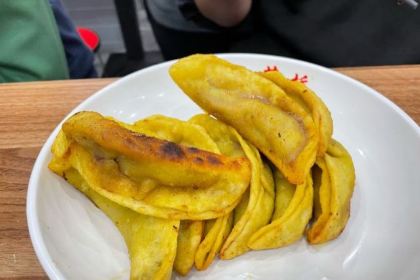
Open the lid, turn it a few more times, and finally pour out the remaining oil in the pot. Now you have a pot of beef potstickers fried to golden brown and full of beef juice. The meaty aroma is overflowing when you bite it, and the skin is particularly crispy and delicious. Delicious!
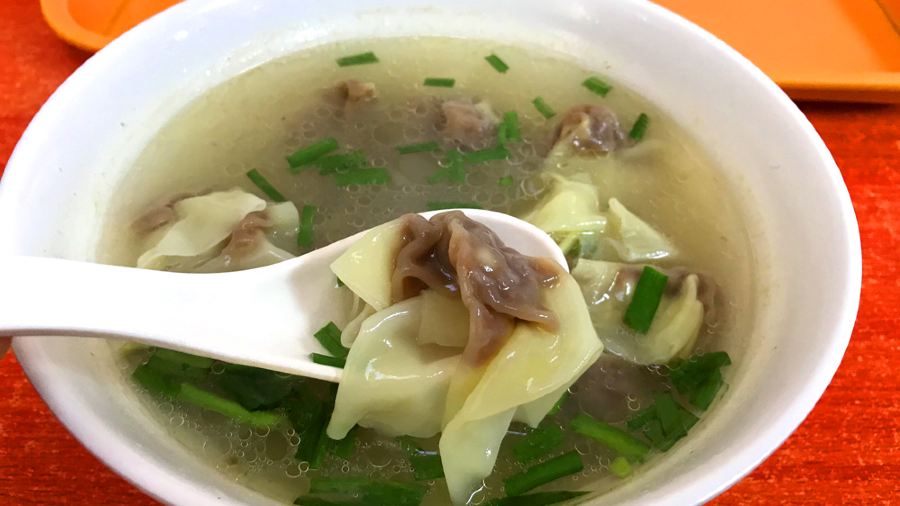
It is such a blessing to be able to eat delicious pot stickers anytime in Nanjing! Caoqiao Pot Stickers, the leader of Nanjing Pot Stickers, specially picked a non-meal time to eat pot stickers. Looking at the golden pot stickers in the pot, the happiness index is soaring. Wontons are also very delicious, with a high cost performance. A bowl of wontons can fill you up if you have a small stomach. The store is newly renovated, with more seats, which greatly reduces the waiting time~
Caoqiao Muslim Beef Pot Stickers and Dumplings Shop has been open for more than 30 years and has always been doing well. Since it was featured in "A Bite of China 2", the business has become even more popular, and there is a long queue every time you come. You can smell the aroma from a long distance when you pass by the door, and you can see the golden pot stickers covering the pan when you get closer. The aroma of beef oozes out from the golden coat, mixed with the aroma of rapeseed oil after high temperature. The taste is distinct after entering the mouth, one side is soft and tender with a little toughness, and the other side is crispy and has a burnt aroma. On the crispy side, you can still see fine cracks, and a "click" sound is transmitted from the mouth to the ears when you bite it, and it feels more and more fragrant. Using pure rapeseed oil, the pot stickers are golden and bright; the cows must be slaughtered by an imam (hōng is translated as master) and made with meat of the day. Do not add too much water and seasoning to taste the original flavor of the beef.
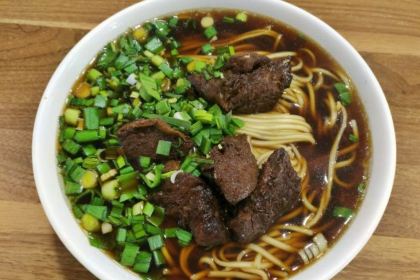
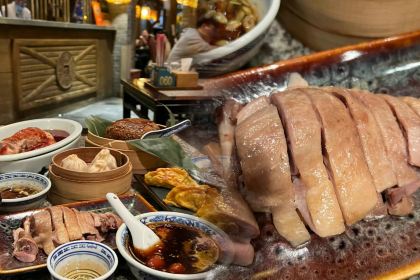
Qijiawan used to be a Hui Muslim settlement, so there were many beef and mutton shops. Although it was demolished on a large scale, some shops are still left. Most beef potstickers in Nanjing are named Qijiawan. Caoqiao Dumplings was once featured in the "Tianjian Erli", which is undoubtedly the best publicity. The environment is just like a fly restaurant, and the service is also up to you. Fortunately, the food is OK, and the beef fried buns are more special. The smoked beef is also good, relatively crispy and tender. I ordered a bowl of beef tripe noodles, which tasted OK.
Caoqiao Muslim Beef Pot Stickers Flatbread Shop☞ No. 11 Qijiawan is an old shop, and there is another new shop nearby, which should be a? Meishilin flavor restaurant. Caoqiao Beef Pot Stickers was used as the filming location for A Bite of China 2. Many diners who come here are from other places. The unique aroma of rapeseed oil gives the beef pot stickers a unique taste. The slightly cracked skin is crispy and the beef filling is delicious. The beef pot stickers just out of the pot are especially delicious. The beef pan-fried buns are also filled with marinade, which feels slightly better than beef pot stickers. With a bowl of beef vermicelli soup, it is delicious. The store sells fresh beef, and many diners come to buy it early in the morning. There are also homemade braised beef products for sale.
Bianshi generally refers to wontons from Fujian and other regions. Wontons are commonly called wontons in northern China and much of southern Jiangsu and Zhejiang. Different names are used in different parts of the south, including chao shou in Sichuan, bao mian in Hubei, and baofu in southern Anhui. In Fujian and central Jiangsu, they're called bianshi. In Guangdong, where the word "wonton" is less common, it's often called "yun tun" (wonton) in Cantonese. The English word "wonton" originates from Cantonese.