Old Split
 based on 3,436 reviews
 No. 5 of Best Things to Do in Dalmatian coastal
Open Opening hours of Old Split
Old Split attraction highlights
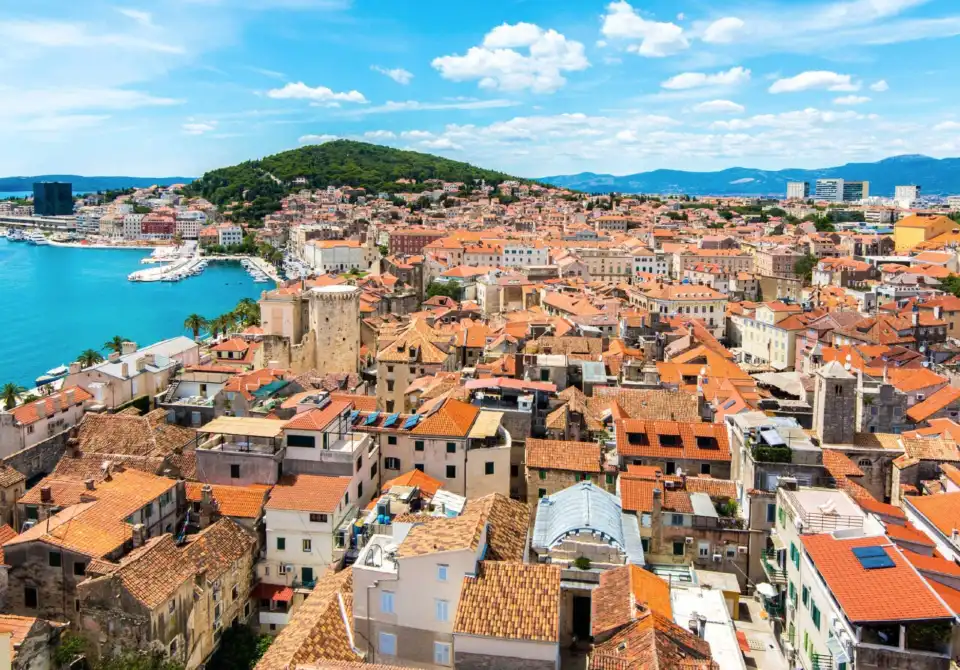
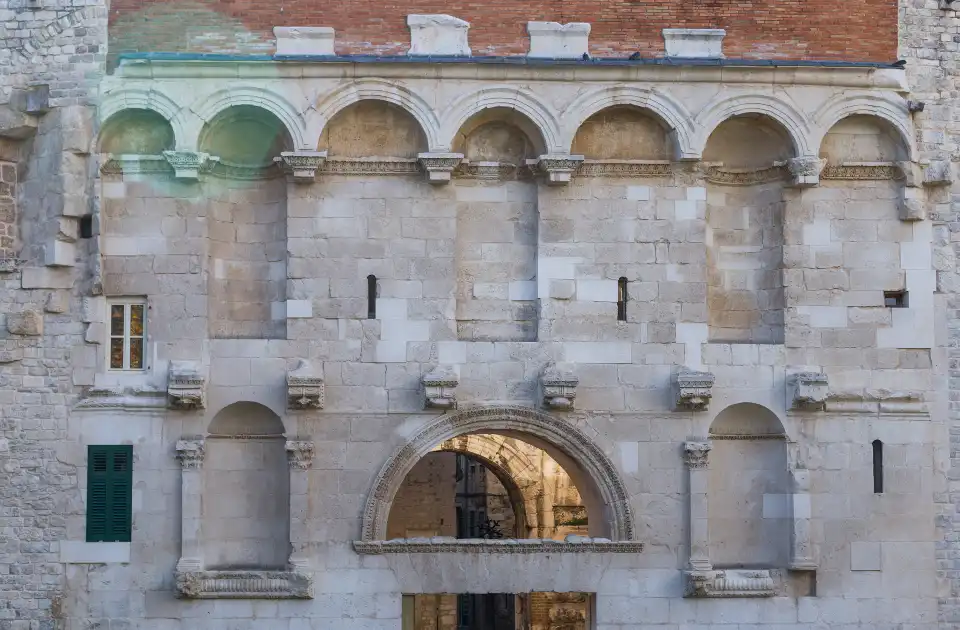
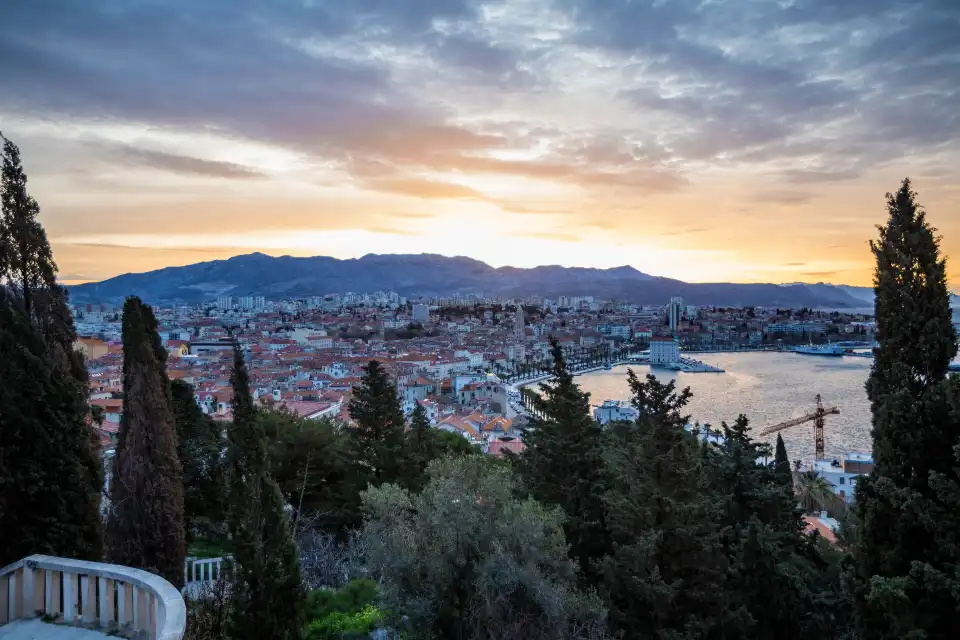
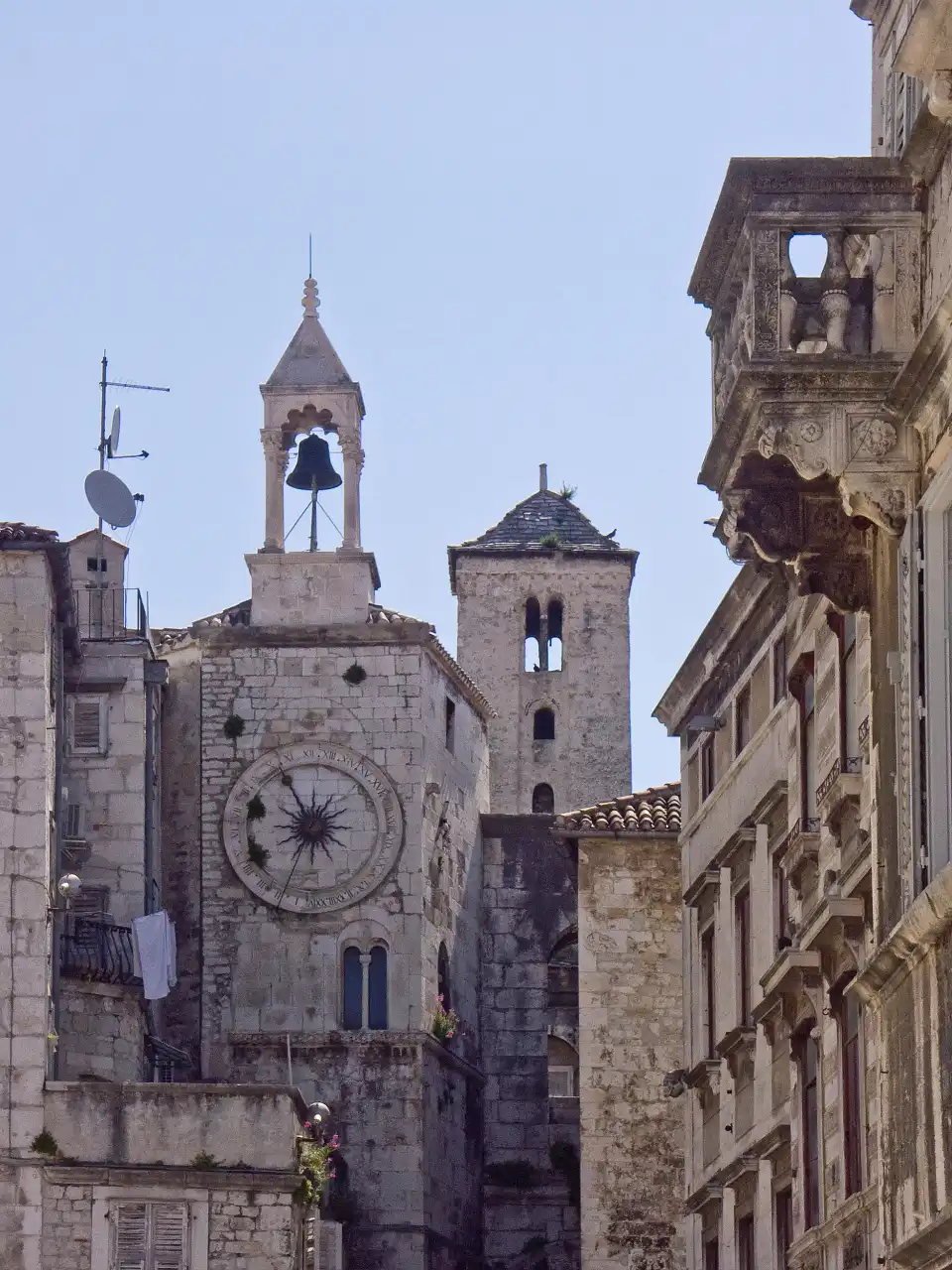
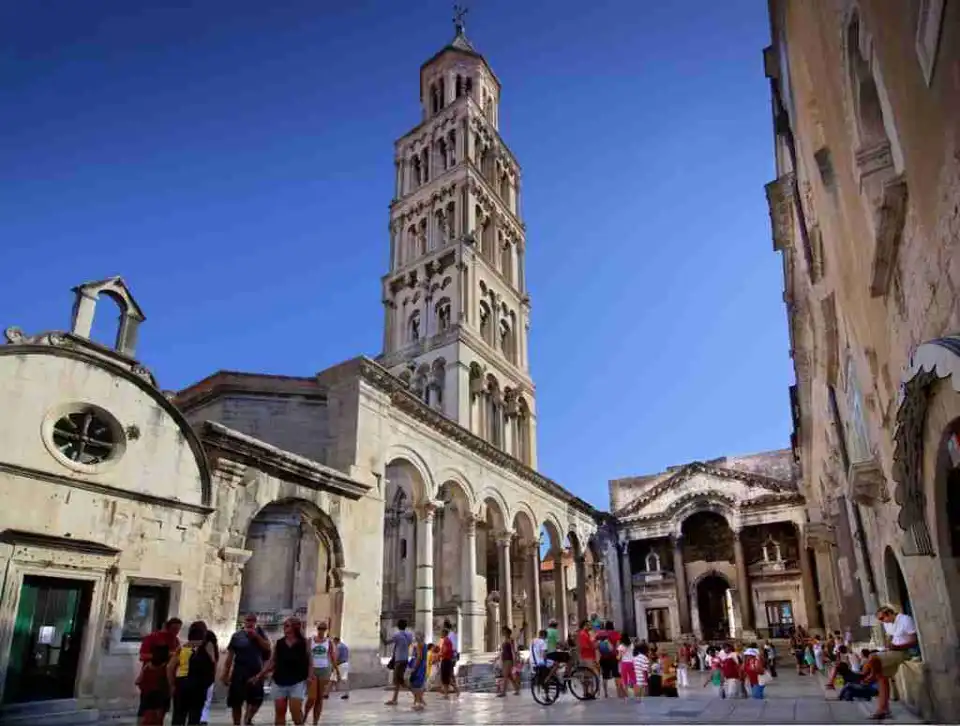
Old Split is located on the Dalmatian coast of Croatia, on the eastern shore of the Adriatic Sea, and is the birthplace of the entire city of Split. What makes it special is that the old town "grew" out of the fabric of a Roman palace: approximately 1,700 years ago, after the Roman Emperor Diocletian abdicated, he built his residence here. In the 7th century, when the nearby ancient Roman city of Salona was destroyed by war, refugees moved into the thick walls of the palace to settle, and a city thus took root within the palace walls. Today, Diocletian's Palace still occupies about half of the old town's area. Thousands of residents live within the palace walls, where cafes, restaurants, and small shops are squeezed under the same roofs as ancient Roman foundations and colonnades. It is less of a ruin and more of a "living" Roman palace city. The highlights of the visit are concentrated in the core area of the palace: the Peristyle was the square in front of the main hall at that time, surrounded by stone columns. Beside the steps lies an Egyptian black granite sphinx that is even older than the palace, an antique that Diocletian brought back from Egypt; the Emperor's Mausoleum was later converted into the Cathedral of Saint Domnius, with a Romanesque bell tower standing beside it, while Jupiter's Temple became the baptistery of the cathedral; the vaulted halls of the palace cellars are well-preserved, and the deep passages were used as a filming location for the city of Meereen in the TV series "Game of Thrones," making it a popular spot for fans to visit; the four gates named after metals—the Golden Gate, Silver Gate, Brass Gate (Porta Aenea), and Iron Gate—serve as natural landmarks for orienting yourself while walking through the old town. If you encounter Klapa singers performing a cappella under the dome of the Vestibule, the a cappella harmonies echoing off the stone walls will be an unforgettable moment in the old town. The old town is also dotted with museums such as the City Museum and the Ethnographic Museum, with collections ranging from Roman stone carvings to folk costumes; every summer, the Split Summer Festival, which has been held since the 1950s, turns open-air venues like the Peristyle into stages, with operas, plays, ballets, and concerts performed in rotation. When you are tired of walking, you can go to the Riva promenade on the south side of the palace to enjoy the sea breeze and watch the cruise ships come and go. The alleys of the old town are narrow, and walking inside feels like a maze. Wandering through them casually makes it easy to stumble upon courtyards and small shops hidden in corners. In the early morning and evening, there are relatively fewer tourists, allowing you to better experience the daily atmosphere of this ancient city.
