Vienna Travel Guide 2026: Top Attractions, Things to do & Itinerary | Trip.com | February 2026
About Vienna
Recommended trip: 2–4 day(s)
Recommended trip: 2–4 day(s)Current weather conditions
 12°C
12°CVienna Local Experiences Map






Trending in Vienna
Vienna Local Travel Guide 2026
Vienna Brief Guide
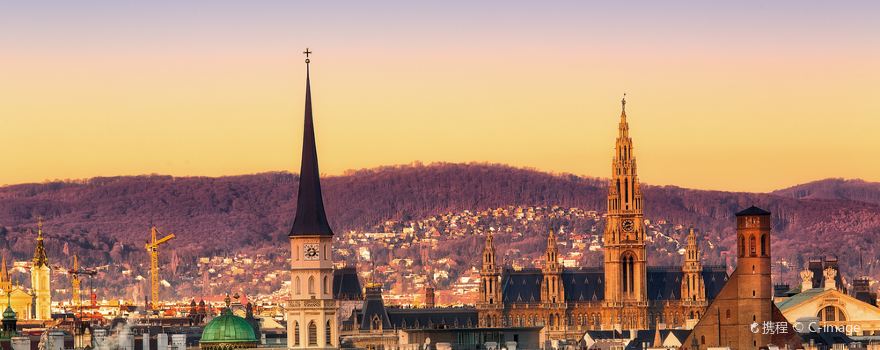
Vienna, Austria’s capital, is a cultural gem renowned for its imperial history, classical music heritage from composers like Mozart and Beethoven, stunning architecture including the Hofburg and Schönbrunn Palaces, and vibrant coffeehouse culture. As a UNESCO World Heritage site for its historic center, it blends Baroque elegance with modern art scenes and green spaces. Plan your perfect Vienna visit with our guide.
Vienna Must-try local experiences
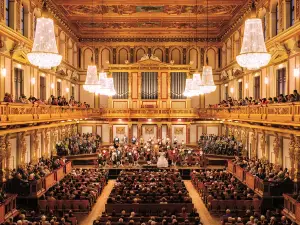
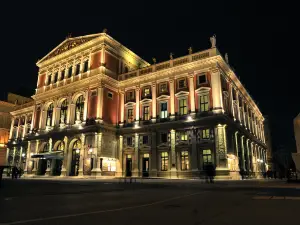
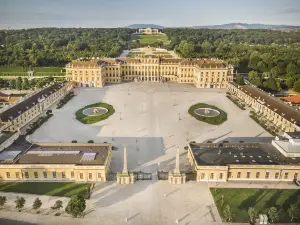
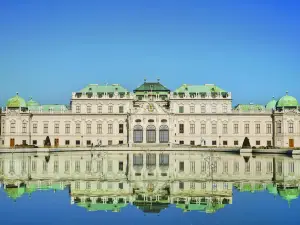
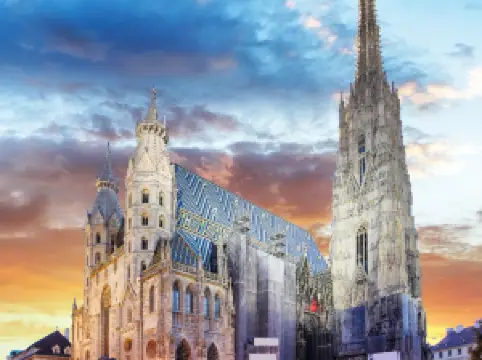
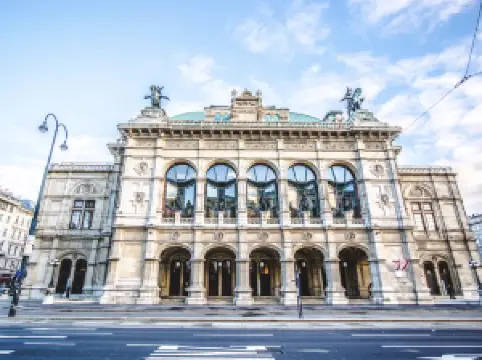
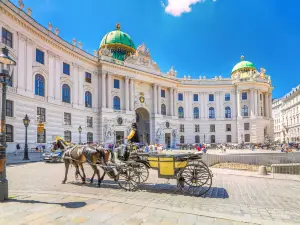
1. Immerse Yourself in Imperial Grandeur Explore Vienna's imperial past by visiting Schönbrunn Palace, the Habsburgs' summer residence, and Hofburg Palace, their winter residence. Don't miss the South Tower of St. Stephen's Cathedral for breathtaking city views. Wander through Vienna's historic center, a UNESCO World Heritage site, to see landmarks like St. Stephen's Cathedral, the Hofburg Palace, and the Spanish Riding School. 2. Stroll Through Belvedere Palace Visit the Belvedere Palace, a baroque masterpiece housing an impressive art collection, including works by Gustav Klimt. The palace gardens offer beautiful views of the city. 3. Discover the MuseumsQuartier Explore the MuseumsQuartier, one of the largest cultural complexes in the world, including the Leopold Museum and the Museum of Modern Art. 4. Experience the Vienna State Opera, Watch a Show at Goldener Saal Wiener Musikverein Attend a performance at the Vienna State Opera, one of the world's leading opera houses, known for its stunning architecture and world-class performances. In addition, Goldener Saal Wiener Musikverein is one of the oldest music halls in Vienna; and if lucky, you can enjoy a Vienna New Year's concert. 5. Experience Viennese Coffee Culture Indulge in a traditional Viennese coffee experience at renowned cafes like Café Central or Café Sacher. Savor a cup of Wiener Melange and pair it with a slice of Sachertorte. 6. Revel in the Festive Spirit of Vienna Experience the magic of Vienna's Christmas markets from late November to December. For a summer highlight, attend the Vienna Philharmonic Summer Night Concert at Schönbrunn Palace. 7. Sample Viennese Culinary Delights Indulge in traditional Viennese dishes like Wiener Schnitzel, Tafelspitz, and Apfelstrudel. Pair your meal with a glass of local wine or a traditional Viennese coffee. 8. Discover Treasures at Viennese Markets and Shops Explore the bustling Naschmarkt for food, spices, and souvenirs. For elegant shopping, head to Graben and Kohlmarkt streets, home to luxury boutiques and flagship stores. 9. Explore the Danube River Take a leisurely boat trip along the Danube River and enjoy scenic views of the city. Consider a cruise to the Wachau Valley, known for its vineyards and castles.
Vienna Must-see Attractions
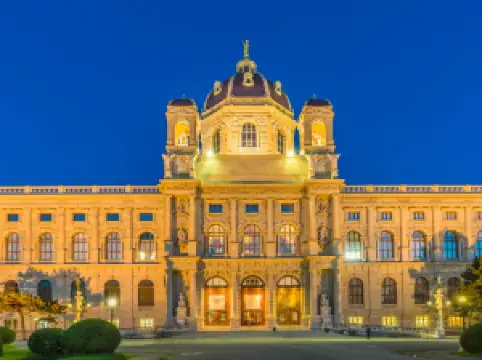
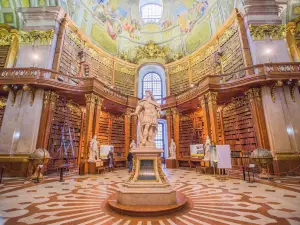
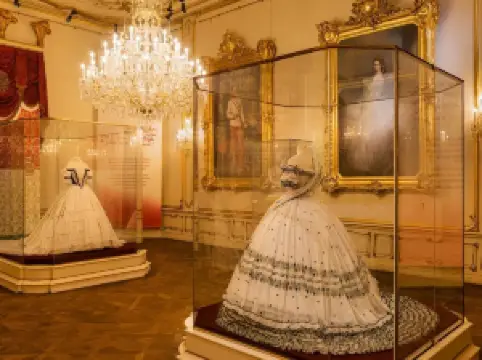
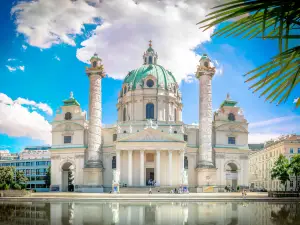
Vienna, the capital of Austria, is a city steeped in imperial history and cultural richness, boasting landmarks like the UNESCO-listed Schönbrunn Palace, the acoustically renowned Musikverein, the historic Hofburg Palace complex, the art-filled Belvedere Palace, and the esteemed Kunsthistorisches Museum, each offering visitors a unique glimpse into the city's grand past and artistic legacy.
Vienna Food Guide
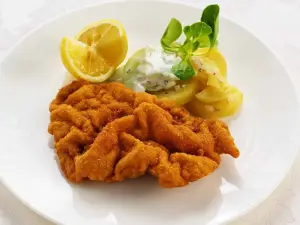
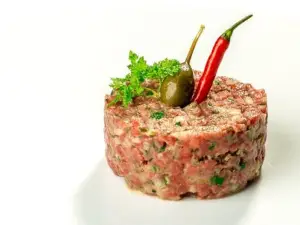
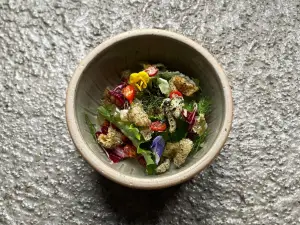
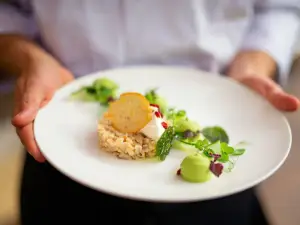
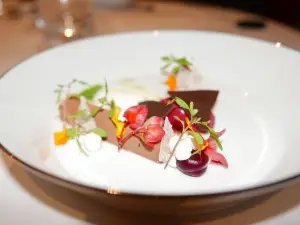
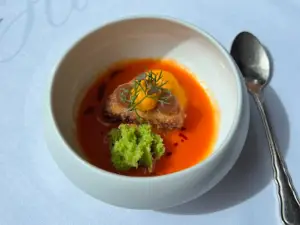
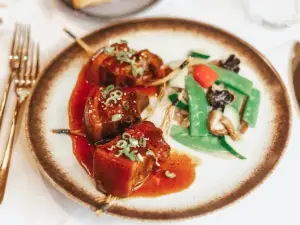
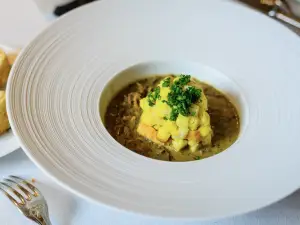
Vienna's food scene is epitomized by its iconic Wiener Schnitzel, a breaded and fried veal cutlet, and the Schnitzel Wiener Art, a local variation using pork, turkey, or chicken, both reflecting the city's rich culinary traditions and diverse taste preferences.
Vienna Transportation
Vienna is well-connected by air, train, or bus, with seamless links to the city center from its airport and main stations. By Air: Vienna International Airport (VIE), 18 km (11 miles) southeast of the city, handles most international and domestic flights. To City Center - City Airport Train (CAT): A non-stop express train takes approximately 16 minutes to reach Wien Mitte station and operates every 30 minutes. The first train to the airport departs at 5:37 AM, and the last train leaves at 11:07 PM. From the airport, the first train departs at 6:07 AM, with the last train at 11:37 PM. Tickets can be purchased online, at ticket machines, or via the CAT app. - S-Bahn (S7): A local commuter train operates to Wien Mitte and other central stations, taking around 25 to 30 minutes. Trains run every 30 to 37 minutes from approximately 4:06 AM to 12:36 AM. This service integrates with Vienna's public transport tickets, which can be purchased at ticket machines or through the Wiener Linien app. - Buses: Vienna Airport Lines (VAL) operates three routes: - VAL1: This route runs 24/7, connecting Vienna Airport to Vienna Westbahnhof and Vienna Main Station. Every 30 minutes, except between 00:30 and 02:30, when there's only one bus at 01:30. - VAL2: Operating every 30 minutes from 3:30 AM to 11:30 PM, this route takes passengers to Morzinplatz/Schwedenplatz. - VAL3: This route runs hourly from approximately 4:58 AM to 7:58 PM, serving the Donauzentrum. Tickets can be purchased online, at ticket machines, or directly from the bus driver. The buses provide comfortable seating and have ample luggage space. - Taxis: Readily available at dedicated ranks, expect to pay approximately €35 to €65, depending on the vehicle type, destination within the city, and traffic conditions, with some special fixed-price airport taxis starting from around €27 to €29 for a sedan. Standard metered taxis can cost more during off-peak hours and on holidays, so confirming the price with the driver or using a taxi app for a fixed rate is recommended. By Train: Wien Hauptbahnhof, the central station, offers high-speed connections from Munich (4 hours), Budapest (2.5 hours), Prague (4 hours), and other European cities via ÖBB or operators like RegioJet. Tickets can be purchased online or at the train station. By Bus: Vienna International Busterminal (VIB) at Erdberg or Hauptbahnhof serves international coaches like FlixBus or RegioJet from Bratislava (1 hour), Zagreb (6 hours), and other destinations.
Vienna Where to Stay
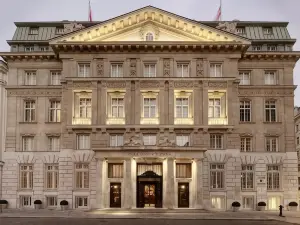
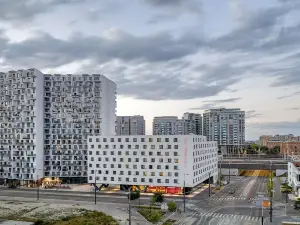
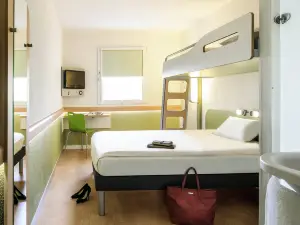
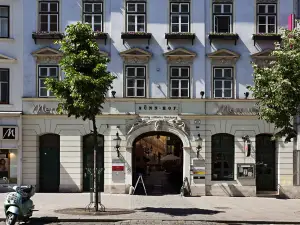
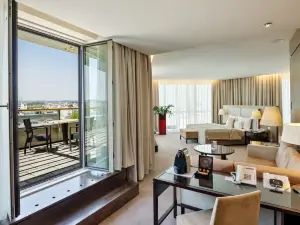
Vienna, the capital of Austria, is a city that seamlessly blends imperial traditions with contemporary creativity, making it a top destination for travelers seeking culture, history, and modern amenities. The city's accommodation options are distributed across various districts, each offering unique characteristics and experiences for visitors.
Vienna Best Time to Visit
Vienna’s cultural charm shines year-round, but the best periods balance pleasant weather, unique events, and manageable crowds. Late April to early June and mid-September to mid-October offer ideal conditions for exploring palaces and parks, with vibrant festivals and fewer tourists. December stands out for its magical Christmas markets and festive atmosphere, despite colder weather.
Vienna Travel Tips
1. St. Stephen's Cathedral Tower Climb Tips: Climbing the South Tower of St. Stephen's Cathedral involves 343 narrow, winding steps. It's physically demanding and not suitable for young children or those with mobility issues. The climb offers stunning views of Vienna from the watchman's lookout room. 2. Greetings and Politeness: Austrians value politeness. Always greet shopkeepers when entering and leaving stores with 'Grüß Gott' (hello) and 'Auf Wiedersehen' (goodbye). Use formal titles like 'Herr' and 'Frau' when addressing people. 3. Respect No-Photography Signs: Certain attractions, like the Belvedere Gallery and Schönbrunn Palace, have areas where photography is prohibited. Always respect these signs to avoid fines. 4. Jaywalking is Illegal: Cross streets only at designated crosswalks and wait for the green signal. Jaywalking is illegal and can result in fines. Police enforce this law strictly, even on quiet roads, and you may also be reprimanded by locals.
Vienna Useful Guide
German is the primary language, spoken with an Austrian dialect. English Usage: English is commonly used in tourist areas, hotels, restaurants, shops, and transportation hubs. Navigating is easy with English, as most signs and menus are bilingual.
Trip.Best: Vienna

Things to do in Vienna
What to do
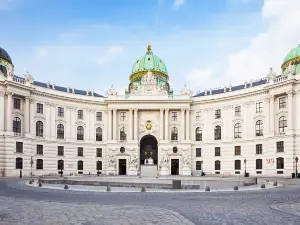
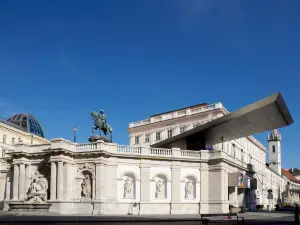
Where to stay
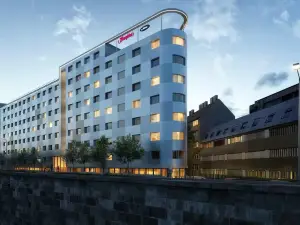
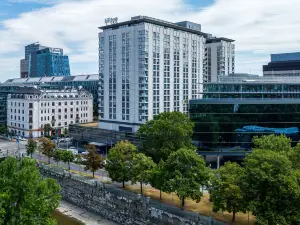



What to eat



Vienna Moments: Through Travelers' Eyes
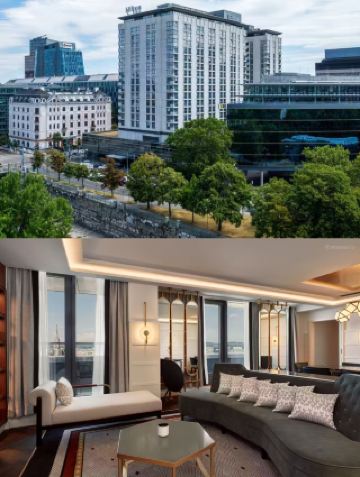
Step into the music capital where greenery and elegance intertwine

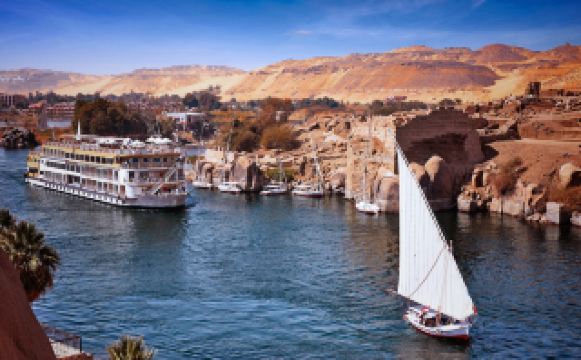
AmaWaterways is Fascinating


Top 10 Austrian Ski Resorts for Enjoying Silky Powder Snow


Park Hyatt Vienna: A Modern Interpretation of Austrian Imperial Elegance


Speechless from the healing! Alps + Lakeside Town, Austria's Hidden Travel Guide

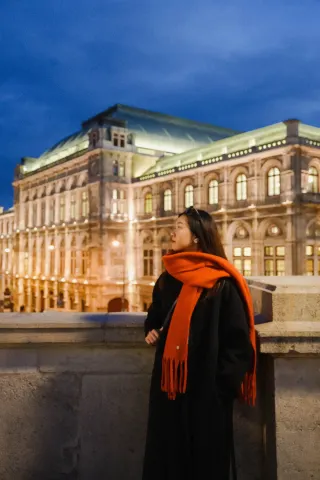
Austria Photoshoot|Red is the Perfect Match for Christmas!

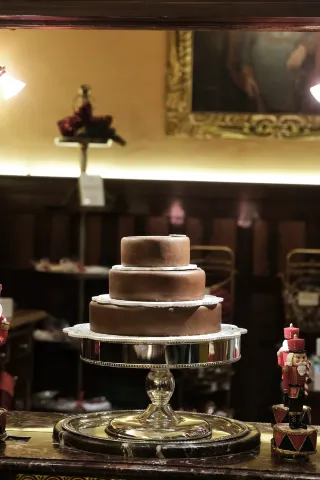
Vienna's Christmas superstar Demel is freezing but still going! Bookmark this!

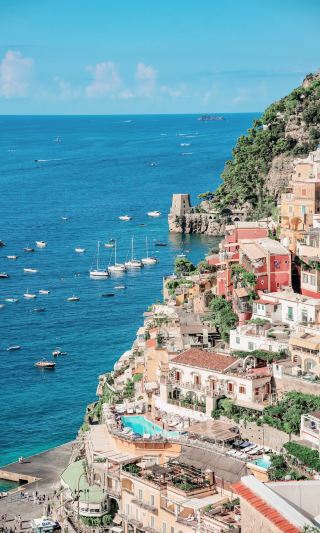
The pinnacle of European travel! An 11-day in-depth Italy guide, a double blessing of culture and romance?

Best of Vienna
Top 20 Gourmet Hotels in Vienna
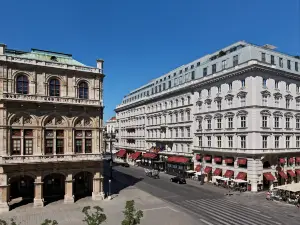
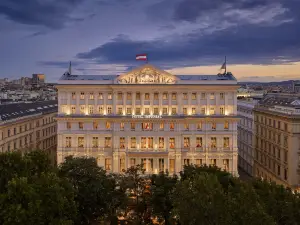
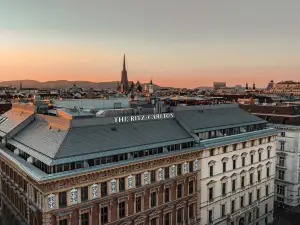
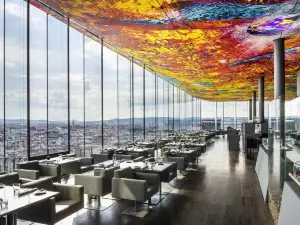

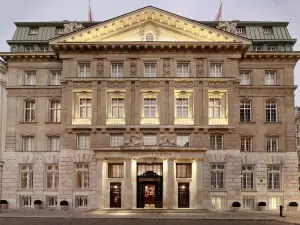
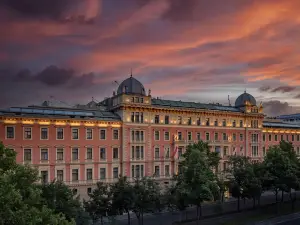

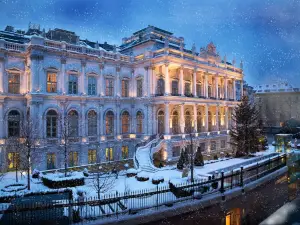
Top 20 Premium Hotels in Vienna
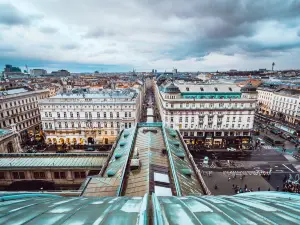
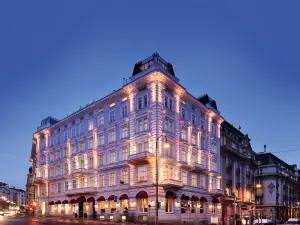

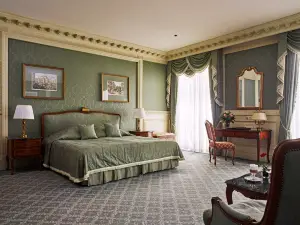
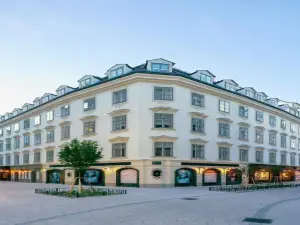
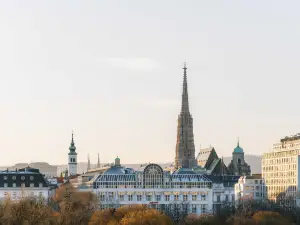
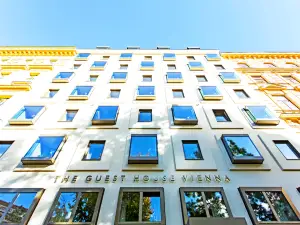
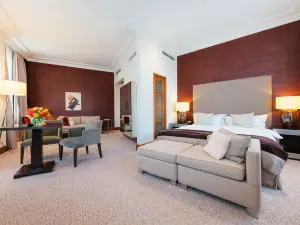

Top 20 4-Star Select Hotels in Vienna


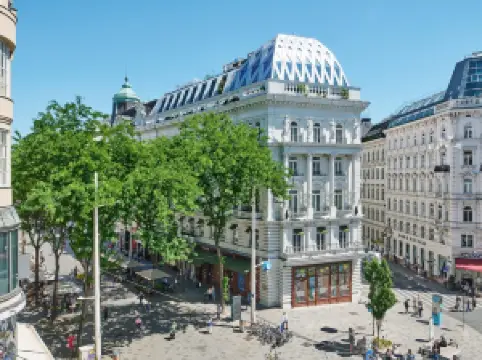
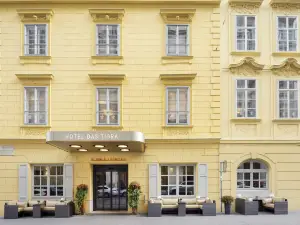
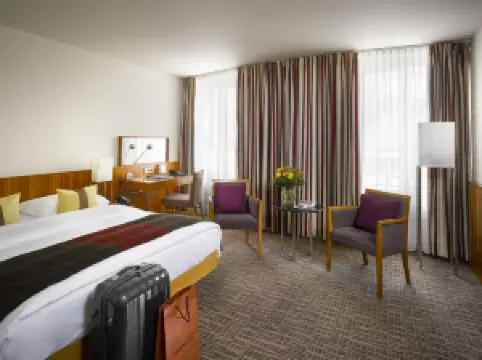
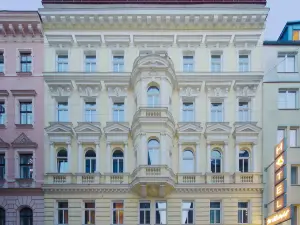
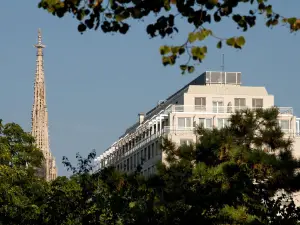
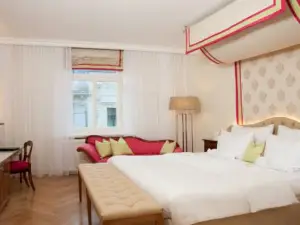
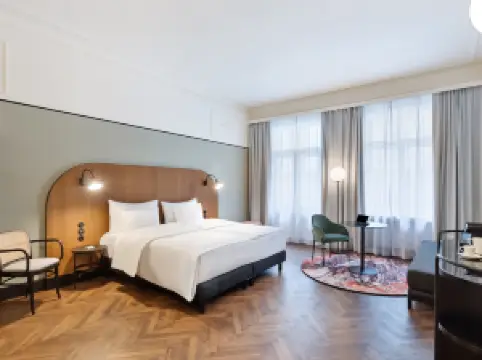
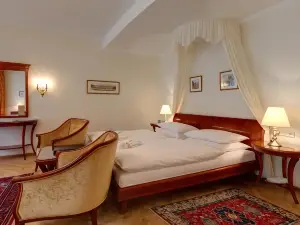

Top 50 Best Things to Do near Vienna
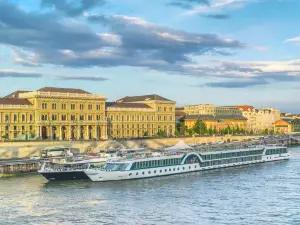
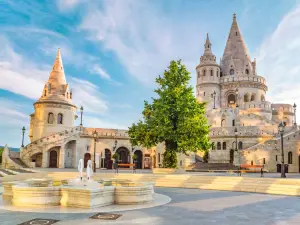
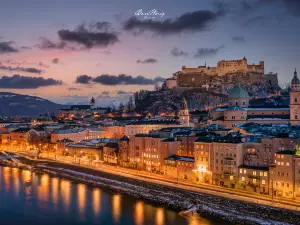

Top 10 Family-friendly Attractions near Vienna

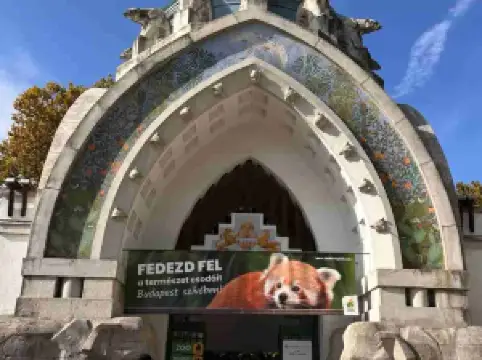
Top 20 Luxury Hotels near Vienna

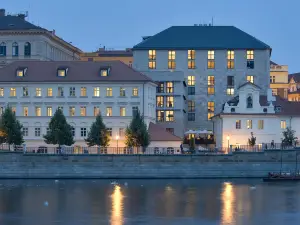
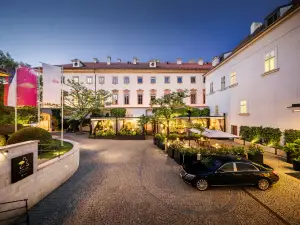
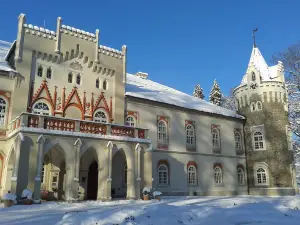
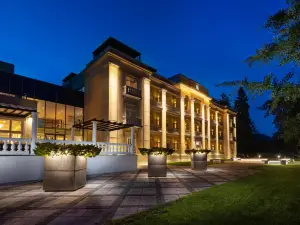
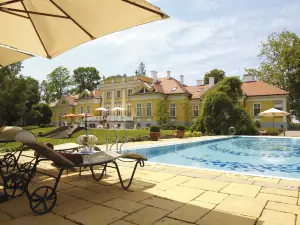
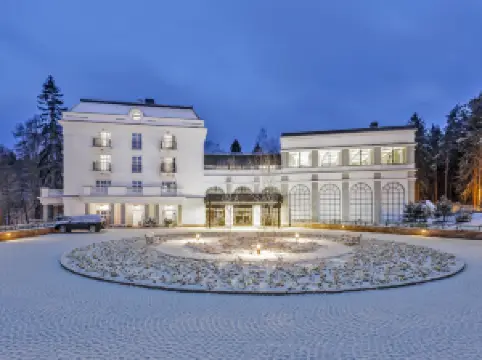

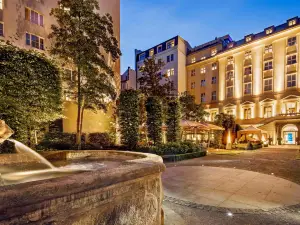

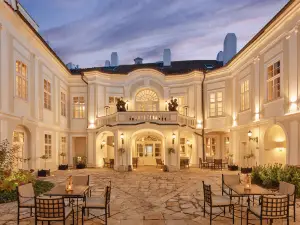
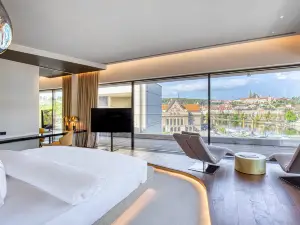
Top 20 Scenic Hotels near Vienna
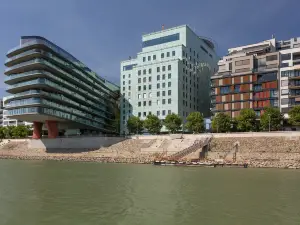
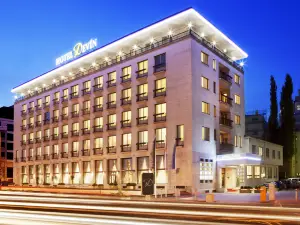
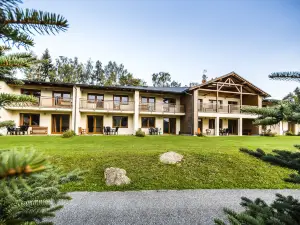
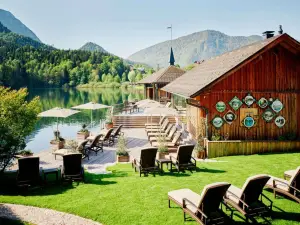



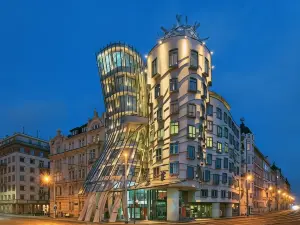
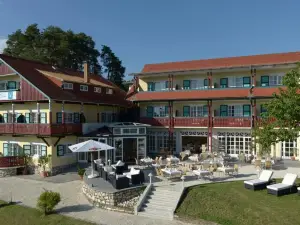
Top 50 Cultural Hotels near Vienna
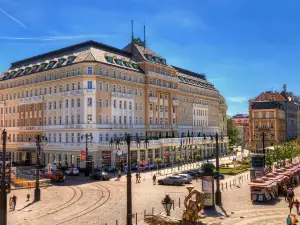
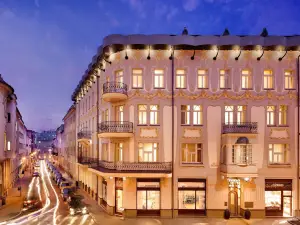
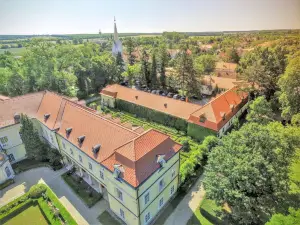
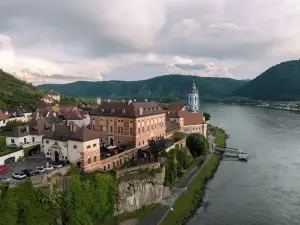

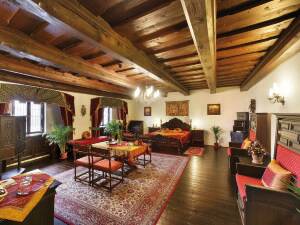
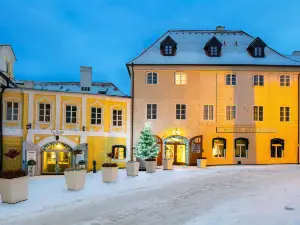
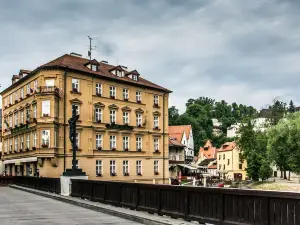
Top 10 Instagrammable Hotels near Vienna
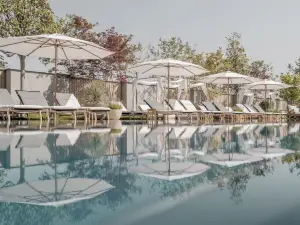
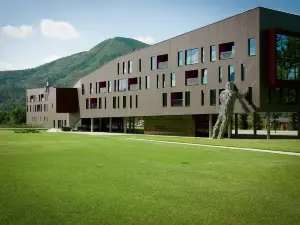
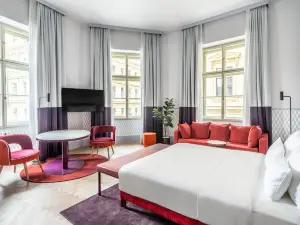
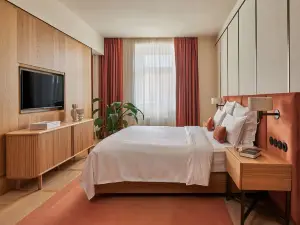
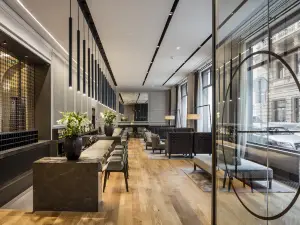

Top 10 Gourmet Hotels near Vienna


Other recommended cities
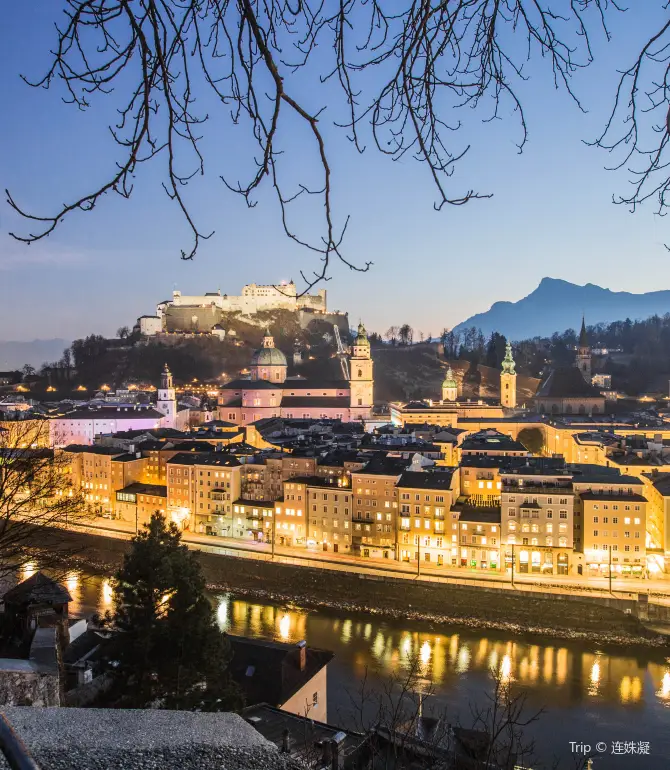
Salzburg
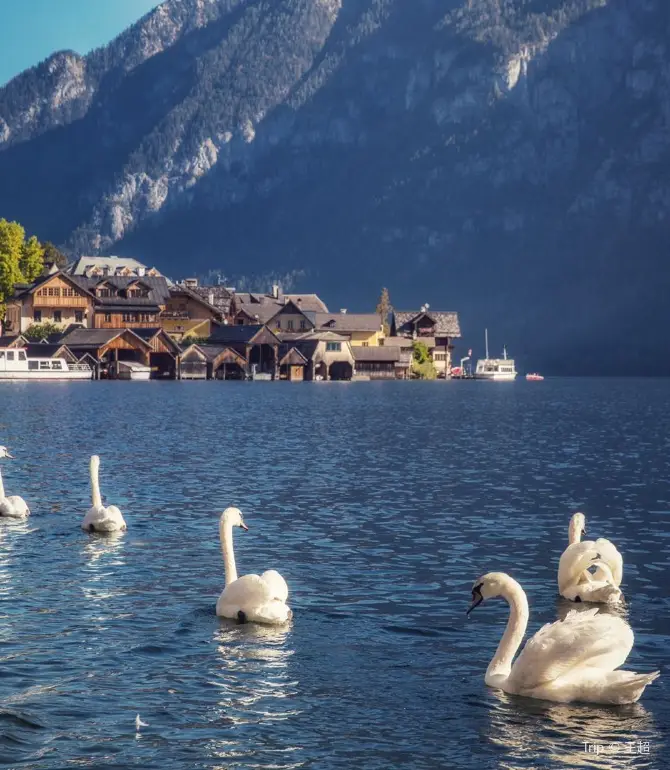
Hallstatt
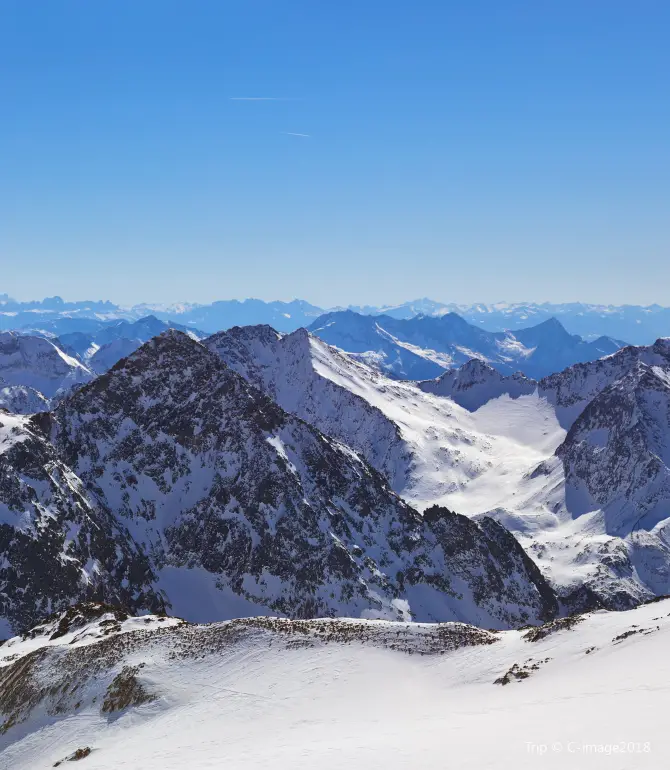
Innsbruck
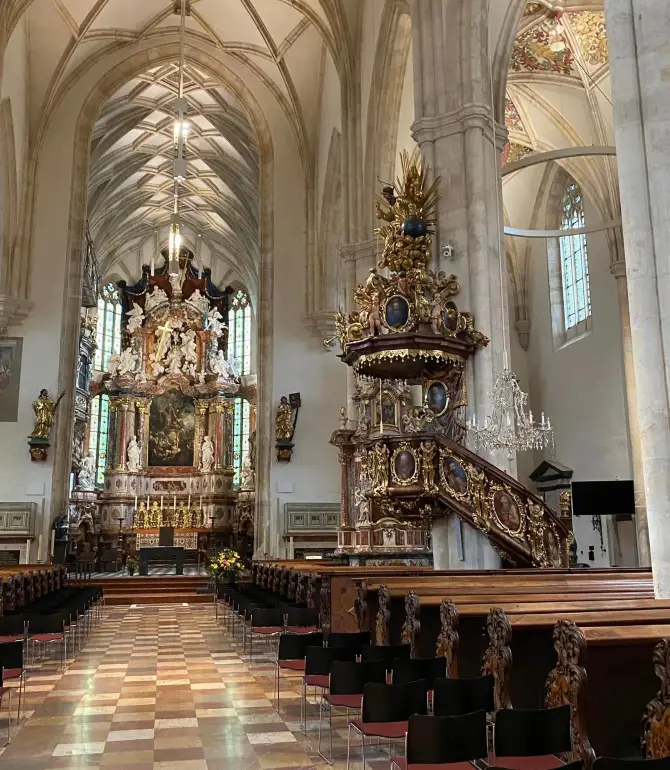
Graz
About
Site Operator: Trip.com Travel Singapore Pte. Ltd.