
Hotels near Baodingwan, Wanning
Enter your dates to see the latest hotel rates and availability.
Scroll down to see hotels
Top Hotels near Baodingwan
See all
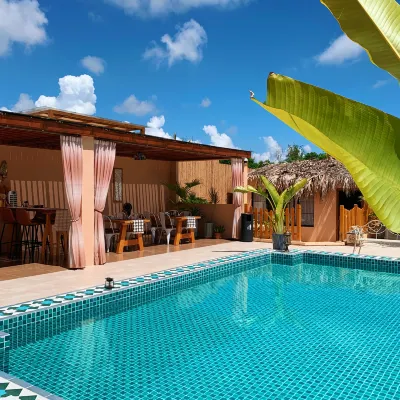
9.8/10
Perfect133 reviews4.28km from Baodingwan
 Outdoor swimming pool
 Snorkeling
From PLN 193
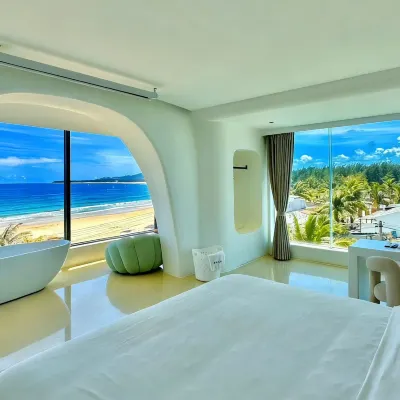
9.3/10
Very Good75 reviews4.33km from Baodingwan
 Luggage Storage
 Airport pick-up
From PLN 210
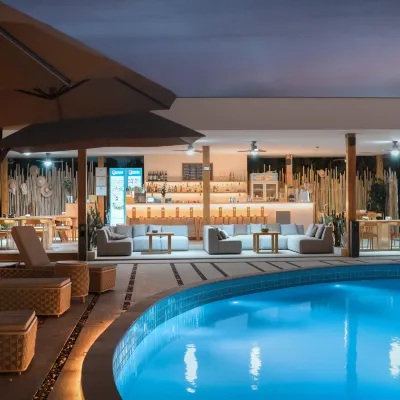
9.6/10
Excellent297 reviews4.28km from Baodingwan
Indoor swimming pool Hiking
From PLN 238
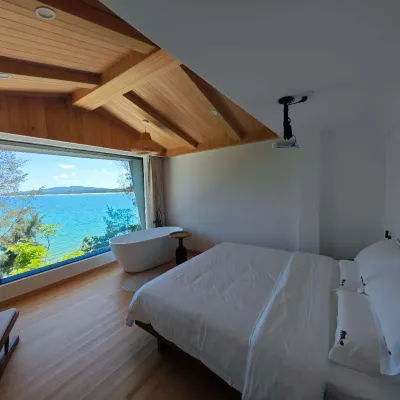
9.2/10
Very Good157 reviews4.41km from Baodingwan
 Public parking
 Car Charging Facilities
From PLN 168
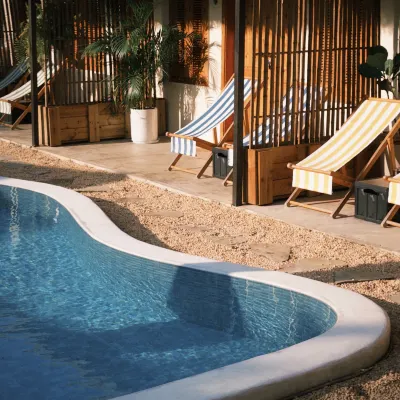
9.8/10
Perfect21 reviews4.28km from Baodingwan
Public parkingLuggage StorageFrom PLN 234
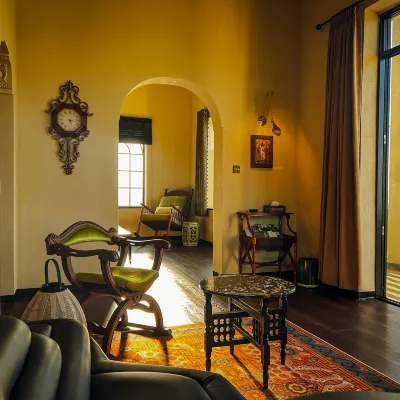

From PLN 248
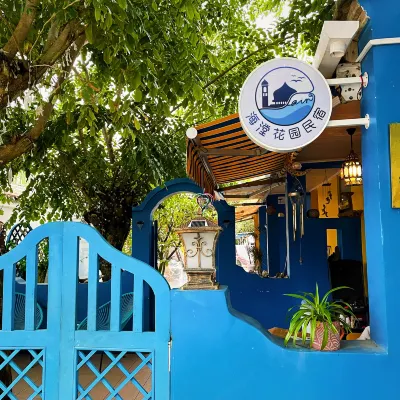
9.4/10
Outstanding69 reviews4.4km from Baodingwan
ParkingLuggage StorageFrom PLN 185
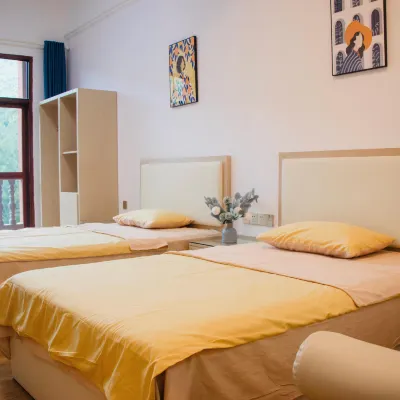

From PLN 70
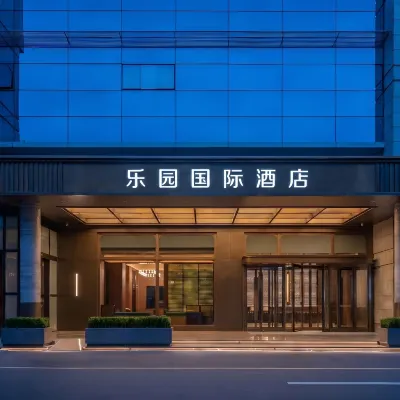
9.2/10
Very Good1722 reviews8.57km from Baodingwan
Public parkingLuggage StorageFrom PLN 73
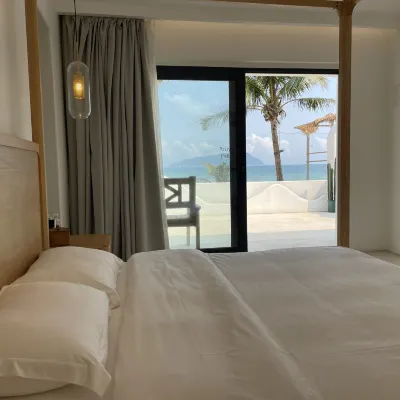
From PLN 146
See all

Premium Hotels in Wanning
See all
Discover our curated selection of premium hotels in Wanning for your next stay

No.
1

9.5/10
21763 reviewsThe Westin Shimei Bay Resort
Hotel near Shimei Bay/Xinglong Resort, Wanning
"Great for kids""Great beach"
Select dates to view prices
No.
2
9.5/10
11844 reviewsGrand Hyatt Shenzhou Peninsula
Hotel near Shenzhou Peninsula Resort, Wanning
"Delicious breakfast""Offers pick-up/drop-offs"
Select dates to view prices
No.
3
9.5/10
13885 reviewsLe Méridien Shimei Bay Beach Resort & Spa
Hotel near Shimei Bay/Xinglong Resort, Wanning
"Great for kids""Great beach"
Select dates to view prices
No.
4
9.4/10
13948 reviewsSheraton Shenzhou Peninsula Resort
Hotel near Shenzhou Peninsula Resort, Wanning
"Great for kids""Clean pool"
Select dates to view pricesNo.
5
9.2/10
12216 reviewsFour Points By Sheraton Shenzhou Peninsula
Hotel near Shenzhou Peninsula Resort, Wanning
"Clean pool""Great swimming pool"
Select dates to view pricesNo.
6
9.6/10
755 reviewsUECHAO HOTEL
Hotel near Riyue Bay, Wanning
"Delicious breakfast""Friendly front desk staff"
Select dates to view pricesNo.
7
9.1/10
5662 reviewsDoubleTree by Hilton Hainan-Xinglong Lakeside
Hotel near Shimei Bay/Xinglong Resort, Wanning
"Friendly front desk staff""Clean pool"
Select dates to view pricesNo.
8
9.2/10
1901 reviewsHoliday Inn Resort WANNING SHENZHOU PENINSULA by IHG
Hotel near Shenzhou Peninsula Resort, Wanning
"Great swimming pool""Clean pool"
Select dates to view pricesNo.
9
9.2/10
116 reviewsWanning Riyue Bay Zhonglv Zhulangyu Yue Hotel
Hotel near Riyue Bay, Wanning
"Great design""Friendly front desk staff"
Select dates to view pricesTop Pick Hotels near Baodingwan
See all
Discover our most booked hotels near Baodingwan from the last 30 days!
No.1
9.6/10
117 reviewsWanning Aoyard Homestay
Wanning | 3.97KM from Baodingwan
"Great food""Quiet & comfortable"
Select dates to view pricesNo.2
8.9/10
551 reviewsYilaideng Hotel (Wanning High-speed Railway Station City Government Branch)
Wanning City, Wanning | 8.0KM from Baodingwan
"Great value for money""Convenient parking"
Select dates to view pricesNo.3
8.7/10
103 reviewsHarbor
Wanning | 4.36KM from Baodingwan
"Great stay!""Great beach"
Select dates to view pricesNo.4
9.1/10
1444 reviewsWanning Guest Hotel
Wanning City, Wanning | 8.17KM from Baodingwan
"Delicious breakfast""Friendly front desk staff"
Select dates to view pricesNo.5
8.8/10
986 reviewsYunshang Boutique Hotel (Wanning High-Speed Rail Station Cultural and Commercial Plaza Branch)
Wanning City, Wanning | 7.31KM from Baodingwan
"Great value for money""Large rooms"
Select dates to view pricesNo.6
8.7/10
28 reviewsWanning Ningshe Hotel
Shenzhou Peninsula Resort, Wanning | 8.29KM from Baodingwan
"Good Location"
Select dates to view pricesNo.7
9.5/10
1124 reviewsVienna Hotel Wanning High-Speed Railway Station Branch
Wanning City, Wanning | 8.27KM from Baodingwan
"Delicious breakfast""Friendly front desk staff"
Select dates to view pricesNo.8
8.9/10
58 reviewsBoYa Hotel
Wanning City, Wanning | 8.74KM from Baodingwan
"Clean and tidy""Great value for money"
Select dates to view pricesNo.9
9.6/10
24 reviewsHey here hostel
Wanning | 4.34KM from Baodingwan
"Great rooms""Great stay!"
Select dates to view pricesNo.10
9.4/10
173 reviewsOrange Hotel (Wanning High-speed Railway Station)
Wanning City, Wanning | 8.31KM from Baodingwan
"Great amenities""Friendly front desk staff"
Select dates to view pricesLatest Real Reviews for Wanning hotels
See all
Read genuine traveler ratings & reviews to find your perfect stay.
Clear Sky Field-Zhang Yuanwai'Courtyard
9.8/10
Perfect
Posted on May 2, 2026
 Anonymous User
We had a wonderful two day stay. There weren’t many guests around on the dates we stayed, so it felt like we had the place to ourselves. The hotel offered a shuttle golf buggy to the beach and nearby places which was a bonus. It rained heavily while we at the beach so staff picked us up in a car.
I have already recommended the hotel to a friend!
Staff: Friendly, helpful and attentive.
Breakfast: Fresh and healthy, served in the outside coffee/bar summer house.
Afternoon Tea: Tasty fruit, fresh juice, local biscuits.
Hotel surroundings: The garden is planted thoughtfully and kept tidy. It was nice to have the open covered seating area to rest and read a book. The furniture is good quality and comfy. Swimming pool is a nice size and clean apart from some surface bugs. (it’s not easy to keep all flies/insects out off the pool in a hot place)
Dog friendly hotel, the owner’s puppy was super cute!
Room: Super view over the mountains. Large balcony. Furniture, towels, toiletries and bedding all high quality. Decor tasteful and modern. Everything felt reasonably new and in good repair.
Surrounding area: Quiet village, plenty of places to eat or get coffee.
Only cons: Coffee is not included as standard with the breakfast.
When it rains the cushions on the balcony’s outside furniture oget wet so you can’t sit on them for some time.
I personally didn’t like that you could see into the ground floor rooms from the outside seating and sunbathing areas.
Price per night from:PLN 346
De Vivre Daizhai Hotel(Riyue Bay)
9.7/10
Excellent
Posted on Jan 5, 2026
kangboa
I set aside two days during the New Year's Day holiday to explore Riyue Bay and stumbled upon this place, 'Dai Zhai'. Its 'chill' vibe instantly appealed to me, someone who loves to just relax and unwind during holidays, so I decided to check it out.
The drive along the country road to the very end at the foot of the mountain was quite a revelation – the overall Mediterranean style was stunning. Stepping into the courtyard, every detail showcased the owner's meticulous care: dining tables by the fields, rattan lounge chairs, a bar hut, a European fountain, and a swing under a tree. It was simply perfect.
Food-wise, I had three meals here: afternoon tea, breakfast, and an à la carte lunch. From the ingredients to the presentation and taste, everything was thoughtfully prepared, and the service was excellent.
Regarding the rooms, there are 22 in total across three floors. The room design is simple and elegant, exactly my style. The use of Jurlique toiletries was another huge plus! The ambiance created by the outdoor pool on the first floor and the surrounding greenery made me feel like I was back in the South of France – absolutely loved it!!
On my second day, I had the pleasure of meeting the owner and her vibrant, beautiful mother. Through our conversation, I learned that every step of this guesthouse, from initial concept to final execution, involved immense dedication. The designer is Spanish, which explains why the Mediterranean theme is so perfectly realized.
In conclusion, I'm confident I'll be back, and I highly recommend it to everyone – a refined guesthouse not to be missed!
Price per night from:PLN 283
Wanning Shiqi Homestay (Wanning Shenzhou Station)
9.6/10
Excellent
Posted on Mar 28, 2026
Guest User
I was amazed by this homestay when I first came to Wanning. I originally planned to make do for one night, because I wanted to travel around China and save some money for accommodation, so I found this homestay for more than 100. It is also close to Wanning Shenzhou Station. There is also a pick-up service. Who knows that I just arrived at the homestay. The boss gave me a free upgrade to the room type with a bathtub. It is no exaggeration to open the room. The 40 ㎡ big room is bigger than the house I rented when I worked in Hangzhou, and it was very clean at first glance. There are three windows. The scenery outside the window is also good, and the scenery in the courtyard is good. That night, I sat on a swing and blew the wind. I started my play guide in Wanning the next day. Then I took a bath in the bathtub at night. There is a disposable bathtub belt. Don’t worry about hygiene. The big bathtub is not like it. My tall and fat body also feels very wide in it. Yu, in addition, there is a projector in the room, the toilet is a smart toilet, the shower is also very clean, the next morning I directly renewed the lease for one day (but the price has risen a little, regretting that I didn’t book two nights directly), I rented an electric car with the boss, and the homestay user can rent it for 30 yuan for a whole day. The boss intimately told me. If I go to Riyue Bay, I may have to charge on the road. I finally tried it. I went from the B&B to Shenzhou Peninsula to Shimei Bay to Riyue Bay. I finally returned. I went to the Shenzhou Peninsula Night Market at night. I can still return. There are still a lot of electricity. Because of the surfing that day, my hand was scraped by the deck. I asked the boss to find me band-aid. I didn’t have to worry about blistering on my feet. There was needle and thread. I rushed to Lingshui’s high-speed rail the next morning. The boss also drove me to the station. I am really grateful and very happy. I am here in the off-season. 100-200, I don’t know if the price will change later, but my experience is really good. This is the first time I recommend someone else to live in a homestay. At the same time, I also want to make a few suggestions for improvement. First of all, the air conditioner. I always feel that the cooling is too slow. I can’t feel any cool breeze, although there is coldness, Later, I asked the boss and said that it was blowing up. It may also be that the room is too big and the cooling is slow. This is the place I think can be improved. In addition, the toilet is half separated from the shower. It feels like a sliding door can be made. Otherwise, the front of the toilet will still splash. Water, the last point is the washing machine, If you are bigger and stronger later, you still hope to add a washing machine in the room, otherwise such a big room is too wasteful, or you can add some other facilities, of course, the premise is that there is economic strength, hahaha, in short, very good, highly recommended!
Price per night from:PLN 106
UECHAO HOTEL
9.6/10
Excellent
Posted on Aug 24, 2026|Garden View Room Twin Bed
Guest User
The room was spacious, comfortable, and not damp. The bedding was also quite cozy. However, it suffers from a common hotel issue: poor soundproofing. Especially since there's a high-speed rail line right behind the hotel, and we were in the last row of rooms. When the high-speed train passed by, the noise was quite significant, though the hotel did provide earplugs. There aren't many amenities around the hotel, and it's a bit far from the beach, requiring a bike or car to get there. The surf pool was great, and the coaches were patient. The price was reasonable, and it felt very safe for beginners. I'd recommend trying it multiple times.
Price per night from:PLN 259
RIYUE Bay ROOTS Guesthouse
9.5/10
Outstanding
Posted on Feb 10, 2026
Guest User
I recently stayed here as a Belgian Chinese traveler, and even though my Chinese isn’t very strong, I was welcomed with so much warmth. This hostel is a true hidden gem, tucked away from the typical tourist trails in a quiet part of the village. It’s the perfect location: right by the fields and some very trendy coffee shops, yet only a 5-minute scooter ride from the main bay and the best surf spots.
The owners, Shuiku (水库) and Xiaoxiao (笑笑), really made my trip. Shuiku immediately helped me sort out a scooter and personally showed me where to find the best waves, while Xiaoxiao’s English is quite good, which made everything so much easier. They also pointed me toward some local restaurants that were all absolutely delicious.
The vibe of the place is just great. It’s incredibly clean because the cleaning lady and Shuiku himself clean the place several times a day. I loved the design of the indoor chill-out area, though sitting outside to enjoy the tropical weather was just as good. There’s a washing machine which is super handy, and you can rent surfboards for a very fair, cheap price.
Because the owners' friends drop by almost daily, there’s always a lively, authentic atmosphere. I met a great mix of foreign tourists and Chinese solo travelers trekking around the island by bike or motorcycle. Many Chinese couples and families where staying too, it is very kid-friendly too. I even ended up meeting a French girl there, and we spent a whole week surfing together. If you're looking for a peaceful yet social spot to surf, this is it.
===========================================================
(抱歉,我使用的是翻译软件,如果有语法错误请见谅。)
我是一名来自比利时的华裔,虽然我的中文说得不太好,但在这里我感受到了极其热情的款待。这家青旅真的是一个宝藏地,它远离了那种商业化的旅游路线,坐落在村子里一个非常安静的地方。过马路就是田野和几家非常时髦的咖啡馆,位置绝佳:既能享受安静,骑摩托车去海湾和冲浪点也只要5分钟。
老板水库 (Shuiku) 和老板娘笑笑 (Xiaoxiao) 人真的太好了。水库二话没说就帮我搞定了租摩托车的事,还亲自带我去看了最好的几个冲浪点。笑笑的英语说得挺流利,这对沟通帮助很大。他们推荐的几家餐厅也全都超级好吃,完全没有踩雷。
青旅的环境没得说,非常干净,我看到保洁阿姨和水库每天都会打扫好几次。室内休息区的设计感很强,在那儿待着很舒服,或者在院子里享受海南的好天气也很惬意。这里还有洗衣机可以用,冲浪板的租借价格也非常公道。
最让我喜欢的是这里的氛围。老板的朋友们经常过来串门,所以感觉特别亲切、有生活气息。我在这里遇到了很多外国游客,还有不少骑自行车或摩托车环岛的中国驴友。我甚至还结识了一位法国姑娘,我们俩一起冲浪了一整个星期。很多中国夫妇和家庭也住在这里,这里也非常适合带孩子入住。如果你想在海南找一个既能安静休息又能结识有趣朋友的冲浪点,选这里准没错。
Price per night from:PLN 44
Grand Hyatt Shenzhou Peninsula
9.5/10
Outstanding
Posted on Aug 18, 2026|2 Twin Beds With Sea View
Guest UserI'm a Grand Hyatt member, but their booking system is clunky, so I booked through Ctrip instead of the official Grand Hyatt website.
First, the room. I booked an ocean-view twin room back in June. When I arrived, I found out it was in building 37. While not the most central location, it was still nice; I could see the sea from the balcony. Next time, I hope to get a more central spot.
Regarding the beach: Two years ago, we stayed in Shimei Bay, and the beach there was fantastic, even better than Yalong Bay's, though the hotel itself was mediocre. This time at the Grand Hyatt, the hotel is great, but honestly, the beach isn't as clean as Shimei Bay. There was a lot of trash on the sand near the lighthouse, and the sand itself wasn't as fine as Shimei Bay's.
About check-in: We arrived around 11 AM and had lunch. By about 2 PM, we could check in. The buggy service was excellent, and the staff were very polite. However, I have to mention that the service from the staff member at the hotel lounge while we were waiting to check in was a bit cold. When I asked him something, he answered impatiently.
Regarding the room: The room was indeed spacious and very clean, with welcome drinks and a coffee machine. But the bathtub drain was constantly clogged; we had to call maintenance three nights in a row, and it was never fixed. That's unacceptable. Also, the sliding door to toilet 9 was poor quality and noisy.
We requested an extra bed, and it turned out to be a terrible spring mattress – unstable and unsafe to sleep on. I hope next time the hotel provides extra beds that are of the same quality as the main beds.
The Wi-Fi was slow, and I kept having connection issues. I ended up using my phone's 5G for three days.
Breakfast: Excellent, 5 stars! There are two restaurants, Yu and Hefang, offering both Western and Chinese options. No queues in the morning, so you can enjoy a comfortable breakfast.
When we went to the hotel's 'Tanpan' for drinks in the evening, we were almost eaten alive by mosquitoes. No amount of repellent helped, so we couldn't enjoy ourselves.
The hotel front desk staff arranged by Ctrip, Ms. She, had excellent service. She was very helpful and responded quickly.
I hope the hotel improves its service standards. I would still consider staying here again.
Price per night from:PLN 591
Shanyin Riyuewan Resort Hotel
9.3/10
Very Good
Posted on Aug 5, 2025|Guestroom
Guest User
🌿 Hidden Tropical Getaway — I’m Definitely Coming Back! 🌿
I stayed here for 4 nights and honestly, I’m already thinking about my next trip back. The whole vibe of this hotel is peaceful, green, and super relaxing — perfect for a little escape from the city.
While my room didn’t face the ocean directly, it overlooked a beautiful garden full of lush tropical trees and plants. It felt like waking up in the middle of a quiet jungle oasis. I loved how calming it was — birds chirping in the morning, swaying palm trees, and so much natural light.
The room itself was spotless and stylish, with a comfortable bed and everything I needed. You can tell they care about maintaining the place really well.
What really made this stay special was the staff. Everyone I met was warm, welcoming, and always ready to help — whether it was arranging transportation or giving local tips. They even have drivers who can take you around to explore nearby beaches and spots, which was super convenient.
One of my favorite little perks? The coffee shop inside the hotel where you can grab free coffee anytime. I spent a lot of time there, sipping on iced drinks and reading in the garden — it was honestly the perfect recharge.
The whole property feels cozy and nature-focused. Not flashy or crowded — just clean, peaceful, and full of tropical charm. Ideal for solo travelers or couples who want to slow down and soak in some nature.
Highly recommend this place if you’re visiting Wanning or Riyue Bay. I’ll absolutely be back! 🌺✨
Price per night from:PLN 269
Four Points By Sheraton Shenzhou Peninsula
9.2/10
Very Good
Posted on Aug 12, 2026|Deluxe 2-bed Room
Guest User
Our family vacation has come to a perfect end! The hotel butler, Ella, provided thoughtful and attentive service. The kids' club facilities were extensive, and the dedicated shallow pool for children was very welcoming. There were various family activities to choose from, making it a one-stop solution for entertaining the kids. The nearby food street was also very convenient.
Price per night from:PLN 237
DoubleTree by Hilton Hainan-Xinglong Lakeside
9.1/10
Good
Posted on Aug 24, 2026|Deluxe Room (2 Beds)
Guest UserThe hotel environment is great, with a lovely tropical vibe. There are four large swimming pools, and they offer various activities every day, which my little one absolutely loved. On our first day, we joined their cool party and paddleboard competition, and my child had a fantastic time! Breakfast was quite extensive too. When the room needed cleaning, a quick call was all it took for someone to come and tidy up. All the staff were very polite and courteous. The only downside is that dining options nearby are not very convenient; you have to take a taxi to eat out, though taxis are easy to find here. Of course, the hotel also has its own restaurants! Overall, it was a wonderful stay!
Price per night from:PLN 207
Xingyu Seaview Beach Surfing Resort Stay (Wanning Sunac Riyue Bay Branch)
9.1/10
Good
Posted on Jun 12, 2024
Maoxiaojieooo
I give this hotel 100% praise. I always thought that the hygiene of B&Bs is difficult to guarantee, but the hygiene here is very good. The balcony is very large, with a panoramic view of the sea. Because I brought children with me, I booked a 3-bedroom. The room is very spacious and the children had a lot of fun. I strongly recommend going to the beach bar opposite at night to sit. There are fireworks 🎆 and it is also very convenient to ride a bike
Price per night from:PLN 80
FAQs
How much is a hotel near Baodingwan per night?
According to Trip.com, the average price for a one-night stay at a hotel near Baodingwan in Wanning is PLN 173. Prices can change frequently, so this rate is just an estimate.
What’s the average price of hotels near Baodingwan this weekend?
According to Trip.com, the average price for a one-night weekend stay at a hotel near Baodingwan in Wanning is around PLN 250. Keep in mind that prices can vary frequently, so this rate is just an estimate.
What are the best hotels to stay near Baodingwan?
If you're having trouble deciding on a hotel, consider TANG HOUSE (Wanning Xinqun Bay) (from PLN 376),Yuli Manor (Wanning Xinqunwan Branch) (from PLN 273) and Nirvana Seaview homestay (from PLN 291) . These hotels are highly rated, so it's a good idea to book in advance.
What are the best hotels near Baodingwan with pools?
When summer arrives, there’s nothing like a family trip to Baodingwan in Wanning to make the most of sunny days. Wanning Aoyard Homestay (from PLN 309),TANG HOUSE (Wanning Xinqun Bay) (from PLN 376) and Yuli Manor (Wanning Xinqunwan Branch) (from PLN 273) are popular hotels with pools where you can relax and enjoy the summer vibe.
Which hotels near Baodingwan offer gyms?
With growing awareness of health, many hotels now offer fitness rooms. MeiShi Hotel (Wanning High-Speed Railway Station) (from PLN 41),YAMAN Hotel (from PLN 39) and Wanning Guest Hotel (from PLN 218) are popular hotels with fitness rooms.
What hotels near Baodingwan have parking?
If you're planning a road trip to Wanning Baodingwan, you might want to stay at TANG HOUSE (Wanning Xinqun Bay) (from PLN 376),Yuli Manor (Wanning Xinqunwan Branch) (from PLN 273) and Wanning Aoyard Homestay (from PLN 309) , these hotels all have parking available.
What hotels near Baodingwan have the best breakfast?
A great breakfast is the perfect way to brace yourself for the day ahead. If you're looking to stay at a hotel in Wanning near Baodingwan that serves up a top-notch breakfast, consider Yuli Manor (Wanning Xinqunwan Branch) (from PLN 273),Nirvana Seaview homestay (from PLN 291) and Wanning Aoyard Homestay (from PLN 309) . These hotels are really popular, so make sure you book in advance.
What are the best hotels near Baodingwan for families?
Yuli Manor (Wanning Xinqunwan Branch) (from PLN 273),Nirvana Seaview homestay (from PLN 291) and Wanning Aoyard Homestay (from PLN 309) are all great options for family-friendly stays.
What are hotels near Baodingwan with free Wi-Fi?
For anyone who needs to stay connected during travel, free Wi-Fi is a must. TANG HOUSE (Wanning Xinqun Bay) (from PLN 376),Nirvana Seaview homestay (from PLN 291) and Yuli Manor (Wanning Xinqunwan Branch) (from PLN 273) are popular hotels with free Wi-Fi.
What are the best luxury hotels near Baodingwan?
Wanning Guest Hotel (from PLN 218) is one of the best luxury hotels.
Wanning weather
Today
16 Sep, 2026
24
°
Cloudy 24 - 32℃
16 Sep, 2026
 Cloudy
24 - 32℃
17 Sep, 2026
Cloudy25 - 31℃
18 Sep, 2026
Heavy rain24 - 29℃
19 Sep, 2026
Moderate rain25 - 30℃
20 Sep, 2026
Thunder with showers24 - 30℃
21 Sep, 2026
Cloudy25 - 31℃
22 Sep, 2026
Cloudy24 - 30℃
Hotel Information for Tourists
| Number of reviews | 34,653 |
|---|---|
| Total properties | 82 |
| Weekday Avg. Price | PLN 192 |
| Weekend Avg. Price | PLN 195 |
| Trending hotel | TANG HOUSE (Wanning Xinqun Bay) |
Keep Exploring
Wanning Hotels near Attractions
Hotels near DesabaliHotels near Shimei BayHotels near Riyue BayHotels near Shenzhou PeninsulaHotels near Jiajing IslandHotels near Shenzhou Peninsula LighthouseHotels near Xinglong Tropical GardenHotels near Xinglong Southeast Asian Style VillageHotels near Xinglong Tropical Botanical GardenHotels near Zhouzai IslandHotels near Shenzhou Railway Station
Most Viewed Hotels in Wanning
Hello HotelWhite Space Leave blank | Jianye Holiday Homestay (Wanning Shimei Bay Island Tourist Highway Store)Blossom Harbor Riyue Bay WanningSheraton Shenzhou Peninsula ResortWanning Tingfengyuan HomestayWanning Yemeng Homestay (Riyue Bay Branch)Yiduo Smart Hotel (Wanning High-speed Railway Station Branch)DoubleTree by Hilton Hainan-Xinglong LakesideYuhai · Shanju HomestayFootprint hotelWanning Enjoy Villa XiangShu B&B (Riyuewan hotel)RIYUE Bay ROOTS GuesthouseGrand Hyatt Shenzhou PeninsulaCRC·Hylla Hotel (shimei Bay Hotel)UECHAO HOTELZhaolin Grand HotelWanning Riyue Bay Zhonglv Zhulangyu Yue HotelRiyuewan Legend Hotel