Things to Do in Taipei in 2025 - Top Attractions, Local Food, Hotels & Travel Tips (Updated July 2025) | Trip.com
About Taipei
Recommended trip: 3–5 day(s)
Recommended trip: 3–5 day(s)Current Weather Conditions
 30°C
30°CTaipei Local Experiences Map






Trending in Taipei
Taipei Local Travel Guide 2025
Taipei Brief Guide
Taipei is the cultural heart of Taiwan, captivating visitors with its historic streets, lantern-lit temples, and delectable street food amidst modern skyscrapers. Use our guide to navigate its bustling streets and tranquil hillside trails for an ideal adventure.
Taipei Must-try Local Experiences
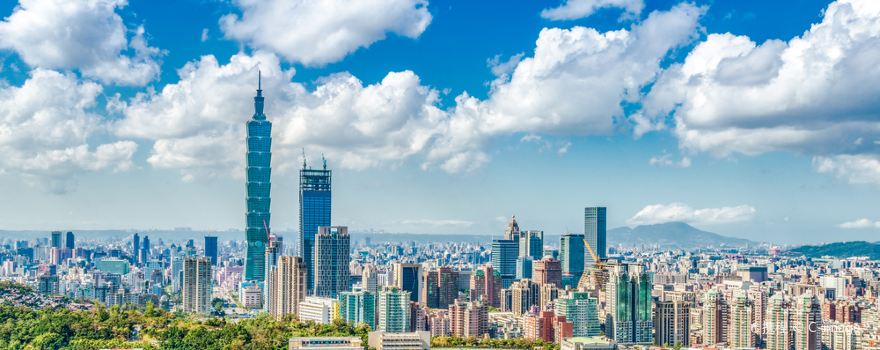
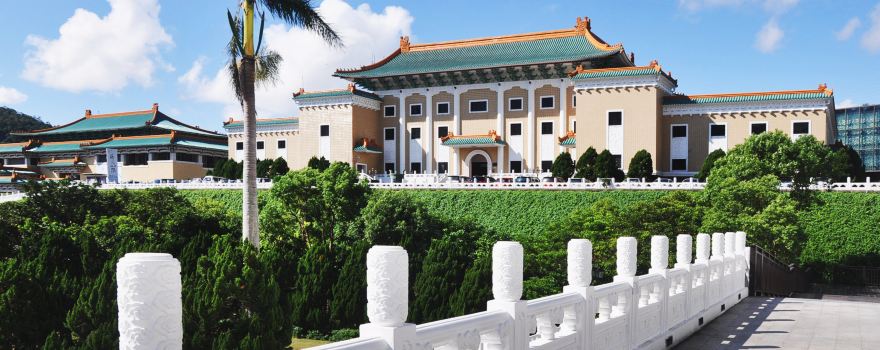
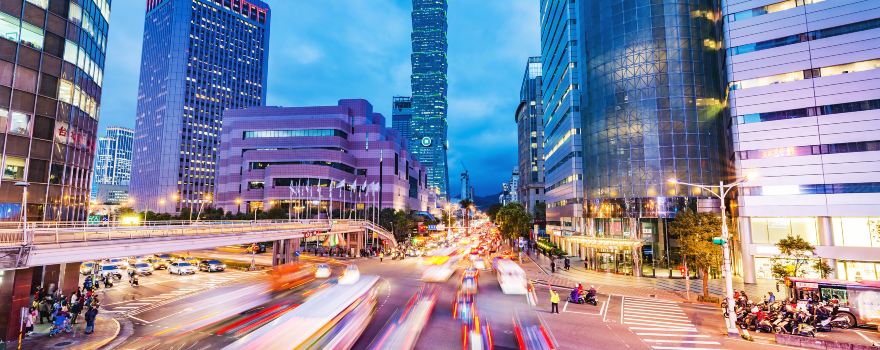
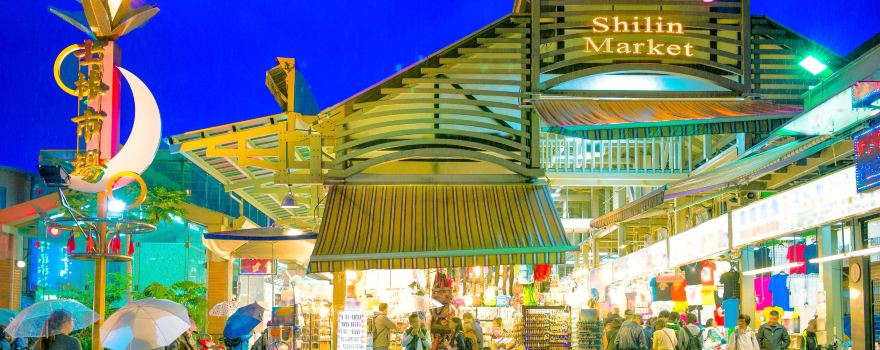
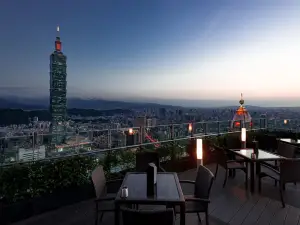
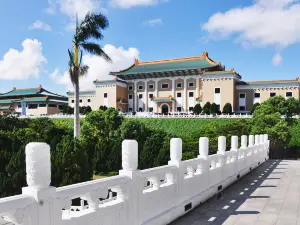
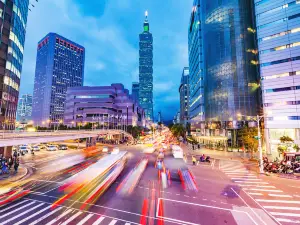
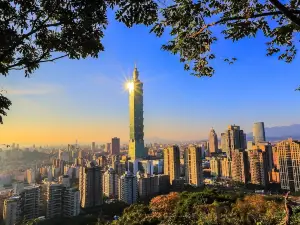
1. Experience the bustling life of Taipei 101 Ascend to the top of Taipei 101 for breathtaking views of the city and surrounding mountains. Explore the high-end shopping mall and dine at its many restaurants. 2. Wander through history at the Taipei Palace Museum Discover a vast collection of Chinese artifacts and artworks at the Taipei Palace Museum, such as the Jade Staff Finial in the Shape of a Pigeon and Lei wine vessel with goat-head high reliefs and knob pattern. 3. Find peace at Longshan Temple and explore the night markets Experience the spiritual heart of Taipei at Longshan Temple, observe locals praying and making offerings; and dive into the vibrant atmosphere of night markets like Shilin or Raohe Street for street food and local crafts. 4. Hike Elephant Mountain for stunning city views Escape the city bustle with a hike up Elephant Mountain, offering spectacular panoramic views of Taipei, especially stunning at sunset. Remember to snap pictures at the Elephant Mountain Trail! The trail offers one of the best views of Taipei's skyline, including Taipei 101, popular for photographers. 5. Wander through Ximending Ximending is Taipei's vibrant shopping and entertainment district, great for experiencing local youth culture, street performances, and unique shops. 6. Savor the flavors of Taipei's night markets Embark on a culinary adventure through Taipei's night markets, popular ones include Shilin, Raohe, and Ningxia Night Markets. Sample local delicacies like beef noodle soup, stinky tofu, and bubble tea. 7. Enjoy a relaxing bike ride along the Tamsui River Rent a bike and enjoy a leisurely ride along the scenic Tamsui River, admiring the views and discovering charming cafes and shops. 8. Explore the Yangmingshan National Park Yangmingshan National Park offers beautiful landscapes, hot springs, and hiking trails, perfect for enjoying nature and outdoor activities.
Taipei Must-see Attractions
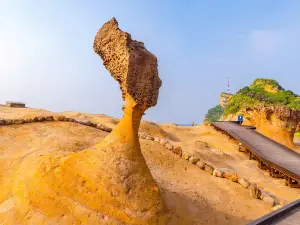
Taipei is a city rich in cultural and natural attractions, featuring the artifact-laden Taipei Palace Museum, the towering TAIPEI 101 skyscraper with its panoramic views, the bustling Shilin Night Market offering a taste of local cuisine and entertainment, the geologically fascinating Yehliu Geopark, and the conservation-focused Taipei Zoo with its diverse wildlife.
Taipei Food Guide
The culinary world of Taipei is a diversified food paradise, including traditional Grass Jelly Ice, Beef Noodle Soup, Taro Balls, Oyster Omelette, and the famous Pineapple Cake. Each food contains a unique flavor and profound cultural essence, showcasing the delicacy and innovation of Taiwanese cuisine.
Taipei Transportation
Taipei's transportation infrastructure is integral to its status as a bustling metropolis, with Taoyuan International Airport (TPE) and Taipei Songshan Airport (TSA) standing out as major intercity travel hubs. Taoyuan International Airport (TPE), approximately 40 km west of Taipei, is the largest and busiest airport in Taiwan, serving as a key gateway for international travelers. The airport features two terminals connected by people movers and is undergoing expansion with a third terminal and runway in the works. To reach Taipei from Taoyuan International Airport, passengers can utilize the Taoyuan Airport MRT for a direct connection to the city, with other options including buses, taxis, and car rentals. Taipei Songshan Airport (TSA), on the other hand, is a domestic and regional airport located in Songshan District, Taipei. It primarily handles domestic flights within Taiwan and a limited number of international flights to nearby destinations. Keelung Port, also known as Keelung Harbor, is situated in the northeastern part of Taiwan and is Taiwan region's second-largest seaport. The port is a stone's throw away from Keelung City and offers passenger shipping traffic to various destinations. Travelers can easily access Taipei from Keelung Port via shuttle trains to Taipei's Songshan station or by bus, with the train station conveniently located within walking distance of the pier.
Taipei Where to Stay
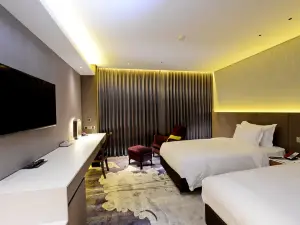
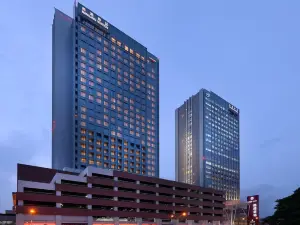
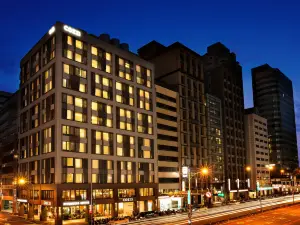
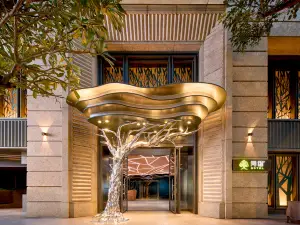
Taipei is a vibrant city with a diverse range of accommodation options spread across its many districts.
Taipei Best Time To Visit
The best time to visit Taipei is during the months of October, November, and April. These months offer the best weather conditions, with lower chances of rain and pleasant temperatures, making it ideal for outdoor activities and exploring the city's natural beauty. October and November provide opportunities to witness the spectacular autumnal colors in Taiwan's nature reserves, while April brings spring warmth and less crowded attractions following the winter cherry blossom season and the Chinese New Year holiday.
Taipei Useful Guide
Taipei's official language is Mandarin Chinese, with a rich linguistic diversity including Hokkien and Hakka dialects. Translation services and language apps facilitate communication for travelers. Effective communication can be aided by basic Mandarin phrases, gestures, and visual aids like maps.
Trip.Best: Taipei
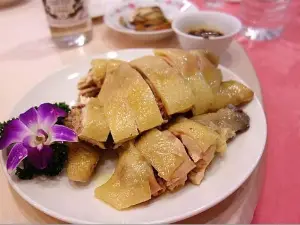
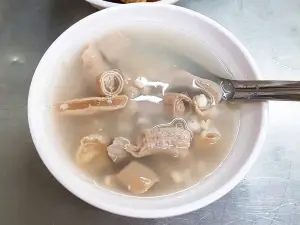
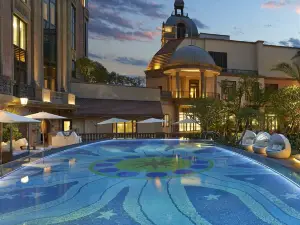
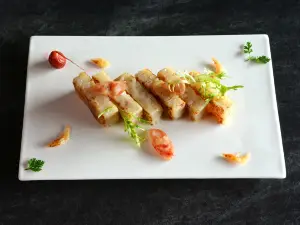
Things to do in Taipei
What to Do
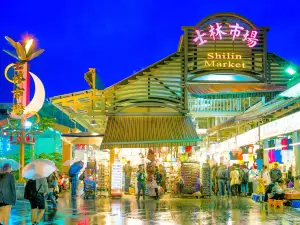
Shilin Night Market

Taipei Zoo
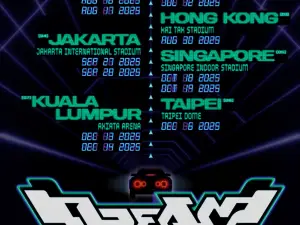
Taipei | 2025 NCT DREAM TOUR <THE DREAM SHOW 4 : DREAM THE FUTURE>

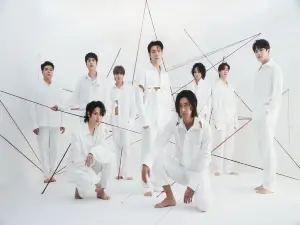
Taipei | SUPER JUNIOR <Super Show 10> 20th Anniversary Tour
Where to Stay
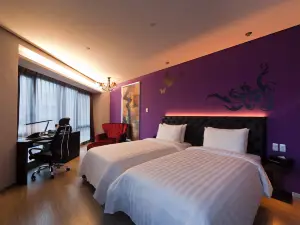
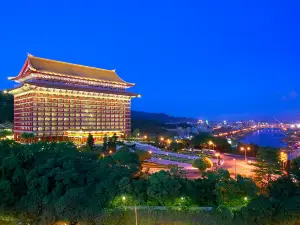
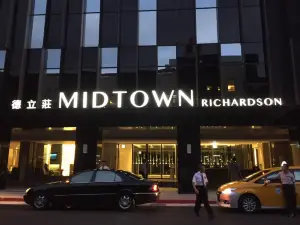
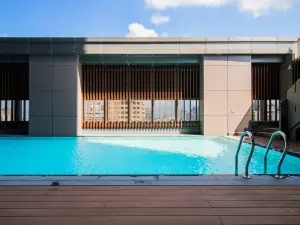
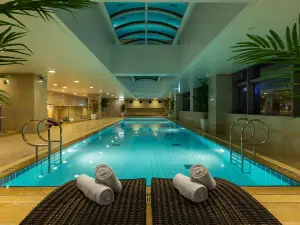
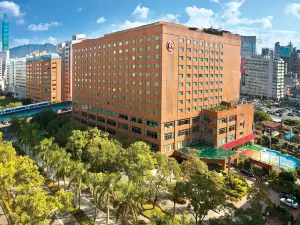
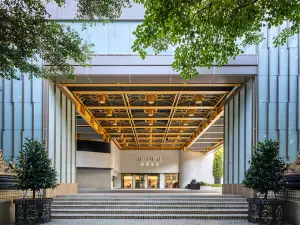
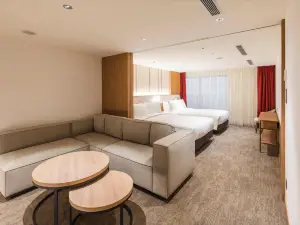
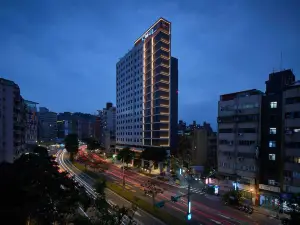
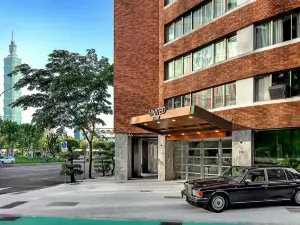

What to Eat

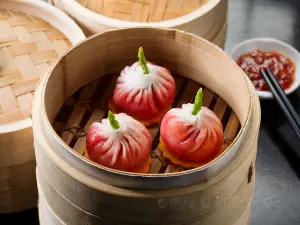
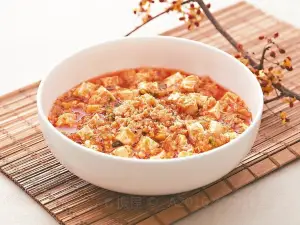
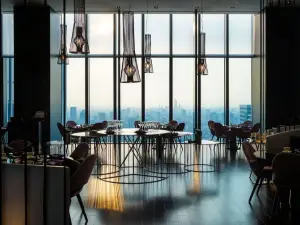
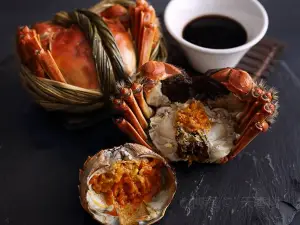
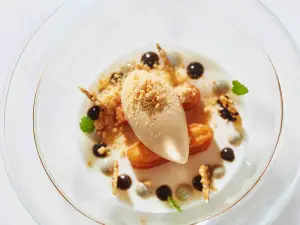

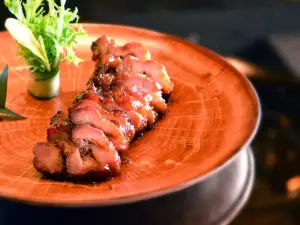
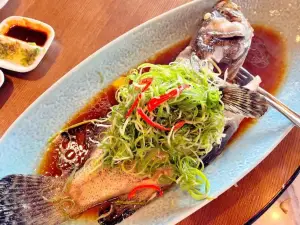

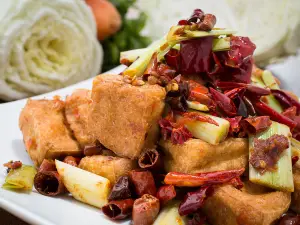
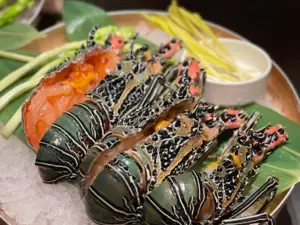
Taipei Moments: Through Travelers' Eyes
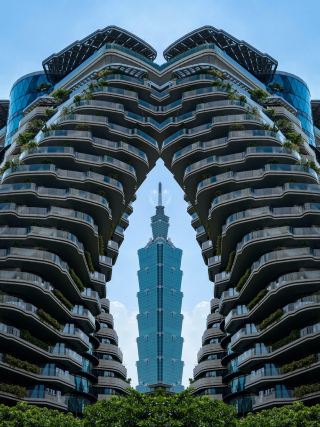
Taipei Two-Day Tour: A Perfect Relaxing Holiday

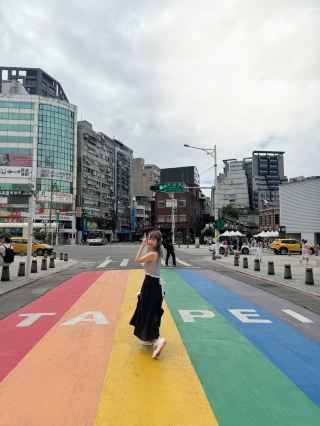
Taipei 3 Days Travel Guide

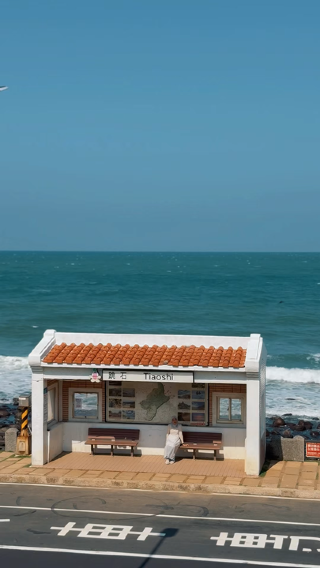
♨️ Hot Springs & Coastal Dreams: Beitou to Tiaoshi in a Day! 🌊🚌


Taipei|No need to go to Bangkok, Squid Game's Young-hee and Cheol-su dolls are at Chiang Kai-shek Memorial Hall.

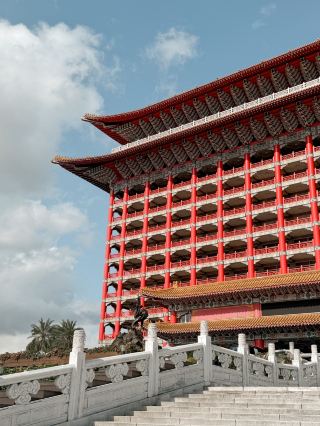
The Grand Hotel Taipei|Taiwan's First Five-Star Hotel

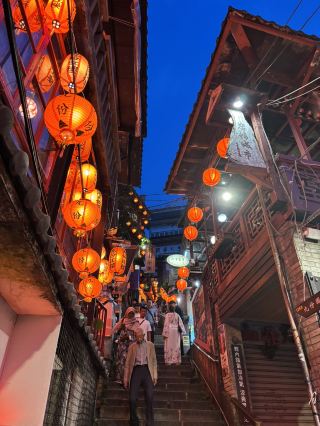
5 Days in Taipei

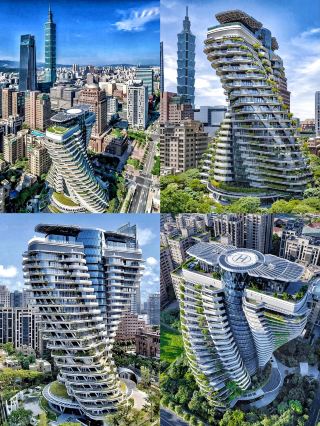
Introducing Tao Zhu Yin Yuan, a Global Luxury Residence in Taipei

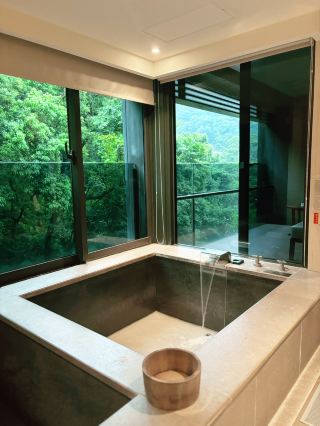
Taipei Hot Spring Hotel Recommendations!

Best of Taipei
Top 10 Gourmet Hotels in Taipei
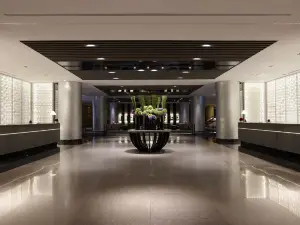

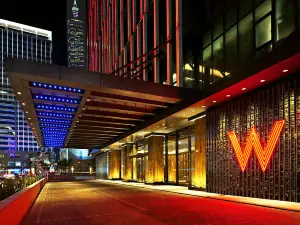
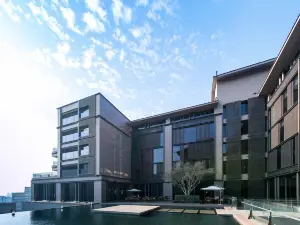

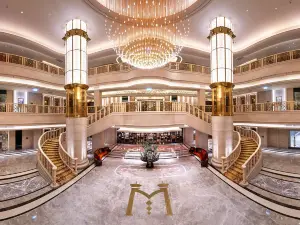
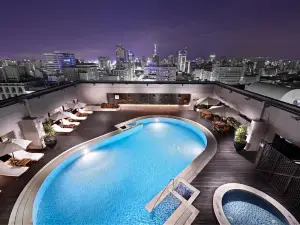
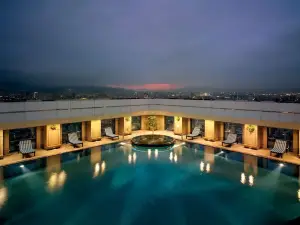

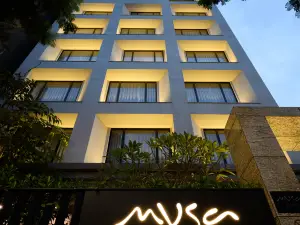
Top 20 Premium Hotels in Taipei

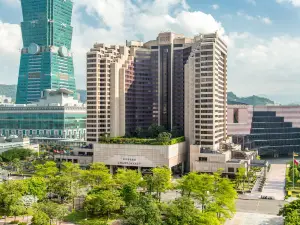

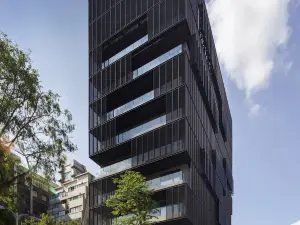
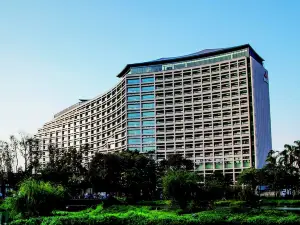
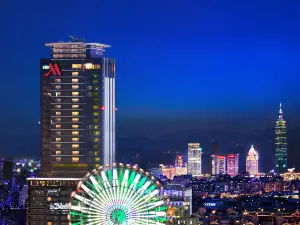
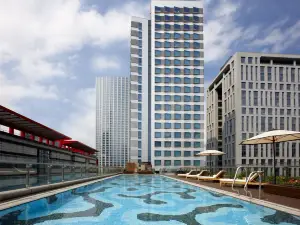
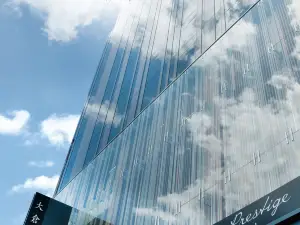
Top 20 4-Star Select Hotels in Taipei
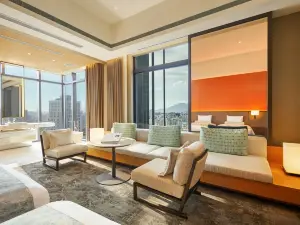
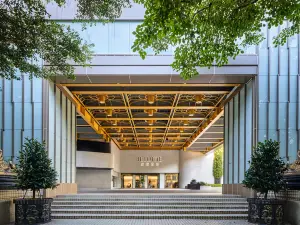
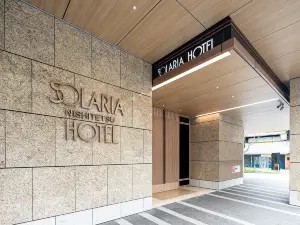

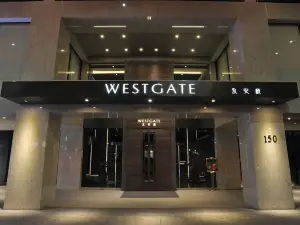
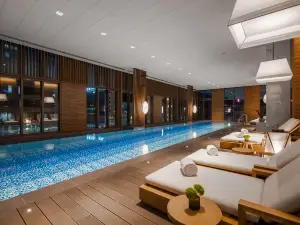
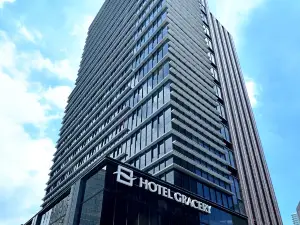
Top 50 Best Things to Do near Taipei


Top 10 Water Fun Attractions near Taipei
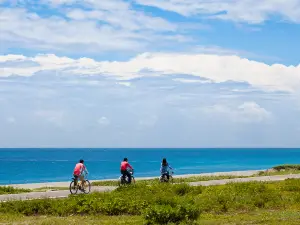
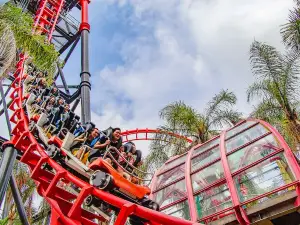
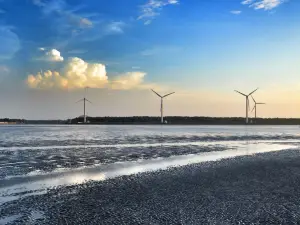
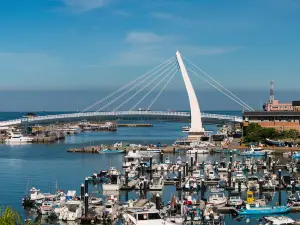

Top 10 Luxury Hotels near Taipei
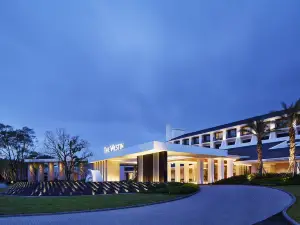


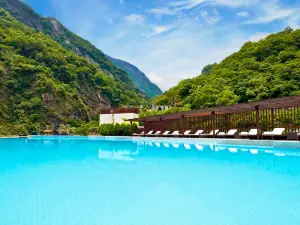
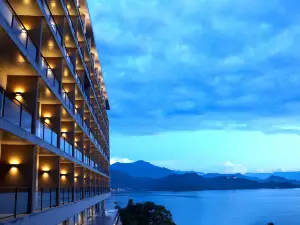

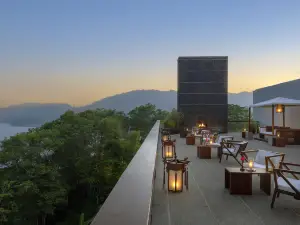
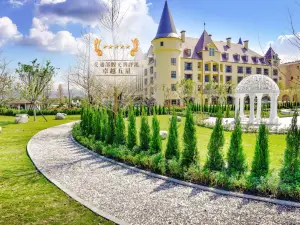

Top 50 Family Hotels near Taipei
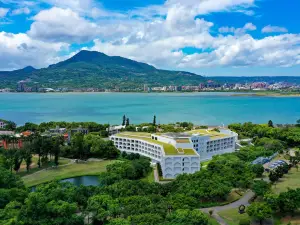
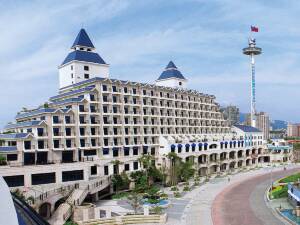
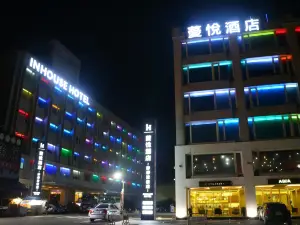
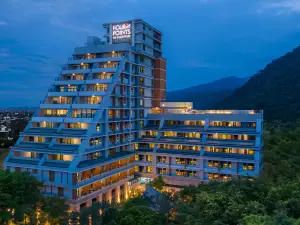


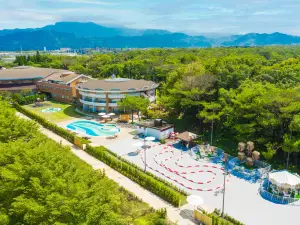
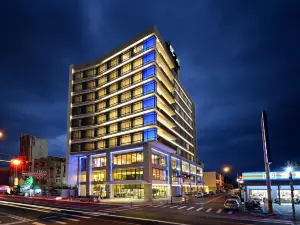
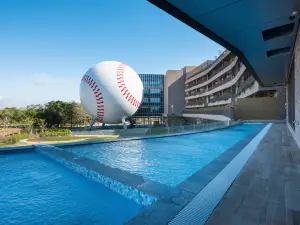
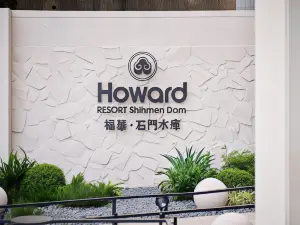
Top 50 Scenic Hotels near Taipei
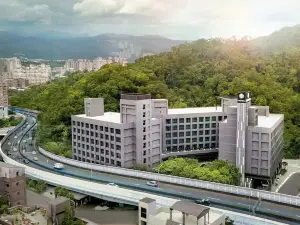
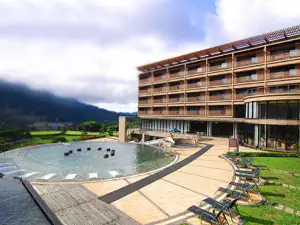
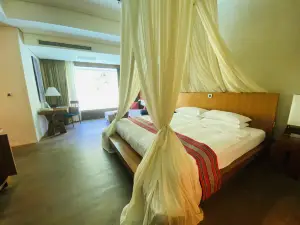
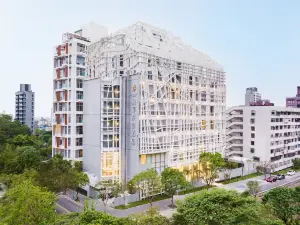
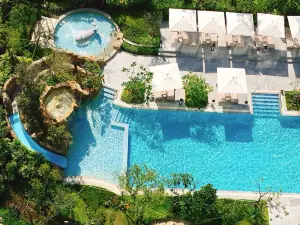

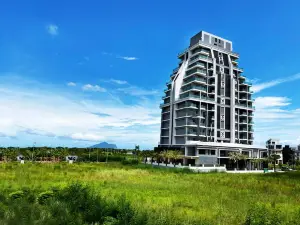
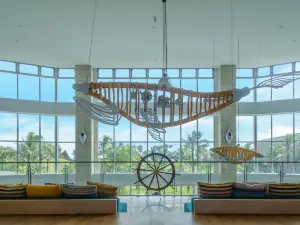
Top 20 Instagrammable Hotels near Taipei
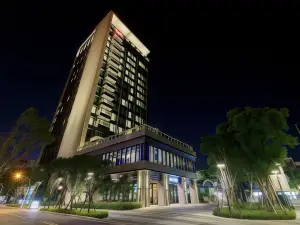
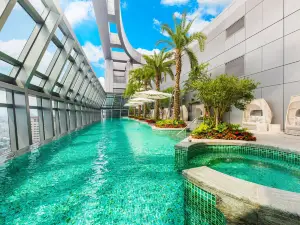

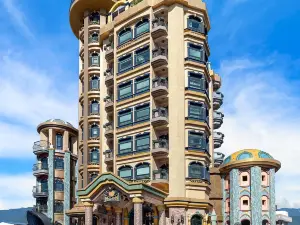
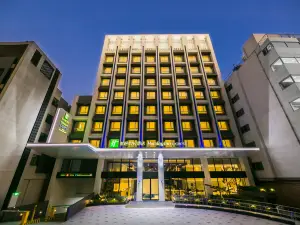
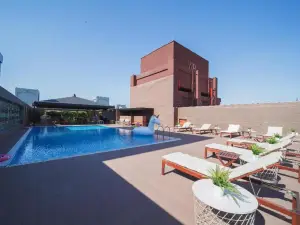
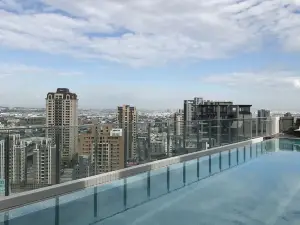
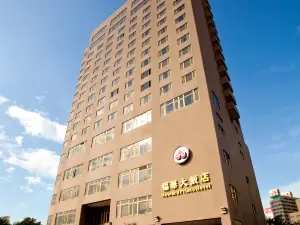
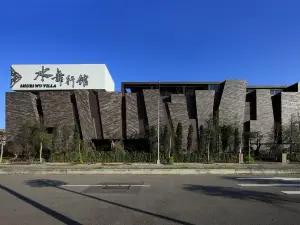
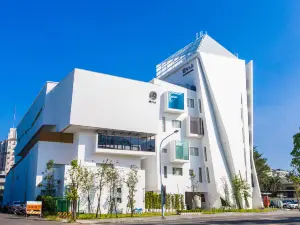
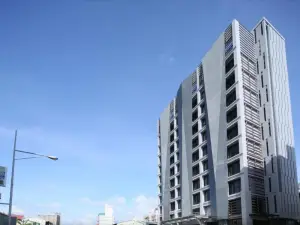
Top 50 Vacation Homes near Taipei
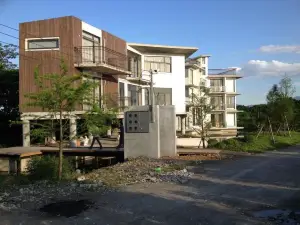
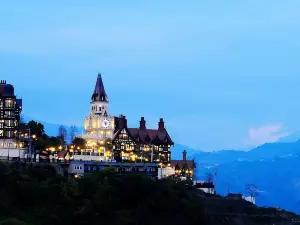
Other Recommended Cities
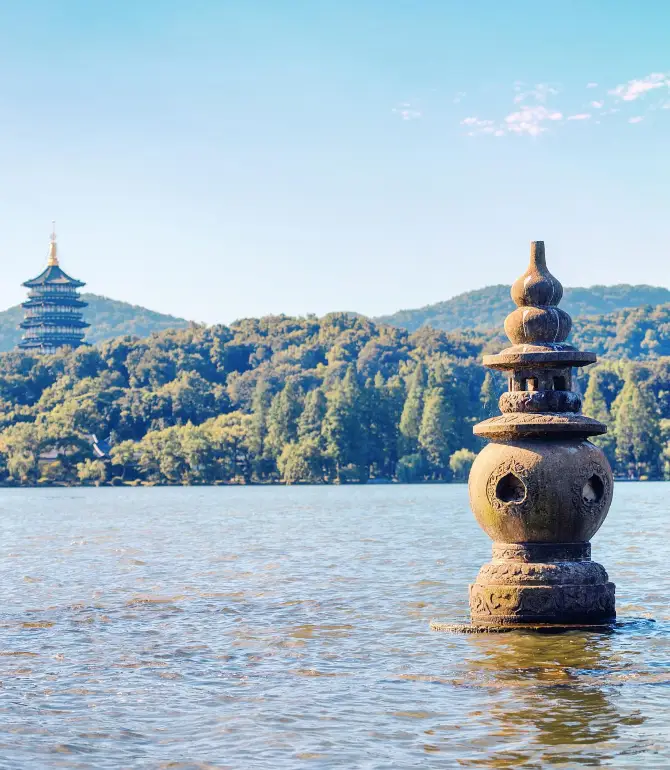
Hangzhou
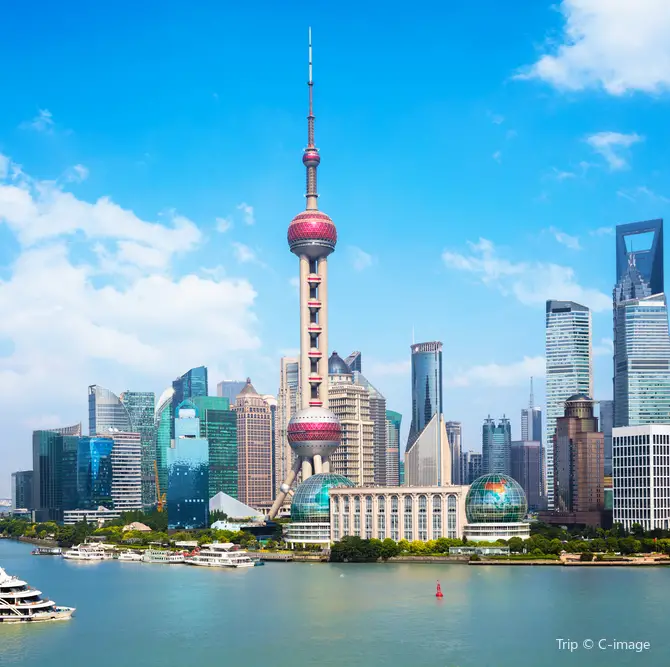
Shanghai
Chengdu
Xiamen
About
Site Operator: Trip.com Travel Singapore Pte. Ltd.