Do Australians Need South Korea Visa 2026 & How to Apply?

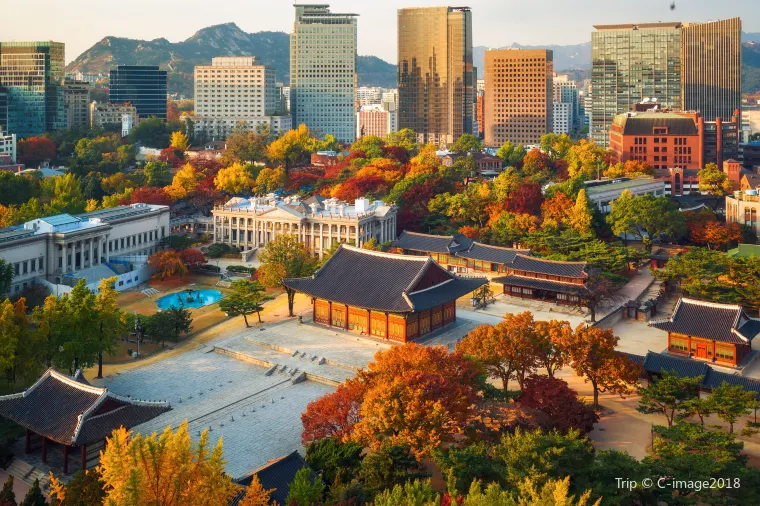
South Korea is a captivating travel destination that effortlessly blends tradition with modernity. In stylish Seoul, ancient palaces stand in harmony alongside sleek skyscrapers, offering a truly unique urban experience. Jeju Island boasts breathtaking scenery, stunning volcanic landscapes, and beautiful beaches—perfect for nature lovers and adventure seekers alike.
Foodies will be delighted by traditional Korean dishes like kimchi and Korean BBQ, which are as flavorful as they are iconic. Shoppers will find plenty to love in the vibrant shopping districts, while fans of Korean culture can immerse themselves in everything from K-pop to hanbok experiences.
Do Australians Need a Visa for South Korea?

Australian passport holders do not need a visa for tourist or business visits to South Korea for stays of up to 90 days. As of March 2026, Australians are exempt from the K-ETA (Electronic Travel Authorization) requirement until at least December 31, 2026. A passport with at least six months' validity is required.
Key Details for Australians:
- Visa-Free Entry: Valid for 90 days for tourism, transit, or business purposes.
- K-ETA Exemption: Australians do not need to apply for a K-ETA until 31 December 2026.
- Arrival Card: While K-ETA is optional, visitors may still be required to fill out an arrival card at the port of entry.
- Long-Term Stays: Visas are required for study (D-2/D-4), working holidays, or stays exceeding 90 days.
- Passport Validity: Must be valid for at least six months beyond your arrival date.
What are the Options of Korean Visa?

Category | Visa Types | Who It’s For |
Tourism & Transit | B-1, B-2 | Visa-exempt travelers, transit passengers, and Jeju Island tourists (usually 30 days). |
Short-Term Work/Biz | C-1, C-2, C-4 | Media/journalism, business meetings, and short-term employment. |
Business & Investment | D-7, D-8, D-9 | Corporate representatives, business investors, and trade management professionals. |
Education & Training | D-1 to D-4 | Students (D-2), language learners, cultural researchers, and industrial trainees. |
Professional Work | E-1 to E-7 | Specialized roles: Professors, language teachers, researchers, tech experts, and artists. |
Labor & Services | E-8 to E-10, H-2 | Seasonal workers, non-professional labor, ship crews, and working visits for overseas Koreans. |
Long-Term & Family | F-1 to F-6 | Family visits, residency (F-2), dependents (F-3), overseas Koreans (F-4), permanent residency (F-5), and marriage (F-6). |
Official & Other | A-1 to A-3, D-10, G-1 | Diplomats/Officials, job seekers (D-10), and humanitarian or specific government cases. |
Grab Your South Korea eSIM Here!
See all attractions
 452242 booked
![[South Korea] LG U+ 4G/5G eSIM + T-money Transportation Card | 1–90 Days | QR Code](https://ak-d.tripcdn.com/images/0351212000tibdn047F66_C_568_320.png)
Understanding the Validity Period and Duration of Stay for Your Korean Visa

The validity period and how long you can stay depend on the type of visa you have. Check out the details for common visa types below:
Single-Entry Visa:
- Validity: Typically valid for 3 months from the date of issue.
- Duration of Stay: You can usually enjoy up to 90 days, though for certain single-entry tourist visas like the Korea C-3-9, your stay is typically limited to around 30 days.
6-Month Multiple-Entry Visa:
- Validity: Valid for 6 months.
- Duration of Stay: You can typically enjoy up to 30 days per visit.
5-Year Multiple-Entry Visa:
- Validity: Valid for 5 years.
- Duration of Stay: You can enjoy up to 90 days per entry, provided it falls within your visa's overall validity period.
10-Year Multiple-Entry Visa:
- Validity: Valid for 10 years.
- Duration of Stay: You can enjoy up to 90 days per visit.
Business Visas:
- General Business Visa: Valid for 90 days, allowing you to stay for up to 30 days.
- Multi-Year Business Visa: Valid for 1 year with unlimited entries.
Student Visas:
- C-3 Visa: A short-term comprehensive visa, perfect for language courses lasting under 90 days. It typically has a short validity period, usually 3 months from the date of issue.
- D-4 Visa: A language course visa designed for those planning to study for more than 90 days. The validity of your visa will depend on the length of your course.
- D-2 Visa: A long-term study visa for those enrolling in professional courses lasting more than 90 days. The validity period will depend on your specific study plan.
Work Visas:
- E-7 Visa (Specific Activity Visa): The validity and length of your stay will depend on factors like the duration of your employment contract. Typically, your visa remains valid for the length of your contract, and your permitted stay will align with the scope of your work permit.
Everything You Need to Know About Applying for a South Korean Visa
Single-Entry Tourist Visa (C-3-9):
- Passport: Make sure your passport is valid for at least 6 months beyond your travel dates.
- Photo: A recent color photo with a white background.
- Proof of Financial Capability: Bank statements, credit card statements, employment verification letters (showing income), etc., to demonstrate you have sufficient funds to cover your travel expenses.
- Your Travel Itinerary: Don't forget to include your round-trip flight bookings and hotel reservations!
Multiple-Entry Tourist Visa:
- One-Year Multiple-Entry Visa: This option is available exclusively to travelers who have successfully visited South Korea on a personal tourist visa within the past year and returned home on schedule.
- 5-Year Multiple-Entry Visa: There are no specific eligibility requirements, but you will need to provide standard documentation, including your passport, a photo, and proof of financial stability and steady income (such as an employment certificate or bank statements). Final approval is determined by a comprehensive review from the embassy or consulate.
- 10-Year Multiple-Entry Visa: To qualify, applicants typically need a solid travel history, a stable income, and a verifiable social background. Be sure to have all your documentation ready, as it must meet the specific requirements of the embassy or consulate.
Business Visa
General Business Visa (C-2):
- Passport: Please bring both the original and a copy of your passport, ensuring it remains valid throughout your entire trip.
- Copy of ID Card: For applicants 16 and older, please provide copies of both the front and back.
- Proof of Employment: Please provide original documents showing at least 3 months of social insurance contributions, income tax payment certificates, and bank statements from the last 6 months to verify your regular monthly salary.
- Copy of Business License: Must include the official company seal.
- Residence Permit: Please provide the original and a copy, if applicable.
- Invitation Letter: Please be sure to include a detailed explanation of the purpose of your visit and a guarantee that you will return home.
- Proof of Tax Payment and Official Seal: Provided by the inviting party.
- Business Registration Certificate: Required if the inviting party is a registered business entity.
Multiple-Entry Business Visa (for multiple trips per year):
- Personal Information: A valid passport, two recent 2-inch color photos with a white background, a copy of your ID, your household registration book, and a residence permit if applicable.
- Official Submission Letter: Must include the dates of your visit, the purpose of your trip, the responsible department, and an official company seal.
- Copy of Business License: Must include the official seal.
- Documents from your host: The original invitation letter detailing the purpose of your visit and a guarantee of your return, along with their business registration certificate, proof of tax payment, and official seal certificates.
Student Visa
C-3 Visa: Perfect for language courses lasting less than 90 days. To apply, you'll need to gather a few documents: an admission letter, your guarantor’s employment and income certificates, a bank deposit certificate and deposit slips from major banks covering at least 3 months, a study explanation letter, your resume, the original and a copy of your final academic qualifications and transcripts, copies of your ID or passport, color photos, and any other supporting materials.
D-4 Visa: Designed for language courses lasting longer than 90 days. Along with the requirements mentioned above, you'll need an admission permit from your Korean educational institution and the necessary supporting documentation.
D-2 Visa: Perfect for professional courses lasting longer than 90 days. To apply, you'll need to submit an admission permit from your Korean school, along with your academic certificates and transcripts, your resume, a statement of purpose translated into Korean, and all required documentation from your guarantor.
Work Visa (E-7 Specific Activity Visa)
Application Documents:
- Passport
- Visa application form
- Photos
- An employment contract from your Korean employer that outlines your job description, contract period, salary, and more.
- Applicant's academic transcripts
- Professional certifications and other relevant work credentials
- Health examination certificate
How to Apply for Your South Korea Visa
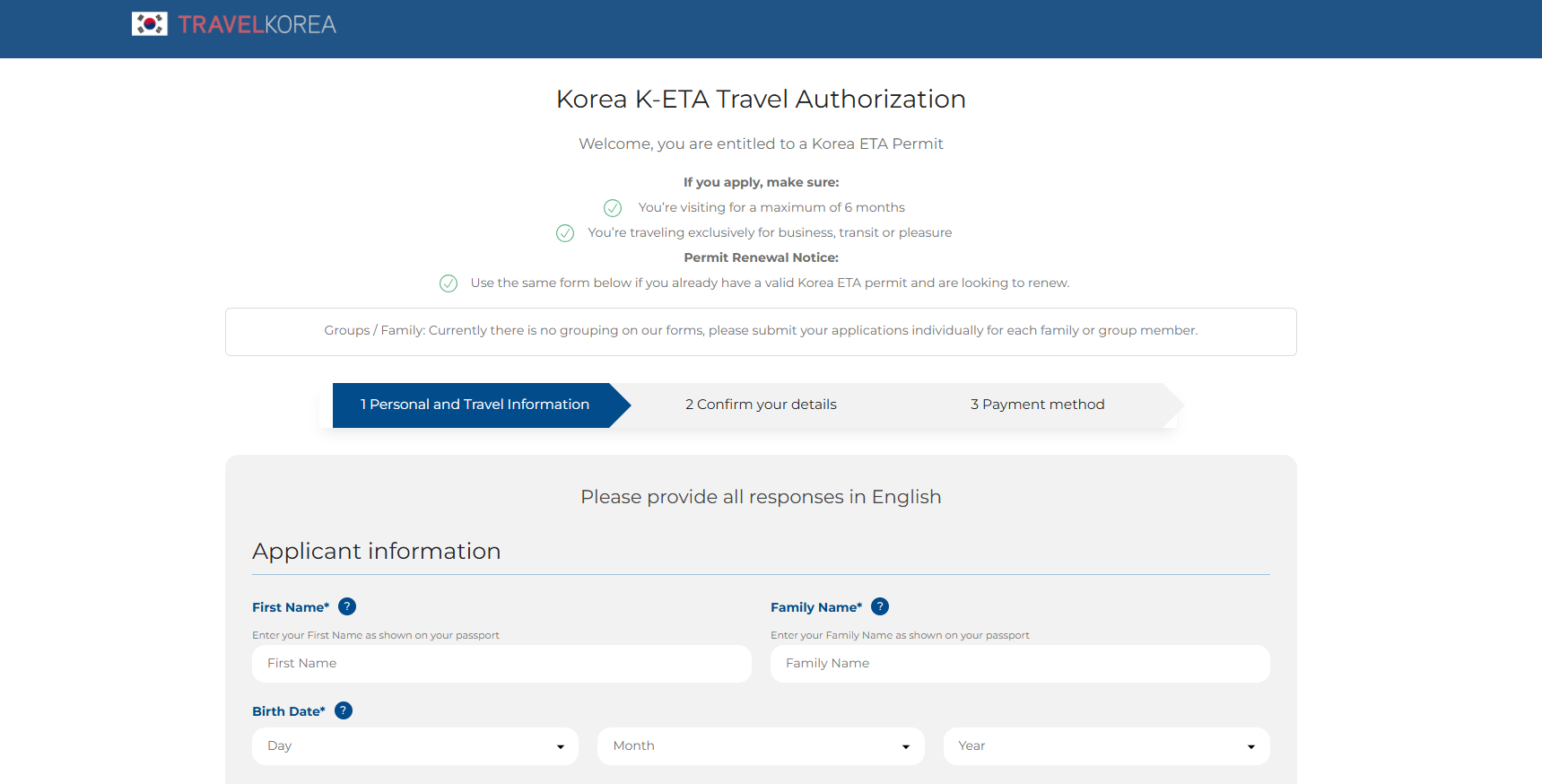
Source: Travel Korea — Official Website
1. Figure Out Your Visa Type and Consular Jurisdiction
- Figure out which visa fits your travel plans: tourist, business, student, and more.
- Check which Korean consulate or embassy in Australia you need to apply through.
2. Get Your Application Documents Ready
- Essential Documents: Please bring the original and a copy of your passport (valid for at least 6 months), and some recent color passport-sized photos with a white background to ensure your travel plans go smoothly!
- Proof of Funds: Bank deposit certificates, bank statements, and credit card statements to show you have enough to cover your trip, studies, or business travel.
- Proof of Employment or Student Status:
- For employees: please provide an employment certificate that includes your length of service, job title, monthly or annual salary, and department, all verified with an official company stamp.
- Calling all students! Please have your student ID or school enrollment certificate ready.
- Other Relevant Documents: These will vary depending on your visa type. For instance, if you're applying for a business visa, you'll need an invitation letter from the Korean company, along with their business registration and tax payment certificates. For student visas, you'll typically need your admission letter, academic transcripts, and other related documents.
3. Fill out your visa application form
- You can download the official visa application form directly from the Korean Embassy’s website at https://www.visa.go.kr/.
- Fill out the form on your computer, print it out, and double-check that all your details are accurate and complete.
4. Submit Your Application
- You can submit your documents in person at the Korean Embassy or Consulate during business hours, or through an authorized visa agency.
- Simply pay your visa application fee when you submit your documents to get your journey underway.
5. Please wait while we process your request
- The embassy or consulate will review your application, which typically takes 3 to 10 business days, depending on the visa type and current application volume.
- They might ask for a few extra documents if necessary.
6. Check on Your Visa Application Status
- You can easily keep tabs on your application status by logging into the official visa website at https://www.visa.go.kr/ or by giving the embassy’s hotline a quick call.
7. Pick Up Your Visa
- Once your visa is approved, you can pick it up in person at the embassy or consulate, or have it mailed to you if that service is available.
How Much Does a South Korean Visa Cost?
Australian passport holders visiting South Korea for up to 90 days as tourists do not need a visa or K-ETA until December 31, 2026. However, for long-term or specific visas, fees are approximately $95 AUD (80,000 KRW) for single-entry and can range from AUD 53–120+ depending on entry type, plus service fees.
Key South Korean Visa Costs (Approximate in AUD):
- Short-term Single Entry (up to 90 days): ~AUD 53 - 95
- Long-term/Multiple Entry: ~AUD 120+
- Visa Application Center Fees: Additional service fees apply, such as VFS Global biometric services (approx. 63,400 KRW).
How Long Does It Take to Get a South Korean Visa?

Tourist Visa
- Single-Entry Tourist Visa (C-3-9): Processing typically takes about 6 business days. If you're booking a group trip through a reputable travel agency, you might get your visa in as little as 5 business days.
- Multiple-Entry Tourist Visa:
- 1-Year Multiple-Entry Visa: Typically processed in 7 to 10 business days.
- 5-Year Multiple-Entry Visa: Processing typically takes about 7 to 10 business days, though timelines can vary based on your personal details.
- 10-Year Multiple-Entry Visa: Processing typically takes 10 to 15 business days, as embassies and consulates conduct more thorough background checks.
Business Visa
- General Business Visa (C-2): You can typically expect a processing time of about 6 to 8 business days.
- Multiple-Entry Business Visa: You can typically expect a processing time of 7 to 10 business days.
Student Visa
- C-3 (Short-term language course): Typically processed within 7 business days.
- D-4 (Long-term language course): Processing typically takes about 7 business days. Keep in mind that you'll need to secure a "Visa Issuance Permit" from the Korean Ministry of Justice before you can apply at the embassy or consulate. We recommend getting your application in at least 3 to 4 weeks ahead of time.
- D-2 (Long-term academic courses): While processing typically takes about 7 business days, we recommend applying 2 to 3 months in advance to give yourself plenty of buffer time for any extra documentation or unexpected hiccups along the way.
Work Visa
- E-7 (Specific Activity Visa, e.g., Employment): You can typically expect a processing time of about 7 to 10 business days. Keep in mind that this could take a bit longer if there’s a high volume of applications, or if your submitted information is incomplete or needs a little extra verification.
Good to know:
- Please make sure your documents are complete and accurate to avoid any processing delays, as we'll need to request resubmissions or perform extra checks if anything is missing.
- Keep in mind that processing times can also stretch longer during peak visa application seasons, so plan accordingly!
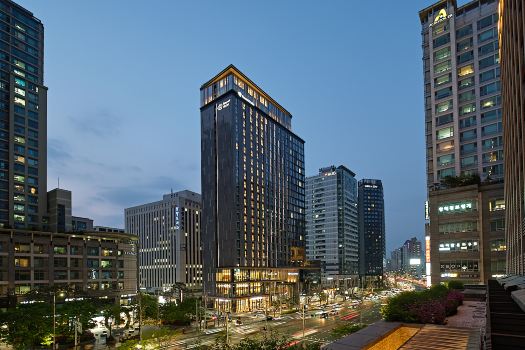
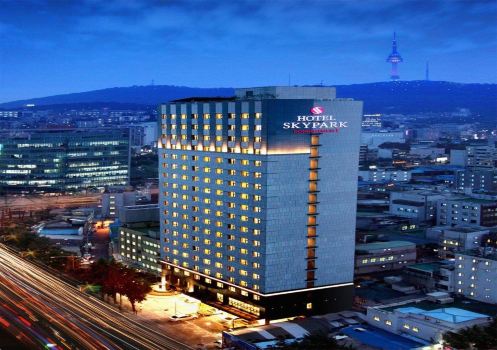
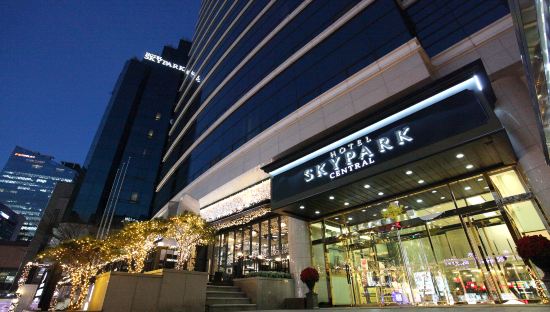
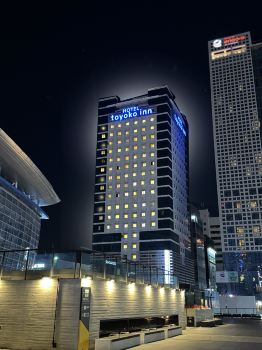
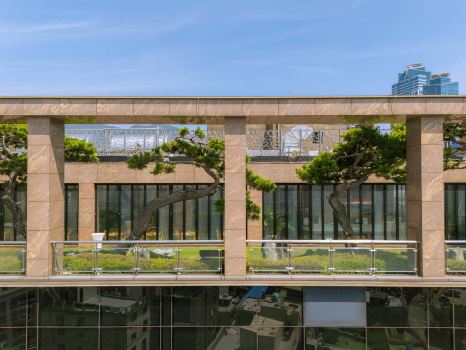
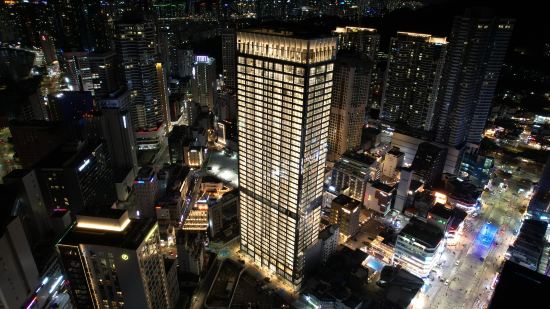
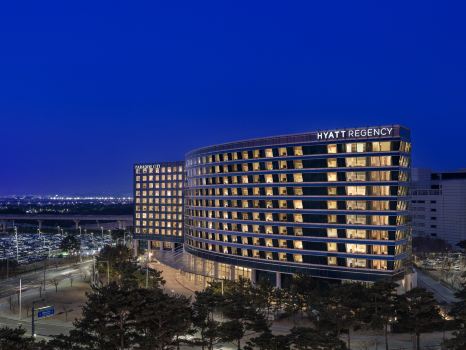
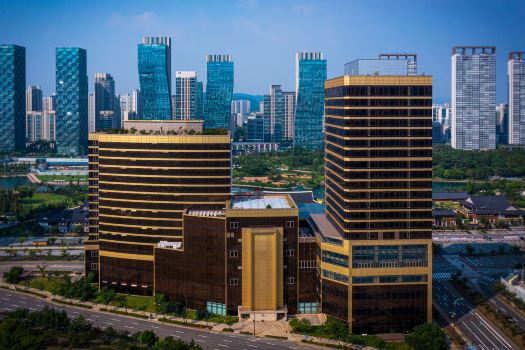
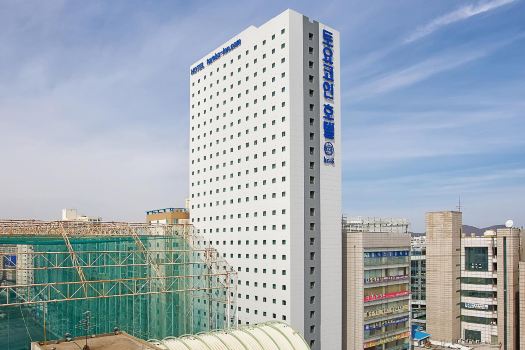
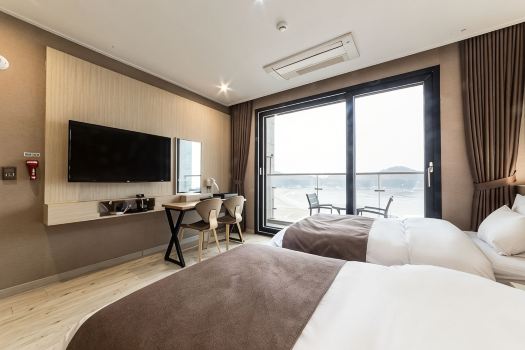
Hotel Recommendations in South Korea
Seoul
Busan
Incheon
See All Hotels


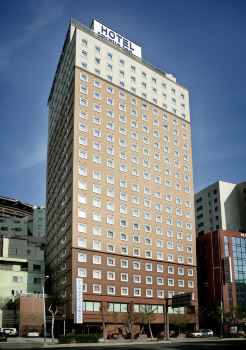

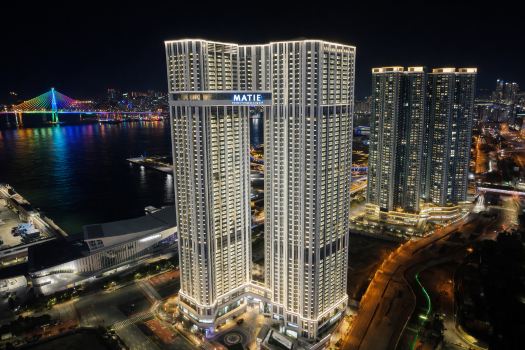
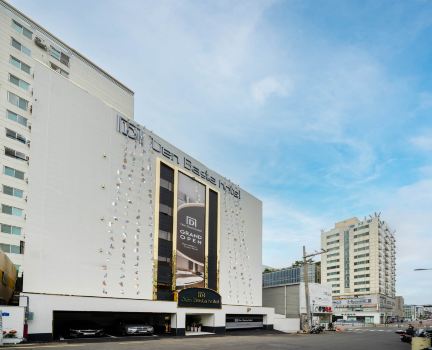
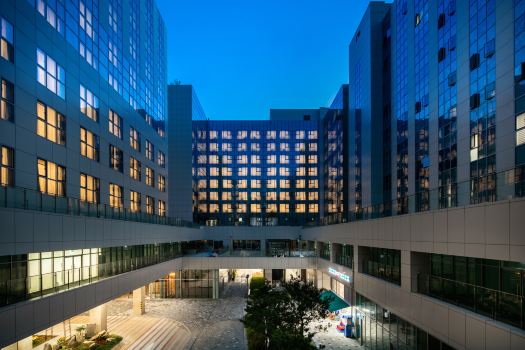



FAQs About South Korea Visa
-
Do Australians need a visa to visit South Korea?
-
Can I extend my South Korea visa while in South Korea?
-
What happens if I overstay in South Korea?
-
Can I enter multiple times with a South Korea visa-free policy?
-
How long does it take to get a South Korea visa?
Disclaimer: This article has been provided by an individual contributor or third party platform. If there is any discrepancy regarding the copyright, please contact us directly and we will delete the content immediately.
Popular Searches
-
Top Flight Routes
-
Latest Flight Deals
-
eSIM/SIM card