Philippines Power Plugs & Sockets: Travel Adapter Needed?

One of the biggest travel headaches is arriving at your destination only to find your electronics won't work! To help you avoid these inconveniences, this Trip.com guide offers a quick reference to the voltage specifications of 13 popular travel destinations. From Philippines voltage and outlet types to a comprehensive shopping guide for transformers and adapters, we have all the answers you need to handle your international charging needs with ease!
Sydney to Manli
Melbourne to Manila
Brisbane to Manila
See all flights


What are Philippines Power Plug Types?
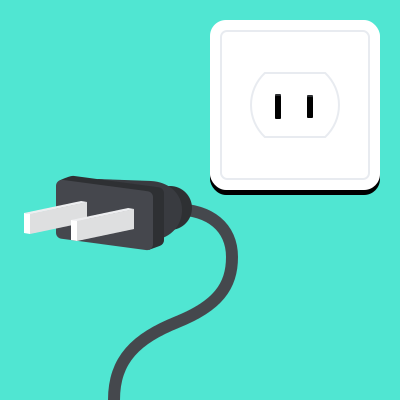
Travel Adaptor for the Philippines | Electrical Safety First
The voltage in the Philippines is 220V at 60Hz, which differs from the 110V commonly used in Taiwan. The most frequent plug types are Type A and Type B, though Type C outlets can also be found in certain areas. While Type A and B plugs are the same as those in Taiwan, the higher voltage means that travelers using high-power appliances—such as hair dryers or curling irons—are advised to bring a voltage converter for safe operation. Additionally, it is recommended to prepare a universal travel adapter to handle any incompatible outlets and avoid inconvenience during your trip.
Philippines Power Plug | Voltage & Frequency

Wall socket in the philippines in white with three power plug ...
The standard voltage in the Philippines is 220V, and the frequency is 60Hz.
Compared to Australia (230V, 50Hz), the voltage is practically the same. Most Australian appliances are built to handle a range (usually 220–240V), so you do not need a voltage converter.
However, there are two key things to keep in mind:
While most modern electronics (laptops, phone chargers, etc.) are "Dual Frequency" and work perfectly on both 50Hz and 60Hz, some older or motorized appliances from Australia might behave differently:
- Digital Clocks: Might run slightly fast.
- Motorized Tools/Appliances: Some motors designed strictly for 50Hz may run about 20% faster or run hotter.
- Heating elements (Hairdryers/Kettles): These usually work fine without any issues.
Power Sockets and Voltage Guide for the Philippines
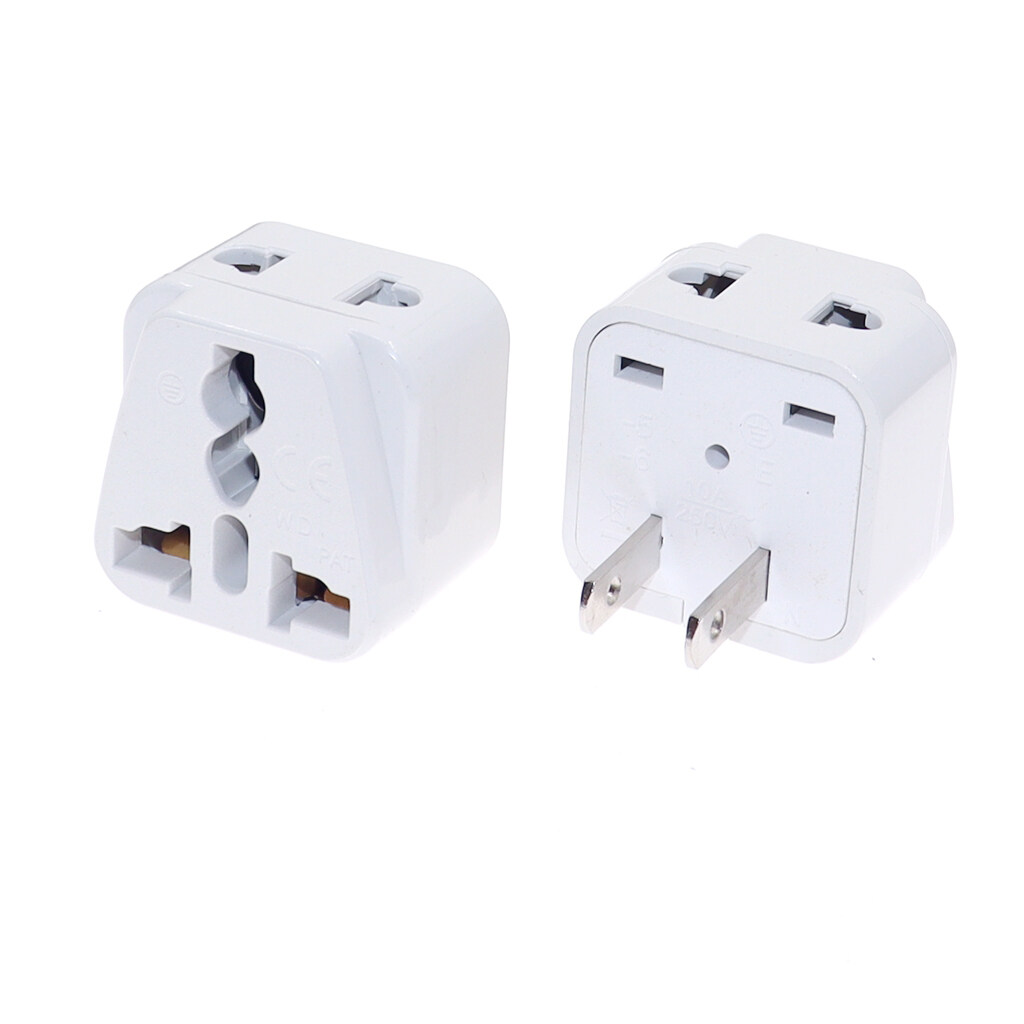
The standard power sockets in the Philippines are primarily compatible with American standard plugs (Type A and Type B). When traveling to the Philippines, you should bring a US-style adapter (two flat parallel pins). While some modern hotels feature "universal" sockets that may fit European round pins, the flat-pin standard is the most common across the country.
Voltage Note: The Philippines operates on a 220V 60Hz system. If your devices are from the US or Japan (110V/120V), you must check if they are "Dual Voltage" before plugging them in.
When a Voltage Converter is Essential?
If you are bringing single-voltage appliances (e.g., 110V devices from North America) to the Philippines (220V), you will need a converter to prevent damage.
Device Type | Risk Without Converter | Solution |
Hair tools (dryer, straightener) | Burn out motor / melt | 2000W+ converter (check wattage!) |
Electric kettle | Overheat / circuit failure | 1500W+ converter |
Old electric razors | Damage / shock risk | Small converter (≤50W) |
When a Converter is Not Needed?
Most modern electronics are "Dual Voltage" and can handle the Philippines' 220V power automatically.
- Phones, laptops, cameras: 99% support 100–240V. (You only need a physical plug adapter if your plug isn't two flat pins).
- USB-powered gear: Power banks, LED lights, portable fans.
- "Dual voltage" appliances: Always check the labels for "Input: 100-240V".
See all attractions
 17299 booked
Do You Need a Plug Adapter When Traveling from Australia to the Philippines?

Shop Universal Adaptor | Set of 12 Adaptors | Ceptics
Before heading to the Philippines, it’s important to know whether you need to bring or buy new plug adapters to ensure your electronics work smoothly. Here are the key considerations for plug compatibility and voltage in the Philippines.
Philippines Power Plug Type Compatibility
- Australia: Uses Type I (three flat pins in a V-shape).
- Philippines: Primarily uses Type A (two flat parallel pins) and Type B (two flat pins with a round grounding pin).
- Note: While some modern Philippine hotels feature "universal" sockets that can accept Australian Type I plugs, these are not standard. Most residential buildings, Airbnbs, and older establishments only have American-style flat-pin outlets.
Philippines Voltage and Frequency
- Australia: 230V, 50Hz
- Philippines: 220V, 60Hz
- The voltage difference is minimal (only a 10V difference), meaning your Australian hair dryers, chargers, and laptops are voltage-compatible. However, the frequency in the Philippines is higher (60Hz vs 50Hz). This generally won't affect modern electronics, but it may cause older motorized appliances or clocks to run slightly differently.
Philippines Power Plug | Global Electrical Standards
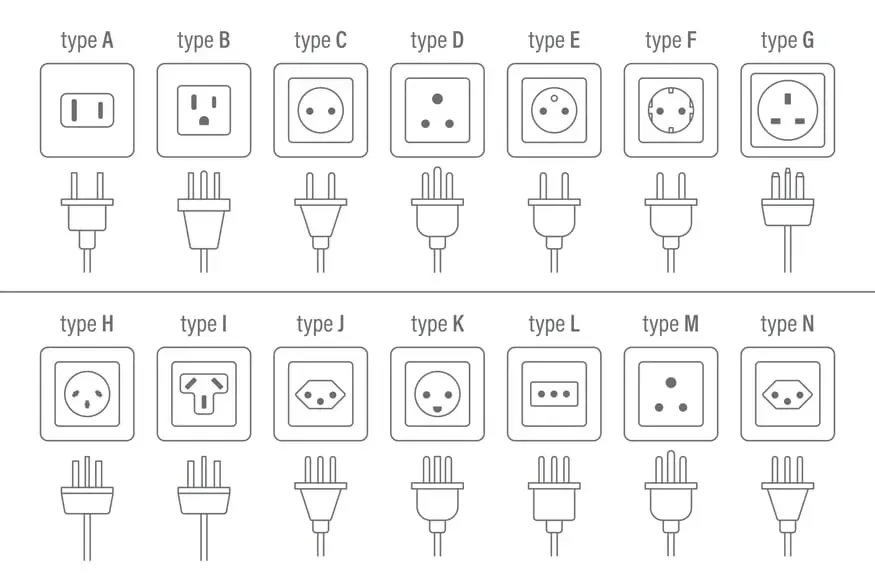
The following table organizes the voltages and outlet types for 13 of the world's most popular travel destinations. Be sure to save this so you can stay charged and enjoy a convenient journey wherever you go!
Country/Region | Voltage (V) | Frequency (Hz) | Outlet Type | Description |
Philippines | 220 | 60 | A, B | Two-pin flat / Two-pin flat + round grounding pin |
Europe | 220 - 240 | 50 | C / E / F | European standard two-pin round / UK standard three-pin flat |
Singapore | 220 | 50 | G | Three-pin flat |
Malaysia | 220 | 50 | G | Three-pin flat |
220 | 50 | A / C / F | Two-pin flat / Two-pin round | |
Taiwan | 110 | 60 | A, B | Two-pin flat / Two-pin flat + round grounding pin |
100 | 50 / 60 | A, B | Two-pin flat / Two-pin flat + round grounding pin | |
Hong Kong | 220 | 50 | G | Three-pin flat |
South Korea | 220 | 60 | C, F | Two-pin round |
220 | 50 | A, B, C | Two-pin flat / Two-pin flat + round grounding pin | |
220 | 50 | A / C / I | Two-pin flat / V-shaped flat pins | |
United States | 120 | 60 | A, B | Two-pin flat / Two-pin flat + round grounding pin |
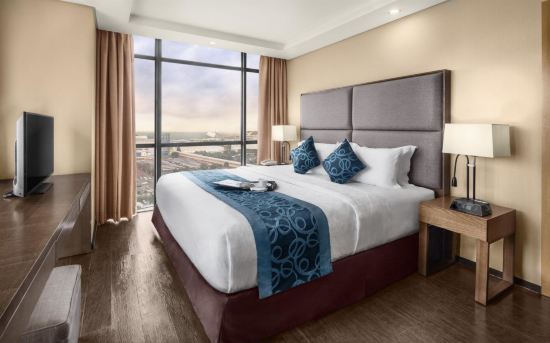
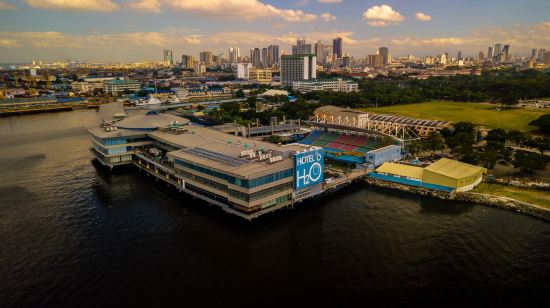
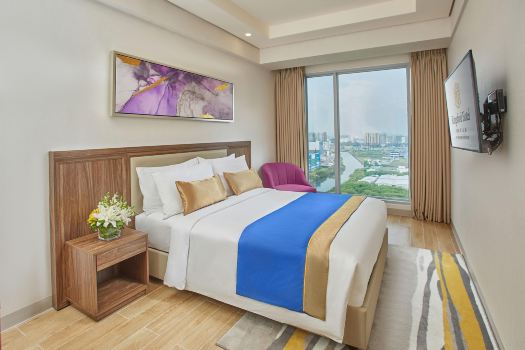
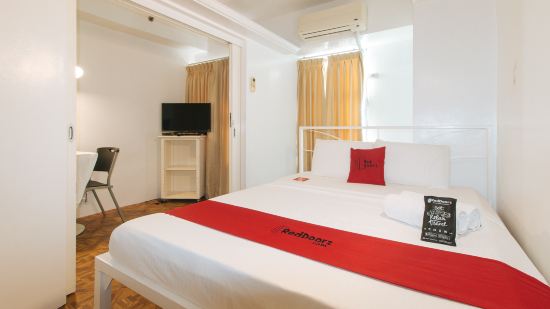
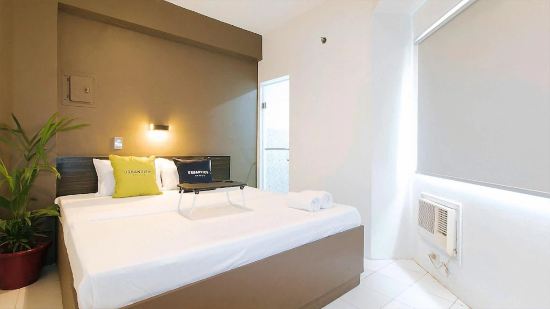
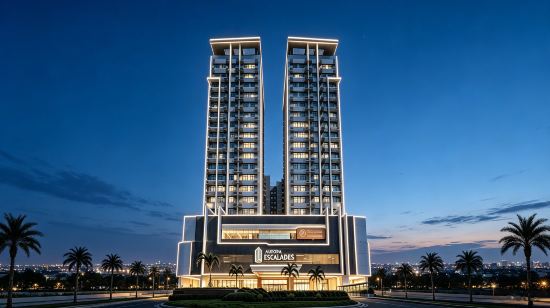
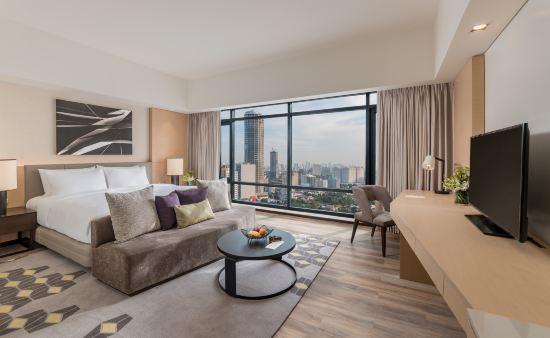
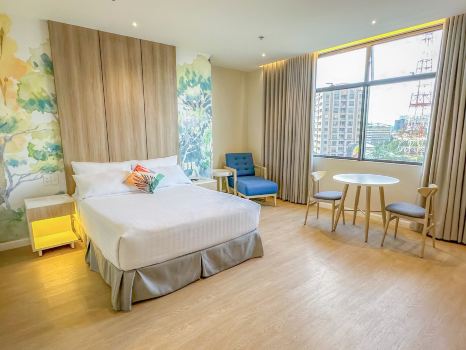
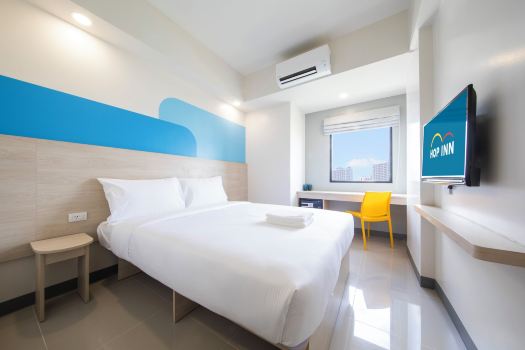
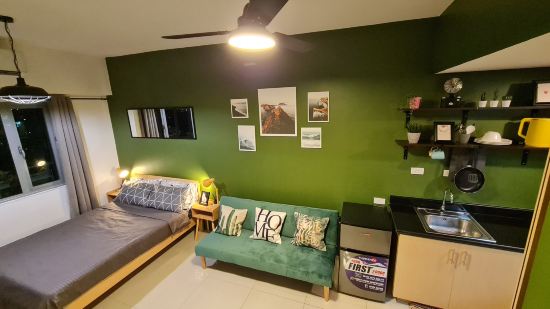
Where to Stay in Philippines? Hotel Recommendations
Manila
Quezon
See All Hotels




FAQs about Philippines Power Plug
-
What type of plug is used in the Philippines?
-
Is AU plug the same as Philippines?
-
Will type C fit in type J?
Disclaimer: This article has been provided by an individual contributor or third party platform. If there is any discrepancy regarding the copyright, please contact us directly and we will delete the content immediately.
Trending Searches
-
Popular Attractions
-
eSIM/SIM card
- Forbidden City Tickets
- Universal Studios Japan
- Shanghai Disneyland Fast Pass
- Hutong Beijing
- Tokyo Disneyland Ticket
- Zhangjiajie National Forest Park
- Shanghai Disneyland Ticket
- Taronga Zoo Sydney minisite
- Canton Tower
- Puffing Billy Tickets
- Shanghai Tower
- Summer Palace Beijing
- Universal Beijing Resort
- Yu Garden
- Canggu Bali