Is Bali Safe? Food Safety, Common Scams, Theft & How to Avoid

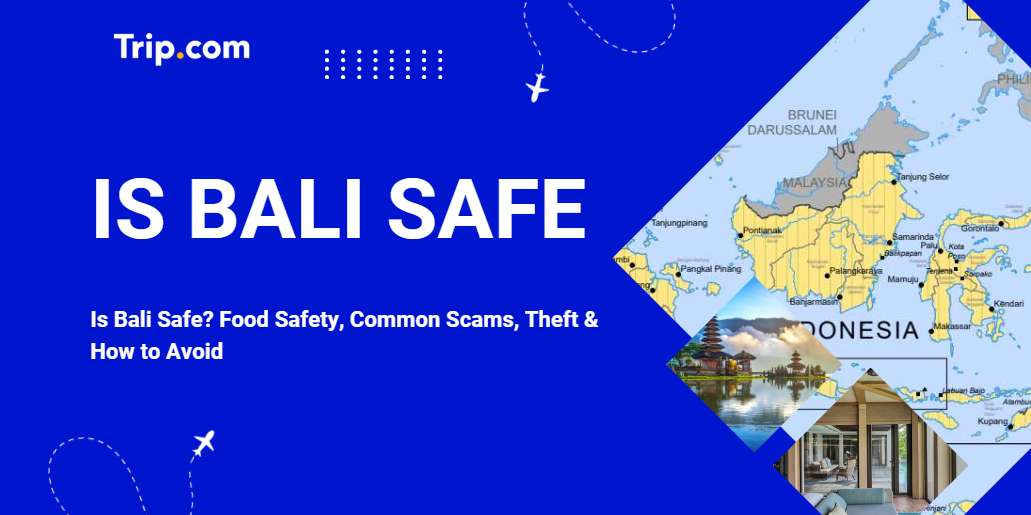
Bali, one of the famous tourist destinations in Indonesia, not nly boasts beautiful beaches and spectacular volcanic landscapes, but also has a rich cultural heritage, including ancient temples, traditional dances and handicrafts. It is an ideal place for vacations and adventures.
Sydney
Melbourne
See all flights


Is Bali Safe?
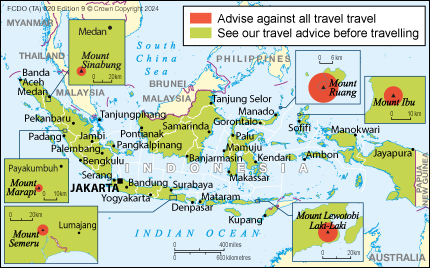
Indonesia travel advice - GOV.UK
The Australian Government advises travelers to exercise a high degree of caution in Indonesia overall due to security risks. Higher levels apply in specific regions:
- Reconsider your need to travel: To the provinces of Highland Papua (Papua Pegunungan) and Central Papua (Papua Tengah) due to the risk of serious security incidents and violence targeting foreigners.
Critical Safety & Security Risks
- Terrorism: There is a continuous threat of terrorist attacks. Targets may include tourist resorts, bars, restaurants, and government buildings.
- Civil Unrest: Public protests occur regularly, particularly in Jakarta and Papua. These can turn violent with little notice.
- Criminal Activity: Petty crime (pickpocketing) and violent crime (theft from taxis) are common. Be extremely cautious regarding drink spiking and methanol poisoning (toxic alcohol), which have caused serious illness and death in Bali and Lombok.
- Maritime Safety: Boat and ferry travel is often hazardous. Many operators do not meet international safety standards, and accidents are frequent.
Natural Disasters & Health
- Volcanoes & Earthquakes: Indonesia is in a highly active seismic zone. Volcanic eruptions can happen without warning, leading to exclusion zones and massive flight disruptions.
- Coastal Dangers: Strong rip currents and rough seas make swimming dangerous at popular beaches in Bali, Lombok, and Labuan Bajo. Many beaches are unpatrolled.
- Health Hazards: Dengue Fever and Measles are prevalent.
- Medical Care: Facilities in regional areas are basic; serious cases often require medical evacuation to Australia or Singapore.
Important Laws & Local Customs
- Revised Criminal Code (Effective Jan 2, 2026): New laws will come into force regarding penalties for cohabitation and sex outside of marriage. Authorities can act on complaints submitted by immediate family members.
- Drug Laws: Indonesia has zero tolerance for drugs. Penalties include life imprisonment and the death penalty. This includes medicinal cannabis and some prescription medications (e.g., ADHD medicine).
- Tourist Behavior: In Bali, strictly follow the official "Do's and Don'ts." Disrespecting local culture or sacred sites can lead to heavy fines or deportation.
How to Prevend Crime in Bali? 4 Essential Tips

Explore Bali: A Comprehensive Guide to the Island of the Gods
According to Numbeo, Bali has an average safety index of 50, which isn't particularly high. The crime index is considered moderate, and in my experience, this assessment is quite reasonable. You do hear about petty theft, scams, and the occasional burglary here and there, but nothing that makes the island feel truly dangerous.
However, there is still good news:
- First, most crime in Bali is non-violent. We are talking about pickpocketing, bag snatching, and scams rather than armed robbery or physical assault.
- Second, Bali is generally quite safe during the day. Most issues tend to occur after dark. That being said, your safety also depends on where you go. For example, areas like Kuta and Seminyak are considered less safe at night. These places attract large party crowds from all over the world, and when alcohol is involved, things can sometimes spiral out of control.
While serious crime is rare, it does happen. For instance, there was a breaking news story in May 2025 about an Australian man being shot and killed in a villa. It was later discovered that this was an internal dispute involving other Australians, rather than an act of random violence.
Here are some of my personal tips for staying safe in Bali:
- Avoid walking alone at night in isolated areas or party hubs like Kuta and Seminyak.
- Drink in moderation and avoid conflicts, especially in bars or clubs.
- Watch out for drink spiking. Never accept drinks from strangers and always keep an eye on your glass. I usually stick to bottled drinks or order something I can hold in my hand at all times.
- Use a small crossbody bag with a secure zipper, and never leave valuables in your hotel room unless they are locked in a safe or your luggage.
Is Bali Safe | Petty Theft

The Ritz-Carlton, Bali - Bali Hotels - Bali, Indonesia - Forbes ...
Theft is likely the most common crime you might encounter in Bali, and it comes in several different forms. The most frequent stories involve items being stolen from bags or even disappearing from hotels and villas. For instance, a user on Reddit shared that a cleaner stole $1,000 from his villa. Others have reported having their phones or bags snatched while walking alone in Seminyak at night. While this doesn't happen to everyone, it is a reality.
To stay safe while staying in Bali, here are a few things you should do:
- Choose reputable and legitimate hotels.
- Avoid flaunting valuables, such as expensive jewelry or high-end gadgets.
- Don't keep your phone out constantly in crowded areas.
- Keep your essentials with you at all times.
- Use a crossbody bag that is difficult to snatch.
Indonesia 4G Xplori eSIM
- CoverageIndonesia
- Data0.6GB/day to Unlimited
- Validity1 to 30 Days
- Pricefrom AU$0.32
- Bookings600+ bookings

Indonesia 4G LTE eSIM
- CoverageIndonesia
- Data500MB/day to 100GB/day
- Validity1 to 30 Days
- Pricefrom AU$0.15
- Bookings900+ bookings

4G Southeast Asia eSIM
- CoverageSoutheast Asia
- Data1-3GB/Day to 50GB Total
- Validity1 to 30 Days
- Pricefrom AU$0.22
- Bookings10k+ bookings
Is Bali Safe | Food Safety

Top 10 foods to try in Bali | Good Food
Another major safety concern in Bali is food poisoning, commonly known by the unpleasant nickname "Bali Belly." Usually, it isn’t severe enough to require hospitalization; it’s more of an annoying stomach bug that can last for a few days. Of course, symptoms vary from person to person. Personally, I have never experienced food poisoning during my time in Bali.
Admittedly, food hygiene in Bali isn't always perfect. However, if you eat where the locals eat—even at small, family-run restaurants (warungs)—you’ll typically be fine. These places usually have high turnover, meaning the food is served hot and fresh.
Based on what I’ve gathered, there are three primary causes of "Bali Belly":
- Dining at restaurants with low foot traffic, especially those serving Western food.
- Eating raw or unwashed vegetables from places with questionable cleanliness.
- Failing to sanitize your hands before eating. Germs are often spread through banknotes, so keep an alcohol spray with you. This is one of the essential items I recommend bringing to Bali.
One more thing: the tap water in Bali is not safe to drink. Stick to bottled water. While ice in drinks at established restaurants or cafes is generally fine, it is best to avoid ice altogether if you want to be extra cautious.
Taking probiotics, such as yogurt, can also be very helpful. Sometimes a stomach upset isn't even about hygiene—it’s simply that your digestive tract hasn't adapted to the local microbes yet. Probiotics can really help ease that transition.
If you do end up coming down with "Bali Belly," you can walk into any pharmacy and ask for medication. Pharmacists are very used to dealing with this and will typically give you something that clears it up within a few days. It’s a common occurrence, but rarely a serious problem.
Bali Attractions Review
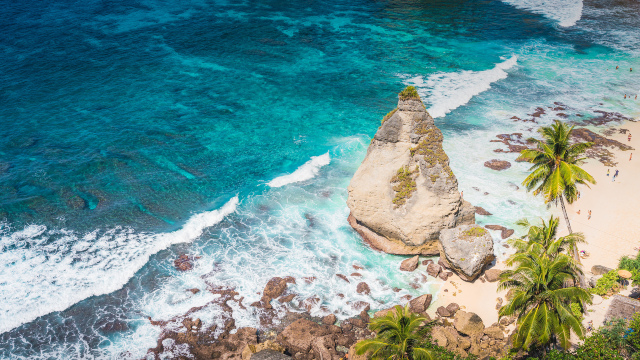
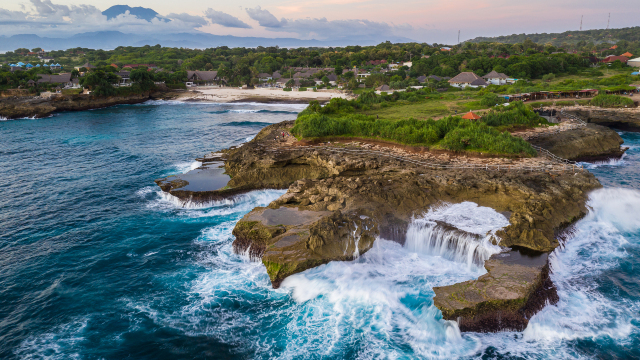
Nusa Lembongan
4.6/5
182 reviewsVery nice island.Recommend to visit manta Bay and manta point,it’s was interesting experience to see manta and turtles in the sea.

Ayung River Rafting Bali
4.5/5
117 reviewsIt's a fun activity, not too extreme, and I think it's even suitable for children aged 8-10. There's a stop along the way where you can have a beer or juice, and there's also a tame otter. :) The descent to the boats is okay, but your legs are a bit shaky afterwards. The climb up is less steep, so it's easy. After rafting, the food is delicious, and there's a lovely view of the rice fields and palm trees. Lockers are safe for storing things, even your phone, but you can also bring it and give it to the guide, who will put it in a dry bag. There's also a stop along the way with a small waterfall, where you can take photos. I recommend it; it's a lot of fun.
Is Bali Safe? Common Scams in Bali

Scam Alert : Stay Vigilant ! | UNESCO
Just like any other popular tourist destination, Bali has its fair share of scams. They are usually minor, but they can be annoying and cost you money. Fortunately, they are easy to avoid as long as you know how to spot them.
The Taxi Scam
Taxi scams are the most common among the world. A friend of mine told me she was almost scammed recently. When she asked for a quote in English, the price was nearly doubled. This still happens today. While Bali taxis are technically metered, many drivers refuse to use them, insisting on a negotiated fare instead. Unless you speak Indonesian, you will likely be overcharged.
Even so, this is easy to avoid. Simply use ride-hailing apps like Grab or Gojek. You can also ask your hotel to call a taxi for you. While it might be slightly more expensive than a street hail, it is much more convenient and, more importantly, safer—especially at night.
The Currency Exchange Scam
Typically, the scam works like this:
You find a money changer offering an exchange rate that seems too good to be true. When you exchange your money, you receive less than expected. The clerk uses "sleight of hand" while counting through a stack of bills—a tactic that works because Indonesian Rupiah (IDR) has so many zeros. Sometimes they let you count the money, then ask for it back to "double-check" it. When they hand it back, they’ve already skimmed a portion off the stack.
To avoid this, follow two simple rules:
- Be the last person to count the money.
- Only exchange money at reputable locations like malls, banks, or hotels.
Many people prefer to avoid the hassle altogether by withdrawing cash directly from ATMs (like BCA or Mandiri) or using credit cards.
Getting "Rip-off" Prices
If you are shopping at a local market in Bali, you can likely negotiate the price down to less than half of the initial quote. The trick is to simply walk away.
This is common practice globally. If you want the best price, you need to learn how to haggle.
Bali Attractions Review
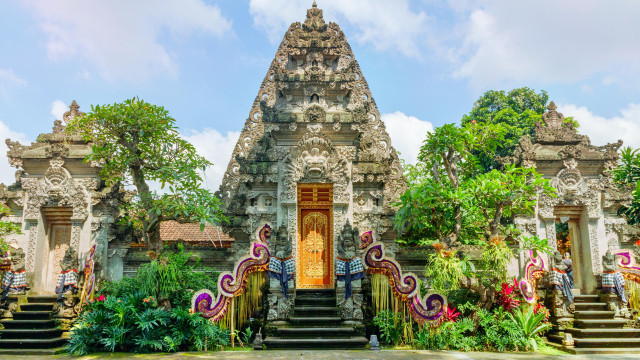
Ubud Palace
4.4/5
478 reviewsIt was a wonderful performance. From the percussion music to the dance performances and the beauty of the Ubud Royal Palace, it was simply magnificent. I have a request for Japanese people who are planning to go. The performance is long, about an hour and a half. In addition to the dance, there is also a performance consisting only of percussion music. During the performance, there were many Japanese people talking loudly (do they think they can't be heard?) or whispering to each other, and as a fellow Japanese person, I felt very embarrassed. We can get to Bali in 7 to 10 hours, and the cost of living is low, and the ticket price is incredibly cheap. However, the performance is so wonderful that you would have to pay at least 5,000 to 10,000 yen to see it in Japan. Please be quiet during the performance. I think it is an absolute must-see if you come to Ubud.



Waterbom Bali
4.8/5
221 reviewsWe bought our tickets very conveniently on trip.com. We arrived on a weekday, and there was no line at the ticket office. They give you a towel for a deposit, and the restrooms and showers are comfortable and clean. There's a variety of rides to suit every level of fear. The only downside is that the food is a bit overpriced and the selection isn't great, but overall, you won't go hungry. You can leave your belongings in the storage locker so you don't have to carry extra things.
How to get to Bali? What are the Direct Flights?

Flight Attendant
Traveling from Australia to Bali is highly convenient, with multiple major cities offering direct flights to Ngurah Rai International Airport (DPS).
Direct Flights and Airlines to Bali
The following airlines operate direct services from Australia to Bali:
City to Bali | Fares (One-Way AUD) | Average Flight Time |
From $133 | 3h 40m – 4h 00m | |
From $150 | 2h 40m – 2h 50m | |
From $189 | 5h 20m | |
From $173 | 6h 10m+ | |
From $223 | 6h 30m – 6h 50m | |
From $183 | 6h 20m | |
From $257 | 6h 30m | |
From $182 | 4h 40m |
Travel Planning Tips
- Visa Requirements: Australian citizens traveling to Indonesia typically require a Visa on Arrival (VoA). The cost is approximately AUD $50 (IDR 500,000), valid for 30 days and extendable once.
- Best Time to Visit: The dry season in Bali occurs from April to October, providing the best conditions for beaches and outdoor activities.
- Flight Deals: Lower fares are often found in February and March or during the shoulder seasons (May–June and September–October).
Do Australians Need Visa for Bali?
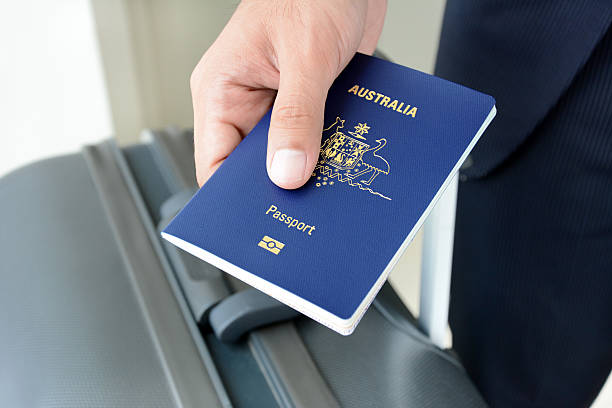
1,200+ Australian Passport Stock Photos, Pictures & Royalty-Free ...
Australian citizens are eligible for a Visa on Arrival (VoA) for tourism, valid for a maximum of 30 days. To make your arrival more convenient, it is highly recommended to apply for an e-VOA (Electronic Visa on Arrival) online before your trip. This pre-approved visa streamlines the immigration process, allowing you to use automated gates (Autogates) at major airports like Bali (DPS) and Jakarta (CGK).
In addition to your visa, all travelers must complete a digital declaration. As of late 2025, the previous separate customs QR code has been merged into the "All Indonesia" Arrival Card.
- Arrival Card & QR Code: You must obtain this QR code via the official government online system within 3 days (72 hours) before your departure. This single digital form now combines customs, health, and immigration declarations.
- At the Airport: You must present this QR code to authorities upon arrival. It is designed to simplify airport procedures and ensure a smooth entry into the country.
Please be aware that while short-term tourist entry is straightforward, regulations for long-term stays in Indonesia can be significantly more complex and may require different visa types or local sponsors.
Recommended Hotels in Bali
See All Hotels
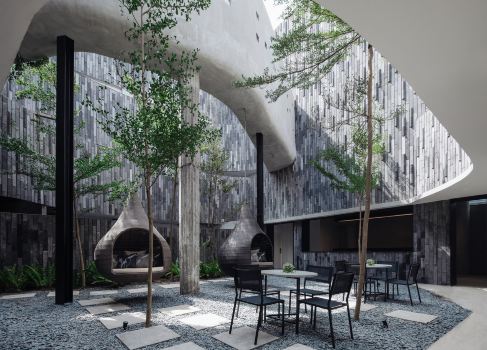
 NO.1
NO.1






Is Bali Safe
-
How safe is Bali for tourists?
-
Is Bali safe to walk at night?
-
Where to avoid staying in Bali?
-
What is the most common crime in Bali?
Disclaimer: This article has been provided by an individual contributor or third party platform. If there is any discrepancy regarding the copyright, please contact us directly and we will delete the content immediately.
Trending Searches
-
Top Flight Routes
-
Latest Flight Deals
-
eSIM/SIM card