
Suica Card Guide: Welcome Suica vs Regular Suica, Costs & How to Use It

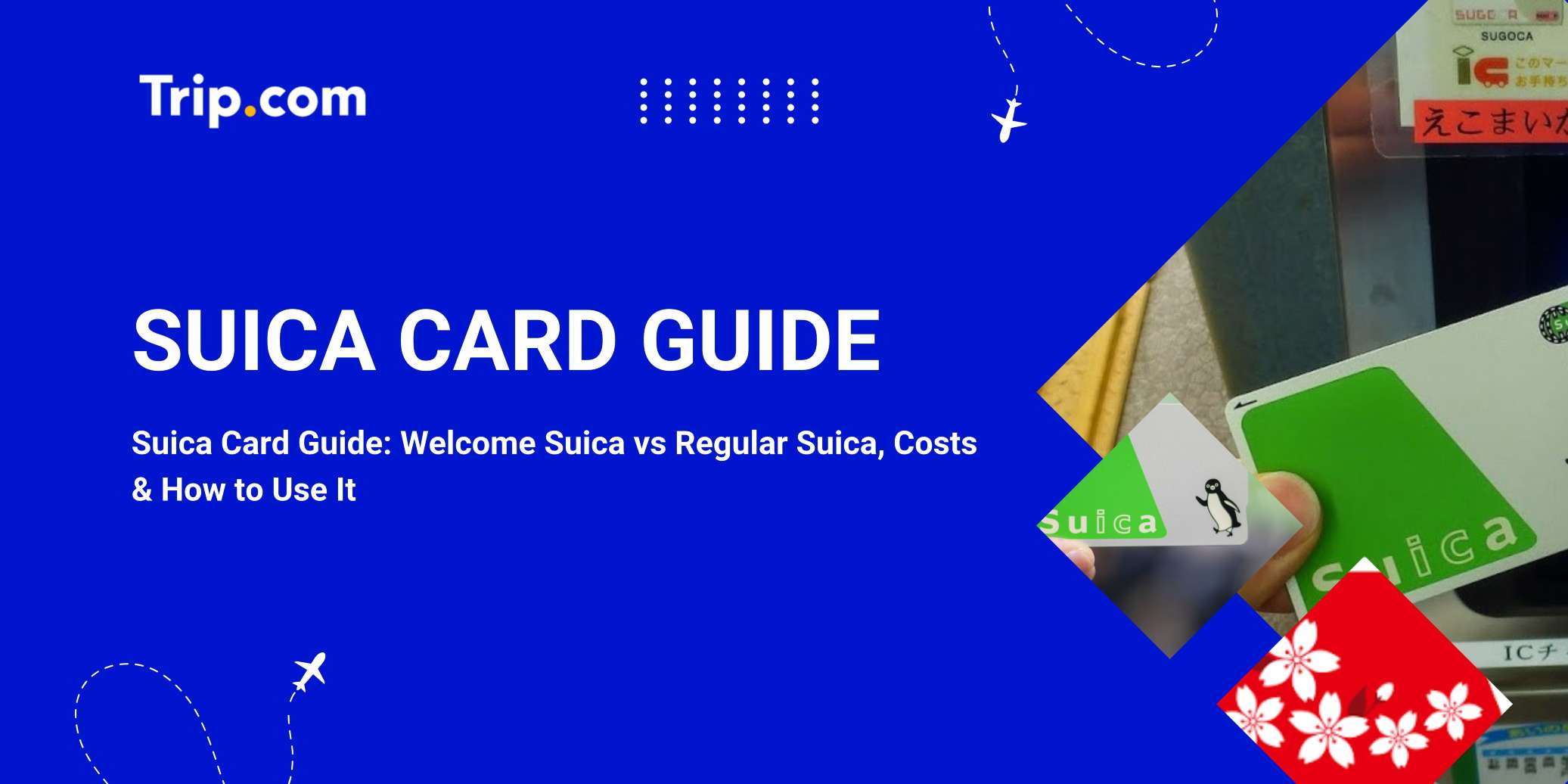
Suica is the simplest way to get around Japan, letting you tap through train gates, ride buses and pay for a convenience store coffee with one card or your phone. Here’s which Suica card to get, what it costs, how much to load, where to buy it, how to set it up on your phone and where it works beyond Tokyo.
Flights to Japan
Hotels in Japan
Japan eSIMs
See all flights


 NO.1





What is the Suica Card?
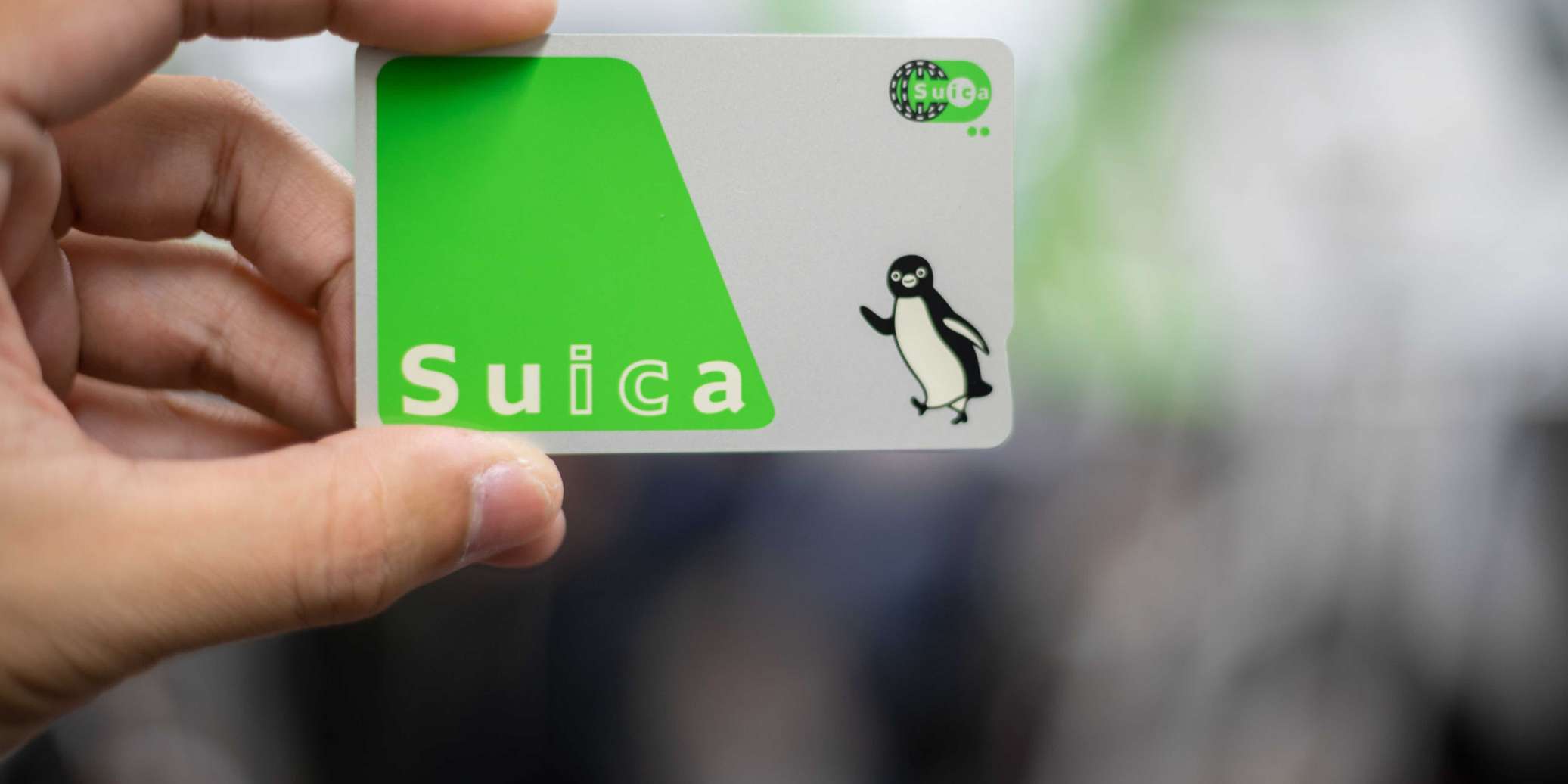
Suica is a prepaid card you can use on trains, metro and buses across Japan. You can also use it at a convenience store to pay for lunch. You load it with yen and pay as you go, and the same card works on participating local transport in Tokyo, Osaka, Kyoto and other major cities.
✈️ Cheap Flights from Australia to Tokyo 🏨 Book the Best Hotels in Tokyo📱 Get connected with a Fast Japan eSIM 🚆 Book your Japan Bullet Train tickets
Which Suica Card Should You Get?
The right Suica card depends on your phone, how long you're staying and whether you're travelling with kids. Note that there are essentially two cards: Welcome Suica and the Suica (regular), and both come as either a physical copy or digitally.
Your trip | Best fit | Notes |
A Japan trip of up to 28 days | Physical Welcome Suica | No deposit, so every yen you load is yours to spend. Any leftover balance expires with the card, which happens Expires 28 days after purchase. |
An Android phone bought in Australia, or kids paying child fares | Works whatever phone you carry. Child cards charge child fares; bring the child's passport to buy one. | |
A longer stay or a repeat trip, without a compatible iPhone | Regular physical Suica | A refundable ¥500 deposit (about AU$4.52). Expires 10 years after last use |
You want to set up your iPhone in Australia | Welcome Suica Mobile | English-language app with no deposit. Unused credit is non-refundable. Expires 180 days after purchase. |
An iPhone user planning to come back to Japan | Suica in Apple Wallet | Add a regular Suica directly in Wallet, with no deposit, plastic card or separate app. Leftover credit stays on your phone for next time. Expires 10 years after last use |
My pick for most Aussie iPhone users is Welcome Suica Mobile, since you can set it up on the couch before you fly and tap straight through the gates when you land. If you're already eyeing a second Japan trip, add a regular Suica in Apple Wallet instead, and whatever's left on it will be waiting for you next time rather than expiring after 180 days.
What’s The Difference Between A Regular Suica And A Welcome Suica?
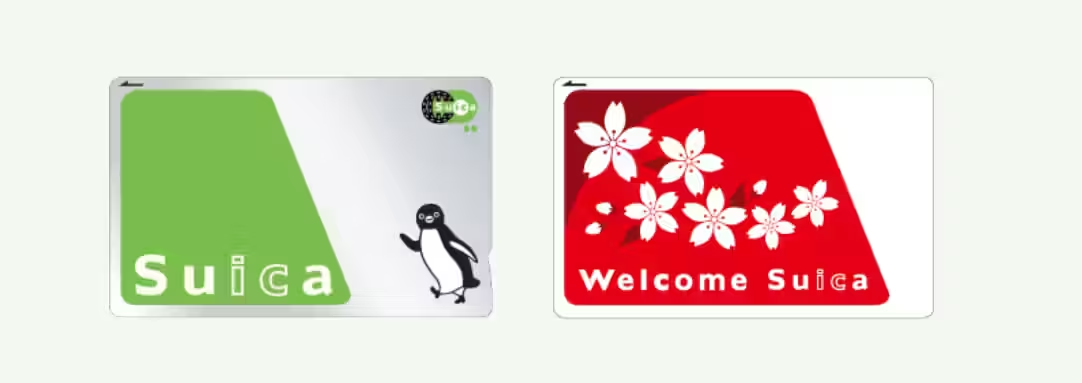
The main difference between a regular Suica and a Welcome Suica comes down to the deposit, how long the card lasts and whether you can get your money back.
A regular Suica comes with a refundable ¥500 deposit, stays valid for 10 years after you last use it, and can be refunded at a JR East station (minus a small handling fee).
A Welcome Suica is built for short-term visitors, so there’s no deposit, but it only lasts 28 days from the day you buy it and you can’t get back any credit you don’t spend. The phone version, Welcome Suica Mobile, works the same way over 180 days from when you set it up.
📱 Make sure you can navigate with ease across the country with a Japan eSIM!
See all attractions
How Much Does A Suica Card Cost?
A Suica card is free apart from the yen you load onto it, plus a refundable ¥500 deposit if you choose a regular card.
A physical Welcome Suica starts loading from ¥1,000 (about AU$9) with no deposit, whereas a regular Suica holds back ¥500 (about AU4.52) as a deposit. Pay¥2,000 (about AU$18.10) for a regular Suica and you’ll have ¥1,500 (about AU$13.58) to spend.
I'd start with around ¥2,000 and top up as you go, rather than loading a big balance that might expire before you spend it.
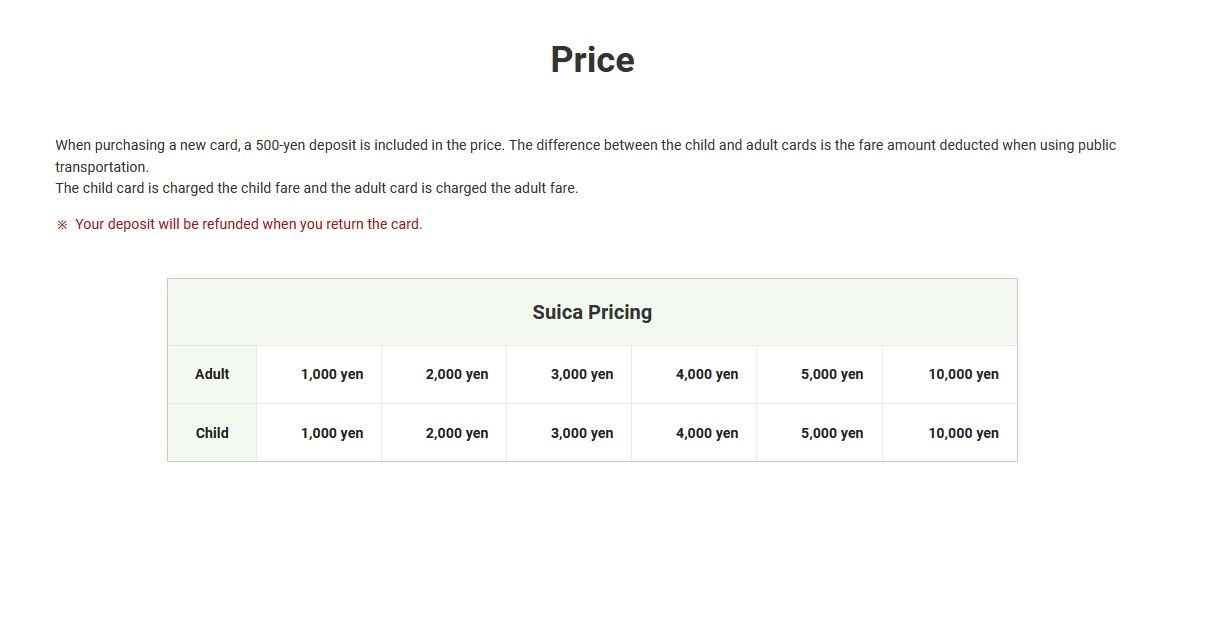
Load prices for a regular Suica card. Sourced from JR East.
How Much Should You Load On Your Suica Card?
How much you load on your Suica card depends on how much you'll ride, and most single trips cost less than AU$3. Here's what some common trips cost on Suica, using adult fares from after JR East's 14 March 2026 fare rise.
Trip | Line | Suica fare (adult) |
Haneda Airport Terminal 3 to Hamamatsucho | Tokyo Monorail | ¥519 (about AU$4.70) |
Haneda Airport Terminal 3 to Shinagawa | Keikyu Line | ¥327 (about AU$2.96) |
Tokyo to Shinjuku | JR | ¥253 (about AU$2.29) |
A short Tokyo Metro ride | Tokyo Metro | from ¥178 (about AU$1.61) |
Most Kyoto city bus rides | Kyoto City Bus | ¥230 flat fare (about AU$2.08) |
Kyoto to Osaka | JR Special Rapid | ¥580 (about AU$5.25) |
An Osaka Metro ride | Osaka Metro | ¥190 to ¥420 (about AU$1.72 to AU$3.80) |
Add those up and a typical sightseeing day of about four local rides comes to around ¥900 (about AU$8). I’ve crunched the numbers, and here’s roughly what that means for some popular (and simple) itineraries in Japan. These estimates cover local trains, subways and buses only, not the Shinkansen or reserved-seat airport trains like the Narita Express.
Your trip | Rough Suica spend | What to load |
A long weekend in Tokyo (3 days, flying in and out of Haneda) | About ¥4,000 (about AU$36) | ¥2,000 to start, then one top-up |
5 days in Tokyo | About ¥6,000 (about AU$54) | ¥2,000 to start, then top up every couple of days |
1 week in Tokyo, Kyoto and Osaka (3 nights, 2 nights, 2 nights) | About ¥8,000 (about AU$72), plus your Shinkansen ticket and transfer to Kansai Airport | ¥2,000 to start, then top up as you go |
2 weeks in Tokyo, Kyoto and Osaka (6 nights, 4 nights, 4 nights) | About ¥14,000 (about AU$127), plus your Shinkansen ticket and transfer to Kansai Airport | ¥3,000 to start, then top up as you go |
I’d always recommend loading a small amount on the card to begin with, just to get a gauge of how much you’re using in general before loading more. Especially with a Welcome Suica, where anything left on it is gone after you fly home, I think it’s a good idea.
Even two weeks of sightseeing won't come close to the card's ¥20,000 limit, so there's no reason to load it all at once.
Flights from Sydney
Flights from Melbourne
Flights from Brisbane
Flights from Adelaide
See all flights


Where To Buy A Suica Card In Tokyo
The easiest place to buy a Suica card is the airport you land at, since both Haneda and Narita have dedicated Welcome Suica vending machines as well as staffed counters. JR East sells only one Welcome Suica per person, so everyone in your group buys their own (a family member can buy a child's card with the child's passport).
Buying a Suica card at Haneda Airport
At Haneda Airport, head for the Tokyo Monorail station at Terminal 3. You'll find Welcome Suica vending machines and a JR East Travel Service Center there, and you can tap your new card straight onto the monorail to Hamamatsucho, then again on the JR Yamanote Line.
Buying a Suica card at Narita Airport
At Narita Airport, the Welcome Suica machines are at Narita Airport Terminal 1 Station and Narita Airport Terminal 2·3 Station (Terminal 3 shares its railway station with Terminal 2). Your Suica covers the regular trains into the city, but the Narita Express to Tokyo or Shinjuku needs a reserved-seat ticket.
Where To Buy A Suica Card In Central Tokyo
Already in Tokyo? JR East Travel Service Centers at Tokyo, Shinjuku, Shibuya, Ueno and Ikebukuro stations sell physical Welcome Suica cards, as do the centres at Yokohama and Takanawa Gateway stations and JAPAN RAIL CAFÉ at Tokyo Station. For a regular Suica, look for a Suica-enabled ticket machine at a JR East station and have some yen cash ready.
Keep the reference paper that comes with a physical Welcome Suica. It shows your card's expiry date (the card itself doesn't), and station staff can ask to see it. Lose it and you can reprint it at a ticket machine, so no need to panic.
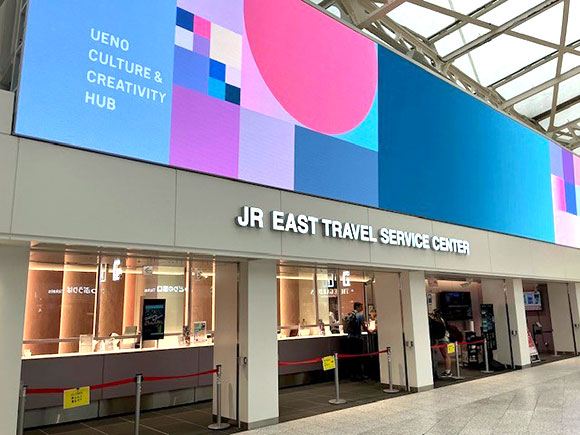
Image sourced from JR East.
💫 Start planning your trip with some of the Best Things to See and Do in Japan!


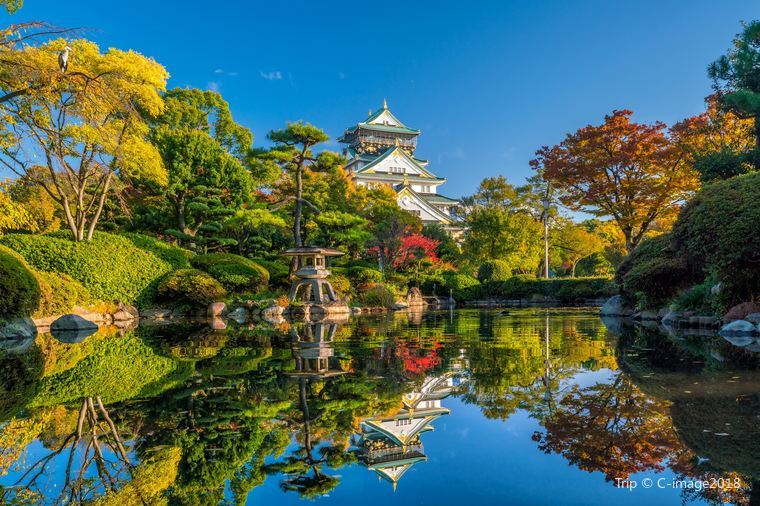
Osaka Castle Park
4.8/5
4542 reviewsOsaka Castle Park is much larger than I expected. It's about a ten-minute walk from Tanimachi 4-chome Station, and you can already see the moat and stone walls along the way. The castle tower requires a separate ticket, but the park itself is free. The cherry blossom season and ginkgo season offer completely different scenery; autumn is the most pleasant time to walk along the ginkgo avenue, where fallen leaves carpet the ground. The stone walls along the moat are worth stopping to admire; the stones are of varying sizes, with moss growing in the crevices, showing their age. A word of caution: the queues at the castle tower can be very long during peak hours, so check opening hours online beforehand; many areas in the park do not allow sitting on the grass; and some areas of the park are darkened at night, so arrive early if you want to take night photos. Overall, it's best to spend half a day here, taking your time and not rushing to see everything.
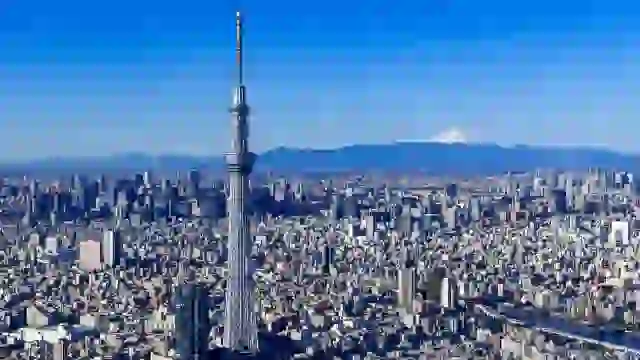
Tokyo Skytree
4.7/5
3102 reviewsA beautiful place from which you can look down on Tokyo from a height of 450 meters.
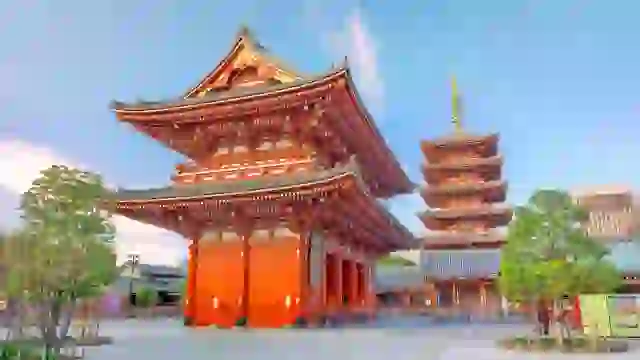
Sensō-ji
4.7/5
582 reviewsI've lived in Japan for a long time and visited this Dempoen garden and the temple with Ema's paintings for the first time, as it's private property and only open on certain dates! At that time, the garden was illuminated in the evening and there were beautiful dancing scenes! We had a great time! Ema's paintings were also magnificent!


How To Get Suica On Your Phone
Getting Suica on your phone is easiest with an iPhone, and you can do the whole setup before you leave Australia.
Set up Welcome Suica Mobile in Australia
- Download Welcome Suica Mobile from the Australian App Store. JR East lists the iPhone XR, XS and later models with iOS 17.2 or newer.
- Turn on location services, open the app and set your secret password.
- Follow the prompts to issue your Suica. Australia is one of six countries where JR East supports setup before arrival.
- Add yen using an eligible payment card in your name in Apple Pay.
- Set Suica as your Express Mode card, then hold the top of your iPhone near the gate reader. You can leave the screen locked.
Your 180 days start the day you issue the card. I'd do it in the week before you fly, while you've got home Wi-Fi and time to sort out a declined top-up.
Add A Regular Suica To Apple Wallet
To add a regular Suica card to your iPhone, open Wallet → + → Travel Card, search for Suica, choose an amount and confirm payment. You'll need an iPhone 8 or later on the latest iOS. A Suica can only live on one device at a time, so if you move yours to your Apple Watch, use the watch at both gates.
Already have a plastic Suica from a past trip? You can move it into Wallet, balance and all. Tap + → Transit Card → Suica → Transfer Existing Card, follow the prompts, then rest the top of your iPhone on the card until the transfer finishes. Your ¥500 deposit is added to your balance and the plastic card stops working. This only works with a regular Suica, so a Welcome Suica can't go into Wallet. If you've got an old Suica rattling around in a drawer from your last trip, this is the move.
Can You Use Suica On An Australian Android Phone?
For most Australian-bought Android phones, the short answer is no, so choose a physical card. Mobile Suica on Android needs support for Japan's Osaifu-Keitai mobile wallet system, and being able to tap your phone for coffee at home doesn't tell you whether it can hold a Suica.
Samsung owners may have seen the news about Welcome Suica Mobile. JR East and Samsung have announced plans to support selected Galaxy models sold overseas from 2027, with launch targeted for the first half of that year, but they haven't confirmed which countries or models yet.
✈️ Book the Best Flights from Australia to Tokyo 🏨 Browse the Top Hotels in Tokyo📱 Stay connected on your trip with a Fast Japan eSIM
How To Top Up And Use Your Suica Card
You can top up a Suica card as often as you like, at station machines, at 7-Eleven ATMs or on your phone.
Top Up A Physical Suica
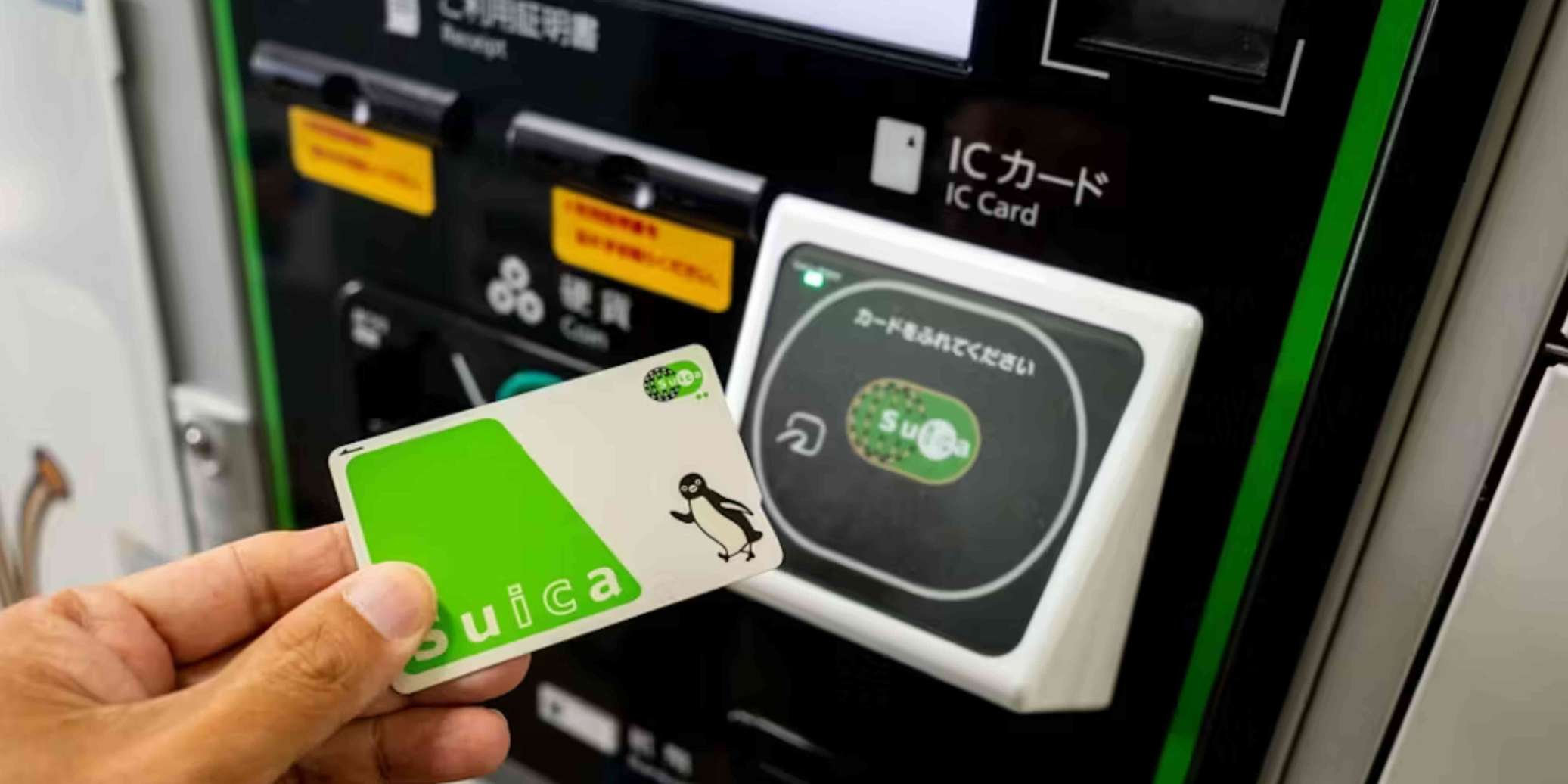
Select "Charge" at a station ticket machine with the Suica logo, insert or place your card as shown, then feed in yen. Seven Bank ATMs in 7-Eleven stores also accept cash top-ups. A physical Welcome Suica only takes yen, so an Australian credit card won't work for this step. A Suica holds a maximum of ¥20,000 (about AU$180.96), so you can't overload it.
Top Up Suica On Your iPhone
On an iPhone, add money through Apple Pay in the Welcome Suica Mobile app, or select a regular Suica in Wallet and tap Add Money. If your bank declines the top-up in Japan, you can still add yen with cash at a compatible machine with a phone reader or at a participating convenience store.
Tap On And Off With Suica
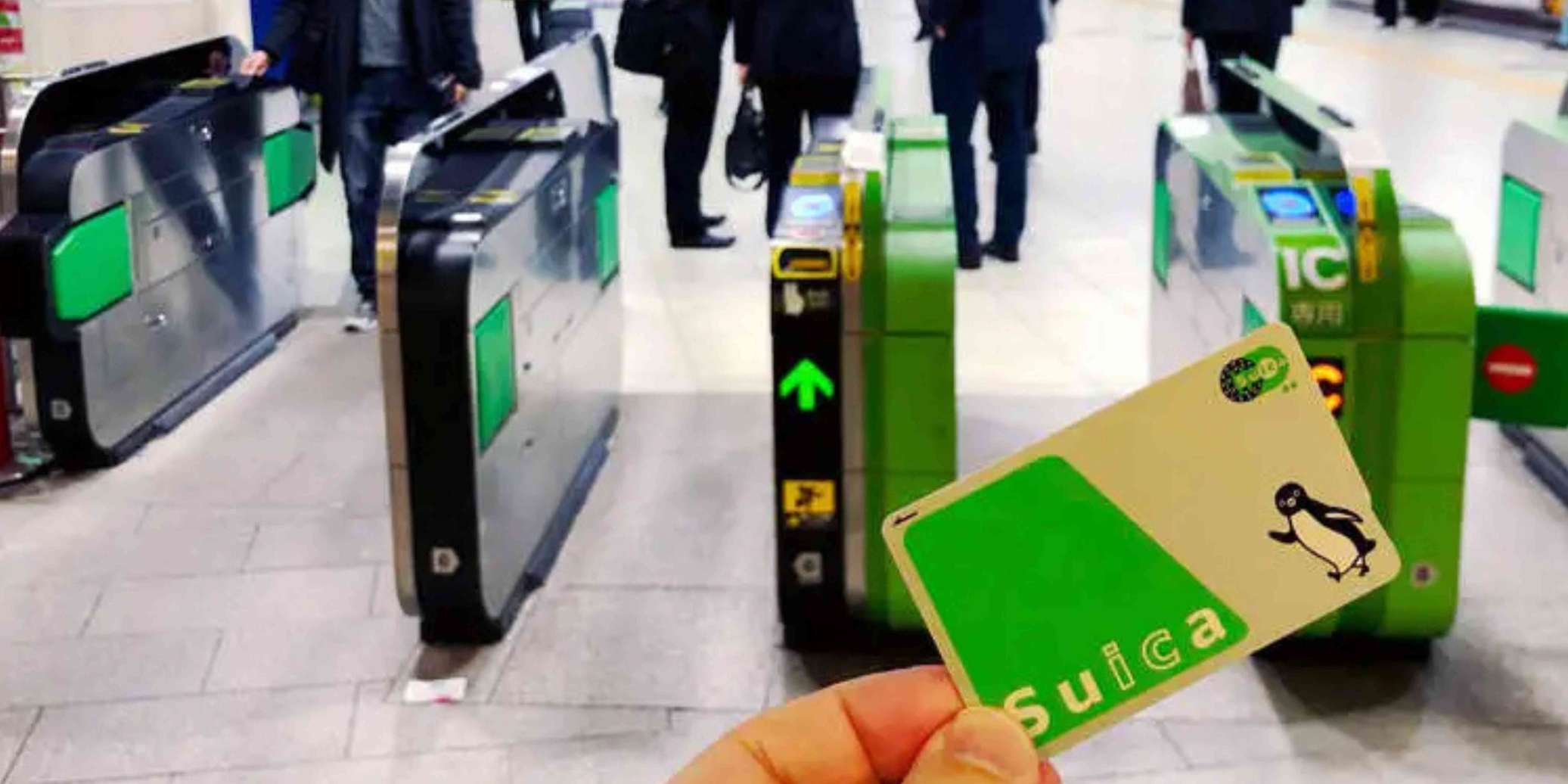
At a train station, tap in and out with the same card or device. The exit gate deducts the fare and shows what's left, and if your balance comes up short, top up at the fare adjustment machine inside the gates before tapping out. On buses, tap the reader when you board or get off, as shown by the operator.
Where Suica Works Outside of Tokyo
Suica works well beyond Tokyo, on local trains, subways and buses in other big cities, including Kyoto and Osaka.
Using Suica In Kyoto And Osaka
You can ride the JR Yamanote Line in Tokyo, take a separately ticketed bullet train to Kyoto, then use your Suica again on the Kyoto subway or Osaka Metro. For local rail journeys, stay within one participating IC coverage area, because two stations can both accept Suica without allowing a single tap-on, tap-off journey between them.
Hotels in Tokyo
Hotels in Osaka
Hotels in Kyoto
See All Hotels



Paying With Suica At Shops And Vending Machines
Look for the transport IC logo at convenience stores, vending machines and station lockers. At a staffed counter, saying "Suica de" tells the cashier you'd like to pay with Suica. It's an easy way to use up your last few hundred yen before an airport departure, and a convenience store coffee is the tastiest way to spend it.
Tokyo To Kyoto By Shinkansen
Suica won't pay for the Tokaido Shinkansen on its own, so you'll need a separate bullet train ticket for this leg. Trip.com sells Tokaido Shinkansen tickets between Tokyo, Kyoto and Osaka, so you can lock in your seats before you leave home.
My advice is to book this leg before you fly, especially in cherry blossom season when everyone else has the same idea.
FAQs About Suica Card
-
Can I just tap my Australian bank card in Tokyo?
-
Does each child need their own Suica card?
-
Can I get my Suica balance back before I fly home?
-
Is Suica better than a Tokyo Subway Ticket?
Disclaimer: This article has been provided by an individual contributor or third party platform. If there is any discrepancy regarding the copyright, please contact us directly and we will delete the content immediately.

Trending Searches
-
Top Flight Routes
-
Latest Flight Deals
-
eSIM/SIM card