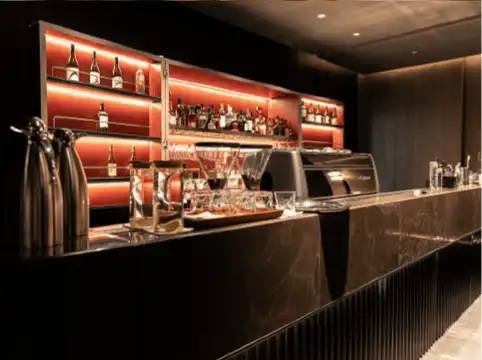
Beijing Hotels with Bars
Enter your dates to find great hotels with bars in Beijing.
Scroll down to see hotels
Filter by:
Hotel Star Rating
≤2345
Guest Rating
Amazing 9+Great 8+Good 7+Pleasant 6+Best Beijing Hotels with Bars
Browse the best hotels with bars in Beijing for relaxing evenings.
Most Booked
Lowest price
Closest to downtown
Highest Rated
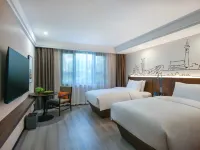
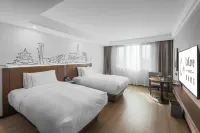
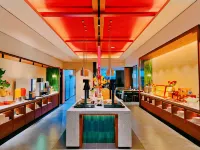
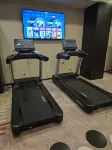
99+
Hotel near Tian'Anmen Square and Wangfujing Area,Beijing
Featured facilities: Café, Snack Bar, Minibar
4262 reviews
8.9/10
1 night
From £ 60

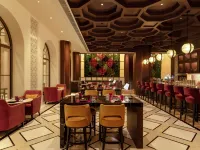
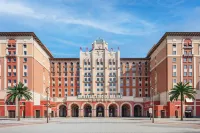


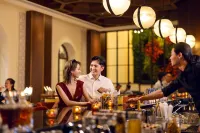
85
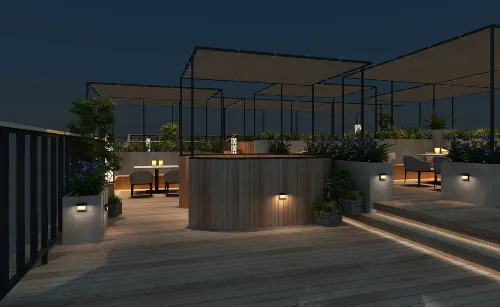
Hotel near Universal Beijing Resort and Sorrounding,Beijing
Featured facilities: Café, Snack Bar, Restaurant
Outstanding
21503 reviews
9.5/10
1 night
From £ 159
99+
Hotel near Tian'Anmen Square and Wangfujing Area,Beijing
Featured facilities: Restaurant
Outstanding
964 reviews
9.5/10
1 night
From £ 41

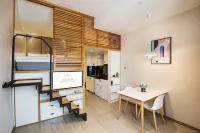
99+
Hotel near East Second Ring Workers' Stadium Area,Beijing
Featured facilities: Restaurant
Excellent
5817 reviews
9.6/10
1 night
From £ 57
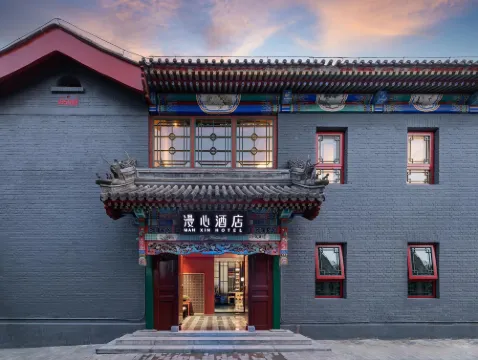
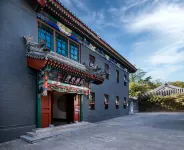
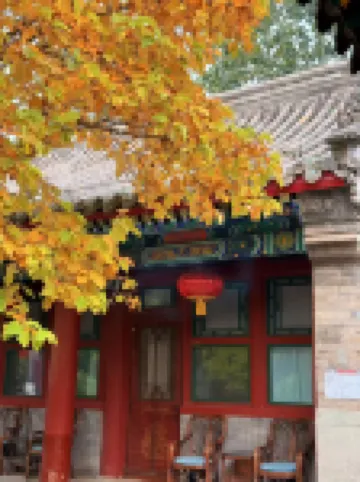
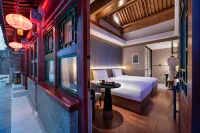
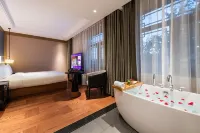
99+
Hotel near Houhai Area,Beijing
Featured facilities: Café, Minibar, Restaurant
Excellent
3347 reviews
9.7/10
1 night
From £ 82

99+
Hotel near Capital Airport and New International Exhibition Center,Beijing
Featured facilities: Executive Lounge, Café, KTV
Outstanding
6127 reviews
9.4/10
1 night
From £ 27
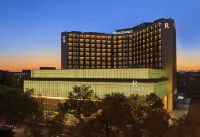
99+
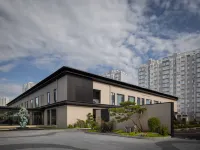
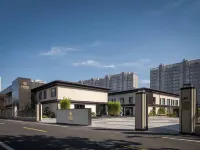
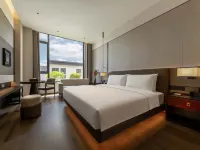
Hotel near Tian'Anmen Square and Wangfujing Area,Beijing
Featured facilities: Executive Lounge, Café, Minibar
Outstanding
9135 reviews
9.5/10
1 night
From £ 118
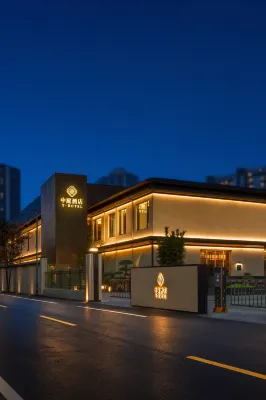
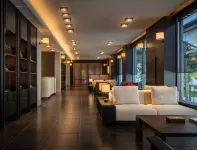
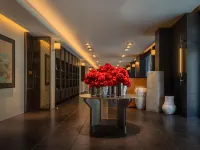

99+
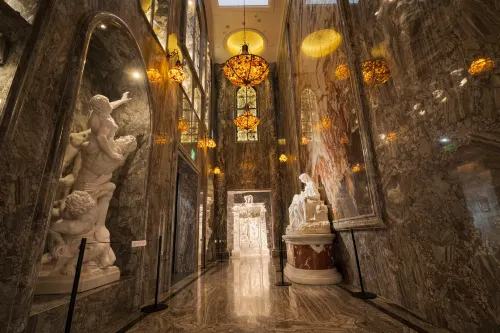
Hotel near Beijing West Railway Station Area,Beijing
Featured facilities: Café, Snack Bar, Restaurant
Excellent
102 reviews
9.7/10
1 night
From £ 49
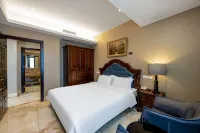
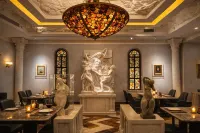
99+
Hotel near East Second Ring Workers' Stadium Area,Beijing
Featured facilities: Café, Restaurant
Very Good
1414 reviews
9.2/10
1 night
From £ 46
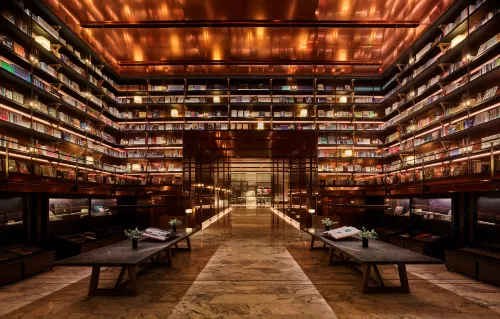
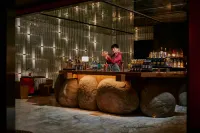


99+
Hotel near Daxing Eco-agriculture Tourist Area,Beijing
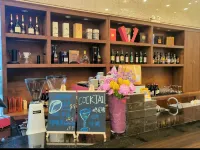
Bar, lobby bar, coffee and book lounge, café, snack bar.
Cleaning services: clothes steamer, dry cleaning, ironing service, laundry service.
Excellent
11506 reviews
9.7/10
1 night
From £ 70
Hotels in Beijing Reviews
See all
Explore genuine reviews and ratings from real travellers to find the perfect accommodation for your needs.
CitiGO Hotel Sanyuanqiao Beijing
9.6/10
Excellent
Posted on Aug 31, 2026|Tehui Queen Bed Room(Mobile Screen Casting & Mini Fridge)
Anonymous User
The hotel is conveniently located a 5-6 minute walk from Sanyuanqiao subway station, away from the noise of main roads. The signage, dining, and decor meet international guest standards. The rooms are compact but fully functional. Alcohol wipes are provided to sanitize the toilet seat. The shower stall is space-efficient, with a dry-wet curtain that separates the areas while also ensuring privacy. Lighting controls are user-friendly, though the actual room temperature was slightly higher than what the AC display showed. The minibar offered a good selection of soft drinks, but I couldn't find the usual instant coffee and tea bags, perhaps encouraging guests to visit the unique lobby bar on the first floor. The scent in both the room and public areas was pleasant, and soft background music played during breakfast. This hotel offers excellent value for money and was perfect for my solo business trip. While there are billiards and game machines in the lobby, I didn't have time to enjoy them.
If the price remains affordable, this will be my top choice for business trips to Beijing. It's incredibly convenient for both the Airport Express and subway, and the surrounding area is upscale and peaceful.
Price per night from:£ 40
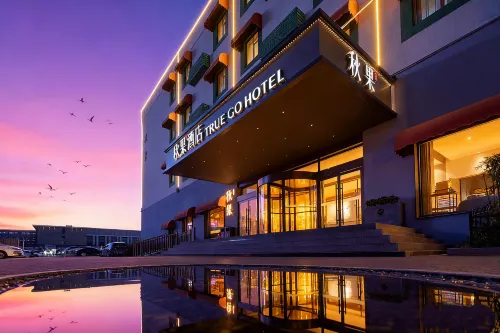
TRUE GO Hotel (Beijing West Railway Station Liuliqiao East Subway Station)
9.6/10
Excellent
Posted on Sep 13, 2026|Cozy 2-bed Room
 Guest User
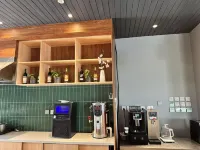
I stayed here for several consecutive days, and the experience was consistently good. Housekeeping was thorough every day, and supplies were replenished promptly. I even got to know the front desk staff, and their service remained attentive. The surrounding area has all the amenities you need, making daily dining and shopping convenient. The room was quiet and comfortable to live in, making it a great choice for a long-term stay. The service was fantastic, truly excellent, and the facilities were comprehensive, including a laundry room, gym, and even a coffee machine. Responses were very prompt, which was especially great. [Strong]
Price per night from:£ 29
Beijing Wanda Vista Hotel
9.6/10
Excellent
Posted on Aug 31, 2026|Deluxe Queen Room
Anonymous UserThe moment I walked into the hotel, I was so disappointed. There was an insurance company holding an event, and the lobby was chaotic and noisy. The insurance staff were even blocking the elevator buttons. My first impression was terrible. When I got into the elevator, on my way up to the 11th floor, a hotel employee pushed a cart full of things in. They realized they'd made a mistake, thinking the elevator was going down, but instead of leaving, they started cursing at a robot trying to enter, even using foul language, completely disregarding the guests. Entering the room, my heart sank even further. The cabinets and everything were dilapidated, and the overall feel of the room was old and rundown. I immediately called Trip.com to see if I could change my two-night booking to one night, as I absolutely had to move out the next day. The breakfast the next day was also very poor; from the service to the food selection, it was just indescribable. Even the coffee was undrinkable.
Price per night from:£ 94
Beijing Wangfujing The Purple Horse Hotel
9.5/10
Outstanding
Posted on Jun 28, 2026
Elizabeth & JohnAmazing! We spent five nights staying in a deluxe king room with terrace/balcony at The Purple Horse Hotel in Beijing at the end of June 2026.. The location is excellent. The hotel is situated in the heart of a Hutong which offers a calm quiet and serene experience in the middle of a bustling city, only a short walk to restaurants and shops. The Hutong itself is a great experience, it's safe and friendly and we enjoyed chatting to the locals at the corner shop.
The hotel is absolutely wonderful. It's less than two years old and It is finished to a really high standard, the attention to detail is incredible. It felt luxurious with the highest quality furnishings and the bathroom and shower were like something you would find in a spa. Our room had great views over the Hutong and the Beijing skyline and had excellent air conditioning. We had a buffet breakfast and a buffet dinner included and it was delicious and served in a beautiful restaurant on the top floor. Above that there was an amazing rooftop terrace with an outdoor swimming pool, a cocktail bar and 360⁰ views of the city.
There is also a Peking duck restaurant on the ground floor, a gym and a self service complimentary laundry room.
The best thing about this hotel is the staff. The level of service and the attentiveness of the staff is at a level that we have never experienced before. The staff are super friendly and polite and they are always trying to help. Our room was cleaned to an immaculate level every day and we were often left little gifts and kind notes. The service in the restaurant was great and once again always really kind and friendly, special mention to Nieve for looking after us so well. Anything we needed, any questions we had, the staff really went out of their way to help us and did so with big smiles on their faces and we had fun times in our interactions with them. Everyone had a good level of English, especially the front for house staff and management
.
If you want a comfortable, clean, modern hotel with great facilities, in a great, safe location and would like staff that will advise and help you and direct you and even organise trips and transport for you, then this is the hotel for you.
We would like to thank some of the staff that really went out of their way to help us. Ella and Anduo who organised a print shop for us and helped us find some specific gift shops. Nieve for making us smile everyday in the restaurant. The housekeeping team for making our room so clean, comfortable and amazing every day. Terry the manager for being a really nice guy, for taking the time to talk to us and ask us if we needed anything everyday. And Kevin for making us some really nice tea and helping us with everything when we were checking out.
We have stayed in hotels all over the world but this one will always stand out for being that little bit different, for being so immaculate and for going the extra mile. Thank you very much and we look forward to seeing you next time. John and Elizabeth.
Price per night from:£ 111
Manxin Hotel Beijing Tiananmen Wangfujing
9.5/10
Outstanding
Posted on Aug 27, 2026|Delight Superior Standard Room with Smart Guest Control and Mini Fridge
Guest UserThis Manxin Hotel in Wangfujing has an absolutely fantastic location. Quanjude Roast Duck is right next door, making dining incredibly convenient. You can walk to Tiananmen Square and the Forbidden City, which is a huge plus for families traveling with children. The rooms are clean and tidy, the bedding is comfortable, and the staff are warm and attentive. After a long day of sightseeing, you can easily pop back to the hotel to rest. The surrounding hutongs and commercial streets are also close by, making it easy to get around and find food and drinks. Highly recommend for anyone visiting Beijing!
Price per night from:£ 60
Oriental Jasmine Hotel(Forbidden City Branch)
9.4/10
Outstanding
Posted on Aug 31, 2026|Windy·Die | Duplex Double Bed Room
Riv11112
This hotel is really good. First of all, it’s new. Right when you walk in you can tell they put real effort into not looking like a cookie-cutter modern hotel. The design feels distinctly Chinese and you can see they cared about it.
The area around the hotel is excellent. Trees along the street, lots of cafés and restaurants nearby. The location is super convenient and nice.
When you walk in, the smell is so nice. It smells like jasmine. It doesn’t smell like a bathroom. It’s quite cozy. It’s not a grand, big, five-star luxurious hotel. But honestly the service is better than the five-star hotels I stayed at on this Beijing trip (Hilton, Hyatt, and others). This one is rated four-star on Trip.com and I think it has better service than all of them. The staff are nicer. They’re attentive. They take initiative. They feel warm. Even the manager speaks good English. You can really see they care and pay attention to detail (we had a great experience with Molly's help). They want everybody to have a good experience. They gave us a discount on the room too.
There’s a lot of good quality fruit and cake. They especially provide traditional Chinese cake and a variety of treats. On the first night they gave traditional Chinese sweets and traditional drinks, plus fresh fruit like watermelon. The watermelon was very juicy and sweet, not bland. You also have the option of a very nice cake or popcorn. I chose the cake, but the popcorn is probably just as delicious.
On the second day they gave us traditional sweets again, like the first night. They call it afternoon tea. The sweets were completely different from the first night. I really appreciate how they gave us a variety of traditional Chinese sweets. It just goes to show how much effort they put into the details and into giving guests a good experience.
We wanted to extend our stay but the original room wasn’t available. They made sure to give us multiple options. When we chose a room, the front desk staff personally took us to tour it. We talked about pricing and she even gave us a discount, about $30 less than the price on Trip.com. That was really nice.
Overall, really good experience. We’re still here on our second day and super happy. If you come here, this is a great hotel to stay at.
Price per night from:£ 77
Cordis, Beijing Capital Airport
9.4/10
Outstanding
Posted on Jul 28, 2026|Superior King
费师亚 Fisher, ShiaThis location was ideal for my short layover. Conveniently located adjacent to Beijing Capital International Airport, it offers virtually every amenity you could imagine. The value is also excellent considering what you save by taking advantage of the complimentary airport shuttle service.
What truly made this stay exceptional, however, was the outstanding hospitality. I ordered room service, and the food arrived hot, delicious, reasonably priced, and surprisingly high quality. Breakfast was another highlight—I highly recommend adding it to your stay, whether you dine in the restaurant or enjoy it from the comfort of your room.
I especially want to recognize Deane at the guest services desk. Exceptional customer service is becoming increasingly rare, and Deane reminded me what genuine hospitality looks like. When I needed a little extra time before checking out, he patiently listened to my request, helped me work through my admittedly imperfect Chinese, and went above and beyond by arranging a special accommodation that allowed me to remain in my room beyond the standard checkout time. At no point did I feel rushed or like an inconvenience. Instead, I felt genuinely welcomed as a guest. His professionalism, kindness, and willingness to help transformed what could have been a stressful travel day into a relaxed and enjoyable experience. Employees like Deane are a tremendous asset to any hotel, and he deserves recognition for the positive impression he leaves on guests.
This personalized level of customer care is exactly why I would recommend this hotel to anyone flying into or out of Beijing, and why I will absolutely stay here again. I’ve attached a few photos I took during my visit.
A special note for families with children: you would be hard-pressed to find a better airport hotel. Between the family rooms, swimming pool, breakfast buffet, and evening dining options—including pizza, burgers, and other Western favorites—there is plenty to keep children happy while creating memorable family experiences.
10/10. Highly recommended.
Translated:
这家酒店是我北京转机期间最理想的选择。酒店紧邻首都国际机场,位置无可挑剔,几乎拥有旅客所需要的一切设施。再加上免费的机场接送服务,整体性价比非常高。
不过,真正让我印象最深刻的还是这里的服务。
客房送餐不仅速度快,而且食物热腾腾、味道很好、价格合理、品质也超出了我的预期。早餐更是值得推荐,如果入住的话,一定不要错过。
我还想特别感谢前台工作人员 Deane。
如今,真正发自内心的优质服务越来越难得,而Deane让我再次感受到了什么是真正的待客之道。由于航班时间的原因,我需要申请延迟退房。他非常耐心地听我说明情况,还细心地配合我并不流利的中文交流,没有丝毫不耐烦。最终,他主动帮我协调了延迟退房,让我能够在正常退房时间之后继续使用房间一段时间。
整个过程中,他始终保持着专业、耐心和真诚,让我感受到自己不是一个普通的住客,而是真正受到重视和欢迎的客人。正是因为有像Deane这样的员工,这家酒店才能给客人留下如此美好的回忆。我真心希望酒店能够对他的优秀服务给予认可,因为他代表了这家酒店最好的形象。
正是这种充满温度的个性化服务,让我毫不犹豫地推荐这家酒店给所有来北京出差、旅游或转机的旅客。我以后一定还会再次入住。
我还附上了几张自己拍摄的照片,希望能帮助更多旅客了解这家酒店。
另外,特别推荐带孩子出行的家庭入住。无论是亲子这家酒店是我北京转机期间最理想的选择。酒店紧邻首都国际机场,位置无可挑剔,几乎拥有旅客所需要的一切设施。再加上免费的机场接送服务,整体性价比非常高。
不过,真正让我印象最深刻的还是这里的服务。
客房送餐不仅速度快,而且食物热腾腾、味道很好、价格合理、品质也超出了我的预期。早餐更是值得推荐,如果入住的话,一定不要错过。
我还想特别感谢前台工作人员 Deane。
如今,真正发自内心的优质服务越来越难得,而杨亚威让我再次感受到了什么是真正的待客之道。由于航班时间的原因,我需要申请延迟退房。他非常耐心地听我说明情况,还细心地配合我并不流利的中文交流,没有丝毫不耐烦。最终,他主动帮我协调了延迟退房,让我能够在正常退房时间之后继续使用房间一段时间。
整个过程中,他始终保持着专业、耐心和真诚,让我感受到自己不是一个普通的住客,而是真正受到重视和欢迎的客人。正是因为有像Deane这样的员工,这家酒店才能给客人留下如此美好的回忆。我真心希望酒店能够对他的优秀服务给予认可,因为他代表了这家酒店最好的形象。
正是这种充满温度的个性化服务,让我毫不犹豫地推荐这家酒店给所有来北京出差、旅游或转机的旅客。我以后一定还会再次入住。
我还附上了几张自己拍摄的照片,希望能帮助更多旅客了解这家酒店。
另外,特别推荐带孩子出行的家庭入住。无论是亲子房、游泳池、丰盛的早餐,还是晚餐提供的披萨、汉堡等西式餐点,都能让孩子们玩得开心、吃得满意,也一定会留下美好的旅行回忆。
⭐⭐⭐⭐⭐ 10分满分,我给10分!强烈推荐!房、游泳池、丰盛的早餐,还是晚餐提供的披萨、汉堡等西式餐点,都能让孩子们玩得开心、吃得满意,也一定会留下美好的旅行回忆。
⭐⭐⭐⭐⭐ 10分满分,我给10分!强烈推荐!
Price per night from:£ 58
Mandarin Oriental Wangfujing Beijing
9.4/10
Outstanding
Posted on Aug 9, 2026|Deluxe Room with King Bed
Anonymous User
This hotel offers a very comfortable stay. The room facilities are well-maintained, the breakfast is delicious, the bar serves amazing drinks, and the location is superb. More importantly, the service is exceptionally good.
The hotel staff are very attentive to guests' requests and feedback, and you can tell they work hard to provide a comfortable, pleasant, and satisfying stay. Stena, Osgood, Lina, Yulia, Mavis, and housekeeping staff Fen Fen are all warm, friendly, and professional.
Price per night from:£ 567
Club Med Joyview Beijing Yanqing
9.1/10
Good
Posted on Aug 30, 2026|Superior Room Twin
Xiaoyao~youzizaiThe Club Med resort is quite expansive, divided into a main building (housing the front desk, guest rooms, restaurants, gym, meeting rooms, etc.) and an annex building (primarily for recreational facilities, including archery, rock climbing, flying trapeze, bars, a water park, and a ball pit). The two buildings are conveniently connected by a skywalk.
A big thank you to our butler, Suna, who provided meticulous reminders throughout our stay (dining times, themed activity schedules, etc.) and also helped coordinate issues like replenishing bottled water and arranging a late check-out. We really appreciate Suna!
**Cleanliness:** The room was clean, and housekeeping service was prompt.
**Dining:** The buffet offered a wide variety of dishes and was quickly refilled.
**Activities:** There were numerous activities available during our stay, such as bubble parties, large-scale song and dance shows, childcare services, and a water park. The children had a fantastic time.
**Outdoor:** There are basketball courts, badminton courts, and a pine cone park. Guests can also enjoy hiking or cycling on their own.
Price per night from:£ 75
Grand Millennium Beijing
8.8/10
Posted on Aug 10, 2026|Deluxe King Room
Guest UserUpon checking in, Miss Zoe at the front desk was incredibly enthusiastic. When I asked about upgrading my room type, she immediately and proactively helped me check and change it, quickly finding me a room with a better view. She was patient and polite throughout our conversation, very efficient, and took the initiative to explain the hotel facilities. Her attention to detail showed thoughtful service, and she was serious and responsible in addressing guest needs. She's an excellent front desk staff member! 👍
Price per night from:£ 77
FAQs
What are the best hotels with Bar in Beijing?
If you’re looking for the best hotels in Beijing, Livefortuna Hotel (from £ 56) , UrCove by HYATT Beijing Forbidden City (from £ 65) and Cordis, Beijing Capital Airport (from £ 40) are all highly recommended hotels.
How much does it cost for hotels with Bar in Beijing?
For hotels with Bar in Beijing, the average price on weekdays is £ 230, and the average price on weekends (Friday - Saturday) is £ 246.
Which hotels with Bar in Beijing are good for couples?
Many hotels with Bar in Beijing are ideal for couples planning a romantic trip. Happy Dragon Saga Hotel with terrace Beijing Forbidden City Wang Fu Jing Street (from £ 31) and Beijing Xinqiao Hotel (from £ 58) are some of the best hotels for couples.
Which hotels with Bar in Beijing are good for families?
Livefortuna Hotel (from £ 56), UrCove by HYATT Beijing Forbidden City (from £ 65) and Cordis, Beijing Capital Airport (from £ 40) are popular choices for families. Enjoy a memorable stay with your kids and loved ones!
What are the best luxury hotels with Bar in Beijing?
If you're looking for premium services and top-notch amenities, there are plenty of luxury hotels with Bar in Beijing to choose from. Cordis, Beijing Capital Airport (from £ 40), The Universal Studios Grand Hotel (from £ 123) and Mumian Beijing Daxing International Airport, in The Unbound Collection by Hyatt Hotel (from £ 41) are among the top luxury hotels you can book.
Where to find hotel deals for Beijing hotels with Bar?
Trip.com has travel deals available throughout the year. Check out the promotions page to grab the latest discounts and offers on Trip.com.
Everything You Should Know About bar in Beijing Hotels
| Total properties | 268 |
|---|---|
| Number of reviews | 578,956 |
| Highest price | £ 2,365 |
| Lowest price | £ 43 |
| Weekday Avg. Price | £ 230 |
| Weekend Avg. Price | £ 246 |
Keep Exploring
Accommodation types
GreenTree Inn Hotels in BeijingCountry Inn & Suites by Radisson Hotels in BeijingJoy Hotels in BeijingMagnotel Hotels in BeijingUrba Hotels in BeijingHotels with WIFI in BeijingHotels with parking in BeijingMIGRATORY HOTEL Hotels in BeijingBoutique Hotels Beijingcampanile Hotels in BeijingStar 5 Hotels in BeijingStar 4 Hotels in BeijingStar 3 Hotels in BeijingStar 2 Hotels in Beijing
Hotels near Attractions
Hotels near Shifo TempleHotels near Beihai ParkHotels near Summer PalaceHotels near Chaoyang Workers' University (Hepingli Campus Shop)Hotels near Crab Island - International Conference CentreHotels near Mutianyu VillageHotels near Temple of HeavenHotels near CBD Culture Sports SquareHotels near Guangdong Huizhou Assembly HallHotels near Jing MausoleumHotels near Sanyuanqiao
Most Viewed Hotels
The Universal Studios Grand HotelSunworld Beijing Wangfujing Hotel (The Forbidden City)Crystal Orange Hotel Beijing Tiananmen WangfujingUrCove by HYATT Beijing Forbidden CityYitel (Beijing TiananmenWangfujing Subway Station)Le Joy HotelSunworld Dynasty Beijing Wangfujing Hotel (The Forbidden City)Livefortuna HotelJingli Hotel (Beijing Heshenghui Dajiaoting Subway Station Branch)THE YARD HOTEL BEIJING, Tian'anmen SquareGeosciences International Conference CentreBeijing Hotel NUOZhi'an Hotel (Beijing Guomao Subway Station Jianwai Soho Store)Blossom House Prince Kung’s Mansion · Beijing HouhaiOrdos Aili Hotel (Beijing Jinbao Street)Hefeng Jingli Hotel (Houhai Gongwangfu Store)Crystal Orange Beijing Anzhenthe Orchid HotelCity point hotel(Forbidden city)Atour Hotel Beiijng Guomao Jinsong Subway Station