Zhangjiajie Weather 2026: Best Time to Visit, Monthly Forecasts & Packing Tips


Want to travel to Zhangjiajie? Read the article and learn the best time to visit Zhangjiajie, Zhangjiajie’s weather forecast, weather by season, coldest month, what to wear and more.
See all flights

Zhangjiajie Weather Forecast 7 Days
℃|℉
Today
23 Oct, 2026
11
°

Foggy
11 ~ 21℃
23 Oct, 2026
Foggy
11℃ / 21℃
24 Oct, 2026

Cloudy
14℃ / 22℃
25 Oct, 2026
Cloudy
15℃ / 23℃
26 Oct, 2026
Cloudy
15℃ / 24℃
27 Oct, 2026

Overcast
11℃ / 21℃
28 Oct, 2026
Cloudy
13℃ / 20℃
Zhangjiajie weather - best times to visit Zhangjiajie
23 Oct, 2026 ZhangjiajieWeather:Foggy.Northeasterly wind:0–10 km/hour.Humidity:100%.Sunrise/sunset:06:44/18:00
ZhangjiajieTravel:Suitable.Umbrella:Not required.UV strength:Low
Show More
Zhangjiajie Weather Overview 2026
Here the Zhangjiajie weather & temperature Highlights:
- Climate: Four distinct seasons (Subtropical Monsoon).
- Yearly Average: 16°C.
- Rainy Season: Summer (June–August) sees the most precipitation.
- Dry Season: Winter is the clearest time of year.
- Altitude Tip: Temperatures in mountain areas (Wulingyuan) are 3–5°C lower than the city center.
Best Time to Visit Zhangjiajie - Weather by Month
January in Zhangjiajie
| Temperature | Precipitation | Sunlight |
|---|---|---|
| 🌡️ 2°C to 8°C Feels like: -1°C to 6°C | 🌧️ 45mm over 8-10 days ❄️ Occasional light snow | ☀️ 3-4 hours daily 🌇 5:30pm sunsets |
January brings Zhangjiajie's coldest days, with misty mornings that often shroud the famous sandstone pillars in mystical clouds. The mountain air feels crisp and clean, though the humidity from nearby rivers creates a penetrating chill that requires proper layering.
This is actually one of the most magical times to visit the national park, as the fog creates dramatic silhouettes of the towering formations. Fewer tourists mean you can enjoy the serenity of the landscape without crowds, though cable cars may operate on reduced schedules.
The cold mountain air makes thermal layers essential - bring moisture-wicking base layers and waterproof outer shells. The famous "Avatar Mountains" look especially ethereal in winter fog, but visibility can be limited. Local hot springs in nearby Wulingyuan offer perfect warming retreats after chilly hikes.
February in Zhangjiajie
| Temperature | Precipitation | Sunlight |
|---|---|---|
| 🌡️ 3°C to 10°C Feels like: 1°C to 8°C | 🌧️ 55mm over 9 days 🌫️ Persistent mountain fog | ☀️ 4 hours daily 🌇 6:00pm sunsets |
February sees winter's grip loosening slightly in Zhangjiajie, though the mountains retain their chilly character. Chinese New Year often falls in February, bringing colorful celebrations to the local Tujia villages. The holiday period sees many local businesses close, but the national park remains open.
The famous glass bridge at Zhangjiajie Grand Canyon may be closed during icy conditions, but the main park areas remain accessible. Early plum blossoms begin appearing in sheltered valleys, providing the first hints of spring in this mountainous region.
Chinese New Year brings spectacular fireworks displays over the mountains, but also means many restaurants close for up to a week. Book accommodations well in advance if visiting during the holiday. The fog often lifts by midday, making afternoon hikes more rewarding than morning attempts.
March in Zhangjiajie
| Temperature | Precipitation | Sunlight |
|---|---|---|
| 🌡️ 7°C to 15°C Feels like: 5°C to 13°C | 🌧️ 85mm over 13 days 🌦️ Unpredictable mountain weather | ☀️ 5-6 hours daily 🌇 6:15pm sunsets |
March welcomes Zhangjiajie's awakening from winter, with cherry blossoms and azaleas beginning their colorful display in the valleys. Temperature swings become dramatic in the mountains - sunny days can feel pleasantly warm at 18°C, while cloudy periods revert to winter chill.
The frequent rain brings out waterfalls that were frozen during winter, creating spectacular cascades throughout the park. This shoulder season offers excellent value for accommodations before spring tourism peaks, and the famous pillars emerge from winter fog more frequently.
Mountain weather changes rapidly - carry rain gear and layers for temperature swings. The famous "First Bridge Under Heaven" offers stunning views when fog clears, typically by late morning. Spring waterfalls at Tianmen Mountain are at their most dramatic during March rains.
April in Zhangjiajie
| Temperature | Precipitation | Sunlight |
|---|---|---|
| 🌡️ 12°C to 20°C Feels like: 10°C to 18°C | 🌧️ 120mm over 14 days 🌧️ Peak spring rains | ☀️ 6 hours daily 🌇 6:30pm sunsets |
April brings true spring to Zhangjiajie, with comfortable hiking weather and the mountains exploding into vibrant green. This is peak bloom season, with rhododendrons, azaleas, and wildflowers creating stunning displays throughout the valleys. The famous sandstone pillars emerge clearly from winter's persistent fog.
The spring rains bring the waterfalls to their most spectacular state, with cascades like Tianmen Waterfall becoming roaring torrents. The increased humidity creates the famous "sea of clouds" effect that photographers travel from around the world to capture.
April is prime time for photography as the "sea of clouds" phenomenon occurs most frequently. The famous glass bridge reopens fully, offering breathtaking views over misty valleys. Bring waterproof hiking boots as trails can be slippery from spring rains. The cable cars to Tianmen Mountain offer the best cloud views.
May in Zhangjiajie
| Temperature | Precipitation | Sunlight |
|---|---|---|
| 🌡️ 17°C to 25°C Feels like: 16°C to 24°C | 🌧️ 140mm over 15 days 🌧️ Heavy afternoon storms | ☀️ 7 hours daily 🌇 6:45pm sunsets |
May marks Zhangjiajie's transition to summer, with genuinely warm days perfect for hiking the famous trails. The humidity rises noticeably, creating the perfect conditions for the mystical fog effects that make the sandstone pillars appear to float in clouds. This is peak season for the "Avatar Mountains" experience.
The famous Golden Whip Stream trail becomes especially beautiful as spring rains fill the waterways. Labor Day (May 1-5) brings massive domestic tourism - the park can become extremely crowded during this holiday period.
May offers the best balance of comfortable weather and dramatic scenery. The famous "Avatar Hallelujah Mountain" looks most spectacular when surrounded by clouds. Avoid visiting during Labor Day holiday (May 1-5) due to extreme crowds. Early morning hikes offer the clearest views before afternoon fog rolls in.
June in Zhangjiajie
| Temperature | Precipitation | Sunlight |
|---|---|---|
| 🌡️ 21°C to 28°C Feels like: 23°C to 30°C | 🌧️ 180mm over 16 days 🌧️ Peak "plum rain" season | ☀️ 6-7 hours daily 🌇 7:00pm sunsets |
June brings Zhangjiajie's infamous "plum rains" (梅雨) at full force, creating the most dramatic and photogenic conditions of the year. The constant moisture creates the legendary "sea of clouds" effect that makes the sandstone pillars appear to float in an ethereal mist.
While the rain can be persistent, it creates the most magical atmosphere in the park. The famous glass bridge offers spectacular views over swirling clouds, and the cable cars provide rides through misty valleys that feel like floating through heaven.
The plum rain season creates the most photogenic conditions but requires waterproof everything - shoes, bags, cameras. The famous "First Bridge Under Heaven" offers its most dramatic views when clouds swirl beneath it. Bring multiple camera batteries as the mystical lighting conditions drain power quickly.
July in Zhangjiajie
| Temperature | Precipitation | Sunlight |
|---|---|---|
| 🌡️ 24°C to 31°C Feels like: 27°C to 35°C | 🌧️ 160mm over 14 days ⛈️ Brief powerful storms | ☀️ 8 hours daily 🌇 6:45pm sunsets |
July transforms Zhangjiajie into a steamy paradise as the plum rains end and summer heat takes hold. The high humidity creates perfect conditions for the famous cloud effects, but also makes hiking more challenging. The sandstone pillars emerge clearly from the morning fog, offering spectacular views.
This is peak tourist season, with domestic visitors flocking to escape city heat in the mountains. The famous glass bridge and cable cars operate at full capacity, though lines can be long during peak hours. Evening temperatures provide welcome relief from the day's heat.
July's heat makes early morning hikes essential - start trails by 6am to avoid afternoon humidity. The famous "Avatar Mountains" are most visible during clear morning hours before clouds roll in. Stay hydrated and take frequent breaks - the mountain trails are more challenging in summer heat.
August in Zhangjiajie
| Temperature | Precipitation | Sunlight |
|---|---|---|
| 🌡️ 23°C to 30°C Feels like: 26°C to 33°C | 🌧️ 170mm over 13 days 🌪️ Typhoon season peaks | ☀️ 7-8 hours daily 🌇 6:30pm sunsets |
August maintains July's warm temperatures while adding the peak of typhoon season. While direct hits are rare in the mountains, Zhangjiajie often experiences the outer bands of typhoons, bringing dramatic downpours and occasionally strong winds that provide brief relief from the heat.
This is traditionally the hottest month, when even locals seek refuge in the cooler mountain valleys. The famous waterfalls reach their peak flow from summer rains, creating spectacular cascades throughout the park. Many visitors escape to the higher elevations for cooler temperatures.
Typhoon warnings might disrupt cable car operations with little notice - build flexibility into August itineraries. The famous glass bridge can close during high winds. The cooler temperatures at higher elevations make Tianmen Mountain a popular escape from valley heat. Keep electronics in waterproof cases for sudden downpours.
September in Zhangjiajie
| Temperature | Precipitation | Sunlight |
|---|---|---|
| 🌡️ 19°C to 26°C Feels like: 20°C to 28°C | 🌧️ 130mm over 11 days 🌪️ Late typhoon possibility | ☀️ 6-7 hours daily 🌇 6:00pm sunsets |
September finally breaks summer's grip as the month progresses, with noticeably cooler temperatures and reduced humidity after mid-month. Early September can still feel like August, but by month's end, the first genuinely pleasant hiking days appear. The famous cloud effects become less frequent but more dramatic when they occur.
The Mid-Autumn Festival typically falls in September, bringing mooncakes to local bakeries and traditional celebrations to Tujia villages. This marks the traditional end of summer in Chinese culture, with families gathering to appreciate the harvest moon over the mountains.
September offers Zhangjiajie's best hiking weather as temperatures become comfortable without losing the dramatic scenery. The famous "sea of clouds" becomes less frequent but more spectacular when it appears. Mid-Autumn Festival brings beautiful moonlit views of the sandstone pillars from higher elevations.
October in Zhangjiajie
| Temperature | Precipitation | Sunlight |
|---|---|---|
| 🌡️ 14°C to 21°C Feels like: 13°C to 20°C | 🌧️ 70mm over 8 days ☀️ Increased clear days | ☀️ 6 hours daily 🌇 5:30pm sunsets |
October delivers Zhangjiajie's perfect weather - warm, sunny days with refreshingly cool nights and dramatically reduced humidity. This golden month brings the park's best hiking conditions, with clear views of the famous sandstone pillars and comfortable temperatures for long trail walks.
The first half of October sees National Day holidays (Oct 1-7), with massive crowds at all tourist sites. By mid-October, the summer haze clears to reveal crystal-clear views and brilliant blue skies. The famous glass bridge offers its clearest views of the valleys below.
Avoid Zhangjiajie during the first week of October (National Day) unless you enjoy extreme crowds. Mid-October to early November offers the year's best weather window - prioritize hiking and photography during this perfect season. The famous "Avatar Mountains" are most visible during October's clear days.
November in Zhangjiajie
| Temperature | Precipitation | Sunlight |
|---|---|---|
| 🌡️ 8°C to 15°C Feels like: 6°C to 13°C | 🌧️ 60mm over 8 days 🌫️ Morning fog returns | ☀️ 5 hours daily 🌇 5:00pm sunsets |
November brings autumn's full expression to Zhangjiajie, with pleasant days gradually yielding to winter's approach. Early November can still see temperatures approaching 18°C, while late month drops into consistent single digits. The turning maple trees create golden canopies that contrast beautifully with the sandstone pillars.
The humidity returns in a different form - a damp chill that cuts deeper than the thermometer suggests. The famous cloud effects become more frequent again, creating the mystical atmosphere that makes the park famous. Fewer tourists mean more peaceful hiking experiences.
November brings Zhangjiajie's fall foliage peak, with maple trees creating stunning displays against the sandstone formations. The chill makes hot springs in nearby Wulingyuan especially appealing. The famous glass bridge offers dramatic views over autumn-colored valleys, but dress warmly for the mountain winds.
December in Zhangjiajie
| Temperature | Precipitation | Sunlight |
|---|---|---|
| 🌡️ 3°C to 10°C Feels like: 1°C to 8°C | 🌧️ 50mm over 7 days ❄️ Occasional light snow | ☀️ 4-5 hours daily 🌇 4:45pm sunsets |
December envelops Zhangjiajie in winter's embrace, bringing consistently cold days and the return of persistent mountain fog. Despite temperatures rarely dropping below freezing, the humidity makes the cold penetrate layers of clothing. The famous sandstone pillars often disappear into mist, creating an ethereal, otherworldly atmosphere.
The winter solstice (December 21-22) marks an important traditional Chinese holiday, with families gathering in local villages to eat tangyuan (glutinous rice balls) that symbolize reunion. The park becomes remarkably peaceful as tourist numbers drop significantly.
December's fog creates the most mystical atmosphere but limits visibility - patience is required for clear views of the famous formations. The cold mountain air makes thermal layers essential, and waterproof outer shells protect against the damp chill. The famous glass bridge may close during icy conditions, but the main park areas remain accessible with proper gear.
When is the Best & Worst Times to Visit Zhangjiajie
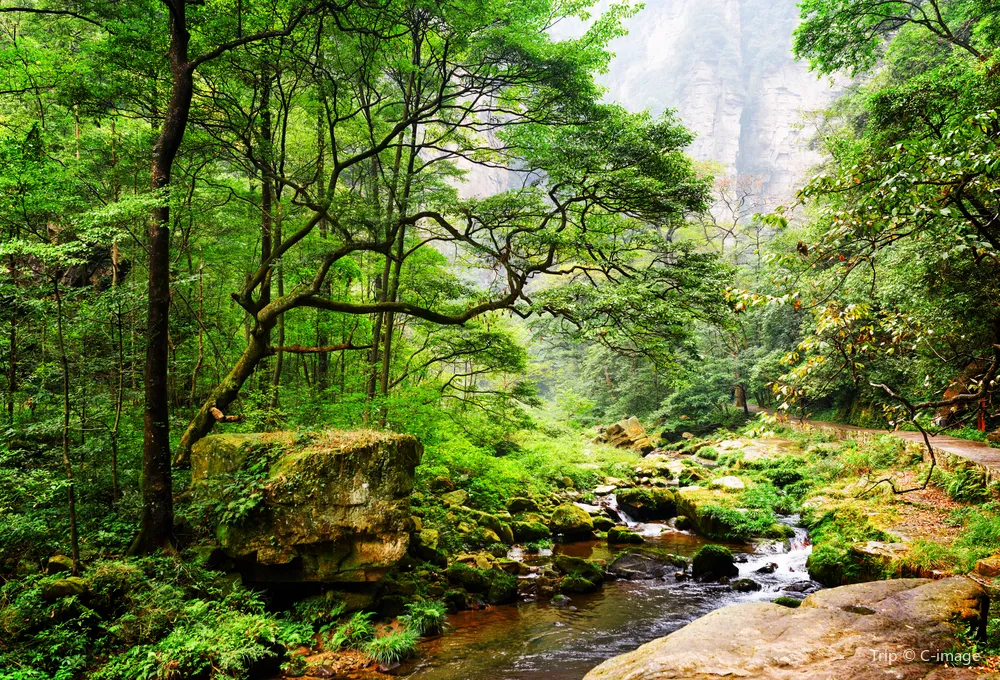
The timing of your visit to Zhangjiajie can drastically change your experience, as heavy crowds and dense fog can quickly obscure views or lead to multi-hour lines for cable cars and elevators.
The Best Times to Visit
1. Mid-September to Mid-November (Autumn)
- Why: Crisp, clear air yields the highest visibility, dramatically reducing the risk of heavy fog blocking the quartz-sandstone pillars. Fall foliage adds vibrant reds and golds to the landscape.
- Weather: Mild, comfortable temperatures averaging 13°C to 25°C (55°F–77°F) with minimal rainfall.
- Ideal Window: Mid-to-late October (after the Golden Week holiday).
2. April to May / June (Spring)
- Why: The mountains come alive with blooming flowers and lush greenery, accompanied by reasonable crowd levels.
- Weather: Pleasant temperatures ranging from 15°C to 25°C (59°F–77°F).
- Note: Early spring brings occasional rain showers that create a floating "sea of clouds" around the peaks.
The Worst Times to Visit
1. Chinese Public Holidays
- Golden Week (October 1–7)
- Labor Day Holiday (May 1–5)
- Chinese New Year (Late Jan/Feb)
- Why Avoid: Major viewpoints like Yuanjiajie and Tianmen Mountain become gridlocked. Queues for the Bailong Elevator and cable cars can exceed 2–3 hours, and accommodation rates triple.
2. July to August
- Why: Coincides with domestic school breaks, resulting in massive tourist crowds and long wait times under scorching heat.
- Weather: Hot and muggy (reaching 35°C / 95°F) with frequent afternoon downpours and thick humidity that can blanket the peaks in dense fog.
3. December to February (Winter)
- Why: Temperatures drop near or below freezing, bringing icy trails and persistent low-level fog that can completely obscure mountain views for days.
- Silver Lining: If you catch a clear day after snowfall, the snow-dusted Avatar peaks are breathtaking, and you will encounter the lowest crowd levels and cheapest hotel rates of the year.
Overview Comparison
Season / Month | Weather & Visibility | Crowd Levels | Overall Verdict |
Sep – Nov (excl. Oct 1–7) | Crisp, clear skies, low rainfall | Moderate | Best Time |
Apr – Jun (excl. May 1–5) | Mild, lush, occasional mist | Moderate | Great Time |
Jul – Aug | Hot, muggy, frequent rain | Very High | Avoid if possible |
Dec – Feb | Cold, icy, high fog risk | Very Low | Budget / Solitude choice |
National Holidays | Varies by month | Extreme | Worst Time |
Best Time to Visit Zhangjiajie - Weather by Season
Zhangjiajie transforms with the seasons - from misty winter mornings when the Avatar Mountains disappear into clouds to vibrant spring waterfalls cascading through emerald valleys.
Spring (March–May)
Mountain Awakening
7-20°C (45-68°F) with dramatic temperature swings. April's "plum rain" creates the famous "sea of clouds" effect that makes sandstone pillars appear to float.
What to Wear
- Waterproof hiking boots with good grip for slippery trails
- Layered clothing - thermal base, fleece mid-layer, rain shell
- Compact umbrella that fits in your backpack
Spring Adventures
- Hike Golden Whip Stream trail when waterfalls are at their peak
- Photograph the "Avatar Mountains" emerging from morning mist
- Visit Tianmen Mountain's glass walkway for cloud-top views
Pro Tip
Spring brings the most dramatic "sea of clouds" photography opportunities. Start hikes early (6am) to catch the mystical fog effects before they lift by midday.
Summer (June–August)
Misty Paradise
21-31°C (70-88°F) with high humidity creating perfect conditions for the legendary cloud effects. July's "plum rain" season brings frequent downpours.
What to Wear
- Moisture-wicking hiking clothes that dry quickly
- Waterproof backpack cover for sudden mountain storms
- Sun hat and SPF 50+ for clear days above the clouds
Beat the Heat
- Take cable cars through misty valleys for cool breezes
- Explore the famous glass bridge when clouds swirl beneath
- Visit local Tujia villages for traditional cooling foods
Local Hack
Summer humidity creates the most photogenic conditions but requires waterproof everything. The famous glass bridge offers its most dramatic views when clouds fill the valleys below.
Autumn (September–November)
Golden Season
Crisp 8-26°C (46-79°F). October delivers perfect hiking weather with clear views of the sandstone pillars and brilliant blue skies.
What to Wear
- Comfortable hiking boots for long trail walks
- Light jacket for cool mountain mornings
- Camera with extra batteries for perfect lighting
Autumn Must-Dos
- Hike the famous "First Bridge Under Heaven" with clear valley views
- Photograph maple trees creating golden canopies against sandstone
- Experience the glass bridge with crystal-clear visibility
Heads Up
October's National Day holiday (Oct 1-7) brings massive crowds - avoid this week unless you enjoy extreme crowds. Mid-October offers the year's best weather window.
Winter (December–February)
Mystical Chill
2-10°C (36-50°F) with persistent mountain fog that creates an ethereal atmosphere. The famous pillars often disappear into mist, creating otherworldly scenes.
What to Wear
- Thermal base layers under waterproof outer shells
- Insulated hiking boots for cold, damp trails
- Warm gloves that work with camera controls
Winter Activities
- Photograph the mystical fog effects around sandstone pillars
- Soak in nearby Wulingyuan hot springs after chilly hikes
- Experience the park's peaceful atmosphere with fewer tourists
Insider Note
Winter creates the most mystical atmosphere but limits visibility. The famous glass bridge may close during icy conditions, but the main park areas remain accessible with proper gear.
Zhangjiajie Weather - When to Visit Top Attractions

Not all Zhangjiajie attractions work well in every season. Below, you will learn when to visit each attraction, as well as why (for example, avoid bridges that freeze in winter) and professional advice for the best experience.
Attraction | Best Season(s) | Why It Works | Notes |
Autumn/Spring | Clear views (autumn) or blooms (spring) | Avoid summer rain; winter needs non-slip shoes. | |
Summer/Autumn | Cooler temps (summer) or no fog (autumn) | Winter may close some trails after snow. | |
Spring/Autumn | Mild weather for glass bridge walks | Skip winter (icy bridge risks closure). | |
Summer | Shade/breeze beats summer heat | Not ideal in winter (cold winds). |
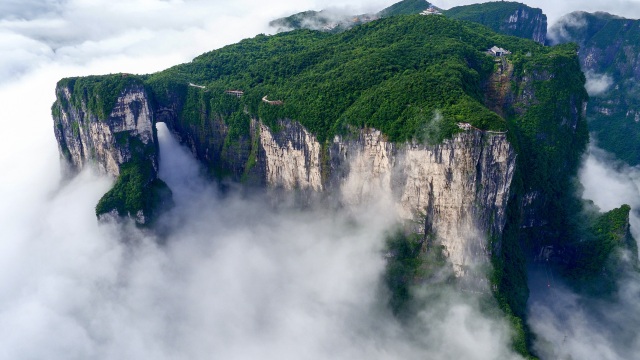
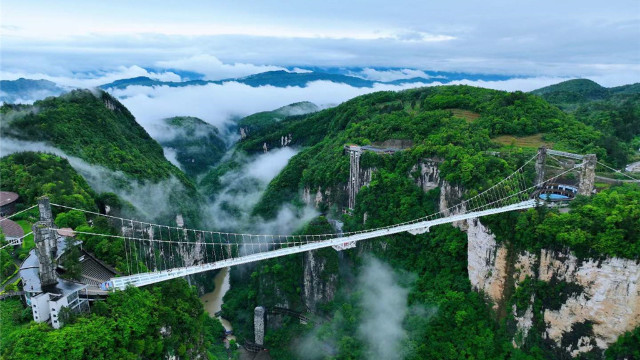
Zhangjiajie Grand Canyon
4.7/5
1487 reviewsDefinitely worth a visit; the view is stunning, despite the crowd of Chinese people on the bridge. Be sure to walk along the canyon floor, following the stream to the exit, but don't board the boat immediately after descending—it's an extra fee and only a short trip, as there's another (free) cruise at the end.
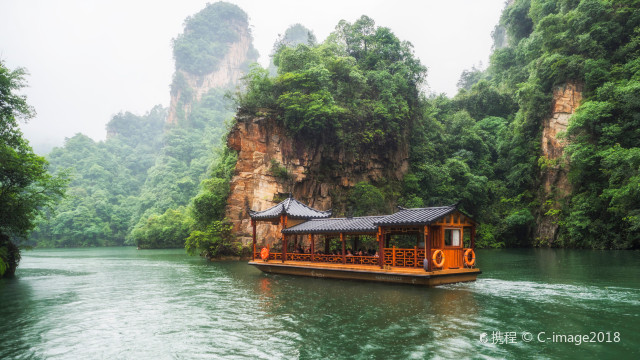
Baofeng Lake
4.1/5
206 reviewsThe flow is very well organized; it's hard to get lost or confused. The views are definitely worth seeing, especially when fog or time constraints prevent you from reaching the main mountains.
The flow is very well organized; it's hard to get lost or confused. The views are definitely worth seeing—especially when, due to fog or a lack of time, you aren't able to reach the main mountains.
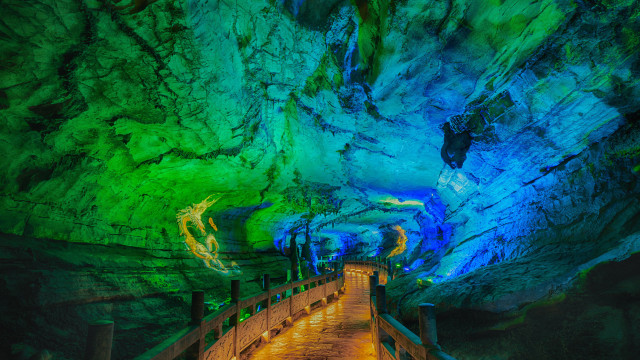
Huanglong Cave
4.6/5
1596 reviewsThe location is definitely worth a visit; it's better to see it once than to write a lot about its beauty.
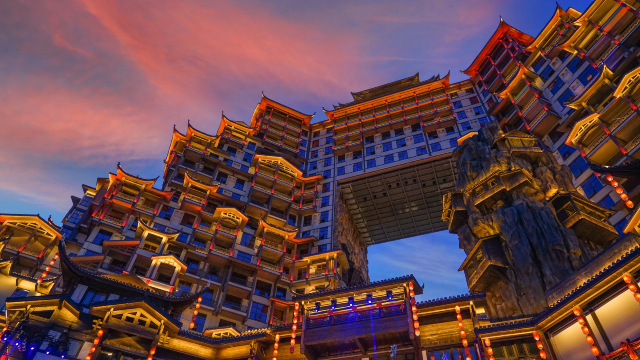
72 wonder tower
4.1/5
1842 reviewsAmazing! Especially the show which happened around 8pm is a must see in Zhangjiajie.
Zhangjiajie Weather - What to Wear & Bring
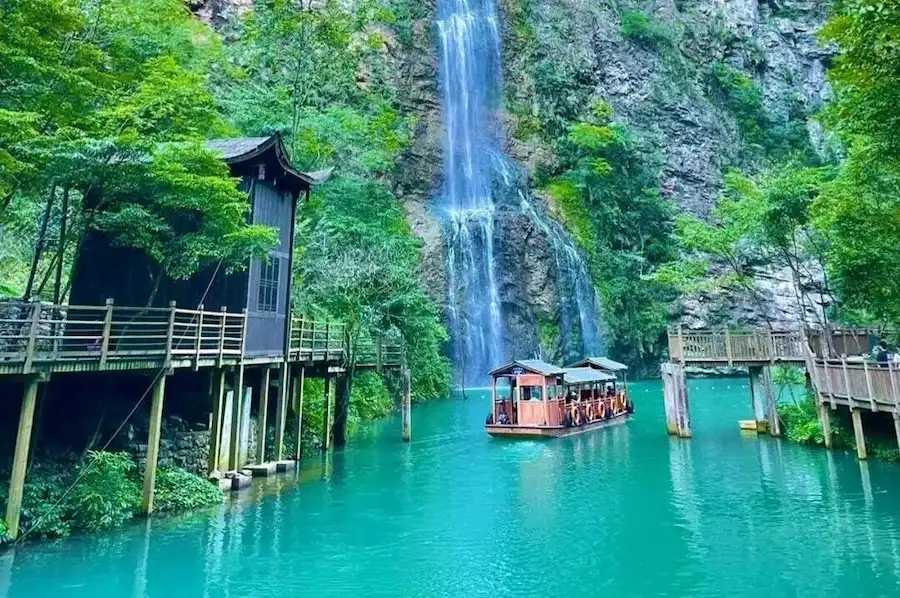
Source from Zhangjiajie Travels
Packing right saves you from discomfort (e.g., sweaty summer hikes or cold winter waits). Use this table to grab only what you need—no overpacking.
Season | Clothing Essentials | Key Items to Bring |
Spring (Mar–May) | Light waterproof jacket, layers, long pants | Umbrella, sunscreen, waterproof shoes |
Summer (Jun–Aug) | Breathable T-shirts, shorts, rain poncho | Mosquito repellent, sun hat, water bottle |
Autumn (Sep–Nov) | Sweater, light down jacket, long pants | Scarf, camera (clear views) |
Winter (Dec–Feb) | Heavy down coat, thermals, snow boots | Gloves, hand warmers, thermos |
See all attractions
 947511 booked




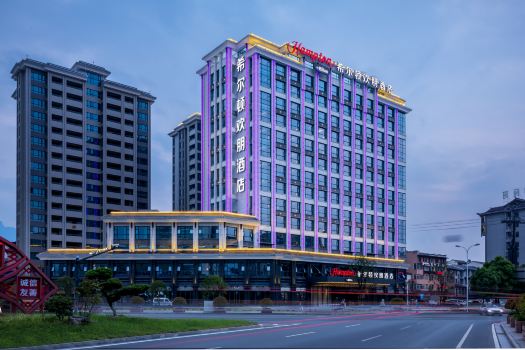
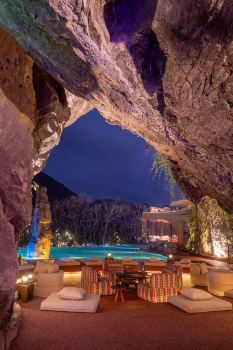
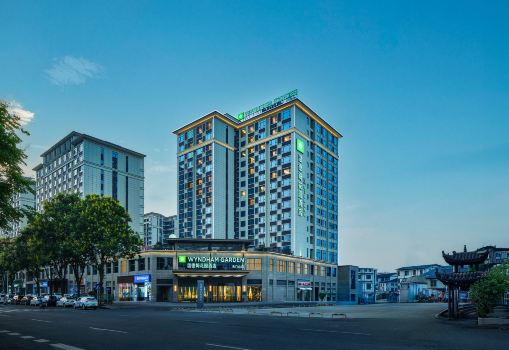
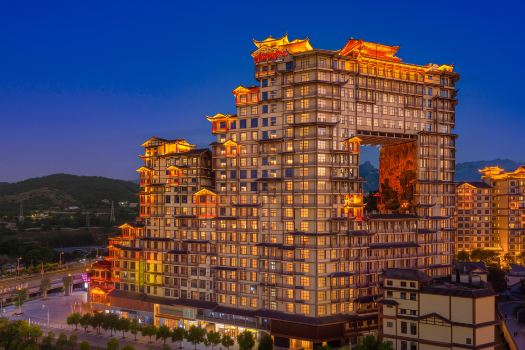
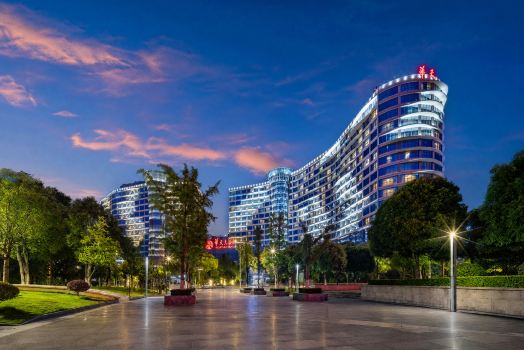
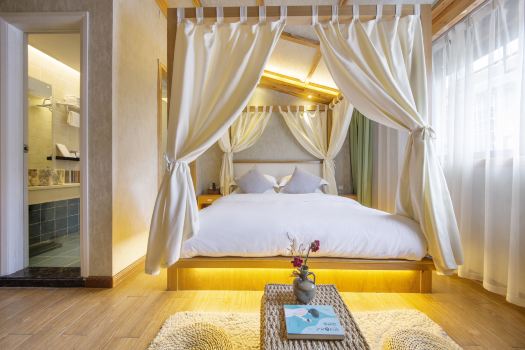
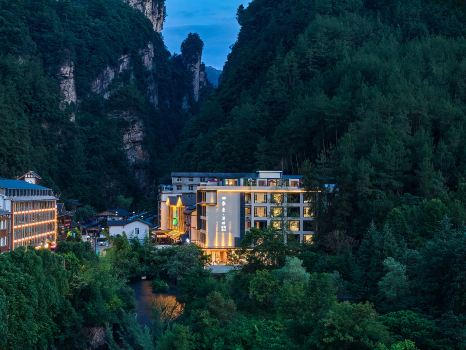
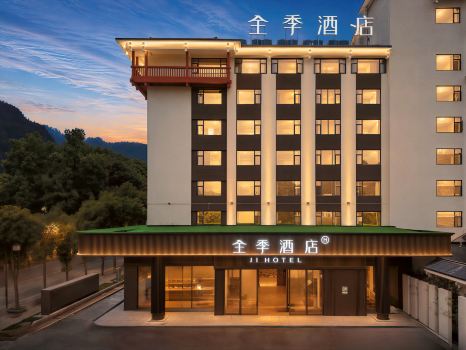
[10% OFF] Zhangjiajie Hotel Recommendations
Grab 10% off hotel counpon, and choose one of these Zhangjiajie hotels for your cozy stay!
See All Hotels

FAQs about Zhangjiajie Weather
-
What is the best time to visit Zhangjiajie for good weather?
-
What is the weather like in Zhangjiajie in November?
-
What is the weather like in Zhangjiajie in December?
-
Does it rain a lot in Zhangjiajie?
-
How cold does Zhangjiajie get in winter?
-
Is Zhangjiajie worth visiting in the rain?
-
Where can I find a reliable 14-day weather forecast for Zhangjiajie?
Disclaimer: This article has been provided by an individual contributor or third party platform. If there is any discrepancy regarding the copyright, please contact us directly and we will delete the content immediately.
Trending Searches
-
Top Flight Routes
-
Popular Hotels
-
Popular Attractions
-
eSIM/SIM card
- Stone Haven· Zhangjiajie National Forest Cave Homestay
- FUNGEE S Hotel, Zhangjiajie National Forest Park, Wulingyuan sign gate, Zhangjiajie
- Lanting Elegant Restaurant Hotel (Zhangjiajie National Forest Park Sign Store)
- Manyuan Resort Hotel
- WYNDHAM GARDEN ZHANGJIAJIE TIANMEN MOUNTAIN
- Zhangjiajie Yunfu Garden Hotel (Tianmen Mountain Cableway Station Branch)
- Atour Hotel (Zhangjiajie Yongding District Tianmenshan Cableway Station)
- Zhangjiajie Four Seasons Lai · Riverside Resort Hotel (Baofeng Lake Scenic Area)
- Veil Canyon Lodge
- Hampton by Hilton Zhangjiajie Tianmen Mountain
- Yuxi Homestay
- Lianhuaxi Homestay (Zhangjiajie High-Speed Railway West Station)
- Western Grand Hotel
- Amazing Loft Hotel
- Sun Valley Resort(Zhangjiajie National Forest Park)
- Best Western Plus Qingxinyuan Hotel
- Avatar Floating Mountain Homestay(Zhangjiajie National Forest Park)
- Yuelu Homestay(Zhangjiajie National Forest Park)
- Shile Minsu (Zhangjiajie Tianmenshan Cableway Branch)
- Zhangjiajie Bangke Youth Resort Hotel (Wulingyuan National Forest Park)
- Forbidden City Tickets
- Universal Studios Japan
- Shanghai Disneyland Fast Pass
- Hutong Beijing
- Tokyo Disneyland Ticket
- Zhangjiajie National Forest Park
- Shanghai Disneyland Ticket
- Taronga Zoo Sydney minisite
- Canton Tower
- Puffing Billy Tickets
- Shanghai Tower
- Summer Palace Beijing
- Universal Beijing Resort
- Yu Garden
- Canggu Bali