China Tour Guide: Top Attractions, Best Time to Visit & Transportation


Find top China tour packages for 2026 – explore Beijing tour: Forbidden City, the Great Wall; Shanghai tour and more. Guided group tours, private trips, and limited 5% off deals. Book your China tour now!
See all flights


China Tour – Top Attractions You Must Visit
China Tour Top Attractions | Zhangjiajie

Source from Unsplash
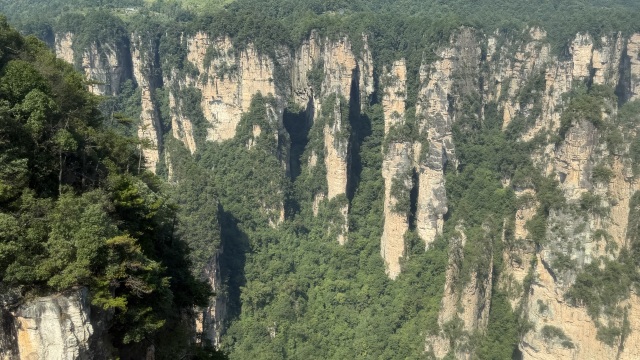
Zhangjiajie, with over 3,000 quartzite sandstone peaks, features some of China’s most surreal landscapes. This spectacular otherworldly scenery famously inspired the floating mountains of Pandora in James Cameron’s Avatar. In fact, the Wulingyuan district authorities renamed one of the tallest pillars (approximately 3,500 feet high) “Avatar Hallelujah Mountain.”
Many parts of the movie Avatarwere filmed in Zhangjiajie. Whether you choose an organized tour, river rafting, hiking, or walking on the scenic glass pathways, visiting this place will make you feel like you’re in a sci-fi movie.
Reviews of Zhangjiajie
4.6/5
8528 reviews
4/5
The park is beautiful. If you go on a clear day, you can appreciate the mountains. It's packed with tourists and tours. I waited an hour to get on the elevator, and even longer to get off. The elevator is the only way out of the park if you go up… you'll have a long line to go back down. Too much noise pollution… Good luck with the pushing and shoving and people running to get on the transport. (Sunday, September 20, 2 PM)
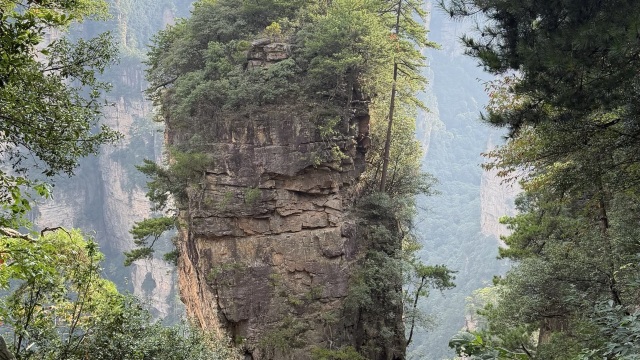

5/5
If you only have one day to visit, you can confidently plan your route; everything in the park is very clear, all the signs are in three languages - Chinese, English and Russian)) at all points along the route there are tents with food, toilets and benches for rest.
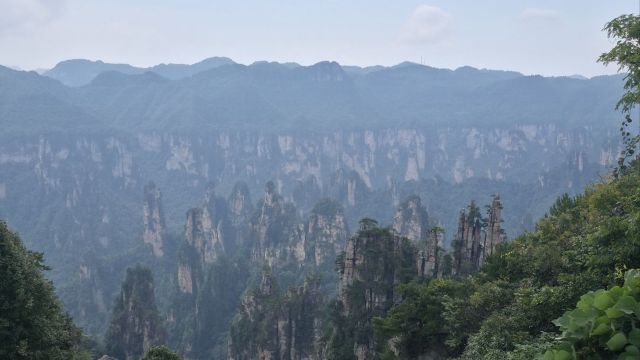

5/5
Very special view of Zhangjiajie, whether very big easy to go wrong remember to see the power
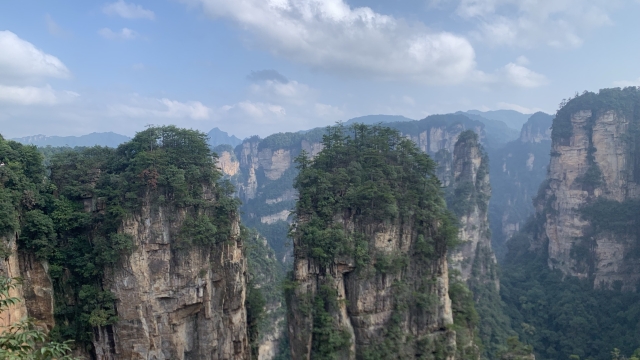

5/5
They scared us with huge queues, but in the end we didn’t have to stand anywhere and saw all the beauty.
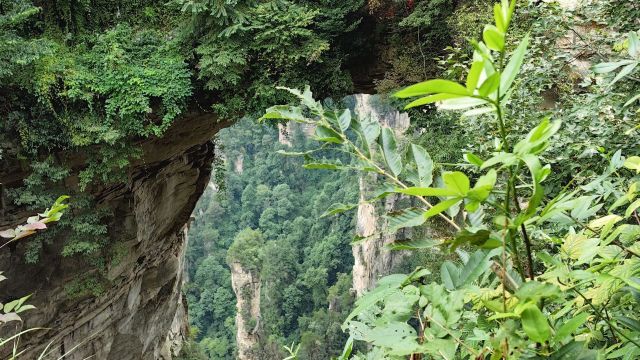
5/5
A very beautiful place that I recommend everyone to visit! Love to everyone!
China Tour Top Attractions | Jiuzhaigou

Source from Unsplash
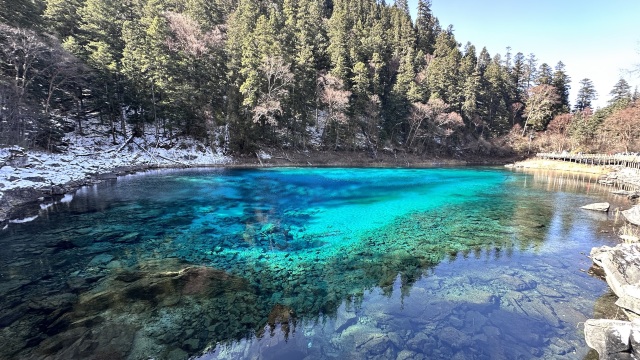
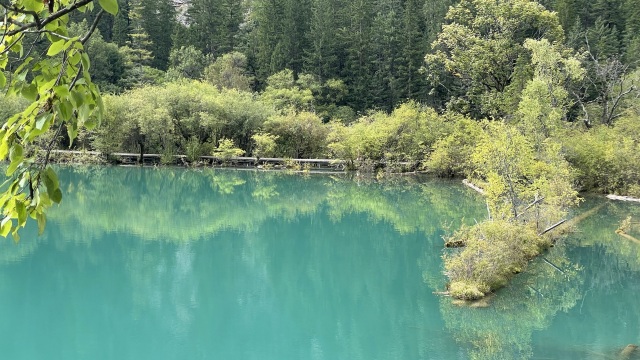
You might recognize Jiuzhaigou’s colorful alpine lakes from those striking computer screensaver images. No, those photos are not computer-generated. The sparkling lakes in this national park are filled with water that changes color throughout the year. Its spectacular hues come from reflections of the surrounding landscape, as well as algae and calcified rocks at the bottom of the shallow lakes.
Jiuzhaigou is renowned as one of the world’s most beautiful water landscapes, featuring emerald lakes, cascading waterfalls, colorful forests, and snow-capped mountains. For centuries, this remote area has been inhabited by various Tibetan and Qiang ethnic groups. In fact, seven of the nine surrounding Tibetan villages are still inhabited today.
Reivews of Jiuzhaigou
4.8/5
20458 reviews5/5
Absolutely stunning in person! The crystal-clear lakes and mountains were even more beautiful than the photos. Definitely one of the most memorable places I’ve visited. ✨
4/5
Beautiful scenery!! Worth the day spent in the park. Even with a morning shower the air is so refreshing and cooling. Really enjoy most tracking the forest trails. Important to note that you need to cover over 15,000 steps😅😅 Sightseeing bus taking you point to point.

5/5
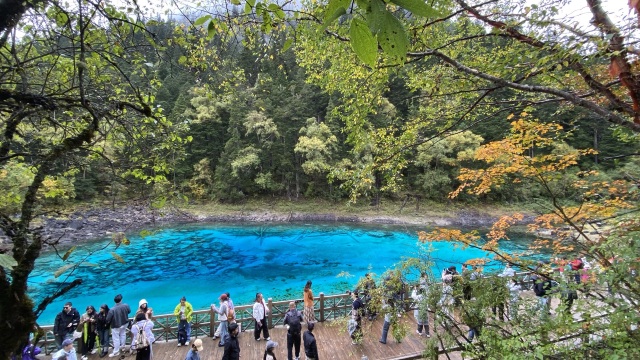
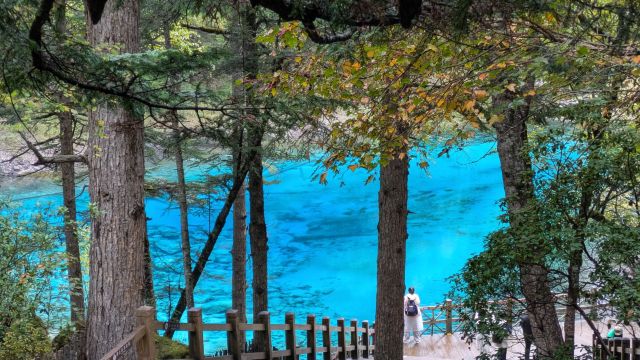
Even though the weather was cloudy, it was still blue!!! The Five-Colored Ponds in particular were so vibrant they seemed to glow. There are buses, but I ended up walking too much. By the way, you won't know the destination of the bus departing from the entrance to Jiuzhaigou (Changhai or Primeval Forest) until you get on. There are no destination signs or prior announcements. It's only revealed by an onboard announcement (in Chinese only) just before reaching Nuorilang. So, if you're on the wrong bus, you'll need to change buses at Nuorilang. Well, I just thought it was fine and rode all the way to the last stop (lol).

5/5
Jiuzhaigou park was really beautiful. We weren't lucky as the weather wasn't the best and it was raining most of the day but the park remained beautiful and was visiting. The shuttle bus were really easy to take. There is also a big place with different restaurants and shops at nuorilang center which was really convenient. We had a great time.

5/5
Every scenic spot in Jiuzhaigou is beautiful, especially the Five Flower Pool, and the waterfall is also spectacular.
China Tour Top Attractions | Potala Palace Lhasa

Source from Unsplash
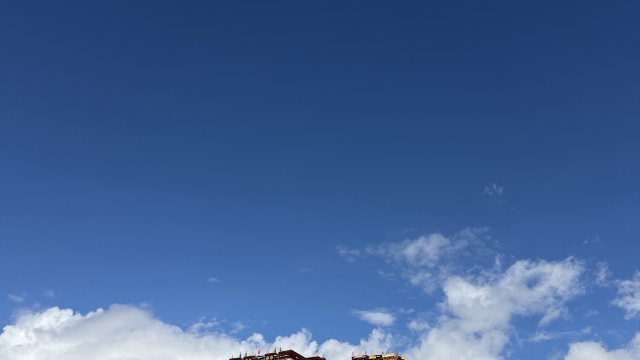
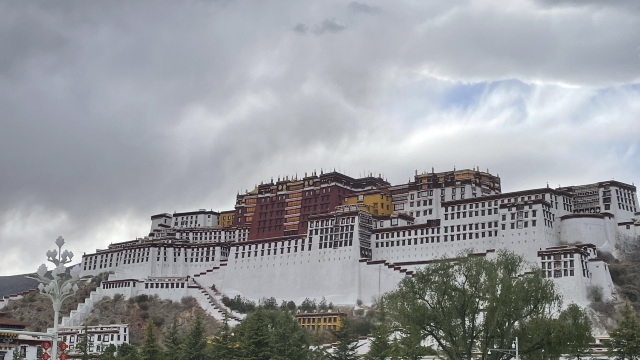
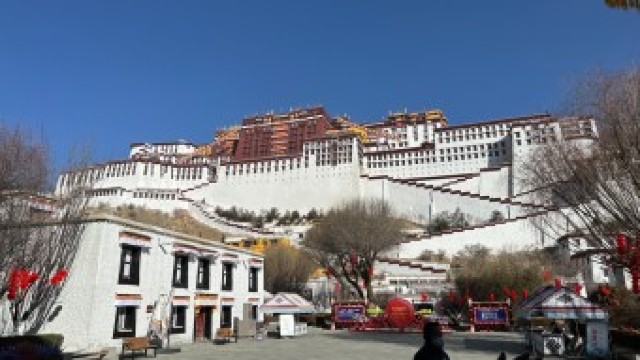
The holy city of Lhasa is home to one of Tibet’s most iconic historical structures—the magnificent Potala Palace. Now a nine-story museum, it was originally built as a fortress, the winter palace of the Dalai Lama, and the seat of government. At 12,139 feet above sea level, it is the highest palace on Earth.
In addition to the palace’s spectacular prayer halls, you can explore the medieval Jokhang Temple, as well as the Drepung and Sera Monasteries. Wandering through the whitewashed alleyways of Lhasa’s old town, at the heart of the Tibetan district, is also highly recommended. There, you’ll find many backstreet craft workshops, hidden temples, and local tea houses.
Reviews of Potala Palace Lhasa
4.7/5
5354 reviews4/5
Seeing historical buildings with a guide explanation is indeed much better, recommended ~
5/5
The villagers were incredibly hospitable; they'd invite you in to warm your hands if you passed by. The old shop at the street corner sold freshly slaughtered black goat stew with radish; a steaming pot was served, the meat tender and the broth flavorful—two bowls would warm you right up. At night, after the snow stopped, you could see stars reflected on the rooftops, and looking up, you'd see only tiny, shimmering silver lights. The heated kang bed was scorching hot; wrapped in a quilt, listening to the snow falling outside the window, even your dreams were peaceful.
5/5
The speaker changed careers, and the explanation became clear.
5/5
I like it, it's so good!!!!!! It's such a happy place
It's a place I want to go again !!!!!! If I have time again, I definitely want to go again
Everyone knows this, but I definitely recommend it !!!!!!!!!!!!!!!!!!!!!
5/5
The young lady explained very well 👍🏻👍🏻👍🏻👍🏻👍🏻👍🏻
China Tour Top Attractions | The Bund Shanghai
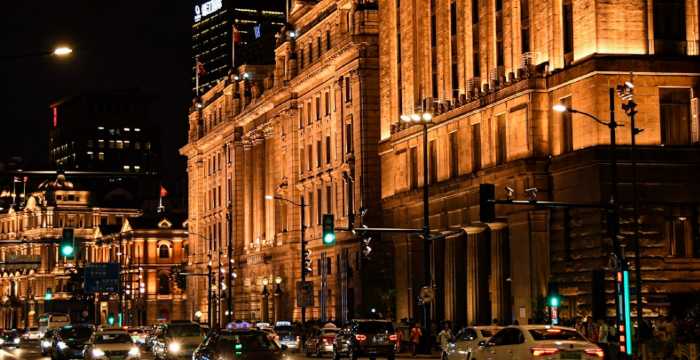
Source from Unsplash
Shanghai is an ultra-modern metropolis and China’s most populous city. In addition to some of China’s most stunning restaurants, it also boasts a wealth of cultural and aesthetic treasures.
The Lujiazui skyline is one of modern Shanghai’s most recognizable symbols. Shanghai’s architecture represents various influences, from Gothic to Renaissance styles, including many Art Deco buildings. The city’s architectural highlights include the Yu Garden Pagoda and the golden roofs of the Jing’an Temple, as well as the majestic Peace Hotel and the old Customs House with its iconic clock tower.
Reviews of The Bund Shanghai
4.8/5
5961 reviews5/5
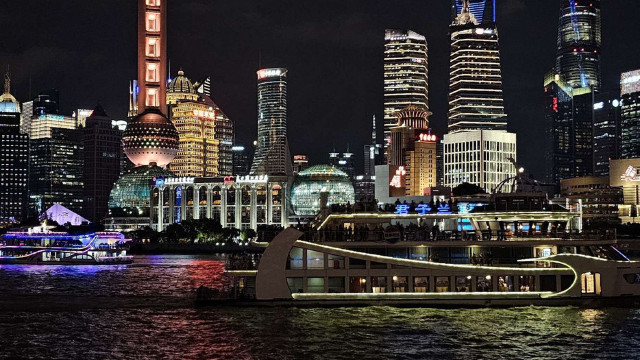
I really enjoyed the excursion. My husband and grandson and I went. There was a great variety: crayfish, mussels, meat dishes, noodles, vegetables, and fruits. Everything was deliciously prepared, and they offered tea. There was a short concert on the second deck, which I really enjoyed. The views with the night lighting were stunning. I recommend this excursion.
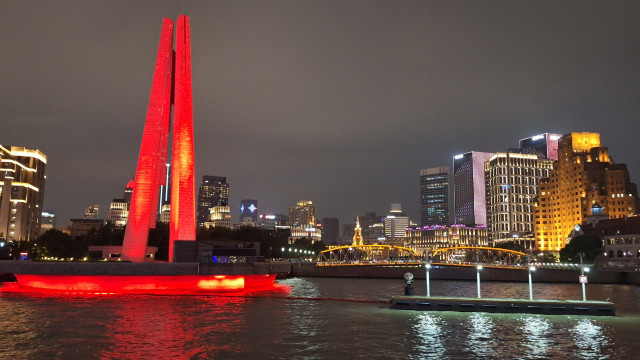
5/5
Amazing, 40 minutes well spent. The ticket was cheaper than the ticket at the box office.
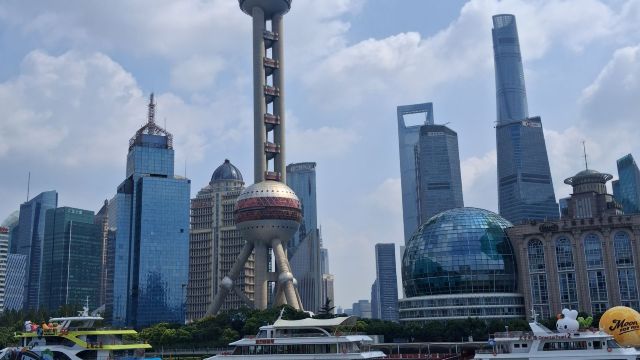
5/5
Shanghai's beautiful embankment. In the evenings, it fills with a huge crowd of people from different countries. It's a truly international place. Everything is so beautiful, and around 8 p.m., the lights turn on. It's noisy and bright. A must-see, and you can't miss it. You can come closer to the time the lights turn on and experience the embankment both in daylight and with the lights turned on.
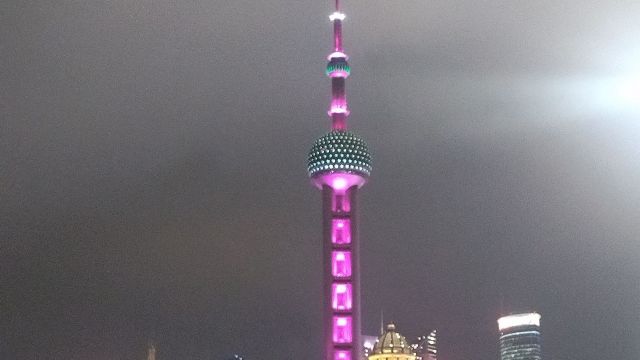

5/5
1. Excellent views of the 23rd-century city.
2. Huge crowds of tourists on the southern part of the promenade, if you're coming from the Yuyuan Garden metro station.
3. The northern part of the promenade near the Hyatt Hotel is almost completely empty, even on weekends.
It's best to visit between 8:00 PM and 10:30 PM, as the lights turn off at 11:00 PM.
4/5
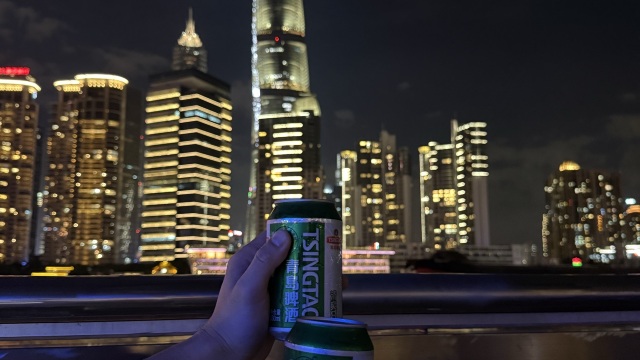
Can definitely recommend when you want to enjoy the view of the Bund from a more relaxed perspective BUT these tickets include standing places only. On board they will try to invite you to sit in the VIP area which costs extra. But at least you can sit and you have free nonalcoholic beverages included + 1x beer or ice cream.
China Tour Top Attractions | The Great Wall Beijing

Source from Unsplash
No list of China’s best tourist destinations would be complete without its political and cultural capital, Beijing. Don’t miss the Forbidden City (also known as the Palace Museum), the largest and most important architectural complex in the heart of Beijing.
Beijing boasts some of China’s most impressive architectural wonders, including the majestic Forbidden City. Other must-see attractions include the famous Tiananmen Square, the Yonghe Temple, and the Temple of Heaven—one of the country’s most important religious sites, dating back to the 15th century.
Reviews of The Great Wall Beijing
4.8/5
10224 reviews5/5
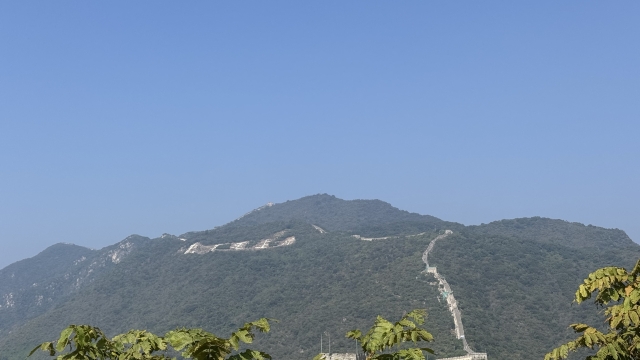
This plan is definitely worth doing; the guide was very friendly and helped us with the tickets for the cable car, chairlift, and toboggan run, which cost 280 yuan per person and you pay directly on the bus.
5/5
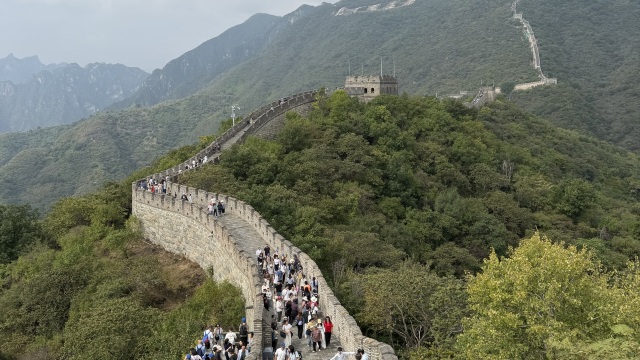
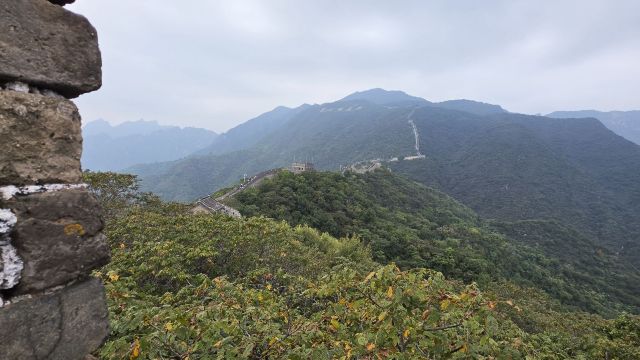
It was exhausting. The walk from the entrance gate to the shuttle bus is quite steep. From the bus stop to the cable car, the pressure increases even more. The final steep climb after the cable car ride made my legs tremble, but the view from the top of the wall made all the tiredness disappear. It took about 2 to 3 hours to walk on the wall. The return trip was easy. I recommend being physically prepared. There are fewer people, so the views are beautiful for photos. I suggest going on a weekday, not a weekend, and ideally arriving at the entrance before 8 am from Beijing, as there are fewer crowds. If you arrive around 10 am or later, it will start to get crowded and traffic will be congested.
5/5
Convenient booking, immediate use, better prices than buying directly at the location.

5/5
Juju foi uma guia maravilhosa. Muito simpática e com conhecimento profundo da história da Muralha. A experiência foi marcante e acolhedora.

5/5
Jackie chan from busda company knows a lot about the history of The Great Wall and he will tell you about it during the bus trip.So you will arrive well prepared.
Best Cities for Your China Tour
City | Must-Visit Attractions & Experiences | Key Highlights | Ideal For |
Forbidden City, Great Wall, Tiananmen Square, Universal Beijing Resort, 798 Art District | China's historical and political heart, blending ancient traditions with modernity | History buffs, families, first-time visitors | |
The Bund, Yu Garden, Shanghai Disneyland, Huangpu River Cruise, Colonial architecture | A futuristic metropolis where East meets West, a global financial hub | Urban explorers, Disney fans, business travelers | |
Hangzhou | West Lake (UNESCO), Lingyin Temple, Longjing Tea Plantations, nearby water towns | Picturesque landscapes, profound tea culture, and serene historical ambiance | Nature lovers, cultural enthusiasts, those seeking tranquility |
Xi'an | Terracotta Army, Ancient City Wall, Muslim Quarter, Qinling Panda Center (brown panda) | Starting point of the Silk Road, home to awe-inspiring archaeological wonders | History enthusiasts, foodies, photographers |
Chengdu | Chengdu Panda Base, Jinli Ancient Street, Sichuan Hotpot, traditional tea houses | The "Panda Capital," famous for spicy cuisine and a laid-back lifestyle | Animal lovers, food adventurers, slow-travel seekers |
Harbin | Ice & Snow World, St. Sophia Cathedral, Central Street, Russian-inspired food | China's "Ice City," a winter wonderland with strong Russian influence | Winter travelers, culture experiencers, families |
Guangzhou | Canton Tower, Shamian Island, Dim Sum, Chimelong Tourist Resort | Heart of Cantonese culture and cuisine, a bustling modern metropolis | Foodies, families, business travelers |
Top China Tour Packages & Reviews
![Zhangjiajie National Forest Park One-Day Tour [Optional Park Admission + VIP Access on Eco-friendly Bus]](https://ak-d.tripcdn.com/images/10020h000000920dp9F12_C_750_480.jpg)
Zhangjiajie National Forest Park One-Day Tour [Optional Park Admission + VIP Access on Eco-friendly Bus]
4.9/5
914 reviewsA wonderful tour—we skipped a lot of lines thanks to the VIP pass. There were a couple of useless locations that we could have easily skipped and saved time. But overall, everything went smoothly. Sunny, the guide, was excellent; she shared interesting facts and answered all our questions. Her English is very good, so communication was easy. Overall, I recommend it—the transportation is convenient, you don't have to worry about where to go or which shuttle to take, and you skip the lines everywhere.
![Jiufen Old Street + Shifen Old Street + Shifen Waterfall 1-day tour [Depart from Taipei | Guaranteed departure]](https://ak-d.tripcdn.com/images//0584o12000nkigtod37D0_C_750_480.jpg)
Jiufen Old Street + Shifen Old Street + Shifen Waterfall 1-day tour [Depart from Taipei | Guaranteed departure]
4.7/5
503 reviewsThe tour guide was very friendly and talkative, and the itinerary for the day was really well planned! I’d definitely consider joining a similar tour again next time.
![Beijing The Palace Museum 1-day tour [including admission ticket | 3-hr guided tour by expert guide]](https://ak-d.tripcdn.com/images/0356u12000tbcj3g911B8_C_750_480.jpg)
Beijing The Palace Museum 1-day tour [including admission ticket | 3-hr guided tour by expert guide]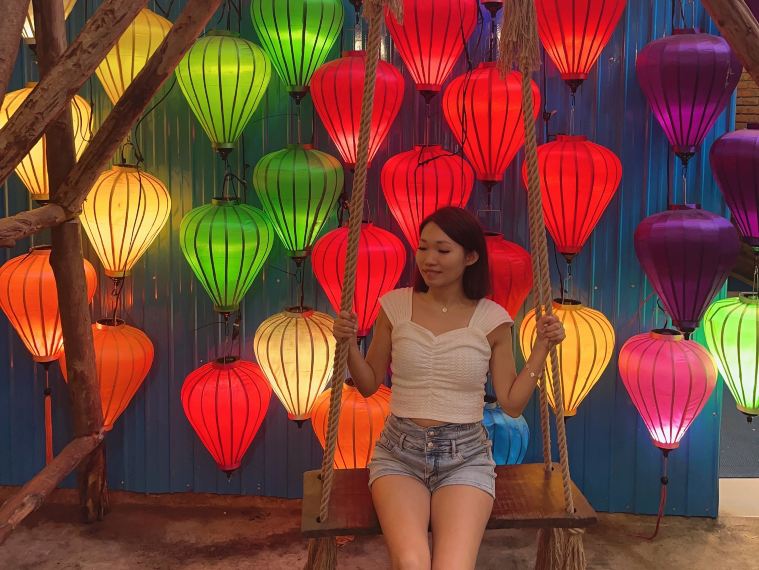
4.9/5
290 reviewsMany thanks to our tour guide, Mr. Niu, for his thoughtful care throughout the trip. He was warm, patient, and proactively resolved any issues. His extensive professional knowledge and clear, easy-to-understand explanations made the trip relaxing and enjoyable.
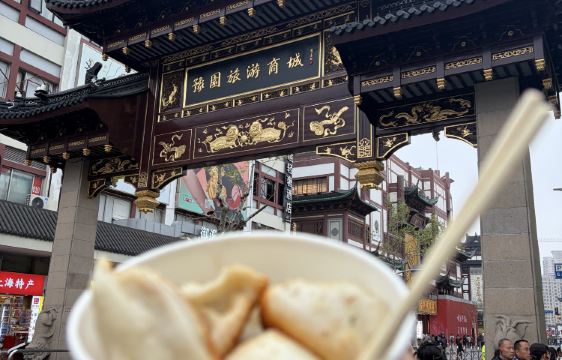
Shanghai Yu Garden + City God Temple traditional culture experience: Confucianism, Buddhism and Taoism cultural exploration with optional Chinese tea
4.8/5
52 reviewsThat was a fantastic, very interesting afternoon. My guide John did a great job of explaining the history of the park. The 1.5 hours were almost too short. Thank you!
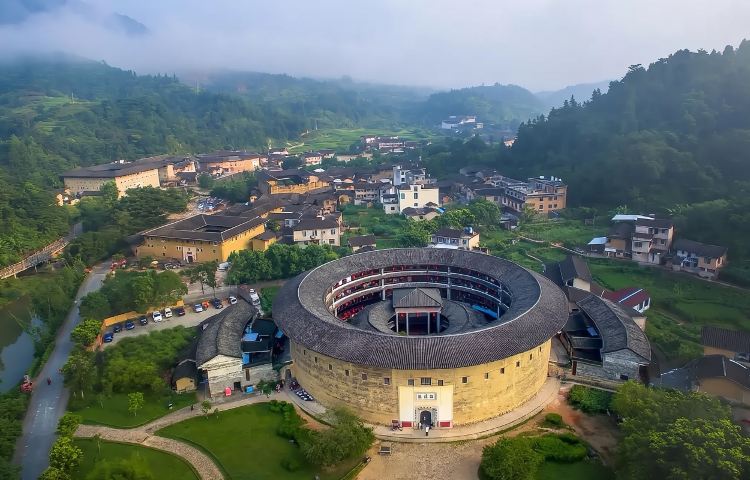
Small group of 6-8 people + Yunshuiyao Ancient Town + Yongding Gaobei Tulou King 1-day tour
4.9/5
248 reviewsDriver 8803 provided excellent service. He was very patient and friendly throughout the trip. He introduced the history and unique features of the Tulou, told us which spots were worth visiting, and even recommended the best places to take photos, so we came away with many beautiful pictures. The itinerary was well paced and never felt rushed
Do I need a Visa for a China Tour?
Planning a trip to China? Whether you want to explore the Great Wall, indulge in dim sum, or experience bustling modern cities, obtaining a visa is usually your first step. The good news for Australian passport holders is that the process is straightforward, and you are eligible for a 10-year, multiple-entry visa!
Do Australian Citizens Need a Visa for China Tour?
Yes, you do.
As an Australian passport holder, you must apply for and obtain a tourist visa (L Visa) in advance to enter mainland China. You must submit your application at a Chinese Visa Application Service Centre (CVASC) before you depart. China does not offer visa-on-arrival for Australian citizens.
Important Note: This requirement is for mainland China. If you are only visiting Hong Kong or Macau, Australian citizens can enter visa-free for stays of up to 90 days.
Your Visa Options: The Decade-Long Visa!
- A major benefit for Australian citizens is the eligibility for a 10-year, multiple-entry visa. This means that for the next ten years, you can visit China multiple times, with each stay typically lasting up to 60 or 90 days (as indicated on the visa). It's a single application for long-term benefits, perfect for frequent travellers or those planning future return trips.
- You can also apply for a single or double-entry short-term visa if you don't plan to visit frequently.
Apply for China Visa for Other Nationalities
- New Zealand Citizens: Policies are similar to those for Australian citizens, typically making them eligible for multiple-entry visas as well.
- US, Canadian, UK Citizens: Also need to apply for a visa in advance and are generally eligible for 10-year multiple-entry visas (specific requirements may vary slightly).
- Singaporean, Bruneian, Japanese Citizens: Enjoy a 15-day visa-free policy for visits to mainland China.
- All Nationalities: The Transit Without Visa (TWOV) policy may apply. If you are transiting through major hubs like Beijing, Shanghai, or Guangzhou for less than 144 hours (6 days) en route to a third country, you may not need a visa. Always confirm all requirements with your airline and Chinese immigration authorities in advance.
Regardless of your nationality, it is always best to check the latest information on the website of the Chinese embassy or consulate in your country, as regulations can change.
How Much Does a China Tour Cost? – China Travel Cost
Estimated Trip Cost: Australia to China
A typical trip costs vary for the exact travel dates and personal preference, excluding personal shopping. Here’s a detailed breakdown:
Flights
Let's start with the flights. The cost of a round-trip ticket to China can vary depending on your departure city. From major cities around the world, you can expect to pay anywhere between $750 to $2250.
When planning your visit to China, consider booking your flight to Shanghai or flight to Beijing.
| Flight Route | Estimated Cost (AUD) |
|---|---|
| Australia to China | $1050 - $1950 |
| North America to China | $1200 - $2250 |
| Europe to China | $900 - $1800 |
| Asia to China | $750 - $1350 |
Accommodation
Now, let's talk about accommodation. If you're on a budget, you'll be pleased to know that there are plenty of affordable options available. Budget hotels in China can cost as low as $45 per night. So, for 2 nights, you can expect to spend around $90.
For a convenient stay, look for Shanghai hotels, Hangzhou hotels or Beijing hotels in advance to get the best rates.
| Accommodation Type | Price Per Night (AUD) |
|---|---|
| Budget Hostel | $15 - $30 |
| Budget Hotel | $45 - $75 |
| Mid-range Hotel | $75 - $150 |
| Luxury Hotel | $150+ |
Transportation
Getting around China is a breeze, thanks to its efficient transportation system. A one-way subway or train ticket can cost between $1.5 to $7.5, depending on the distance. For 3 days of transportation, you can estimate a total cost of around $20.
| Transportation Type | Estimated Cost (AUD) |
|---|---|
| Subway (One Way) | $0.45 - $1.5 |
| Local Bus (One Way) | $0.30 - $0.75 |
| Taxi (Starting Fare) | $2.25 - $3 |
| High-Speed Train (Between Cities) | $30 - $90 |
Food & Drinks
When it comes to food and drinks, China offers a wide range of options to suit every budget. At budget restaurants, a meal can cost anywhere between $5 to $15. But if you're feeling adventurous, street food and convenience store meals can be even cheaper.
As for drinks, prices can vary depending on the type and location, ranging from $1.5 to $7.5. For 3 days of eating and drinking, you can expect to spend around $150.
| Food & Drink Item | Estimated Cost (AUD) |
|---|---|
| Street Food Meal | $3 - $7.5 |
| Budget Restaurant Meal | $7.5 - $15 |
| Mid-range Restaurant Meal | $15 - $30 |
| Bottled Water | $0.75 - $1.5 |
| Local Beer | $1.5 - $4.5 |
Sightseeing & Activities
China is a treasure trove of cultural and historical attractions. Some popular sights, like the Great Wall and the Forbidden City, may have a small entrance fee of around $10 per person. However, there are also plenty of free attractions to explore, such as local parks and temples.
If you're up for some extra splurging, other attractions may cost a bit more, around $30 per person. For 3 days of sightseeing and activities, you can estimate a total cost of around $150.
| Attraction/Activity | Estimated Cost (AUD) |
|---|---|
| Great Wall of China | $9 - $22.5 |
| Forbidden City | $13.5 |
| Shanghai Tower Observation Deck | $63 |
| Local Parks and Gardens | Free - $7.5 |
| Museums | Free - $15 |
Total Cost Summary
So, to summarize, for a budget traveler looking for a 2-night & 3-day trip to China, you can expect to spend approximately $800. However, please keep in mind that these are rough estimates and actual costs may vary depending on your travel style, activities, and other expenses.
| Expense Category | Estimated Cost (AUD) |
|---|---|
| Flights (Round-trip) | $750 - $2250 |
| Accommodation (2 nights) | $90 |
| Transportation (3 days) | $30 |
| Food & Drinks (3 days) | $150 |
| Sightseeing & Activities (3 days) | $150 |
| Miscellaneous | $30 |
| TOTAL (Average) | $1200 |
What to Pack for a China tour?

- Documents: Passport (valid for >6 months) + Chinese visa and Credit card (Visa/MasterCard) + Chinese Yuan (RMB) cash
- Phone charger + adapter + VPN: In China, A 220V plug is used (type A/ b is the same as in the United States, but in some old places, an adapter may be required). Portable chargers are the saviors for long working hours.
- Cash: Most places accept Alipay/wechat Pay, but small shops or street vendors may only accept cash (RMB). Bring ¥1,000-2,000 in small bills (¥10, ¥20, ¥50).
- Light jacket: Even in summer, it will keep you cool at night (especially in mountainous areas like Guilin). In spring or autumn, it's most appropriate to wear several layers.
- Sunscreen + hat: The sun is very strong, especially when hiking the Great Wall or visiting Xi 'an.
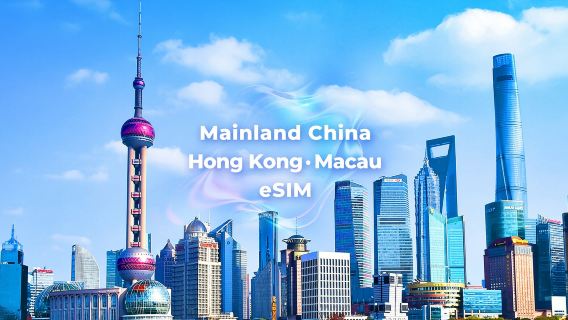
- eSIM & SIM Card: If you need to go to China, you can use eSIM. The speed is good, the price is cheaper than roaming, and many apps won't be blocked. If you want to make phone calls or register for many Chinese food delivery and shopping apps, you can consider getting a sim card in China.
See all attractions
 881554 booked


How to Get Around China during a China Tour?

China's transport is easy once you get the hang of it. The following is the best way to get around China:
- High-speed trains: Fast (reaching up to 350 km/h), affordable for intercity travel (e.g., Beijing to Shanghai in just 4.5 hours). Book tickets using the Trip.com app (fully in English) or via your travel agent.
- Subways: In major cities like Shanghai, Beijing, or Guangzhou, subways are inexpensive (¥2–10) and effective at avoiding traffic. Maps are available in English.
- Taxis/Didi: Use the Didi Chuxing app (China’s version of Uber) — it’s more affordable than regular taxis, and you can enter your destination in English.
- Flights: Ideal for long-distance trips (such as Beijing to Chengdu). Booking 2–3 weeks in advance through apps like Trip.com often offers lower prices.
When to Go on a China Tour – Best Months and Tips

City/Destination | Best Time to Visit | Avg. Temperature | Recommended Attractions |
Xi'an | Mar-May, Sep-Nov | (Mar-May): 10°C - 22°C | Terracotta Army, Ancient City Wall, Big Wild Goose Pagoda, Bell and Drum Towers |
Beijing | Mar-May, Sep-Nov | (Mar-May): 5°C - 20°C | Great Wall, Forbidden City, Summer Palace, Temple of Heaven |
Yunnan | Year-round | 15°C - 20°C | Old Town of Lijiang, Dali Erhai Lake, Shangri-La, Xishuangbanna, Jade Dragon Snow Mountain, Stone Forest |
Sichuan | Mar-May, Sep-Nov | (Mar-May): 12°C - 22°C | Leshan Giant Buddha, Jiuzhaigou Valley, Mount Emei, Chengdu |
Tibet | Year-round | ~8°C | Potala Palace, Lhasa, Namtso Lake, Mount Everest |
Guizhou | Mar-May, Sep-Nov | 12°C - 22°C | Miao Village (Xijiang Thousand Household Miao Village), Huangguoshu Waterfall, Kaili Dong Village |
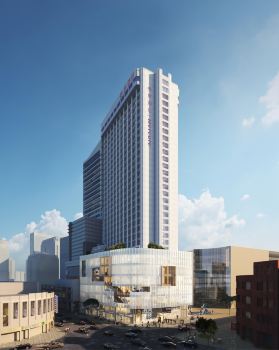
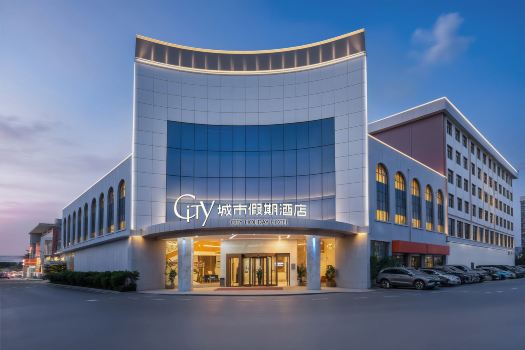
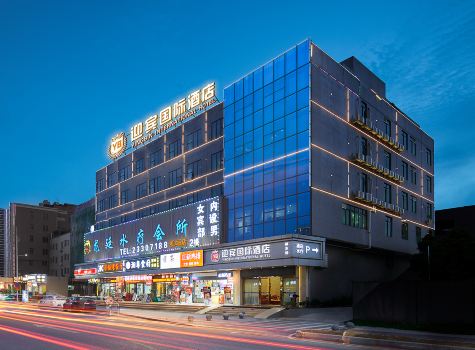
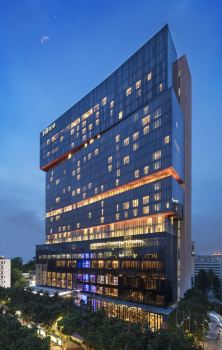
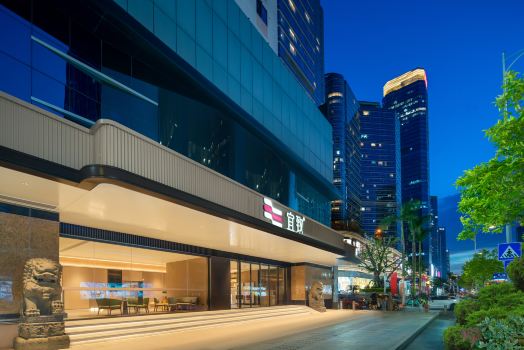
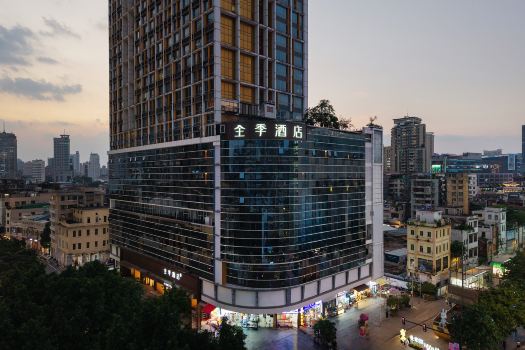
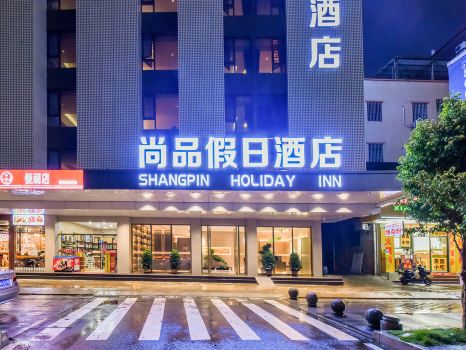
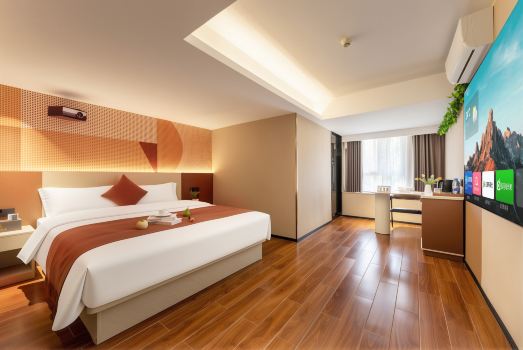
Where to Stay in China - 8% OFF Hotel Promo Code








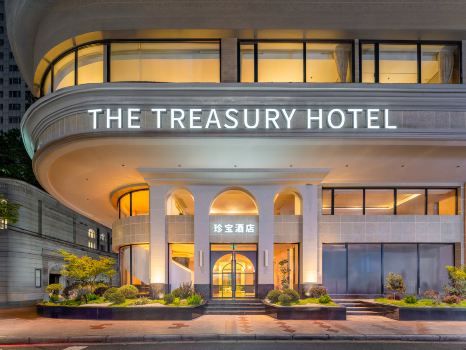
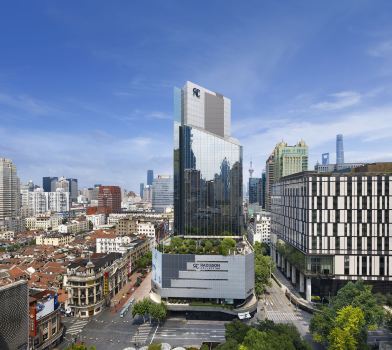
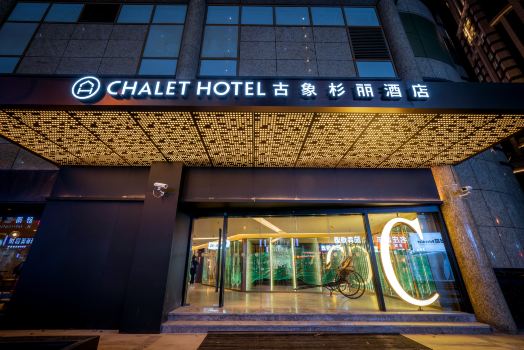
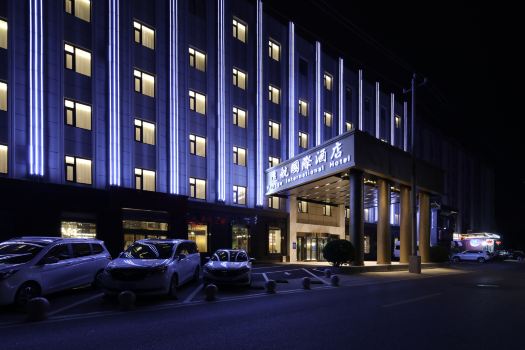
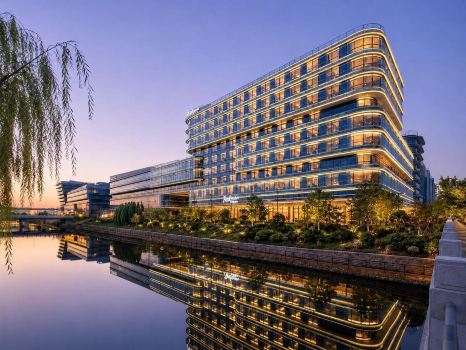
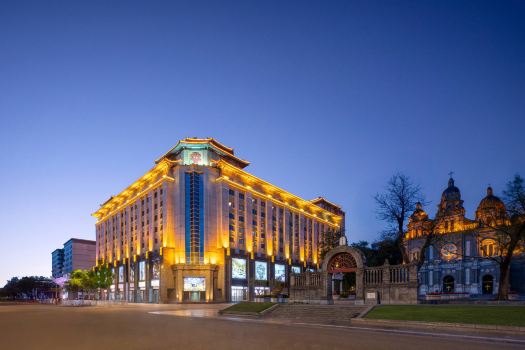
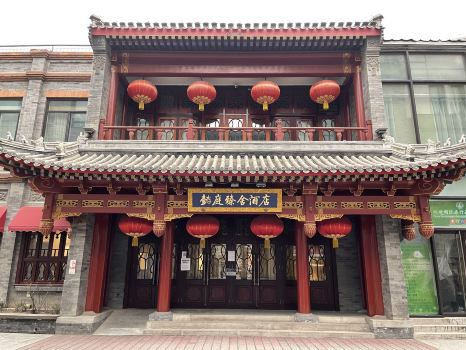
Shanghai Hotels
Beijing Hotels
Guangzhou Hotels
See All Hotels

FAQs about China Tour
-
What is the best tour of China?
-
Which is the best tour company for China?
-
What is the best month to travel to China?
-
What is the cheapest month to go to China?
-
What should I eat on a China tour?
-
Do I need to tip in China?
-
Is China safe for tourists?
-
Are China tour guides worth it?
Disclaimer: This article has been provided by an individual contributor or third party platform. If there is any discrepancy regarding the copyright, please contact us directly and we will delete the content immediately.
Trending Searches
-
Popular Attractions
-
eSIM/SIM card
- Forbidden City Tickets
- Universal Studios Japan
- Tokyo Disneyland Ticket
- Shanghai Disneyland Fast Pass
- Shanghai Disneyland Ticket
- Puffing Billy Tickets
- Zhangjiajie National Forest Park
- Hutong Beijing
- Canton Tower
- Taronga Zoo Sydney minisite
- Shanghai Tower
- Summer Palace Beijing
- Shanghai Disneyland Ticket Types
- Universal Beijing Resort
- Yu Garden